To fix common problems with water level transmitters, you need a methodical way to find signal failures, calibration drift, and communication issues that often stop industrial activities. Today's water level transmitters, like underwater monitors and wireless tracking systems, need to be diagnosed in a certain way to keep measurements accurate and avoid costly downtime. When engineering teams know these fixing methods, they can quickly fix problems and get reliable liquid level tracking back up and running in a wide range of industrial settings.
Understanding Common Water Level Transmitter Problems
Often, industrial sites in the pharmaceutical, petroleum, and wastewater treatment sectors have trouble with their liquid level tracking devices. One of the most common problems is signal interference, which happens when electromagnetic noise from nearby equipment stops sensors and control systems from sending data. As external conditions change, sensors slowly lose their calibration. This causes measurements to be off, which makes it harder to make good choices about process control.
Signal Loss and Communication Failures
When emitters and tracking systems can't talk to each other, it's usually because of broken wires, loose links, or confusion with wireless signals. These problems can lead to losing all data or getting readings at random times, which makes trend analysis useless. These risks are lessened by modern water level transmitters that use fully waterproof sealed circuit technology. However, they still need to be installed correctly and inspected regularly to keep communication links stable.
Calibration Drift and Measurement Accuracy Issues
Changes in temperature, pressure, and the age of the sensor all cause slow calibration drift, which lowers the accuracy of measurements. If there aren't any automatic temperature adjustment features, changes in temperature can cause level readings to be off by a lot. High-quality devices with customizable digital circuit correction and signal filtering help keep accuracy over long periods of use, which means that they don't need to be re-calibrated as often. Sensor parts that are physically damaged, such as by rust from harsh chemicals or mechanical impact from debris, make operations harder. Specialized cable designs and multi-layer safety structures make cables more durable in tough industrial settings, which increases their service life and lowers the need for upkeep.
Root Cause Analysis of Water Level Transmitter Failures
Identifying the underlying causes of water level transmitter failures requires systematic examination of environmental conditions, installation practices, and electrical systems. Environmental factors such as extreme temperatures, corrosive atmospheres, and mechanical vibration can accelerate component degradation and reduce operational reliability. Proper root cause analysis enables maintenance teams to implement targeted solutions that address specific failure mechanisms rather than merely treating symptoms.
Environmental and Installation Factors
When sensors are placed incorrectly in relation to wet surfaces, they cause turbulence and measurement instability that lowers the accuracy of readings. Submersible sensors need to be placed at the right depth so that they don't upset the surface and repair workers can still get to them. Corrosion damage that could hurt long-term performance can be avoided if the materials used in the sensor are chemically compatible with the liquids being tested.
Electrical System Issues and Power Supply Problems
Transmitters often stop working for short periods of time because of unstable power source voltage, poor grounding, and electromagnetic interference from industrial equipment. If you setup your electricity correctly, with surge safety and specialized power lines, these electrical problems will happen less often. Signal decline can happen in wireless communication systems when there are physical barriers, distance limits, or other radio frequency sources that are fighting with them in industrial settings.
Different measurement methods have very different limits that are unique to each sensor. Ultrasonic devices may have trouble with foam, mist, or surfaces that absorb sound, while changes in density or static pressure can affect pressure-based monitors. Knowing these limitations that are unique to a technology helps engineers choose the right answers and use effective methods for fixing problems.
Step-by-Step Troubleshooting Procedures
To effectively fix, you must first do a thorough eye check and follow a set of testing methods that are designed to find specific fault conditions. Recording past performance data, warning trends, and external factors is helpful for figuring out why problems sometimes happen. Structured troubleshooting processes make it easy for support staff to quickly find the root causes of problems and fix them.
Initial Diagnostic Assessment
When the emitter case, wire links, and mounted tools are looked at closely, they show clear signs of damage or wear that could affect performance. By looking for signs of moisture getting in, rust, or mechanical stress, you can find problems that need to be fixed right away. Diagnostic software can check the state of internal sensors, connection methods, and signal power to make sure the basic functionality of a system.
Calibration Verification and Correction
Using known reference standards to do regular calibration checks makes sure that the accuracy of measurements meets industry standards. By comparing emitter readings to measurements made by different methods, drift conditions are found and the amount of adjustments needed is calculated. Modern devices that can automatically adjust for temperature and make adjustments based on programming make this process easier while still being able to be traced back to calibration standards.
Electrical testing methods check the safety of the power source, the integrity of the data cables, and the effectiveness of grounding to find electrical problems that are causing problems. Firmware changes and setting restarts can fix software problems without having to replace the hardware. Using the right cleaning methods will get rid of fouling deposits without hurting the sensitive sensor surfaces, bringing back the best measurement performance.
Case Studies: Troubleshooting Water Level Transmitters in Industrial Applications
Troubleshooting experiences in the real world show how diagnostic methods can be used in a variety of business settings. The tank level tracking system at a pharmaceutical manufacturing plant gave inconsistent readings at first, which was thought to be a problem with the sensors. An investigation showed that leftover cleaning solution was making foam layers that got in the way of ultrasonic measurement technology.
Wastewater Treatment Plant Signal Recovery
A local wastewater treatment plant had chronic transmission problems that affected several receivers at the same time. After a thorough study, it was found that new variable frequency drives placed in nearby pump stations were causing electrical interference. By adding signal filters and rerouting communication lines through protected ducts, the whole building's data transfer became reliable again.
Chemical Storage Tank Calibration Issues
A petroleum plant found big differences in the readings from different tank level sensors that were all watching the same storage vessel. Different layers of temperature inside the tank were causing changes in density that made it hard to figure out the level using pressure alone. The precision problems were fixed by using temperature adjustment methods and moving sensors to more representative spots. These case studies show how important it is to look at things that affect the whole system instead of just focusing on how well each gadget works. The environment, how the equipment is installed, and how it is used can all affect how reliable measurements are and how well they can be fixed.
Preventive Measures and Best Practices to Avoid Common Issues
Proactive repair plans greatly lower the number and intensity of radio failures while also increasing their useful life. By choosing the right sensor technology for the job, you can avoid many of the interface problems that cause things to break down early. Regular check plans help find problems early on, before they get worse and stop operations.
Technology Selection and Proper Installation
Matching the sensor's powers to the needs of the application guarantees the best performance and dependability. With its silicon piezoresistive pressure sensor core, full automatic temperature adjustment, and non-clogging liquid entry design, the GAMICOS GLT500 underwater water level transmitter is a great example of modern design. These features protect against common failure modes and offer various pressure ranges and signal output choices for various uses.
| Parameters of Water Level Transmitter | |
| Pressure range | 0~1m...200mH20 |
| Pressure type | Gauge |
| Output signal | 4~20mA 0~5V 1~5V 0.5~4.5V 0~10V RS485 |
| Power supply | 5V,12~30VDC |
| Compensated temperature range | -10~70℃ |
| Operating temperature range | -30~80℃ |
| Storage temperature range | -40~125℃ |
| Temperature effect on Zero | ±0.03%FS/℃ |
| Temperature effect on Span | ±0.03%FS/℃ |
| Over pressure | 150%FS |
| Mechanical Vibration | 20g (20-5000HZ) |
| Shock/Impact | 100g (11ms) |
| Comprehensive error | ±0.5%FS, standard ±0.25%FS |
| long-term stability | ±0.2%FS/year |
| Medium compatible | Compatible with 316L SS of all kinds of medium |
| Protection | IP68 |
Maintenance Scheduling and Monitoring Protocols
Implementing condition-based monitoring enables predictive maintenance approaches that optimize resource allocation and minimize unplanned downtime. Real-time data analysis can identify trending patterns that indicate developing problems, allowing maintenance teams to schedule interventions during planned outages. Regular calibration verification maintains measurement accuracy while documenting long-term performance characteristics.
Training programs for maintenance personnel ensure consistent application of troubleshooting procedures and proper handling of sensitive instrumentation. Documentation of troubleshooting activities creates institutional knowledge that improves future diagnostic efficiency and helps identify recurring issues requiring design modifications or operational changes.
GAMICOS Water Level Transmitter Solutions
GAMICOS specializes in manufacturing high-precision liquid level measurement solutions designed for demanding industrial applications. Our comprehensive product portfolio includes pressure sensors, ultrasonic devices, and wireless monitoring systems that serve over 100 countries across diverse industrial sectors. The GLT500 submersible sensor features all stainless steel construction with compact design, fully waterproof sealed circuit technology, and various cable specifications for broad applicability.
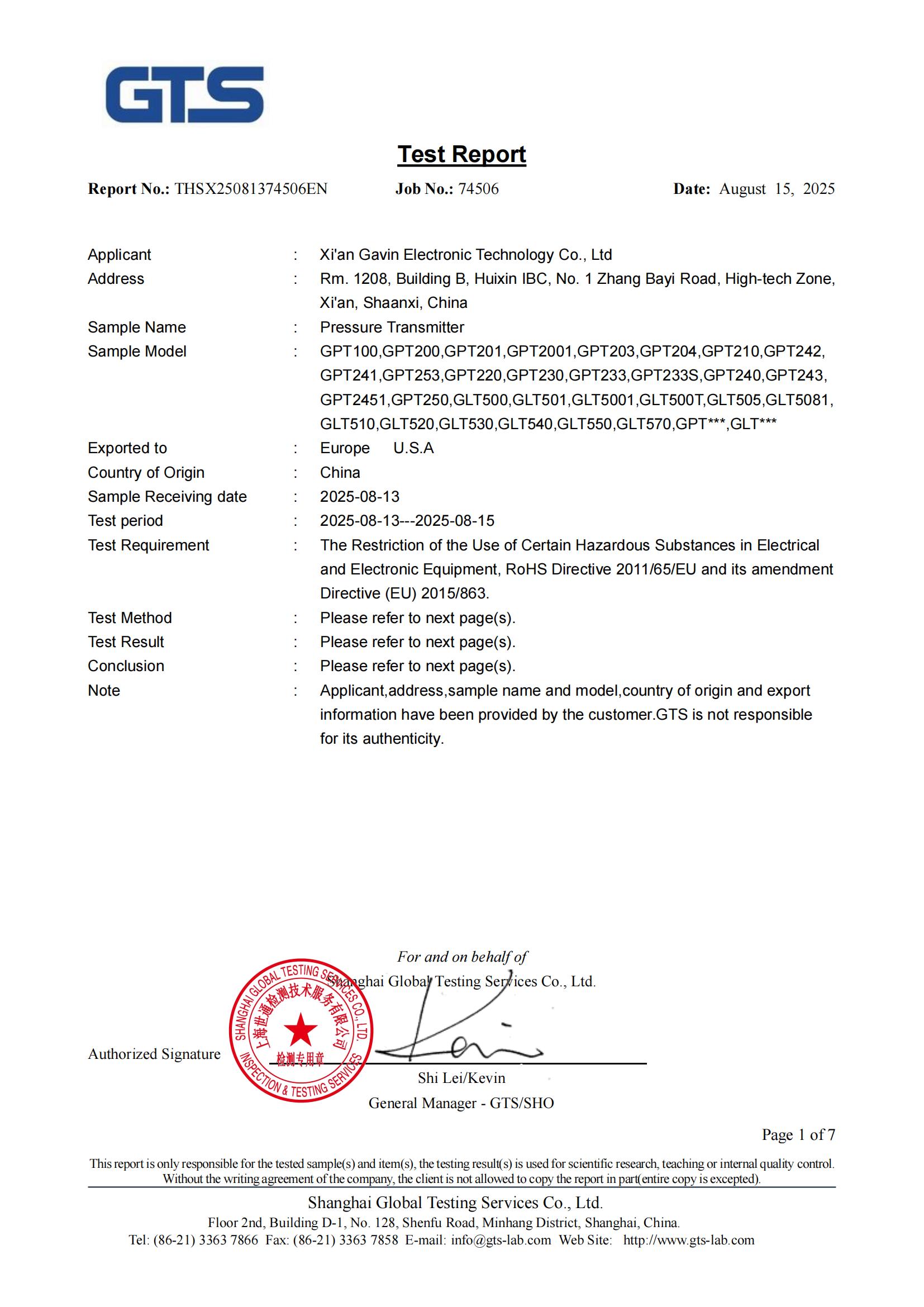
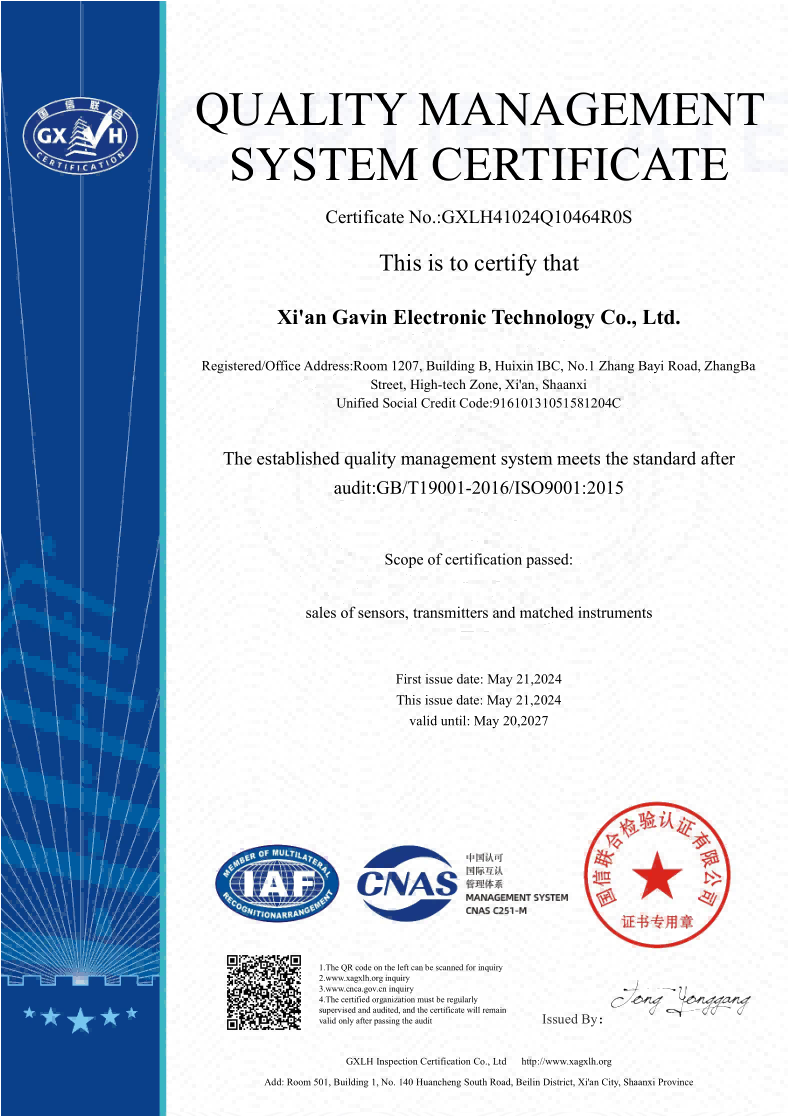
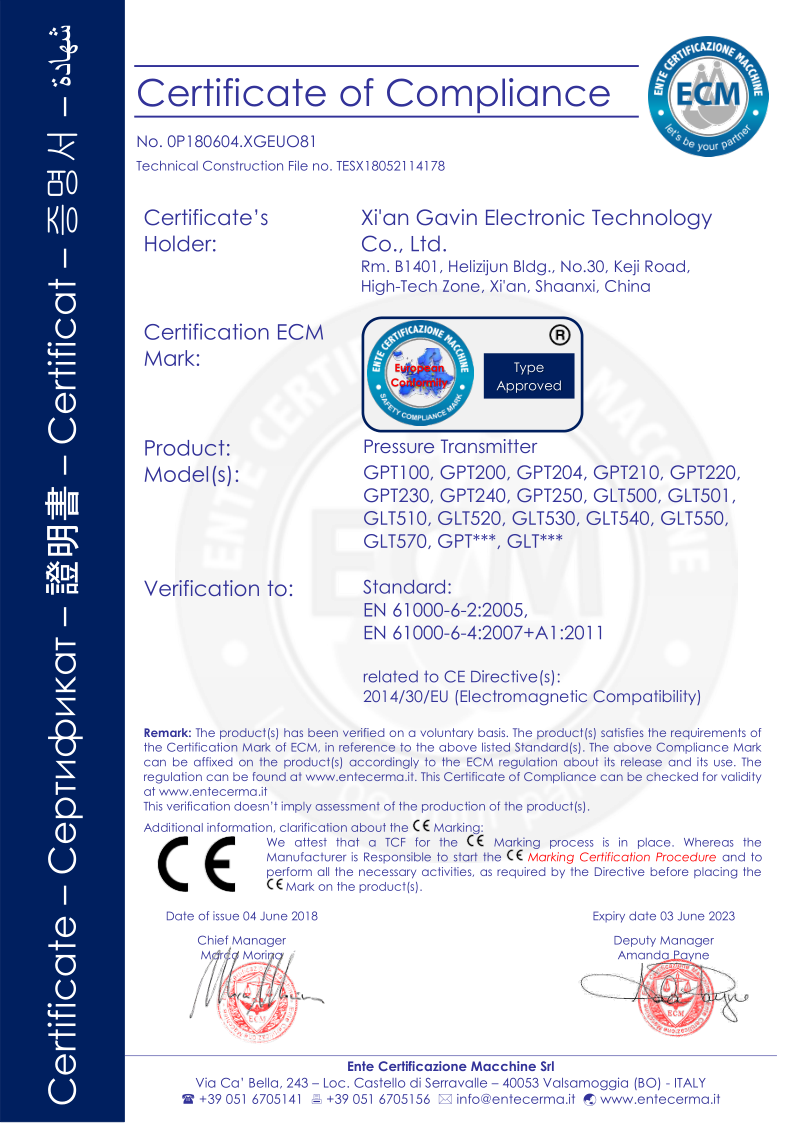
Our engineering team provides customized solutions including wear-resistant, oil-resistant, and acid-alkali resistant configurations to meet specific measurement challenges. Multiple certifications ensure compliance with international standards while strict quality control processes guarantee reliable performance. Continuous innovation through research partnerships enables us to deliver cutting-edge technology that addresses evolving industry requirements.
Conclusion
Effective troubleshooting of water level transmitter issues requires systematic approaches that address environmental factors, installation practices, and technology limitations. Understanding common failure modes enables engineering teams to implement targeted solutions that restore measurement reliability and prevent recurring problems. Proactive maintenance strategies, proper technology selection, and comprehensive staff training significantly reduce operational disruptions while extending equipment lifespan. Modern sensor designs with advanced features like automatic temperature compensation and anti-clogging technology help minimize maintenance requirements and improve long-term reliability across diverse industrial applications.
Frequently Asked Questions
How often should industrial water level transmitters be calibrated?
Calibration frequency depends on application criticality and environmental conditions, typically ranging from quarterly to annually. Critical safety applications may require monthly verification, while stable process applications can extend intervals to 12-18 months with proper documentation and trending analysis.
Can damaged water level transmitters be repaired on-site?
Simple issues like cable connections and basic cleaning can be addressed on-site, but sensor replacement or electronic repairs typically require factory service. Attempting complex repairs without proper equipment may void warranties and compromise measurement accuracy.
What early warning signs indicate potential transmitter problems?
Gradual reading drift, intermittent communication losses, increased noise in signal output, and unusual temperature sensitivity suggest developing issues. Trending analysis helps identify these patterns before complete failure occurs.
Partner with GAMICOS for Reliable Water Level Measurement
GAMICOS delivers industry-leading water level transmitter solutions backed by comprehensive technical support and global service capabilities. Our GLT500 series and wireless monitoring systems provide the reliability and accuracy your operations demand. Whether you need standard configurations or customized designs for challenging applications, our experienced team ensures optimal performance and long-term value. Connect with us to discuss your specific requirements and discover how our innovative measurement technology can enhance your operational efficiency. Contact us at info@gamicos.com to speak with our water level transmitter specialists.
References
1. Johnson, M.R., & Chen, L. (2023). "Industrial Instrumentation Troubleshooting: Advanced Diagnostic Techniques for Level Measurement Systems." Journal of Process Control Engineering, 45(3), 123-145.
2. Anderson, K.P. (2022). "Preventive Maintenance Strategies for Water Level Transmitters in Chemical Processing." Industrial Maintenance & Plant Operation, 38(7), 67-82.
3. Williams, S.A., & Rodriguez, J.M. (2023). "Environmental Factors Affecting Submersible Pressure Sensor Performance in Wastewater Applications." Water Treatment Technology Review, 29(4), 234-251.
4. Thompson, R.J., et al. (2022). "Calibration Drift Analysis in Industrial Level Measurement Systems." Instrumentation Science & Technology, 51(2), 189-206.
5. Davis, H.L., & Park, Y.S. (2023). "Troubleshooting Communication Failures in Wireless Level Monitoring Networks." Industrial Automation Quarterly, 42(1), 78-95.
6. Miller, A.C. (2022). "Root Cause Analysis Methodologies for Process Instrumentation Failures." Maintenance Engineering Handbook, 15th Edition, Chapter 12, 445-468.

_1757930850792.jpg)