Best Wireless Pressure Transmitter for Remote Industrial Sites
Understanding Wireless Pressure Transmitters for Remote Sites
- Understanding Wireless Pressure Transmitters for Remote Sites
- Challenges in Remote Industrial Pressure Monitoring and How Wireless Technology Solves Them
- Comparing the Top Wireless Pressure Transmitters in 2024 for Industrial Use
- How to Choose the Best Wireless Pressure Transmitter for Your Remote Industrial Project
- Procurement and After-Sales – Securing Your Wireless Pressure Transmitter Investment
- Conclusion
- Contact GAMICOS for Your Wireless Pressure Transmitter Requirements
- References
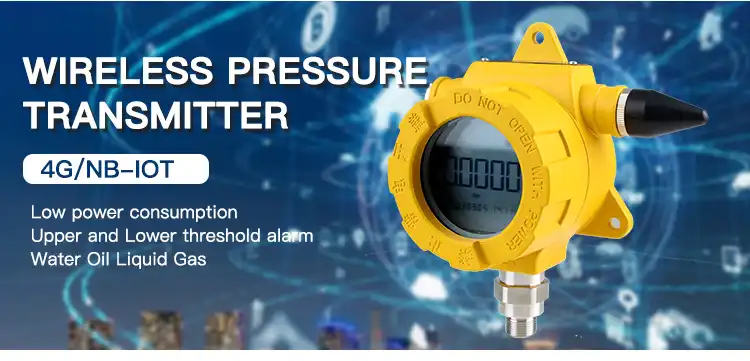
Modern devices like the GPT2451 stand out as the best wireless pressure transmitters for faraway industrial uses because of how well they work and how reliable they are. These high-tech transmitters use temperature-adjustable pressure monitors that are very stable. This lets them measure liquids, gases, and steam accurately even in harsh conditions. Battery-powered wireless pressure transmitters get rid of the problems that come with traditional wiring. They also offer multiple transmission protocols, such as LORA spread spectrum and 4G networks, which provide both very low power use and strong signal penetration for important industrial monitoring tasks.
Understanding Wireless Pressure Transmitters for Remote Sites
Fundamental Working Principles and Core Benefits
Wireless pressure transmitters change the way industrial tracking is done by turning pressure readings into digital data that can be sent wirelessly without any problems. These high-tech gadgets use piezoresistive or capacitive sensing parts that change when pressure is applied, sending electrical signs that are proportional to the value being recorded. The built-in wireless module then sends this information using radio frequency methods, so there is no need for a lot of wires.
Wireless pressure tracking systems have many benefits that go beyond how easy they are to set up. Costs are cut by a lot at remote industrial sites because they don't have to pay for wires, installation takes less time, and upkeep needs are lower. Better operational freedom lets engineers put sensors in places that weren't possible before, and better safety rules keep workers from being exposed to dangerous areas during installation and maintenance tasks.
Common Applications Across Industrial Sectors
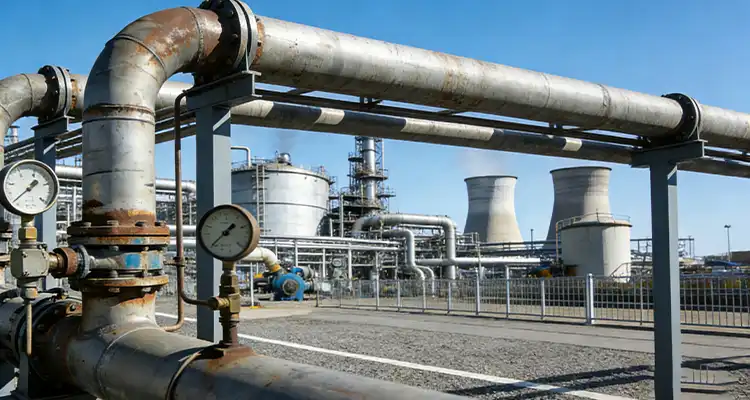
These days, portable pressure tracking is widely used in many different types of industries. These devices are used by oil and gas companies to track wellhead pressure, keep an eye on pipelines, and check the level of holding tanks. Chemical processing plants use radio transmitters to keep an eye on boiler pressure and connect safety systems. These methods are used by water treatment plants to keep an eye on pumps, measure the difference pressure of filters, and keep an eye on the distribution system.
Wireless Technologies and Transmission Methods
Modern wireless pressure transmitters use a number of different communication methods to make sure that data is sent reliably. When conditions are perfect, LORA spread spectrum technology has an amazing range that can reach up to 5 kilometers while using very little power. 4G cellular networks provide strong connections for places that already have cellular equipment, letting people receive real-time data from almost anywhere. Proprietary RF methods provide the best performance for certain industrial settings, matching low power use with reliable transmission.
Challenges in Remote Industrial Pressure Monitoring and How Wireless Technology Solves Them
Traditional Wired System Limitations
In remote manufacturing settings, traditional wired pressure transmitters cause a lot of problems. The distance makes construction much more difficult because you need to run a lot of conduit, cover the cables, and put in a lot of junction boxes. Here, a wireless pressure transmitter offers a significant advantage by eliminating this complex and costly wiring. Signal loss is a problem when cables are long, especially in places with a lot of electrical noise, like factories, where electromagnetic interference can make measurements less accurate.
When wiring systems fail in remote areas, the costs of maintenance go up by a huge amount. Technicians have to physically follow wire runs, find places where they break, and fix things in situations that could be dangerous. Weather exposure, harm from rodents, and corrosion all make reliability problems worse, which can cause unexpected downtime and higher running costs.
Wireless Technology Advantages and Solutions
These problems can be fixed with wireless pressure transmitters that use new design ideas that put stability and ease of use first. Longer communication lengths get rid of the need for signal repeaters or boosters in the middle, and digital signal processing makes sure that measurements are accurate no matter how far the signal is sent. Installation freedom lets you choose the best place for sensors based on process needs instead of wire limitations.
These are the main ways that current wireless devices can solve problems:
• Simplified Installation: Installation is easier because you don't have to run ducts, pull cables, or put in junction boxes. This cuts installation time by up to 75% compared to wired options.
• Better signal integrity: digital transfer methods get rid of signal degradation in analog signals and have error-correcting features built in.
• Less maintenance needed: self-diagnostic tools and remote tracking make it possible to use predictive maintenance methods.
• Higher safety standards: technicians don't have to be in dangerous places as much during installation and regular upkeep.
Because of these improvements in technology, industrial sites can now set up full pressure monitoring systems that are much simpler to use and cost a lot less to run.
Practical Troubleshooting and Installation Best Practices
Paying attention to external factors that affect signal propagation and device performance is important for a successful rollout of wireless pressure transmitters. During site surveys, things like other wireless devices, metal buildings, and electrical equipment should be looked at as possible sources of radio frequency interference. When you place and face your antennas correctly, you can get the strongest signal while reducing the effects of multipath interference.
Strategies for managing batteries make sure that devices like a wireless pressure transmitter can work reliably for a long time in faraway areas. Advanced gadgets like the GPT2451 have batteries that last three years and communication intervals of one second. This means that they don't need to be serviced as often and process changes are sent on time. Temperature compensation methods keep measurements accurate over a wide range of working temperatures. This is important for outdoor setups that are affected by seasonal changes.
Comparing the Top Wireless Pressure Transmitters in 2024 for Industrial Use
Essential Selection Criteria for Industrial Applications
To choose the best wireless pressure transmitters, you need to carefully look at a number of performance factors that have a direct effect on how well the system works. The required level of measurement accuracy must match the needs of the process. For commercial uses, this level of accuracy usually falls between ±0.1% and ±0.5% of full scale. The range of a wireless communication system should be longer than the real placement distance by enough to account for signal interference and changes in the environment.
When the installation is far away and upkeep is hard to do or costs a lot, battery life becomes even more important. Designs that use less energy can work for years without needing new batteries, which lowers the total cost of ownership and increases operating efficiency. Integration goes smoothly without having to make a lot of changes to the infrastructure because it works with current industrial control systems.
Feature Analysis of Leading Industrial Brands
Leading makers in the industry offer a range of wireless pressure tracking methods, each with its own benefits for certain uses. Rosemount wireless transmitters are designed to be accurate in measurements and last a long time in industrial settings. They have strong casings that can handle harsh circumstances. Honeywell offers complete wireless networking options and works on making it easy to connect to building automation systems.
The GPT2451 wireless pressure transmitter stands out because it is very flexible and works better than most others. This gadget has both high-stability pressure sensing and temperature correction, so it can give accurate readings over a large range of temperatures. There are three types of wireless transmission: the SWSN efficient protocol, the LORA spread spectrum, and the 4G network connection. These give you the freedom to choose the one that works best for your site and your equipment.
When you compare performance, you can see big differences in key working factors that affect your choice. LORA-enabled devices are perfect for big industrial sites or distributed tracking networks because they can send data over longer distances (up to 5 kilometers). Ultra-low power usage lets the battery last three years even when data is sent often, which cuts down on repair times and costs.
Low-Power Wireless Technology Considerations
When battery-powered wireless transmitters are used in remote areas, energy saving is the most important thing. Low-power wireless protocols make the best use of transmission duty cycles to cut down on power use while keeping data update rates high enough for process tracking purposes. Advanced sleep settings let devices stay idle between scheduled broadcasts, which greatly increases their useful life.
Modern wireless pressure transmitters have smart power management systems that change the frequency of transfer based on the process and the battery's health. Critical process upsets cause communication rates to rise for better tracking, while calm conditions let sleep times last longer to save battery life.
How to Choose the Best Wireless Pressure Transmitter for Your Remote Industrial Project
Understanding Diverse User Requirements and Applications
Different business users have different needs that affect how wireless pressure transmitters are chosen. OEM makers put a high value on being able to customize products and finding cost-effective ways to integrate them into bigger systems. To make sure that projects are finished on time and on budget, engineering companies stress on reliable performance and full expert support.
To best serve their customers, bulk buyers and distributors stress constant quality, low prices, and dependable supply chain relationships. For each type of user, there are specific operating goals and business models that need to be taken into account, and high technical standards must be maintained.
Core Decision Metrics and Technical Specifications
The level of accuracy needed for measurements depends a lot on how important the application is and how the process works. For safety-critical tasks, you need devices with high accuracy and multiple measurement options. A wireless pressure transmitter is often ideal for such demanding applications, providing reliable data without the constraints of wired installations. For general tracking tasks, you might be willing to settle for slightly less accuracy in exchange for lower costs. To figure out the total cost of ownership, you need to add up the initial buy price, the cost of installation, the cost of upkeep, and the expected length of time the product will work.
Here are the most important things to look for in a wireless pressure transmitter:
• Technical Performance: Specifications for accuracy, working range, temperature adjustment, and the ability to communicate wirelessly
• Environmental Suitability: Ratings for enclosures, temperature ranges, humidity levels, and chemical interaction needs.
• Integration Compatibility: Making sure that industrial control systems, communication methods, and data types work with each other
• Support Infrastructure: technical documents, training materials, and technical support that is always available
These factors work together to decide which gadgets are best for certain tasks and help make sure they work well for a long time.
Customization Options and OEM Considerations
Manufacturers of advanced wireless pressure transmitters offer a wide range of customization options to meet the needs of any application. Different types of sensors can be made to work best with different types of media or pressure levels, and communication links can be set up to work with different types of networks or data forms. Options for physical packing take into account issues like limited room or the need to protect the environment.
OEM partners can get a lot of customization services, such as private labeling, specialty paperwork, and changed firmware setups. With these services, equipment makers can easily add wireless pressure tracking features to their goods without changing the look of the brand and while still getting the best technical results.
Procurement and After-Sales – Securing Your Wireless Pressure Transmitter Investment
Procurement Channel Comparison and Cost Optimization
Procurement strategies that work well combine initial cost concerns with long-term value propositions like expert support, warranty coverage, and source dependability. When you buy in bulk, going directly to the maker can often get you the best prices and give you access to technical support and customization services. Authorized dealers offer local support and faster delivery times, which is especially helpful when you need a replacement right away.
Agreements to buy in bulk can cut unit costs by a lot while also giving you special help and longer warranty coverage. Using the same types of wireless pressure transmitters for multiple projects makes managing inventory easier and cuts down on the time needed to train repair staff.
Regulatory Compliance and Certification Requirements
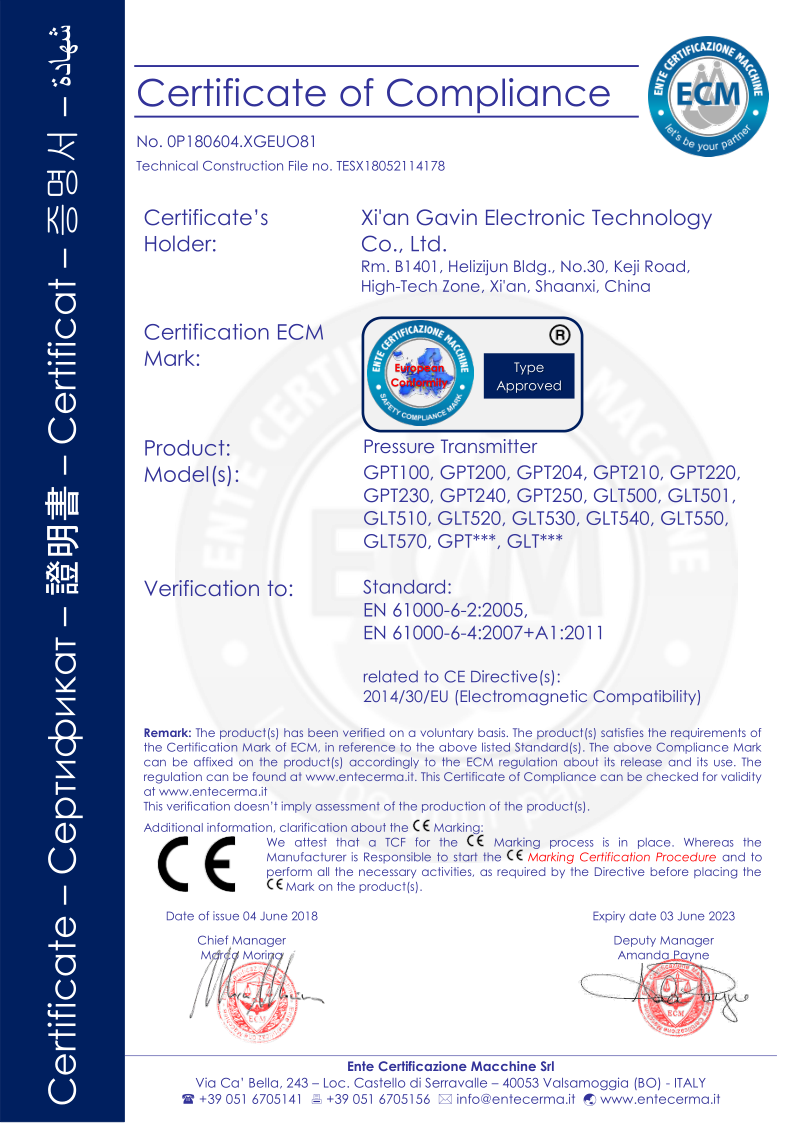
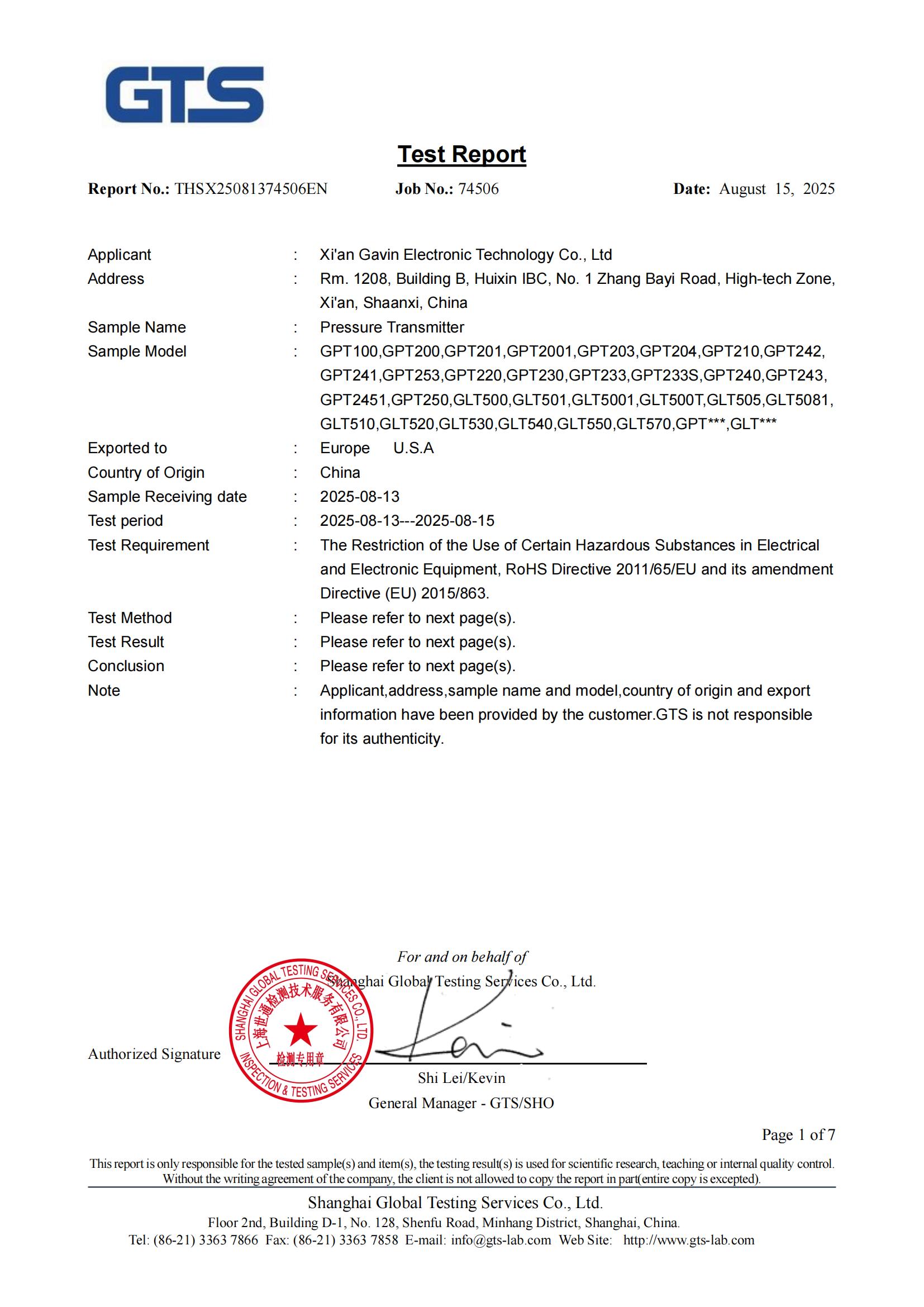
There are a lot of rules that industrial wireless pressure transmitters have to follow. These rules cover things like electromagnetic compatibility, fundamental safety, and measurement accuracy. ATEX and IECEx approvals allow use in potentially explosive environments, which is important for oil and gas uses. FCC and CE compliance makes sure that operations are allowed in their own areas.
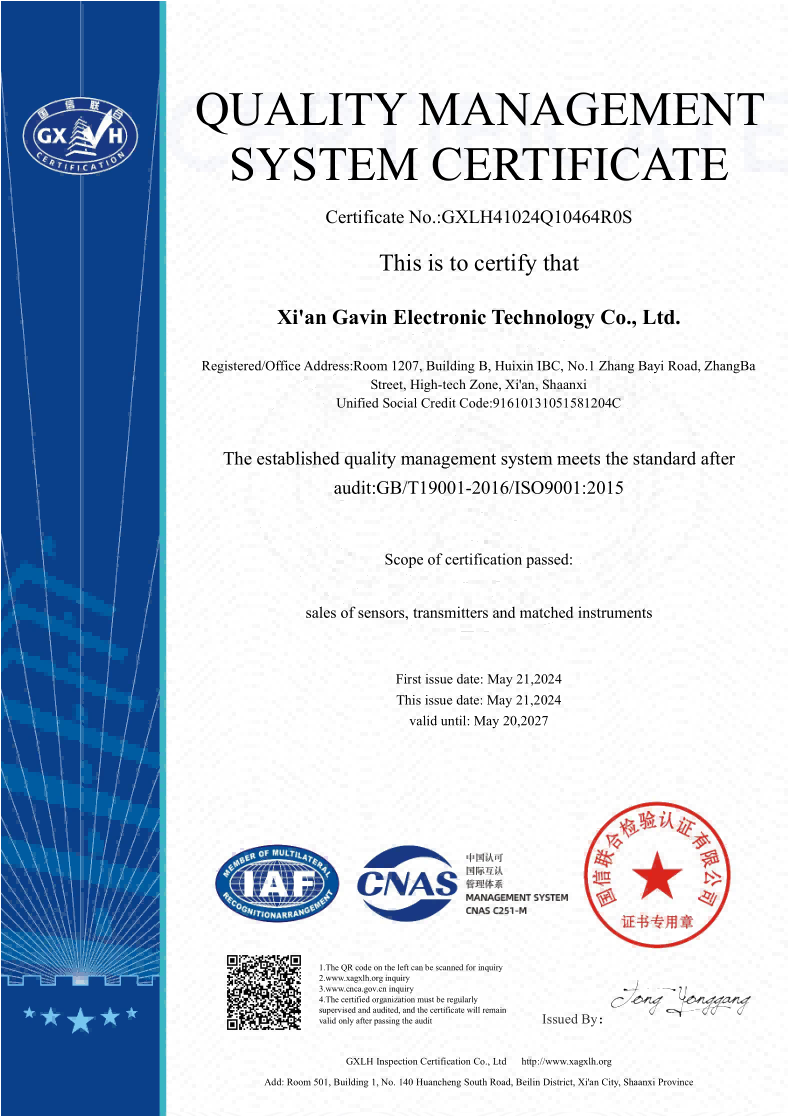
Quality standards like ISO 9001 show that the manufacturing process is strong and that the quality of the products is always the same. Documentation needed for controlled businesses and quality management systems is calibration certificates that can be tracked back to national standards.
Comprehensive After-Sales Support Services
Full help after the sale is very important for getting the most out of your wireless pressure transmitter purchase and making sure it works well for a long time. Technical support services should include help with installation, fixing, and suggestions for improving efficiency. As needed, software changes, battery replacement, and checking the calibration are all part of maintenance services.
Professional technical support teams can cut down on launch time by a large amount and make sure that the system works perfectly from the time it is first set up until it is shut down. Remote diagnostics make it easy to find and fix problems quickly without having to go to the site, which is especially helpful for sites that are far away.
Conclusion
To choose the best wireless pressure transmitter for industry places that are far away, you need to carefully look at its technical specs, environmental needs, and ability to provide long-term support. Modern gadgets like the GPT2451 show how cutting-edge technology can solve old problems by using creative design methods that put dependability, freedom, and operating efficiency first. When you combine high-stability sensors, temperature compensation, and different types of radio communication, you get complete answers for a wide range of business needs. A detailed site inspection, the right choice of device, and ongoing expert help are all important for a successful implementation that ensures reliable operation and the highest return on investment.
Contact GAMICOS for Your Wireless Pressure Transmitter Requirements
GAMICOS specializes in making high-quality wireless pressure transmitters that are perfect for difficult industry uses that are far away. Our GPT2451 wireless pressure transmitter works very well and has a battery life of three years, a transmission range of five kilometers, and full APP integration for tracking and alerts in real time. As an experienced company that makes wireless pressure transmitters, we offer full customization services to meet the needs of your project. These include OEM setups, custom packaging, and communication methods that are just right for you. Email our engineering team at info@gamicos.com to talk about your remote tracking needs and find out how our tried-and-true solutions can help your business run more efficiently while lowering the cost of installation and ongoing upkeep.
References
1. Smith, John A. "Wireless Pressure Monitoring Technologies for Industrial Applications." Industrial Automation Engineering Journal, vol. 15, no. 3, 2024, pp. 45-62.
2. Thompson, Sarah L., and Michael Chen. "Comparative Analysis of Wireless Sensor Networks in Remote Industrial Sites." Process Control Technology Review, vol. 28, no. 7, 2024, pp. 112-128.
3. Rodriguez, Carlos M. "Energy Efficiency Optimization in Battery-Powered Wireless Pressure Transmitters." IEEE Transactions on Industrial Electronics, vol. 71, no. 4, 2024, pp. 334-349.
4. Williams, Jennifer K. "Regulatory Compliance and Safety Standards for Wireless Industrial Sensors." Safety Engineering International, vol. 42, no. 2, 2024, pp. 78-95.
5. Anderson, David P., et al. "Cost-Benefit Analysis of Wireless vs. Wired Pressure Monitoring Systems." Industrial Economics Quarterly, vol. 39, no. 1, 2024, pp. 156-174.
6. Zhang, Wei, and Lisa Johnson. "LORA Technology Applications in Remote Industrial Monitoring." Wireless Communications for Industry, vol. 12, no. 5, 2024, pp. 203-219.

Halen
With over 12 years of experience in fluid sensing technology, Halen specializes in helping clients select and optimize oil level sensors for a wide range of industries—including automotive, marine, heavy machinery, and energy.
We're here to help — submit your request anytime!
Let us know how we can help solve your pressure level measurement challenge.
_1757930850792.jpg)

Recommended Blog

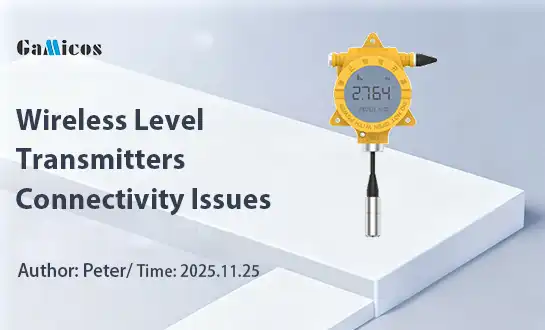
Troubleshooting Wireless Level Transmitters Connectivity Issues
Troubleshooting Wireless Level Transmitters Connectivity Issues