Why Use a Differential Pressure Transmitter in Process Control?
Understanding Differential Pressure Transmitters in Process Control
- Understanding Differential Pressure Transmitters in Process Control
- Advantages of Using Differential Pressure Transmitters
- How to Choose the Right Differential Pressure Transmitter for Your Needs?
- Technical Installation and Maintenance Best Practices
- Procurement Insights: Navigating Bulk Purchase and Delivery
- Conclusion
- FAQ
- Partner with GAMICOS for Superior Differential Pressure Solutions
- References
Differential pressure transmitters are important parts of modern process control systems because they measure the difference in pressure between two different places in a fluid system. These high-tech gadgets turn changes in mechanical pressure into standard electrical signs. This lets important industrial processes be precisely monitored and controlled. Because they give correct data in real time, they are essential for keeping operations safe, improving product quality, and ensuring operational efficiency in a wide range of industrial settings.
Understanding Differential Pressure Transmitters in Process Control
Accurate pressure readings are very important for modern factories to keep up with safety and performance standards. Differential pressure transmitters are one of the most important technologies in this field, and they can do a lot more than just measure pressure.
Core Operating Principles
Differential pressure transmitters use complex sensing systems to pick up on small changes in pressure between two measurement places. Piezo-resistive and capacitive sensor elements are the most popular technologies. Each has its own benefits for different uses. Piezo-resistive sensors use silicon-based parts that change their electrical resistance based on the pressure that is applied. Capacitive sensors, on the other hand, measure changes in electrical capacitance as pressure-sensitive diaphragms bend under different pressure conditions.
These devices take exact electrical signals from changes in mechanical shape and send them out in standard formats, like 4-20mA analog signals or digital communication methods like HART and Fieldbus. Standardization makes it possible for new systems to work with current control and monitoring systems, so operators can keep an eye on more than one process indicator at the same time.
Applications Across Industrial Sectors
Differential pressure measurement is useful in a lot of different business settings. When used to measure flow, these transmitters figure out total flow rates by checking the changes in pressure across orifice plates, venturi tubes, or flow nozzles. This method gives very accurate flow data that is needed to figure out the material balance and improve the process.
Differential pressure transmitters shine in level measurement, which is another important application. By recording differences in hydrostatic pressure in tanks and vessels, these tools keep an eye on the level of liquids with a wide range of densities and viscosities all the time. This feature is very useful in systems that keep an eye on storage tanks, run reactor vessels, and keep track of supplies.
Applications that watch filters use differential pressure readings to keep track of how well the filters are working and guess when they will need repair. As filters collect particles, pressure drops rise in a corresponding way. This gives early warnings about when filters need to be replaced. This method to predictive maintenance cuts down on unplanned downtime and keeps product quality stable.
Advantages of Using Differential Pressure Transmitters
Because they work better than other options, differential pressure transmitters are the best choice for tough industrial setting. Knowing about these benefits helps people who work in buying make smart choices when choosing instruments for important tasks.
Enhanced Accuracy and Reliability
These days' differential pressure transmitters are very good at measuring; they can often meet standards that are within ±0.075% of reading or better. This accuracy comes from high-tech sensors and complex signal processing methods that fix issues like temperature changes, linearity mistakes, and long-term drift. The end result is consistent, accurate data that helps with precise process control and meeting legal standards.

High-quality differential pressure transmitters are built to last and work reliably even in tough conditions. Housings made of stainless steel don't rust, and special diaphragm materials can handle being exposed to harsh media. Modern designs include overpressure safety and electromagnetic interference screening to keep measurements accurate even when things go wrong.
Operational Efficiency Benefits
Using differential pressure transmitters makes operations much more efficient by making process control better and lowering the need for upkeep. These tools help workers quickly find problems in the process so that they can fix them right away and keep production from being interrupted, which costs a lot of money. Monitoring the health of equipment is another way to do early detection. Small changes in pressure can show that maintenance problems are starting to show up before they break down without warning.
Another practical benefit is how easy it is to calibrate and maintain. Modern transmitters have easy-to-use interfaces and diagnostic tools built in, which makes regular upkeep tasks easier. Many types can be calibrated and set up remotely, which cuts down on the time and skill needed for regular upkeep.
Cost-Effectiveness and ROI
Even though differential pressure transmitters cost more up front, they save a lot of money in the long run. Better control of the process means less loss of raw materials, better quality products, and more consistent output. These changes to operations directly lead to higher profits and a leg up on the competition.
Quality differential pressure transmitters last a long time and work reliably, which helps with return on investment estimates. Longer service life lowers the cost of replacement, and low upkeep needs lower the cost of running the business. When companies put in full differential pressure tracking systems, they often see a return on their investment in less than two years.
How to Choose the Right Differential Pressure Transmitter for Your Needs?
A lot of technical and business factors need to be carefully thought through when choosing the right differential pressure transmitters. Knowing these decision factors will help you get the best performance and value for your money in certain situations.
Technical Specifications and Requirements
Pressure range agreement is the most important thing to look for when selecting a differential pressure transmitter. Engineers need to correctly guess the difference in pressures that will happen and choose tools that can measure those differences. Too-big of a range makes it less accurate, and too-small of a range could damage the differential pressure transmitter or cause its measurements to become saturated.
Environmental compatibility includes things like temperature ranges, humidity levels, shaking levels, and chemical compatibility needs. A lot of the time, working in an industrial setting is hard and needs special materials and safety features. For uses with corrosive media, transmitters need to have the right diaphragm materials and process links that can't be damaged by chemicals.
Output Signal Compatibility
Different transmission methods and signal formats are used by modern process control systems. Many devices still use analog 4-20mA outputs because they are easy to use and reliable. However, digital standards like HART offer more troubleshooting information and the ability to set up devices remotely. Modbus and other digital standards make it easier for complicated control systems to send and receive data.
The GAMICOS GPT250 series is an example of an advanced differential pressure transmitter design. It has a number of output choices, such as analog signals (4-20mA) and digital signals (Modbus). This flexibility makes sure that it works with current control systems and gives you ways to update for future system improvements.
Material Compatibility and Durability
For process media suitability, it's important to choose wet materials with care. The GPT250 series is made of 316L stainless steel and has Hastelloy C276 diaphragms, which make it very resistant to acidic media with pH levels ranging from 1 to 14. Aggressive chemicals, acids, and bases are common in chemical processing, drug making, and water treatment, and this mix of materials can handle them.
For high-pressure uses, transmitters must be able to handle high system pressures. The GPT250 line can handle static pressures between 25 and 40 MPa, making it suitable for difficult uses in hydraulic systems, high-pressure chemical processes, and oil and gas processing.
Technical Installation and Maintenance Best Practices
Installing and maintaining differential pressure transmitters correctly has a direct effect on how well they work and how long they last. Following set methods will keep the accuracy and dependability of the instrument at their best throughout its life.
Installation Guidelines and Procedures
Planning an installation starts with choosing the right spot, which should take into account how easy it is to do upkeep, how well it will protect against extreme temperatures, and how well it will isolate vibrations. Some types of transmitters are affected by the way they are mounted, especially those with oil-filled detecting elements. The GPT250 series design allows for different attachment angles while still meeting the required accuracy standards.
When connecting processes, it's important to pay attention to the right pressure and closing requirements. Too much tightening can damage transmitter housings or bend sensing elements, and not enough tightening can make leak tracks. By following the manufacturer's instructions, you can make sure that the links are safe without affecting the test performance.
Calibration and Maintenance Schedules
Calibration keeps measurements accurate over time and makes sure that quality standards and government rules are met. The amount of time between calibrations depends on how important the application is, the surroundings, and past performance data. Calibration schedules that happen once a year are good for most workplace uses, but more frequent checks may be needed for important safety uses.
Visual inspections, link integrity checks, and diagnostic system testing are all regular upkeep tasks. Modern transmitters, like the GPT250 series, have built-in self-diagnostic features that find problems before they affect the performance of measurements. These features make condition-based maintenance methods possible, which lowers the cost of upkeep while still making sure the system works well.
Troubleshooting Common Issues
Knowing the most common types of failure, such as issues with the differential pressure transmitter, and how to fix them cuts down on downtime when problems happen. Signal problems from these devices usually mean that there are issues with the process link, electrical interference, or calibration shift. Systematic fixing methods make it easier to find the root causes of problems quickly and fix them properly.
Measurement troubles are often caused by things in the environment. Extreme temperatures, shaking, and electromagnetic interference can all hurt the function of a transmitter. Many common problems can be avoided by using the right application methods and taking steps to protect the surroundings.
Procurement Insights: Navigating Bulk Purchase and Delivery
When buying differential pressure transmitters strategically, you have to balance your quality needs with cost concerns and delivery dates. Understanding how the market works and what suppliers can do helps you make the best buying choices.
Volume Purchasing Strategies
Bulk buying plans can save you a lot of money while still making sure you have enough inventory for ongoing operations and upkeep needs. When you buy more than the minimum amount, you can usually get a volume discount. If you make a yearly purchase promise, you can save even more.
GAMICOS has complete plans for buying in bulk that are made to fit the needs of business customers. These programs offer flexible delivery times, personalized specs, and specialized technical help to make sure they work well with current systems. The company has a global supply system that makes sure that goods get to facilities in North America, Europe, and other foreign markets on time.
Supplier Evaluation and Selection
Evaluation of a supplier includes more than just the original buy price. Total cost of ownership is affected by technical skills, quality standards, on-time deliveries, and assistance after the sale. Established makers with a history of success give customers trust in the quality of their products and the availability of long-term support.
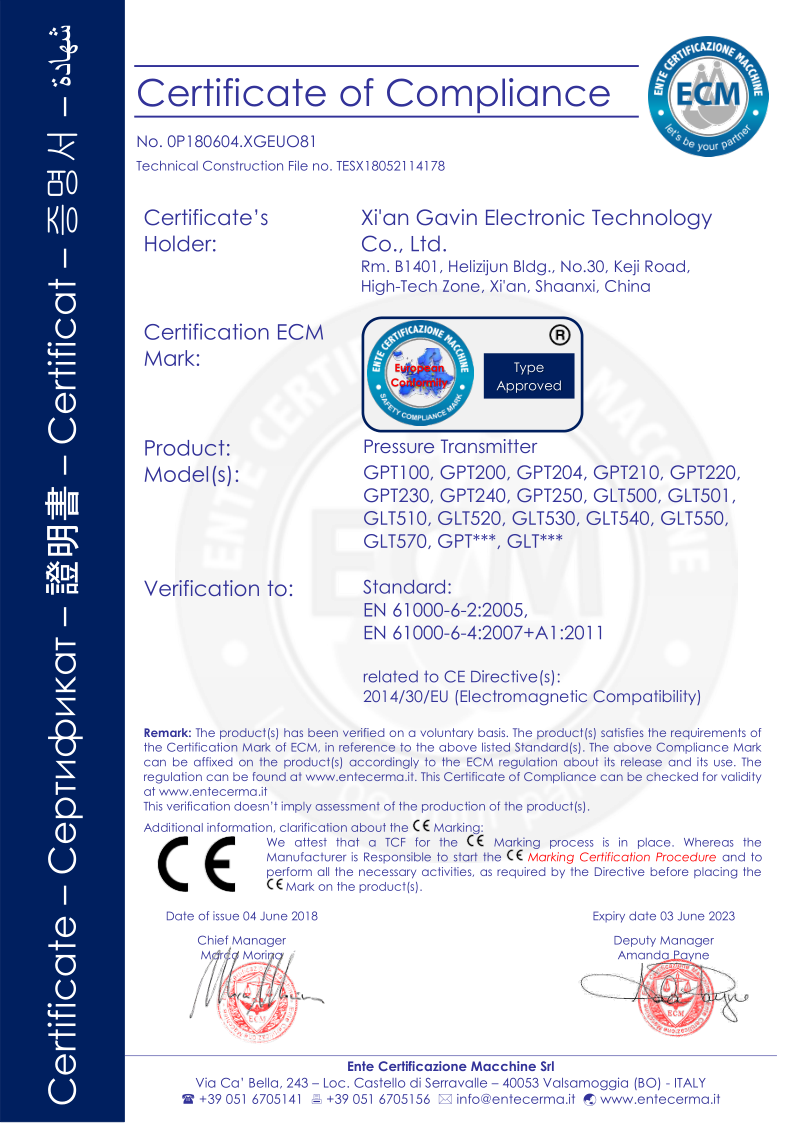
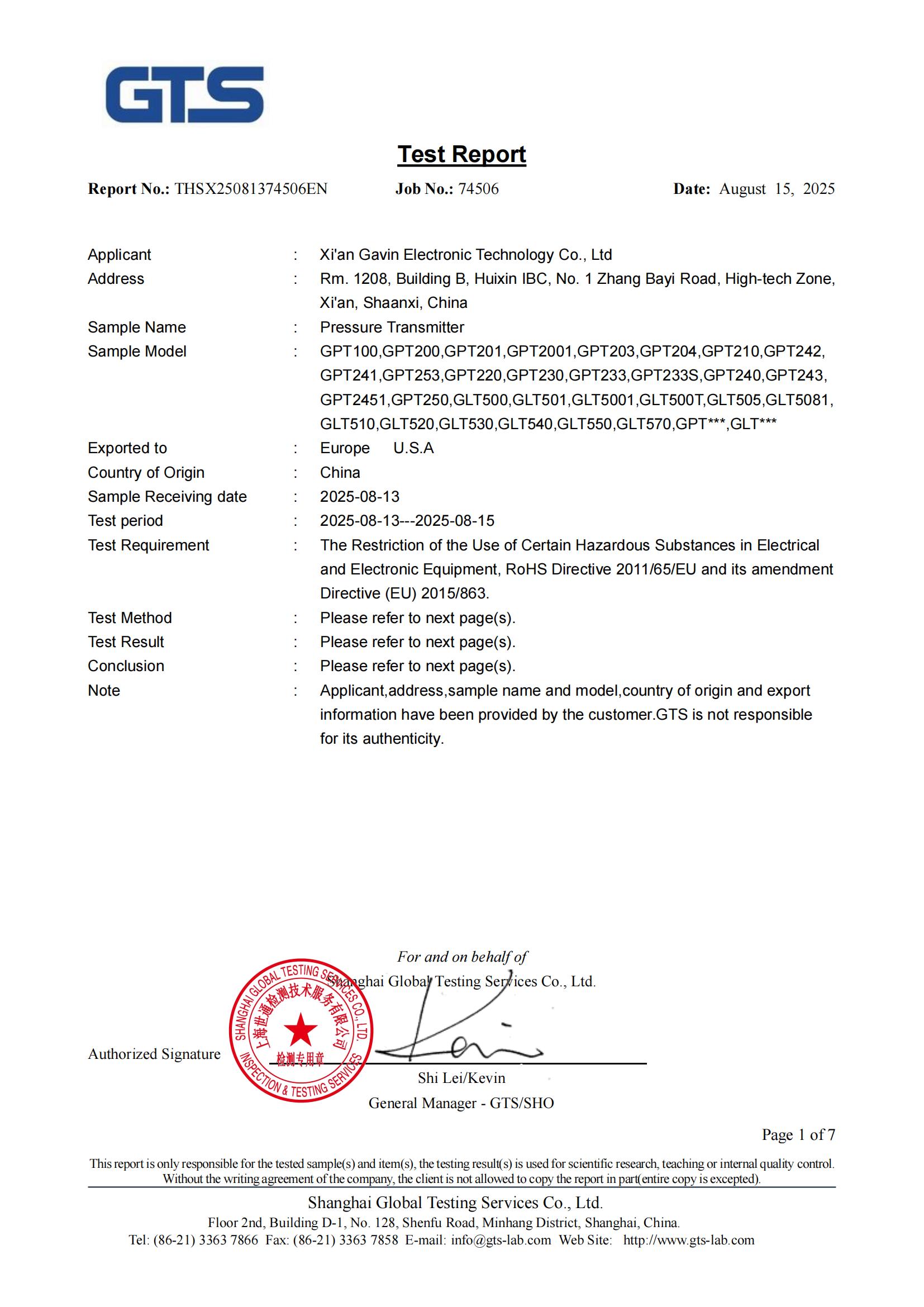
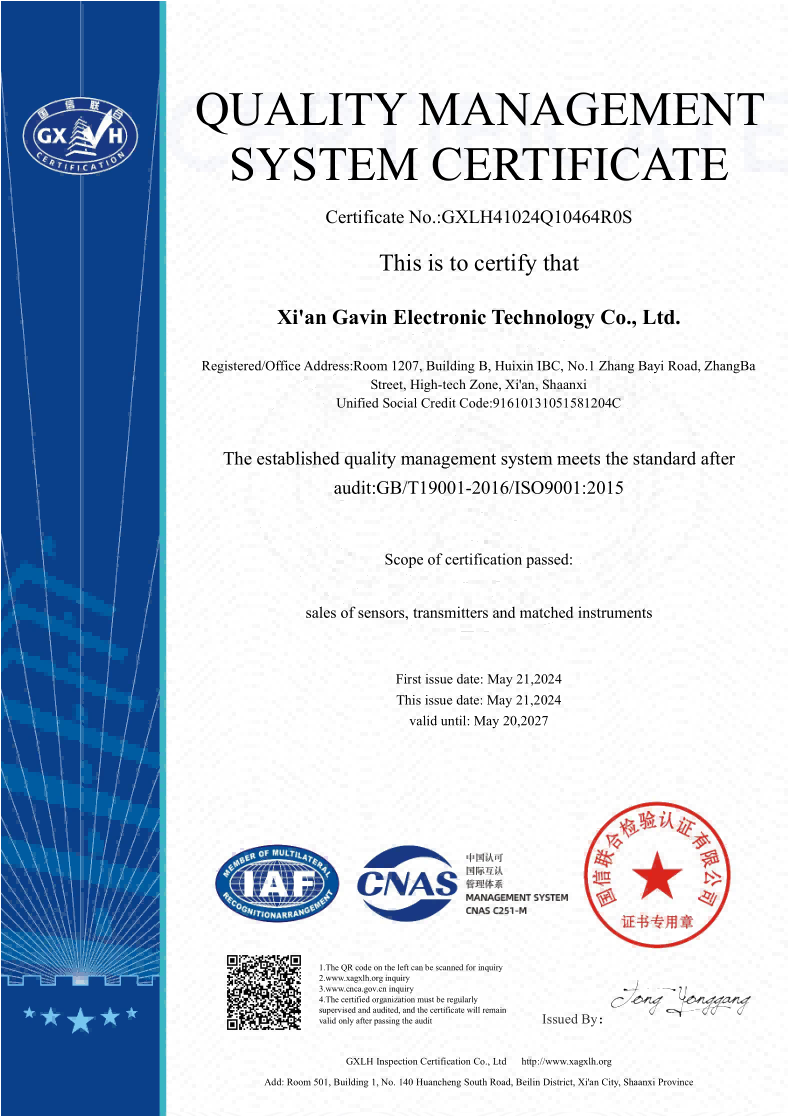
A lot of quality certifications, years of experience working with customers in 98 different countries, and strong expert support are all signs that GAMICOS is a reliable provider. Focusing on constant innovation and solutions that put the customer first makes the company a dependable partner for tough industrial uses.
Customization and OEM Services
Standard goods can't always meet the needs of industrial uses that need specific requirements. Customized solutions can be made for certain pressure levels, output signs, process connections, and environmental needs with OEM services. Custom solutions make sure that the best performance is achieved while keeping costs low for high-volume uses.
Custom sensor setups, specialized materials, unique output signals, and application-specific packing are just some of the many OEM services the company offers. These services help original equipment makers and system developers get the unique solutions they need to stay ahead of the competition.
Conclusion
Differential pressure transmitters are important pieces of equipment for modern process control systems because they provide the accuracy, dependability, and flexibility that are needed for businesses to run smoothly. They are chosen options in many industrial sectors because they work better than others, are cost-effective to run, and can be used in a wide range of situations. To make sure the best long-term performance, the decision process carefully looks at technical needs, environmental conditions, and the supplier's skills. Correct installation and upkeep methods improve the dependability and return on investment of instruments, while smart purchasing methods improve the total cost of ownership.
FAQ
What distinguishes differential pressure transmitters from gauge pressure sensors?
Differential pressure transmitters find the difference in pressure between two separate places, while gauge pressure monitors find the pressure in relation to the air pressure. Because of this main difference, differential pressure transmitters are perfect for measuring flow, keeping an eye on filters, and finding levels where changes in pressure at different places give useful process data.
How often should differential pressure transmitters be calibrated?
How often you need to calibrate relies on how important the application is, the surroundings, and government rules. Most industrial uses can be calibrated once a year, but important safety systems may need to be checked every six months or three times a year. Modern transmitters with built-in diagnostics can keep themselves checking themselves all the time, which extends the time between calibrations.
Can differential pressure transmitters handle corrosive environments?
Modern differential pressure transmitters use special materials that are made to work with acidic media. The GPT250 series is made of 316L stainless steel and has Hastelloy C276 diaphragms, which make it resistant to harsh acids with pH levels ranging from 1 to 14. Choosing the right materials is important for making sure that machines work reliably in harsh chemical working settings.
What output signals are available for system integration?
Digital transmission systems like HART, Modbus, and Fieldbus are supported by modern differential pressure transmitters, in addition to analog 4-20mA signals. This adaptability lets it work with current control systems and gives you ways to improve its usefulness and diagnostic tools.
Partner with GAMICOS for Superior Differential Pressure Solutions
GAMICOS has advanced differential pressure transmitter solutions ready to help you with your process control needs. These solutions are made for tough industrial uses. Our GPT250 line blends tried-and-true silicon piezoresistive technology with tough stainless steel construction to provide unmatched accuracy and dependability for important measurement tasks. We are a reliable differential pressure transmitter manufacturer, and we offer full customization services, low bulk prices, and quick expert help to make sure your needs are met successfully. Email our tech team at info@gamicos.com to talk about your application needs and find out how our cutting-edge solutions can help you handle your processes better.
References
1. Smith, J.R. (2023). "Industrial Pressure Measurement Technologies: Applications and Best Practices." Process Control Engineering Journal, 45(3), 12-28.
2. Anderson, M.K., & Williams, P.T. (2022). "Differential Pressure Transmitters in Modern Process Control Systems." Automation Technology Review, 38(7), 45-62.
3. Chen, L.W. (2023). "Comparative Analysis of Pressure Sensing Technologies for Industrial Applications." Instrumentation and Measurement Science, 29(4), 78-95.
4. Rodriguez, C.A., & Thompson, D.B. (2022). "Process Control Optimization Through Advanced Pressure Measurement." Industrial Engineering Quarterly, 51(2), 156-173.
5. Kumar, S.P. (2023). "Maintenance Strategies for Industrial Pressure Instrumentation." Reliability Engineering Today, 67(5), 23-41.
6. Jackson, R.M., et al. (2022). "Economic Benefits of Precision Pressure Measurement in Process Industries." Cost Management in Manufacturing, 34(8), 89-107.

Spring
Spring, With 5 years of experience in sensor technology and product development, Mark specializes in helping clients identify the optimal pressure and level sensor solutions for demanding industrial environments。
We're here to help — submit your request anytime!
Let us know how we can help solve your pressure level measurement challenge.
_1757930850792.jpg)


Recommended Blog
Differential vs. Absolute Pressure Sensors: Key Differences
Differential vs. Absolute Pressure Sensors: Key Differences
Differential vs. Absolute Pressure Sensors: Key Differences