Wireless Pressure Sensor vs Wired: Which Is Better for Industry?
Introduction
- Introduction
- Understanding Wireless and Wired Pressure Sensors
- Key Performance and Operational Differences
- Advantages and Limitations in Industrial Context
- Application Scenarios and Use Cases
- Procurement and Decision Factors for Industrial Buyers
- Best Practices for Installation, Maintenance, and Troubleshooting
- Conclusion
- FAQ
- Choose GAMICOS for Advanced Industrial Pressure Monitoring Solutions
- References
When looking at wireless vs. wired pressure tracking options for industrial use, the decision relies on the needs of the operation, the limitations of the installation, and the long-term cost. The technology behind industrial wireless pressure sensors has come a long way. Now, they are just as accurate as standard wired systems, but they are more flexible and easier to set up. Even though modern wireless solutions can work reliably in tough industrial settings, wired systems are still better for ultra-high precise tasks that need constant power.
Introduction
Pressure sensors are an important part of industrial process control because they make sure that operations are safe, reliable, and efficient in the energy, food processing, pharmaceutical, chemical, and oil industries. Picking between wireless and wired pressure measurement options is a big decision that has a big effect on the cost of installation, the flexibility of operations, the amount of upkeep needed, and the accuracy of the data collected over the lifetime of the system.
This complete guide is designed to help engineering managers, sourcing experts, and procurement workers understand how to use industrial pressure tracking technology. We look at the main differences between wired and wireless options and give you data-driven information to help you make decisions that are in line with your operational needs, your budget, and your long-term strategy goals.
The world of industrial automation is changing quickly, and wireless technology is getting a lot of popularity because it is easier to set up and can be used in a variety of ways. Knowing how each method works, what it can't do, and when it's best used lets buying teams choose solutions that improve business efficiency while lowering the total cost of ownership.
Understanding Wireless and Wired Pressure Sensors
ISA100, WirelessHART, LoRa, and 4G networks are some of the radio frequency communication methods that wireless pressure sensors use to send measurement data without any real connections. These systems are very flexible when it comes to installation, which is especially helpful for retrofitting or places where traditional wiring poses major problems or safety concerns.
Wireless Technology Foundations
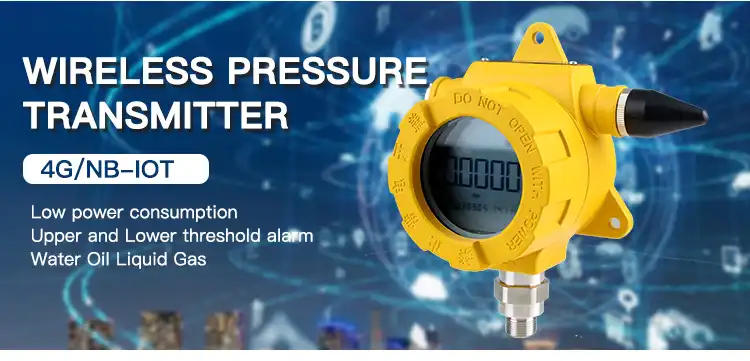
Modern industrial wireless pressure sensor systems use complex transmission methods that were made to work in industrial settings. The GAMICOS GPT2451 wireless pressure emitter is an example of modern wireless technology. It has high-stability pressure sensors that can adjust for temperature and can measure gases, liquids, and steam in a wide range of industrial settings.
Battery-powered wireless devices, such as industrial wireless pressure sensors, don't need to be connected to the power all the time, so they can be used in places that weren't possible before. For instance, the GPT2451 industrial wireless pressure sensor offers three different wireless communication options: the SWSN efficient protocol uses very little power, the LoRa spread spectrum technology works over longer distances, and the 4G network connection gives you full coverage and real-time data access.
Wired System Characteristics
For example, 4-20mA current loops, HART digital communication, and different fieldbus systems are all tried and true ways for wired pressure sensors to talk to each other. These links make sure that data transfer is stable and continuous, with little signal loss or interference.
A full cable infrastructure is needed for traditional wired setups. This includes data cables, power distribution cables, and conduit systems. This method has higher installation costs and less flexibility at first, but it provides a steady power source and communication paths that are needed for many industrial uses to handle important processes.
Key Performance and Operational Differences
As wireless technology has improved, there aren't as many differences in how well wireless and wired pressure sensors work. However, there are still clear differences in how they work that affect their usefulness for certain applications.
Accuracy and Signal Reliability Comparison
Wired pressure sensors usually have better accuracy and signal consistency because they have direct physical links that get rid of problems with radio frequency interference and signal loss. These systems keep communication lines stable no matter what the weather is like or if nearby industrial equipment is sending out electromagnetic waves.
When wireless sensors try to send signals, they may run into problems like other wireless devices interfering, physical obstacles, and things in the surroundings that can change the signal strength. Modern industrial wireless pressure sensor technology, on the other hand, has improved error correction, signal filtering, and multiple communication paths that make these worries much less important.
Power Management Considerations
One big difference between wireless and wired pressure tracking systems is how they handle power. Wired sensors get power all the time through their link cords, so you don't have to worry about battery life or power outages that could make it hard to collect data.
Wireless sensors run on batteries, so their longevity needs to be carefully managed to avoid unplanned downtime. Because it uses improved power management techniques and efficient wireless protocols, the GPT2451 is very power efficient. It can run for up to three years with one-second measurement intervals.
Advantages and Limitations in Industrial Context
By knowing the pros and cons of each technology, you can make an informed choice based on operational goals, installation limits, and long-term maintenance needs.
Wireless Sensor Benefits and Challenges
Wireless pressure tracking options, such as the industrial wireless pressure sensor, have a lot of benefits that make them stand out. They solve many of the problems that come up with standard installation and operation. Wireless technology's main benefits are that it makes installation easier, saves a lot of money on infrastructure costs like cables, and makes it easier to add more devices to complicated or widely spread out facilities.
Getting rid of the need for wires cuts installation time and complexity by a huge amount. This is especially helpful in dangerous areas, remote locations, or existing buildings where moving cables is hard. Using LoRa technology, the GPT2451's wireless features let tracking points be up to 5 kilometers away, giving it range in places that weren't possible before.
But wireless systems need regular repair to keep track of when the batteries need to be replaced and any signal confusion problems that might happen. Signal stability can be affected by things like electromagnetic interference from industrial equipment, the environment, and physical barriers. This means that the site needs to be carefully planned and the system needs to be optimized on a regular basis.
Wired System Strengths and Constraints
When maximum precision, continuous operation, and power access are all important, wired pressure sensors are the best choice. These systems make communication stable and free of interference. You don't have to worry about battery life or the trustworthiness of wireless signals, which could affect important process control tasks.
The main problems with wired systems are that they cost more to set up, can't be changed as easily, and need a lot of complicated wiring handling in big buildings. Wiring infrastructure has to take into account the climate, safety rules, and possible future growth needs. This makes planning and carrying out installations more difficult.
Application Scenarios and Use Cases
To choose the best pressure tracking technology, you need to know the specific needs of the application, the operating environment, and the goals of the business that will affect how well the system works and whether it is suitable.
Optimal Wireless Applications
Industrial wireless pressure sensor technology is especially useful in situations where standard wiring is hard to use or doesn't work at all. The installation freedom and range of wireless technology are huge benefits for remote monitoring applications like pipeline systems, storage tanks in multiple places, and temporary monitoring installations.
Monitoring dangerous areas is another great use for wireless sensors, since fewer electrical links mean less chance of injury and easier installation. Because the GPT2451 is wireless, it can be used for tracking in areas where explosives are present while keeping measurement points and control systems at safe distances.
Because adding new cable infrastructure is hard to do and costs a lot, retrofit installations in existing buildings often choose wireless options. Installing wireless sensors quickly doesn't have to stop current activities or require major changes to the building.
Wired System Preferences
When precision and dependability are very important, like in critical process control applications, wired pressure monitoring systems are usually the best choice. Wired sensors offer consistent performance and steady operation, which is helpful for industries like pharmaceutical manufacturing, precision chemical processing, and safety-critical systems.
Wired sensors are often used for high-density tracking in controlled buildings because they can handle many measurement points through established fieldbus networks. Existing electrical facilities can be used by these installations, which also offer full process tracking.
Applications that need to connect to older control systems may choose wired sensors because they are known to work with those systems and have tried and true ways to connect that don't require a lot of system changes.
Procurement and Decision Factors for Industrial Buyers
For procurement choices to be good, the total cost of ownership, technical standards, supplier skills, industrial wireless pressure sensor compatibility, and long-term support needs must all be carefully thought through, going beyond the initial purchase.
Total Cost Analysis Framework
To compare portable and wired pressure sensors, you need to look closely at the prices of installation, ongoing upkeep, and integrating the sensors into the infrastructure. Even though wireless sensors may cost more per unit, they often save a lot of money on installation work, cable infrastructure, and the time it takes to set up the system.
Wired systems need a big investment up front for cable infrastructure, pipe systems, and installation work, but they have lower ongoing upkeep costs and last longer because they don't need batteries replaced as often. The total cost study should take into account things that are unique to the building, like how hard the installation is, the weather, and how long the system is expected to last.
Supplier Selection Criteria
Reliable suppliers have a wide range of products, can offer expert help, and have a history of success in industry settings. GAMICOS has a lot of experience working with clients in 98 different countries, making unique solutions that solve problems in specific industries and meet operating needs.
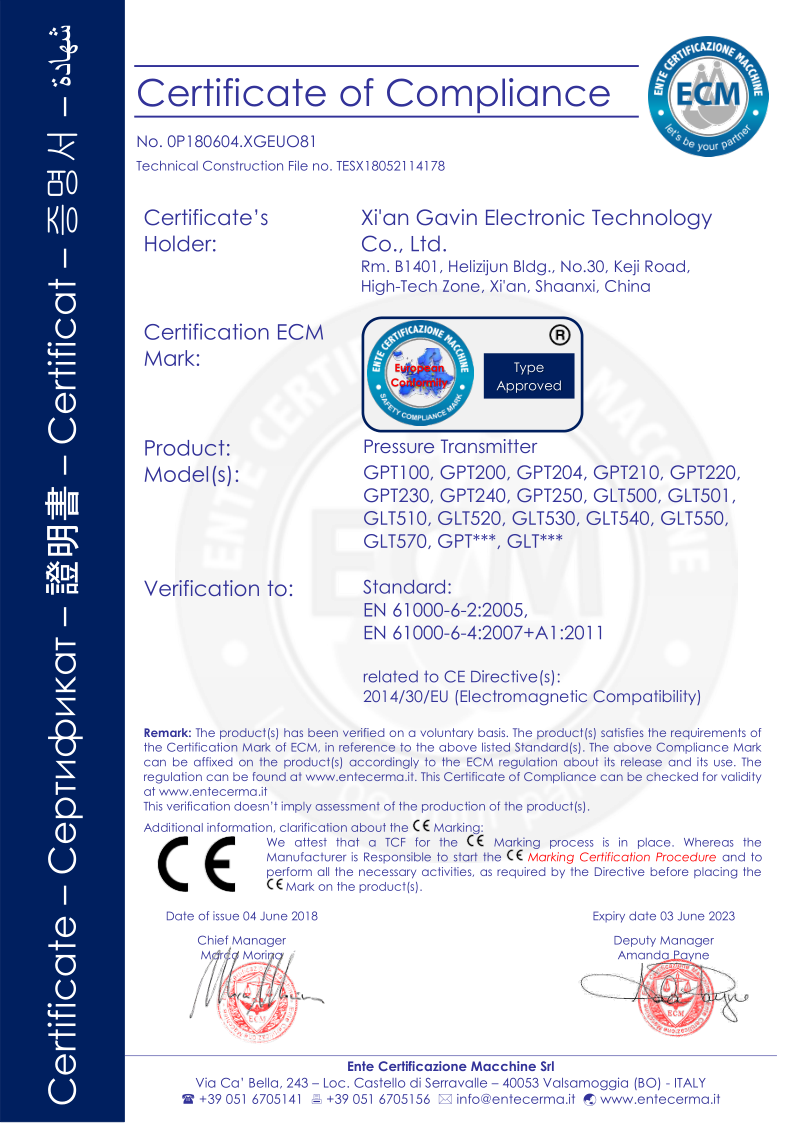
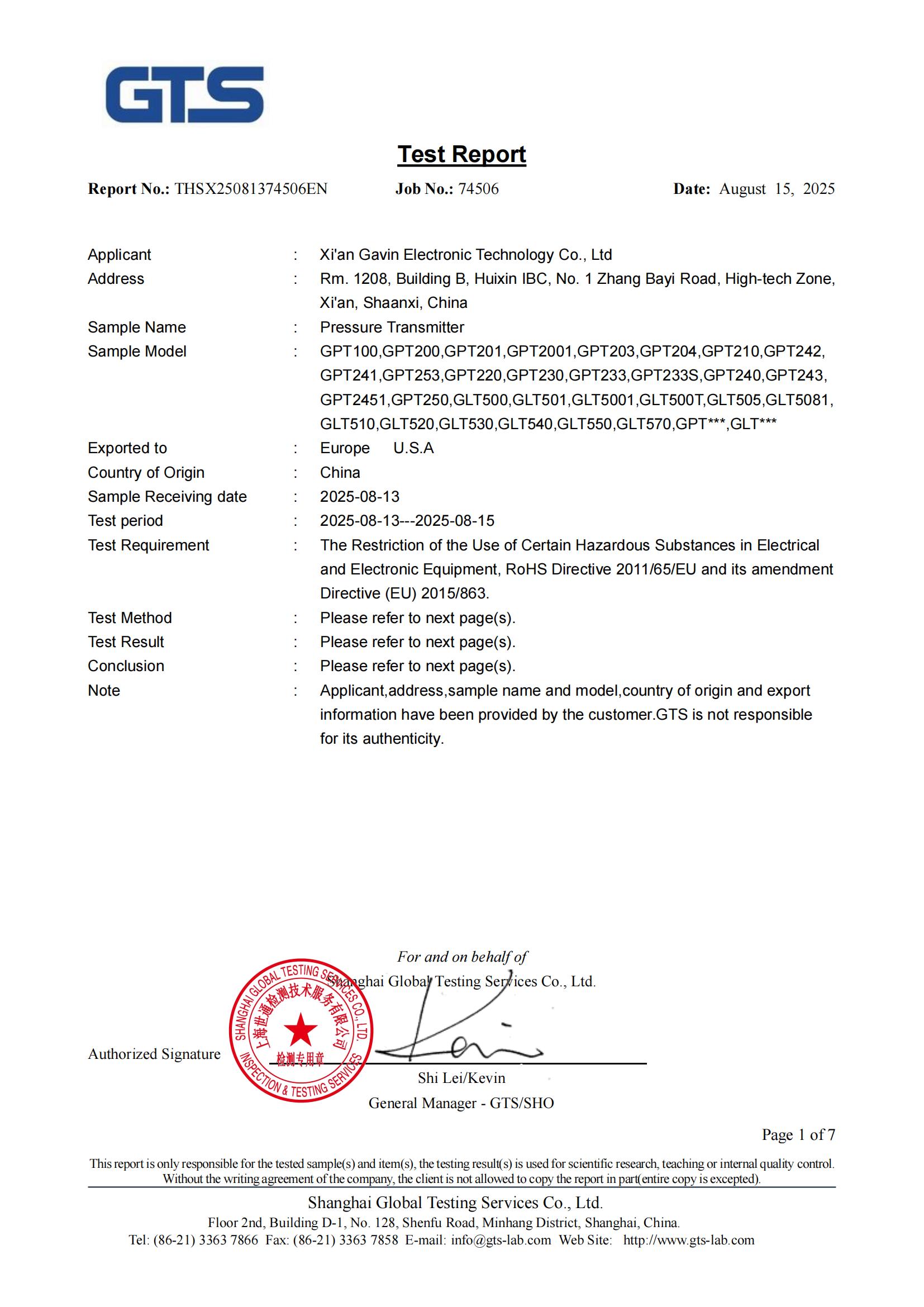
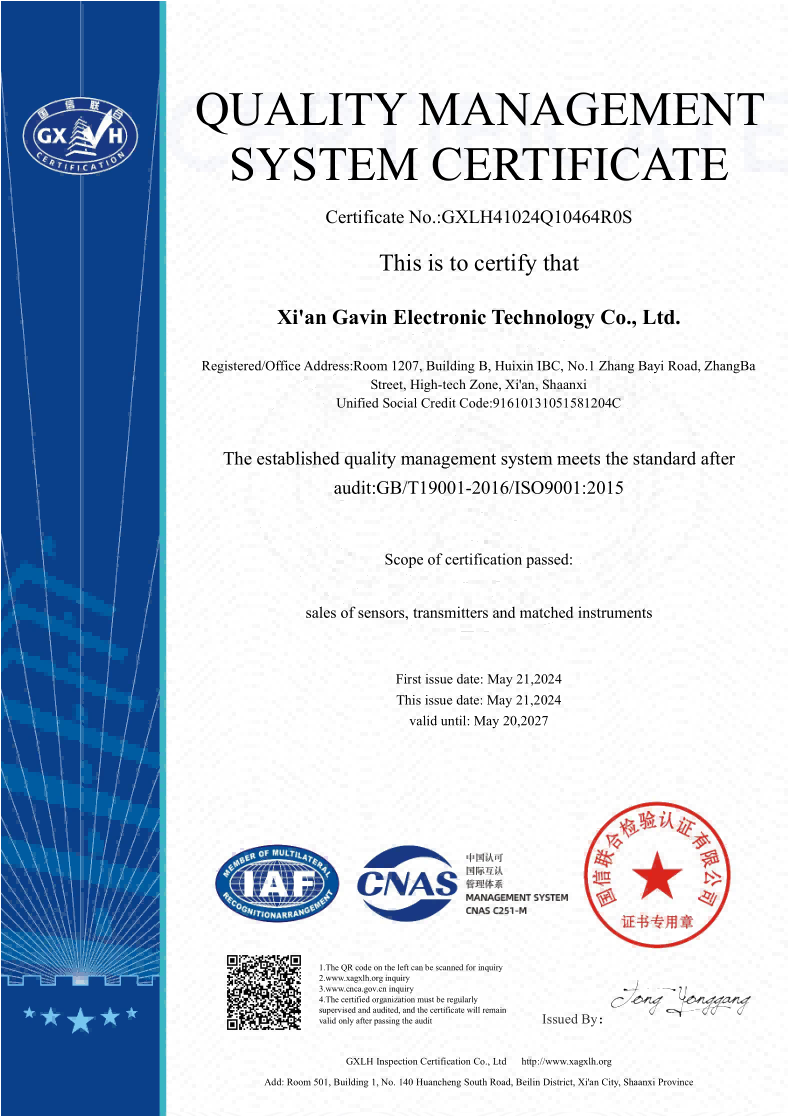
Compliance with certifications is very important for business uses, and suppliers must meet foreign norms like CE, RoHS, and ISO certifications. Long-term system reliability and operating success are affected by quality assurance programs, warranty terms, and the availability of expert help.
Best Practices for Installation, Maintenance, and Troubleshooting
When sensors are installed and maintained correctly, they work at their best, last longer, and receive data reliably throughout the span of the system.
Wireless System Implementation
To successfully install wireless pressure sensors, the site must be thoroughly surveyed to find possible sources of interference, signal obstructions, and the best places to put the sensors. The GPT2451 has several wireless protocols that let you choose the best way to communicate based on the conditions of the spot and your range needs.
Signal optimization techniques think about where to put the antennas, how to set up repeaters if needed, and which protocol to use based on the range and power needs. Regularly checking on and replacing batteries keeps up-to-date data collection going while preventing unexpected downtime.
Wired System Management
For wired pressure sensor placement to work for a long time, care must be taken with cord routing, electricity security, and sealing against the environment. If you choose the right grounding, insulation, and conduit, you can protect your system from electromagnetic radiation and damage from the surroundings that could slow it down.
Calibration, wire integrity checks, and connection care should be done on a regular basis to keep measurements accurate and stop signal degradation. Common problems that can make a system less reliable, like ground loops, damaged cables, and link rust, should be covered in troubleshooting steps.
Conclusion
Whether to use wireless or wired pressure sensors relies on the needs of the application, the limitations of the installation, and the practical goals that are unique to each industrial facility. When it comes to installation options, coverage range, and retrofitting, wireless technology clearly shines. However, wired systems still reign supreme when it comes to ultra-high precision and continuous operation. Modern industrial wireless pressure sensor technology has reached levels of dependability and accuracy that are good enough for most industrial uses. This means that the choice is now more about the specifics of the site than about basic technology limits. To make sure the best operating performance, it's important to carefully consider the total cost of ownership, the skills of the provider, and the long-term maintenance needs.
FAQ
What accuracy differences exist between wireless and wired pressure sensors?
In most situations, modern industrial wireless pressure sensors are just as accurate as wired systems. In the past, wired sensors were more accurate because their signal lines were more stable. However, new wireless technology that compensates for temperature and processes signals digitally has greatly reduced this difference. The GPT2451 wireless emitter has high-stability sensors that can adjust for temperature. This makes it accurate enough for hard industrial uses.
How do I select the right pressure sensor technology for large-scale facilities?
When a large building is deployed, the location of monitoring points, the needs for communication infrastructure, and the ease of entry for upkeep must all be looked at. Wireless sensors work best in sites that are spread out geographically and where the cost of cable infrastructure becomes too high. On the other hand, wired systems may be better in areas with a lot of sensors and already existing electricity infrastructure. Using wireless sensors in remote areas and wired systems in key control areas is a common way to find the best options.
What maintenance priorities should I consider for battery-powered wireless sensors?
Taking care of the batteries is the most important part of maintaining wireless pressure sensors. Modern devices like the GPT2451 can work for up to three years with the best power management, but they need to be regularly checked for batteries and replaced so they don't stop working without warning. The environment, the regularity of communication, and the choice of protocol all have a big effect on battery life, so maintenance plans need to be customized for each deployment situation.
How do wireless sensors handle signal interference in industrial environments?
To deal with interference issues, industrial wireless pressure sensors use a number of methods, such as frequency hopping, error correction techniques, and various communication paths. The GPT2451 has three wireless protocols: SWSN, LoRa, and 4G. This lets you choose the best one for your site conditions. Reliable communication in tough industrial settings depends on careful planning of the installation, which includes site studies and interference analysis.
Choose GAMICOS for Advanced Industrial Pressure Monitoring Solutions
GAMICOS is a reliable company that makes industrial wireless pressure sensors and provides cutting edge measurement solutions to more than 100 countries around the world. Our GPT2451 wireless pressure emitter is an example of our dedication to innovation. It has a transmission range of up to 5 kilometers, uses very little power, and has flexible wireless methods that can be used in a wide range of industrial settings.
Get in touch with our technical experts at info@gamicos.com to talk about your pressure tracking problems and find out how our cutting-edge sensor technology can help you run your business more efficiently. Our experienced engineering team provides full support from the initial meeting to system commissioning, making sure that the implementation goes smoothly and meets your performance and financial goals.
References
1. Smith, J.A., "Industrial Pressure Measurement Technologies: Wireless vs. Wired Performance Analysis," Journal of Industrial Automation, Vol. 45, No. 3, 2023.
2. Chen, L.M., "Battery Life Optimization in Wireless Industrial Sensor Networks," IEEE Transactions on Industrial Electronics, Vol. 68, No. 12, 2023.
3. Rodriguez, M.K., "Total Cost of Ownership Analysis for Industrial Pressure Monitoring Systems," Process Control Engineering Quarterly, Vol. 29, No. 4, 2023.
4. Thompson, R.D., "Wireless Communication Protocols for Hazardous Area Monitoring Applications," International Journal of Industrial Safety, Vol. 15, No. 2, 2023.
5. Williams, P.S., "Comparative Study of Pressure Sensor Accuracy in Industrial Environment Applications," Measurement Science and Technology Review, Vol. 34, No. 8, 2023.
6. Johnson, A.T., "Installation Best Practices for Wireless Industrial Monitoring Systems," Automation and Control Systems Magazine, Vol. 41, No. 6, 2023.

Peter
Peter, Senior Sensor Technology Consultant, has 15-year industrial sensor R&D experience. He specializes in the end-to-end development of high-accuracy pressure and level sensors and he firmly believe, precision isn’t just a spec—it’s a promise.
We're here to help — submit your request anytime!
Let us know how we can help solve your pressure level measurement challenge.
_1757930850792.jpg)

Recommended Blog

Troubleshooting Wireless Level Transmitters Connectivity Issues
Troubleshooting Wireless Level Transmitters Connectivity Issues
Troubleshooting Wireless Level Transmitters Connectivity Issues