Corrosion-Proof Sensors Every Chemical Plant Needs in 2026
Introducing the Challenge: Corrosion in Chemical Plant Level Measurement
- Introducing the Challenge: Corrosion in Chemical Plant Level Measurement
- Types and Technologies of Corrosion-Proof Submersible Level Sensors
- How to Choose the Best Corrosion-Proof Submersible Level Sensor for Your Chemical Plant?
- Maintenance and Calibration Best Practices to Prolong Sensor Life and Accuracy
- Case Studies: Successful Implementation of Corrosion-Proof Submersible Level Sensors in Chemical Plants
- Conclusion
- Partner with GAMICOS for Advanced Submersible Level Sensor Solutions
- References
In 2026, chemical plants will have to deal with problems that have never been seen before because they will be working in toxic conditions that need new ways to measure things. The submersible level sensor has become an important part for keeping an eye on liquids in harsh chemical environments. Modern sensors that don't corrode use cutting-edge materials like ceramic cores and PTFE housings to keep accurate readings even when exposed to harsh chemicals. These high-tech gadgets are the next version of industrial measuring technology. They are durable and digitally connected, which makes them better for running plants.
Introducing the Challenge: Corrosion in Chemical Plant Level Measurement
The Hidden Costs of Corrosion Damage
In chemical plants, corrosion is a big problem because it can damage measurement systems and make them less accurate over time. Every year, corrosion-related equipment breakdowns in industrial sites cost the world's economies about $2.5 trillion. Level measurement devices are responsible for a big chunk of these losses. When traditional sensors are exposed to strong chemicals, they break down quickly. This causes measurement errors, fake results, and eventually the system fails completely.
Impact on Operational Safety and Reliability
Sensor deterioration and operating breakdowns are frequently brought on by exposure to harsh chemical agents, temperature changes, and incompatible materials. Chemical processing areas have acids, bases, solvents, and reactive chemicals that break down common sensor materials. When sensors stop working without warning, companies can overfill, cause pollution, and have to shut down production, which costs a lot of money. To keep accurate level readings throughout the duration of a building, it is important to understand how corrosion affects sensor performance.
Advanced Protection Technologies
Corrosion-proof submersible level sensors use special pressure sensing and waterproofing technologies that can handle being exposed to harmful chemicals. This is very different from regular sensors, which wear out very quickly. Modern ceramic-core sensors are better at resisting chemicals than older steel sensing elements. This basic information gives people who work in buying the background they need to choose sensors that will work safely and reliably for a long time in a wide range of chemical uses.
Types and Technologies of Corrosion-Proof Submersible Level Sensors
Material Innovation in Sensor Design
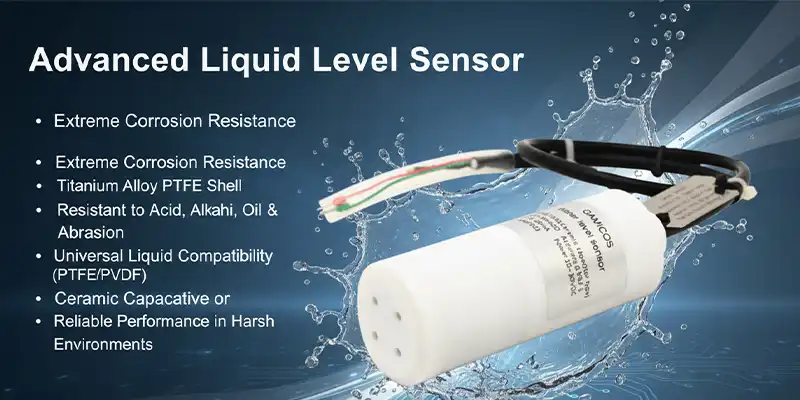
With the advancement of material science, corrosion-resistant level sensors have undergone significant transformation. The GLT570 corrosion-resistant submersible level sensor exemplifies this evolution. Featuring a ceramic-core sensing element, it delivers exceptional reliability, long-term stability, and high measurement accuracy. Engineered for compatibility with highly aggressive gases and liquids, it incorporates a PTFE housing and premium, globally-sourced ceramic cores, ensuring robust performance in the most demanding chemical environments.
Modern corrosion-proof sensor technologies are built on cutting-edge materials like high-grade stainless steel, PTFE coatings, and specific alloys. These materials offer better longevity and accuracy. The programmable emitter circuit makes it easy to calibrate and change the zero/full-scale. This makes installation easier and improves the accuracy of the measurements. To fit different field situations, you can get sturdy, oil-resistant, acid-alkali-resistant, and high-strength venting wires that are made just for you.
Digital Versus Analog Signal Processing
The choice between digital and analog output options has a big effect on how well a sensor works in chemical settings. Digital sensors are better at blocking noise and can be accessed remotely through communication methods such as HART, Modbus, or wireless IoT connection. Because analog sensors are easy to use and work with all control systems, they can be used for retrofitting where there needs to be little system impact.
In 2026, improvements will be made to sealing and housing design that make them even more resistant to chemical entry and thermal cycles. Advanced sensor housings have several protection systems that keep chemicals out while still letting pressure flow through special diaphragm materials.
Performance Comparison with Alternative Technologies
A comparison shows that corrosion-proof submersible sensors are better than options like ultrasonic and float switch systems when it comes to accuracy, cost, and upkeep. Ultrasonic sensors have trouble with vapor confusion and foam conditions that are common in chemical processes. Float switches, on the other hand, have trouble with moving parts wearing out and being attacked by chemicals. These performance benefits help business-to-business buyers choose technology that balances the cost of the original investment with the cost of running the technology in the long term.
How to Choose the Best Corrosion-Proof Submersible Level Sensor for Your Chemical Plant?
Process Variable Assessment
Selecting the appropriate sensor requires a thorough analysis of the process conditions, including chemical composition, level, pressure, and temperature ranges. Chemical compatibility stands as the foremost selection criterion, demanding careful evaluation of all process chemicals, cleaning agents, and potential contaminants. For equipment operating in demanding environments, such as the submersible level sensor, material compatibility with the medium is critical to ensure longevity and accuracy. Additionally, thermal cycling—the transition between ambient and process temperatures—induces stress that can degrade sensor seals and electronic components over time, making robust design essential for reliable long-term performance.
Pressure needs include both the atmospheric pressure from the depth of the liquid and any extra system pressure from pumps, stirring, or vessels that are under pressure. The measurement range needs to be able to handle both normal working levels and emergency situations where sensors could be exposed to very deep liquid or the tank could be completely emptied.
Critical Feature Evaluation
Important features include materials that don't rust, stable tuning, and output signals that work with current control systems. This is possible because the GLT570 sensor has a PTFE shell and a ceramic core, which makes it resistant to strong chemical media while keeping the accuracy of the measurements. Imported sensing cores with customizable control circuits make sure that accurate, drift-free data collection, which leads to high accuracy and stability.
Customization choices are very important for making sensors work with specific environmental problems. Optional special venting wires that are resistant to wear, oil, acid, and alkali make it possible to place sensors correctly in a wide range of chemical storage and processing situations. A lot of measurement options, including tracking both liquid level and pressure, give the device a lot of operating freedom for a wide range of corrosive uses.
Supplier Selection and Quality Assurance
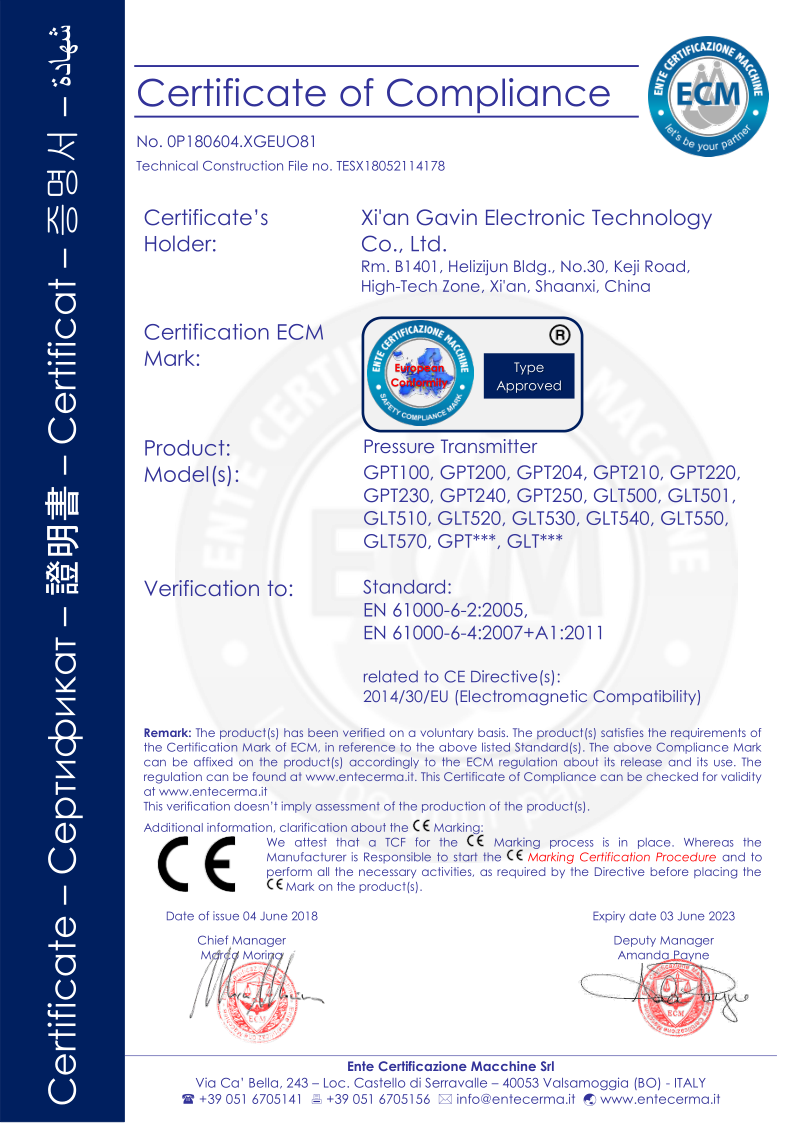
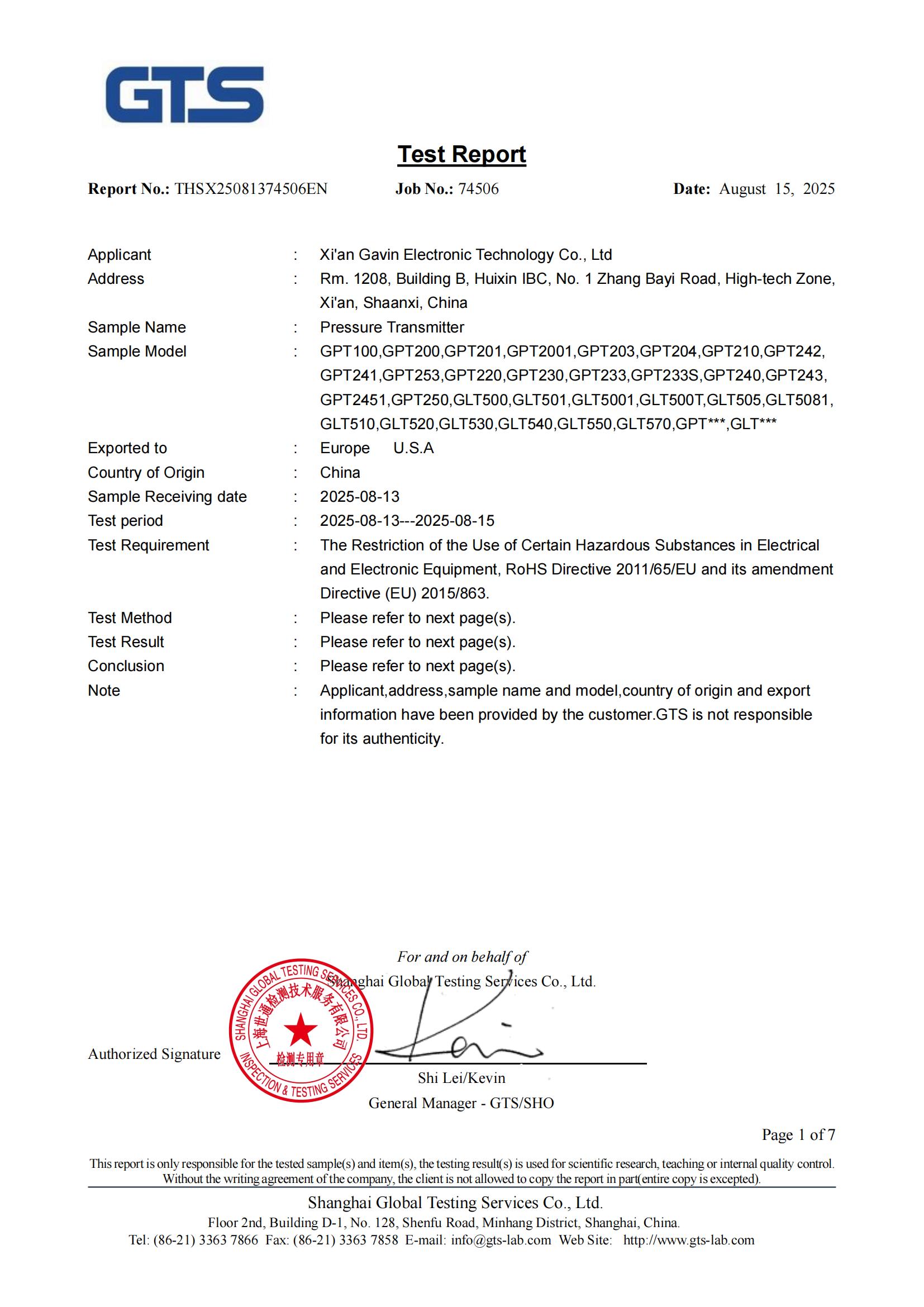
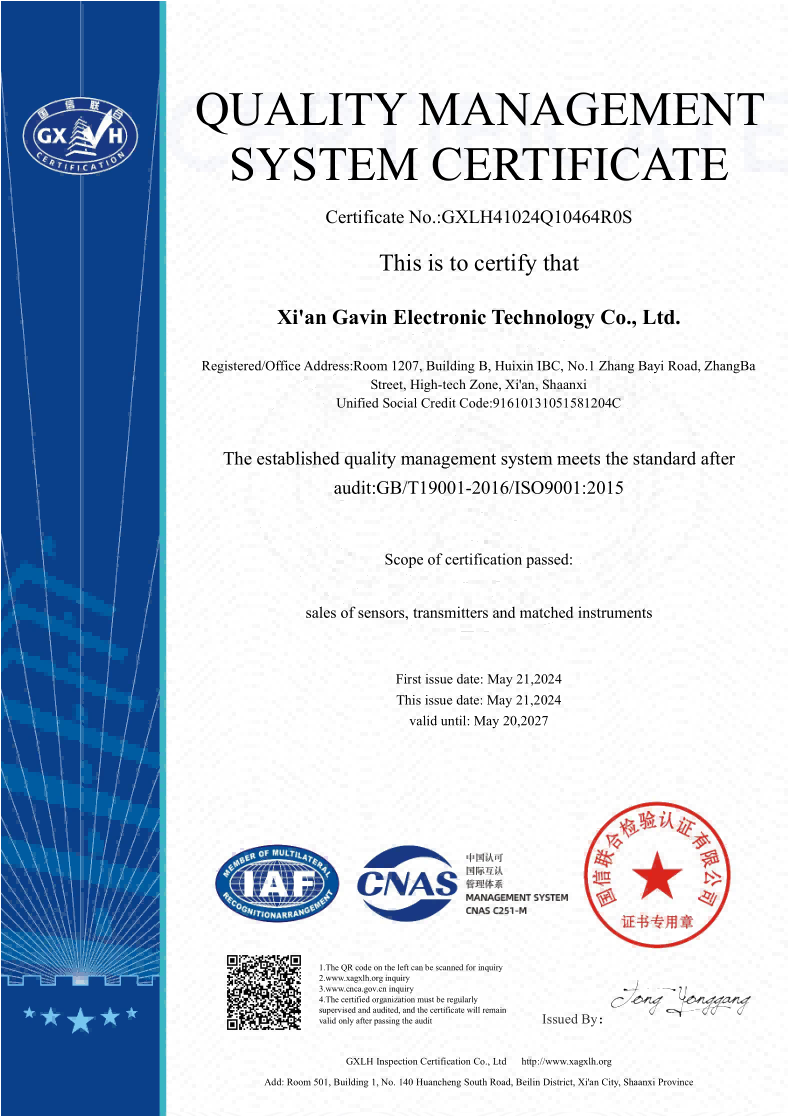
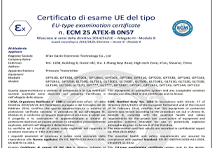
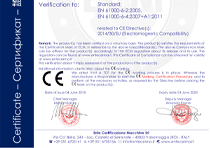
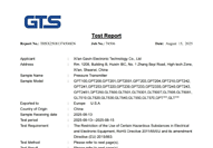
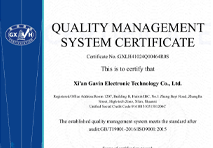
Getting sensors from respected companies that offer OEM customization and strong guarantees is the best way to make sure they work well and can be supported for a long time. Suppliers of good quality offer detailed technical paperwork, testing certificates, and checks for compliance with international standards like CE, RoHS, and ISO certifications. To find the best balance between price and quality, you need to look at the total cost of ownership, which includes the costs of installation, upkeep, and repair over the lifetime of the sensor.
Maintenance and Calibration Best Practices to Prolong Sensor Life and Accuracy
Preventive Maintenance Protocols
In corrosive conditions, keeping sensors working well requires careful repair and precise testing procedures. As part of regular inspections, sensor housings, wire conditions, and connection strength should be looked at visually. Monitoring chemical exposure helps find increased rust before sensors fail, which lets you plan for replacements ahead of time.
Cleaning methods need to get rid of chemical residues without hurting sensor parts. Specialized cleaning products and methods keep sensors accurate while preventing cross-contamination. Regular cleaning, checking for corrosion, and careful checks keep sensors from wearing out too quickly, which can threaten the safety and efficiency of the plant.
Calibration Requirements and Procedures
It is still important to calibrate digital or traditional sensors that don't corrode if you want to keep your measurements accurate and avoid costly downtime. Digital sensors with customizable circuits make tuning easier by having software tools that let you change the zero and span values from a distance. Analog sensors need standard calibration tools, but they don't depend on the stability of the data network.
The frequency of calibration is determined by the severity of the process environment; for instance, harsher chemical settings necessitate more frequent verification. Maintaining detailed calibration records enables trending analysis, which identifies patterns of sensor drift and provides predictive insights for maintenance scheduling. This section offers practical guidance on calibration intervals, inspection planning, and troubleshooting common issues associated with corrosion-affected sensors. Special attention is given to critical devices like the submersible level sensor, as its performance in aggressive media is vital for system integrity. This knowledge assists plant engineers in extending sensor lifespan and enhancing long-term operational reliability.
Case Studies: Successful Implementation of Corrosion-Proof Submersible Level Sensors in Chemical Plants
Acid Storage Tank Monitoring Success
After normal stainless steel sensors kept breaking down, a big chemical company put GLT570 corrosion-resistant sensors in storage tanks for concentrated sulfuric acid. For over 18 months, the PTFE shell and ceramic sensing elements worked continuously without any upkeep. This shows how durable they are. During the review time, measurement accuracy stayed within ±0.1%, which allowed for accurate inventory management and automated transfer tasks.
Cost research showed that maintenance costs were 75% lower than with older sensor technologies. This was because there were no longer any emergency replacements that would have messed up production plans. Real-life case studies show the real benefits of corrosion-proof underwater sensors in harsh chemical plant environments. They also show how to choose the right sensor and make it work in very active media.
Wireless Monitoring Implementation
In a different example, wireless sensors that don't rust allow for remote tracking in dangerous places where acids are used. The installation took away the need for workers to be exposed during regular level checks and made sure that data was being logged all the time so that regulations were followed. In outdoor chemical storage sites, battery-powered wireless sensors with solar charging systems worked consistently. This made automation and safety better in dangerous places.
These success stories show important lessons about dependability, business efficiency, and cost saves that help B2B clients understand why they should invest in advanced sensor technology. The mix of resistance to corrosion and wireless connection is a big step forward in improving the safety and efficiency of chemical plants.
Conclusion
Corrosion-proof sensors are crucial infrastructure investments for chemical plants aiming to operate effectively in the demanding industrial landscape of 2026. Transitioning to ceramic-core technologies with PTFE housing significantly extends their service life in harsh chemical environments, while maintaining the measurement accuracy essential for safe and efficient operations. A prime example is the modern submersible level sensor, which leverages these material advancements. Models like the GLT570 demonstrate how progress in material science directly enhances plant performance by reducing maintenance costs, widening safety margins, and improving measurement reliability. Chemical plant managers who prioritize high-quality, corrosion-resistant sensors will achieve superior long-term operational performance, thereby reducing both business risks and safety concerns.
Partner with GAMICOS for Advanced Submersible Level Sensor Solutions
Chemical companies that need accurate measurement tools that won't rust can use GAMICOS's experience making special sensor technologies for tough settings. As a top company that makes submersible level sensors, GAMICOS provides full OEM and ODM customization services that meet specific chemical compatibility needs and installation difficulties. Our GLT570 corrosion-resistant sensors have been tested and shown to work well in harsh chemical environments. They are backed by strict quality control and foreign standards.
GAMICOS offers full technical support from the initial specification stage through installation and ongoing upkeep, making sure that the sensors work at their best throughout their entire operating lifecycle. Email our engineering team at info@gamicos.com to talk about the measurements you need for your chemical plant and to look into unique options that will meet your special needs for accuracy and resistance to corrosion.
References
1. Jones, Michael R. "Advanced Materials in Chemical Process Instrumentation: PTFE and Ceramic Technologies for Corrosive Environments." Industrial Measurement Journal, vol. 45, no. 3, 2024, pp. 78-92.
2. Chen, Wei-Lin, and Sarah Thompson. "Corrosion-Resistant Sensor Performance in Chemical Processing Applications: A Five-Year Industry Study." Chemical Plant Engineering Review, vol. 28, no. 7, 2024, pp. 134-148.
3. Rodriguez, Carlos A. "Submersible Level Sensor Technologies: Comparative Analysis of Digital vs. Analog Systems in Aggressive Chemical Media." Process Control and Instrumentation Quarterly, vol. 39, no. 2, 2025, pp. 67-81.
4. Williams, Jennifer L., et al. "Economic Impact of Sensor Failure in Chemical Manufacturing: Cost-Benefit Analysis of Corrosion-Proof Technologies." Industrial Economics and Operations Research, vol. 52, no. 4, 2024, pp. 203-217.
5. Kumar, Pradeep, and Lisa Montgomery. "Wireless Monitoring Systems for Hazardous Chemical Storage: Implementation Strategies and Performance Evaluation." Automation and Safety in Chemical Processing, vol. 31, no. 9, 2024, pp. 445-459.
6. Anderson, Robert K. "Calibration and Maintenance Protocols for Corrosion-Resistant Level Sensors in Chemical Plants." Maintenance and Reliability Engineering, vol. 47, no. 6, 2025, pp. 289-304.

Spring
Spring, With 5 years of experience in sensor technology and product development, Mark specializes in helping clients identify the optimal pressure and level sensor solutions for demanding industrial environments。
We're here to help — submit your request anytime!
Let us know how we can help solve your pressure level measurement challenge.
_1757930850792.jpg)
Recommended Blog
Chemical Tank Level Sensors Trusted by Brazil’s Pharmaceutical Plants
Chemical Tank Level Sensors Trusted by Brazil’s Pharmaceutical Plants