Hygienic Tank Level Sensors for Food and Beverage Processing
Understanding Sanitary Pressure Transmitters in Hygienic Tank Level Measurement
- Understanding Sanitary Pressure Transmitters in Hygienic Tank Level Measurement
- Advantages and Challenges of Using Sanitary Pressure Transmitters in Food and Beverage Processing
- How to Choose the Right Sanitary Pressure Transmitter for Hygienic Tank Level Measurement
- Optimizing Performance and Maintenance of Sanitary Pressure Transmitters in Food and Beverage Facilities
- Future Trends and Innovations in Hygienic Tank Level Sensing and Sanitary Pressure Transmitters
- Conclusion
- FAQ
- Contact GAMICOS for Advanced Sanitary Pressure Transmitter Solutions
- References
In the food and beverage business, cleanliness and accuracy are required in every step of production, especially when checking the amounts of tanks that hold consumable goods. Hygienic tank level sensors are an important step forward in food safety technology. They use special sanitary pressure transmitter designs that make sure measurements are accurate while still meeting the highest standards of cleanliness. These high-tech tools keep food from getting contaminated by using FDA-approved materials and smooth, non-porous surfaces. They are essential for all modern food processing plants around the world.
Understanding Sanitary Pressure Transmitters in Hygienic Tank Level Measurement
Modern methods for keeping an eye on food and drink tanks are based on sanitary pressure transmitters, which give accurate readings while also meeting strict hygiene standards. These specialized tools are very different from regular industrial sensors because of how they are built and the materials they are made of.
Key Design Elements of Sanitary Pressure Systems
When making clean pressure measuring devices, the main goal is to get rid of any ways that contamination could affect the safety of the product. In contrast to regular industrial transmitters, sanitary designs have smooth, 316L stainless steel surfaces that are made without any seams. This makes them more resistant to rust and easier to clean. The flush diaphragm design stops particles from building up and germs from growing, which are both important for keeping conditions that are safe for food.
Modern sanitary pressure transmitters employ advanced sensing technologies, such as piezoresistive ceramic elements and distributed silicon pressure cores. These technologies provide exceptional accuracy and resilience against the thermal cycles required for Clean-in-Place (CIP) and Sterilize-in-Place (SIP) processes. An exemplary product utilizing this cutting-edge approach is the GAMICOS GPT210, a sanitary pressure transmitter featuring a flat diaphragm design and utilizing silicon oil or olive oil as the pressure transfer medium.
Regulatory Compliance and Certification Standards
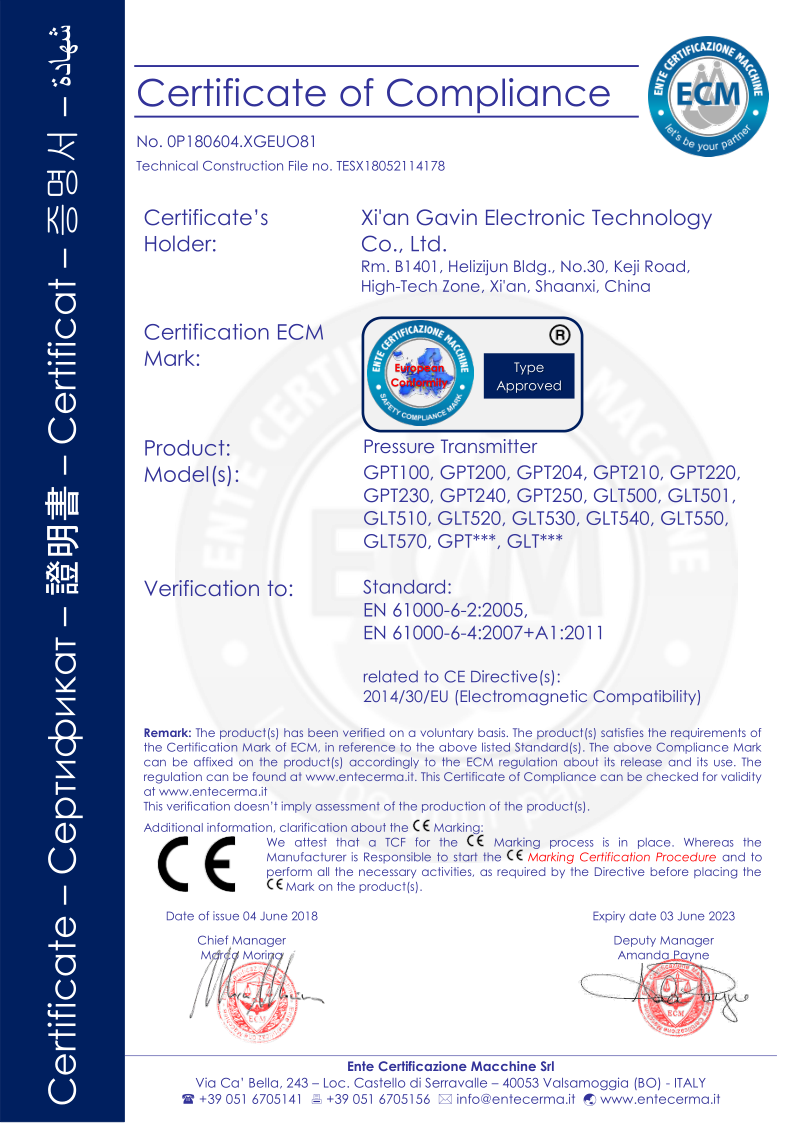
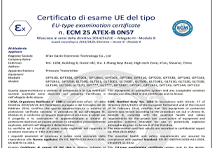
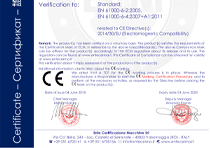
The food and beverage business has to follow strict rules that require process instruments to meet certain design standards. Sanitary pressure transmitters need to follow the rules set by the European Hygienic Engineering and Design Group (EHEDG), the FDA for areas that come into touch with food, and 3-A Sanitary Standards. With these certificates, you can be sure that every part used to make food items meets the strictest safety standards.
Compliance goes beyond materials and includes standards for surface finish, with Ra values usually below 0.8 micrometers to stop germs from sticking. When measure surfaces are welded, the treatments must get rid of any cracks where dirt could get stuck and keep the structure strong even after being cleaned and put under pressure.
Advantages and Challenges of Using Sanitary Pressure Transmitters in Food and Beverage Processing
Putting in sanitary pressure measurement systems in food and drink facilities has big practical benefits, but it also brings up some unique technology issues that procurement teams need to carefully think through.
Operational Benefits in Food Processing Applications
Sanitary pressure transmitters have measured benefits that have a direct effect on how well and how quickly products are made. These systems are very good at measuring; they usually get accuracy of 0.25% or better across their whole working range. This makes it possible to handle inventory and control processes very precisely. Strong construction can handle harsh cleaning chemicals and temperature changes of up to 284°F without losing its accuracy or breaking down.
Here are the main benefits these tools have for businesses that prepare food:
• Preventing contamination: flush diaphragm designs get rid of empty areas where germs can grow, keeping the integrity of the product throughout the production process.
• Better cleaning: Surfaces that are smooth and don't have any cracks or crevices cut down on CIP cycle times and cleaning chemical use while still ensuring full sanitation.
• Reliability of the process: modern closing technologies allow for long-term safe operation in harsh conditions, reducing unplanned downtime.
• Regulatory Compliance: Built-in compliance with food safety standards lowers the risk of audits and makes sure that product quality stays the same.
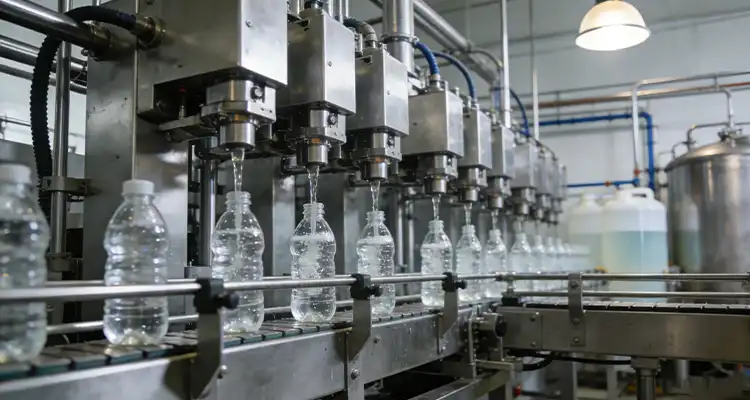
These benefits directly lead to higher production efficiency and lower operating costs. Because of this, food processing businesses need to invest in sanitary pressure transmitters in order to maintain their competitive edge and ensure product safety.
Technical Challenges and Mitigation Strategies
Using sanitary pressure transmitters can be very helpful, but there are some technical issues that are unique to food preparation settings that need to be carefully considered. When calibrating, procedures must take into account changes in temperature that happen during cleaning processes. Similarly, when installing the sensor, methods must keep it clean for as long as it works.
Managing thermal shock during sudden changes in temperature, stopping condensation from building up in transmitter housings, and keeping electrical connections strong in wash-down settings are the main technical issues that need to be thought through. These problems can be solved by advanced transmitters like the GPT210, which have multiple signal output choices such as 4-20 mA and RS485 protocols, as well as special sealing systems made to withstand long-term contact with cleaning solutions.
How to Choose the Right Sanitary Pressure Transmitter for Hygienic Tank Level Measurement
To choose the right sanitary pressure measuring tools, you need to carefully look at its long-term working needs, performance requirements, and application needs. This decision framework helps you choose the best tools while keeping an eye on prices and relationships with suppliers.
Application-Specific Selection Criteria
Because food and drink processing settings are different, you need to carefully think about a lot of technical factors when choosing pressure measurement tools. The shape of the tank, the thickness of the product, the temperature ranges, and the cleaning methods all affect how well and how long the sensors work.
Pressure range compatibility is an important decision factor that usually ranges from vacuum conditions to several bars, based on the height of the tank and the process needs. Temperature rates need to take into account both the process conditions and the cleaning methods. Material compatibility makes sure that the material is resistant to chemicals used in cleaning and the product itself. The GPT210 is made of 316L stainless steel and has been treated with special welding techniques that meet the high standards needed for demanding food preparation uses.
Vendor Evaluation and Procurement Strategies
Some of the best manufacturers, like Rosemount, Endress+Hauser, WIKA, and GAMICOS, have clear benefits when it comes to features, prices, and expert support. Procurement managers should judge sellers based on their ability to customize, their ability to buy in bulk, their compliance with certifications, and the quality of their after-sales service.
GAMICOS stands out because it offers full OEM/ODM services that let customers get solutions that are tailored to their specific tank setups and process needs. The company has worked with over 100 countries, so they know a lot about different legal requirements and application problems. This helps with buying choices by giving them proven skills and technical knowledge.
Optimizing Performance and Maintenance of Sanitary Pressure Transmitters in Food and Beverage Facilities
To get the most out of sanitary pressure measurement systems, they need to be maintained properly and their performance must be monitored in ways that are specific to food preparation settings.
Preventive Maintenance Programs
The goal of good care plans for sanitary pressure transmitters is to maintain the instruments' measurement accuracy and cleanliness throughout their useful life. Regular calibration testing of the sanitary pressure transmitter, which is usually done every three to six months, ensures that measurements remain accurate and helps identify potential issues before they can impact production.
The maintenance method includes a number of important tasks that are meant to make tools work better and last longer:
• Calibration Management: Using temperature-adjusted calibration methods that take into account the effects of cleaning processes' thermal cycling
• Surface Inspection: The sides of the diaphragm should be checked regularly for mechanical damage, rust, or contamination that could affect the accuracy of the measurements.
• Electrical System Verification: Making sure the signal output is stable and the electrical links are secure to avoid problems with data transfer
• Documentation Protocols: Keeping full records of service to meet guarantee and legal standards
These maintenance tasks work well with the current cleaning plans for the building, so they don't get in the way of operations and make sure that the sensors always work well.
Performance Monitoring and Diagnostic Techniques
Advanced monitoring tools allow for preventative maintenance methods that stop breakdowns and measurement errors before they happen. Modern transmitters have self-diagnostic features that check the conditions inside and let workers know about any problems before they affect production.
Data logging lets you look at how well measurements work over time and find small changes that could mean that the calibration is off or the parts are wearing out. The GPT210 has many output choices, such as digital communication protocols, which make it easy to connect to plant-wide monitoring systems that can find and report problems with performance instantly.
Future Trends and Innovations in Hygienic Tank Level Sensing and Sanitary Pressure Transmitters
Sanitary pressure measurement technology keeps getting better with the help of digital integration, smart sensor features, and more connectivity choices that help food preparation facilities adopt Industry 4.0.
Digital Integration and IoT Connectivity
More and more, modern sanitary pressure transmitters have smart features that make operations more visible and allow for planned upkeep. LoRa, GPRS, NB-IoT, and 4G are all types of wireless communication that can be used to connect devices without wires and give users real-time access to data from far away.
GAMICOS has adapted to this change in technology by offering full IoT integration features that allow for distant tracking and data management. With these improvements, site managers can keep an eye on more than one tank at the same time, and through predictive analytics and condition-based servicing, they can cut down on upkeep costs.
Regulatory Evolution and Sustainability Initiatives
Changing government rules and a greater focus on environmentally friendly manufacturing methods will shape future improvements in measuring clean pressure. More stringent requirements for tracking things make people want complete data logging tools, while efforts to save energy favor wireless sensor technologies that use little power.
Adding AI and machine learning algorithms to pressure measurement systems could make them better at diagnosing problems and adjusting their calibration automatically, which would cut down on the need for human intervention while keeping measurement accuracy over longer periods of time.
Conclusion
The use of sanitary pressure transmitter technology in hygienic tank level sensors is an important part of current food and beverage processing. These high-tech tools provide the accuracy, dependability, and legal compliance needed to keep product quality high and production processes running smoothly. The GAMICOS GPT210 is an example of the latest engineering methods that combine clean design principles with accurate measurement tools to create solutions that meet the strict needs of food preparation plants around the world. Sanitary pressure transmitters will continue to be essential parts of safe, effective, and legal food production around the world as the industry moves toward greater automation and connectivity.
FAQ
What distinguishes sanitary pressure transmitters from standard industrial pressure sensors?
When it comes to food and drinks, sanitary pressure transmitters are built in a way that makes them work better. They are made of 316L stainless steel, have flat diaphragm designs, and have surface finishes that stop bacteria from sticking and make cleaning easier. Standard workplace monitors might not meet food safety standards, but these tools do. They are in line with FDA, EHEDG, and 3-A Sanitary Standards.
How often should sanitary pressure transmitters be calibrated in food processing applications?
How often you calibrate depends on how important the process is and what the rules say, but for most food processing uses, you should check it every three months. For measurement precision and legal compliance, processes with a higher risk or that go through a lot of thermal cycles may need to be checked for calibration more often.
Can existing tank monitoring systems integrate with modern sanitary pressure transmitters?
Yes, current sanitary pressure transmitters like the GPT210 have many output choices, such as 4-20 mA, RS485, and different voltage outputs, which makes them compatible with most control systems that are already in place. Digital connection methods allow for more advanced diagnostic tools and tracking from afar.
Contact GAMICOS for Advanced Sanitary Pressure Transmitter Solutions
GAMICOS offers complete, clean tank level tracking options made just for situations where food and drinks are being processed. Our GPT210 Sanitary Flat Diaphragm Pressure Transmitter blends cutting-edge diffused silicon sensing technology with clean design principles to give your operations the accuracy and dependability they need. As a top maker of sanitary pressure transmitters, we can make a lot of changes to fit your needs, ship to over 100 countries around the world, and provide full expert support for as long as your equipment is in use. Get in touch with our engineering team at info@gamicos.com to talk about your unique application needs and find out how our tried-and-true measurement solutions can help your facility do better and follow the rules.
References
1. Institute of Food Technologists. "Sanitary Design Principles for Food Processing Equipment." Food Technology Magazine, 2023.
2. Food and Drug Administration. "Guidelines for Sanitary Design of Food Processing Equipment." FDA Technical Bulletin Series, 2022.
3. European Hygienic Engineering and Design Group. "Hygienic Equipment Design Criteria for Food Processing Applications." EHEDG Guidelines Document, 2023.
4. International Association for Food Protection. "Best Practices in Food Processing Equipment Selection and Maintenance." IAFP Technical Report, 2022.
5. American Institute of Chemical Engineers. "Process Instrumentation in Food and Beverage Manufacturing." AIChE Technical Publication, 2023.
6. Sanitary Standards Committee. "3-A Sanitary Standards for Pressure Instruments in Food Processing." SSC Technical Document Series, 2022.

Halen
With over 12 years of experience in fluid sensing technology, Halen specializes in helping clients select and optimize oil level sensors for a wide range of industries—including automotive, marine, heavy machinery, and energy.
We're here to help — submit your request anytime!
Let us know how we can help solve your pressure level measurement challenge.
_1757930850792.jpg)
Recommended Blog
How do I choose the right sanitary pressure transmitter for my application?
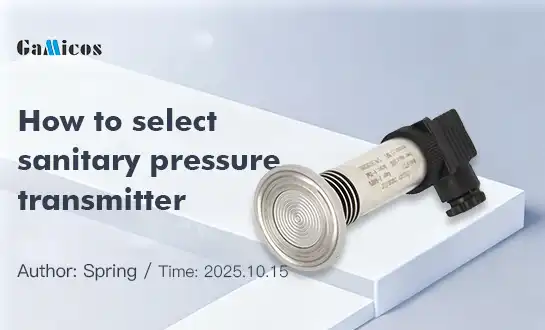
How do I choose the right sanitary pressure transmitter for my application?