The Complete Guide to Wireless Water Tank Sensors
Understanding Wireless Water Tank Sensors
- Understanding Wireless Water Tank Sensors
- Technology and Applications of Wireless Tank Level Sensors
- Comparing Wireless Tank Level Sensors: Choosing the Right Solution
- Buying Guide for Wireless Tank Level Sensors for B2B Clients
- Future Trends and Innovations in Wireless Tank Level Sensing
- Conclusion
- FAQ
- Partner with GAMICOS for Advanced Wireless Tank Monitoring Solutions
- References
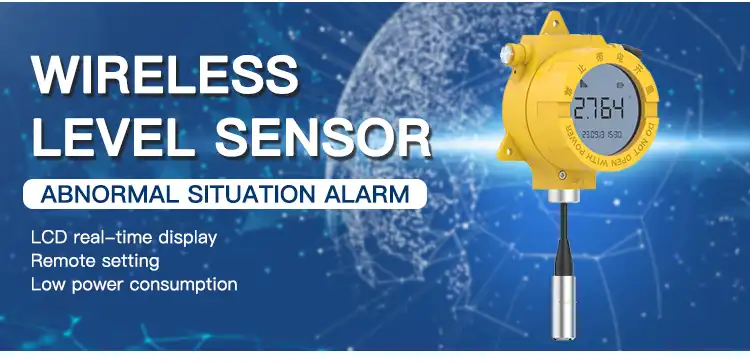
Wireless water tank sensors are a huge step forward in industrial liquid level tracking. They make modern facilities more accurate and convenient than ever before. These high-tech gadgets get rid of the problems that come with traditional wired systems and let you send data in real time, which makes operations run more smoothly. As a Wireless Tank Level Sensor technology, these instruments give accurate readings without needing a lot of complicated wires. This makes them perfect for hard-to-reach places and tough installation situations. Modern wireless sensors are built to last and use advanced communication methods. They also have longer battery lives and are made to withstand the tough conditions found in many industrial settings.
Understanding Wireless Water Tank Sensors
Because there are no wires connecting the measuring device to the control systems, wireless water tank sensors completely change how factories check the amount of liquids. Radio frequency transmission is used by these cutting edge instruments to send measurement data straight to receiving stations, cloud platforms, or mobile apps. In contrast to standard wired sensors that need a lot of cable routing and pipe installation, wireless versions are simply plug-and-play, which greatly cuts down on installation time and costs.
Core Technologies and Communication Methods
Multiple sensing principles and advanced wireless transmission technologies are used to make wireless tank level reading possible. Ultrasonic sensors send out high-frequency sound waves that bounce off of wet surfaces and are used to figure out how far away something is by measuring the time it takes to travel. Radar-based systems use radio signals to find levels without touching anything. These systems work especially well in tough conditions where there is a lot of air or temperature changes. Pressure-based sensors measure the hydrostatic pressure at the bottom of the tank to find out how high the liquid is. These sensors are very accurate in steady situations.
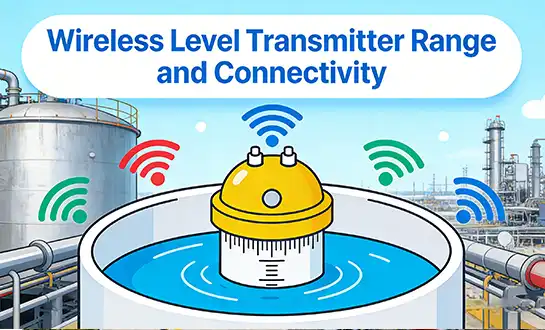
To send data reliably over long distances, modern wireless sensors use 4G cellular networks, LoRaWAN, and NB-IoT communication methods. It is possible to choose the best network based on range and data transfer needs with these communication methods because they offer redundancy and flexibility. These devices can be fully wirelessly installed without any external power sources because they are driven by batteries. This makes them useful for remote tank monitoring uses where standard power infrastructure is not available.
Operational Advantages and Cost Benefits
When compared to traditional tracking methods, wireless tank sensors offer big changes in how they work. It's a lot easier to install because workers don't have to deal with problems like wire routing, underground pipe work, and connecting electrical panels. This makes things easier, which means less money spent on labor and faster project finishing times. This is especially helpful for big industrial setups with lots of tanks in different places.
Real-time data access lets you respond right away to changes in level, which stops overflows and makes inventory management more efficient. Operators can check on the state of tanks from centralized control rooms or mobile devices, so they don't have to take readings from gauges by hand and workers aren't exposed to dangerous surroundings as much. These operating efficiencies help save money by lowering the need for upkeep, making safety rules better, and improving process optimization.
Technology and Applications of Wireless Tank Level Sensors
Wireless tank level sensing technology includes a variety of measurement methods that are made to work with different environments and application needs. A Wireless Tank Level Sensor can utilize these diverse methods. Each sensing method has its own benefits that make it ideal for certain types of liquids, tank configurations, and work settings.
Ultrasonic Sensing Technology
Ultrasonic wireless sensors work by sending high-frequency sound waves toward the surface of a liquid and timing how long it takes for the signal to bounce back. Compared to contact-based methods, this non-contact measurement approach keeps sensors clean and requires less upkeep. When working with clean liquids like water, diesel fuel, and chemical solutions, where air influence is low, the technology works really well.

Modern ultrasonic sensors have temperature compensation systems that make readings more accurate even when the world changes. Signal processing skills get rid of noise from inside the tank, agitation systems, and surface turbulence, so data stay stable even when the process environment changes. With hourly transmissions, the batteries usually last longer than five years, which makes these devices very cost-effective for long-term tracking.
Radar and Pressure-Based Systems
Radar uses microwave signals that can get through mist clouds and foam layers. This makes it perfect for difficult tasks involving chemicals that evaporate quickly or liquids that are very hot. Chemical compatibility is not a problem with the non-contact measurement principle because the sensor never comes into direct touch with the liquid being measured. Frequency modulation methods allow for accurate measurements of distance down to the millimeter level, making them useful for inventory management tasks that need to be very exact.
Submersible pressure sensors measure the hydrostatic pressure at the bottom of the tank. They use the pressure numbers and the density of the liquid to figure out the level of the liquid. This touch method is very accurate and doesn't depend on things like foam, air, or movement on the surface. When ultrasound or radar methods fail to work with thick liquids, slurries, or chemicals that eat away at metal, pressure-based sensors can still do their job. Wireless pressure sensors combine cellular connection and battery power to allow for completely wireless operation in underground storage situations.

Industry Applications and Use Cases
There are many industries that use wireless tank sensors because they are reliable at checking levels, which is important for keeping operations running smoothly and safely. In chemical processing plants, these gadgets keep an eye on storage tanks that hold acidic liquids and explosive compounds. They give real-time inventory information while keeping workers from coming into contact with dangerous materials. With wireless contact, you don't have to worry about cables rusting in harsh chemical conditions.
Wireless sensors are used by water treatment plants to keep an eye on clarifier tanks, chemical storage tanks, and pools for treated water. With remote monitoring, multiple steps of treatment can be controlled from one place, and problems with the process or tools can be identified quickly. Wireless technology helps municipal utilities keep an eye on things like high storage tanks and rural pumping stations where installing cables would be hard to do or too expensive.
Wireless tank sensors are used by oil and gas companies to store crude oil, keep track of refined products, and control produced water. Construction that can't explode and communication methods that are automatically safe meet strict safety standards for sites in dangerous areas. Long-range wireless communication lets you keep an eye on wellhead tanks and pipeline storage facilities that are far away without having to set up a lot of communication lines.
Comparing Wireless Tank Level Sensors: Choosing the Right Solution
To choose the right portable tank level sensors, you need to carefully look at their technical specs, how they work, and how much they cost overall. Depending on the application, such as the qualities of the liquid, the shape of the tank, the surroundings, and the level of accuracy needed, each sensing technology has its own benefits.
Technical Performance Comparison
Ultrasonic sensors can measure up to 70 feet away and are accurate to within ±0.25% of full scale. This means they can be used in big storage tanks and deep systems. Response time stays low, usually less than one second, which lets real-time process control apps work. However, efficiency may suffer in situations with a lot of vapor, very high or very low temperatures, or a lot of foam forming.
Radar sensors work better in tough conditions, and their accuracy levels usually hit ±1mm no matter what the process conditions are. The microwave signals go through vapor clouds and don't affect the foam on the top, so readings are always accurate even when the process is changing. When deploying a Wireless Tank Level Sensor with radar technology, communication range is usually farther than with ultrasound systems, but power use may be a little higher because of the emitter.
Pressure-based methods are very accurate, especially when they are used to store liquids that don't move and where the atmospheric pressure stays the same. Because they use little power, the batteries often last longer than six years. This makes them perfect for remote tracking. Installation involves submerging the sensor in the liquid being monitored, which may make upkeep more difficult than with non-contact options.
Cost Analysis and Return on Investment
When you first buy wireless sensors, they cost more than wired ones, but the money you save on installation costs usually covers the extra cost. In most cases, getting rid of the need to build cables, conduit, and electrical hookups can cut the total cost of installation by 30 to 50 percent. The cost benefit is more noticeable when there are a lot of tanks, long wire runs, or difficult installation conditions.
Operating costs go down as upkeep needs go down, measures don't have to be done by hand, and processes are better optimized. With remote tracking, repair schedules can be made based on how the equipment is actually working, not just on random time intervals. Early discovery of process upsets stops expensive product loss, accidents that hurt the environment, and unexpected shutdowns that can cost many times more than the sensor investment.
Product Selection Guidelines
To choose the right sensor, you must first clearly define the application requirements, which should include the properties of the liquid, the size of the tank, the weather conditions, and the connection infrastructure. For pressure sensors that come into close touch with the liquid being watched, chemical compatibility must be checked. For non-contact sensors to work, the gas qualities, temperature ranges, and possible interference sources inside the tank need to be looked at.
The communication range needs depend on how far away the reception points are from the tanks. When there is network service, cellular systems have almost endless range. On the other hand, proprietary radio systems may need repeater sites to reach farther distances. Power use affects how long batteries last and how often they need to be maintained. This is especially important for sites that are far away and where replacing batteries would cost a lot of money in trip costs.
Buying Guide for Wireless Tank Level Sensors for B2B Clients
When procurement professionals look at portable tank level sensors, they have to balance technical needs with budget limits while also making sure that the sensors will work in the long term and that the seller will support them. Several groups, such as the engineering, operations, maintenance, and buying teams, are involved in the selection process. Each group brings a different set of ideas to the table when making a choice.
Defining Operational Requirements
A thorough description of requirements that takes into account both present needs and plans for future growth is the first step in a successful sensor procurement. Specifications of the tank, such as its size, volume, and how it is installed, directly affect the choice of sensor. The density, viscosity, temperature, and chemical make-up of a liquid all affect how well it works with sensor technology and what materials must be used.
Building codes and safety standards for homes are based on things like temperature ranges, humidity, shaking, and classifications for explosive atmospheres. Installation limitations, like where to put the sensor, how easy it is to get power, and the availability of communication infrastructure, affect the configuration choices. Specifications for accuracy and reaction time must be in line with the needs for process control and the standards of regulations.
The needs for data integration affect the choice of transmission technology and the ability of systems to work together. Integration with current supervisory control and data acquisition systems is needed in many sites. This calls for specific communication standards or gateway devices. Mobile access lets you keep an eye on things from your phone or computer, which is useful for repair workers and managers keeping an eye on things.
Supplier Evaluation Criteria
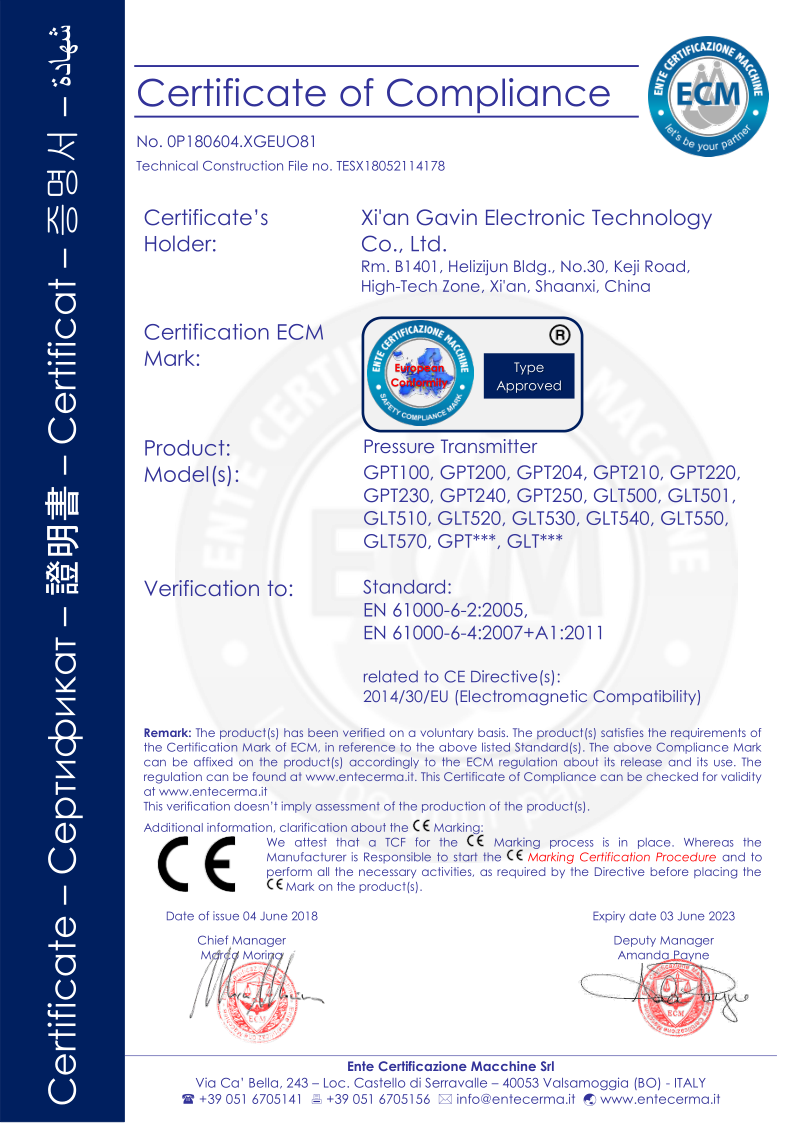
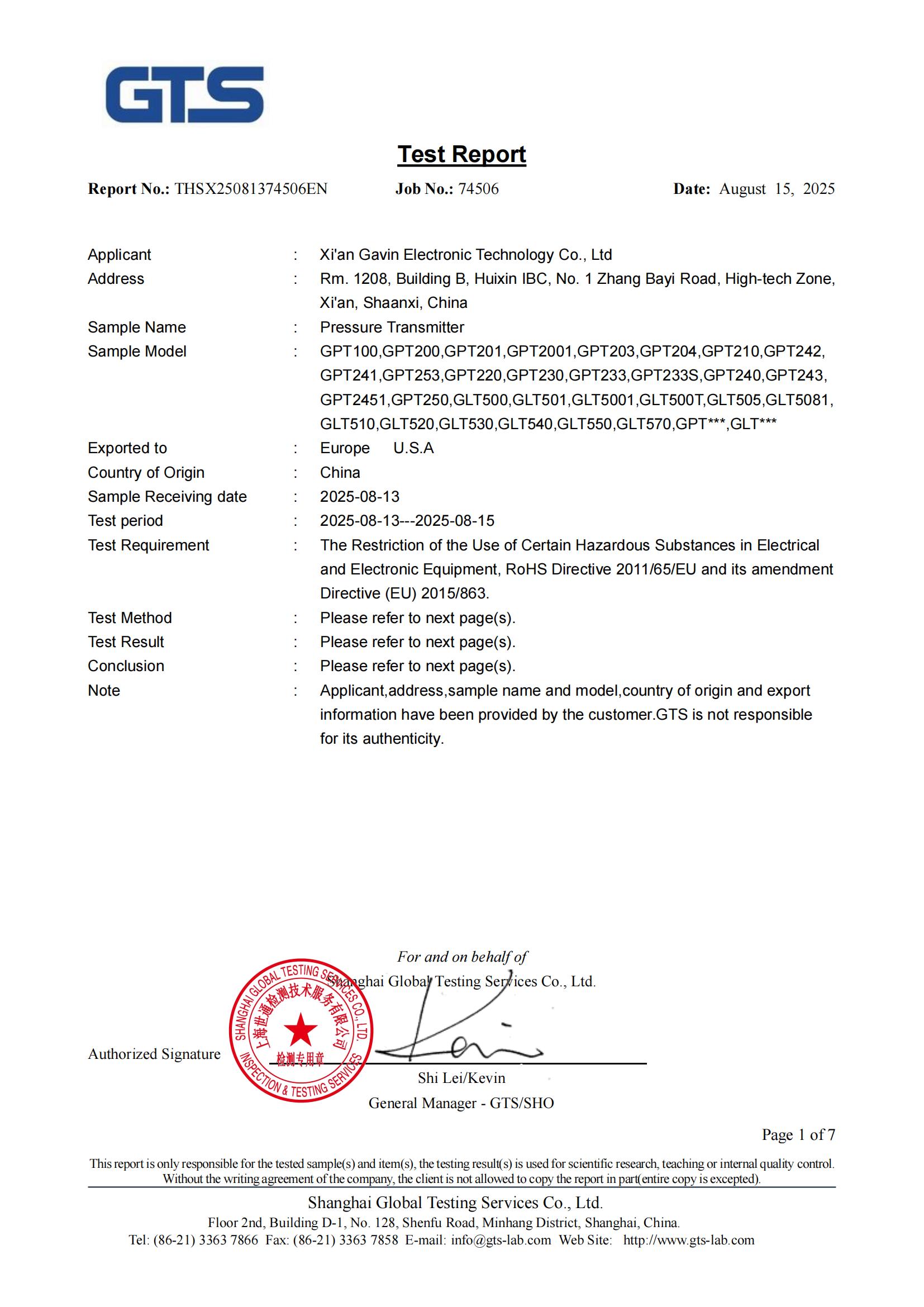
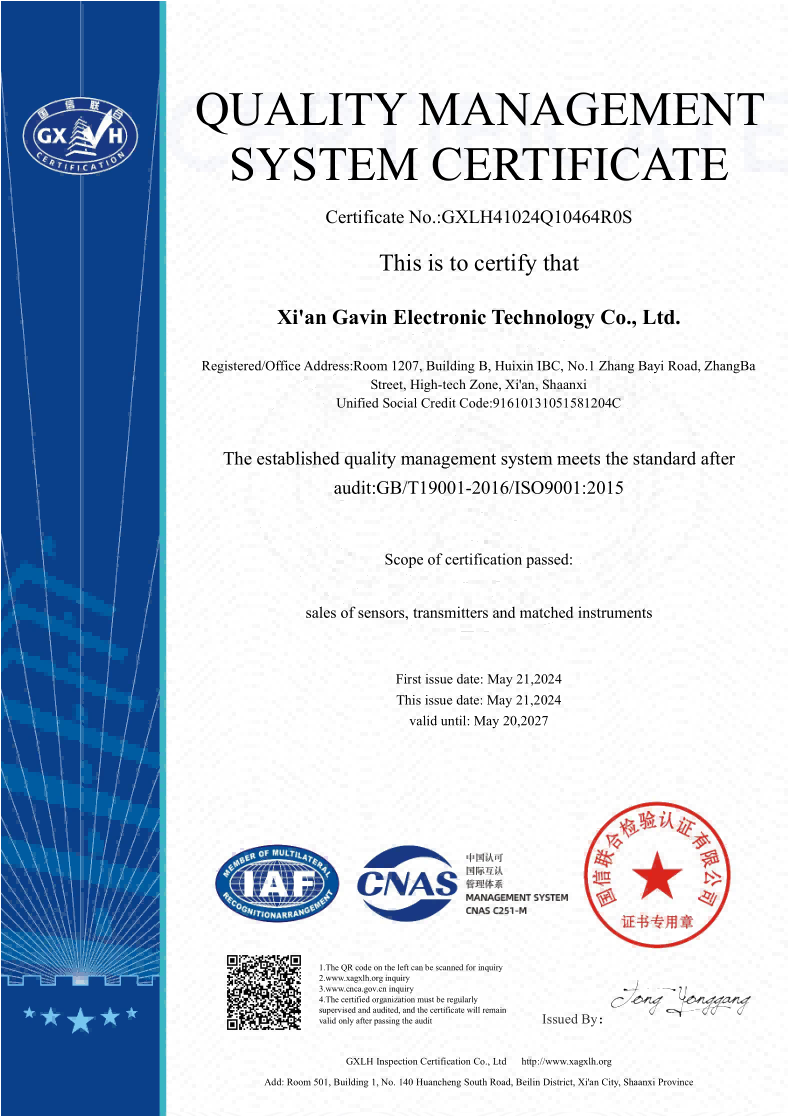
More than just the specs of the product, choosing a supplier also involves the quality of the manufacturing, the availability of expert help, and the long-term stability of the business. Established companies with a lot of knowledge in the field usually make reliable products and offer full support services. Quality standards like ISO 9001 show that a company is dedicated to using consistent producing methods and making improvements all the time.
Having the right technical support skills is very important during the installation, testing, and ongoing operation stages. Customer service that responds quickly, application tech help, and field service that is available all make sure that projects are completed successfully and that operations run smoothly for a long time. Maintenance workers can improve sensor performance and fix common problems with the help of training programs. This cuts down on downtime and raises reliability.
The ability to customize means that sensors can be made to work best for each purpose. A lot of providers make it possible to get software, communication protocols, housing changes, and certification packages that are exactly what you need for your operation. Premium suppliers are often different from basic suppliers because they can offer customized solutions. Higher starting costs are justified by better performance and less integration complexity.
Procurement Strategies and Best Practices
Strategies for buying in bulk can cut costs per unit by a lot while keeping product specs the same across multiple installs. By building relationships with chosen suppliers, you can get better prices, faster expert help, and standard configurations that make managing upkeep and spare parts easier. Price protection terms in long-term agreements make it easier to plan budgets for tasks that last more than one year.
Pilot testing programs let you see how well sensors work in real-world situations before committing to large-scale deployments. A lot of companies have trial units or short-term rental programs that let you test the technical features and see what the integration needs are firsthand. This method lowers the risks of implementation and makes sure that the right sensors are chosen for each application.
Warranty terms and service agreements are important ways to protect yourself against problems with products and how they work. Full warranties should cover problems with the way the product was made, how well the batteries work, and how well the connection works for as long as the product is supposed to last, ensuring reliable performance for critical components like a Wireless Tank Level Sensor. Some of the things that may be covered by extended service agreements are preventative maintenance, battery repair, and technical support services that make the work of internal staff easier.
Future Trends and Innovations in Wireless Tank Level Sensing
As new technologies come out and old ones get better, the wireless tank level sensor business keeps changing quickly. The next wave of sensor innovations is being driven by artificial intelligence, better ways to connect, and more advanced power management systems. These have the potential to improve operations even more and open up more uses.
Internet of Things Integration and Smart Analytics
More and more modern wireless sensors have Internet of Things features that make it easy to connect them to business data apps, organizational resource planning systems, and platforms for predictive maintenance. Cloud-based data analytics systems look at both operational data and sensor data to find patterns, make processes more efficient, and predict when machines will break down before they do.
Computer programs that use machine learning look at data from the past to make predictions about future trends of use, delivery times, and repair needs. These findings make just-in-time inventory management possible, which lowers the need for operating capital while still making sure there are enough supplies. Advanced analytics can find strange patterns of usage that could mean leaks, theft, or inefficient processes, so they can be fixed quickly.
Edge computing lets sensors handle data and make decisions locally, without always being connected to the cloud. This method cuts down on the amount of bandwidth needed for conversation while still allowing real-time responses to important situations. Local intelligence can set off alarms, backup systems, or emergency processes right away, without having to wait for processing to finish in the cloud.
Advanced Communication Technologies
New communication methods are used by next-generation wireless sensors to improve coverage, lower power use, and make data more secure. Low-power wide-area networks let you communicate over longer distances while keeping the batteries charged for years, making them perfect for watching tanks from afar. These networks are better than standard cellular systems at getting into buildings and covering areas below ground.
Mesh networking lets sensors talk to each other through middle-level devices, which increases their useful range and provides backup contact. In big industrial sites, where direct connection to a central gateway might be hard because of distance or interference, this method works very well. When one device stops working or moves out of range, sensor networks can instantly change the way devices talk to each other.
Better security procedures keep private operational data safe from online threats and make sure that communication stays honest. Advanced encryption, identification, and key management systems keep control functions and sensor data from getting into the wrong hands. As wireless sensors become more integrated with systems that protect key assets, these safety steps become more crucial.
Conclusion
Wireless tank level Sensors have become game-changing technologies that solve important practical problems that modern factories face. These high-tech gadgets combine tried-and-true measurement methods with cutting-edge wireless communication features to offer tracking flexibility and operating efficiency that have never been seen before. Because they don't need complicated wires, have longer battery lives, and are built to last, wireless tank level sensors are perfect for a wide range of uses, from chemical processing in dangerous settings to remote storage tanks.
The technology gives a strong return on investment by lowering the cost of installation, making operations more efficient, and making sure that safety rules are followed more closely. As communication technologies keep getting better and the Internet of Things gets better integrated, wireless tank sensors will become more important in automated site management and plans for planned repair. When procurement professionals buy reliable wireless sensing solutions from well-known brands, their companies can take advantage of new technologies and make sure their systems work well for a long time.
FAQ
What is the typical battery life of wireless tank level sensors?
Modern wireless tank level sensors have batteries that last between 3 and 7 years, based on how often they are sent and what the surroundings is like. With hourly data uploads, the GAMICOS GLT5081 transmitter can work for more than 6 years thanks to its big lithium battery and improved low-power design. Depending on how often you communicate, the battery life changes. For example, daily messages last longer than continuous tracking modes.
How accurate are wired and wireless tank level sensors compared to each other?
Wireless tank level sensors are just as accurate as wired ones, usually being within ±0.25% to ±0.1% of full scale, based on the technology used for detecting. Since data transfer happens after the sensing process is done, the radio connection method doesn't change how accurate the measurements are. High-quality wireless sensors have temperature adjustment and signal processing methods that make sure they stay accurate even when the environment changes.
Can wireless sensors work in places that are dangerous or prone to explosions?
With the right explosion-proof housings and fundamentally safe transmission methods, many wireless tank level sensors can be used in dangerous areas. Following strict safety rules, these devices have been approved by ATEX, IECEx, and FM to be used in areas that could be dangerous. The wireless connection gets rid of the spark risks that come with broken cables while keeping things safe in oil and chemical processes.
What communication range can be expected from wireless tank sensors?
Communication range is very different depending on the type of wireless technology used and the surroundings. Cellular systems like the GLT5081 can work anywhere that has 4G network service, giving them a range that is almost endless. In open areas, proprietary radio systems can usually reach 1 to 10 miles. In industrial settings, interference and hurdles make the range shorter. In ideal situations, LoRaWAN devices can reach ranges of 15 miles or more.
How do wireless sensors handle network connectivity issues?
Modern wireless sensors have features like automatic rejoining and data buffering to handle short-term problems with communication. The GLT5081 has automatic work mode change and signal breakpoint restart tools that keep data safe when the network goes down. Usually, sensors store measurement data locally and send previous data as soon as connection is restored. This way, even if connectivity is lost, data is still sent.
Partner with GAMICOS for Advanced Wireless Tank Monitoring Solutions
With cutting-edge wireless tank level sensor technology that offers unmatched dependability and performance, GAMICOS is ready to change the way you watch your site. Our GLT5081 intelligent wireless emitter is the cutting edge of technology in its field. It has a battery life of 6+ years, 4G connection, and an IP67 rating for protection, making it perfect for harsh industrial environments. As a reliable company that makes Wireless Tank Level Sensors, we offer a wide range of customization options, such as OEM/ODM solutions, specialized certifications, and custom communication methods that are made to fit your exact business needs.
Our experienced engineering team provides full application support, from the original consultation to installation and continued maintenance, making sure that the sensors work at their best throughout the lifecycle of the product. Get in touch with our experts at info@gamicos.com to talk about your unique monitoring problems and find out how our tried-and-true wireless sensing solutions can improve business efficiency while lowering the total cost of ownership.
References
1. Industrial Automation Technology Handbook: Wireless Sensor Networks in Process Industries, 4th Edition, Society of Manufacturing Engineers, 2023.
2. Wireless Communication Systems for Industrial Applications: Standards, Protocols, and Implementation Guidelines, Institute of Electrical and Electronics Engineers, 2022.
3. Level Measurement Technologies: Comparative Analysis of Ultrasonic, Radar, and Pressure-Based Systems, International Society of Automation, 2023.
4. Tank Level Monitoring Best Practices for Chemical Processing Industries, American Institute of Chemical Engineers, 2022.
5. Wireless Sensor Network Design and Implementation in Industrial Environments, International Conference on Industrial Automation, 2023.
6. Battery Technology Advances in Industrial Wireless Sensors: Performance and Longevity Analysis, Journal of Industrial Electronics and Applications, Volume 28, 2023.

Eva
Eva specializes in bridging the gap between cutting-edge sensor technology and market needs. With 8 years of experience in industrial product marketing, she has successfully launched multiple sensor product lines—from pressure transmitters to fuel level sensor—into global markets.
We're here to help — submit your request anytime!
Let us know how we can help solve your pressure level measurement challenge.
_1757930850792.jpg)

Recommended Blog
Submersible Pressure Sensors: A Smart Fit for Closed Chemical Tanks
Submersible Pressure Sensors: A Smart Fit for Closed Chemical Tanks
Why Wireless Pressure Sensors Are Growing in Industry
Why Wireless Pressure Sensors Are Growing in Industry
Why Wireless Pressure Sensors Are Growing in Industry