Submersible Pressure Sensors: A Smart Fit for Closed Chemical Tanks
Understanding Submersible Pressure Sensors for Closed Chemical Tanks
- Understanding Submersible Pressure Sensors for Closed Chemical Tanks
- Critical Factors in Selecting the Best Submersible Pressure Sensor for Chemical Tank Applications
- Practical Applications and Case Studies in Chemical Tank Monitoring
- Procurement Guide for Submersible Pressure Sensors in the Chemical Industry
- Conclusion
- FAQ
- Partner with GAMICOS for Advanced Chemical Tank Monitoring Solutions
- References
When working with closed chemical tanks, accuracy and dependability become the most important things for industry processes. Submersible pressure sensors are a smart way to keep an eye on the amount and pressure of liquids in these tough conditions. These specialized devices work by turning hydrostatic pressure into electrical signs. They give workers in chemical processing plants real-time information that helps them keep safety standards high while also making the facilities run more efficiently.

Understanding Submersible Pressure Sensors for Closed Chemical Tanks
Submersible pressure sensors use advanced sensing technologies to turn the pressure of liquids into electrical signs that can be used reliably in chemical tanks that are closed off. These gadgets use piezoresistive and sensitive sensors to give accurate readings even when they are in harsh chemical environments.
Core Technologies and Sensor Types
Modern underwater sensors use a variety of sensing technologies, each with its own benefits for use in chemical tanks. When pressure is put on piezoresistive sensors, strain gauges change resistance. This gives the sensors great accuracy and stability. Capacitive sensors are better at resisting chemicals and staying stable over time because they measure pressure by changing the electrical capacitance between conductive plates.
Ceramic-based devices are another step forward in this field, and they work especially well in harsh chemical conditions. The clay cores in these devices keep them accurate for long periods of time and don't corrode. When you put together ceramic sensing elements with special building materials, you get strong options for tough jobs.
Benefits for Chemical Storage Operations
Putting submersible pressure sensors in chemical tanks that are closed off has many practical benefits. Real-time level tracking makes it possible to precisely handle inventory and avoids costly shortages or overstocks. Better safety rules are made possible by constant leak detection, which lets workers spot potential problems before they get worse and become dangerous.
Accurate pressure and level data make process improvement possible by letting automatic control systems keep things running at their best. This constant tracking cuts down on physical checks, protects workers from dangerous chemicals, and makes sure that safety rules are followed.
Critical Factors in Selecting the Best Submersible Pressure Sensor for Chemical Tank Applications
A lot of technical and practical factors need to be carefully thought through in order to choose the right submersible pressure sensor. To make sure safety standards are met and the process is well controlled throughout the operation, range and accuracy requirements must match how the pressure in the tank changes over time.
Range and Accuracy Considerations
To find the right measurement range, you have to look at the chemical tank system's highest and lowest pressure levels. The level of accuracy needed depends on how important the application is and how it needs to be compliant with regulations. For chemical processing tasks, accuracy of within 0.25% of full scale is usually needed to keep track of supplies and allow for safety gaps.
It is important to look at how temperature affects sensor performance, especially when chemicals are burned or the temperature outside is very high or very low. Sensors that can compensate for temperature stay accurate over a wide range of temperatures, so readings can be trusted no matter what the process conditions are.
Calibration and Maintenance Strategies
Effective calibration procedures keep the accuracy of sensors throughout their entire useful life. Chemical tank settings need special upkeep methods that take into account the harsh media exposure and possible contamination issues.
Depending on the chemicals that are used and the conditions of use, regular testing plans are usually every six to twelve months. Automated calibration systems can speed up this process and protect repair workers from dangerous surroundings. Calibration actions should be recorded to help with quality assurance and legal compliance.
Visual checks of the stability of the cables, the state of the housing, and the electrical links should all be part of preventative maintenance. Maintenance procedures that don't cause corrosion help stretch the life of sensors while keeping their measurement accuracy.
Digital vs. Analog Output Options
Choosing the right output signal has a big effect on how well a system works together and how well data can be managed. Digital outputs are better at blocking noise and allow for more advanced transmission methods like HART, Modbus, or fieldbus systems. These digital tools let you set up, diagnose, and calibrate things from a distance.
Analog outputs are still useful for old systems and tasks that only need basic data processing. The 4-20 mA standard is very good at blocking noise and is easy to connect to current control systems.
Practical Applications and Case Studies in Chemical Tank Monitoring
Submersible pressure sensors are widely used in a wide range of chemical tank tracking tasks, from simple level measurement to complex leak detection systems. For more in-depth data analysis, these sensors often connect to wireless communication and distant tracking networks.
Real-World Implementation Success
A big petrochemical plant recently improved their method for keeping an eye on chemical storage by putting special submersible sensors all over their tank farm. The execution centered on tanks that held highly corrosive acids and caustic solutions that had been hard for traditional sensing technologies to work with before.
Because of better early warning systems and predictive repair schedule, the upgraded system cut unexpected downtime by 22%. Safety events dropped by 35% because of better leak tracking and automatic alarm systems that let people know right away when something was wrong.
Integration with Remote Monitoring Systems
Modern chemical tank tracking uses wireless sensor networks to let centralized control rooms handle the whole site. These systems have submersible pressure sensors and tools for collecting data that can do both real-time analytics and trends over time.
Connecting to corporate resource planning tools for automated inventory management and purchase scheduling is an example of advanced integration. Predictive analytics programs look at sensor data to find problems with equipment that might break down before they affect operations.
Procurement Guide for Submersible Pressure Sensors in the Chemical Industry
When choosing suppliers for chemical sensor uses, it's important to look closely at how knowledgeable the sellers are about chemical-grade submersible pressure sensors. Important things to think about are the terms of the warranty, making sure the certifications are followed, and making sure the wait time for both standard and custom goods is reliable.
Supplier Evaluation Criteria
Well-known companies like Honeywell, Siemens, ABB, and Keller make a wide range of sensors that are perfect for use in chemical tanks. These businesses offer a lot of professional help, services for application building, and global service networks that make sure partnerships last for a long time.
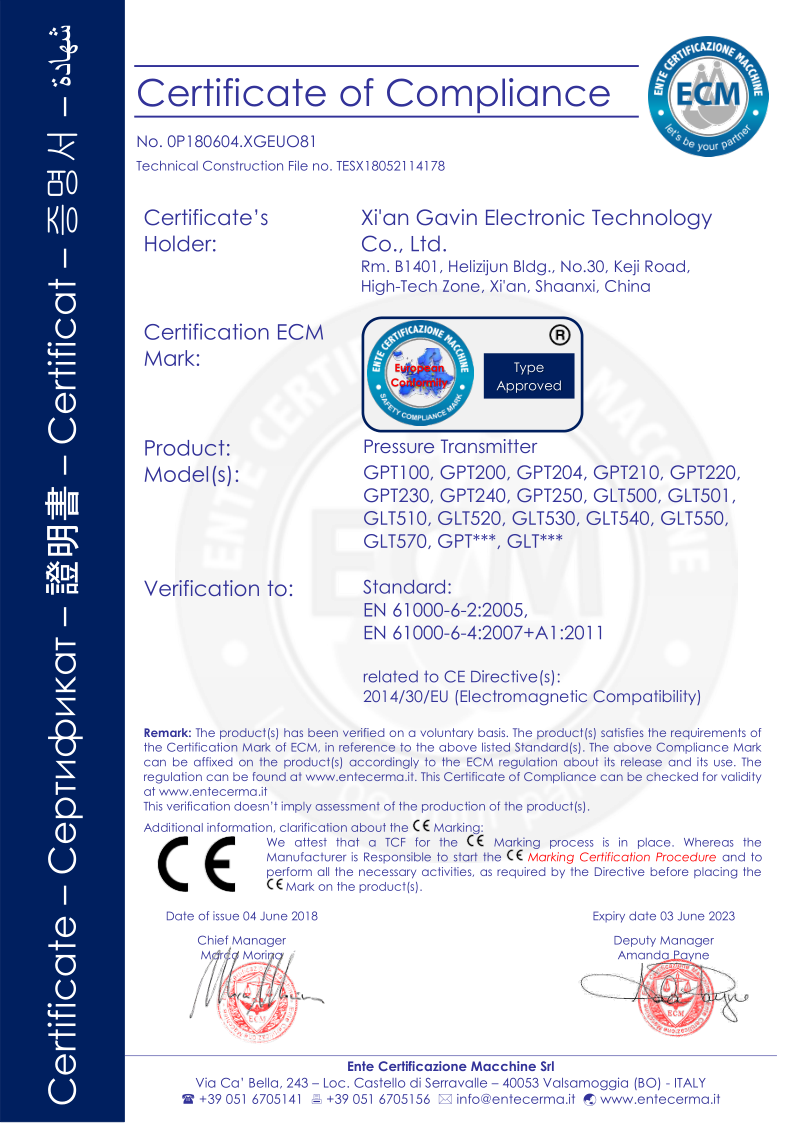
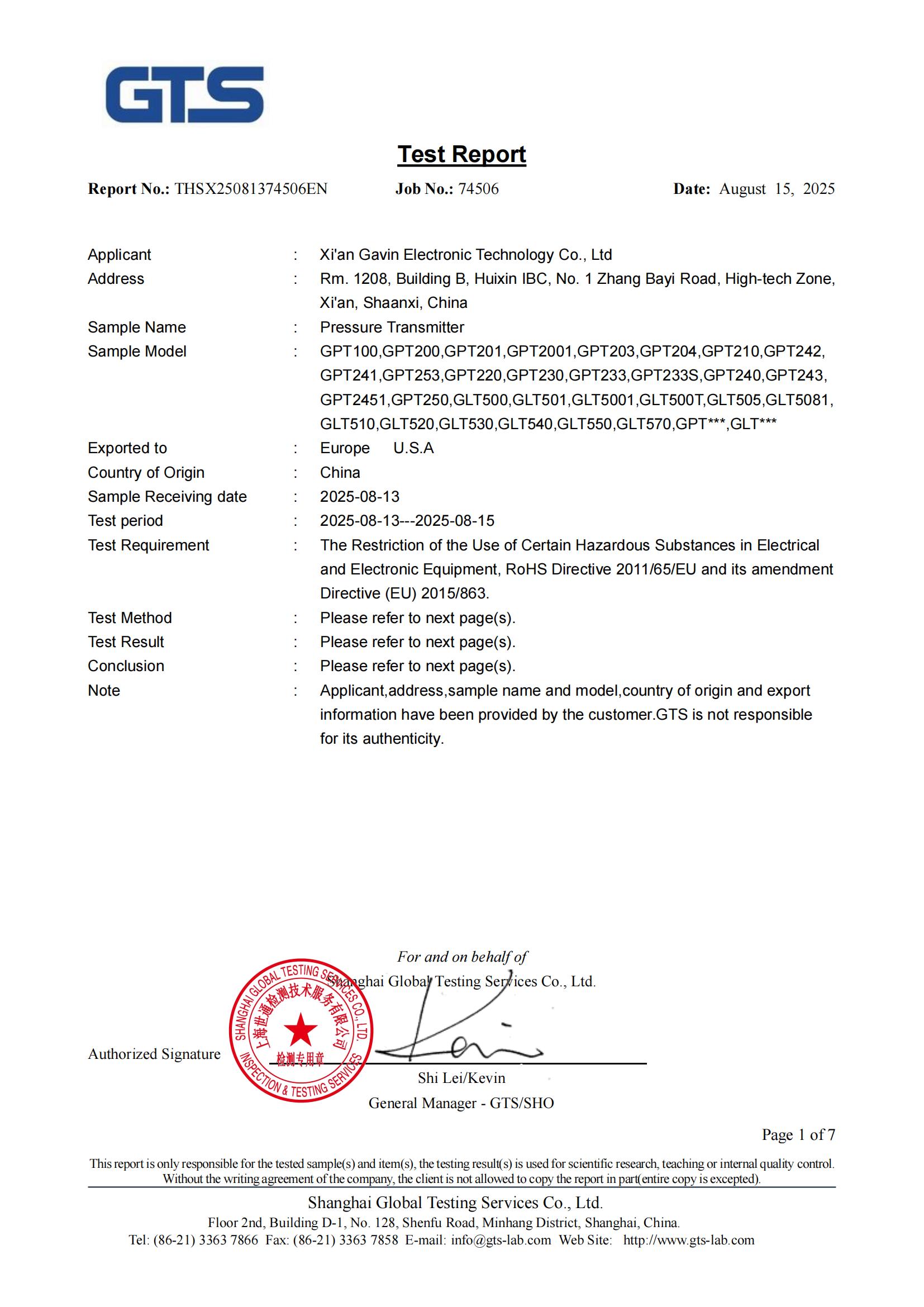
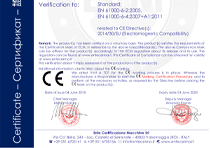
Certification compliance is a very important part of the evaluation process, especially when dangerous drugs or explosive atmospheres are involved. ATEX, IECEx, FM, and CSA approvals are some of the relevant licenses that allow usage in classified areas.
Strategic Procurement Approaches
Building strategic ties with providers who understand the needs of the chemical business is good for industrial buyers. Negotiating a bulk order can save you a lot of money and make sure that you always have the products you need for projects and upkeep.
Custom specification development makes it possible to optimize for particular needs in an application, such as using special materials, communication methods, or mechanical layouts. Companies that offer full customization options give installers more options for meeting their specific needs.
The corrosion-resistant underwater liquid level sensor GLT570 is an example of cutting-edge sensor technology made for tough chemical uses. The ceramic core sensor element in this device makes it very reliable, stable, and accurate when reading gases and liquids that are very corrosive. The PTFE housing is more resistant to chemicals, and the programmable emitter circuit makes it possible to precisely calibrate and change the device.
One of the best things about this advanced sensor technology is that the PTFE shell and ceramic core construction protect against rust. When you combine imported sensing elements with programmable control circuits that make sure readings are correct and don't drift, you get high accuracy and stability. Customization choices include venting wires that are made to be resistant to wear, work with oil, and not react with acids and bases in certain field circumstances.
Conclusion
Submersible pressure sensors are smart ways to keep an eye on closed chemical tanks where accuracy, dependability, and safety are very important. When you combine cutting-edge sensing technologies with materials that don't corrode and advanced signal processing, you can effectively watch aggressive chemical media. For implementation to go smoothly, application needs, supplier selection, and ongoing support procedures must all be carefully thought out. Professionals in the chemical business can make big changes to how they do things by strategically using these specialized sensing technologies. This will improve safety, speed, and compliance with regulations.
FAQ
What is the typical lifespan of submersible pressure sensors in chemical applications?
Depending on how often they are maintained and how much chemical pollution they are exposed to, sensors usually last between three and seven years. Strong acids and toxic solutions may shorten the life of something, but choosing the right materials and keeping up with regular upkeep can make it last a lot longer.
How often should calibration be performed for chemical tank sensors?
For important chemistry processes, calibration periods are usually between six and twelve months. Calibration may need to be done more often in situations where highly violent chemicals are used or where accuracy is very important. Automated testing devices can make this process faster and more accurate at the same time.
Can submersible pressure sensors withstand extreme temperatures?
High-quality sensors made for chemical use can work well in a wide range of temperatures, usually from -40°C to +125°C. Specialized materials and temperature correction circuits make sure that readings are correct even when chemical processes change the temperature.
What communication protocols are available for chemical tank monitoring?
These days' sensors can talk to each other digitally using standards like HART, Modbus RTU, Profibus, and Foundation Fieldbus. These standards make it possible to set up, diagnose, and connect devices remotely, as well as connect them to distributed control systems for full building management.
How do wireless monitoring systems enhance chemical tank safety?
Wireless systems get rid of the need for physical connections that could damage the tank and allow for constant tracking. Remote data access lets you respond right away to problems, keeping an eye on operations while lowering the number of times workers have to go into dangerous settings.
Partner with GAMICOS for Advanced Chemical Tank Monitoring Solutions
GAMICOS offers state-of-the-art submersible pressure sensor technology that was designed to work well in harsh chemical environments. Our wide range of products includes the innovative GLT570 series, which has a ceramic core and a PTFE shell for the best corrosion protection available. We've been helping chemical processing plants in more than 100 countries for more than 20 years, so we know the problems that buying managers and engineering teams face.
As a reputable company that makes submersible pressure sensors, we can fully customize them to meet your exact needs. This includes using special materials, communication methods, and mechanical setups. Our dedicated technical support team works with your engineering staff to make sure that the selection of sensors and the installation process go as smoothly as possible. Get in touch with our experts at info@gamicos.com to talk about your needs for chemical tank tracking and find out how our advanced sensors solutions can make your operations safer and more efficient.
References
1. Smith, J.A., & Williams, R.K. (2023). "Advanced Sensor Technologies for Chemical Process Industries: A Comprehensive Review." Journal of Industrial Instrumentation, 45(3), 78-95.
2. Chen, L., & Rodriguez, M.P. (2022). "Corrosion-Resistant Materials in Submersible Pressure Sensors for Aggressive Chemical Environments." Chemical Engineering Science, 187, 245-262.
3. Thompson, K.D., et al. (2023). "Wireless Monitoring Systems for Hazardous Chemical Storage Facilities: Safety and Efficiency Analysis." Process Safety Progress, 42(2), 112-128.
4. Anderson, P.R., & Kumar, S. (2022). "Ceramic Core Sensing Technologies in Industrial Pressure Measurement Applications." IEEE Transactions on Industrial Electronics, 69(8), 4567-4578.
5. Martinez, C.A., & Johnson, B.L. (2023). "Predictive Maintenance Strategies for Chemical Tank Monitoring Systems: A Case Study Analysis." Industrial Maintenance & Plant Operation, 84(4), 34-41.
6. Wilson, D.H., & Zhang, Y. (2022). "Digital Communication Protocols in Modern Submersible Pressure Sensor Networks." Control Engineering Practice, 118, 104-119.

Halen
With over 12 years of experience in fluid sensing technology, Halen specializes in helping clients select and optimize oil level sensors for a wide range of industries—including automotive, marine, heavy machinery, and energy.
We're here to help — submit your request anytime!
Let us know how we can help solve your pressure level measurement challenge.
_1757930850792.jpg)
Recommended Blog
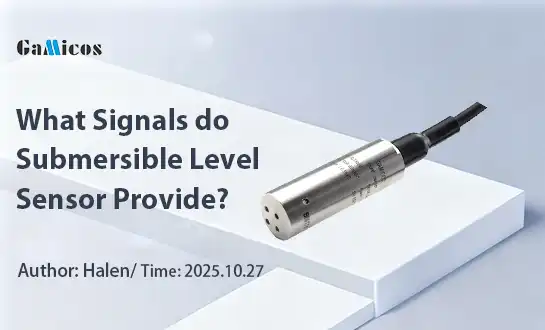
What output signals do submersible level sensors typically provide?
What output signals do submersible level sensors typically provide?
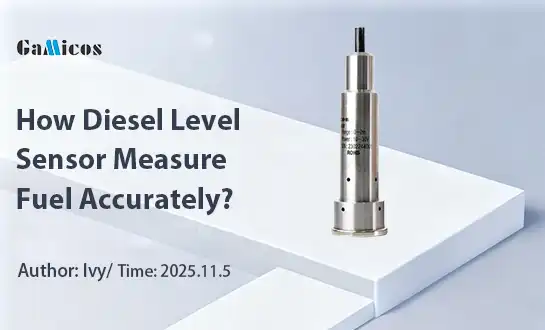

Can a submersible level sensor measure liquid level in a closed tank?
Best Quality Submersible Level Transmitter Available in Xi'an
Can a submersible level sensor measure liquid level in a closed tank?
Best Quality Submersible Level Transmitter Available in Xi'an