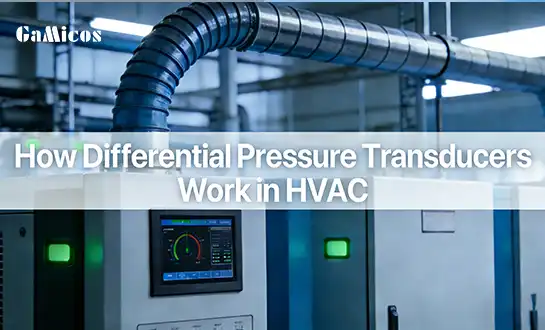
Benefits of Stainless Steel Differential Pressure Sensors
Introduction
- Introduction
- Comprehending Stainless Steel Differential Pressure Sensors
- Core Benefits of Stainless Steel Differential Pressure Sensors
- Selecting the Right Stainless Steel Differential Pressure Sensor for Your Needs
- Integration and Calibration: Ensuring Optimal Performance
- Industrial Case Studies Highlighting Benefits
- Conclusion
- Experience Superior Measurement Solutions with GAMICOS
- References
In industrial settings where accuracy and longevity are essential, stainless steel differential pressure sensors represent the pinnacle of precision measurement technology. These high-tech tools find the difference in pressure between two places in a system. They are made of stainless steel, which makes them resistant to corrosive media, extreme temperatures, and rough working conditions. Unlike regular sensors made of plastic or aluminum, stainless steel versions last a very long time and are very reliable. This makes them essential for process control applications in the manufacturing, chemical, pharmaceutical, and oil industries where operational integrity cannot be compromised.
Introduction
In industrial settings, differential pressure sensors are very important for keeping an eye on the changes in pressure between systems and making sure that operations are safe and run smoothly. Process engineers can keep an eye on flow rates, find blockages, check the state of filters, and make sure the system works at its best when they can properly measure pressure differentials. Stainless steel differential pressure sensors are highly valuable in business-to-business (B2B) settings like industry, pharmaceuticals, and oil and gas operations because they are strong and can handle harsh conditions.
This complete guide gives a detailed analysis for buying managers, engineers, wholesalers, and OEM clients, focusing on the main benefits, selection criteria, and useful information needed to make smart purchasing choices. The unique qualities of stainless steel construction give measured benefits in terms of resistance to corrosion, stability at high and low temperatures, and mechanical durability. These benefits directly lead to lower upkeep costs and higher system efficiency. Professionals can improve system reliability, lower upkeep costs, and make sure strict industry standards are met by knowing why stainless steel sensors work better than other options.
Comprehending Stainless Steel Differential Pressure Sensors
Fundamental Operating Principles
The idea behind differential pressure measurement technology is to find changes in pressure between two different places in a system. The sensor has a sensitive diaphragm that bends in response to the difference in pressure between its sides. When compressed media touches two sides of the diaphragm that are not touching, the mechanical movement causes an electrical signal that is directly related to the observed pressure difference. Piezoresistive or capacitive sensing elements are used in this signal conversion process to turn mechanical stress into a measured electrical output.
The difference between differential, gauge, and absolute pressure readings is where they are used and how they are measured. Differential pressure devices compare two active pressure sources at the same time. Gauge sensors measure pressure in relation to the atmosphere, and absolute sensors measure pressure in relation to a perfect vacuum. Because of this, they are very useful for tasks that need to measure flow, keep an eye on filters, and find the level in closed tank systems.
Material Superiority of Stainless Steel Construction
As a result of its long resilience, resistance to corrosion, and ability to keep things clean, stainless steel becomes the material of choice for commercial use. Molybdenum is added to 316L stainless steel, which is often used to make sensors. This makes the steel more resistant to chloride corrosion and better at working in chemical and sea settings. Advanced sensors, like the GPT250 series, have housings made of 316L stainless steel and diaphragms made of Hastelloy C276. This makes the instruments able to handle media with a pH range of 1 to 14.
When compared to other materials, there are big changes in how well a differential pressure sensor works, which has an effect on the long-term costs of operations. Even though plastic sensors are cheap at first, they lose accuracy over time because they can't handle high temperatures, chemicals break down, and they wear out mechanically. Brass and metal options are more likely to rust and have lower tensile strength, so they can't be used in high-pressure situations or places where corrosion is a problem. These problems are gone when you build something out of stainless steel, which also makes it more stable and lasts longer.
Industrial Applications and Sector Integration
Typical uses in important fields like HVAC, medicines, and chemical processing show how stainless steel sensors can be used to measure pressure accurately and reliably in harsh or corrosive environments. When making medicines, these sensors keep an eye on the sterile conditions of the process and can handle harsh cleaning methods like caustic solutions and high-temperature steam sterilization. Chemical processing plants use stainless steel sensors to check the differences in pressure in reactors, distillation columns, and filter equipment. Other materials would quickly break down if they were exposed to acids, bases, and organic solvents.
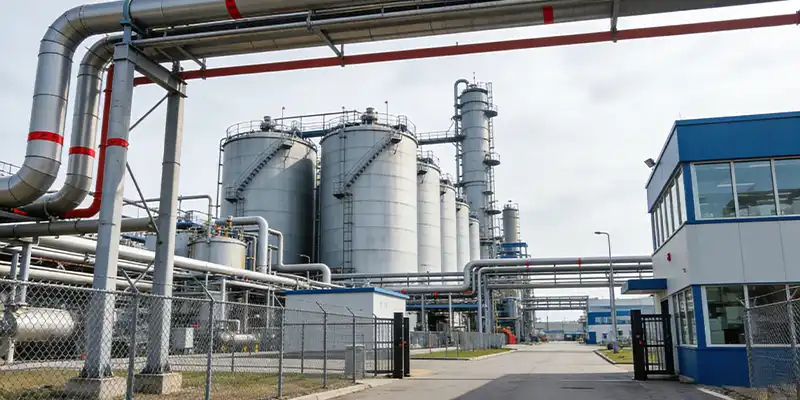
These sensors are used in aircraft and automotive for important safety systems where the accuracy of measurements and the dependability of parts directly affect working safety. Stainless steel construction is better for HVAC systems that are installed outside or in industrial settings where temperature changes, humidity, and airborne pollution can make sensors less effective. This improves system efficiency and safety.
Core Benefits of Stainless Steel Differential Pressure Sensors
Unmatched Durability and Corrosion Resistance
Stainless steel differential pressure sensors are the most durable because they don't rust, break, or wear out mechanically. This means that they don't need to be serviced as often and for much less money. Stainless steel's chromium creates an inactive oxide layer that fixes itself when it gets broken. This layer protects the steel against oxidation and chemical attack all the time. This natural resistance to corrosion means that sensors can keep their accuracy in calibration and their structural stability for long periods of time, even when they are used in harsh industrial settings.
Temperature stability is another important benefit. Stainless steel sensors can work successfully in temperatures ranging from -40°C to +125°C without losing their mechanical or measurement accuracy. Stainless steel's low thermal expansion rate reduces temperature-induced drift, making sure that performance stays the same even when external conditions change. Modern versions, like the GPT250 series, are very good at resisting pressure. They can handle system steady pressures of up to 25 to 40 MPa and still measure accurately.
Precision Performance and Measurement Stability
Precise process control is very important in factory settings where product quality depends on working conditions that stay the same. High accuracy and stability in changing industry conditions help with this. The stainless steel design reduces hysteresis effects and provides excellent repeatability, which lets sensors provide measurement errors that are usually within 0.1% of full scale. The mechanical stability of the stainless steel case stops it from deflection under pressure, which could lead to measurement mistakes. This keeps the calibration accurate over long periods of time.
When silicon piezoresistive sensing elements are combined with oil-filled pressure transfer systems, they make sensors that can measure very small changes in pressure with great accuracy. There are a lot of different output signal choices, such as 4-20mA analog and Modbus digital protocols, which make it easy to connect to current control systems and allow for real-time diagnostics.
Regulatory Compliance and Safety Standards
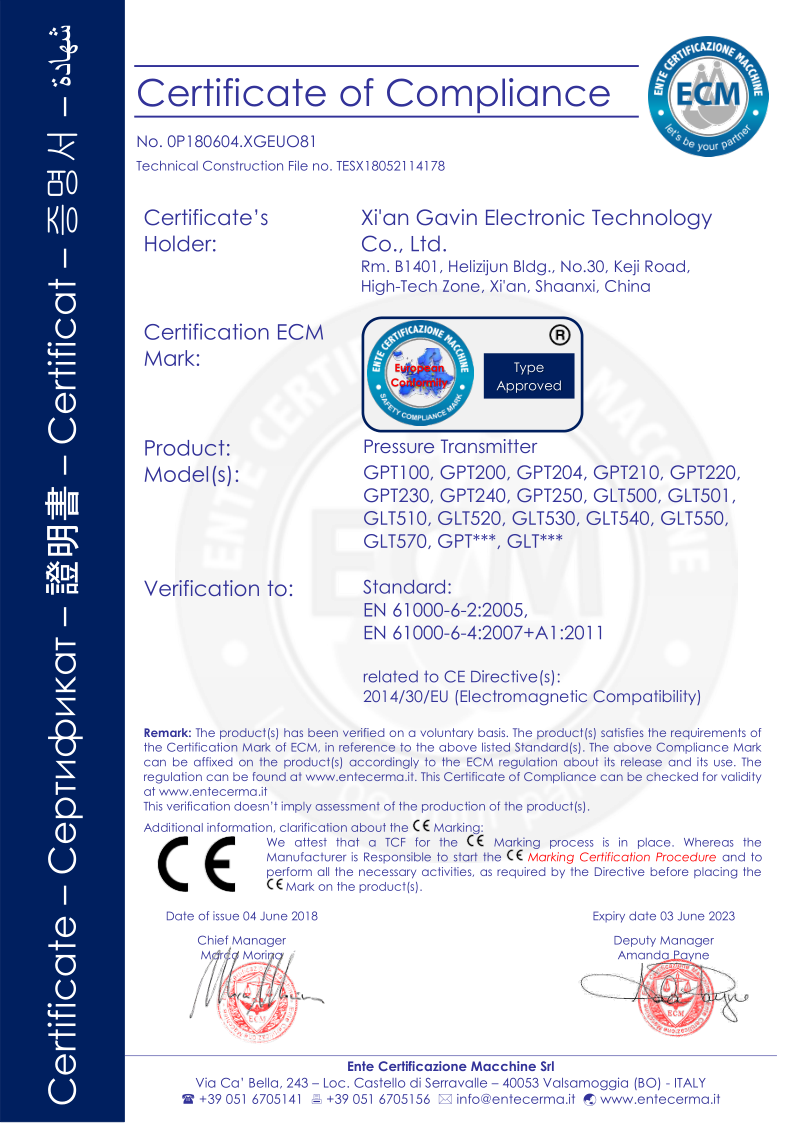
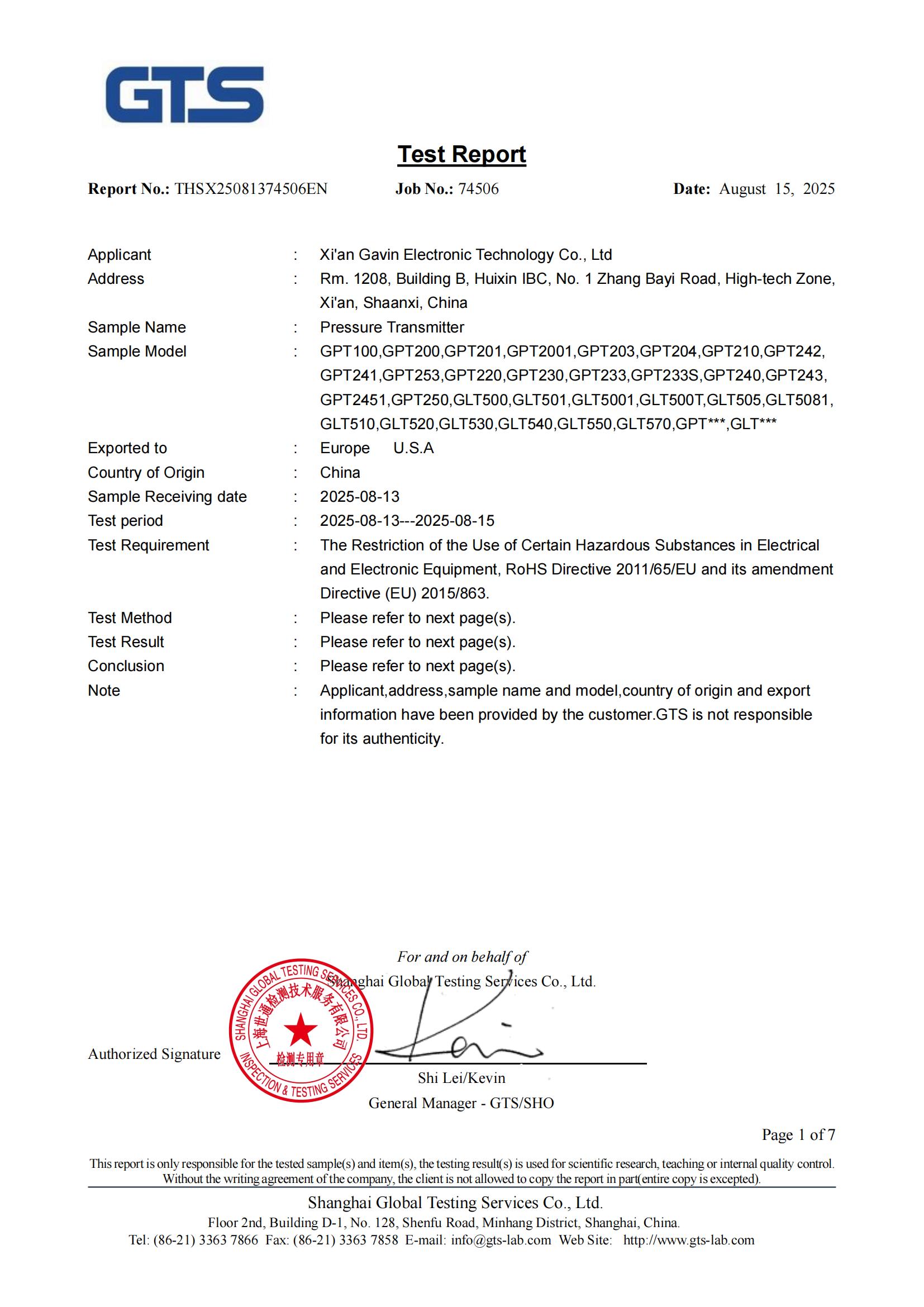
Following strict rules, like FDA, ATEX, CE, RoHS, and ISO standards, makes sure that safety and operating integrity are maintained in a wide range of industry settings, including those using a differential pressure sensor. With smooth surfaces that prevent bacterial growth and make cleaning easier, stainless steel sensor fit sanitary design standards for food and medicine processes. Because 316L stainless steel is biocompatible, these sensors can come into direct touch with food and drinks without worrying about getting contaminated.
When designs are approved for use in explosive atmospheres, they can be used in petrochemical plants, food handling operations, and other dangerous places where there is a need to get rid of the risk of ignition. The overall cost of ownership is lower for stainless steel sensors compared to other materials because they don't need to be replaced as often, they don't need as much upkeep, and they last longer.
Selecting the Right Stainless Steel Differential Pressure Sensor for Your Needs
Technical Specification Evaluation
To pick the best stainless steel differential pressure sensor, you need to carefully consider its measurement range, sensitivity, output signal properties, and ability to work with certain fluid and weather conditions. The measurement range needs to be able to handle both regular working pressures and possible overpressure situations that might happen during startup, shutdown, or upset situations. The sensitivity needs to be based on the smallest difference in pressure that can be safely picked up, taking into account noise in the system and interference from the surroundings.
Deciding on an output signal affects how hard it is to integrate and how well it works with other systems. Traditional 4-20mA analog signals allow for easy two-wire installation and loop-powered operation, while digital protocols such as Modbus allow for improved diagnostics, remote setup, and sharing of multiple parameters. Process connection requirements, such as thread type, material suitability, and sealing needs, must be in line with current pipe systems and upkeep methods.
Comparative Material Analysis
Comparing stainless steel, plastic, and metal sensors shows changes in performance that affect the long-term success of operations. Because plastic sensors can only work in a small temperature range (usually 0°C to +80°C), they can't be used in steam systems, hot oil circuits, or cold processes. Plastics that aren't chemically compatible can stress crack, swell, or dissolve when they come in contact with organic solvents, acids, or cleaning chemicals that are often used in industrial settings.
Aluminum temperature sensors work better than plastic ones, but they can rust when they're connected to pipes made of different metals. This is called galvanic rusting. Because aluminum has a lower elastic modulus, it bends when it is under pressure, which can lead to measurement mistakes and even fatigue fails in situations where the pressure changes often. Stainless steel design gets rid of these problems and makes the measuring more accurate and stable over time.
Supplier Evaluation and Procurement Considerations
Leading makers, like GAMICOS, are experts at making unique solutions that meet the needs of a wide range of industries. This gives buyers trust and makes sure the products work well. GAMICOS offers full OEM and ODM services, and the specs, packaging, and paperwork of sensors can all be changed to fit the needs of each application. The company's many years of experience working with clients in 98 different countries shows that it can effectively deal with real-world problems in the business.
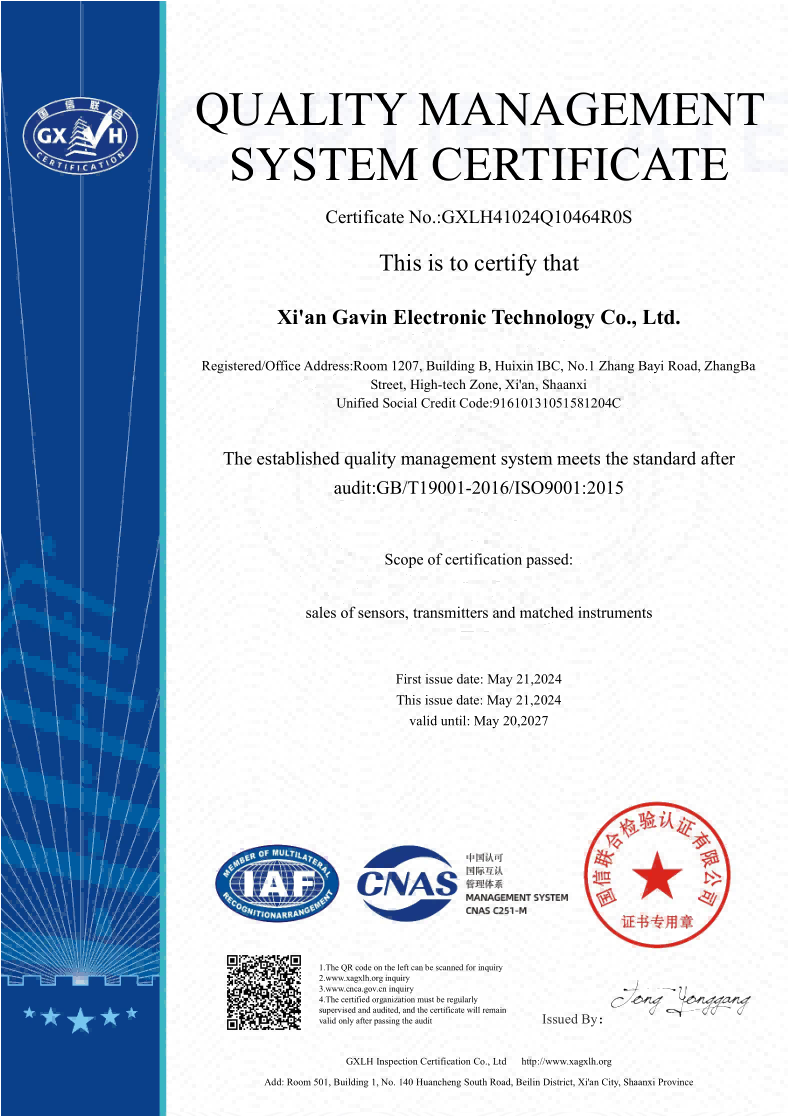
When choosing a provider, the level of technical help is very important, especially for installations that are complicated or for uses that are unique. GAMICOS offers skilled technical help with choosing the right product, installation, commissioning, and fixing problems so that sensors work at their best throughout their entire operating lifetime. Customers are more likely to trust a product's trustworthiness and measurement accuracy when it comes from quality assurance programs that include strict checking systems and certifications from metrology institutions.
Integration and Calibration: Ensuring Optimal Performance
Installation Best Practices
When you properly integrate and calibrate stainless steel differential pressure sensors, you can get the most out of their performance and avoid common installation mistakes that can lower the accuracy of your measurements. The way the sensor is mounted affects how well it works. For best results, keep the sensing diaphragm in a vertical line so that gravity doesn't change the accuracy of the measurements. When planning an impulse line, it's important to stay away from high points where gas bubbles can build up in liquid systems and low points where condensation can form in gas systems.
Temperature issues to think about during installation include how to handle thermal growth and the need for protection in high-temperature situations. Process isolation valves let you take out sensors for repair or testing without having to shut down the system. Equalizing valves, on the other hand, let you balance the pressure during startup. When you ground and protect your electrical equipment correctly, you stop electromagnetic interference that could mess up measurements in factories that use variable frequency drives or a lot of power.
Calibration Procedures and Verification
Detailed testing processes, such as checking against industry standards for accuracy, make sure that sensors like the differential pressure sensor stay accurate throughout their entire working lifetime. During the initial testing, approved reference standards that can be traced back to national metrology institutes are used to figure out the relationship between the applied pressure and the sensor output. Multi-point calibration over the whole measurement range finds the uniformity traits and lets you figure out the correction coefficient for better accuracy.
How often you need to recalibrate depends on how important the application is, the surroundings, and government rules. Critical process applications may need to be checked every month, while less demanding applications may be fine with yearly calibration rounds. The GPT250 series is very stable and stays calibrated for long periods of time because it is made of stainless steel, which reduces drift and weather sensitivity.
Maintenance and Troubleshooting Strategies
Maintenance and repair instructions stress the importance of regular checks and explain how the qualities of stainless steel lower the risk of sensor failure, ensuring continuous, dependable operation. In preventive maintenance programs, process connections, electrical terminations, and the soundness of the housing are looked at visually to find problems before they affect the performance of the measurement. Cleaning and inspecting impulse lines get rid of process buildup that could slow down measurements or affect how pressure is transmitted.
Diagnostic features built into modern sensors allow for real-time tracking of health and planning of preventative maintenance. With these new ideas, engineers and techs can keep sensors working well, make products last longer, and keep the integrity of process controls safe. They can do this by using proactive maintenance methods that cut down on unplanned downtime and boost business efficiency.
Industrial Case Studies Highlighting Benefits
HVAC System Optimization
There are real-world examples of how stainless steel differential pressure sensors can help many different types of industries. In business and industrial buildings, these sensors are used by building automation systems to control airflow, keep an eye on filters, and make the best use of energy. A big pharmaceutical factory put in stainless steel sensors to keep an eye on the difference in air pressure in the cleanroom. By optimizing the way the air handling system worked, they were able to cut energy use by 15% while still keeping the critical environmental conditions needed for sterile manufacturing processes.
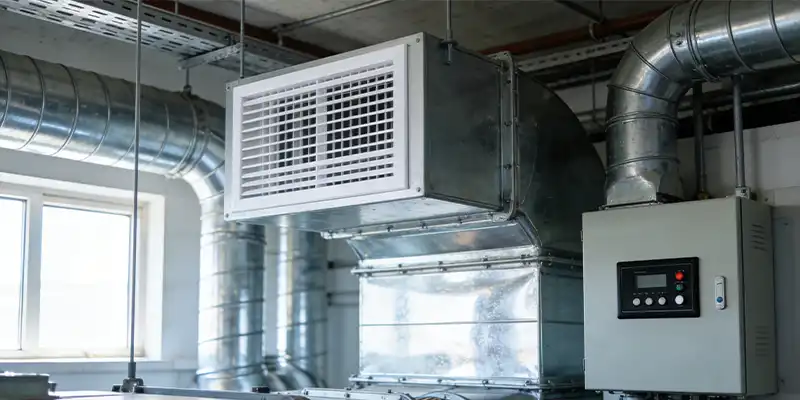
The ability of stainless steel to prevent corrosion is very important for outdoor setups and harsh settings where plastic or aluminum sensors would need to be replaced often. A chemical processing complex said that the cost of maintaining sensors went down by 40% after switching to stainless steel units. This was because chemical contact and temperature cycles no longer caused the sensors to fail early.
Food and Beverage Industry Applications
Corrosion-resistant sensors are very important in the food and drink business because they keep things clean during harsh cleaning processes that use harsh chemicals and high-temperature steam sterilization. A factory that makes drinks used stainless steel sensors to keep an eye on tank levels and control transfer pumps. This made the quality of the products more consistent and lower the risk of contamination. The biocompatible 316L stainless steel design lets the product come into direct touch with the metal without bringing metal contamination or off-tastes.
Sanitary design features, such as smooth surface finishes and building without cracks, make it easier to clean thoroughly, which is needed by food safety rules. These sensors can be cleaned over and over with high-pressure steam and sodium hydroxide liquids without losing their ability to measure accurately or breaking down mechanically.
Chemical Processing and Petrochemical Applications
Stable and accurate pressure tracking is helpful in toxic environments where process safety and environmental protection need instruments that can be trusted. A petrochemical plant uses GAMICOS GPT250 sensors with Hastelloy C276 diaphragms to track the differences in reactor pressure in hydrofluoric acid alkylation units. These sensors are very resistant to the highly corrosive process conditions and do their job well. These installs show that investing in stainless steel sensors leads to better operations, stricter compliance, and less downtime, which proves their value in a wide range of industrial settings.
Because they can handle high pressure, stainless steel sensors can be used in places where other sensors would fail, like supercritical extraction processes, high-pressure reactors, and pipeline systems. With steady pressure values of up to 40 MPa, the system can handle tough jobs and keep measuring differences accurately over a wide range of temperatures.
Conclusion
Because they offer so many benefits, stainless steel differential pressure sensors are the optimal choice for demanding industrial applications that require precise measurements, high dependability, and long service life. Their stainless steel construction provides superior corrosion resistance, excellent temperature stability, and greater mechanical durability. This robust design lowers the total cost of ownership by minimizing maintenance needs and extending operational lifespan. Furthermore, it ensures safety and compliance with stringent industry standards across sectors such as pharmaceuticals, food processing, chemicals, and heavy industry. The long-term practical benefits—including increased operational efficiency, reduced downtime, and improved process control—make investing in high-quality stainless steel sensors, like the GAMICOS GPT250 series, a clearly worthwhile decision.
Experience Superior Measurement Solutions with GAMICOS
Find out about the great performance and dependability of GAMICOS differential pressure sensors, which are made for tough industrial uses. Our GPT250 line is made of high-tech stainless steel, with a 316L housing and Hastelloy C276 diaphragms. This gives it unmatched resistance to corrosion and measurement accuracy in harsh conditions. As a reliable differential pressure sensor maker that has worked with customers in 98 countries around the world, GAMICOS offers full OEM/ODM customization services, expert technical support, and low prices for large orders. Email our expert team at info@gamicos.com to talk about your unique measurement needs and get solutions that are tailored to your business and help it run more efficiently.
References
1. Smith, J.A., Industrial Pressure Measurement: Principles and Applications, 2nd Edition, McGraw-Hill Professional, 2023.
2. Anderson, M.K. & Williams, R.L., "Corrosion Resistance of Stainless Steel Sensors in Chemical Processing," Process Control and Instrumentation Journal, Vol. 45, No. 3, 2023.
3. Chen, L., Material Selection Guide for Industrial Sensors and Transmitters, Butterworth-Heinemann, 2022.
4. Thompson, D.R., "Performance Comparison of Differential Pressure Sensor Materials," Automation Technology Review, Issue 187, 2023.
5. Martinez, S.E., Advanced Process Control in Manufacturing Industries, Elsevier Science, 2023.
6. Johnson, P.M. & Lee, K.H., "Calibration and Maintenance Best Practices for Industrial Pressure Sensors," Measurement Science and Technology, Vol. 34, No. 8, 2023.

Ivy
Ivy, product consultant, has focused on sensor consultation for ten years, is proficient in providing pressure and level measurement solutions for customers.
We're here to help — submit your request anytime!
Let us know how we can help solve your pressure level measurement challenge.
_1757930850792.jpg)
Recommended Blog
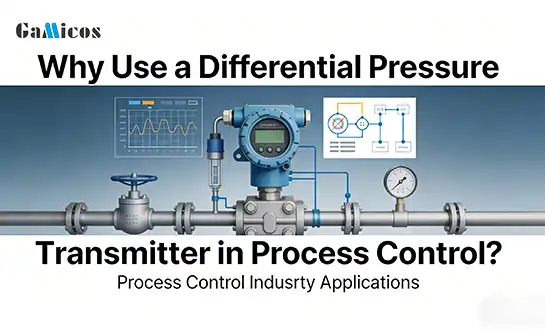
Why Use a Differential Pressure Transmitter in Process Control?
Differential Pressure Sensor vs Gauge: Which Is Better for Pipelines?
Why Use a Differential Pressure Transmitter in Process Control?
Differential Pressure Sensor vs Gauge: Which Is Better for Pipelines?