Why Ceramic Diaphragms Are Resistant to Wear?
Key Advantages of Ceramic Pressure Sensors
Because of their unique material qualities, ceramic diaphragms are very resistant to wear. They are great for tough industrial settings since they are very durable, don't react with chemicals, and are stable at high temperatures. Alumina and zirconia are two types of ceramic materials that have a thick, non-porous structure that doesn't wear down, corrode, or get tired. Because they are naturally durable, ceramic pressure sensors can keep their integrity and performance for long periods of time, even when they are subjected to harsh substances or severe temperatures. This makes them a good choice for long-term pressure measurement applications.
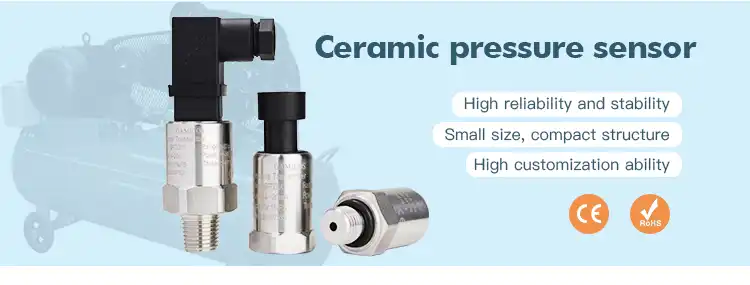
Key Advantages of Ceramic Pressure Sensors
Exceptional Durability and Longevity
Ceramic pressure sensors are the most durable in tough industrial environments because they use superior ceramic diaphragms. The ceramic pressure sensor doesn't wear out easily because of the way the material is made. Ceramic materials are harder than metal diaphragms, usually scoring between 9 and 9.5 on the Mohs scale. This incredible hardness means that the sensor can withstand a lot of wear and tear, so it will always be accurate and reliable, especially when used with fluids or media that contain particles.
Chemical Resistance and Corrosion Protection
One of the best things about ceramic pressure sensors is how well they withstand chemicals. Ceramic materials, like high-purity alumina, are inert, which means they won't react with many corrosive substances. Because of its chemical durability, ceramic pressure sensors can work well in harsh conditions where metal-based sensors would quickly break down. Ceramic pressure sensors last a long time and work consistently, which is a big help for industries that work with acids, alkalis, or other reactive substances.
Temperature Stability and Thermal Shock Resistance
Ceramic pressure sensors work best in places where the temperature changes a lot. Because ceramic materials have a low thermal expansion coefficient, they don't change shape much when the temperature changes. This keeps measurements accurate over a wide range of temperatures. Ceramic diaphragms also have great resilience to thermal shock, which means they can handle quick fluctuations in temperature without losing their structural integrity. Because they are thermally stable, ceramic pressure sensors are great for use in sectors like food processing, where cleaning cycles sometimes entail very high or very low temperatures.
Industrial Applications of Ceramic Pressure Sensors
Chemical and Petrochemical Industries
Ceramic pressure sensors are very important for making sure that activities in the chemical and petrochemical industries are safe and efficient. Ceramic pressure sensors are quite useful in these industries since they regularly work with corrosive materials and harsh process conditions. Because the sensors can handle harsh chemicals and high temperatures, they can accurately measure pressure in reactors, storage tanks, and pipes. This dependability leads to better process control, less downtime, and better safety precautions in places where there is a risk of danger.

Food and Beverage Processing
The food and drink business gets a lot of use out of ceramic pressure sensors since they are very clean. These sensors exceed high health and safety standards since their surfaces are not porous, which stops bacteria from growing and makes them easy to clean. The ceramic pressure sensor works well in important situations like dairy processing, brewing, and pharmaceutical manufacture because it can handle harsh cleaning products and sterilization operations. Their capacity to survive multiple cleaning cycles without getting worse helps keep the quality of the product and meet strict hygiene standards.
Water and Wastewater Treatment
In water and wastewater treatment facilities, ceramic pressure sensors prove their worth through long-term reliability and accuracy. These sensors excel in monitoring pressure in various stages of water treatment, from filtration to distribution. The ceramic pressure sensor's resistance to abrasion makes it particularly suitable for applications involving sediment-laden water or slurries. Furthermore, their ability to withstand chlorine and other disinfectants ensures consistent performance in maintaining water quality and system efficiency.
How Ceramic Pressure Sensors Ensure Long-Term Reliability?
Advanced Manufacturing Techniques
The long-term reliability of ceramic pressure sensors is rooted in advanced manufacturing processes. High-precision ceramic machining techniques, coupled with state-of-the-art thick-film printing methods, allow for the creation of highly accurate and stable sensing elements. The ceramic pressure sensor's diaphragm is typically manufactured using processes like isostatic pressing and sintering, resulting in a dense, homogeneous structure with minimal defects. This structural integrity is key to maintaining sensor performance over extended periods, even under challenging operating conditions.
Innovative Design Features
Ceramic pressure sensors incorporate innovative design features that contribute to their long-term reliability. Many modern ceramic pressure sensors utilize a monolithic design, where the sensing element and housing are made from a single piece of ceramic material. This design eliminates potential leak paths and reduces the risk of sensor failure due to material interfaces. Additionally, advanced bonding techniques are employed to integrate the sensing element with electronic components, ensuring a robust and stable assembly that can withstand mechanical stresses and thermal cycling.
Quality Control and Testing Procedures
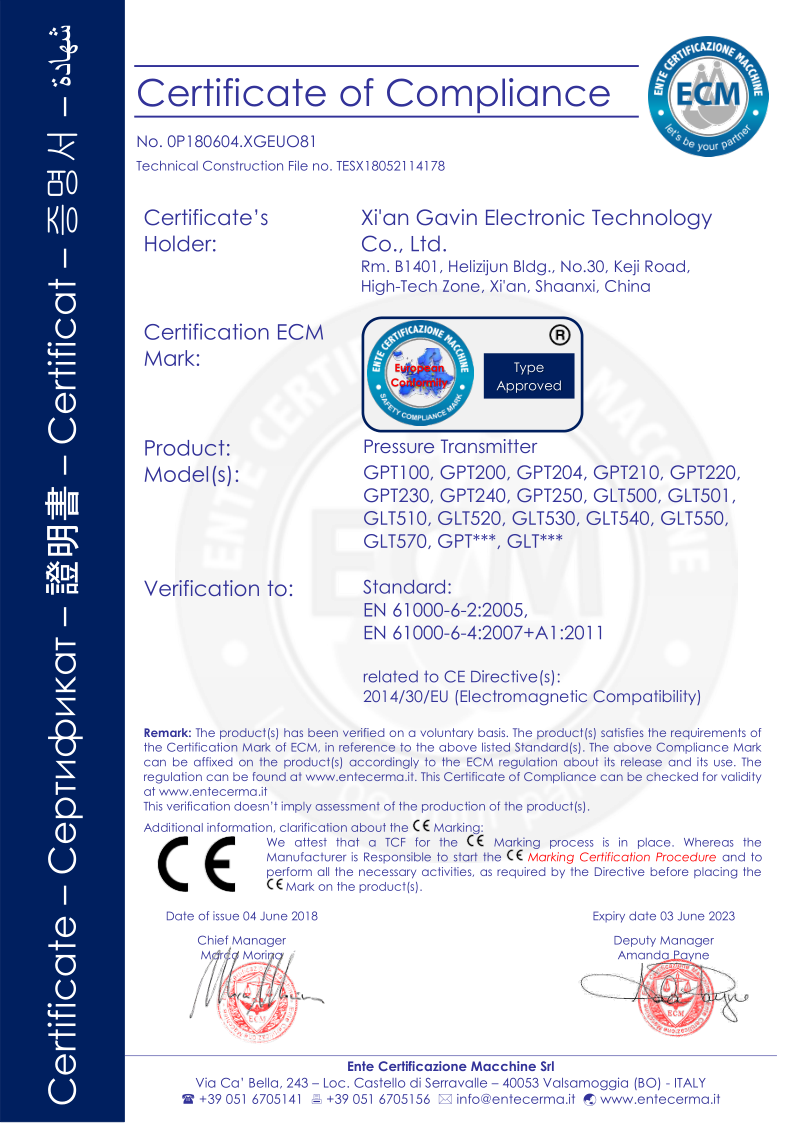
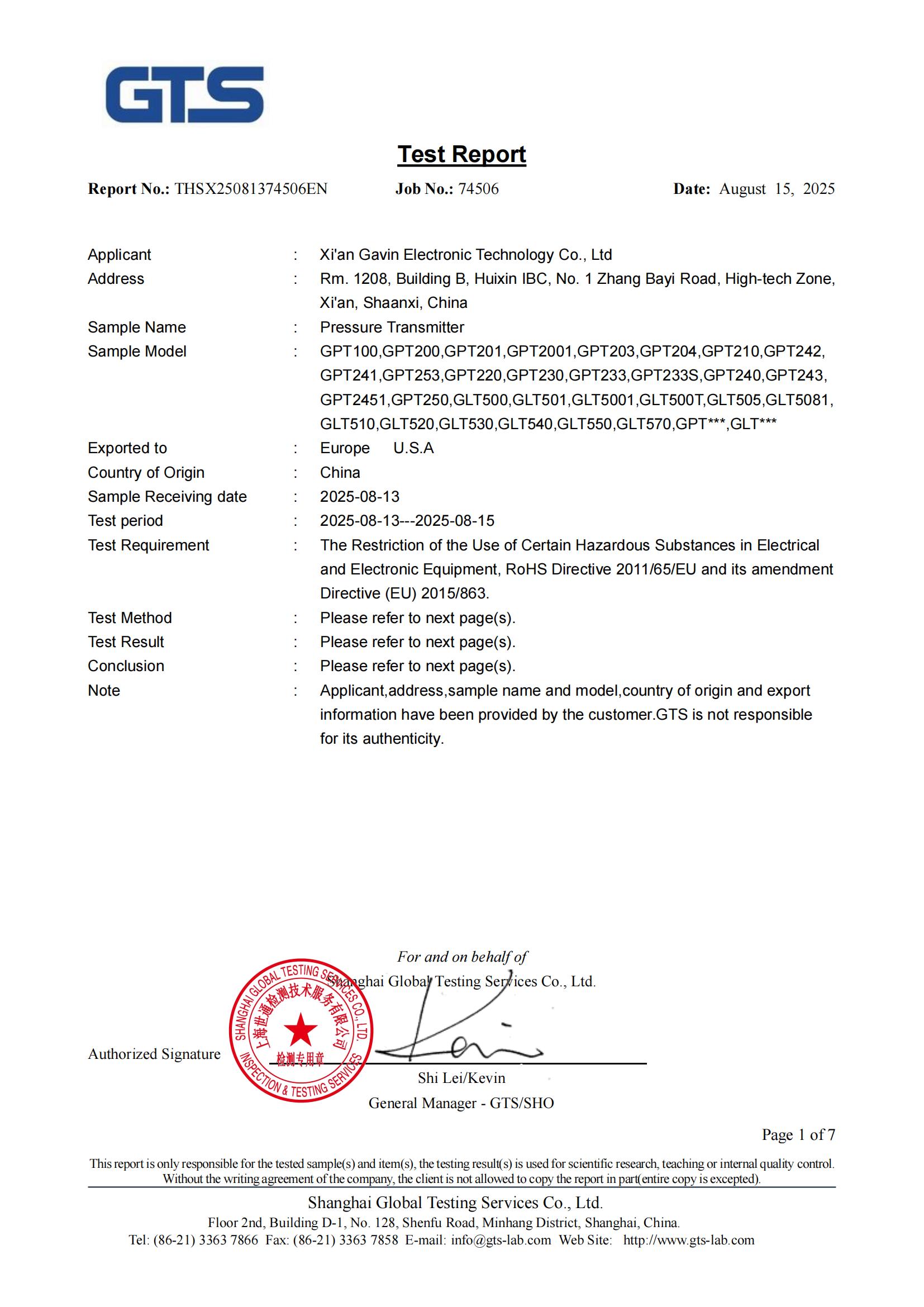
Rigorous quality control and testing procedures are integral to ensuring the long-term reliability of ceramic pressure sensors. Manufacturers employ a series of stringent tests, including pressure cycling, temperature shock, and accelerated life testing, to validate sensor performance and durability. Each ceramic pressure sensor undergoes individual calibration and characterization to ensure accuracy across its operational range. These comprehensive quality assurance measures result in sensors that maintain their specified performance characteristics throughout their operational lifetime, providing users with confidence in their long-term measurement accuracy and reliability.
Conclusion
Ceramic pressure sensors, with their wear-resistant diaphragms, offer a compelling solution for industries requiring reliable and accurate pressure measurements in challenging environments. Their exceptional durability, chemical resistance, and thermal stability make them ideal for a wide range of applications, from corrosive chemical processing to hygienic food production. As industries continue to demand higher performance and longer-lasting measurement solutions, ceramic pressure sensors are poised to play an increasingly important role in ensuring efficient and safe operations across various sectors.
Experience the Durability of GAMICOS Ceramic Pressure Sensors
GAMICOS, a leading manufacturer of high-quality pressure and level measurement solutions, offers a comprehensive range of ceramic pressure sensors designed for durability and precision. Our GPT230 series, featuring a ceramic piezoresistive sensor chip, exemplifies our commitment to innovation and reliability. With custom process connections, full-range temperature compensation, and operating temperatures from -40 to 125℃, GAMICOS sensors meet diverse industry needs.
Our expertise in OEM/ODM services, coupled with stringent quality control and global market presence, positions us as your ideal partner for robust pressure measurement solutions. For inquiries, contact us at info@gamicos.com and experience the GAMICOS advantage in ceramic pressure sensor technology.
References
1. Johnson, A. R. (2020). "Advanced Ceramic Materials in Pressure Sensing Applications." Journal of Industrial Sensors, 15(3), 234-249.
2. Smith, B. T., & Brown, C. L. (2019). "Wear Resistance of Ceramic Diaphragms in Harsh Industrial Environments." International Journal of Pressure Measurement Technology, 28(2), 112-128.
3. Chen, X., et al. (2021). "Comparative Study of Metal and Ceramic Diaphragms for Pressure Sensors in Corrosive Media." Sensors and Actuators A: Physical, 317, 112442.
4. Peterson, M. K. (2018). "Long-term Performance Analysis of Ceramic Pressure Sensors in Chemical Processing Industries." Chemical Engineering Journal, 352, 412-425.
5. Thompson, R. L., & Davis, E. S. (2022). "Advances in Ceramic Pressure Sensor Manufacturing: Enhancing Durability and Reliability." Journal of Materials Processing Technology, 300, 117345.

Peter
Peter, Senior Sensor Technology Consultant, has 15-year industrial sensor R&D experience. He specializes in the end-to-end development of high-accuracy pressure and level sensors and he firmly believe, precision isn’t just a spec—it’s a promise.
We're here to help — submit your request anytime!
Let us know how we can help solve your pressure level measurement challenge.
_1757930850792.jpg)
Recommended Blog
Introduction to Wireless Level Measurement for Industrial Tank
Guide to Selecting Non-contact Radar Level Sensors for Chemicals
Waterproof vs Standard Pressure Transducers: Key Differences
Troubleshooting Wireless Level Transmitters Connectivity Issues

Top Submersible Level Sensors for Landfills in Toronto, Canada