Top Ceramic Pressure Sensors for Chemical Plants in Europe
Understanding Ceramic Pressure Sensors in Chemical Plants
- Understanding Ceramic Pressure Sensors in Chemical Plants
- Ceramic Pressure Sensors vs. Other Sensor Types: Making the Right Choice
- Top Ceramic Pressure Sensors Brands and Suppliers in Europe
- Practical Procurement Guide for Ceramic Pressure Sensors in Europe
- Ensuring Optimal Performance and ROI in Chemical Plant Applications
- Conclusion
- FAQ
- Partner with GAMICOS for Advanced Ceramic Pressure Sensor Solutions
- References
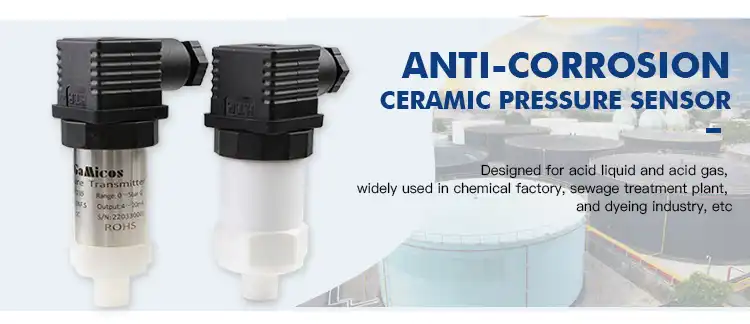
European chemical companies have to work in conditions that are getting harder to handle because they need to be precise, reliable, and very resistant to surroundings that are corrosive. It has become clear that ceramic pressure sensors are the best way to handle these tough situations because they are more resistant to chemicals and last longer than other sensing technologies. Leading companies in Europe and around the world have made improved ceramic sensing solutions that are designed to work in chemical processing settings, where regular pressure measuring devices often break down because they are exposed to harsh media. These new sensors give people who work in chemical plants the accuracy and durability they need to keep operations safe and efficient while also meeting strict regulatory requirements.
Understanding Ceramic Pressure Sensors in Chemical Plants
Ceramic pressure sensors are a big step forward in the way we measure pressure. They use advanced piezoceramic materials that turn changes in mechanical pressure into accurate electrical signs. Ceramic technology's main benefit is that it is very resistant to chemicals. This makes these sensors perfect for checking the pressure in reactors, distillation columns, and storage tanks that hold chemicals that are very toxic.
Core Technology and Operating Principles
Piezoelectric or piezoresistive ceramic elements that react regularly to pressure are at the heart of ceramic pressure sensor technology. Ceramic materials are different from standard metallic sensing elements because they keep their shape and measurement accuracy even when they are introduced to acids, bases, and organic solvents that are common in chemical processing. This built-in security makes sure that the system works the same way over long periods of time, which cuts down on upkeep needs and downtime.
Temperature Tolerance and Measurement Precision
Extreme temperatures that can hurt the accuracy and life of sensors are common in places where chemicals are processed. Modern ceramic sensors are very stable at different temperatures, keeping their calibration accuracy over a wide range of temperatures while giving accurate readings that are needed for process control. Because ceramics have a known thermal coefficient, compensation methods can be used to make sure that measurements are accurate even when temperatures change, which happens a lot in chemical plants.
Application Environments in Chemical Processing
Indeed, ceramic pressure sensor units excel in harsh environments where aggressive media like hydrofluoric acid, chlorine compounds, and high-temperature process streams are present. Deploying them at critical measurement points throughout chemical plants enables operators to maintain optimal process conditions while simultaneously ensuring worker safety and environmental protection. Their ability to withstand both severe chemical attack and physical abrasion makes ceramic pressure sensor technology exceptionally valuable for applications involving particulate-laden fluids or abrasive slurries.
Ceramic Pressure Sensors vs. Other Sensor Types: Making the Right Choice
Choosing the right pressure sensor technology has a big effect on both how well the chemical plant works and how much it costs to maintain over time. Knowing the pros and cons of various sensor technologies helps buying workers make smart choices that meet the needs of their operations.
Performance Comparison with Metallic Sensors
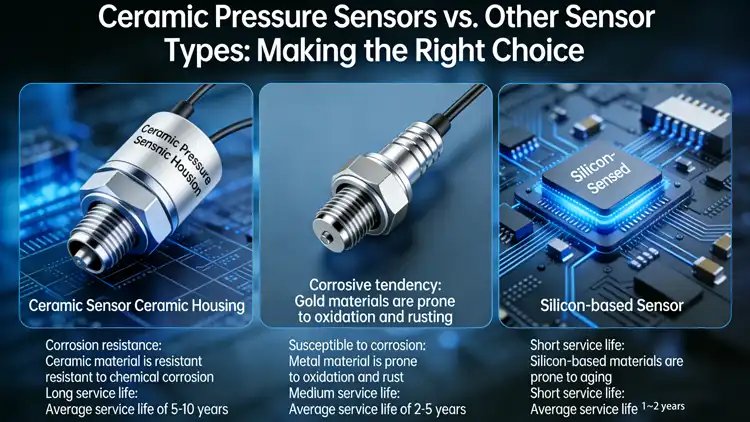
Traditional stainless steel and other metal pressure sensors are cheap at first, but they often break down in chemical conditions because of rust. Ceramic sensors are much more resistant to chemical attack, so they keep their measurements accurate and their structures strong for a long time. This increased durability means that the product needs to be replaced less often and costs less overall. This is especially important for sites that are hard to reach for upkeep, like those that are in remote or dangerous areas.
Advantages Over Silicon-Based Technologies
Aggressive chemical media don't work well with silicon piezoresistive sensors, which are often used in industrial settings. When silicon sensors are used in chemical settings, the protective coatings they need can cause measurement mistakes and show where they might break. These worries are taken away by ceramic technology, which is naturally resistant to chemicals and doesn't need protection walls that could affect measurement accuracy.
Evaluation Criteria for Technology Selection
When choosing pressure sensor technology, procurement teams have to think about a lot of things, such as flexibility with different media, temperature range, pressure range, accuracy needs, and long-term stability. Ceramic sensors are the best at most of these things, especially when long-term dependability and chemical tolerance are very important. The higher cost of ceramic technology at first usually pays off in the long run through longer service life and lower upkeep costs.
Top Ceramic Pressure Sensors Brands and Suppliers in Europe
Europe has a strong ecosystem of companies that make and sell pressure sensors. Many of them focus on ceramic technology for tough industrial uses. With their advanced technical skills and strict quality control measures, these businesses make sensors that meet the exact needs of chemical plant operations.
Established European Manufacturers
The biggest companies in Europe have made a wide range of ceramic pressure sensors that are especially made for use in chemical processes. These businesses put a lot of money into research and development to make ceramic sensor technology better. They often work with chemical plant workers to understand how application needs change over time. Their goods usually have the right licenses, like ATEX for use in explosive environments, and they meet international standards for precision and dependability.
International Suppliers with European Presence
GAMICOS represents a new consortium of foreign companies specializing in manufacturing ceramic pressure sensor technology for chemical plants across Europe. A prime example of their advanced offerings is the GPT235 Highly Corrosion-Resistant Pressure Transmitter. This transmitter utilizes imported piezoresistive or capacitive ceramic detecting elements, housed within highly corrosion-resistant materials such as PTFE or PVDF. This innovative design fully leverages the inherent strengths of ceramic pressure sensor technology, while integrating sophisticated signal conditioning circuits and comprehensive temperature compensation.
Here are some of the main reasons why GAMICOS sensors are perfect for use in chemical plants in Europe:
• Ceramic core technology from outside the country: high-tech ceramic sensor parts offer great chemical protection and long-term stability
• More resistance to rust and wear: better performance in harsh chemical conditions than older sensor technologies
• Wide media adaptability: it works with a wide range of chemicals that are common in European manufacturing plants.
• Strong protection against interference and surges: robust design provides reliable operation in electrically noisy industrial settings
• High-corrosion housing materials are available as options. Construction with PTFE or PVDF offers extra security for harsh environments.
These technological advances make it possible for chemical plant workers to measure pressure accurately in situations where regular sensors would fail. This helps improve process control and safety at work.
Supplier Evaluation and Selection Criteria
To successfully buy sensors, you need to carefully evaluate possible sellers based on their technical skills, quality control methods, and customer service after the sale. Leading providers show they care about quality by using thorough testing methods, keeping records of where products come from, and providing quick technical support. Another important thing to think about is whether or not there are customization options for specific application needs. This is especially true for processes that have unique conditions or connection needs.
Practical Procurement Guide for Ceramic Pressure Sensors in Europe
To buy ceramic pressure sensors effectively, you need to know both the technical specs and the business factors that affect the total cost of ownership. European chemical companies are able to get the supplies they need more quickly and easily because they already have ties with suppliers and are part of established distribution networks.
Technical Specification Requirements
The choice of pressure range needs to take into account both normal working conditions and possible excursions, along with enough safety margins to keep the sensor from getting damaged or the reading from becoming too high. answer time needs rely on how the process is changing, but for control purposes, faster answer is usually better. Specifications for temperature ranges must include both process temperatures and possible ambient variables, such as changes in temperature during different seasons for outdoor sites.
Accuracy and Calibration Considerations
Most of the time, ceramic sensors are more stable over time than other technologies. This inherent stability of the ceramic pressure sensor is a significant advantage for long-term applications. However, for process control purposes, initial tuning accuracy remains critically important. Knowing how to perform calibrations and adhering to traceable standards is essential to ensure compliance with both internal quality control systems and external governmental regulations. To maintain measurement accuracy throughout the sensor's operational life, it is imperative to establish regular calibration and testing procedures.
Installation and Integration Requirements
Installing sensors correctly has a big effect on how well they work and how long they last. Ceramic sensors need to be mounted in a way that keeps them from being mechanically stressed and makes sure the pressure port seals properly. Electrical lines need to be kept dry and away from chemical vapors and wetness that could mess up the signal. For integration with current control systems, certain output data formats or communication methods may be needed.
Ensuring Optimal Performance and ROI in Chemical Plant Applications
To get the best return on investment from ceramic pressure sensors, you need to pay attention to both their technical performance and how well they work throughout their entire lifecycle. By using and maintaining ceramic technology correctly, the benefits that come with it can be turned into real practical benefits.
Calibration and Maintenance Strategies
Verifying the calibration on a regular basis keeps measurements accurate and meets the needs of quality management. Ceramic sensors usually have great long-term stability, which means that they can be calibrated more often than other technologies. As part of preventive maintenance plans, mounting tools, electrical connections, and process connections should be checked on a regular basis to find problems before they affect performance.
Performance Monitoring and Optimization
Modern clay sensors often have monitoring features that show how healthy the sensor is and how its performance is changing over time. By keeping an eye on these signs, predictive maintenance methods can be used to cut down on unexpected downtime and make the best use of maintenance resources. By giving an exact past of pressure measurements, data logging and trending help process optimization efforts.
Future Technology Developments
Ceramic materials science is always getting better, which means that ceramic pressure sensors can do more. Smart sensor technologies that include advanced diagnosis and wireless communication look like they will make clay sensors even more useful in chemical plant settings. Integration with Industrial Internet of Things platforms lets you watch and control things from afar, which lowers costs and raises safety and dependability.
Conclusion
It has been proven that ceramic pressure sensors are the best choice for demanding chemical plant uses all over Europe. They work better in harsh conditions where other sensing technologies fail. Ceramic sensors are an important part of modern chemical processes because they are very resistant to chemicals, don't change much with temperature, and stay accurate over time. When chemical plant workers buy reliable measuring tools made of clay from reputable companies like GAMICOS, they can keep their operations safe and efficient while keeping the total cost of ownership as low as possible. As ceramic sensor technology keeps getting better, it will be even more useful in chemical plants in the future. This makes purchasing ceramic sensors a smart business move for companies that want to stay ahead of the curve.
FAQ
Why do ceramic sensors outperform metallic alternatives in chemical environments?
When ceramics are introduced to acids, bases, and organic solvents, they don't react chemically, so they don't rust or break down. In contrast to metals sensors that depend on protective coatings or special alloys, ceramic sensors keep their structural integrity and measurement accuracy over time, even in chemical conditions that are very harsh. This basic material benefit means that the product will last longer, need less upkeep, and cost less to own overall.
How can accuracy verification be conducted before sensor acquisition?
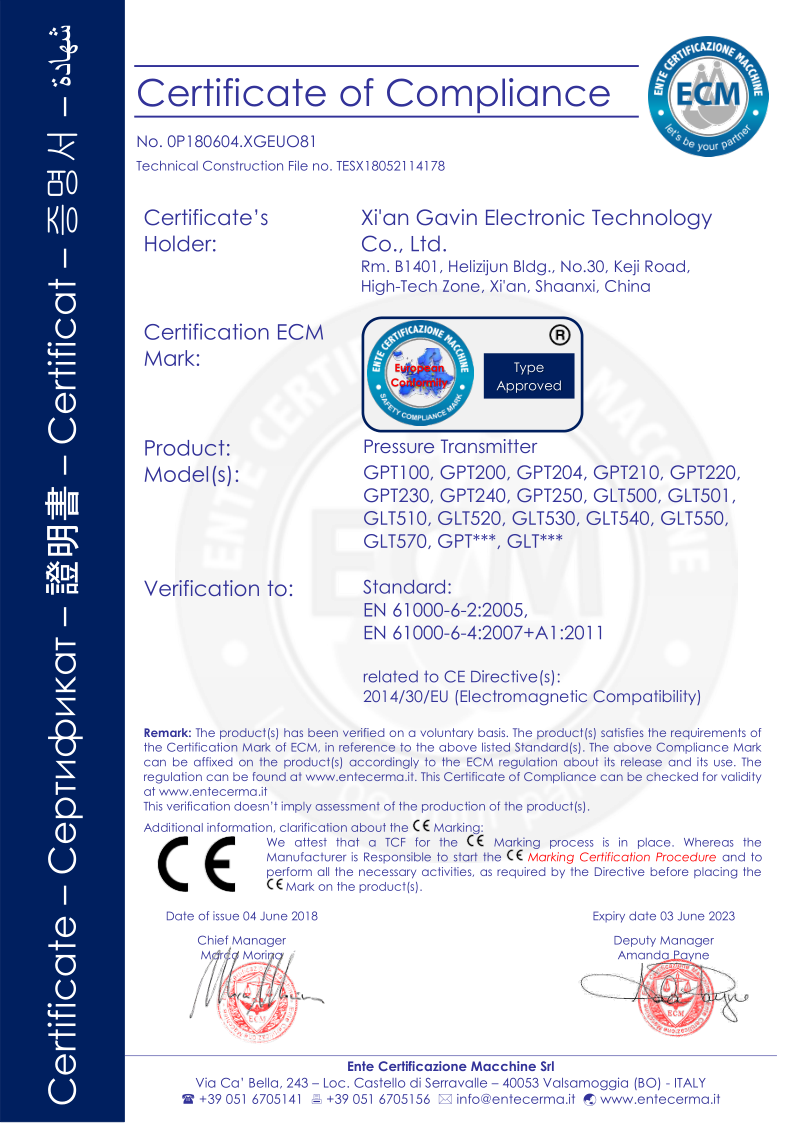
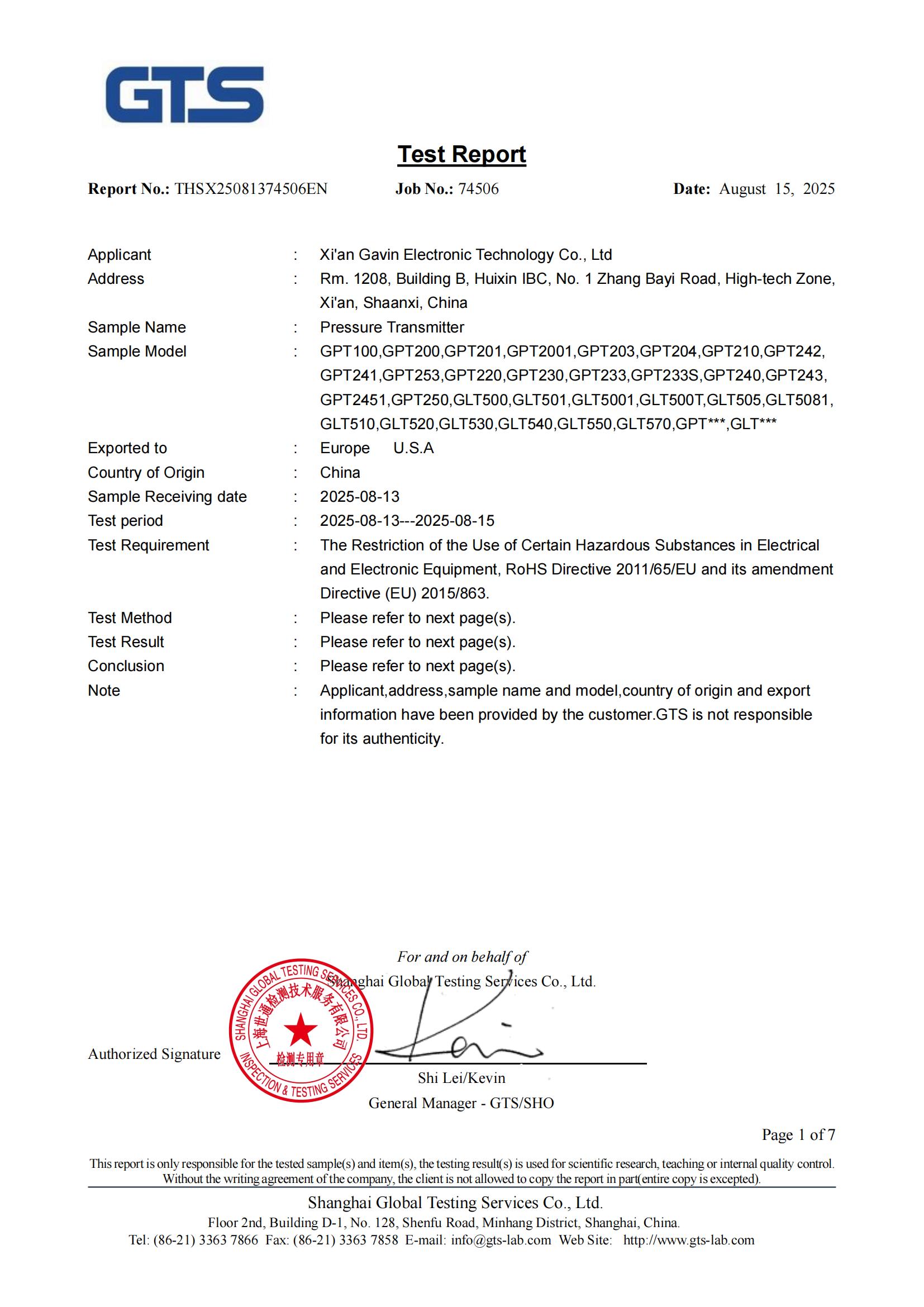
Checking the accuracy of a buy before making it usually includes looking at calibration certificates that show traceability to national standards. Suppliers with a good reputation give detailed information about how well the sensors work in the given pressure and temperature ranges. Some providers let customers watch the calibration process and make sure the performance specs are met during plant witness testing. You can also be sure of the predicted performance by asking for test data from sensors of the same type and production batch.
What are the cost and lead time considerations for custom sensor solutions?
Depending on how many changes need to be made, custom ceramic sensor options usually have a wait time of 4 to 8 weeks. Customization costs depend on what you need, like special pressure ports, output signals, or building materials. Custom solutions cost more than standard goods, but the better performance and compatibility often make up for it by making the process more reliable and cutting down on upkeep costs. Getting providers involved early on in the planning stages of a project helps keep costs low and delivery times short.
Partner with GAMICOS for Advanced Ceramic Pressure Sensor Solutions
GAMICOS can help you measure the pressure in your chemical plant with ceramic sensor technology that is the best in the business and is made for the toughest jobs. Our GPT235 series shows how committed we are to new ideas by blending foreign ceramic sensing elements with housing materials that don't rust. This gives them unbeatable performance in harsh chemical environments. As a reliable ceramic pressure sensor maker with a lot of experience working with chemical processing plants around the world, we know how important it is to have accurate pressure readings for safety and efficiency. Get in touch with our expert team at info@gamicos.com to talk about your unique application needs and find out how our advanced ceramic pressure sensor solutions can help your plant run more efficiently and save you money in the long run.
References
1. Smith, J.A., "Advanced Ceramic Materials in Industrial Pressure Sensing Applications," Journal of Industrial Instrumentation Technology, Vol. 45, No. 3, 2023, pp. 78-92.
2. European Chemical Industry Council, "Pressure Measurement Standards for Chemical Processing Facilities: Best Practices Guide," CEFIC Technical Publication Series, 2023.
3. Anderson, M.K. and Weber, H.L., "Corrosion Resistance Evaluation of Ceramic vs. Metallic Pressure Sensors in Chemical Environments," Industrial Automation Quarterly, Vol. 28, No. 2, 2023, pp. 134-148.
4. International Association of Chemical Plant Engineers, "Sensor Selection Criteria for Aggressive Media Applications," IACPE Technical Manual, 3rd Edition, 2023.
5. Thompson, R.C., "Long-term Performance Analysis of Ceramic Pressure Sensors in European Chemical Plants," Process Control Engineering Review, Vol. 67, No. 4, 2023, pp. 45-61.
6. German Institute for Industrial Standards, "Ceramic Sensor Certification Requirements for Chemical Industry Applications," DIN-VDE Technical Standard 58920-2023.

Peter
Peter, Senior Sensor Technology Consultant, has 15-year industrial sensor R&D experience. He specializes in the end-to-end development of high-accuracy pressure and level sensors and he firmly believe, precision isn’t just a spec—it’s a promise.
We're here to help — submit your request anytime!
Let us know how we can help solve your pressure level measurement challenge.
_1757930850792.jpg)
Recommended Blog