Importing Pressure Transmitters: What Buyers Should Know
Understanding Pressure Transmitters and Their Applications
- Understanding Pressure Transmitters and Their Applications
- Essential Technical Considerations Before Importing
- Key Factors in Choosing the Right Supplier and Product
- Import Compliance and Quality Assurance
- Maximizing Value: After-Sales and Support for Imported Pressure Transmitters
- Conclusion
- FAQ
- Partner with GAMICOS for Your Pressure Transmitter Needs
- References
For successful purchase when buying industrial pressure measurement products from global markets, it is important to understand how to choose the right pressure transmitter. Modern pressure transmitters are the most important part of industrial automation systems. They take readings of physical pressure and turn them into standard electrical signals that can be used for accurate tracking and control in a wide range of factory settings. In industry sites around the world, these high-tech gadgets are an important part of keeping things running smoothly, safely, and affordably.

Understanding Pressure Transmitters and Their Applications
A lot of industrial automation depends on pressure measuring tools that are reliable and can work in harsh conditions while still providing consistent results. In contrast to basic pressure sensors, pressure transmitters have better data processing abilities and are built to last for long periods of time in industrial settings.
Differentiating Pressure Transmitters from Standard Sensors
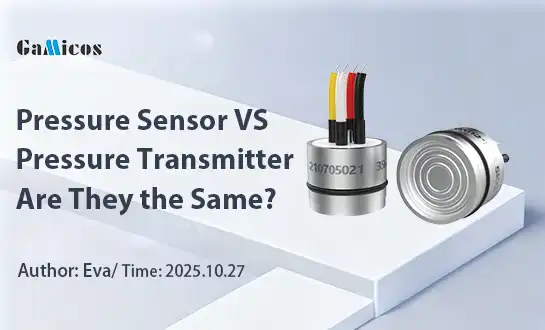
Pressure sensors measure pressure in a basic way, but transmitters have more complex signal processing circuits that boost, filter, and change raw pressure readings into standard output signals used in the industry. Because of this basic difference, transmitters can send signals over long distances without losing quality. This makes them necessary for large-scale industry systems. The GPT200 general pressure transmitter is an example of this difference. It has a diffused silicon pressure sensor as the sensitive part and complex processing circuits that turn millivolt signals into standard voltage and current outputs so they can be directly connected to control systems.
Types of Pressure Transmitters in Global Markets
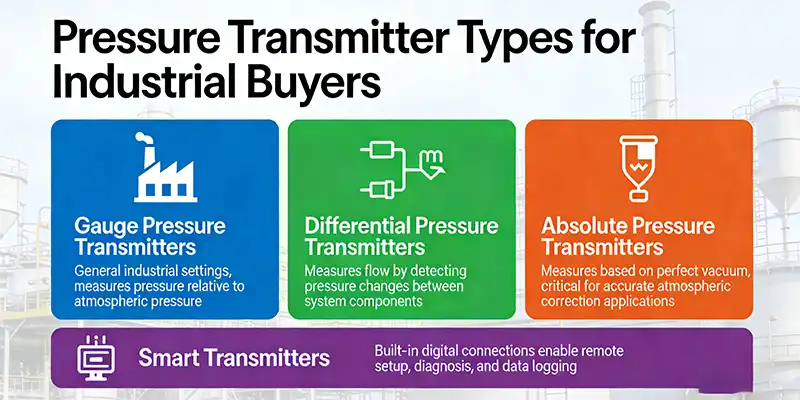
When industrial buying teams look for pressure transmitters, they come across a few different types, each of which is best for a certain set of measurements. Gauge pressure transmitters are used in general industrial settings where atmospheric pressure is used as a standard, as they can measure pressure in relation to that of the air. Differential pressure transmitters are great for measuring flow because they can figure out the changes in pressure between system parts. Absolute pressure transmitters give readings based on a perfect vacuum, which is important for uses that need accurate atmospheric correction. Digital connection methods built into smart transmitters let them be set up, diagnosed, and data logged from afar.
Industrial Applications Across Key Sectors
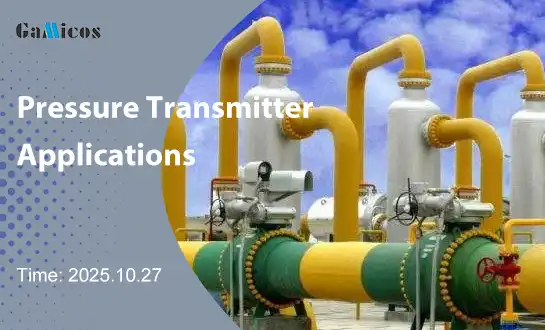
For hydraulic system tracking, pneumatic equipment control, and process line optimization, manufacturing facilities use pressure transmitters. These gadgets are used in the chemical and oil industries to keep an eye on pipelines, control boiler pressure, and connect safety systems. Food and drink making plants use pressure transmitters to keep things clean and make sure the quality of the products is always the same by precisely controlling the pressure.
Integrating pressure transmitters into HVAC systems helps automate buildings, make them more energy efficient, and keep an eye on the air quality inside. These devices are used by power plants to keep an eye on the steam system, run the turbines, and keep track of environmental compliance. Modern pressure transmitters are very flexible, so they can be used in a wide range of industrial settings without any problems. They also keep measurement accuracy and dependability high.
Essential Technical Considerations Before Importing
To buy a pressure transmitter successfully, you need to know a lot about the sensing technologies, accuracy standards, and installation steps that will have a direct effect on how well it works in the long run.
Sensing Technologies and Performance Characteristics
Many industrial pressure transmitters are based on piezoresistive technology, which is very stable and can adjust for changes in temperature. The GPT200 pressure transmitter uses very stable piezoresistive pressure sensors and powerful specialized electronics to make sure it is safe and reliable overall. This technology makes it possible to take accurate readings over a wide range of temperatures while keeping the low drift properties that are needed for precise uses.
When it comes to low-pressure uses, capacitive sensor technology is very accurate and very stable over time. Silicon-based sensors are very straight and repeatable, which means they can be used in situations where accurate measurements need to be made over and over again. Different sensing technologies have different benefits based on the task at hand, the setting in which it works, and the level of accuracy needed.
Accuracy and Calibration Protocols
Depending on how important the reading is, industrial settings usually need pressure transmitters that are accurate within 0.1% to 0.5% of full scale. Calibration times are usually between six months and two years, but this depends on how the device is used, how accurate it needs to be, and how it needs to be maintained to meet legal standards. The right way to do calibration makes sure that measurements can be tracked back to their source and that they are in line with quality assurance standards and processes.
Installation and Troubleshooting Guidelines
Installing a transmitter correctly has a big effect on how well it works and how long it lasts. When mounting, things to think about are how to stop vibrations, adjust for temperature changes, and protect against electrical interference. The GPT200 is small and light, which makes it easy to install. It also has a number of different electrical input choices to meet the needs of different systems.
Common problems like signal shift, unstable output, and connection problems should be covered in troubleshooting steps. Regular maintenance plans help find problems before they affect how the system works, which cuts down on unplanned downtime and the cost of maintenance.
Key Factors in Choosing the Right Supplier and Product
Picking the right supplier has a direct effect on the quality of the product, the dependability of delivery, and the availability of long-term help. This choice is very important for successfully procuring pressure transmitters.
Evaluating Supplier Capabilities and Certifications
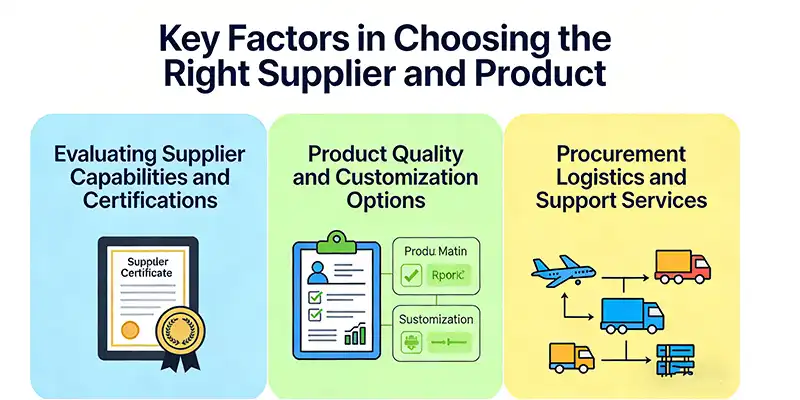
Leading sellers have thorough quality control systems that ensure products consistently function correctly and comply with regulations. GAMICOS demonstrates these capabilities by implementing rigorous quality control procedures, such as design validation, component inspection, process verification, and strict testing protocols. Each pressure transmitter, including the GPT200 model, undergoes extensive evaluation to guarantee its safety and reliability. This comprehensive testing covers design assessment, workpiece screening, process verification and curing, cycle loading and aging, and outdoor simulated testing.
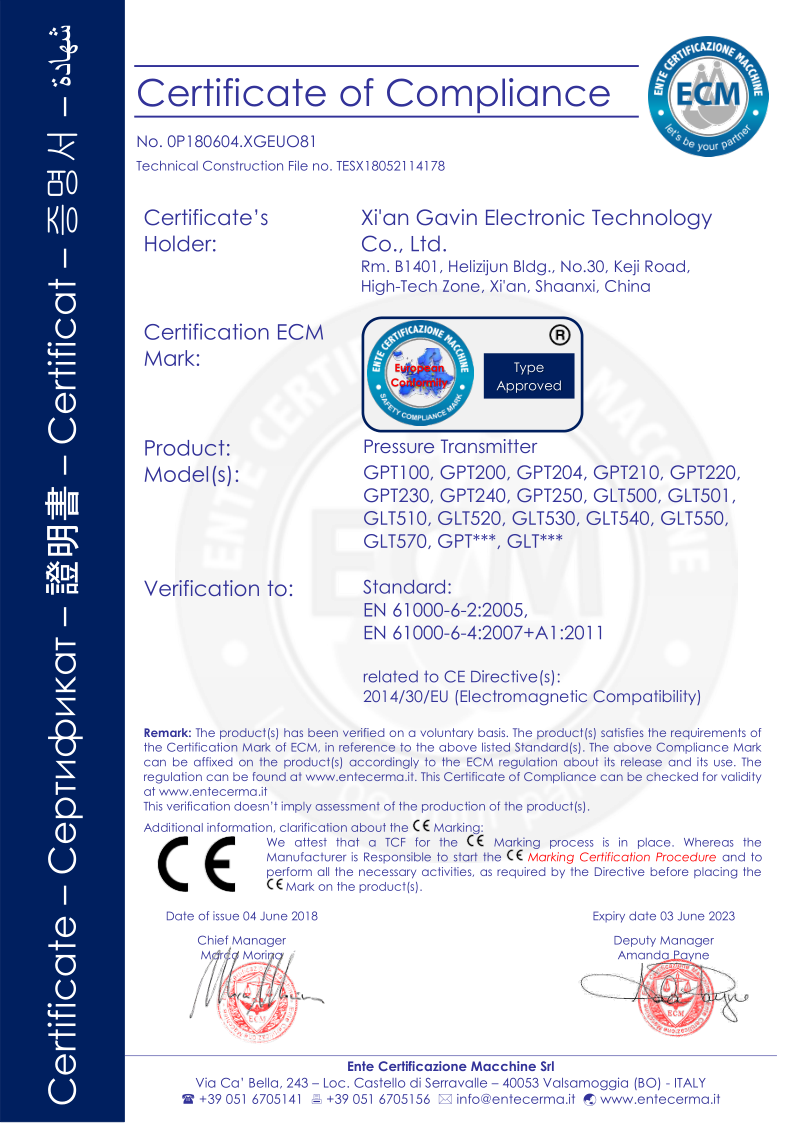
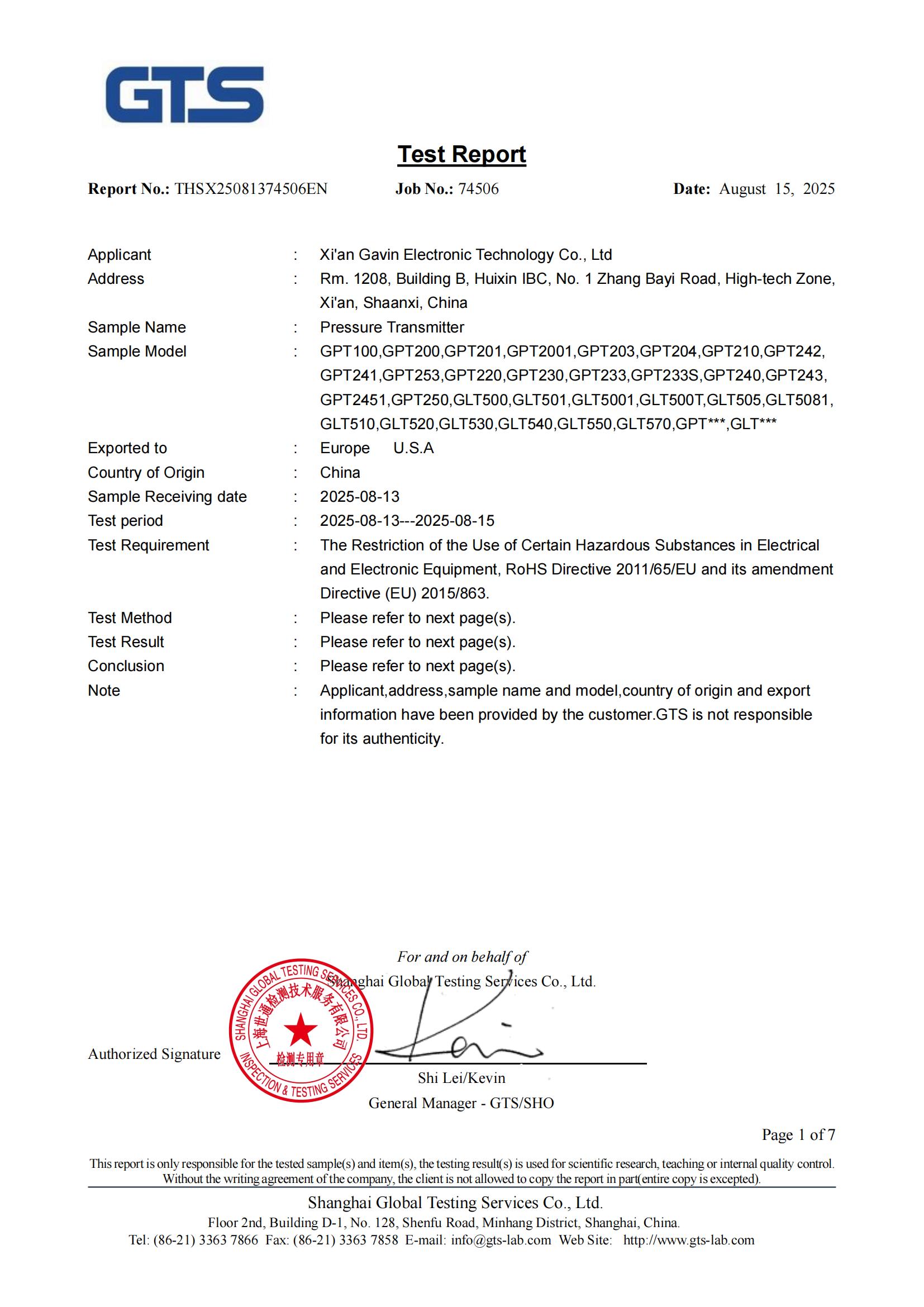
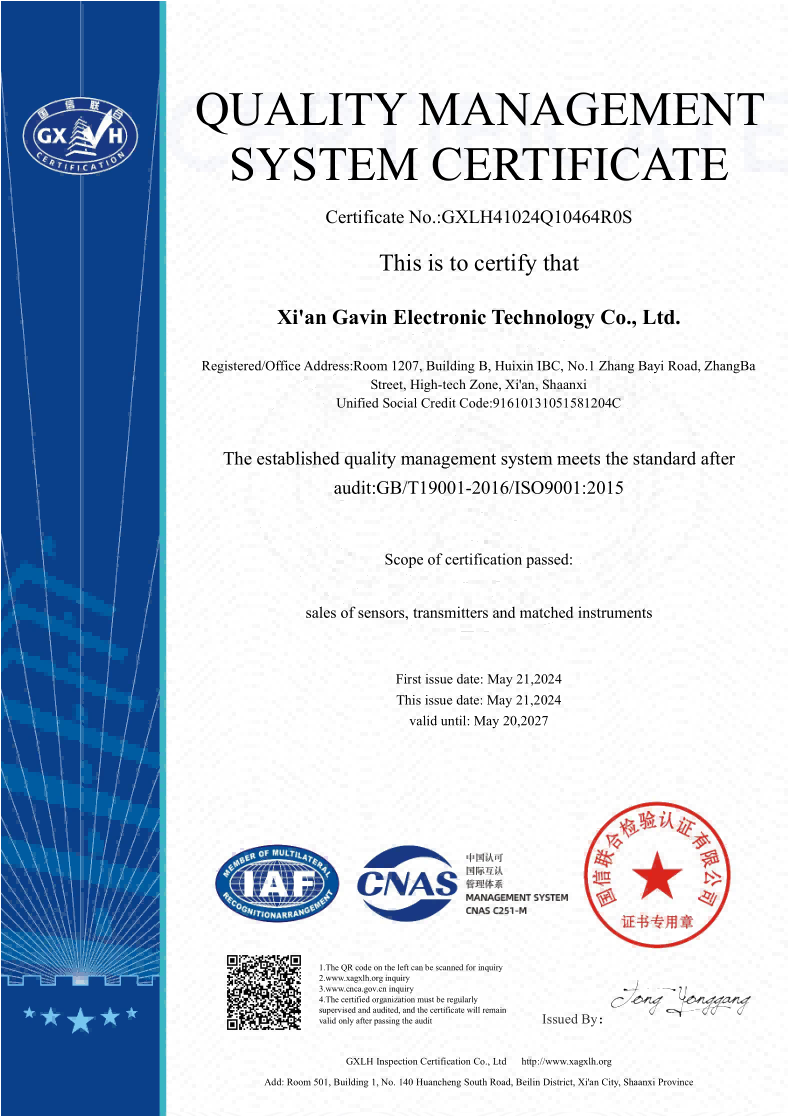
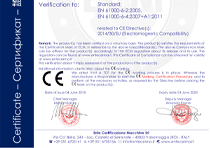
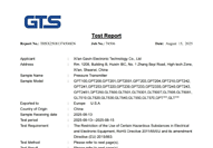
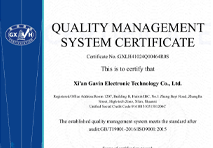
International qualifications like ISO 9001, CE marking, and RoHS compliance show that a provider is dedicated to meeting quality standards and legal requirements. Suppliers with a lot of experience doing business around the world know how to deal with the different application needs and legal settings that come up in foreign markets.
Product Quality and Customization Options
Strong materials are used to make high-quality pressure transmitters, like the 316L stainless steel isolation diaphragm design, which resists corrosion well and lasts a long time. The GPT200 uses these high-quality materials and has strong anti-interference, high stability, and low drift properties that are needed for tough industrial applications.
Customization lets providers change the types of sensors, data interfaces, and physical layouts to fit the needs of a particular application. Integration partners can add pressure transmitters to their own equipment while keeping the brand's look and technical specs the same thanks to OEM customization choices.
Procurement Logistics and Support Services
Reliable providers make sure they have enough inventory and production ability to handle large orders and keep their delivery promises. The lead time is usually between two and eight weeks, but it depends on how customized the product needs to be and how many orders are placed. A lot of the time, bulk price systems make it cheaper to buy a lot of something while still making sure that the product is always available.
Technical support services should include pre-sales advice, help with installation, and fixing so that products work as well as possible and application problems are kept to a minimum. A lot of information, like thorough specs, installation directions, and maintenance steps, is needed to make sure that the product works well and lasts a long time.
Import Compliance and Quality Assurance
When you buy something from another country, you have to pay close attention to rules that must be followed, quality checks, and the right way to bring the product into the country.
Essential Certifications and Standards
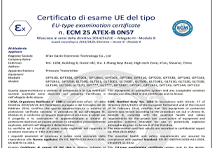
The CE mark shows that a product meets the safety, health, and environmental protection standards of the European Union. This lets products from all EU member states be sold in their markets. ISO approvals back up quality management systems and manufacturing methods that make sure products always work well. ATEX approval covers the needs for applications that work in dangerous places, like oil and chemical processing plants, where explosive atmospheres are common.
Safety Integrity Level (SIL) scores show how safe vital safety systems are to use, which is important in situations where a measurement failure could lead to dangerous situations. These approvals help make sure that imported pressure transmitters meet safety and performance standards around the world. They also help target markets follow the rules set by regulators.
Import Documentation and Customs Procedures
Having the right paperwork speeds up the customs process and avoids costly delays and problems. Commercial invoices, packing lists, certificates of origin, and related compliance certificates are all important papers. For correct customs processing, technical paperwork should make it clear what kind of product it is, what materials were used to make it, and how it will be used.
Working with expert freight forwarders and customs brokers can help you understand the complicated rules for importing goods and make sure you follow the rules in your country. If you know about the tax rates, import limits, and paperwork needs for pressure transmitters, you can avoid extra costs and delays during the import process.
Quality Verification and Authenticity Measures
Third-party checks make sure that the quality, specs, and compliance of a product are checked by someone outside the company before it is shipped. Buyers can check out a factory's production methods, quality control systems, and other factors that affect the performance and dependability of a product by conducting an audit. These checks help make sure that pressure transmitters that are brought in meet certain standards and lower the risks that come with buying things from other countries.
Authentication steps should ensure that goods match specified types, configurations, and performance traits. Reviewing the documentation, verifying the serial number, testing functional features—such as with a pressure transmitter—and evaluating the product's performance help confirm its authenticity and compliance with quality standards and technical requirements.
Maximizing Value: After-Sales and Support for Imported Pressure Transmitters
Imported pressure transmitters will only work well in the long run if they have good support services, are maintained properly, and can be upgraded in ways that make the product last longer and work better.
Warranty Coverage and Service Agreements
A full guarantee should cover problems with the way the product was made, performance loss, and early breakdowns that could affect how the system works. Standard warranty times are between one and three years, but for important uses, you can get longer covering. To make sure the best performance throughout the product's lifetime, service agreements may include preventative maintenance, calibration services, and expert support.
GAMICOS offers strong guarantee support, backed by a lot of technical know-how and the ability to provide help all over the world. As part of the company's dedication to customer happiness, it offers quick technical support and full after-sales service that is meant to make tools work better and last longer.
Maintenance Best Practices and Calibration
Following regular repair procedures helps keep measurements accurate and increases the service life of transmitters. Calibration times should be in line with how important the product is, government rules, and maker suggestions. The stable piezoresistive design of the GPT200 reduces drift and increases the time between calibrations, which lowers upkeep costs and increases measurement accuracy.
As part of proper care, systems should be inspected, cleaned, and their performance checked on a regular basis to find problems before they affect how the system works. Maintaining records of maintenance tasks helps companies follow the rules and gives researchers a chance to look at patterns and plan ahead for future maintenance needs.
Digital Integration and Smart Factory Compatibility
More and more modern pressure transmitters support digital communication methods that let them work with Industrial Internet of Things (IoT) platforms and smart workplace systems. These features make it possible to watch from afar, do predictive maintenance, and analyze data in ways that improve working efficiency and lower maintenance costs.
The GPT200's voltage and current signal outputs and micro amplifier design make it compatible with both old and new control systems. This makes system updates and extensions possible. This compatibility helps protect long-term investments and allows for a smooth transition to more powerful automation systems.
Conclusion
To successfully acquire pressure transmitters, you need to carefully think about the technical specs, the supplier's abilities, legal compliance, and the need for long-term support. When procurement workers understand these factors, they can make choices that improve performance, lower risks, and guarantee long-term operational success. Investing in high-quality pressure measurement solutions pays off in a big way by improving process control, lowering upkeep costs, and making sure that safety rules are followed more closely in a wide range of industrial settings.
FAQ
What distinguishes pressure transmitters from pressure sensors?
Signal conditioning circuits in pressure transmitters turn raw pressure readings into regular output signals that can be used in industrial control systems. Unlike basic sensors, transmitters can send signals over long distances and offer better accuracy and stability for tough industrial uses.
How do I select appropriate pressure transmitters for high-temperature applications?
For use in high-temperature situations, transmitters need to have special sensor systems and the ability to adjust for temperature. Look for devices that can work in a wide range of temperatures, have thermal isolation features, and are made of materials that are especially made to work in high-temperature settings. When high temperatures go beyond what the transmitter can handle, you might want to look into remote mounting choices.
What certifications are critical for pressure transmitter compliance?
Some important certificates are CE marking for European markets, ISO standards for quality control, and ATEX approval for places that could be dangerous. You should also think about SIL scores for applications that need to be safe and industry-specific standards that might be useful for your application or market in your area.
How can I verify the authenticity of imported pressure transmitters?
Check for authenticity by looking at the paperwork, calling the maker to check the serial number, and having a third party inspect the item. Ask for test results, guarantee paperwork, and certificates of compliance. When making big purchases, you might want to have a factory audit done to see how well they can make things and how they check the quality of their work.
Partner with GAMICOS for Your Pressure Transmitter Needs
When you need to buy a pressure transmitter, GAMICOS is ready to help with a wide range of options designed for industrial automation uses. As a reputable pressure transmitter maker, we offer the GPT200 series and other cutting-edge measuring tools that are backed by strict quality control, international certifications, and quick expert support. Our skilled workers offer flexible customization options, reasonable prices, and dependable delivery times that meet the strict needs of industry markets around the world. Get in touch with us at info@gamicos.com to talk about your unique application needs and find out how our pressure measurement products can help you meet your compliance and operational goals.
References
1. Industrial Automation Society. "Pressure Measurement Technologies in Modern Manufacturing." Journal of Industrial Process Control, vol. 45, no. 3, 2024, pp. 78-95.
2. Peterson, Michael R. "International Standards for Pressure Transmitter Certification and Compliance." Process Safety and Environmental Protection, vol. 182, 2024, pp. 156-167.
3. Thompson, Sarah J., et al. "Comparative Analysis of Pressure Sensing Technologies for Industrial Applications." Sensors and Actuators B: Chemical, vol. 401, 2024, pp. 134-148.
4. Global Industrial Equipment Association. "Best Practices for Importing Industrial Instrumentation: A Comprehensive Guide." Industrial Equipment Quarterly, 2024 edition, pp. 23-41.
5. Williams, Robert K. "Supply Chain Management for Critical Industrial Components." International Journal of Production Economics, vol. 267, 2024, pp. 298-312.
6. European Committee for Standardization. "Pressure Equipment Directive: Implementation Guidelines for Industrial Transmitters." Technical Report CEN/TR 17625, 2024, pp. 1-87.

Eva
Eva specializes in bridging the gap between cutting-edge sensor technology and market needs. With 8 years of experience in industrial product marketing, she has successfully launched multiple sensor product lines—from pressure transmitters to fuel level sensor—into global markets.
We're here to help — submit your request anytime!
Let us know how we can help solve your pressure level measurement challenge.
_1757930850792.jpg)
Recommended Blog

Can a pressure transducer measure liquid level in firefighting tanks?
What industries are pressure transmitters commonly used in?
Pressure Sensor VS Pressure Transmitter: Are They the Same Thing?
Can a pressure transducer measure liquid level in firefighting tanks?
What industries are pressure transmitters commonly used in?
Pressure Sensor VS Pressure Transmitter: Are They the Same Thing?
Can a pressure transducer measure liquid level in firefighting tanks?
What industries are pressure transmitters commonly used in?