Top Differential Pressure Sensors for Industrial Flow Control
Understanding Differential Pressure Sensors and Their Industrial Applications
- Understanding Differential Pressure Sensors and Their Industrial Applications
- Top Differential Pressure Sensor Models for Industrial Use in 2026
- How to Choose the Right Differential Pressure Sensor for Your Industrial Needs?
- Installation, Calibration, and Troubleshooting Guidelines
- Future Trends and Innovations in Differential Pressure Sensors for Industrial Applications
- Conclusion
- FAQ
- Partner with GAMICOS for Advanced Differential Pressure Sensor Solutions
- References
To guarantee maximum system performance, procurement experts must take accuracy, dependability, and environmental compatibility into account when choosing differential pressure sensors for industrial flow control applications. These vital measuring tools identify pressure changes among system elements, allowing precise flow monitoring in chemical processing plants, pharmaceutical production facilities, and petroleum refineries. With their improved precision, digital connection, and resistance to corrosion, modern differential pressure sensor technologies are essential for preserving operational effectiveness and safety compliance in harsh industrial settings.
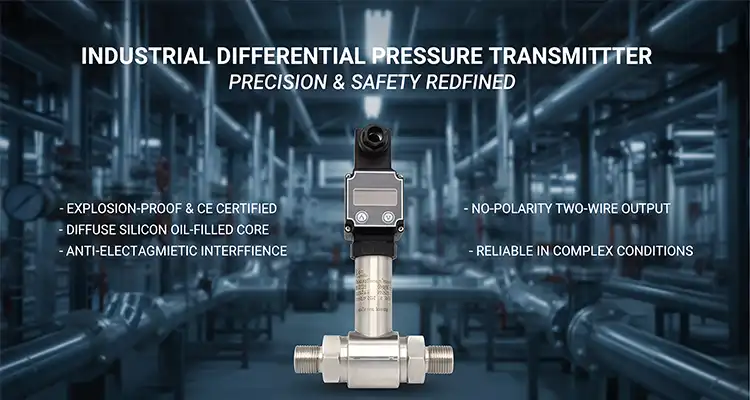
Understanding Differential Pressure Sensors and Their Industrial Applications
Differential pressure sensors use a sensitive diaphragm that deflects in response to the pressure variation to measure the pressure difference between two places in a system. Electrical signals produced by the diaphragm's movement are translated into legible pressure readings, giving process optimization real-time data. These sensors use a variety of technologies, such as strain gauge principles, piezoresistive, and capacitive, each of which has unique benefits for certain industrial applications.
Core Working Principles and Sensor Types
In order for the sensor diaphragm to react to pressure differentials, the basic function is attaching two pressure ports to various locations inside the system. Analog devices are simpler and more affordable for simple applications, whereas digital versions provide improved precision and communication capabilities. Remote monitoring has been transformed by wireless differential pressure sensors, which do not need significant wiring in dangerous or difficult-to-reach areas.
Numerous industries use industrial applications, such as pipeline flow monitoring, where sensors track pressure decreases via venturi tubes or orifice plates. Pharmaceutical cleanrooms use these devices to maintain vital pressure differentials, and HVAC systems depend on them for filter monitoring and airflow management. For storage tank level monitoring and flow management in intricate piping systems, chemical processing facilities use differential pressure sensors.
Enhanced Monitoring and Predictive Maintenance
By continually monitoring system performance and identifying abnormalities before they lead to problems, modern differential pressure sensors help predictive maintenance programs. Operators can detect filter obstructions, valve issues, and pump inefficiencies using real-time pressure monitoring, which lowers maintenance expenses and unscheduled downtime. By integrating with industrial automation systems, pressure differences may be automatically responded to, improving process efficiency and product quality.
Top Differential Pressure Sensor Models for Industrial Use in 2026
A thorough assessment of accuracy requirements, environmental resistance, communication protocols, and calibration needs is necessary when choosing the best differential pressure sensors. Prominent producers provide a range of product lines designed to address certain industrial problems, such as applications requiring high temperatures or harsh chemical conditions.
Industry-Leading Sensor Technologies
With sophisticated silicon sensing elements and temperature adjustment for laboratory-grade accuracy, Honeywell's differential pressure sensors perform very well in high-precision applications. Their models are appropriate for both vintage and contemporary control systems since they accept a variety of output signals, such as 4–20 mA, digital protocols, and wireless connection. Siemens offers self-calibration and integrated diagnostics in their smart sensor systems, which lower maintenance needs while guaranteeing reliable performance.
ABB provides durable industrial-grade sensors with innovative sealing methods and sturdy housing materials that are designed to withstand demanding conditions. Their differential pressure transmitters are very stable over the long term and resistant to electromagnetic interference, shock, and vibration. Omega offers affordable options for broad industrial usage, whereas Parker Hannifin offers specialist sensors for hydraulic and pneumatic applications.
The GAMICOS GPT250 series is a cutting-edge solution that combines excellent material construction with OEM silicon piezoresistive technology. With its 316L stainless steel housing and Hastelloy C276 diaphragm, this integrated differential pressure transmitter offers remarkable resistance to corrosive fluids throughout the whole pH range of 1–14. With many output choices, such as 4-20mA and Modbus protocols, the sensor maintains excellent accuracy and stability while supporting system static pressures up to 40 MPa.
| GPT250 Differential Pressure Transmitter | |
| Pressure range | 0~10 kPa...2.5 MPa |
| Overpressure | 150%FS |
| Output signal | 4~20mA 0~5Vdc 1~5Vdc 0~10Vdc |
| Power supply | 10~36Vdc,12~30Vdc |
| Accuracy | 0.25%FS(min.), 0.5%FS(typ.) |
| Operating temperature range | -40~+85 °C |
| Electrical interface | DIN43650,waterproof outlet |
| Pressure interface | M20x1.5, G1/4,G1/2,1/4NPT, 1/2NPT (customer request) |
| Material of pressure membrane | 316LSS |
Comparative Analysis and Selection Criteria
Procurement teams need to be aware of the basic distinctions between measurement references when evaluating differential, gauge, and absolute pressure sensors. Absolute sensors relate to a pure vacuum, gauge sensors compare pressure to ambient conditions, and differential sensors detect the difference in pressure between two places. Differential sensors are best suited for flow measurement and filter monitoring applications, while each kind has specific uses.
How to Choose the Right Differential Pressure Sensor for Your Industrial Needs?
A thorough examination of operating settings, process requirements, and integration compatibility are necessary for choosing the right differential pressure sensors. Extremes in temperature, exposure to chemicals, and humidity levels are examples of environmental conditions that have a big impact on sensor life and selection.
Environmental Considerations and Performance Requirements
Robust sensors with the necessary certifications for hazardous regions are necessary in harsh industrial settings. While high-temperature versions enable applications in steel and power production, waterproof and explosion-proof designs guarantee safe operation in chemical plants and offshore sites. Sensors are shielded from harsh chemicals and have their service life prolonged by corrosion-resistant materials such as Hastelloy and specialty coatings.
With the ability to provide accurate measurements and diagnostic data, digital output capabilities improve interaction with contemporary control systems. Wireless connectivity facilitates centralized monitoring and data processing while removing installation difficulties in distant areas. To guarantee compatibility with current infrastructure and future expansion plans, take into account sensors with a variety of output formats.
Strategic Procurement and Cost Optimization
Procurement techniques that are successful strike a balance between the original investment and the total cost of ownership, which includes the costs of installation, calibration, and maintenance. Contracts for bulk purchases with reputable suppliers can provide financial benefits and guarantee steady product supply for major projects. OEM customization choices provide customized solutions that satisfy particular application needs while preserving facility uniformity.
Project performance is greatly influenced by supplier relationships, especially when it comes to technical assistance, delivery dependability, and after-sales care. Assess vendors according to their certification compliance, industry expertise, and capacity to provide thorough documentation and training. Throughout the equipment lifespan, rapid assistance and constant product quality are guaranteed by long-term relationships with reputable suppliers.
Installation, Calibration, and Troubleshooting Guidelines
Accurate differential pressure readings and long-term sensor dependability depend heavily on proper installation methods. Mounting orientation, pressure line routing, and electrical connections that reduce measurement mistakes and interference from the surroundings are all important installation concerns.
Installation Best Practices
Process conditions and accessibility for maintenance tasks must be carefully taken into account while placing sensors for optimal performance. To reduce pressure line effects and provide sufficient clearance for servicing access, place sensors near to measurement sites. To stop leaks and contamination, use fittings and sealing materials that are suitable for the process medium. To reduce electromagnetic interference, electrical connections should adhere to industry standards with appropriate shielding and grounding.
Slope, supports, and isolation valves that facilitate maintenance and calibration processes must all be considered when installing a pressure line. In gas measurement applications, avoid steep bends and ensure adequate drainage to prevent liquid buildup. Additionally, reduce dead legs that could impair accuracy and reaction time by installing impulse lines made of consistent materials, especially when using a differential pressure sensor to maintain precise measurements.
Calibration Procedures and Maintenance Protocols
Frequent calibration preserves sensor accuracy and guarantees adherence to legal and quality standards. The frequency of calibration, which often ranges from quarterly to yearly intervals, is determined by the manufacturer's recommendations, environmental factors, and the criticality of the application. To guarantee calibration accuracy and paperwork conformity, use certified reference standards that can be traced back to national metrology institutions.
It takes methodical techniques to troubleshoot common problems in order to find the underlying reasons and put effective fixes in place. Temperature changes, aging electrical components, and diaphragm contamination are common causes of sensor drift. Unreliable readings may be caused by environmental influence, necessitating examination of electrical connections, grounding, and shielding efficacy. Engage certified supplier help when issues beyond the scope of scheduled maintenance to save downtime and guarantee appropriate repairs.
Future Trends and Innovations in Differential Pressure Sensors for Industrial Applications
With a focus on wireless connection, artificial intelligence integration, and predictive analytics capabilities, Industry 4.0 objectives propel ongoing innovation in differential pressure sensor technology. Smart sensors turn conventional measurement into complete process intelligence by combining self-calibration capabilities, cloud connection, and sophisticated diagnostics.
Advanced Sensor Technologies and IoT Integration
Wireless differential pressure sensors provide flexible monitoring options for hazardous and distant areas while removing the hassle of installation. Extended-life battery-powered sensors are useful in situations where power supply is scarce or installation expenses are prohibitive. Wide-area monitoring networks that facilitate centralized data administration and analysis are made possible by LoRaWAN and cellular connection technologies.
Advanced signal processing techniques used in enhanced digital sensors increase precision, lower noise, and provide thorough diagnostic data. Firmware implements filtering, linearization, and temperature correction, which lowers the need for external components and increases dependability. Multi-variable sensors simplify installation and lower system complexity by combining pressure, temperature, and flow data into a single unit.
Supplier Innovation and Customer Support Excellence
Prominent vendors make significant investments in R&D to satisfy changing industry demands and legal restrictions. While collaborations with technology firms speed up the incorporation of sophisticated features, customer collaboration fosters innovation in particular applications. Predictive maintenance advice, application-specific training programs, and remote diagnostics are becoming more and more common components of technical support services.
Case studies show the practical advantages of cutting-edge sensor technology in practical settings. Wireless HVAC monitoring systems enhance airflow control and filter management, resulting in energy savings of 15–25%. Improved cleanroom pressure monitoring lowers contamination risks and boosts product quality in pharmaceutical production facilities. The strategic value that creative suppliers provide to projects involving process optimization and industrial automation is shown by these instances.
Conclusion
In contemporary industrial flow control systems, differential pressure sensors are essential parts that must be carefully chosen depending on the demands of the application, the surrounding environment, and integration requirements. Prominent producers keep improving sensor technology to satisfy Industry 4.0 requirements while preserving the precision and dependability necessary for industrial applications. Effective procurement strategies place a strong emphasis on long-term support capabilities, supplier alliances, and overall cost optimization in order to maintain operational excellence and competitive advantage in challenging industrial contexts.
FAQ
Q1: What distinguishes differential pressure sensors from gauge pressure sensors in industrial applications?
A: Differential pressure sensors measure pressure differences between two specific points in a system, making them ideal for flow measurement, filter monitoring, and level detection applications. Gauge pressure sensors compare pressure to atmospheric conditions, which makes them suitable for general pressure monitoring where atmospheric reference is appropriate. The choice depends on whether you need to measure pressure differences across components or absolute pressure relative to atmosphere.
Q2: How frequently should differential pressure sensors be calibrated in industrial settings?
A: Calibration frequency depends on application criticality, environmental conditions, and regulatory requirements. Critical process control applications typically require quarterly calibrations, while general monitoring applications may operate effectively with annual calibrations. Harsh environments with temperature extremes, vibration, or corrosive media may necessitate more frequent calibration to maintain accuracy and compliance standards.
Q3: Are wireless differential pressure sensor models as accurate as wired versions?
A: Modern wireless differential pressure sensors achieve accuracy comparable to wired models through advanced signal processing and temperature compensation. Digital wireless protocols provide excellent noise immunity and data integrity, while battery-powered sensors eliminate ground loop issues common in wired installations. The key consideration is ensuring adequate signal strength and battery management for reliable long-term operation in your specific application environment.
Partner with GAMICOS for Advanced Differential Pressure Sensor Solutions
GAMICOS delivers cutting-edge differential pressure sensor technology designed for demanding industrial applications across petroleum, chemical, pharmaceutical, and automation industries. Our GPT250 series integrated transmitters combine OEM silicon piezoresistive cores with superior corrosion resistance, supporting system pressures up to 40 MPa while maintaining exceptional accuracy and stability.
As a leading differential pressure sensor manufacturer, we provide comprehensive OEM and ODM customization services, multiple communication protocols, and reliable global supply chain capabilities that ensure your projects succeed on schedule and within budget. Contact our technical specialists at info@gamicos.com to discuss your specific measurement requirements and discover how our innovative sensor solutions can optimize your industrial flow control systems while reducing operational costs and maintenance requirements.
References
1. Smith, J.R., and Anderson, P.M. "Advanced Differential Pressure Measurement Technologies for Industrial Process Control." Journal of Industrial Instrumentation, Vol. 45, No. 3, 2024, pp. 78-92.
2. Chen, L., Williams, D.K., and Thompson, R.J. "Wireless Sensor Networks in Industrial Automation: Performance Analysis and Implementation Guidelines." IEEE Transactions on Industrial Electronics, Vol. 71, No. 8, 2024, pp. 2145-2158.
3. Rodriguez, M.A., and Kumar, S. "Corrosion-Resistant Materials for Harsh Environment Pressure Sensing Applications." Materials Science and Engineering Review, Vol. 28, No. 2, 2024, pp. 156-174.
4. Johnson, K.L., Park, H.S., and Miller, T.C. "Industry 4.0 Integration Strategies for Smart Pressure Measurement Systems." Automation Technology Quarterly, Vol. 12, No. 1, 2024, pp. 34-49.
5. Brown, A.F., Lee, J.W., and Davis, R.H. "Calibration Best Practices for Industrial Differential Pressure Transmitters." Metrology Standards International, Vol. 19, No. 4, 2024, pp. 112-128.
6. Taylor, S.M., Zhang, Y., and Wilson, P.D. "Economic Analysis of Predictive Maintenance Strategies for Industrial Sensor Networks." Process Engineering Economics, Vol. 33, No. 6, 2024, pp. 203-221.

Ivy
Ivy, product consultant, has focused on sensor consultation for ten years, is proficient in providing pressure and level measurement solutions for customers.
We're here to help — submit your request anytime!
Let us know how we can help solve your pressure level measurement challenge.
_1757930850792.jpg)
Recommended Blog
Guide to Choosing a Differential Pressure Sensor for HVAC Systems
Trusted Differential Pressure Sensor Supplier for Industrial Use
Top Differential Pressure Sensor Suppliers in Europe and Asia
_1772676044702.webp)
Best Differential Pressure Sensor for Corrosive Media (pH 1–14)
Guide to Choosing a Differential Pressure Sensor for HVAC Systems
Trusted Differential Pressure Sensor Supplier for Industrial Use
Top Differential Pressure Sensor Suppliers in Europe and Asia
Best Differential Pressure Sensor for Corrosive Media (pH 1–14)
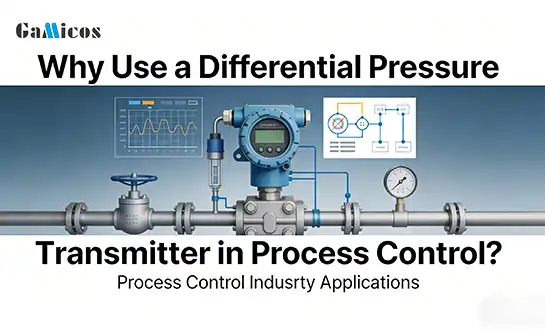
Why Use a Differential Pressure Transmitter in Process Control?
Differential Pressure Sensor vs Gauge: Which Is Better for Pipelines?
Why Use a Differential Pressure Transmitter in Process Control?
Differential Pressure Sensor vs Gauge: Which Is Better for Pipelines?
Why Use a Differential Pressure Transmitter in Process Control?