Guide to Choosing a Differential Pressure Sensor for HVAC Systems
Understanding HVAC Differential Pressure Sensors
- Understanding HVAC Differential Pressure Sensors
- Key Criteria for Choosing the Right Differential Pressure Sensor
- Comparing Top HVAC Differential Pressure Sensors in the Market
- Installation, Calibration, and Troubleshooting Best Practices
- Procurement Strategies and Supply Chain Insights
- Conclusion
- FAQ
- Contact GAMICOS for Premium HVAC Differential Pressure Sensor Solutions
- References
Selecting the right HVAC differential pressure sensor requires understanding your system's specific requirements, environmental conditions, and performance expectations. These sensors measure pressure differences between two points in your heating, ventilation, and air conditioning systems, providing critical data for airflow control, filter monitoring, and energy optimization. Modern differential pressure transmitters for HVAC applications offer various output signals, accuracy levels, and environmental ratings to match diverse industrial and commercial needs.
Understanding HVAC Differential Pressure Sensors
Differential pressure sensors are important parts of HVAC systems because they measure changes in pressure, which makes sure that airflow is controlled correctly and the system works efficiently. In order for these devices to work, they compare the pressures at two different measurement points and turn the difference into standard electrical signs that building control systems can understand and use.
Fundamental Operating Principles
A detecting diaphragm that reacts to changes in pressure between high and low pressure ports is at the heart of differential pressure measurement. When there are changes in pressure, the diaphragm bends in a proportional way. This mechanical movement is turned into electrical messages in a number of different ways. Silicon piezoresistive technology is used in modern HVAC differential pressure sensor designs. This technology provides high accuracy and long-term stability in harsh industrial settings.
When pressure changes put stress on piezoresistive sensors, they change how much electricity they resist. The temperature correction and drift features of this technology are better than those of older monitoring technologies. The oil-filled core design makes the sensor more resistant to pressure spikes and keeps the accuracy of the measurements over a wide range of temperatures.
Key Applications in HVAC Systems
The most common use for these sensors is to keep an eye on air filters. As filters collect more particles, they make it harder for air to flow through them, which shows up as higher pressure drops across the filter media. Instead of depending on set maintenance plans, facilities can keep an eye on the real state of filters and change them exactly when they stop working well.
For best performance, variable air volume devices need differential pressure measurements that are very exact. These energy-efficient designs change the flow of air based on real-time demand. To keep comfort levels while reducing energy use, they need accurate pressure input. The sensors and damper settings work together to control how air moves through the different areas.
For cleanroom and lab pressurization tasks, you need to be very accurate to keep the environment under control. Positive pressure differences stop contamination from getting in, and negative pressure control keeps dangerous materials out of the surrounding area. Continuous pressure tracking is used to make sure that safety rules are followed in important places like study labs, pharmaceutical factories, and healthcare facilities.
Accuracy Factors and Calibration Best Practices
The accuracy of measurements varies on a number of hardware and environment factors. Changes in temperature, shaking, and electromagnetic interference can all hurt the performance of sensors if they are not installed correctly. To keep these effects to a minimum, high-quality sensors have temperature adjustment methods and sturdy housing designs.
To ensure long-term measurement accuracy, differential pressure sensors require regular testing. Industry standards specify that their calibration should be verified annually using traceable pressure references. Maintaining a complete history of these calibrations is essential; it supports robust quality management systems and meets the stringent regulatory standards prevalent in healthcare and pharmaceutical settings.
Key Criteria for Choosing the Right Differential Pressure Sensor
Before choosing the best differential pressure sensor, you should have a full understanding of how the HVAC system works, including the pressure ranges, weather conditions, and specific uses in business or industry settings. In order for some a choice, you have to compare a number of technical specifications to your facility's individual needs and its plans for future growth.
Technical Performance Specifications
The level of accuracy needed for different HVAC tasks is very different. For general comfort, air conditioning systems may work well with sensors that are accurate to within 1% of the full scale, but for important uses like pharmaceutical cleanrooms, they need to be accurate to within 0.25% or better. The measurement range needs to be able to handle both regular operation and possible system upsets without damaging the sensors.
When pressure changes quickly in dynamic systems, response time is very important. Control systems can quickly respond to filter overloads, fan failures, or changes in the position of dampers when they have fast-responding sensors. Response times usually run from a few milliseconds for important jobs to a few seconds for less difficult monitoring tasks.
Output signal compatibility makes sure that new systems can work with old building control ones without any problems. 4-20mA current loops and digital methods like Modbus are the most frequent output signals. Current loops are used for long-distance communication. Having more than one output choice gives you options for system changes and maintenance.
Environmental Durability Considerations
Sensors used in industrial HVAC systems are subjected to changes in temperature and humidity, as well as the possibility of chemical contact. In most situations, housings made of stainless steel are very resistant to rust. For harsh conditions, diaphragms made of materials like Hastelloy C276 are better at handling chemicals.
Operating temperature ranges need to account for changes in the seasons and the heat that equipment makes. Quality sensors stay accurate within the required range of temperatures, from -40°C to +85°C. This means they will work reliably in both warm mechanical rooms and outdoor air handling units.
When sensors are mounted directly on rotating machines or in places with a lot of foot traffic, vibration resistance is important. Strong mechanical designs with reinforced links stop measuring drift and early failure in hard-to-reach installation spots.
Future-Proofing and Technology Integration
New sensor improvements include the ability to communicate wirelessly and perform advanced analysis. IoT-enabled sensors let you watch things from afar and send you alerts about planned repairs, which lowers the cost of facility management and makes the system more reliable. These features are especially useful for places that have more than one building or are in remote areas.
The usefulness of digital communication methods is better than that of analog signals. Smart sensors can give you diagnostic data, setup parameters, and measurement error data that can help you with more advanced maintenance plans and efforts to make your system work better.
Comparing Top HVAC Differential Pressure Sensors in the Market
This part gives an outline of the market for the top sensor technologies and companies, focusing on performance features, technical specs, and buying factors. Knowing what other companies are out there helps buyers find the best options that meet their performance needs while also staying within their budget and meeting delivery dates.
Market Leading Technologies and Manufacturers
Honeywell makes strong industrial-grade sensors that have been used successfully in business HVAC systems. Their products come in a variety of pressure ranges and output choices, making them useful for both new building and retrofitting old ones. Siemens specializes in integrating building control with sensors that work seamlessly with both BACnet and LonWorks.
Cost-effective options from Dwyer Instruments are popular in smaller business settings, and their accuracy is good enough for most HVAC monitoring needs. Their product line has both digital and traditional output choices, and the prices are reasonable for projects that need to stay within a budget. Sensirion specializes in making tiny sensors that are perfect for OEM integration and setups with limited room.
GAMICOS distinguishes itself through its ability to offer full product customization and a dependable global supply chain. A prime example of its advanced sensor design is the GPT250 series of differential pressure sensors. This series incorporates silicon piezoresistive technology and oil-filled cores to ensure superior long-term stability. The sensor body is constructed from highly corrosion-resistant stainless steel, and its dual threaded pressure ports support a wide range of fitting configurations.
Advanced Technical Specifications Analysis
The GPT250 series shows how current sensor technology can be used to solve problems in industrial HVAC. It is made of 316L stainless steel and has a Hastelloy C276 diaphragm, which makes it resistant to harsh chemical conditions found in chemical processing and pharmaceutical plants. The pH resistance range of 1 to 14 works for almost all industry uses.
The high standing pressure of up to 40 MPa lets it be installed in high-pressure systems without the need for extra safety gear. This standard is especially useful in big factories where system pressures are higher than normal for businesses. Different control systems can be easily integrated with the help of multiple output signals, such as 4-20mA and Modbus.
Procurement Considerations and Cost Analysis
For big projects or operations in multiple locations, buying in bulk can cut unit costs by a lot. Many manufacturers offer discounts for buying in bulk starting at 50 to 100 units, and you can save even more if you sign an annual purchase deal. Lead times range from two to four weeks for regular items to eight to twelve weeks for special orders.
OEM partnerships open up a lot of options for personalization, such as changing the pressure ranges, using different housing materials, and making your own testing ranges. These partnerships are helpful for equipment makers who want to make goods that stand out or have performance features that aren't offered in their standard lines.
When compared to analog sensors, digital sensors usually cost more, but they have better features that can make up for the extra amount. Advanced diagnostic tools, remote setup choices, and better measuring uncertainty can often lower the total cost of ownership by making the system more efficient and reducing the amount of upkeep that needs to be done.
Installation, Calibration, and Troubleshooting Best Practices
For reliable sensor data and the most efficient use of an HVAC system, installation and calibration must be done correctly. Following standard practices in the industry makes sure that the sensor works reliably and requires as little upkeep as possible over its entire life.
Installation Guidelines and Best Practices
The placement of sensors has a big effect on how accurate measurements are and how reliable they are over time. Placements of pressure taps should stay away from areas with rough flow. They should be at least 5 pipe diameters downstream of any bends, valves, or other things that change the flow. The way a sensor is mounted affects how well it works, especially in situations where humidity or particle buildup could happen.
To keep measurement mistakes from happening because of stored air or condensate, impulse line design needs to be done with great care. When the temperature changes, the accuracy of the measurements is kept up by sloped tubes with high point vents and low point drains. Line lengths should be kept as short as possible while still allowing repair workers to easily reach sensors.
Electrical lines must follow the rules in your area and the manufacturer's instructions. Using the right grounding stops electromagnetic interference, and surge safety devices keep the power system from being upset. Noise-related measurement mistakes can be cut down by moving wires away from high-current conductors and variable frequency drives.
Calibration Procedures and Documentation
To check the calibration on-site, you need precise pressure sources and test equipment that has been adjusted. Usually, known pressures are applied across the sensor's working range, and output values are recorded. Calibration papers help meet the needs of quality control systems and show that the calibration was done according to national standards.
Standards for documentation include times of calibration, the name of the expert, the conditions of the surroundings, and any changes that were made. This information helps predictive maintenance systems find sensors that need to be replaced before they break. A lot of places keep calibration files that show how sensor performance changes over time.
Common Troubleshooting Scenarios
Weak readings usually mean that there is a problem with the impulse line, like a partial stoppage or air getting stuck. Systematic repair starts with checking the pressure connections visually and then moves on to checking the impulse lines. Isolating the pressure source helps tell the difference between problems with the sensors and problems with the system.
Changes in temperature, mechanical stress, or old sensors are often to blame for zero shift problems. Verification of temperature correction makes sure that the sensor works correctly across the expected weather range. Mechanical stress from bad fitting or too much shaking means that the installation needs to be looked at again and the sensor may need to be moved.
Problems with the output signal could be caused by wiring issues, differences in the power source, or mistakes in the way the control system is set up. By measuring the signal at the sensor ports, problems with the sensors can be separated from problems with the sending or receiving device. Systematic methods to fixing cut down on downtime and keep sensors from having to be replaced when they don't need to be.
Procurement Strategies and Supply Chain Insights
To secure differential pressure sensors effectively, a strategic approach is essential in supplier selection, price negotiation, and supply chain management. Understanding market dynamics and supplier capabilities enables buyers to secure favorable pricing while ensuring product quality and delivery reliability.
Supplier Selection and Evaluation Criteria
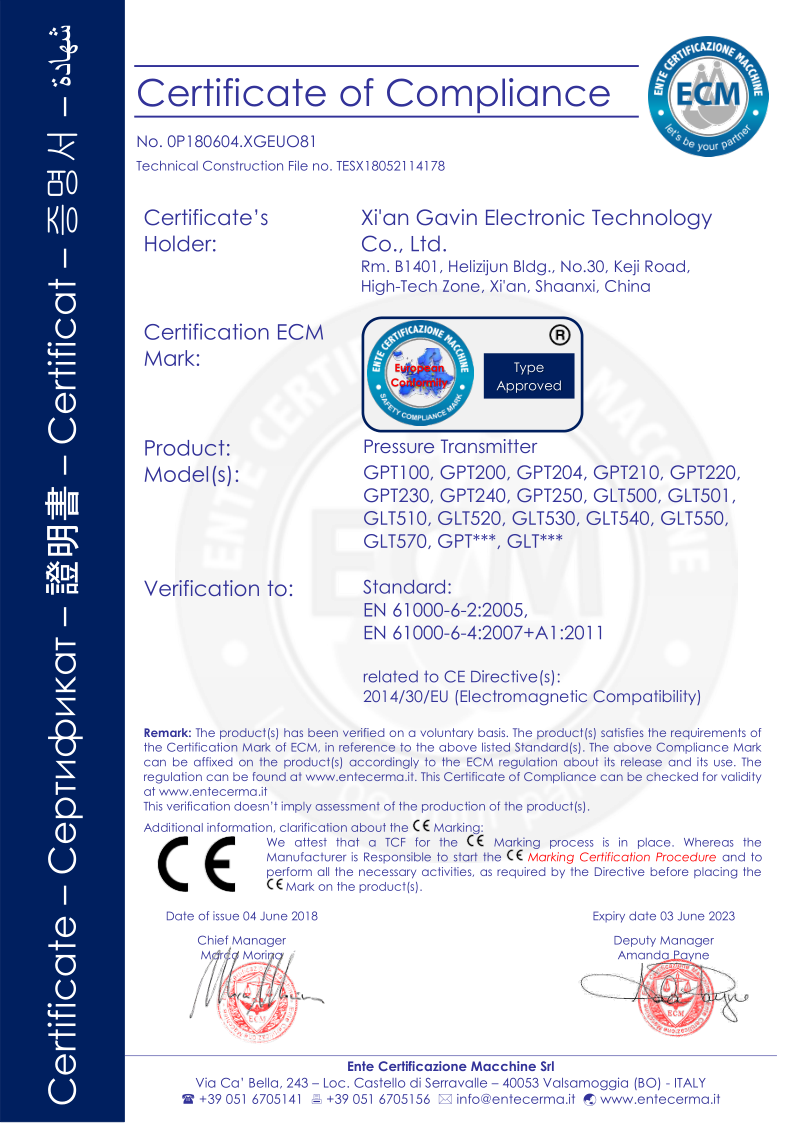
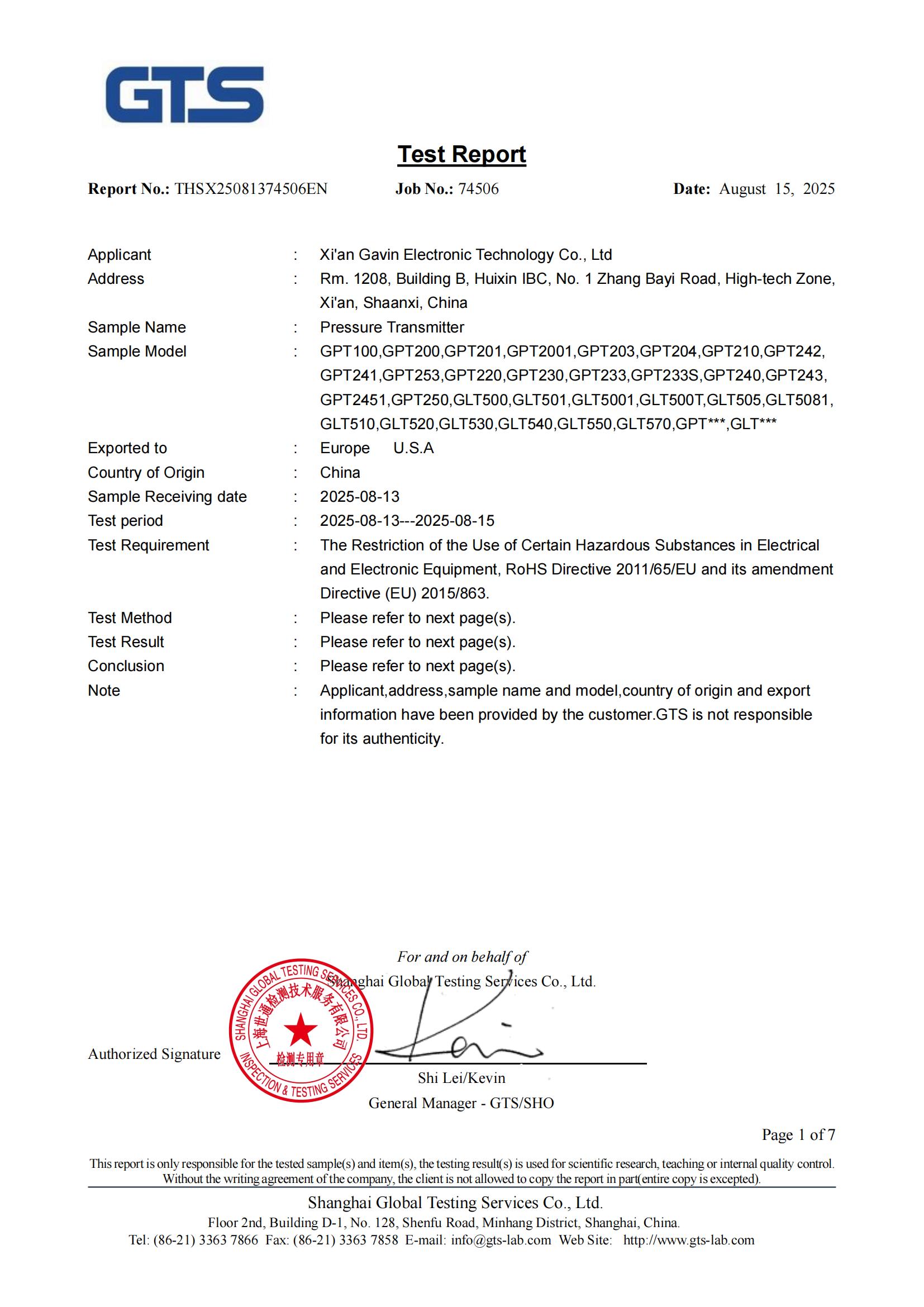
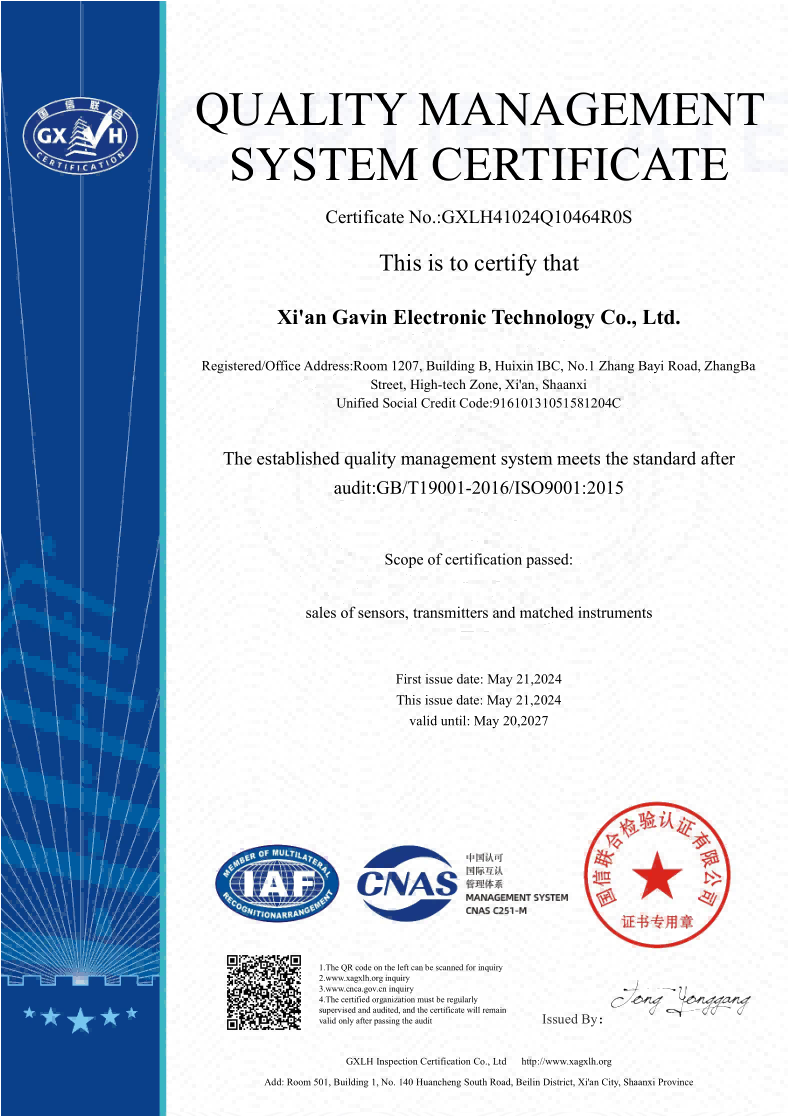
The first part of evaluating a supplier is looking at their technical abilities, such as their product line, customization options, and quality certifications. ISO 9001 certification means that quality management systems have been in place for a while. For more specialized uses, FDA registration or ATEX permission may be needed in addition to ISO 9001 certification. Suppliers who offer manufacturing skills, such as in-house calibration centers and testing tools, show that they are committed to quality control.
Global providers like GAMICOS can offer better prices and a wider range of products. They also offer full technical help and customization services. Their many years of experience working with more than 100 countries shows that they can handle a wide range of application needs and legal compliance needs. Local wholesalers may be faster at delivering goods and offer help on-site, but they may not be able to make as many changes as you'd like.
Total cost of ownership is affected by service skills like professional support, application engineering, and service after the sale in a big way. Application experts who work for suppliers can help with choosing products and integrating systems, which cuts down on engineering costs and implementation time. Long-term practical success depends on detailed documentation, such as installation guides and upkeep routines.
Negotiation Strategies and Cost Optimization
Through economies of scale in manufacturing and transportation, volume agreements allow for big price cuts. Buyers can be sure of good prices with annual purchase deals that release goods every three months. This gives sellers peace of mind when planning their production. Suppliers can lower their product costs by being flexible with shipping times, which can lead to even more price cuts.
OEM agreements are a great way to make your products stand out and cut costs. Collaborative development programs let you change sensors in ways that improve system performance or lower the cost of installation. Custom labeling and paperwork services help OEMs meet their image needs while keeping costs low.
Long-term relationships are good for both parties because they improve communication, lower transaction costs, and allow people to work together to solve problems. When you have established relationships, you can quickly meet urgent needs and get special treatment when the supply chain is interrupted. Reviewing your business on a regular basis can help you find ways to improve it and stay ahead of the competition.
Customization and OEM Manufacturing Opportunities
These days, sensor makers let you customize a lot more than just basic catalog goods. Changes to the pressure range meet the needs of certain systems, and special building materials deal with problems that only happen in certain environments. For narrow working bands, custom calibration ranges improve the precision of measurements.
Customizing the communication standard makes it possible to connect to private control systems or building automation networks. Changing output signals, like adding custom scale or alarm functions, makes system integration easier and cheaper. Electrical connection choices, such as specific connectors or wire assemblies, make the mounting process easier.
Conclusion
To choose the best HVAC differential pressure sensor, you need to carefully look at the technical specs, the surroundings, and the buying plans. Modern sensors, like the GPT250 series, have advanced features like materials that don't corrode, multiple output choices, and high accuracy that are needed in challenging industrial settings.
To do procurement right, you need to find a mix between performance needs and cost considerations while also making sure you have solid supply chain partnerships. When sensors are installed, calibrated, and maintained correctly, they work better and more efficiently throughout their entire operating lifetime. Investing in good differential pressure measurement technology pays off in a big way by saving money on energy costs, lowering upkeep costs, and making the system more reliable.
FAQ
What is the difference between a differential pressure sensor and a standard pressure gauge?
A differential pressure sensor finds the difference in pressure between two places and turns that difference into an electrical signal that can be used to control and watch things from afar. Standard pressure gauges show local absolute or gauge pressure readings but don't send electrical output signs. Differential pressure sensors are necessary for modern HVAC systems because they allow for automatic system control and data logging.
How often should HVAC differential pressure sensors be calibrated?
Industry rules say that most HVAC systems should be calibrated once a year. However, in important environments like cleanrooms or pharmaceutical plants, calibration may need to be done more often. In harsh working situations like high or low temperatures, shaking, or chemical contact, it may be necessary to increase the frequency of calibration to keep measurements accurate.
Can digital differential pressure sensors integrate with existing analog control systems?
Yes, a lot of digital sensors can communicate digitally and also send and receive analog data. The 4-20mA output choice lets you connect to analog control systems that are already in place, and digital methods like Modbus give you more options for upgrading your system. This ability to do two things at once gives you options for both retrofit and new building tasks.
Contact GAMICOS for Premium HVAC Differential Pressure Sensor Solutions
GAMICOS offers state-of-the-art HVAC differential pressure sensor technology, along with full expert support and a reliable global supply chain. Our GPT250 line has modern silicon piezoresistive cores that are very resistant to corrosion and can communicate using multiple protocols. As a top differential pressure sensor seller, we offer a wide range of customization choices and low bulk prices to businesses. Get in touch with info@gamicos.com to talk about your unique needs and find out how our sensor solutions can help your HVAC system work better.
References
1. ASHRAE Standard 111-2008: Measurement, Testing, Adjusting, and Balancing of Building HVAC Systems. American Society of Heating, Refrigerating and Air-Conditioning Engineers, 2008.
2. Building Performance Institute. "Differential Pressure Measurement in Commercial HVAC Systems: Best Practices and Applications." Building Performance Journal, vol. 15, no. 3, 2023, pp. 45-62.
3. Chen, Michael and Roberts, Sarah. "Advanced Sensor Technologies for Energy Efficient Building Management Systems." International Journal of HVAC Engineering, vol. 28, no. 2, 2023, pp. 112-128.
4. International Organization for Standardization. "ISO 5167-1: Measurement of Fluid Flow by Means of Pressure Differential Devices." Geneva: ISO Press, 2022.
5. National Institute of Standards and Technology. "Calibration Procedures for Differential Pressure Measurement Devices in HVAC Applications." NIST Technical Publication 1875, 2023.
6. Thompson, James R. "Procurement Strategies for Industrial Automation Components: A Supply Chain Management Perspective." Industrial Engineering Quarterly, vol. 45, no. 4, 2023, pp. 78-95.

Halen
With over 12 years of experience in fluid sensing technology, Halen specializes in helping clients select and optimize oil level sensors for a wide range of industries—including automotive, marine, heavy machinery, and energy.
We're here to help — submit your request anytime!
Let us know how we can help solve your pressure level measurement challenge.
_1757930850792.jpg)


Recommended Blog
Why Use a Differential Pressure Transmitter in Process Control?
Differential Pressure Sensor vs Gauge: Which Is Better for Pipelines?
Why Use a Differential Pressure Transmitter in Process Control?
Differential Pressure Sensor vs Gauge: Which Is Better for Pipelines?
Why Use a Differential Pressure Transmitter in Process Control?
Differential Pressure Sensor vs Gauge: Which Is Better for Pipelines?
Why Use a Differential Pressure Transmitter in Process Control?
Differential Pressure Sensor vs Gauge: Which Is Better for Pipelines?
Why Use a Differential Pressure Transmitter in Process Control?
Differential Pressure Sensor vs Gauge: Which Is Better for Pipelines?
Why Use a Differential Pressure Transmitter in Process Control?
Differential Pressure Sensor vs Gauge: Which Is Better for Pipelines?
Why Use a Differential Pressure Transmitter in Process Control?