Radar Level Sensors vs Traditional Methods in Pharma Tanks
Limitations of Traditional Level Measurement Methods in Pharma Tanks
- Limitations of Traditional Level Measurement Methods in Pharma Tanks
- Introduction to Radar Level Sensors for Pharma Industry Applications
- Comparing Radar Level Sensors with Traditional Methods: Key Performance Dimensions
- Selecting the Best Radar Level Sensor for Pharma Tanks: Factors and Solutions
- Procurement Guide and Best Practices for Pharma Procurement Managers
- Conclusion
- FAQ
- Partner with GAMICOS for Advanced Radar Level Sensor Solutions
- References
When checking pharmaceutical tanks, the choice between old-fashioned measuring methods and cutting-edge radar technology has a big effect on the accuracy of the process, compliance with regulations, and operating efficiency. Radar level sensors work better than other types because they can measure without touching the object being measured. They give accurate readings while keeping the clean conditions needed for making pharmaceuticals. Radar technology is better than older methods like float sensors or ultrasound devices because it doesn't let contamination happen and stays accurate even when process conditions change. This is why modern pharmaceutical facilities prefer it.
Limitations of Traditional Level Measurement Methods in Pharma Tanks
Traditional level measurement technologies have been used in the pharmaceutical business for many years, but as process needs become more complex, their flaws become more clear. When procurement managers and engineers understand these limitations, they can tell when technology changes are needed to keep processes competitive.
Accuracy and Precision Challenges
Even though float-based devices are very simple, they lose accuracy over time due to mechanical wear. Physical parts in these devices can stick, rust, or stop working, especially when they come in contact with harsh medicinal chemicals. When measuring conductive fluid or when tank conditions change quickly, capacitive devices have the same problems.
Changes in temperature and pressure that happen a lot in pharmaceutical processes have a big effect on how well standard sensors work. Even though ultrasonic devices are very popular, they have trouble with foam formation, vapor presence, and temperature differences that make it hard for sound waves to travel. These outside factors can lead to measurement mistakes ranging from a few centimeters to no signal at all.
Maintenance and Operational Costs
To keep up with accuracy standards, contact-based measurement systems need to be cleaned, calibrated, and have parts replaced on a frequent basis. This plan for repair causes operational downtime that messes up production cycles and makes labor more expensive. Pharmaceutical factories that follow the guidelines for Good Manufacturing Practice can't have measurement errors that affect the quality of batches or their ability to follow the rules.
When process conditions change, traditional sensors need to be re-calibrated often, which requires skilled workers and expensive tools. The total cost of ownership goes up a lot because of all these maintenance tasks. This makes standard ways less cost-effective over long periods of time.
Contamination and Sterility Concerns
Because contact-based monitors are vulnerable to pollution, this may be the biggest problem. Any tool that comes in contact with the process medium can make it dirty, so it needs to be thoroughly checked and cleaned. Pharmaceutical companies have to use thorough cleaning methods around these sensors, which makes the production process more difficult.
Cross-contamination between runs is a big problem when sensors still have leftovers from earlier processes. Even very small amounts of foreign materials can make whole batches of pharmaceuticals unsafe, which can lead to expensive product returns and breaking the law.
Introduction to Radar Level Sensors for Pharma Industry Applications
Precision, dependability, and clean operation are all things that modern pharmaceutical production needs in measurement systems. Radar level sensors are a big step forward in technology because they meet these needs using advanced electromagnetic wave technology that was made to work in tough industrial settings.
Advanced FMCW Technology
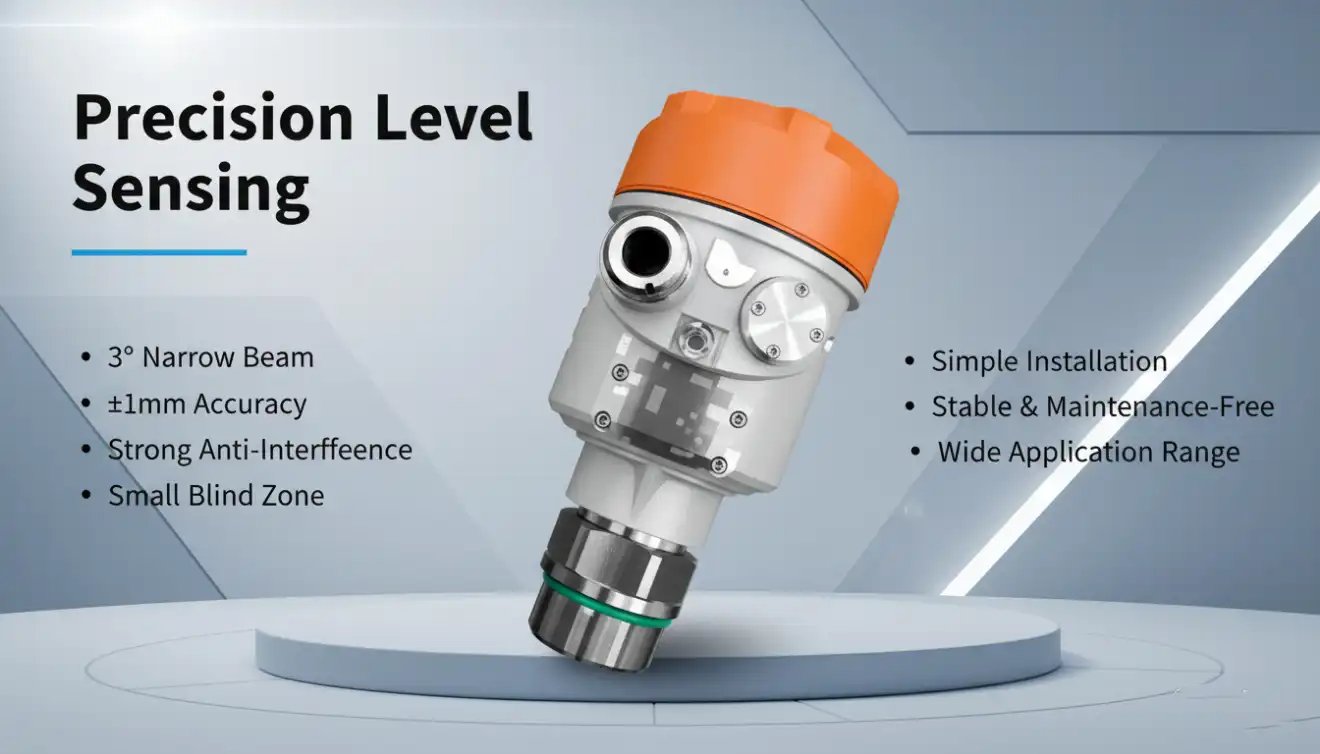
The GLT74 series 80GHz radar level meter uses Frequency Modulated Continuous Wave (FMCW) technology and works in the 80GHz frequency band, which makes it very good at measuring. When the antenna is working, it sends out high-frequency radar signals whose frequency rises in a straight line over time. The receiving antenna picks up the returning waves when these signals bounce off the measured medium surface. It then figures out the distance by comparing the frequencies of the outgoing and received signals.
Fast Fourier Transform methods are used in this complex measurement principle to look at mirrored echo spectra. This lets the system figure out target distances with amazing accuracy. The 80GHz frequency band has many benefits over lower frequency options, including better beam focus and less pollution from outside sources.
Non-Contact Measurement Advantages
Radar technology works by sending electromagnetic waves, so there are no risks of contamination at all. This is different from standard sensors, which need to be in direct touch with the process medium. This method of not touching works especially well in pharmacy settings where keeping things clean is very important.
The technology works the same way every time, even when the process conditions are very different, like when chemicals, high temperatures, and high pressures are used to make medicines. Radar monitors can make accurate measurements even when there is foam, vapor, or dust, which would make it impossible to use standard measuring methods.
Superior Performance Characteristics
Modern radar level receivers can measure with an accuracy of up to 1 mm, which is much better than what older sensors could do. This level of accuracy is shown by the GLT741 radar level emitter, which has a highly focused beam technology that doesn't care about common sources of interference like foam, dust, and tank barriers. These tools give accurate readings for almost any kind of liquid, from solutions that are almost watertight to thick medicine chemicals.
With a measurement range of up to 120m and an ultra-small blind zone that can reach as close as 0.05m from the antenna, this device can work with a wide range of tank designs found in pharmaceutical plants. This makes it unnecessary to use different kinds of sensors for different tasks.
Comparing Radar Level Sensors with Traditional Methods: Key Performance Dimensions
To evaluate measurement technologies, you have to look at how well they work in a number of areas that have a direct effect on pharmacy operations. This in-depth study helps people who work in procurement make smart choices based on measurable rewards and practical needs.
Accuracy and Reliability Performance
When it comes to accurate tests, radar technology always does better than older methods. In ideal situations, float sensors can get as accurate as 5–10 mm, but radar systems can get as accurate as 1 mm no matter what the world is like. This higher level of accuracy directly leads to better process control and more consistent product quality.
80GHz radar has a narrow beam that is usually three wavelengths wide in both the horizontal and vertical directions. This makes sure that readings are taken directly on the liquid surface, without any disturbance from the tank walls or other structures inside. Ultrasonic sensors that are used in tanks often have problems with beam spreading and making fake echoes.
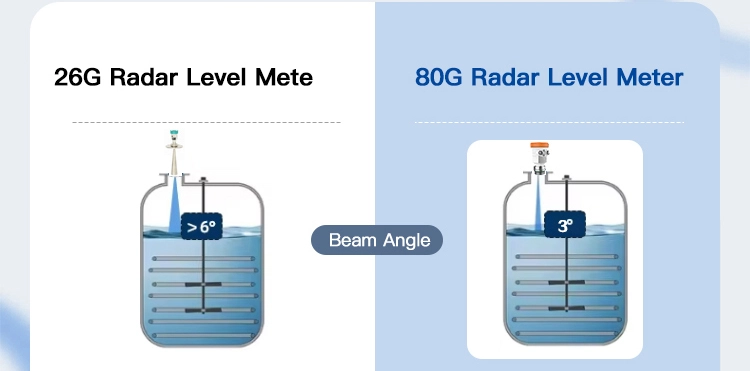
Metrics for reliability show that radar devices keep working the same way for long periods of time without losing their tuning. Traditional sensors need to be re-calibrated often to account for changes in temperature, chemical exposure, and component age that affect reading accuracy over time.
Installation and Maintenance Considerations
Putting in a radar tracker is a lot easier than the old ways, which usually involve changing the tank or building mounting frames or guide structures. Radar technology doesn't need to be touched, so it can be mounted in a variety of ways while still measuring accurately.
When radar is used, maintenance needs drop by a huge amount. Cleaning, replacing parts, and calibrating traditional Radar Level Sensors daily can take a lot of time and money, which can be used for upkeep. Radar monitors don't need to be serviced for years; they only need to be checked for accuracy every so often.
80GHz radar technology has a strong ability to block interference, which makes installation problems with electromagnetic compatibility less likely. Since these sensors work in a fairly clean frequency band, they are not affected by common industrial electromagnetic pollution that can mess up other measurement technologies.
Regulatory Compliance and GMP Adherence
When making medicines, strict rules apply that require testing methods to be checked and proven to work. Radar monitors help with compliance efforts because they are better designed and can record information.
The non-contact measurement principle gets rid of the complicated validation issues that come with cleaning processes, sterilization procedures, and steps to keep sensors from getting contaminated that are needed for contact-based sensors. This makes things easier, which lowers the cost of validation and speeds up the government clearance process.
Modern radar systems can do a lot of different kinds of diagnostics, which helps with the need for constant tracking. These features let you check the performance of a measurement system in real time, which helps with quality assurance programs and the need for legal paperwork.
Selecting the Best Radar Level Sensor for Pharma Tanks: Factors and Solutions
To pick the right radar technology, you need to carefully look at the needs of the product and the different technologies that are offered. Understanding the most important selection factors is the best way to ensure long-term operating success and peak performance.
Technical Specification Requirements
Measurement range suitability is the main selection factor, and the minimum and highest range needs are set by the size of the tank. The GLT74 line can handle ranges from 0.05m to 120m, which includes most pharmaceutical tank designs, from small lab tanks to big production tanks.
When sensors come into contact with strong medicinal substances, chemical compatibility becomes very important. Modern radar devices use antenna materials and coatings that are chemically neutral and don't rust when they come in contact with acids, bases, solvents, and cleaning agents that are often used in pharmaceutical processes.
To make sure effective performance, temperature and pressure ratings must match the conditions of the process. In pharmaceutical uses, high temperatures are common during sterilization processes, and pressure changes happen when containers are filled and emptied.
Technology Type Considerations
Due to its high accuracy and great beam properties, frequency modulated continuous wave radar works better for most pharmaceutical uses. The 80GHz working frequency strikes the best mix between accuracy and measurement range, while also making it less likely that interference will happen.
Pulse radar technology is used in some situations where very long measurement ranges are needed, but it is usually less accurate than FMCW systems. When there isn't a lot of room or the process conditions are very harsh, guided wave radar can be used, but it makes installation more difficult.
Industry Certification and Compliance
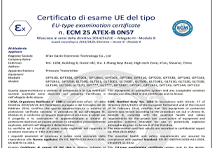
For use in dangerous areas, pharmaceutical radar devices must have the right certifications. These include ATEX, IECEx, and FM approvals for areas where explosive atmospheres may exist. These licenses make sure that work is safe in areas where solvents are handled and other places that could be risky. Hygienic design approvals, like 3A Sanitary Standards or EHEDG approval, show that a monitor is safe to use in pharmacy settings. Material approvals that list chemical compatibility and surface finish requirements help meet regulatory proof needs.
Procurement Guide and Best Practices for Pharma Procurement Managers
To successfully buy radar level sensors, you need to plan ahead and carefully evaluate the skills of each seller. These best practices can help you make smart purchases that will pay off in the long run.
Supplier Evaluation and Selection
To find suitable suppliers, you have to look at their professional skills, quality processes, and support infrastructure. Companies that have been around for a while and have experience in the pharmaceutical business usually make better goods and offer services that meet the needs of the industry.
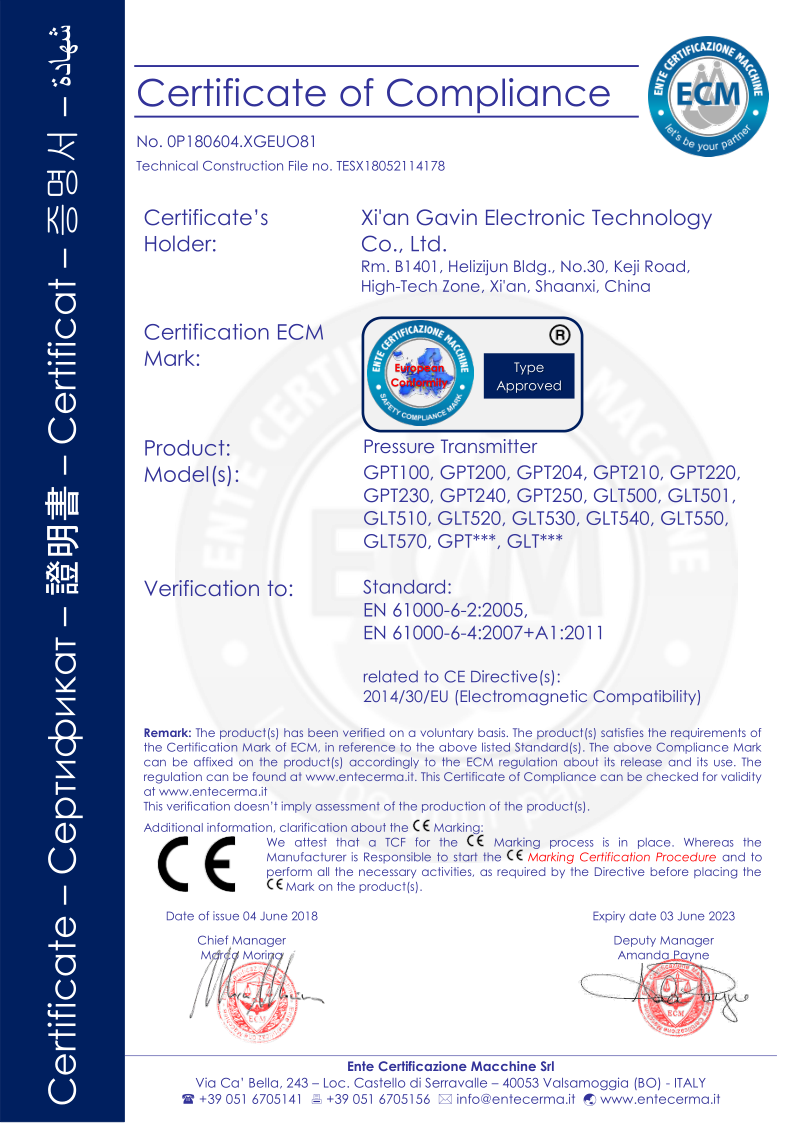
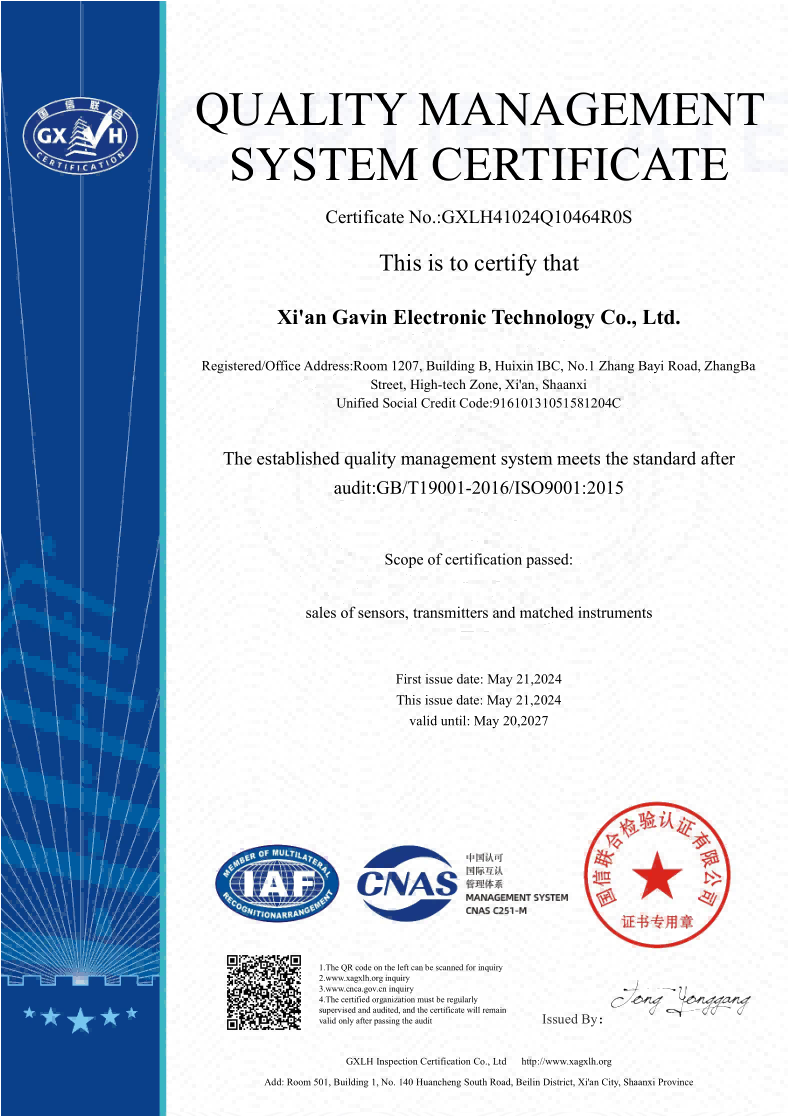
Quality approvals from suppliers, like ISO 9001 and guidelines for pharmaceuticals, show that they are committed to quality management systems. Third-party certifications and checks of manufacturing facilities give even more guarantee of product quality and consistency.
Having the right technical help is very important during installation, setup, and ongoing use. Suppliers who focus only on selling products aren't as valuable as those who offer detailed technical documents, training programs, and quick customer service.
Cost Analysis and Budget Planning
The total cost of ownership study looks at the price of the sensor, how much it costs to place, how much it costs to maintain, and how much it saves in operational costs over its lifetime. Even though radar devices usually cost more at first than other options, they are often worth the money because they require less upkeep and work more accurately.
For places that need a lot of sensors, buying them in bulk can save them a lot of money. A lot of sellers offer discounts for buying in bulk and customization services that lower the cost per unit while still meeting the needs of a particular application. Warranty terms and service agreements protect you from costs you didn't expect and make sure your business keeps running. More value and less danger are provided by warranties that cover both parts and performance.
Installation and Commissioning Support
Professional placement services make sure that the Radar Level Sensors work at their best from the start. Technicians with a lot of experience can spot possible construction problems and fix them in a way that makes measurements more accurate and reliable.
Comprehensive testing and paperwork should be part of the commissioning process to make sure that performance standards are met. Commissioning something correctly lowers the risk of operating problems and meets legal validation requirements. Maintenance workers get training to make sure that things keep running at their best and to spot problems before they affect production. Long-term support costs go down and practical efficiency goes up when people get a lot of training.
Conclusion
Because of the strict rules about accuracy, dependability, and following the law in the pharmaceutical business, radar level sensors are the best choice for current tank tracking tasks. Traditional ways of measuring have problems with accuracy, upkeep, and contamination. Radar technology, on the other hand, works consistently well because it doesn't need to touch anything and has advanced signal processing abilities. Radar sensors are a great way for procurement managers to update their measurement equipment because they lower operational costs, improve process control, and make it easier to follow regulations. This makes them an essential investment for pharmaceutical companies that want to stay competitive.
FAQ
What makes radar level sensors suitable for sterile pharmaceutical environments?
Radar level monitors work by sending electromagnetic waves without touching the medium, so they don't come into direct contact with it, which could make it dirty. The technology keeps things clean and accurate while being used in a wide range of medicinal settings, from storing raw materials to filling tanks with finished products.
How do radar sensors perform compared to ultrasonic sensors in harsh chemical conditions?
In harsh chemical settings, radar works better than ultrasonic technology because electromagnetic waves are not affected by chemical fumes, temperature differences, or corrosive atmospheres that stop ultrasonic signals from traveling. Advanced radar devices use the 80GHz frequency band, which is very resistant to interference from other sources.
What certifications should pharmaceutical facilities look for when selecting radar sensors?
Some important certifications are clean design certifications like 3A Sanitary Standards, approvals for working in dangerous areas like ATEX and IECEx for explosive atmospheres, and paperwork showing that the materials used are compatible. These approvals help make sure that operations are safe and meet legal validation requirements in places where drugs are made.
Partner with GAMICOS for Advanced Radar Level Sensor Solutions
GAMICOS offers state-of-the-art radar level measurement technology that was designed to meet the exacting and dependable needs of pharmaceutical applications. Our GLT74 line 80GHz radar sensors can measure with millimeter accuracy while keeping the clean conditions needed for making medicines. With full OEM/ODM customization options and a global support network that spans over 100 countries, GAMICOS makes sure that your measurement needs are met by experts from the first meeting to long-term use.
Get in touch with our tech experts at info@gamicos.com to learn more about how custom radar level sensor solutions can help you improve process control while still meeting the strict standards of the pharmaceutical business. As a reputable company that makes radar level sensors, we offer full documentation, certification support, and technical knowledge to speed up the execution of your project and make sure that the sensors work at their best throughout their entire lifecycle.
References
1. International Society of Automation. "Measurement and Control Systems for Pharmaceutical Manufacturing: Technology Assessment and Implementation Guidelines." ISA Technical Report, 2023.
2. Pharmaceutical Engineering Society. "Level Measurement Technologies in Sterile Manufacturing: Comparative Analysis of Traditional and Advanced Methods." Journal of Pharmaceutical Engineering, Vol. 45, No. 3, 2023.
3. FDA Center for Drug Evaluation and Research. "Process Analytical Technology Guidance for Industry: Level Measurement Systems in Pharmaceutical Manufacturing." Federal Register, 2023.
4. European Medicines Agency. "Good Manufacturing Practice Guidelines: Instrumentation and Control Systems for Pharmaceutical Production." EMA Technical Document, 2023.
5. American Institute of Chemical Engineers. "Radar Technology Applications in Process Industries: Performance Evaluation and Selection Criteria." AIChE Process Safety Progress, 2023.
6. International Pharmaceutical Federation. "Advanced Measurement Technologies for Pharmaceutical Quality Assurance: Technology Transfer and Implementation Strategies." FIP Technical Monograph, 2023.

Peter
Peter, Senior Sensor Technology Consultant, has 15-year industrial sensor R&D experience. He specializes in the end-to-end development of high-accuracy pressure and level sensors and he firmly believe, precision isn’t just a spec—it’s a promise.
We're here to help — submit your request anytime!
Let us know how we can help solve your pressure level measurement challenge.
_1757930850792.jpg)
Recommended Blog
OEM/ODM Radar Level Sensors: How to Select the Right Supplier?
OEM/ODM Radar Level Sensors: How to Select the Right Supplier?