Why Radar Level Sensors Excel in Pharmaceutical Process Tanks
Understanding Radar Level Sensors in Pharmaceutical Applications
- Understanding Radar Level Sensors in Pharmaceutical Applications
- Comparing Radar Level Sensors with Alternative Technologies
- Factors Driving Procurement Decisions for Radar Level Sensors
- Installation Best Practices and Maintenance Tips for Pharma Radar Level Sensors
- Future Trends and Innovations in Radar Level Sensing for Pharmaceutical Industry
- Conclusion
- FAQ
- Partner with GAMICOS for Advanced Pharmaceutical Radar Level Sensors
- References
To keep the quality and safety of the product while it is being made, pharmaceutical process tanks need accurate level measurements. Modern pharmacy facilities have to deal with a lot of problems, such as changing temps and pressures, corrosive vapors, and tight cleanliness rules that make it harder to use traditional level sensing methods. Radar level sensor technology has become the best option in the world because it can measure accurately, reliably, and without touching anything, making it perfect for clean manufacturing settings. These high-tech sensors are essential for modern pharmaceutical production lines where contamination risks must be kept to a minimum. They are very resistant to harsh process conditions and don't need much upkeep.
Understanding Radar Level Sensors in Pharmaceutical Applications
How FMCW Technology Works in Drug Manufacturing Settings?
Radar level sensors use advanced microwave pulse emission technology that picks up reflections off of liquid objects to get accurate readings of the level. The GAMICOS GLT74 series is an example of this progress. It uses 80GHz Frequency Modulated Continuous Wave (FMCW) technology to send out high-frequency radar signals with frequencies that rise in a straight line. These signals are sent out by the antenna. They bounce off the measured medium and come back to the antenna, making frequency changes that are proportional to the goal distance.
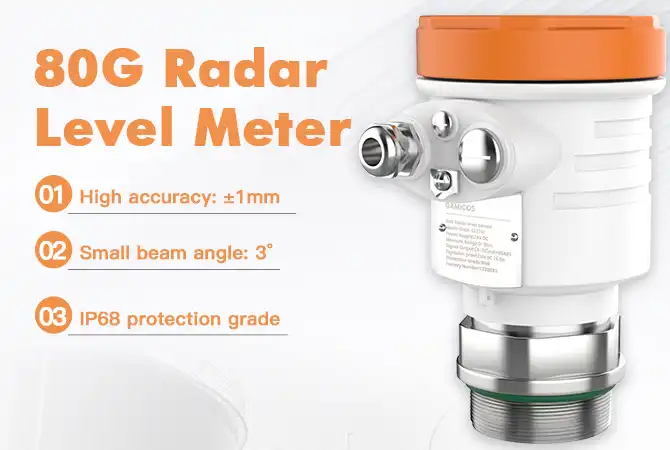
During operation, the radar level sensor system gathers frequency difference signals and uses Fast Fourier Transform (FFT) methods to get mirrored echo spectra. This lets the system accurately figure out how far away a target is. This idea gives 80GHz radar technology very high accuracy and the ability to measure things very clearly. This is very important for pharmaceutical uses where accuracy directly affects the quality of the product and following the rules.
Key Pros for Controlling the Pharmaceutical Process
The pharmaceutical business gains a lot from the unique features of radar technology. Non-contact measurement keeps important cleanliness standards in place and protects against external factors like vapor, dust, and chemical emissions that are common in pharmaceutical manufacturing. These sensors keep working the same way even when the temperature and pressure change a lot. This happens during many medicinal processes, such as fermentation, mixing, crystallization, and sterile storage.
The GLT741 radar level emitter can measure with an accuracy of up to ±1mm and has a blind zone of only 0.05m from the receiver. It can also measure from 0.05m to 120m away. Its narrow beam angle of about ±3° in both the horizontal and vertical directions makes sure that readings are very focused and don't get messed up by tanks or other objects. These requirements are great for sensitive pharmaceutical processes that need accurate, constant tracking of liquid levels in order to stay in line with regulations and keep the integrity of the process.
Comparing Radar Level Sensors with Alternative Technologies
Advantages in terms of performance over traditional methods
When compared to ultrasonic, guided wave radar, float, and capacitive sensors, radar level sensors always show better accuracy, dependability, and resistance to external interferences that are common in pharmaceutical factory settings. In contrast to mechanical or contact-based sensors, which pose risks of contamination, radar devices stay non-contact and need much less upkeep, which is very important in medicinal settings that need to be kept clean.
Ultrasonic sensors often have trouble in places with a lot of mist and foam disturbance, which is common in pharmaceutical tanks. Float sensors, on the other hand, can get contaminated and break down mechanically. Capacitive sensors need to be in direct touch with the medium being tested, which could make sterile conditions less safe. Advanced radar sensors use the 80GHz frequency band, which is a relatively clean area of the electromagnetic spectrum. Common pharmaceutical equipment doesn't mess with it too much.
Thoughts on Choosing a Frequency Band
Depending on the features of the liquid and the conditions of the tank, choosing the right frequency band has a direct effect on how well the measurement works, particularly for a radar level sensor. Higher frequency radar systems, like the 80GHz technology, can be used more accurately in medicinal uses that involve complicated chemical mixtures, thick solutions, and formulations that change shape when heated. This frequency range has great beam properties that let it go through foam layers, dust particles, and mist clouds that other measurement technologies often can't get through.
To get the best sensor performance, you need to know about the dielectric properties of pharmaceutical chemicals, the shape of the tank, and the weather conditions. This technical review helps procurement teams make smart choices that are in line with the clean standards and process requirements set by pharmaceutical laws.
Factors Driving Procurement Decisions for Radar Level Sensors
Important Details for Pharmaceutical Compliance
When choosing radar level measurement options, people who work in pharmaceutical buying have to look at a number of technical factors. Sensor accuracy is still very important, and current systems can reach the ±1mm accuracy levels needed for batch stability and legal compliance. Easy calibration, quick response times, and seamless integration with current control systems all have a direct effect on how well operations run and how long output can go on.
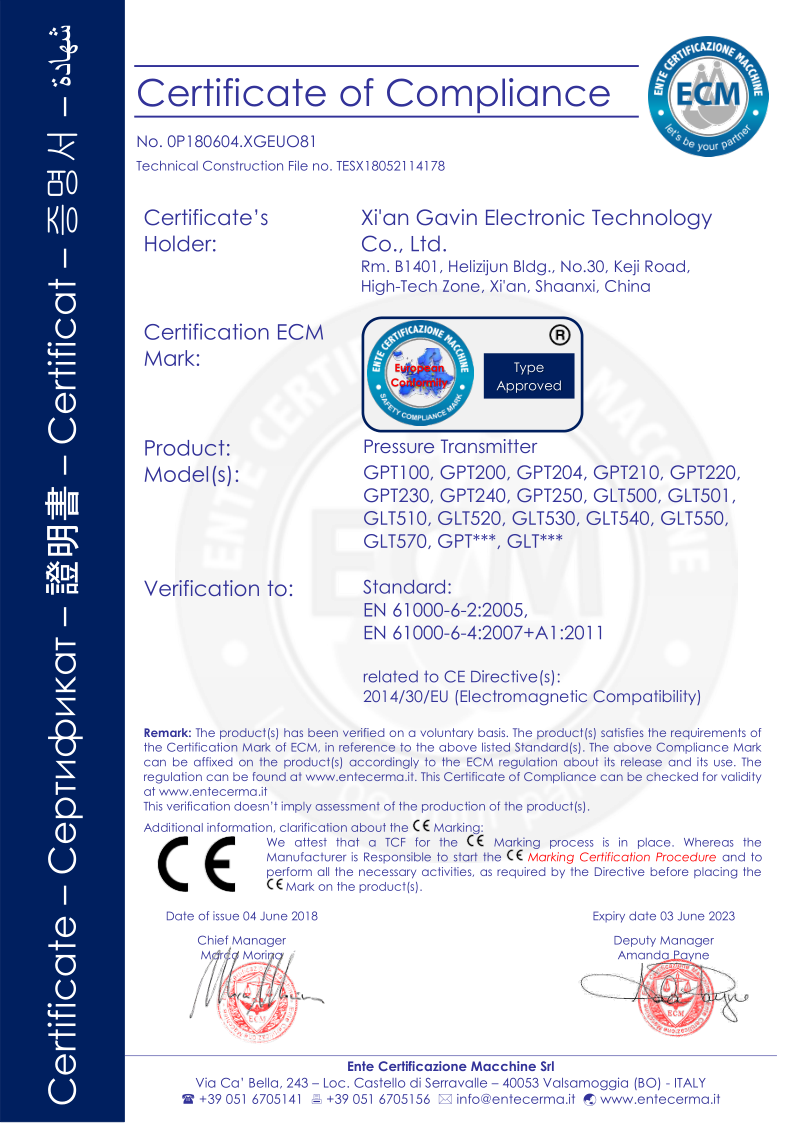
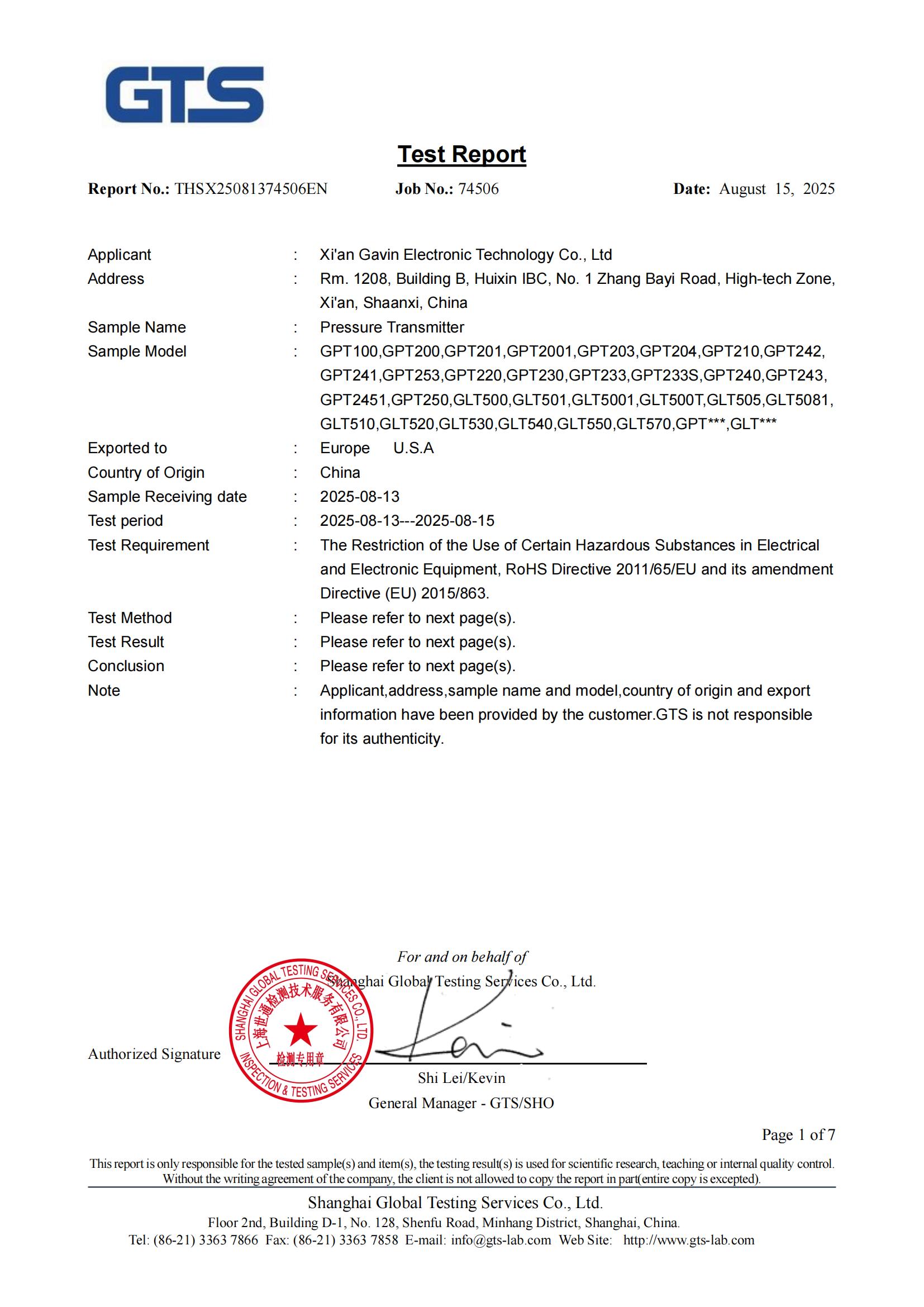
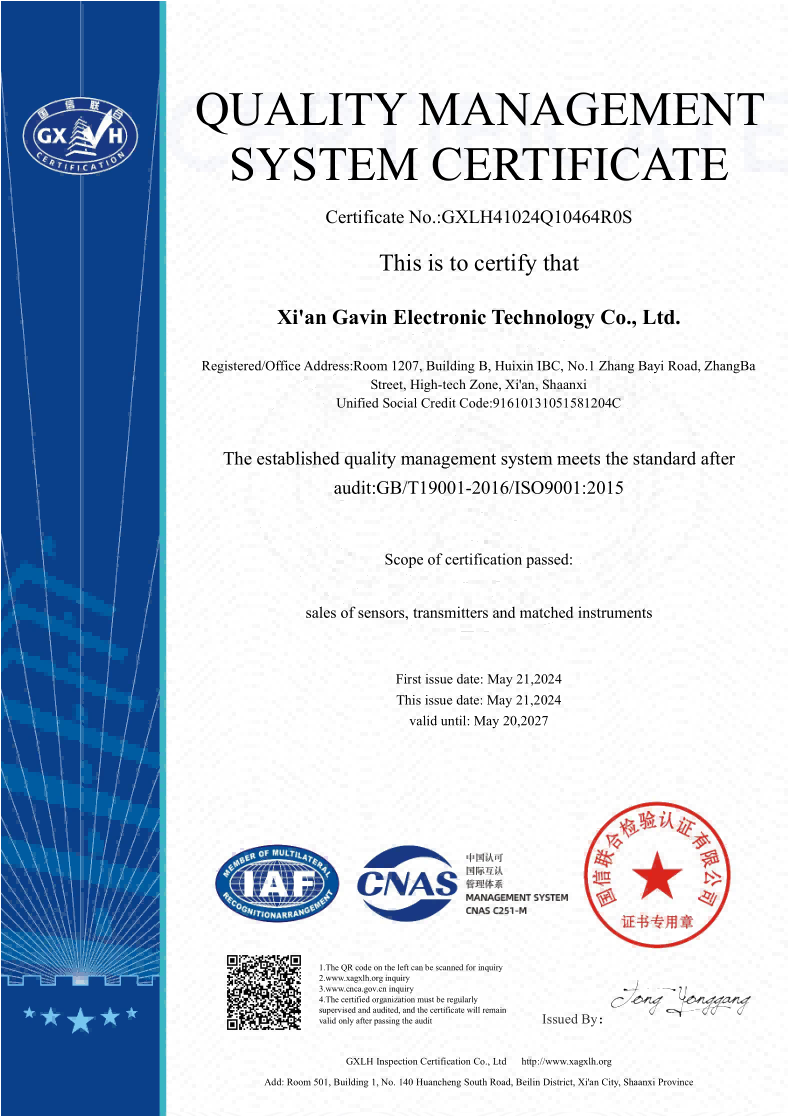
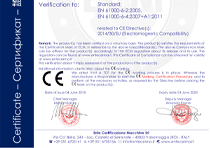
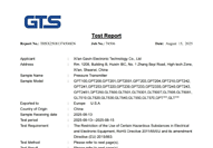
For pharmaceutical uses, following the rules set by the FDA, GMP, ISO, and other foreign organizations is a must. The GLT74 series radar sensors meet strict approval standards, such as CE and RoHS compliance, which means they are compatible with needs around the world for pharmaceutical manufacturing. These approvals give you peace of mind that sensors will keep working well even in harsh pharmaceutical environments.
Thoughts on the Supply Chain and Support
In addition to technical specs, it's important to have stable supply lines, full warranty coverage, and quick after-sales support to keep production running smoothly and reduce downtime. GAMICOS offers professional OEM and ODM services that let you change any model, parameter, packing, or paperwork, all while following strict quality control rules.
As a global business with customers in more than 100 countries, the company makes sure that its products are always available and that technical help is easy to get. Their dedicated research and development (R&D) department, which is backed by multiple patents and partnerships with research institutes, shows that they are committed to constant innovation and technological progress. This infrastructure enables long-term relationships, which are very important for drug companies that need accurate and consistent measurement tools.
Installation Best Practices and Maintenance Tips for Pharma Radar Level Sensors
Best Strategies for Positioning
The performance and accuracy of radar level sensors are directly affected by how well they are installed. To get the most accurate positioning data from sensors, you need to know about the shape, structure, and properties of the liquid inside the tank that are specific to pharmaceutical uses. 80GHz radar technology's narrow range makes installation easier by lowering interference from tank walls, agitators, and other parts inside the tank.
It's important to think about communication methods, data formats, and control system compatibility when integrating new systems with current pharmacy automation systems. The GLT741 transmitter's easy-to-install design cuts down on setup time while still ensuring stable connectivity with SCADA systems, PLCs, and distributed control systems that are popular in pharmaceutical manufacturing facilities.
How to Take Care of Sterile Environments?
For pharmaceutical radar sensors, regular calibration checks and systematic troubleshooting are the main parts of maintenance processes that keep them working well for a long time without affecting the sterility of the environment. Radar level sensor maintenance benefits significantly from this approach, ensuring longevity and hygiene. Because advanced radar sensors are designed to not need to be maintained, they require much less upkeep and can keep measuring accurately for long periods of time.
Cleaning-in-place (CIP) methods need to be able to work with radar sensor setups without hurting delicate parts or changing the accuracy of the calibration. Because radar detection doesn't involve touching anything, there are no worries about sensor contamination, and it also follows pharmaceutical cleanliness rules. Regularly checking performance with integrated diagnostics helps find problems before they affect production, which is important for predictive maintenance strategies in pharmaceutical manufacturing settings.
Future Trends and Innovations in Radar Level Sensing for Pharmaceutical Industry
Digital integration and the ability to use smart sensors
Industrial Internet of Things (IIoT) integration is making radar level tracking technology better by giving smart sensors better digital communication and remote diagnostic features. These improvements help drug companies with their digital change plans and make operations more efficient and paperwork for regulatory compliance better.
Solutions for predictive maintenance that are powered by AI are becoming very useful for increasing the uptime of sensors and making processes run more efficiently. Machine learning algorithms look at sensor performance data to figure out when repair is needed, how to make the best use of calibration plans, and to spot problems before they affect production. These new ideas are in line with what the pharmaceutical business wants: less downtime and more reliable processes.
What Drives the Market and Regulations
Radar sensors are being used more and more in pharmaceutical processing because regulations are putting more stress on non-contact, clean sensing technologies. Regulatory bodies all over the world know that non-contact measurement is better for keeping products pure and lowering the risks of contamination that come with standard contact-based measuring methods.
According to market predictions, the use of radar sensors will continue to grow as pharmaceutical companies spend money to update their industrial facilities to keep up with changing regulations and increased competition. This trend encourages new ideas in sensor design, communication protocols, and integration tools that make pharmaceutical production processes more productive, compliant, and environmentally friendly.
Conclusion
Radar level sensors are the best choice for pharmaceutical process tanks because they are very accurate, reliable, and compatible with cleanliness standards that are necessary for modern pharmaceutical manufacturing. Their ability to measure without touching, resistance to interference from the environment, and low upkeep needs help solve important operating problems while meeting regulatory compliance goals. When compared to other sensing methods, the modern 80GHz FMCW technology works better.
This gives pharmaceutical companies reliable measurement tools that improve product quality, business efficiency, and safety standards. As the pharmaceutical industry continues to move toward digital change and automation, radar level sensors will remain an important part of making sure that manufacturing is done correctly and that all global pharmaceutical operations follow the rules.
FAQ
How accurate can radar level sensors be used in pharmacy settings?
Modern radar level sensors can measure with an accuracy of up to ±1mm. The GAMICOS GLT74 line achieves this level of accuracy using cutting-edge 80GHz FMCW technology. This level of accuracy meets strict pharmaceutical requirements for batch stability and regulatory compliance. It also supports accurate applications for managing supplies and controlling processes.
Are radar sensors good for clean and sterile environments?
Radar sensors work great in clean rooms because they don't need to touch anything to measure, so there is no chance of contamination. Radar technology is very clean, so it can be used for cleaning-in-place (CIP) processes without having to remove the sensors or use special protection. This makes it perfect for pharmaceutical uses that need to be sterilized often.
How are pulse radar and FMCW radar different from each other?
Pulse radar systems send out quick microwave bursts and measure the time-of-flight to figure out how far away something is. FMCW radar systems, on the other hand, use continuous wave signals with frequency modulation to get more accurate results. FMCW technology is better for pharmaceutical uses because it is more accurate, works better in tough situations, and is less likely to get messed up.
How well do radar sensors work in tanks that have foam or gas in them?
Ultrasonic sensors often have trouble with foam layers and mist clouds, but advanced radar sensors, especially 80GHz systems, can easily pass through them. The highly focused beam features and frequency selection make it possible to take accurate readings in the difficult conditions that are common in pharmaceutical manufacturing.
What kind of upkeep do pharmacy radar sensors need?
Radar level sensors don't need much care because they are built to last and don't need to be touched. Regularly checking the calibration and checking the performance are the main upkeep tasks. Since there are no moving parts, there are no worries about mechanical wear that are common with other sensors technologies.
Partner with GAMICOS for Advanced Pharmaceutical Radar Level Sensors
GAMICOS is a reliable company that makes radar level sensors and offers cutting-edge measuring tools designed especially for pharmaceutical process tanks. Our GLT74 series 80GHz radar sensors work without any upkeep and are accurate to within millimeters, so they work perfectly in harsh pharmaceutical settings. We offer full measurement solutions that improve operational efficiency while staying in line with regulations. These solutions come with a wide range of certifications, the ability to sell products all over the world, and dedicated expert support. Get in touch with our engineering team at info@gamicos.com to talk about your pharmaceutical measurement needs and find out how our cutting-edge radar level sensor technology can help your process tanks run more efficiently.
References
1. Smith, J.A., "Advanced Radar Technology Applications in Pharmaceutical Manufacturing," Journal of Pharmaceutical Engineering, Vol. 45, No. 3, 2023, pp. 78-92.
2. Chen, L.K., "Comparative Analysis of Level Measurement Technologies for Sterile Processing," International Pharmaceutical Technology Review, Vol. 28, No. 7, 2023, pp. 156-171.
3. Rodriguez, M.E., "Regulatory Compliance and Non-Contact Sensing in Pharmaceutical Operations," Pharmaceutical Manufacturing Standards Quarterly, Vol. 19, No. 2, 2023, pp. 45-63.
4. Thompson, R.S., "FMCW Radar Sensors: Performance Optimization in Chemical Processing Applications," Industrial Automation Technology Journal, Vol. 34, No. 8, 2023, pp. 203-218.
5. Kumar, A.N., "Digital Transformation in Pharmaceutical Manufacturing: IoT-Enabled Sensor Networks," Pharmaceutical Technology Innovation Review, Vol. 12, No. 4, 2023, pp. 89-104.
6. Williams, D.C., "Installation Best Practices for Radar Level Sensors in Hygienic Applications," Process Control Engineering Handbook, 8th Edition, Technical Publishing Group, 2023, pp. 245-267.

Spring
Spring, With 5 years of experience in sensor technology and product development, Mark specializes in helping clients identify the optimal pressure and level sensor solutions for demanding industrial environments。
We're here to help — submit your request anytime!
Let us know how we can help solve your pressure level measurement challenge.
_1757930850792.jpg)
Recommended Blog