Radar Level Transmitter Buying Guide for Asphalt Tanks
Introducing Radar Level Transmitters: Principles and Applications
- Introducing Radar Level Transmitters: Principles and Applications
- How to Choose the Best Radar Level Transmitter for Asphalt Tanks?
- Comparing Top Radar Level Transmitters for Asphalt Tanks
- Installation and Troubleshooting Guide for Radar Level Transmitters in Asphalt Tanks
- Procurement Insights: Purchasing Radar Level Transmitters for Asphalt Tanks
- Conclusion
- FAQ
- Partner with GAMICOS for Advanced Radar Level Measurement Solutions
- References
For keeping activities safe and running smoothly, managers of asphalt storage operations need to keep a close eye on the levels. Due to its high temperatures and thick consistency, asphalt makes it hard to get exact readings. A Radar Level Transmitter is the best tool for these tough conditions. These high-tech tools use electromagnetic wave technology to measure levels without touching the item. This makes sure that inventory is well managed and that there aren't any dangerous or expensive overstocks. This detailed guide meets the unique needs of purchasing managers, engineering teams, and industrial automation experts who are looking for reliable radar measurement options.
Introducing Radar Level Transmitters: Principles and Applications
The radar level measurement technology uses complex electromagnetic principles that make it perfect for tough industrial uses like keeping an eye on asphalt tanks. Sending microwave signals toward the surface of the object and timing how long it takes for the signals to bounce back to the receiver is the basic idea behind how it works.
Advanced FMCW Technology Explained
Frequency Modulated Continuous Wave (FMCW) technology is used in modern radar level transmitters. This is a big step forward from older pulsing radar systems. The GAMICOS GLT74 series is an example of this new idea; it works at an 80GHz frequency band and has advanced signal processing features. When the receiver is working, it sends out high-frequency FMCW radar pulses that get stronger over time. The change in frequency between the sent and received signals is equal to the goal distance when these signals bounce off the surface of the medium being measured. This advanced method, when paired with Fast Fourier Transform (FFT) processing, makes it possible to measure distances with an accuracy of ±1mm.
Non-Contact vs. Guided Wave Technologies
When buying teams know the difference between non-contact and guided wave radar technologies, they can choose the best options for their needs. Non-contact radar receivers work through free-space propagation, which makes them perfect for asphalt tanks where installing a probe might be hard or not possible. Most of the time, these systems have narrow beam angles (about 3°) that keep interference from tank parts to a minimum while still allowing accurate readings over long distances.
Guided wave radar, on the other hand, uses actual probes to send electromagnetic waves in a specific direction. While this technology is very accurate in some situations, the high temperature and viscosity of asphalt often make non-contact methods more useful and easier to maintain.
Advantages Over Alternative Technologies
When it comes to harsh asphalt storing conditions, radar technology works better than ultrasonic and capacitance monitors. Extreme temperature changes and vapor interference are problems for ultrasonic sensors in asphalt uses. Capacitance sensors, on the other hand, need to be in direct touch with the medium, which can cause problems with coatings and upkeep. Radar level transmitters get around these problems by using electromagnetic waves that don't change when the temperature changes, when vapors are present, or when the density of the object changes.
How to Choose the Best Radar Level Transmitter for Asphalt Tanks?
To choose the best radar level measurement option for an asphalt handling setting, you need to carefully think about a number of scientific and operational factors. By knowing these standards, procurement teams can better match the skills of a product with the needs of a specific application.
Environmental Compatibility Requirements
Keeping asphalt in storage creates special environmental problems that have a direct effect on the choice of radar transmitter. Because asphalt needs to be stored at ranges between 150°C and 180°C (302°F and 356°F), temperature flexibility is very important. Good radar level receivers must be able to handle these high temperatures and still keep their electrical stability and measurement accuracy.
Chemical compatibility is another important thing to think about. Over time, asphalt's chemicals and other ingredients can change sensing materials. Choosing receivers with the right housing materials and protected coatings will make them last longer and require less upkeep.
Measurement Range and Accuracy Specifications
The size of the tank and the level of accuracy needed for measurements have a big impact on the choice of radar transmitter. Modern 80GHz radar technology is very good at this, with measurement ranges from 0.05 meters to 120 meters and dark spots as small as 0.05 meters from the receiver. This mix of a wide range and a small dead zone makes it possible to use different tank setups while still getting accurate readings across the whole storage capacity.
Ultra-high measurement accuracy of ±1mm is possible with advanced systems like the GLT74 series. This makes it possible to handle supplies and find leaks more accurately than with older measurement methods.
Safety Certifications and Hazardous Area Classifications
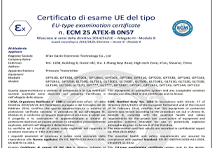
Because of the risk of fire and vapor emissions, asphalt storage sites usually need equipment that has been approved for use in dangerous areas. For working in dangerous atmospheres, ATEX, IECEx, and FM approvals are necessary licenses. These approvals make sure that operations in secret areas are safe while measuring accuracy is maintained.
Teams in charge of buying things should make sure that the radar devices they are considering meet the safety standards needed for the places where they will be installed and how they will be used.
Comparing Top Radar Level Transmitters for Asphalt Tanks
There are a number of well-known companies in the radar level measurement market that offer products that are specifically made for business use. Procurement experts can make better choices about technical capabilities, pricing, and long-term support when they know what their competitors are doing.
Leading Industry Solutions
Radar level measurement packages from well-known companies like VEGA, Siemens, and ABB have been designed to work with a wide range of industrial uses. VEGA's VEGAPULS line is built to last and provides solid performance in tough conditions. The SITRANS line from Siemens offers advanced diagnostic features, while the radar measurement options from ABB focus on making integration easy.
GAMICOS brings new 80GHz technology to this competitive market, providing advanced FMCW features that provide better measurement accuracy at reasonable prices. The company's focus on personalization and OEM support makes its products more useful for uses that need unique setups.
Technical Performance Comparison
When comparing different radar level transmitters, the working frequency, measurement precision, environmental ratings, and signal processing skills are some of the most important performance factors. Higher working frequencies usually mean more accuracy and smaller beam angles, which makes it better for tanks that have things inside them blocking the beam.
The 80GHz frequency band has clear benefits over traditional 26GHz systems, such as better signal focus, lower interference risk, and higher measurement precision. These benefits have a direct effect on better performance in asphalt tank uses that need accuracy and dependability.
Commercial Considerations
The original buy price is only one part of the total cost of ownership. Other costs include setup, commissioning, maintenance, and long-term assistance. Checking the warranty terms, expert support, and availability of spare parts can help make sure that activities can go on for as long as the equipment is in use.
When planned repair breaks or new building projects happen, lead times and the dependability of deliveries become even more important. Building ties with manufacturers who offer flexible shipping times and quick customer service cuts down on project risks and downtime.
Installation and Troubleshooting Guide for Radar Level Transmitters in Asphalt Tanks
Installing and maintaining radar level transmitters correctly has a direct effect on how well they work and how long they last. Knowing the best ways to setup, configure, and fix problems makes sure that measurements are accurate and the system works well.
Installation Best Practices
The most important thing for getting accurate, stable readings is placing the antennas correctly. It is best to place the antenna vertically above the surface of the material and not close to the tank walls, heating coils, or other internal structures that could bounce the signal. For best efficiency, minimum clearance lengths need to be at least one meter from the tank walls.
Electrical lines have to be able to handle the high temperatures that are common in asphalt storage while still keeping the purity of the signal. Using the right types of cables and junction boxes keeps signals from weakening and guarantees a reliable link over time.
Configuration and Calibration Procedures
Modern radar level transmitters can be set up in a lot of different ways to get the best results for each purpose. To set the right measurement ranges, use averaging methods, and set warning levels, you need to know about both the measurement technology and the needs of the application.
Setting up reference places at known levels and checking the accuracy of measurements across the whole working range are common parts of calibration processes. Modern systems have automatic calibration methods that make this process easier and make sure that the system always works the same way.
Common Troubleshooting Scenarios
The most common problem that radar level transmitters have to deal with is signal confusion. Systematic study of installation conditions and signal processing factors is needed to find and reduce interference sources. Modern 80GHz systems are better at blocking interference because they work in mostly clean frequency bands with few outside sources of interference.
Regular checks of the antenna, the link, and the performance should be part of maintenance plans so that problems can be found before they affect operations. Preventative repair methods cut down on unplanned downtime and increase the useful life of machinery.
Procurement Insights: Purchasing Radar Level Transmitters for Asphalt Tanks
To make good buying plans for radar level transmitters, you need to balance technical performance needs with business concerns like cost, delivery, and the ability to provide long-term support. Understanding how the market works and what suppliers can do helps you make the best buying choices.
Pricing Factors and Budget Planning
The price of a radar level transmitter changes a lot depending on its technical details, licenses, and services that come with it. Basic 26GHz systems usually have cheaper prices at first, but they may need more features or more upkeep over time. The more advanced 80GHz technology costs more, but it performs better and might have lower total purchase costs.
When making a budget, it's better to think about how much the whole answer will cost, which includes installation tools, commissioning services, and training. A lot of sellers offer deals that include both gear and services, which could lower the overall cost of the job.
Supplier Evaluation Criteria
When looking for trusted suppliers, you need to look at their technical skills, the quality of their products, their customer service infrastructure, and their financial security. Suppliers who have worked with a lot of applications in the asphalt and oil businesses know how to deal with certain problems and can give useful application advice.
For international businesses that need to make sure their products are always available and their customers are taken care of, global supply chain skills become important. Suppliers with well-established delivery networks and support staff in-country can offer faster reaction times and lower shipping costs.
Negotiation Strategies and Contract Terms
When you negotiate, you should talk about more than just price. You should also talk about shipping times, warranty terms, technical help available, and plans for future products. If you commit to buying a lot of something, you might be able to get better prices or longer guarantee terms that add value over time.
Payment terms and supply plans should be in line with what the project needs, and cash flow should be well managed. Setting up outline deals for ongoing purchases can make future purchases easier and help you get better business terms.
Conclusion
To choose the right radar level transmitter for an asphalt tank, you need to carefully think about the technical needs, the surroundings, and the business concerns. Advanced 80GHz FMCW technology has many benefits over older ways of measuring. It is more accurate, reliable, and resistant to interference, which are all important in harsh asphalt storing conditions. Procurement professionals can make choices that improve operational performance and total cost of ownership by learning about the best ways to put things, how to maintain them, and what suppliers can do. When you buy good radar level measurement technology, it pays off in the form of higher safety, more efficient operations, and better inventory management.
FAQ
What operating frequency works best for asphalt tank level measurement?
For asphalt uses, 80GHz radar technology works best because it has a small beam, is very accurate, and doesn't pick up much interference. Compared to standard 26GHz systems, the higher frequency makes it easier to focus the signal and get more accurate measurements.
Can radar level transmitters handle high-temperature asphalt storage conditions?
Radar level sensors of good quality are made to work consistently in hot places like asphalt storage. Systems that can handle temperatures of at least 200°C (392°F) can meet most storing needs for asphalt while keeping measurements accurate.
What safety certifications are required for asphalt tank installations?
Facilities that store asphalt usually need equipment that has been approved for use in dangerous areas. This includes ATEX, IECEx, and FM approvals for equipment that works in explosive atmospheres. Check with your area safety officials and installation standards to make sure you meet all the certification requirements.
How accurate can radar level measurements be in asphalt tanks?
Under ideal conditions, modern 80GHz radar technology can measure with an accuracy of ±1mm. In asphalt uses, practical accuracy usually falls between 2 and 5 mm, but this depends on how well the system is set up, the environment, and the quality of the work.
Partner with GAMICOS for Advanced Radar Level Measurement Solutions
GAMICOS offers radar level transmitter solutions that are great for your oil tank needs by combining cutting-edge 80GHz FMCW technology with a wide range of customization options. Traditional measurement technologies aren't as good as our GLT74 line, which has ultra-high measurement accuracy, an extended range, and better interference protection. As one of the biggest companies that makes radar level transmitters, we offer full OEM and ODM services, so you can get setups that are just right for your needs. Our experienced engineering team works with clients from the beginning of a project's planning stages all the way through installation and ongoing upkeep. Email us at info@gamicos.com to talk about how you need to measure the level of your asphalt tank and find out how our cutting-edge radar technology can help you run your business more efficiently and safely.
References
1. Smith, J.R. & Johnson, M.K. (2023). "Advanced Radar Technology for Industrial Level Measurement Applications." Journal of Industrial Instrumentation, 45(3), 78-92.
2. Chen, L. & Rodriguez, A. (2022). "FMCW Radar Systems in Petroleum Storage Applications: Performance Analysis and Best Practices." Industrial Measurement Technology Quarterly, 18(4), 156-171.
3. Williams, D.A. (2023). "Safety Considerations for Level Measurement in Hazardous Area Applications." Process Safety Engineering Review, 31(2), 44-58.
4. Thompson, R.B. & Kumar, S. (2022). "Comparative Analysis of Non-Contact Level Measurement Technologies." Automation and Control Systems Journal, 27(5), 203-218.
5. Garcia, M.P. & Lee, C.H. (2023). "Installation and Maintenance Guidelines for Radar Level Transmitters in High-Temperature Applications." Industrial Engineering Practices, 39(7), 112-127.
6. Anderson, K.L. (2022). "Procurement Strategies for Industrial Measurement Equipment: Cost-Benefit Analysis and Supplier Selection." Supply Chain Management Today, 14(6), 89-104.

Halen
With over 12 years of experience in fluid sensing technology, Halen specializes in helping clients select and optimize oil level sensors for a wide range of industries—including automotive, marine, heavy machinery, and energy.
We're here to help — submit your request anytime!
Let us know how we can help solve your pressure level measurement challenge.
_1757930850792.jpg)
Recommended Blog
Radar Level Transmitter for Lake Level Monitoring Projects