Best Pressure Transmitter for HVAC and Energy Systems
Introducing Pressure Transmitters in HVAC and Energy Systems
- Introducing Pressure Transmitters in HVAC and Energy Systems
- How to Choose the Best Pressure Transmitter for Your HVAC and Energy Systems?
- Installation, Calibration, and Maintenance Guide for Pressure Transmitters
- Top Pressure Transmitters for HVAC and Energy Systems in 2026
- Why Partner with Trusted Pressure Transmitter Suppliers and Manufacturers?
- Conclusion
- FAQ
- Contact GAMICOS for Your Industrial Pressure Transmitter Solutions
- References
To choose the best pressure transmitter for energy and HVAC systems, you need to know about the precise measurement methods that make sure the systems work as efficiently as possible. Reliable pressure tracking devices are needed in modern factories to keep the systems running smoothly, avoid costly downtime, and get the most out of the energy they use. The best pressure transmitter option strikes a balance between accuracy, longevity, and cost-effectiveness, while also meeting the needs of specific applications in a wide range of industrial settings.

Introducing Pressure Transmitters in HVAC and Energy Systems
Pressure transmitters are very important parts of modern industrial automation because they turn mechanical pressure into electrical messages that can be used for control and tracking. These high-tech gadgets are very different from simple pressure sensors and gauges because they have advanced data processing and connection protocols that let them work with control systems without any problems.
Types of Pressure Measurement Technologies
There are three main types of measurements used in industrial settings, and each one is best for a certain task. Differential pressure transmitters measure the difference in pressure between two places. This makes them perfect for measuring flow and keeping an eye on filters in HVAC systems. For altitude compensation and vacuum system monitoring, absolute pressure transmitters are very important because they record pressure in relation to a perfect vacuum. Gauge pressure transmitters are often used in hydraulic and compressed air systems to measure pressure in relation to the outside air.
Smart vs. Conventional Transmitter Technologies
Microprocessor-based technology, such as that found in smart pressure transmitters, lets them do advanced diagnostics, communicate digitally, and calibrate themselves. These devices are more accurate and stable than regular analog transmitters, and they also allow for planned repair by tracking conditions. Conventional transmitters are still a good way to check pressure for basic needs without needing advanced troubleshooting features.
Wireless Communication Advantages
In tough settings, wireless pressure transmitters make installation easier and lower the cost of infrastructure. To send data over long distances, these devices use different types of communication methods, such as LoRa, GPRS, NB-IoT, and 4G. Having wireless monitoring powers is very helpful for energy management systems because it lets them optimize heating, ventilation, and air conditioning processes in real time while lowering the need for repair.
How to Choose the Best Pressure Transmitter for Your HVAC and Energy Systems?
Professionals in procurement have to look at a lot of factors to find the best pressure measurement options for their needs. A reliable pressure transmitter serves as the cornerstone of this evaluation, directly impacting measurement integrity and system interoperability. Understanding these selection criteria is important for long-term business success and integrating systems in a way that saves money.
Critical Performance Specifications
Different uses have very different accuracy needs. For example, systems that need to be very precise need transmitters that can achieve ±0.1% full-scale accuracy or better. Long-term measurement dependability is based on stability standards, and temperature adjustment makes sure that performance stays the same in a variety of environmental conditions. For media touch materials to be process compatible, they need to be carefully thought out, especially in acidic or high-temperature situations.
Communication Protocol Requirements
Standardized communication methods are needed for modern manufacturing systems to be able to work together without any problems. With HART transmission, digital signals can be added on top of existing 4-20mA analog lines. This lets you get diagnostic data while keeping backward compatibility. For more complicated control applications, fieldbus standards like FOUNDATION Fieldbus and PROFIBUS offer more features. Wireless contact choices give installers in dangerous or remote areas more freedom.
Environmental and Installation Considerations
The installation setting has a big effect on the choice of transmitter and how well it works. For areas that are classified as hazardous, the barriers must be either naturally safe or explosion-proof and meet the right safety standards. Extremes in temperature, vibration, and electromagnetic interference all require strong building and the right kind of protection. Mounting choices need to take into account limited room while still making sure that the pressure connection is positioned correctly and is easy to reach for repair tasks.
With its diffused silicon pressure sensor technology and full signal processing powers, the GPT200 general pressure transmitter is a great example of advanced design principles. This device changes millivolt sensor data into standard voltage and current outputs. This lets computers, control instruments, and display devices link directly to it without the need for extra signal conditioning gear.
Here are some of the best things about the GPT200 pressure transmitter system:
• Long-term Accuracy: Made of 316L stainless steel, which is very resistant to rust and long-lasting in harsh industrial settings while keeping measurements accurate over a long period of time.
• Advanced Signal Processing: Micro amplifier technology offers both voltage and current outputs, making it compatible with a wide range of industrial control and tracking systems.
• Better stability: strong anti-interference features, high stability, and low measurement drift make sure uniform behavior in places with a lot of electromagnetic interference.
• Flexible Integration Options: Different electrical interface configurations meet different installation needs and allow OEM customization for specific application needs.
• Wide Pressure Range: It can measure absolute, gauge, and sealed gauge pressures, and its small, light form makes it easy to set up.
Important procurement needs are met by these advanced pressure transmitter features, such as accurate measurements, flexible system integration, and long-term operating stability in harsh industrial settings.
Installation, Calibration, and Maintenance Guide for Pressure Transmitters
Pressure measurement systems used in HVAC and energy are more likely to work well and last longer if they are installed correctly and maintained regularly.
Site Preparation and Mounting Procedures
A successful installation starts with a full assessment of the spot and preparation work. When choosing a spot for mounting, you need to think about how easy it is to do upkeep, how well it protects against extreme weather, and how close it is to process connections. By using the right routing, insulation, and drain provisions, the right placement of an impulse line reduces measurement mistakes. Electrical links must follow the rules and codes that are in place, and they must also be properly grounded and electromagnetically compatible.
Calibration and Verification Methods
Regular testing keeps measurements accurate and makes sure they meet practical needs. When you do the initial calibration, you use approved reference standards that can be traced back to national measurement standards to set the average performance. Periodic testing, which involves comparing the readings to known pressure sources, makes sure that they are still correct. Modern transmitters can check and fix problems on their own, keeping an eye on how well the sensors are working and warning workers if there is any chance of calibration drift or component degradation.
Troubleshooting Common Issues
Signal anomalies usually mean there are problems with the installation or setup that need to be systematically diagnosed. Sensor drift is usually caused by contamination in the process, changes in temperature, or parts that are getting old. Environmental interference shows up as measuring noise or transmission mistakes, so grounding, shielding, and electromagnetic compatibility steps need to be looked at. Regular inspection, cleaning, and performance checks as part of preventive maintenance programs keep equipment from breaking down when it's least expected and increase its useful life.
Top Pressure Transmitters for HVAC and Energy Systems in 2026
Smart technology integration, digital communication, and better diagnostic features that improve system performance while lowering running costs are all big trends in the market right now.
Leading Industrial Brands and Technologies
Emerson Rosemount keeps making smart pressure transmitter technology better by adding more ways to communicate wirelessly and improve troubleshooting tools. Honeywell focuses on making integration easy and making sure that its pressure transmitter systems work well in tough industrial settings. Siemens focuses on digital communication methods and the ability to integrate pressure transmitter systems across the whole company. Yokogawa uses cutting edge signal processing technologies to make precise pressure transmitter measurement solutions. Accurate measurements and full asset control are both things that ABB's advanced pressure transmitter portfolio does well.
Performance Validation and User Experience
Feedback from the industry regularly shows how important it is to choose a transmitter that is stable over time, easy to install, and has quick technical assistance. The use of smart transmitters has led to big operational gains in the energy sector, such as lower maintenance costs and better system performance, as shown in case studies. Performance evaluation by independent testing groups gives a fair look at how well a product works in real life compared to what the maker says it can do.
Why Partner with Trusted Pressure Transmitter Suppliers and Manufacturers?
Strategic relationships with suppliers give you access to cutting-edge technologies, dependable expert support, and low-cost solutions that can adapt to changing business needs.
Global Supply Chain Considerations
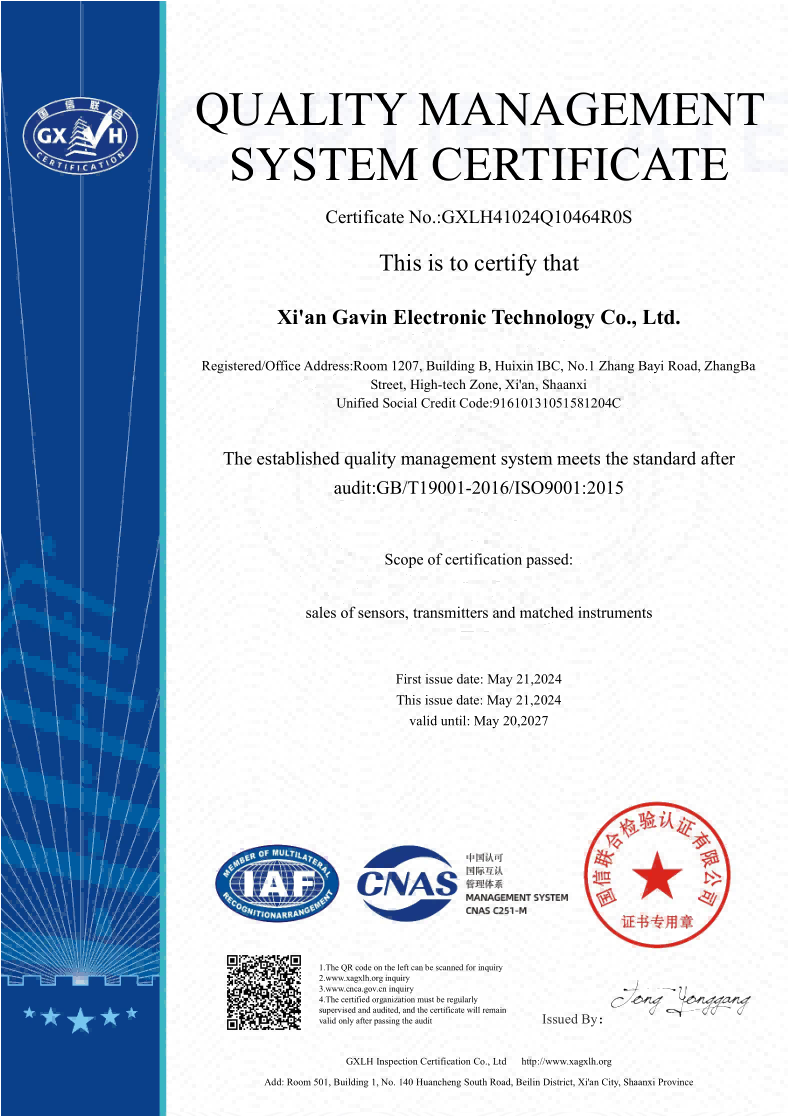
International licensing standards require sellers to be able to provide goods that are legal and come with the right paperwork so they can be tracked. Quality management systems certification through ISO 9001 and standards relevant to the business makes sure that the quality and dependability of the products are always the same. Long-term ownership costs and operating success are greatly affected by after-sales support features such as expert help, spare parts availability, and training programs.
Innovation Leadership and Technology Development
Leading makers keep putting money into research and development that improves measurement technology and meets new needs in applications. Working together with research centers and business partners speeds up the process of turning lab ideas into market goods. Patent collections show that a company is innovative and give information about where technology is going in the future, which may affect choices about what to buy.
GAMICOS is a good example of these ideas because it offers complete solutions for measuring pressure and level in more than 100 countries around the world. Customers get cutting-edge measurement technologies backed by reliable technical support and the ability to make changes thanks to the company's commitment to constant innovation, which is supported by experienced engineering teams and large collections of patents.
Conclusion
To choose the best pressure transmitter for energy and HVAC systems, you need to carefully look at the technical specs, the operating conditions, and the needs for long-term use. Modern smart transmitters have better features, like advanced diagnostics, wireless communication, and higher accuracy, which make the investment worthwhile because they make systems more efficient and lower the cost of upkeep. For implementation to go well, it needs to be installed correctly, calibrated regularly, and maintained over time. This can only be done with the help of dependable supply relationships that offer professional support and quick customer service.
FAQ
What calibration intervals are recommended for HVAC pressure transmitters?
Most HVAC systems need to be calibrated once a year, but some important systems may need to be checked every six months. Certain times are affected by things like the environment, the security of the process, and government rules. With self-diagnostic smart transmitters, calibration intervals can be pushed back while measurement accuracy is maintained through constant performance tracking.
How do pressure transmitters differ from pressure sensors in industrial applications?
Signal conditioning circuits in pressure transmitters take raw sensor data and turn them into standard outputs that can be used with control systems. Sensors send basic electrical messages that depend on pressure and need extra processing tools to work. Transmitters give bundled solutions that are more accurate, stable, and have connection features that can be used for direct system integration.
Can wireless pressure transmitters replace traditional wired systems in energy applications?
Wireless technology is a great option for many uses in the energy sector, especially in remote areas or projects that are being done after the fact. Battery-powered gadgets are easy to place and don't require any wiring, which saves money. But wired lines may still be needed for important control loops to be as reliable as possible and to be able to respond in real time.
Contact GAMICOS for Your Industrial Pressure Transmitter Solutions
GAMICOS offers complete pressure measurement options that are made to fit the needs of your HVAC and energy systems. Our experienced engineering team offers expert advice, custom product creation, and dependable technical help to make sure that systems work at their best. As a reliable pressure transmitter manufacturer with experience working with businesses in North America, Europe, and Asia, we offer discounts for buying in bulk, faster shipping times, and full guarantee coverage. Get in touch with our experts at info@gamicos.com to talk about your pressure measurement problems and find out how our advanced GPT200 transmitter line can help you run your business more efficiently.
References
1. Industrial Automation Society. "Pressure Measurement Technologies in HVAC Systems: Best Practices and Standards." Journal of Industrial Measurement, 2024.
2. Energy Systems Engineering Institute. "Smart Transmitter Implementation in Energy Management Applications." International Conference Proceedings, 2024.
3. American Society of Mechanical Engineers. "Pressure Transmitter Calibration and Maintenance Guidelines for Industrial Applications." ASME Standards Publication, 2023.
4. International Instrumentation Association. "Wireless Communication Protocols for Industrial Pressure Measurement Systems." Technical Report Series, 2024.
5. Building Automation Research Council. "HVAC System Optimization through Advanced Pressure Monitoring Technologies." Annual Technical Review, 2023.
6. Process Industries Safety Institute. "Pressure Transmitter Selection and Installation Standards for Energy Sector Applications." Safety Guidelines Handbook, 2024.

Spring
Spring, With 5 years of experience in sensor technology and product development, Mark specializes in helping clients identify the optimal pressure and level sensor solutions for demanding industrial environments。
We're here to help — submit your request anytime!
Let us know how we can help solve your pressure level measurement challenge.

_1757930850792.jpg)





Recommended Blog
Pressure Sensors for Wastewater Treatment Plants

Pressure Sensors for Wastewater Treatment Plants
Why Wireless Pressure Sensors Are Growing in Industry
Why Wireless Pressure Sensors Are Growing in Industry

Pressure Sensor VS Pressure Transmitter: Are They the Same Thing?

Pressure Sensor VS Pressure Transmitter: Are They the Same Thing?
Pressure Sensor VS Pressure Transmitter: Are They the Same Thing?