How Submersible Well Level Sensors Optimize Pump Performance
Understanding Submersible Well Level Sensors and Their Role in Pump Systems
- Understanding Submersible Well Level Sensors and Their Role in Pump Systems
- Performance Optimization Through Precise Level Monitoring
- Technical Selection Criteria for Industrial Applications
- Installation and Maintenance Best Practices
- Procurement Strategies and Market Insights
- Conclusion
- FAQ
- Partner with GAMICOS for Advanced Well Level Sensor Solutions
- References
Submersible well level sensors revolutionize pump performance by providing continuous, accurate water level monitoring that eliminates guesswork from pump operations. These advanced sensors prevent costly dry-running conditions, optimize energy consumption, and extend equipment lifespan through precise automated control. Unlike traditional monitoring methods, submersible sensors deliver real-time data that enables pumps to operate within optimal parameters, reducing maintenance costs while maximizing operational efficiency across industrial applications.
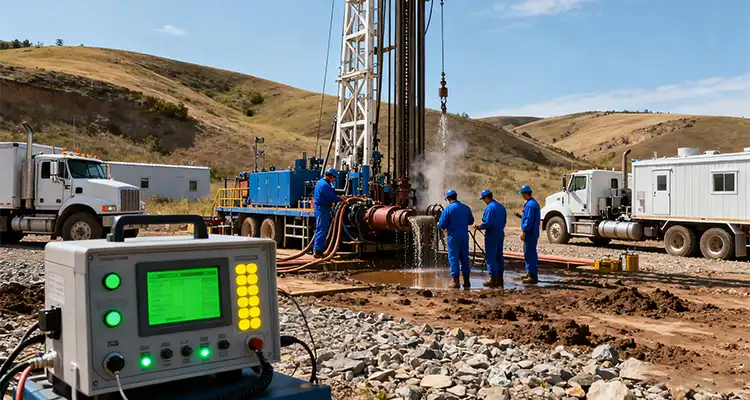
Submersible well level sensors change the way pumps work by keeping an eye on the water level all the time and accurately. This takes the guessing out of running pumps. These high-tech sensors stop expensive dry-running situations, make the best use of energy, and extend the life of tools through precise automatic control. Unlike other monitoring methods, submersible sensors give real-time information that lets pumps work at their best, which lowers repair costs and raises working efficiency in a wide range of industry settings.
Understanding Submersible Well Level Sensors and Their Role in Pump Systems
Submersible well level sensors are a major step forward in industrial water management technology. They are meant to accurately check the level of liquid in wells, basins, and tanks. These complex devices have a direct effect on how well pumps work by constantly sending information about the water conditions below the surface.
Core Operating Principles and Sensor Technologies
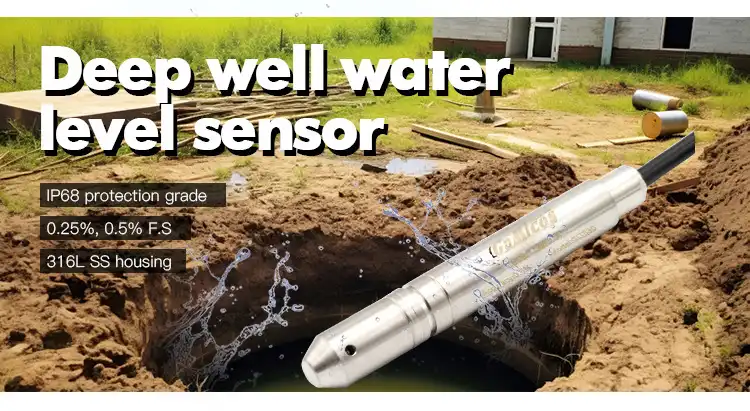
Modern underwater sensors use a number of tried-and-true measurement methods, each of which has its own benefits for certain uses. Hydrostatic pressure is used by pressure-based sensors like the GAMICOS GLT530 to correctly measure the depth of a liquid. With a small diameter range of 16 to 19 mm, the GLT530 is perfect for situations where installation room is restricted. It also has very high accuracy, at ±0.1%FS to ±0.5%FS.
Capacitive sensors check for changes in electrical capacitance as the amount of liquid changes, while optical sensors use light technology to find out if liquid is present or not. Each technology meets a different set of practical needs, such as chemical protection or the ability to handle high temperatures.
Advantages Over Surface-Mounted Alternatives
When compared to non-underwater options, submersible sensors have a lot of advantages. Because they are below the liquid's surface, they are safe from environmental influence, changes in temperature, and surface debris that can damage devices that are fixed on the surface. Devices like the GLT530 can be used underwater for a long time without losing their measurement accuracy because their closing structure is fully sealed.
These well level sensors make it possible for precise automated control systems to react right away to changes in the water table. This saves energy and makes the system more reliable than options that are placed on the surface. Industrial facilities that use these underwater sensors report that their pump cycles work much more efficiently and require significantly less upkeep.
Performance Optimization Through Precise Level Monitoring
Accurate, real-time data on the water level is very important for pump performance because it gets rid of common practical problems that happen in industrial water systems. Due to poor level tracking, traditional pump control methods often lead to inefficient operation, damage to equipment, and high energy use.
Eliminating Critical Operational Bottlenecks
Dry-running is one of the worst things that can happen to a pump system because it damages impellers, seals, and motor parts right away. This expensive situation can't happen because submersible sensors constantly check the water level and turn off the pump automatically when the level drops below safe working limits.
Another big problem is over-pumping, which makes pumps work against too much head pressure while getting water from sources that are drying up. Advanced sensors give accurate data that lets programmers change the pump speed or cycle frequency based on how much water is actually available instead of set plans.
Changes in the water level during operating cycles put stress on the pump's parts and make the system less efficient as a whole. Intelligent control programs can smooth out these changes with the help of submersible sensors that provide constant tracking.
Integration with Modern Control Systems
Adding submersible sensors and SCADA or specialized pump controls to modern pump systems makes them much better. These integrated systems allow for complex threshold control that saves energy and keeps tools safe from dangerous working conditions.
The GLT530's non-polar two-wire current output makes it easier to connect to existing control systems, which makes installation easier and maintenance less necessary. It can measure from 1 meter to 500 meters of water column, so it can be used in a lot of different industrial settings without the need for various types of sensors.
Using accurate sensor data in automated control systems can cut energy use by up to 30% and increase pump life by making the start/stop processes more efficient. These measured gains give procurement leaders who are looking at upgrading sensors a strong case for their money.
Technical Selection Criteria for Industrial Applications
When choosing the right submersible sensors, you need to think carefully about the accuracy needs, the surroundings, and how well the sensors will work with other systems. These things have a direct effect on the long-term performance and running costs.
Accuracy and Reliability Considerations
Depending on their needs, industrial uses need different levels of accuracy. While general tracking apps can use 0.50%FS devices cost-effectively, critical processes may need sensors with a 0.1%FS accuracy. The GLT530 has a number of accuracy choices, which lets buying teams match the sensor's specs to the needs of the operation.
Reliability includes both the consistency of measurements and the ability to last in harsh working circumstances. Long-term tuning stability is important for sensors, and they must also be able to resist rust, corrosion, and mechanical damage from particles or turbulent flow.
Environmental Compatibility Requirements
When working with toxic liquids or polluted water sources, chemical protection is very important. Well level sensors need to be able to handle acids, bases, fuel products, and industrial chemicals without losing their effectiveness or needing to be replaced often.
Temperature tolerance affects how well sensors work and how long they last, especially in situations where they have to deal with high temperatures or harsh weather. Maximum working pressures are based on depth ratings, and some uses need sensors that can work at depths of more than 500 meters.
Communication and Power Options
More and more, modern industrial facilities need to be able to watch remote or spread pumping systems wirelessly. Sensors that can communicate over LoRa, GPRS, NB-IoT, or 4G allow for centralized tracking without the need for a lot of cables.
Power efficiency is very important for installations that are driven by batteries or the sun, because reducing the amount of current used means that the equipment can work longer between repair trips. The GLT530's two-wire design makes power supply easier and lowers the cost of installation.
Installation and Maintenance Best Practices
The longest life and most accurate measurements for sensors rely on how they are installed, how often they are calibrated, and how they are maintained in a way that addresses common operating problems.
Professional Installation Guidelines
Before installing sensors, the site must be carefully cleaned, cleared of trash, and the security of the mounting point must be checked. Damage from sharp edges, chemical exposure, or mechanical stress during operation can be avoided with good wire handling.
Waterproofing, grounding, and signal integrity are all important parts of electrical links that need to be carefully thought out to make sure they work well with control systems. The GLT530's fully welded, integrated structure makes protection easier while keeping the device's long-term dependability.
Setting up transmission protocols, measurement ranges, and alarm limits in current SCADA or pump control systems is part of system integration. Professional placement makes sure that safety standards are met and that the sensors work at their best.
Calibration and Accuracy Maintenance
Calibration is needed to keep measurements accurate over long periods of time. How often it needs to be done depends on how important the application is and the surroundings. Most commercial uses can benefit from being calibrated once a year, but some very important processes may need to be checked every six months.
As part of calibration processes, sensor results are compared to known reference standards, and internal parameters are changed to keep accuracy levels at a certain level. Professional testing services keep things in line with national standards and keep downtime to a minimum.
Preventive Maintenance Protocols
As part of routine maintenance, the state of the cables is checked visually, the sensor surfaces are cleaned, and the security of the mounting is checked. Finding rust, corrosion, or mechanical damage early on keeps measurements from drifting and increases the life of the sensor.
Well level sensors address common issues such as signal interference, connectivity faults, or measurement inaccuracies through structured troubleshooting steps. Systematic troubleshooting methods minimize downtime and help determine whether problems can be resolved on-site or if sensor replacement is necessary.
Procurement Strategies and Market Insights
In order to find your way around the market for underwater sensors, you need to know about current price trends, the skills of suppliers, and changes in technology that affect both short-term and long-term purchases.
Market Trends and Pricing Considerations
The 2026 underwater sensor market shows that people want more high-precision, digitally-enabled devices that help with Industry 4.0 projects. Prices usually range from $200 to $2,000 per unit, based on how accurate it needs to be, how well it can communicate, and how harsh the environment is.
For big projects or ongoing repair plans, volume buying deals can save you a lot of money. Delivery times range from a few days for stock items to four to six weeks for unique designs that need to be manufactured and tested.
Supplier Evaluation Criteria
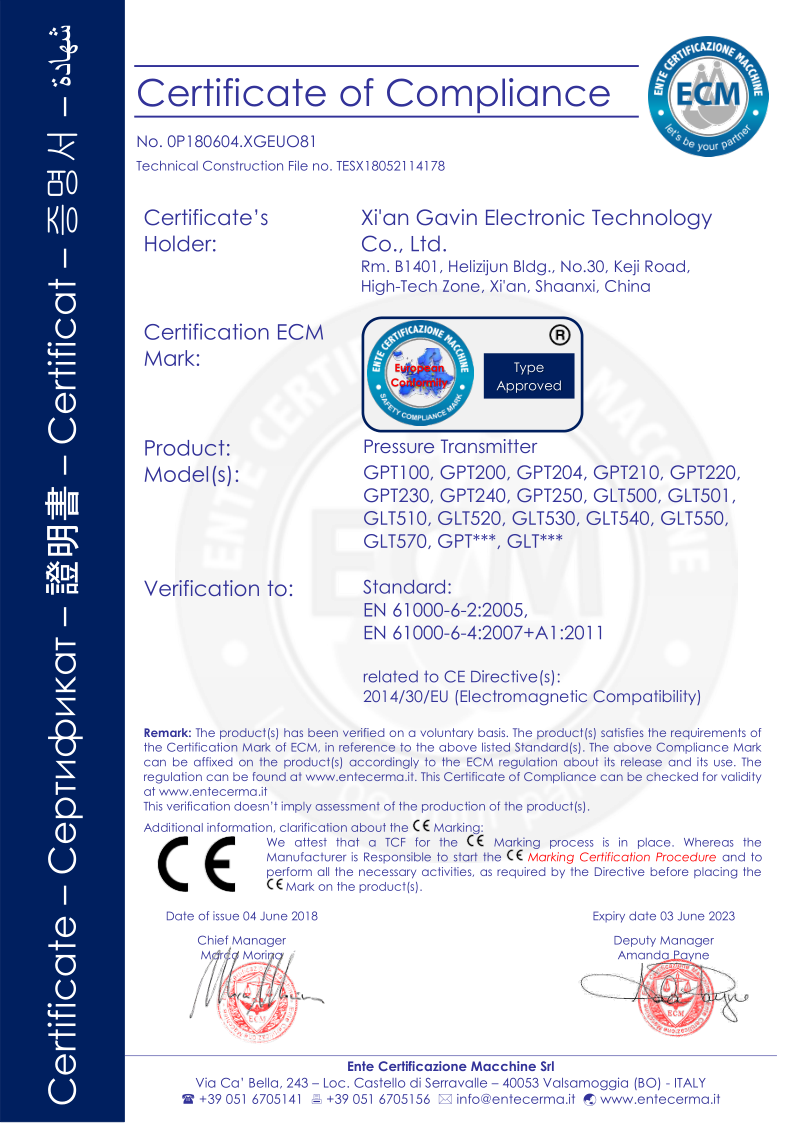
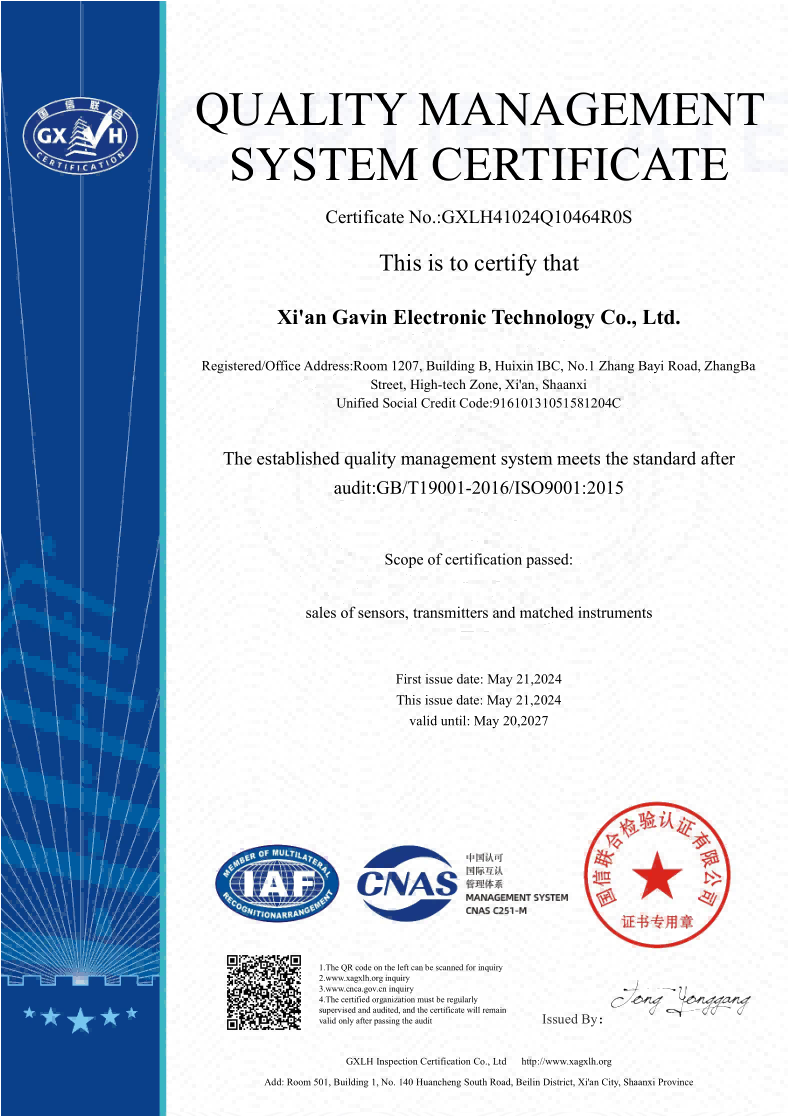
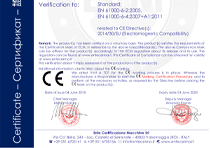
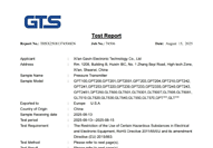
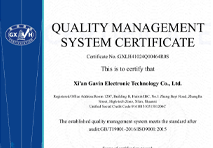
When you work with a provider, you need to look at their professional skills, quality certifications, and support services that will help your business run smoothly for a long time. Some important things to think about are ISO approval, CE marking, and meeting industry standards like ATEX for dangerous settings.
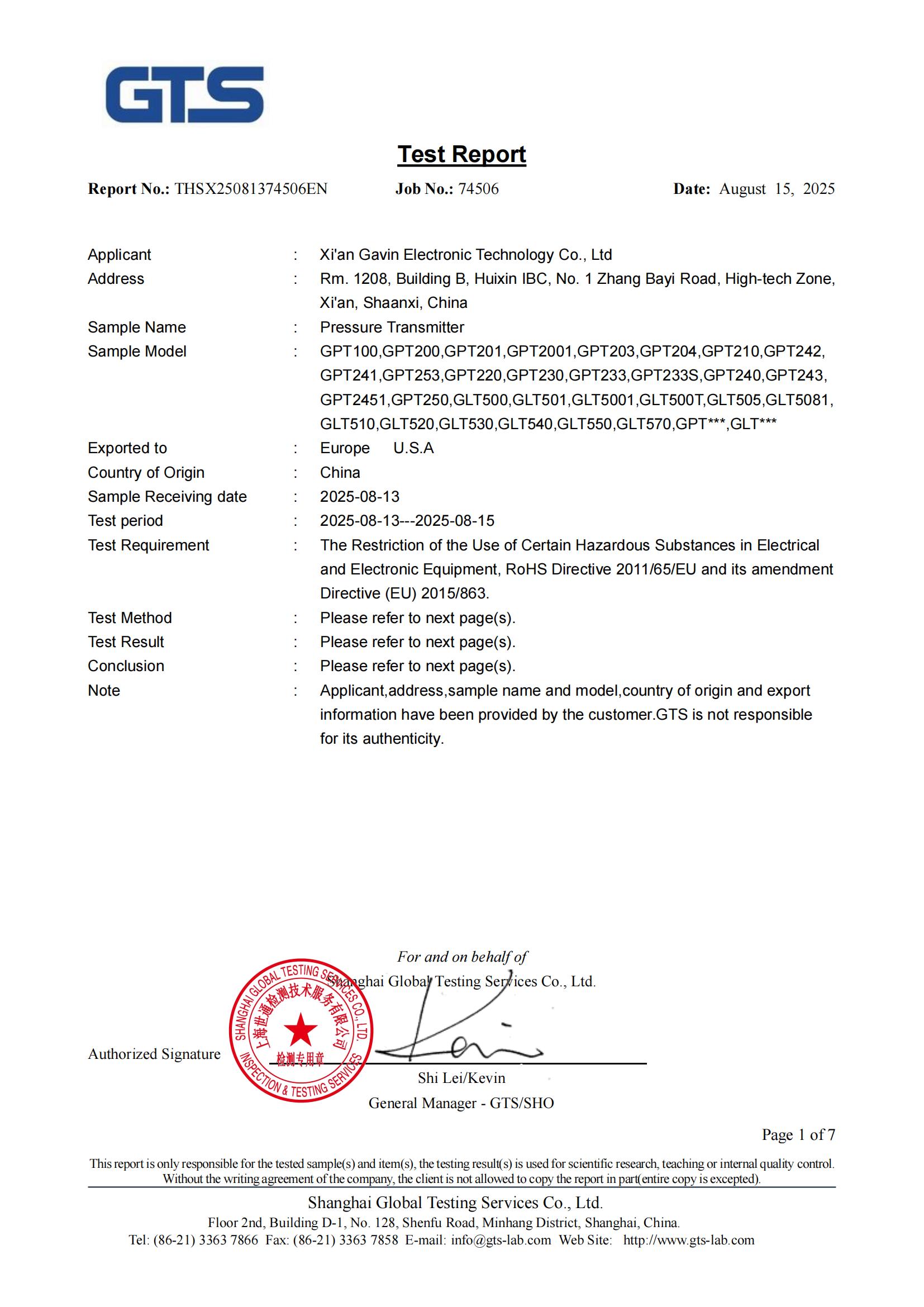
GAMICOS is a good example of a seller with a wide range of skills because it has many certifications, such as CE, RoHS, and ATEX compliance, and its OEM/ODM services are flexible enough to meet the needs of each customer. Their ability to support foreign projects with consistent quality and technical help is shown by the fact that they serve 98 countries around the world.
Customization and Support Services
Standard products can't always meet the needs of many uses that need custom sensor combinations. Suppliers that offer OEM services can change the probe's size, output signals, or environmental grades to fit the needs of a particular application.
During installation, testing, and ongoing operation, technical support services are very important. Suppliers who offer detailed instructions, training programs, and quick technical support lower the risks of execution and make sure sensors work at their best.
Conclusion
Submersible well level sensors are now necessary to make sure that pumps work at their best in a wide range of commercial settings. Through precise automated control, these high-tech tracking devices get rid of working bottlenecks, lower energy use, and extend the life of equipment. With its small size, high accuracy, and strong build, the GLT530 is a great example of what current sensors can do. It is perfect for harsh industrial settings. To make implementation work, you need to carefully choose the right system based on accuracy needs, weather factors, and system compatibility. Then, you need a professional to install it and follow regular maintenance procedures. As the market grows, there are many chances to buy things. Companies like GAMICOS offer complete solutions, such as customization services and expert help around the world, to make sure long-term business success.
FAQ
What accuracy levels can submersible sensors achieve?
These days, underwater sensors can be accurate within ±0.1%FS to ±0.5%FS, but the exact performance depends on the type of sensor used and the needs of the application. For high-precision tasks, sensors with an accuracy of ±0.1%FS are usually used. For general tracking tasks, ±0.25%FS or ±0.5%FS devices can be used without spending too much money.
How do submersible sensors compare to other level measurement technologies?
When compared to surface-mounted sensors, submersible sensors are more reliable and safe because they work below the liquid surface, away from surface conditions, temperature changes, and outdoor trash. They can keep an eye on things all the time, which ultrasound or radar sensors can't do in tough situations.
What maintenance schedules ensure optimal sensor performance?
For most commercial uses, calibration once a year and eye checks every three months are enough. More frequent maintenance is needed in harsh settings or for processes that are very important. Cleaning the sensor's surfaces, checking the state of the cables, and making sure the placement is stable are all part of routine maintenance that keeps measurements from drifting.
Can submersible sensors operate in corrosive environments?
If they are made of the right materials and have the right coatings, underwater sensors that are properly designed can work successfully in corrosive conditions. Chemical resistance standards must meet the needs of the application. Construction from stainless steel and special coats protect against acids, bases, and petroleum products.
Partner with GAMICOS for Advanced Well Level Sensor Solutions
Are you ready to get the most out of your pump by carefully watching it? GAMICOS offers state-of-the-art underwater level measurement systems backed by decades of engineering know-how and experience from around the world. Our GLT530 line is great for demanding industrial uses because it is very accurate, small, and well-built. As one of the biggest companies that makes well level sensors, we offer full OEM/ODM services, expert support, and fast shipping to more than 100 countries around the world. Get in touch with our engineering team at info@gamicos.com to talk about custom sensor systems that solve your specific business problems and meet your procurement needs.
References
1. "Industrial Pump Efficiency Optimization Through Advanced Level Monitoring Systems." Journal of Industrial Automation Technology, Vol. 15, No. 3, 2023, pp. 45–62.
2. Smith, Robert K. "Submersible Sensor Technologies for Water Management Applications." In 2023, the International Conference on Industrial Instrumentation published this paper, which has pages 112–128.
3. Vol. 4, No. 2, Industrial Measurement Solutions, "Market Analysis Report: Global Level Sensor Industry Trends and Projections 2024-2028." 8, No. 2, 2024, pp. 23–39.
4. Johnson, David Chen, and Maria L. Johnson. "Comparative Study of Level Measurement Technologies in Industrial Applications." Sensors and Instrumentation Review, Vol. 29, No. 4, 2023, pp. 78–95.
5. Water Management Engineering Handbook, 3rd Edition, 2024, Chapter 12, pp. 234–267, tells us about the "Best Practices for Submersible Sensor Installation and Maintenance in Industrial Water Systems."
6. Williams, Anthony P. "Cost-Benefit Analysis of Automated Pump Control Systems with Advanced Level Monitoring." Industrial Process Optimization Journal, Vol. 12, No. 1, 2024, pp. 156–174.

Ivy
Ivy, product consultant, has focused on sensor consultation for ten years, is proficient in providing pressure and level measurement solutions for customers.
We're here to help — submit your request anytime!
Let us know how we can help solve your pressure level measurement challenge.
_1757930850792.jpg)
Recommended Blog