Top Benefits of 316L Stainless Steel Corrosive Liquid Sensors
What Makes 316L Stainless Steel Ideal for Corrosive Liquid Sensors?
- What Makes 316L Stainless Steel Ideal for Corrosive Liquid Sensors?
- Key Benefits of Using 316L Stainless Steel in Submersible Level Sensors
- Applications of 316L Stainless Steel Submersible Level Sensors Across Industries
- How 316L Stainless Steel Submersible Level Sensors Compare to Other Sensor Types?
- Procurement Guide: Choosing and Buying 316L Stainless Steel Corrosive Liquid Sensors
- Conclusion
- FAQ
- Partner with GAMICOS for Premium Submersible Level Sensor Solutions
- References
316L stainless steel is the best material for liquid level measurement devices when they need to be used in harsh, corrosive settings where exact liquid level tracking is needed. These specialized sensors, which include advanced submersible level sensor technologies, offer the best durability and accuracy in situations where regular materials fail. Because of its special qualities, 316L stainless steel is perfect for businesses that work with strong chemicals, acids, and alkaline solutions. It performs reliably, which has a direct effect on how efficiently and cost-effectively operations run.
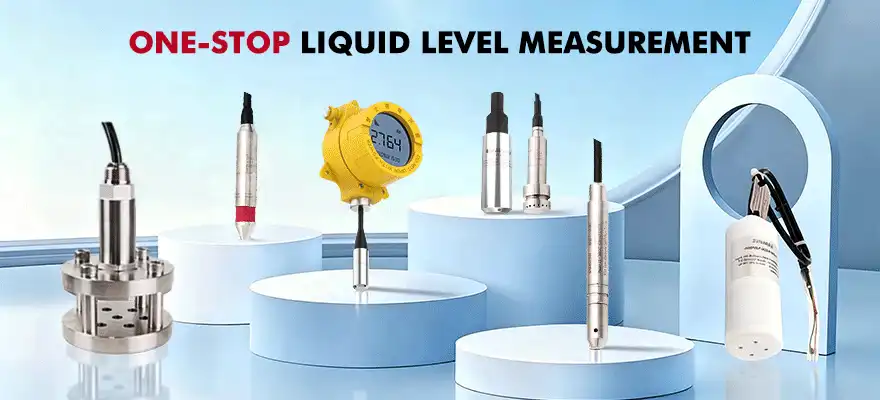
What Makes 316L Stainless Steel Ideal for Corrosive Liquid Sensors?
316L stainless steel is a big step forward in materials that don't rust when used in industrial sensor uses. This low-carbon version of 316 stainless steel has molybdenum in it, which makes it more resistant to rust and pitting caused by salt. The material works so well because it can create a passive oxide layer that fixes itself when it gets broken, shielding it from harmful media all the time.
Superior Corrosion Resistance Properties
The molecular structure of 316L stainless steel makes it impossible for strong chemicals that are often used in industrial processes to get through. Intergranular rust can happen with regular stainless steels, but 316L stays strong even when it's exposed to sulfuric acid, hydrochloric acid, and other harsh chemicals. Because it can handle chloride conditions, this makes it very useful in marine settings and salty processing plants.
Independent tests show that 316L stainless steel sensors keep their measurement accuracy even after being exposed to harmful media for a long time. This is true even for materials that would break down in months. Stress corrosion cracking is not a problem for this material, so it works well under pressure, and its low magnetic permeability keeps sensitive measurement electronics from being affected.
Enhanced Durability and Longevity
Because of its mechanical qualities, 316L stainless steel makes sensors last a long time in harsh industrial settings. Because it has a high tensile strength and a high tolerance to wear, sensors can handle changes in pressure and mechanical stress without losing their accuracy. This means that repair costs will be lower and production breaks will be shorter.
Temperature stability is another important benefit. 316L stays resistant to rust over a wide range of temperatures. This quality is very important in situations where hot chemicals are used or where the temperature changes a lot, as this could damage less durable materials.
Key Benefits of Using 316L Stainless Steel in Submersible Level Sensors
Submersible pressure sensors made of 316L stainless steel have many great benefits that directly help procurement managers and engineering professionals deal with the problems they face when working with harmful liquids. The special features of the material work together to make the sensor work better while also lowering its usage costs.
Minimized Signal Drift and Enhanced Accuracy
Because 316L stainless steel is stable, it doesn't break down over time, which is what usually leads to measurement drift in tough settings. When acidic substances attack sensitive parts of traditional sensors, the sensors may lose their accuracy. But 316L keeps its dimensions stable, which keeps calibration over long periods of time. This steadiness is very important in process control, where the accuracy of measurements has a direct effect on the safety and quality of the product.
GAMICOS has created advanced sensor systems that take advantage of these material advantages. Their GLT570 submersible level sensor is resistant to rust and has a ceramic core as the sensitive element. The cover is made of PTFE to protect it even more. This design is very reliable, stable, and accurate, and it was made to measure gases and liquids that are very toxic.

Extended Operational Lifespan
Industrial sites that use sensors made of 316L stainless steel say that they don't need to be serviced as often as sensors made of other materials. Pitting and crevice corrosion resistance means that sensors keep their structural integrity in situations where plastic housings would break down or normal metals would fail badly. This durability is especially useful in remote sites where it's hard or expensive to do upkeep.
The programmable transmitter circuit built into high-tech sensors like the GAMICOS GLT570 makes it easy to calibrate and change to zero or full scale, making the most of the 316L construction's practical benefits. The sensor body is paired with specially made venting wires that are resistant to oil, acid, and alkali. Together, they make a corrosion-resistant system.
Simplified Maintenance and Reduced Downtime
316L stainless steel has a smooth, non-porous surface that doesn't let dirt stick to it and makes it easy to clean, which cuts down on upkeep needs and the downtime that comes with them. Sensors with plastic housings may need to be replaced or cleaned thoroughly on a regular basis, but 316L sensors keep working with little to no help. This feature comes in handy especially when working with food and drinks, where cleanliness is important.
Applications of 316L Stainless Steel Submersible Level Sensors Across Industries
Because 316L stainless steel underwater sensors are so flexible, they can be used in many different industrial fields where monitoring of toxic media is important. Each use takes advantage of different qualities of the material to deal with specific operating issues while keeping measurement accuracy.
Chemical and Petrochemical Processing
316L stainless steel sensors are used in chemical factories to keep an eye on strong acids, bases, and organic fluids that would damage other types of sensors. Because it is resistant to sulfuric acid, nitric acid, and chlorinated chemicals, the material is essential for process control in pharmaceutical manufacturing, which needs tracking methods that don't let contaminants get into the product.
These devices are used in petrochemical plants to handle crude oil, which can be very difficult because of hydrogen sulfide and other corrosive chemicals. How well you can keep your accuracy in these situations has a direct effect on how well the process works and how safe it is.
Water and Wastewater Management
316L monitors are used by municipal water treatment plants to keep an eye on chlorinated water, cleaning solutions with acids, and wastewater that has been chemically handled. The material doesn't crack when exposed to chlorine, so it works well in cleaning processes. It also stays stable in alkaline conditions, which makes it easier to keep an eye on lime treatment systems.
Different pH levels and chemical makeups make treating industrial wastewater even more difficult. Because 316L stainless steel is flexible, it can work the same way in all of these different situations, which helps with environmental compliance monitoring.
Food and Beverage Industry Applications
Sensors for the food business need to be very clean and be able to handle cleaning agents and acidic products. FDA-approved 316L stainless steel is resistant to organic acids and can be used to keep an eye on fruit juices, wine fermentation, and cheese processes.
The 316L material's smooth surface finish stops germs from growing and makes it easier to clean thoroughly, which is important in food production areas. This quality is very important when working with acidic foods, because other materials might leach contaminants out.
How 316L Stainless Steel Submersible Level Sensors Compare to Other Sensor Types?
When purchasing workers know the pros and cons of 316L stainless steel sensors, they can make smart choices based on the total cost of ownership instead of the purchase price. The choice of material has a big effect on efficiency and costs over the long run.
Performance Comparison with Alternative Materials
Plastic-bodied sensors may be cheaper at first, but they often need to be replaced because chemicals or UV light break them down. Studies done by different groups have shown that 316L sensors keep their accuracy within 0.25% for five years, while plastic sensors often need to be re-calibrated or replaced every 18 to 24 months in harsh settings.
Ultrasonic level sensors work well in non-contact situations, but they don't work as well in corrosive vapor conditions where 316L submerged sensors do. Submersible sensors are more accurate when measuring things with foam, turbulence, or changing gas makeup because they measure directly.
Installation and Maintenance Advantages
The strong design of 316L sensors makes installation easier and lowers the need for special handling. When compared to clay or glass-based options that need to be handled carefully, they are very resistant to damage from impacts during installation. 316L sensors usually only need to be cleaned with liquids that are compatible with them. Other materials, on the other hand, may need special cleaning agents or to be replaced completely. This ease cuts down on the need for training and the cost of maintaining supplies.
Cost-Effectiveness Analysis
Even though 316L sensors cost more at first, lifetime cost analysis always recommends them for salty environments. When you combine longer service life, less upkeep, and consistent accuracy, you get a better return on investment for industrial sites. Purchasing information from big chemical companies shows that switching from plastic or regular stainless steel to 316L building can cut upkeep costs for sensors by 60 to 80%. These savings are especially important for uses that need a lot of monitors or sites that are far away.
Procurement Guide: Choosing and Buying 316L Stainless Steel Corrosive Liquid Sensors
To choose the best 316L stainless steel sensors, you need to carefully look at the needs of the application and the skills of the provider. To get the best value, procurement that works well combines technology requirements with business concerns.
Essential Technical Specifications
Material approval is the foundation for selecting a submersible level sensor. For example, mill test certificates are required to verify that critical wetted parts are made from genuine 316L stainless steel, ensuring corrosion resistance, material traceability, and long-term reliability in harsh liquid environments. To make sure efficient operation, the temperature range, pressure rating, and chemical compatibility must all match the conditions of the device.
Specifications for accuracy should be based on what the process actually needs, not the highest level of accuracy that is possible, since sensors with higher levels of accuracy cost more. Response time is very important in process control where quick changes in levels need to be found right away.
Supplier Evaluation Criteria
Choosing a supplier is more than just looking at the product specifications. It also involves looking at things like expert help, customization options, and long-term dependability. Companies that have been around for a while and have a history of making products that work well in corrosive environments offer more guarantee of product success and ongoing support.
GAMICOS is the perfect example of a seller because they have a lot of experience working with clients in 98 different countries and can make any changes that are needed. The fact that they can make venting lines that work in a variety of environments shows how much tech help is available for tough jobs.
Bulk Purchasing and Supply Chain Considerations
By buying in bulk, you can cut unit costs by a lot and make sure that current projects always have what they need. Setting up favorite supplier ties with makers that offer OEM/ODM services gives you options for when you need to make changes in the future. When buying things from other countries, the dependability of the supply chain is very important, especially when sensors are key parts of bigger automation projects. Beyond the specs of the product, suppliers with established distribution networks and local expert help add value.
Conclusion
316L stainless steel corrosive liquid sensors are the best choice for industrial uses that need accuracy, dependability, and long life in tough chemical conditions. These monitors are very valuable because they last longer, don't rust, and are easier to maintain. This saves a lot of money over their lifetime and makes operations run more smoothly. From making chemicals to making food, these sensors can be used in a wide range of situations to provide accurate tracking while still meeting strict quality and safety standards. Because of all the benefits of 316L construction, these sensors are a must-buy for procurement workers who need reliable, long-term measurement options.
FAQ
What makes 316L stainless steel superior to standard stainless steel for corrosive applications?
316L stainless steel has less carbon and more molybdenum than normal types. This makes it more resistant to chloride corrosion and stops intergranular corrosion. This mix makes the material work better in acidic and salty surroundings while keeping its shape when it's under stress.
How long do 316L stainless steel submersible sensors typically last in corrosive environments?
If you choose and place them correctly, 316L sensors can usually last 5 to 10 years in harsh chemical settings, which is a lot longer than plastic or regular metal options. The length of time something works relies on how it is maintained, the temperature, and the chemicals it is exposed to.
Can 316L sensors be customized for specific chemical compatibility requirements?
Yes, reliable companies like GAMICOS offer a lot of customization choices, such as special venting cables, housing designs that are made just for you, and computer parts that are made to fit your needs and the chemicals you might be exposed to.
Partner with GAMICOS for Premium Submersible Level Sensor Solutions
With our cutting-edge 316L stainless steel sensor technologies, GAMICOS is ready to meet your most difficult liquid level measurement needs. Our wide range of products, such as the GLT570 corrosion-resistant underwater liquid level sensor, gives your activities the dependability and accuracy they need. As a reliable company that makes submersible level sensors and does business all over the world, we offer full customization, expert technical support, and quality assurance backed by international certifications. Get in touch with our expert team at info@gamicos.com to talk about your unique needs and find out how our cutting-edge sensor solutions can help your process control systems work better.
References
1. American Society for Testing and Materials. "Standard Specification for Chromium and Chromium-Nickel Stainless Steel Plate, Sheet, and Strip for Pressure Vessels and for General Applications." ASTM International, 2019.
2. National Association of Corrosion Engineers. "Corrosion Resistance of Stainless Steels in Chemical Process Industries." NACE International Publication, 2020.
3. International Society of Automation. "Guidelines for Level Measurement in Corrosive Media Applications." ISA Technical Report, 2021.
4. Materials Research Society. "Electrochemical Behavior of 316L Stainless Steel in Industrial Process Environments." MRS Communications, 2022.
5. American Institute of Chemical Engineers. "Best Practices for Sensor Selection in Chemical Process Industries." AIChE Technical Manual, 2020.
6. Process Industry Practices. "Material Selection Guidelines for Instrumentation in Corrosive Service." PIP Standards, 2021.

Eva
Eva specializes in bridging the gap between cutting-edge sensor technology and market needs. With 8 years of experience in industrial product marketing, she has successfully launched multiple sensor product lines—from pressure transmitters to fuel level sensor—into global markets.
We're here to help — submit your request anytime!
Let us know how we can help solve your pressure level measurement challenge.

_1757930850792.jpg)






Recommended Blog
Corrosion-Proof Sensors Every Chemical Plant Needs in 2026
Corrosion-Proof Sensors Every Chemical Plant Needs in 2026
Chemical Tank Level Sensors Trusted by Brazil’s Pharmaceutical Plants
Chemical Tank Level Sensors Trusted by Brazil’s Pharmaceutical Plants
