Boost Crop Yields with Accurate Canal Water Level Measurement
Comprehending the Challenge of Canal Water Level Measurement
- Comprehending the Challenge of Canal Water Level Measurement
- How Ultrasonic Level Sensors Revolutionize Canal Water Monitoring?
- Choosing the Right Ultrasonic Level Sensor for Canal Applications
- Implementing and Maintaining Ultrasonic Level Sensors for Long-Term Success
- Future Trends and Technological Advancements in Ultrasonic Level Sensors
- Conclusion
- FAQ
- Ready to Transform Your Canal Water Management with GAMICOS?
- References
When it comes to managing water, modern agriculture faces problems that have never been seen before. For example, exact irrigation control has a direct effect on crop production and sustainability. Traditional ways of measuring water levels don't always give farmers the clarity and dependability they need for the best results. Ultrasonic Level Sensor technology is a game-changing option that lets us measure without touching anything, which changes the way we keep an eye on canal water levels. Smart irrigation management systems use these high-tech monitors to give farmers and agricultural engineers accurate data in real time that they need to get the most out of their crops while also saving water.
Comprehending the Challenge of Canal Water Level Measurement
Managing water in agriculture is hard because there are a lot of complicated issues that are hard for standard measurement methods to solve. Manual gauging methods take a lot of work and only give you snapshots of the water conditions on a regular basis, which leaves big holes in your tracking coverage. Even though float-operated sensors are automatic, they are subject to mechanical wear and can be harmed by debris, which makes measurements less accurate over time.
Environmental Interference and Data Quality Issues
It's hard to measure things in canal settings because of the trash that builds up, the changing weather, and the sediment that settles on the bottom. Conventional monitors often have trouble with these weather factors, giving inaccurate data that makes it hard to decide when to water plants. Changes in temperature can throw off sensor calibration, and dust, foam, and vapor can absorb or spread measurement signals, giving you confusing results that make water management less effective.
Maintenance and Calibration Complexities
Using old-fashioned ways to measure water levels requires a lot of upkeep work, which raises costs and causes the system to go down more often. Having to do calibrations by hand puts a lot of stress on farming operations, especially during crucial growing seasons when constant tracking is needed. Because of these problems with maintenance, sensors often drift and become less accurate, leaving managers with two options: spend a lot of money on repairs or risk getting inaccurate readings, which has a direct effect on the health and growth potential of the crops.
How Ultrasonic Level Sensors Revolutionize Canal Water Monitoring?
Ultrasonic level measurement uses sound wave echo detection to send high-frequency pulses to the surface of the water and figure out how far away something is by timing the echo return times. This non-contact method gets rid of many of the problems with standard measurements and makes them more accurate and reliable in harsh farming settings.
Advanced Measurement Technology and Principles
Ultrasonic devices start the measuring process by sending out short sound blasts that move through air at a speed of about 343 meters per second at 20°C. These waves hit the water and bounce back to the monitor. There, advanced electronics figure out the time-of-flight to get an exact reading of the water level. To figure out how far something is, use this formula: Distance = (Sound Speed × Travel Time) / 2, where dividing by two shows how far the wave goes around and back again.
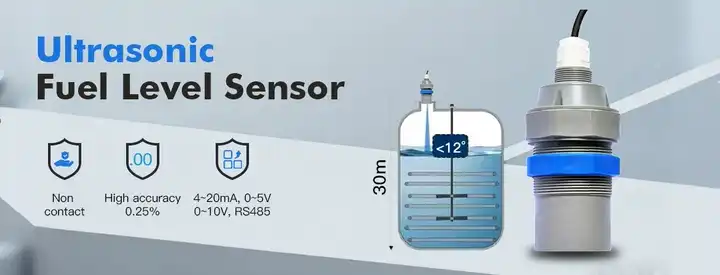
Ultrasonic level sensors in the GAMICOS GUT series are a good example of this new technology because they can measure continuously without touching the object being measured, which means they need much less upkeep. These gadgets have systems that automatically change the power, the gain, and the temperature to work with different environments. The sensors have a configurable relay output, a high-precision 4-20mA current output, and an RS485 digital communication output, so they can work with a wide range of irrigation control systems.
Competitive Advantages Over Alternative Technologies
In canal uses, ultrasonic devices are clearly better than radar, capacitive, or laser measurement technologies. The non-contact process gets rid of problems with motor wear and lowers the risk of contamination from trash or runoff from farming. Installation methods only require minor changes to the infrastructure, which means that existing canal systems can be retrofitted without having to do a lot of building work. Maintenance needs go down a lot because cleaning only needs to be done on the transducer face once in a while instead of complex mechanical parts needing to be serviced.
Case studies from irrigation projects across North America show that using ultrasonic sensors made a real difference in how well water was saved and how much food was produced. Through exact timing and volume control, these systems usually cut water use by 15 to 25 percent while keeping or even increasing crop output.
Choosing the Right Ultrasonic Level Sensor for Canal Applications
To choose the right ultrasonic sensors, you need to carefully look at their technical specs, how long they need to last in different environments, and how well they can work with other farm management systems. Key performance factors include measurement range, precision, temperature resistance, and protection scores that make sure the device can work reliably in farming settings outside.
Critical Specification Considerations
Adjustments to the measurement range must be able to account for changes in yearly water levels and canal depth requirements, all while keeping accuracy high throughout the working range. GAMICOS GUT series sensors have great directivity and strong penetration, which lets focused ultrasonic energy travel long distances, which is important for wide canal uses. When used outside in harsh conditions like rain, dust, and temperature changes, the IP67 grade makes sure that the monitor will work reliably.
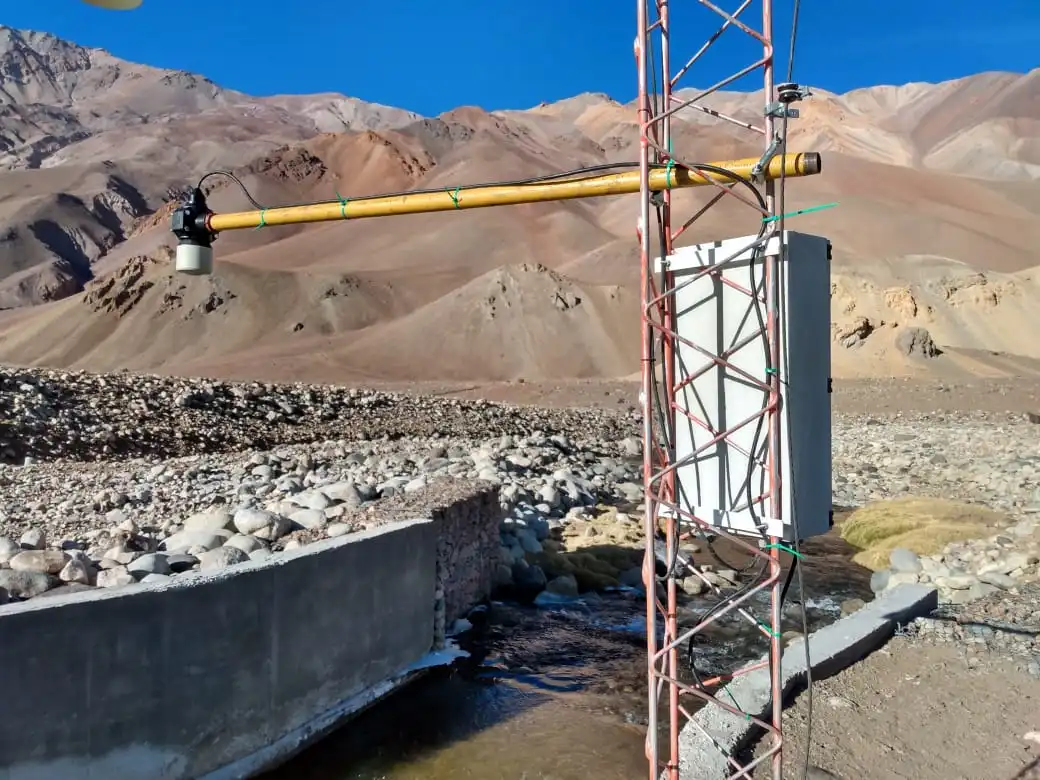
When it comes to farming, where weather changes affect both the air and water temperatures, temperature adjustment features become very important. With their advanced sensing technology and wide range of software functions, these Ultrasonic Level Sensors can adapt to a wide range of weather conditions, such as surface turbulence, the presence of vapor, and the changing reflection properties that happen in canal systems.
Integration and Communication Options
In modern farming, measurement tools and larger systems for managing irrigation need to work together without any problems. It works with SCADA systems, programmable logic controllers, and IoT-enabled farm management platforms because it has a number of output choices, such as analog signals, switch outputs, and RS485 digital communication. This connectivity allows remote tracking features that let workers keep an eye on water levels in various canals from a central control center.
When buying something for a business, it's important to think about the total cost of ownership, which includes installation costs, upkeep needs, and long-term working savings. Agricultural businesses that manage multiple canal tracking points across large irrigation networks need to be able to buy in bulk and have reliable supply chain partnerships.
Implementing and Maintaining Ultrasonic Level Sensors for Long-Term Success
To successfully deploy ultrasonic sensors, you need to plan ahead and think about where to put them, how to connect them to other systems, and how to keep them in good shape so that they work well and last as long as possible. When installed correctly, signal reflection is maximized while interference from canal shape, surface conditions, and external factors that could affect measurement quality is kept to a minimum.
Installation Best Practices and System Integration
When deciding where to put sensors, you need to think about the shape of the canal, the normal ranges of water levels, and any obstacles in the way of ultrasonic signals, like bridges, plants, or equipment. It is important to place the sensors so that waves travel straight through the water. Mounting them at an angle can mess up the signals and lead to wrong measurements. False echos that could mess up measurement estimates can't happen if there is enough space between the building and the walls of the canal.
When integrating new watering control systems with old ones, you need to carefully think about the communication methods and signal conditioning needs. GAMICOS sensors have programmable relay outputs that can connect directly to irrigation valve controls. This lets real-time level data trigger automatic water management reactions. The 4-20mA current output is very accurate, so it works with analog input units that are popular in agricultural control systems.
Maintenance Protocols and Performance Optimization
Instead of the extensive mechanical service that older measurement technologies need, routine maintenance methods focus on cleaning the transducer and making sure it is calibrated. On a monthly basis, inspections should include checking the integrity of the Ultrasonic Level Sensor mounting, evaluating the state of the cables, and cleaning the transducer face to get rid of dust, debris, or mineral deposits that could affect the quality of the signal transfer.
Temperature adjustment testing makes sure that the system stays accurate even when the weather changes, and communication system testing makes sure that data can be sent reliably to central tracking facilities. Most of the time, these maintenance tasks don't require a lot of technical knowledge and can be added to regular inspections of watering systems without the need for special training.
Future Trends and Technological Advancements in Ultrasonic Level Sensors
In new technologies, ultrasonic sensors are getting better by adding artificial intelligence, more ways to connect, and features that can predict when upkeep needs to be done. These features lower running costs and improve the accuracy of measurements. These changes are in line with the agricultural industry's moves toward precision farming and long-term approaches to water management.
AI-Powered Signal Processing and IoT Integration
Artificial intelligence algorithms improve signal processing by learning to tell the difference between real echoes of water levels and noise from things like foam, air, or surface turbulence. Over time, machine learning systems learn to adapt to the conditions of a canal. This makes measurements more accurate while lowering the number of false readings that can happen with older processing methods.
The Internet of Things lets you watch and analyze data from afar, which gives you information about how much water is used, how well systems are working, and when to do preventative maintenance. These features support preventative management methods that keep tools from breaking down and improve the efficiency of irrigation by using data to make decisions.
Market Growth and Sustainability Drivers
As the market for smart agriculture grows, there is a greater need for improved measurement tools that help with long-term water management. Regulations that stress saving water and protecting the environment encourage the use of precise irrigation technologies that depend on exact level measuring to work at their best.
Agricultural businesses that want to get ready for their future water measurement needs should focus on scalable sensor systems and partnerships with new suppliers that offer cutting-edge technology and full support services. This strategy method ensures resilience and a competitive edge in farming areas that are becoming more automated and concerned about the environment.
Conclusion
A key part of modern farming water management is accurate measuring of canal water levels, which has a direct effect on crop output and the long-term viability of operations. When compared to older ways, ultrasonic level sensors offer more accurate measurements, less upkeep, and higher reliability. Because they work without touching anything, have advanced data processing, and can communicate in a number of ways, these sensors are perfect for demanding canal uses. When you buy good ultrasonic measurement technology, you get measured results in the form of better food production, better water saving, and better time for watering. This is what makes farming successful in the long run.
FAQ
What accuracy can ultrasonic sensors achieve in canal measurement applications?
In ideal situations, modern ultrasound scanners can measure with an accuracy of within 0.25% of full scale. Changes in temperature, surface turbulence, and the presence of vapor can all affect precision. However, modern sensors with temperature correction and signal processing methods can keep working reliably in a wide range of canal conditions.
How do ultrasonic sensors perform in environments with debris and sediment?
Ultrasonic sensors work great in places with a lot of trash because they don't need to be touched. This means they don't have to deal with the physical interference problems that come with standard float-based systems. Debris on the surface may briefly change how signals are reflected, but advanced signal processing can tell the difference between real sounds from the water's surface and interference from floating things.
What maintenance requirements do ultrasonic sensors have in outdoor agricultural settings?
The only maintenance that needs to be done is cleaning the sensor face once a month and checking the alignment every three months. Ultrasonic devices don't have any moving parts that need to be oiled or replaced like mechanical monitors do. Weather-resistant housings with IP67 protection ratings make sure that they work reliably with little maintenance needed during farming seasons.
Ready to Transform Your Canal Water Management with GAMICOS?
Agricultural operations all over the world depend on GAMICOS ultrasonic level sensors to measure water levels accurately and reliably, which leads to higher food yields and more environmentally friendly irrigation methods. Our GUT series sensors are built to last for tough canal uses and use modern non-contact measurement technology. Experience the benefits of less upkeep, higher accuracy, and smooth system interaction that make GAMICOS a top maker of ultrasonic level sensors. Get in touch with our technical team at info@gamicos.com to talk about your unique canal tracking needs and find solutions that are made to fit your farming business. Our full support includes expert advice, help with installation, and ongoing service that makes sure your sensors work at their best all through the growing season.
References
1. Agricultural Water Management Institute. "Precision Irrigation Systems and Crop Yield Optimization." Journal of Agricultural Engineering, 2023.
2. Thompson, M.R., and Chen, L.K. "Ultrasonic Level Measurement Technology in Canal Applications: Performance Analysis and Cost-Benefit Assessment." International Conference on Agricultural Technology, 2022.
3. United States Department of Agriculture. "Water Conservation Technologies for Sustainable Crop Production." Agricultural Research Service Technical Publication, 2023.
4. Martinez, S.P., et al. "Non-Contact Water Level Monitoring Systems: Comparative Study of Sensor Technologies." Environmental Monitoring and Assessment Journal, 2022.
5. International Commission on Irrigation and Drainage. "Modern Instrumentation for Canal Water Management: Guidelines and Best Practices." Technical Report Series, 2023.
6. Roberts, K.D., and Wang, H.J. "Economic Impact of Precision Water Level Control in Large-Scale Agricultural Operations." Agricultural Economics Review, 2022.

Halen
With over 12 years of experience in fluid sensing technology, Halen specializes in helping clients select and optimize oil level sensors for a wide range of industries—including automotive, marine, heavy machinery, and energy.
We're here to help — submit your request anytime!
Let us know how we can help solve your pressure level measurement challenge.
_1757930850792.jpg)
Recommended Blog

Ultrasonic Level Sensor vs Radar: Which One Should You Choose?
Best Non-contact Ultrasonic Level Meters for Chemical Tank
Understanding Wireless Level Transmitters-A Complete Guide
Ultrasonic Level Sensor vs Radar: Which One Should You Choose?
Best Non-contact Ultrasonic Level Meters for Chemical Tank
Understanding Wireless Level Transmitters-A Complete Guide
Ultrasonic Level Sensor vs Radar: Which One Should You Choose?
Best Non-contact Ultrasonic Level Meters for Chemical Tank
Understanding Wireless Level Transmitters-A Complete Guide
Ultrasonic Level Sensor vs Radar: Which One Should You Choose?
Best Non-contact Ultrasonic Level Meters for Chemical Tank
Understanding Wireless Level Transmitters-A Complete Guide
Ultrasonic Level Sensor vs Radar: Which One Should You Choose?
Best Non-contact Ultrasonic Level Meters for Chemical Tank
Understanding Wireless Level Transmitters-A Complete Guide