DIY Installation Tips for Well Level Sensors in Your Pump System
Introducing Well Level Sensors and Their Types
- Introducing Well Level Sensors and Their Types
- Step-by-Step DIY Installation Guide for Well Level Sensors
- Maintenance, Troubleshooting, and Calibration Tips
- Comparing Well Level Sensors: Making the Best Choice for Your Pump System
- Practical Applications and Benefits of Well Level Sensors in Water Management
- Conclusion
- FAQ
- Partner with GAMICOS for Professional Well Level Sensor Solutions
- References
It doesn't have to be hard for an expert to add a well level sensor to their pump system. Industrial engineers and procurement managers can successfully set up these important tracking devices if they plan ahead, have the right tools, and follow a set plan. Well level sensors give real-time information about the level of the liquid, which helps the pump work better, stops it from getting dry, and makes the equipment last longer. You can choose the right sensors and how to apply them for your specific industrial uses if you know how the installation process works. This is true whether you're adding new automation solutions or upgrading an old one.

Introducing Well Level Sensors and Their Types
Pressure-Based Sensors for Deep Well Applications
Pressure-based sensors work best in deep wells, where other technologies don't work as well. The GLT530 small diameter underwater sensor uses cutting-edge technology to measure pressure. Its probe sizes range from 16mm to 19mm. This small design makes it possible for installations with restricted room, and it keeps measurement accuracy between 0.1%FS and 0.5%FS from 1m to 500m below the surface of the water.
Pressure sensors have an integrated structure with fully welded sealing that gives them great safety against harsh weather conditions. These devices are especially useful for oil, chemical, and water treatment facilities that need to be watched all the time because they can work reliably in harsh industrial environments because they can be submerged for longer periods of time.
Alternative Sensor Technologies and Applications
When sound waves are sent through ultrasonic devices and bounce off of liquid surfaces, they can measure distance and level without touching the object being measured. These devices work well in open tanks and basins, but they might not work as well when foam or air is present. A capacitive well level sensor can reliably measure changes in level in both conductive and non-conductive liquids by detecting changes in electrical capacitance as liquid covers sensitive wires.
Float sensors use mechanical movement to make analog messages or trigger switches. They are easy to use and reliable for simple level detection. Infrared technology is used by optical sensors to find liquids. They have fast response times and high accuracy for precise uses that need little care.
Step-by-Step DIY Installation Guide for Well Level Sensors
To place sensors successfully, you must first carefully plan and understand what the system needs. Planning ahead cuts down on installation time, mistakes, and makes sure that the monitor works at its best for as long as it is used.
Pre-Installation Preparation and Safety Measures
Before you start installing, you should do a full site survey to make sure it works with the sensor specs you chose. Check the well's diameter, depth, and access points to make sure the sensor's measurements match the standards for installation. Look over the electrical needs, such as the power source details and the signal transmission lengths to the control systems.
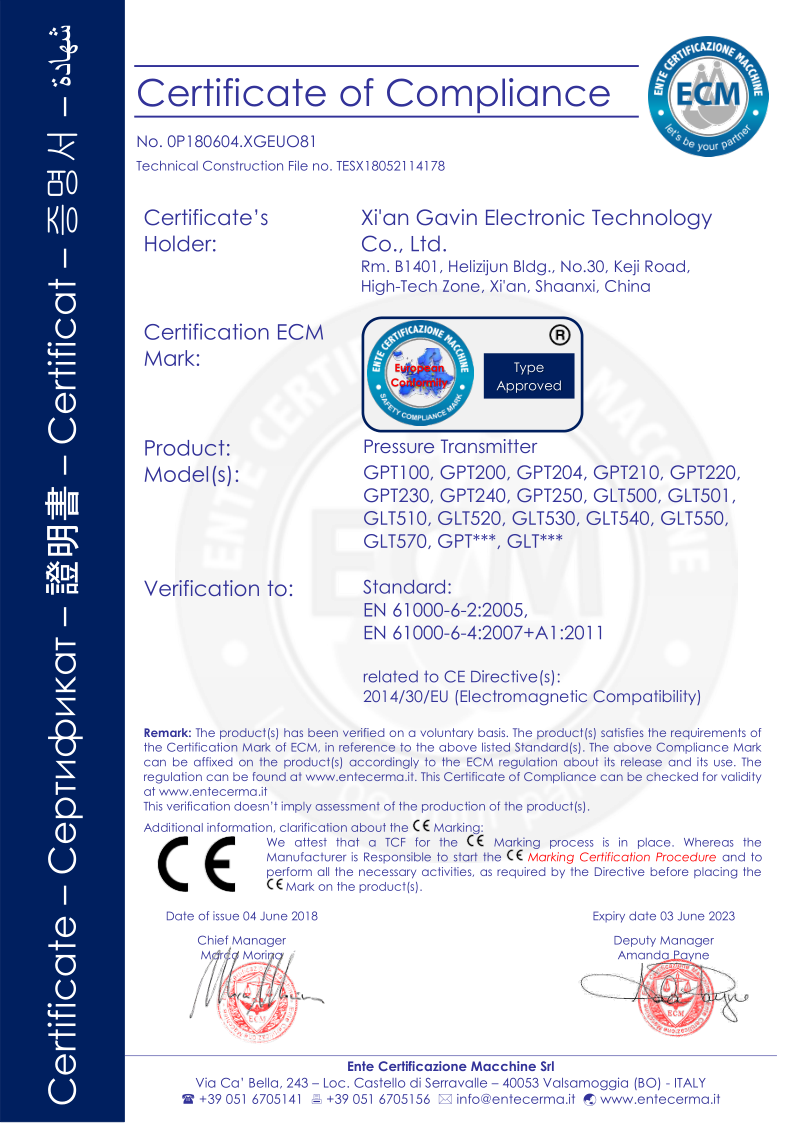
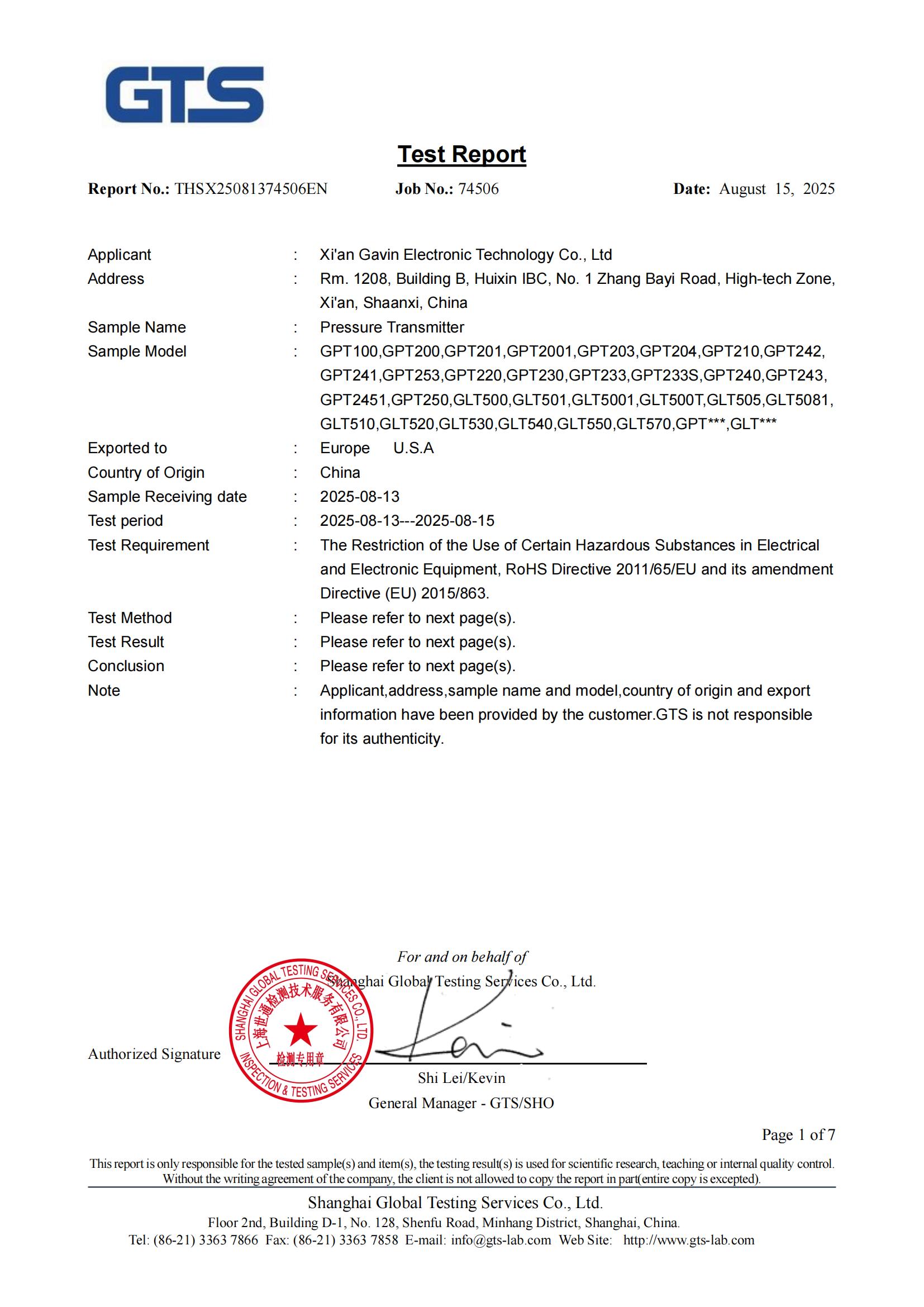
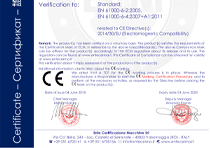
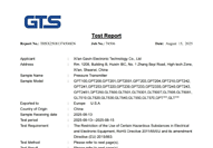
Get the fitting tools you need, like safety gear, waterproof wire links, mounting hardware, and calibration tools. Check that all of the electrical parts meet the necessary safety standards and environmental approvals, like CE, RoHS, and ATEX compliance. Write down how the current system is set up so that it can be easily integrated with new tracking tools.
According to safety rules, the pump must be turned off during installation to protect people and keep tools from getting damaged. Before turning on systems, make sure all the electrical links are safe and that they are properly grounded.
Mounting and Wiring Best Practices
Place the sensor probe at the right depth to get a full measurement range without influence from turbulent pump intake or release. Use corrosion-resistant materials that are right for the liquid environment to secure the fixing parts. The GLT530's small size makes it easier to place in tight areas while still measuring accurately.
To keep electrical disturbances to a minimum, keep the well level sensor wires away from high-voltage power lines. Protect connections from getting wet by using waterproof wire glands and junction boxes. Use the right strain relief to keep cables from getting damaged by vibrations or temperature changes.
When connecting wires, you need to pay close attention to polarity and signal purity. A non-polar two-wire current output makes wiring for pressure-based devices easier, making installation simpler while still ensuring reliable signal transmission. Before turning on the system, use the right meters to check all of the links.
Calibration and System Integration
Calibration after installation makes sure that measurements are accurate and that the system works well together. Use known liquid amounts or measured reference standards to set the zero and span points. Write down the calibration settings so that you can use them for future maintenance and fixing.
Set up the right scaling factors and alarm setpoints to connect sensor data to current control systems. Check that changes to measurements happen at the right times and that data transfer stays stable when everything is working as it should. These steps for tuning make sure that the sensors work well and that the automation of the pump system works well.
Maintenance, Troubleshooting, and Calibration Tips
Regular repair plans keep sensors accurate and extend their useful life, which has a direct effect on how reliable the system is and how much it costs to run. Unexpected failures that can mess up important business processes can be avoided with proactive upkeep.
Routine Maintenance and Cleaning Procedures
Set up visible checks once a month to see if there is any damage, corrosion, or buildup of trash around sensor sites. Use the right chemicals to clean the surfaces of sensors so that you don't damage the sensing elements or protection coatings. When using pressure-based monitors, you need to pay extra attention to how well the membrane and cables are working.
Keep an eye on signal steadiness and measurement accuracy as signs that a well level sensor is healthy. A slowly changing signal might mean that it needs to be calibrated, while quick changes usually mean that there is physical damage or an electrical problem that needs to be fixed right away.
Keep track of upkeep tasks and performance changes to find patterns that could mean problems are starting to appear. This information helps people make smart choices about when to replace sensors and how often to do repair based on how things are actually working.
Common Issues and Troubleshooting Solutions
Electrical connections that are too loose, damaged cables, or electromagnetic interference can cause signal loss or numbers that aren't consistent. Systematic troubleshooting starts with checking the voltage at the power source and the quality of the connections at the terminal points. Check the wires for damage like cuts, scrapes, or water getting inside that could lead to occasional faults.
Changes in temperature can affect how accurate a monitor is, especially in situations where temperature changes are very large. Make sure that the sensor's specs fit how it will be used, and if it has temperature adjustment features, look at them.
Over time, fixing gear may become less stable because of mechanical vibrations from pumps or other equipment. By checking and fixing mounting parts on a regular basis, these problems can be stopped before they get worse.
Comparing Well Level Sensors: Making the Best Choice for Your Pump System
The choice of sensors has a big effect on how well the system works in the long run, how much upkeep it needs, and the total cost of ownership. Knowing the pros and cons of various technologies helps you make smart purchasing choices that meet the needs of your specific application.
Performance Comparison Across Technologies
In deep well situations where room is limited, pressure-based sensors like the GLT530 are the most accurate and reliable choice. Their ability to measure a wide range of depths, from 1 meter to 500 meters, meets the needs of a wide range of industries while keeping uniform performance across the entire range.
Ultrasonic devices are great for measuring things without touching them, but they might not work well in places where there is foam, gas, or big changes in temperature. Capacitive sensors can work with a variety of liquids, but they need to be cleaned every so often to keep their accuracy in dirty settings.
Which sensor technology to use depends on the needs of the application, such as the measurement range, the level of accuracy needed, the climate, and how easy it is to do upkeep. Pressure sensors work best in tough conditions where dependability is more important than anything else.
Cost Considerations and Supplier Selection
The initial prices of the sensors are only a small part of the total costs of ownership. Sensor economy includes things like how often the sensor needs to be calibrated, how much upkeep it needs, and how long it is expected to last. Higher-quality sensors usually offer better long-term value because they need less upkeep and last longer.
For industrial uses that need steady performance and quick expert help, supplier reliability is very important. You can be more confident in the quality of the products and the availability of service after the sale if the maker has been around for a while and has a track record in industrial automation.
OEM customization features let sensors be made to fit particular uses, which could boost performance while lowering the cost of integration. Custom probe sizes, output signals, and certifications can help you choose the best sensor for your needs.
Practical Applications and Benefits of Well Level Sensors in Water Management
Well level sensors make a real difference in a wide range of water management tasks, from controlling industry processes to managing city water systems. Knowing these benefits helps you justify buying sensors and make better choices about how to build systems.
Enhanced Pump Efficiency and Energy Savings
Monitoring the level correctly stops the pump from getting dry, which can damage equipment badly and cost a lot of money in downtime. Sensors let the pump run automatically based on the water level instead of set plans, which saves energy and makes the pump last longer.
For variable speed pump control systems to change pumping rates based on demand, they need accurate level input. When compared to constant-speed processes, this method cuts energy use by up to 30% while keeping water flow and availability at a good level.
Having the ability to watch in real time helps preventative maintenance programs find problems before they become system failures. Operators are alerted by early warning systems to strange situations, which lets them take proactive steps that limit operating delays.
Environmental Compliance and Resource Management
More and more, water management regulations require exact measurements and records of water use and flow levels. Well level sensors give you the exact information you need to show that you're following environmental rules and running permits.
Water resource conservation attempts can be helped by detailed details on how much water is being used, which can show where improvements can be made. Level tracking helps leak detection programs find changes in water levels that can't be explained. These changes could mean that there are problems with the stability of the system.
Integration with IoT platforms lets you watch things from afar, which cuts down on costs and speeds up responses to system events. Advanced analytics that improve water management tactics across multiple places are made possible by collecting data in the cloud.
Conclusion
Installing well level sensors on your own gives industry workers the power to set up reliable monitoring systems while keeping project costs and schedules under control. The success rests on picking the right sensors, planning the installation carefully, and following a set of steps for activation. The GLT530 is especially good for difficult installations where room is limited and dependability is required in harsh conditions because it is small and well-built. Regular upkeep and proactive troubleshooting keep sensors working well and extend their useful life, giving water management assets long-term value. As IoT integration and smart sensor technologies keep getting better, organizations that adopt quality tracking solutions early on will be able to make their operations better and gain a competitive edge in water resource management.
FAQ
How often should I calibrate my well level sensor?
The frequency of calibration relies on the needs of the product and the conditions of the surroundings. For most commercial uses, checking the calibration every three months and doing a full correction once a year is best. Some important applications may need to be checked against known reference standards every month. The GLT530's stable pressure measuring technology usually keeps its accuracy between calibrations, which means it needs less upkeep than other types of sensors.
What are the most common DIY installation mistakes to avoid?
Some common construction mistakes are not giving the cables enough strain relief, not grounding them properly, and not thinking about how pump noise affects sensor readings enough. If you put monitors too close to where the pumps take in air, flow disturbances can make the numbers not match up. To avoid compatibility problems, always make sure that the power source and signal transmission needs are met before starting the installation.
Are well level sensors compatible with existing pump control systems?
These days, well level sensors send out standard messages that work with most pump control systems. The GLT530's non-polar two-wire current output makes it easier to connect to existing controls without having to make big changes to the system. Check the system's signal compatibility and scale needs during design to make sure it works well with current automation equipment.
Partner with GAMICOS for Professional Well Level Sensor Solutions
GAMICOS is ready to help you set up a well level sensor by providing you with a wide range of high-quality products and expert technical advice. Our tech team gives you personalized advice on which sensors to choose so that they work best in your individual application. As a top maker of well level sensors, we offer the GLT530 submersible sensor along with a wide range of customization options, such as the ability to change the probe width, choose from different output signals, and get special certifications for harsh industrial settings.
Email our technology experts at info@gamicos.com to talk about your project needs and get full installation suggestions. We provide detailed technical documentation, installation guides, and ongoing help to make sure that the placement of sensors goes smoothly. We've worked with clients in 98 different countries, so we know how to deal with unique problems and provide reliable testing solutions for important business uses.
References
1. Anderson, M.R. "Industrial Water Level Monitoring: Best Practices and Technology Selection." Process Automation Quarterly, Vol. 45, No. 3, 2023.
2. Chen, L.K. "Submersible Pressure Sensor Design and Performance Analysis in Deep Well Applications." International Journal of Industrial Instrumentation, 2023.
3. Rodriguez, P.A. "Pump System Automation: Integration Strategies for Level Sensing Technologies." Industrial Control Systems Review, Vol. 28, No. 7, 2023.
4. Thompson, J.S. "Maintenance Optimization for Water Management Sensor Networks." Water Technology and Management, Vol. 19, No. 4, 2023.
5. Williams, D.E. "Cost-Benefit Analysis of Automated Well Monitoring Systems in Industrial Applications." Engineering Economics Today, Vol. 31, No. 2, 2023.
6. Zhang, H.Y. "Environmental Compliance and Monitoring Technologies in Water Resource Management." Environmental Engineering Perspectives, Vol. 22, No. 6, 2023.

Spring
Spring, With 5 years of experience in sensor technology and product development, Mark specializes in helping clients identify the optimal pressure and level sensor solutions for demanding industrial environments。
We're here to help — submit your request anytime!
Let us know how we can help solve your pressure level measurement challenge.
_1757930850792.jpg)
Recommended Blog
How Diesel Level Sensors Improve Accuracy in Fuel Tank Monitoring