Diesel Level Sensor Solutions for Fuel Tanks in Global Markets
Comprehending Diesel Level Sensors: Technology and Benefits
- Comprehending Diesel Level Sensors: Technology and Benefits
- Choosing the Right Diesel Level Sensor for Your Application
- Installation and Maintenance Best Practices for Diesel Level Sensors
- Market Comparison: Leading Diesel Level Sensor Brands and Solutions
- Future Trends and Innovations in Diesel Level Sensor Technology
- Conclusion
- FAQ
- Contact GAMICOS for Advanced Diesel Level Sensor Solutions
- References
The global fuel management business needs high-tech diesel level sensor systems to keep correct records on fuel stock and improve operating efficiency. Modern diesel level sensor technology has changed the way that fuel storage companies, fleet owners, and manufacturing facilities keep track of their valuable fuel assets. Advanced sensors can measure in real time, so there's no need to guess. This keeps businesses from having to deal with expensive fuel shortages or overfills, and the sensors are essential for handling large-scale fuel operations in a wide range of industrial settings.

Comprehending Diesel Level Sensors: Technology and Benefits
As technology for tracking fuel tanks has improved, diesel level sensors have become essential parts of industrial automation systems. These high-tech measuring tools are used by procurement managers, engineers, and original equipment makers (OEMs) who need accurate fuel management solutions for a range of working settings.
Core Working Principles and Sensor Technologies
Diesel fuel level sensors can measure in a number of different ways, and each has its own benefits based on the needs of the application. Pressure sensors measure the hydrostatic pressure at the bottom of the tank and use exact pressure-to-height conversion methods to figure out the fuel amount. When high accuracy and long-term steadiness are needed, these gadgets work great.
Ultrasonic sensors use the passage of sound waves to measure the distance between the fuel surface and the sensor. This method doesn't require touch, so there is no chance of contamination. Capacitive sensors pick up changes in the dielectric constant between air and fuel, and they are very sensitive to different types of fuel. Float-based systems are easy to understand mechanically and have been shown to work reliably in common situations.
As an example of advanced pressure sensor technology, the GLT5001 liquid diesel level sensor uses silicon piezoresistive pressure sensors, which are very reliable, as its measuring core. This high-tech gadget has automatic temperature adjustment and customizable digital circuit correction to keep measurements accurate even when the environment changes.
Operational Advantages and Efficiency Gains
Modern diesel level sensors make operations a lot better, which has a direct effect on how well the business does overall. Accurately keeping track of fuel supplies stops gaps before they happen, which can stop production. Real-time monitoring also lets you schedule just-in-time fuel deliveries, which lowers the cost of storage.
Automated fuel management systems get rid of the need for people to manually check tanks. This frees up workers to do more important tasks and stops measurement mistakes that people make. It is now easier to gather more data, which helps predictive maintenance systems find problems before they get too expensive.
Some perks of environmental compliance are the ability to find leaks and systems that stop spills, which keep you from breaking the law. Advanced sensors help fuel quality tracking tools make sure that combustion works well and equipment lasts a long time.
Choosing the Right Diesel Level Sensor for Your Application
To choose the best fuel level measurement options, you need to carefully look at the performance standards and business needs. The people who make decisions have to find a mix between technical requirements and spending limits, all while making sure that the new system will work with older ones in the future.
Critical Selection Parameters
Different applications have very different accuracy needs. For example, some processes need to be accurate to within 0.1%, while others are fine with a 1% margin. Extreme temperatures, chemical exposure, and shaking levels all affect measurement accuracy and the life of a device, so the environment has a big impact on the choice of sensor.
Compatibility with current control systems for signal output makes sure that integration goes smoothly. Modern devices can communicate with different types of automation systems using digital standards, wireless communication, and analog current loops. When thinking about tank shape, things like depth limits, entry restrictions, and mounting arrangements help choose the right sensor types.
With its two setup choices, the GLT5001 sensor can be used in a wide range of situations. The basic model is good for measuring liquid levels in set locations, while the magnetic suction base version lets you keep an eye on tanks while they're being moved or stored temporarily.
Smart Sensors versus Traditional Solutions
Modern smart diesel level sensors use microprocessors to process signals, which makes measurements more stable and improves their ability to diagnose problems. These devices automatically fix problems with calibration, temperature, and fault recognition, which lowers the need for upkeep and raises the accuracy of measurements.
In simple situations where advanced functions are not needed, traditional analog devices are easier to use and cost less. Smart sensors, on the other hand, offer better long-term value because they are more accurate, can diagnose problems better, and can be easily integrated to meet changing business needs.
Installation and Maintenance Best Practices for Diesel Level Sensors
The best performance from sensors is guaranteed for the whole life of the gadget by following the right installation steps and regular upkeep schedules. These habits have a direct effect on how accurate measurements are, how reliable operations are, and how much it costs to own a fuel management system as a whole.
Professional Installation Guidelines
To get a tank ready, it needs to be cleaned thoroughly to get rid of any dirt or debris that could mess up sensor settings or hurt sensitive parts. When choosing a mounting position, things like the way the fuel moves, the difference in temperatures, and how easy it is to get to for future repair tasks are all taken into account.
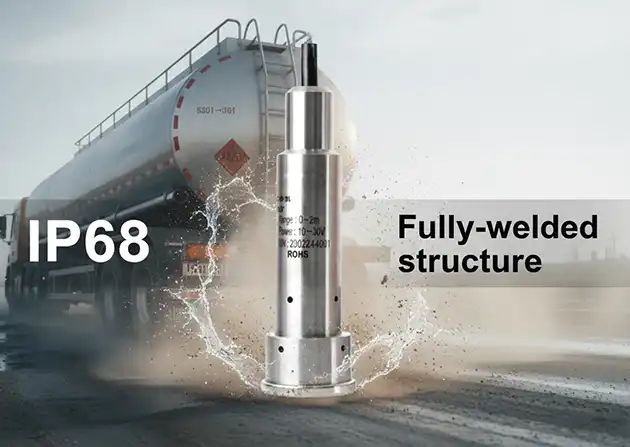
The fully welded structure and IP68 grade of the GLT5001 sensor make it possible to place it in harsh conditions without affecting the accuracy of the measurements. Its anti-vibration magnetic suction base makes it work with mobile devices where other mounting ways wouldn't work.
Electrical lines must meet safety standards, especially in places where explosions are a possibility, where ATEX-certified monitors are required. When you ground something properly, you stop electromagnetic interference that could throw off your measurements or put you in danger.
Preventative Maintenance Protocols
Regular calibration checks make sure that measurements stay accurate even after being exposed to the environment and normal wear and tear. Regular checks find problems like broken cables, mounting that isn't tight enough, or contamination that builds up before they affect how well the sensor works.
Modern sensors have built-in diagnostic testing features that make fixing easier and cut down on the time needed for upkeep. To make sure it will work in the field, the GLT5001 goes through a lot of tests during production, such as cycling the pressure, aging, and simulating the climate.
Documentation maintenance includes records of testing, service history, and performance trends that help predictive maintenance programs. These records help figure out the best time for service and look for trends that could mean there are systemic problems that need to be fixed.
Market Comparison: Leading Diesel Level Sensor Brands and Solutions
In the global diesel level sensor market, there are well-known companies that offer a range of technology methods and service plans. Knowing how you stand in the market helps procurement pros make smart choices that meet business needs and stay within budget.
Technology Leader Analysis
Honeywell offers a wide range of sensor options, with a focus on integrating industrial technology and getting certifications for dangerous areas. Their goods work really well in situations where you need strong building and proven dependability in tough conditions. Siemens makes high-tech digital monitors that can communicate and do advanced analysis to help with Industry 4.0 projects.
VEEDER-ROOT is an expert in fuel control systems, and they work well in both store and fleet settings. Automotive-grade sensors made by Sensata work well in industry settings that need to make a lot of them and keep costs down. Emerson is an expert in process control, and its sensors are made to work continuously in harsh industrial settings.
GAMICOS stands out because it can be customized to fit the needs of each business and has a full global support system. The GLT5001 sensor is a good example of this method because it can be set up in a number of different ways and has a lot of certifications that prove it works, such as an ATEX rating for explosion protection, CE marking, and RoHS environmental compliance.
Pricing Models and Service Considerations
The initial buy price, installation costs, continued maintenance needs, and estimated service life must all be included in the total cost of ownership analysis. Some makers offer service packages that include technical support, upkeep, and calibration all in one. Other manufacturers focus on low starting costs and offer different service plans.
Service availability in a region has a big effect on operational costs, especially for sites that are far away and may not have access to expert technical help. GAMICOS solves this problem with a worldwide network of distributors and detailed technical documents that help local service providers.
Future Trends and Innovations in Diesel Level Sensor Technology
As technology keeps getting better, fuel management tools are changing too. New inventions promise better accuracy, communication, and operating intelligence. These changes open up new ways to improve fuel operations while also meeting changing environmental and legal standards.
IoT Integration and Smart Monitoring
Connecting sensors to the Internet of Things turns them from standalone devices into unified tracking networks that give full insight into fuel management. Smart sensors gather information about operations that help with predictive analytics, automated reporting, and online tracking. These features lower operational costs and raise efficiency.
LoRa, GPRS, NB-IoT, and 4G cellular are some of the wireless communication methods that let sensors send data straight to management platforms in the cloud. This connectivity gets rid of the need for expensive wiring setups and lets sites that are spread out be monitored in real time.
Machine learning systems look at patterns in past data to predict trends in fuel use, find the best supply times, and find outliers that could mean there are problems with equipment or security. With these features, reactive fuel management can be turned into proactive operations improvement.
Advanced Material Technologies
Next-generation sensor materials are better at resisting chemicals and last longer in harsh fuel conditions. Advanced ceramics and special coats keep sensitive parts safe and keep the accuracy of measurements for long periods of time.
Miniaturization trends make it possible to put sensors in places that weren't possible before. This lowers the cost of installation and makes the integration look better. Wireless power transfer technologies get rid of the need to change batteries, which lowers the cost of long-term upkeep and makes faraway sites more reliable.
Conclusion
Diesel level sensor technology has grown into a complex field of measurement that allows accurate fuel control in many industry settings. The GLT5001 sensor is an example of current progress because it uses tried-and-true pressure measurement technology, is built to last, and can be configured in a number of ways to meet different operating needs. Buying good diesel level sensors will pay off in the form of higher working efficiency, less waste, and better compliance with regulations. When companies want to improve their fuel management systems, they should compare their needs to the technologies that are currently available. This way, they can choose options that give them the most long-term value and operational support.
FAQ
How accurate are diesel level sensors compared to traditional fuel gauges?
Modern diesel level sensors are very accurate, within 0.25 to 0.5 percent of the full scale. This is much better than standard float gauges, which are only 2% to 5% accurate. With automatic temperature adjustment, the GLT5001 sensor stays accurate even when the temperature or pressure changes. It uses silicon piezoresistive pressure technology.
Can diesel level sensors work with different types of fuel tanks?
Good diesel level sensors can work with tanks made of steel, metal, fiberglass, plastic, and other materials. The GLT5001 comes with both a standard mounting option for fixed installs and a magnetic suction base option for mobile tanks. This makes it compatible with a wide range of tank designs and operational needs.
What should be considered when purchasing diesel level sensors in bulk for fleet operations?
When purchasing a lot of sensors, you should look at ways to standardize them, the availability of service support, and the tuning needs in different places. To make installation and upkeep easier, look for sensors that have stable output signals, mounting systems that work with them, and full certification compliance.
Contact GAMICOS for Advanced Diesel Level Sensor Solutions
GAMICOS is an expert at making diesel level sensor solutions that are precisely designed to meet the strict needs of industry operations around the world. Our GLT5001 liquid diesel level sensor uses tried-and-true silicon piezoresistive technology, is built to last, and meets all approval requirements to work reliably in tough conditions. As a reliable diesel level sensor maker with a lot of experience working with customers in 98 different countries, we offer full OEM/ODM customization services as well as dedicated expert support. Get in touch with our knowledgeable staff at info@gamicos.com to talk about your unique fuel tracking needs and find out how our cutting-edge sensor solutions can help you improve your operational efficiency and fuel management performance.
References
1. Industrial Automation and Sensor Technology Handbook, 3rd Edition. Society of Manufacturing Engineers Press, 2023.
2. Fuel Management Systems in Industrial Applications: Best Practices and Technology Trends. Energy Technology Institute, 2023.
3. Pressure Sensor Technology and Applications in Liquid Level Measurement. International Journal of Industrial Instrumentation, Vol. 45, 2023.
4. Global Fuel Monitoring Systems Market Analysis and Technology Assessment. Industrial Research Associates, 2023.
5. Advanced Sensor Technologies for Hazardous Environment Applications. Process Safety and Environmental Protection Journal, 2023.
6. Diesel Fuel Quality Management and Measurement Technologies in Industrial Operations. Petroleum Technology Quarterly, 2023.

Ivy
Ivy, product consultant, has focused on sensor consultation for ten years, is proficient in providing pressure and level measurement solutions for customers.
We're here to help — submit your request anytime!
Let us know how we can help solve your pressure level measurement challenge.
Recommended Blog