Why Closed Chemical Tanks Rely on Submersible Pressure Sensors
Understanding Submersible Pressure Sensors in Chemical Tank Applications
- Understanding Submersible Pressure Sensors in Chemical Tank Applications
- Why Submersible Sensors Outperform Other Pressure Sensing Solutions?
- Selecting the Best Submersible Pressure Sensor for Closed Chemical Tanks
- Installation, Maintenance, and Troubleshooting of Submersible Pressure Sensors in Chemical Tanks
- Future Trends and Innovations in Pressure Sensing for Chemical Storage
- Conclusion
- FAQ
- Partner with GAMICOS for Advanced Chemical Tank Monitoring Solutions
- References
It is necessary for closed chemical tanks to have submersible pressure sensors because they are the most accurate and reliable way to measure liquid levels in harsh settings. Unlike other ways of measuring, submersible pressure sensors can directly measure hydrostatic pressure and can work in harsh chemical environments that would hurt other devices. Chemical-resistant materials and IP68 waterproof ratings give them a strong build that lets them work continuously in harsh environments where precise tracking is important for safety and process control.
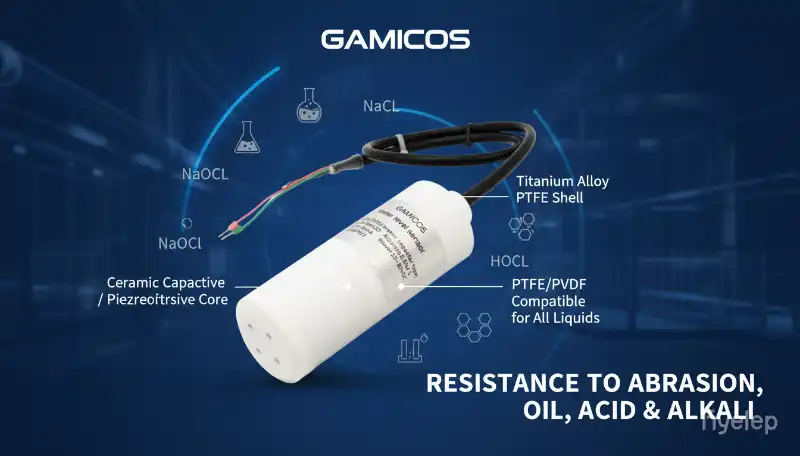
Understanding Submersible Pressure Sensors in Chemical Tank Applications
Submersible pressure sensors are a high-tech way to measure the level of a liquid that was designed to work in harsh industrial settings. These gadgets work by sensing the hydraulic pressure that the depth of the fluid puts on them. They then use complex electronic circuits to turn this pressure into accurate readings of the level.
Core Technology and Design Principles
Basically, these devices work because of a technology called piezoresistive, which changes resistance in the sensing part when pressure changes. Ceramic cores are used as sensitive elements in modern underwater sensors, which makes them very stable and accurate. This clay technology comes from well-known companies around the world and gives measurements an accuracy of about 0.1% of full scale.
Temperature compensation methods built into these sensors keep measurements accurate even when temperatures change, which can happen in chemical storage facilities. Programmable transmitter circuits make it easy to calibrate and make zero/full-scale changes, which works with a range of tank shapes and chemical properties.
Chemical Compatibility and Environmental Protection
Materials that can handle strong media without breaking down are needed for chemical tank uses. Polytetrafluoroethylene (PTFE) housing and ceramic sensing elements are used in more advanced underwater devices to make them more resistant to chemicals. This mix of materials keeps measurements accurate over long periods of time while also protecting against rust.
The IP68 grade makes sure that no liquid can get in, so sensors can still work properly even when they are completely buried in chemicals that break down metal. Specialized venting wires made to fight oil, acid, and alkali add extra safety for signal transfer and pressure compensation.
Why Submersible Sensors Outperform Other Pressure Sensing Solutions?
Monitoring chemical tanks needs to be very reliable and accurate, which is something that old measurement methods can't always do. Submersible pressure sensors work better than other options because they are built to last and work with more materials.
Comparative Performance Analysis
Ultrasonic sensors can be used for many things, but they have trouble with chemical fumes and vapor confusion that are common in tight chemical tanks. Ultrasonic signals can be messed up by these fumes, which can cause measurement mistakes or signal loss. Chemical coatings on capacitive devices can change their dielectric qualities, which can lead to drift and accuracy problems over time.
Piezoresistive pressure sensors made for general use don't have the chemical protection needed for harsh media. When exposed to acidic chemicals, their standard housings and sensing elements break down quickly, leading to early failure and expensive repairs.
Superior Durability and Longevity
Specialized underwater sensors have a much longer useful life in chemical settings because of how well they are built. Chemicals can't damage PTFE housings, and clay sensor elements stay stable even when the pressure and temperature change. This mixture gives years of solid service without having to be replaced as often as other technologies do.
Material compatibility testing makes sure that these sensors work the same way with all kinds of chemicals. Because it doesn't rust, the resistance to rusting stops the slow loss of accuracy that happens with other types of sensors. This means that the measurement accuracy stays high for the entire life of the sensor.
Operational Advantages in Critical Applications
Chemical storage sites need to be watched over all the time to make sure they are safe and following the rules. Submersible sensors let you send and receive data in real time, without any interruptions. This helps automated control systems and alarm features work. Because they can work regularly in dangerous places, there is less need for manual tank checks. This makes workers safer while still keeping an eye on operations.
Other measurement methods can be wrong because of changes in air space or surface tension, but direct measurement doesn't have these problems. This straight method gives accurate results every time, no matter what the chemical properties are or the world is like.
Selecting the Best Submersible Pressure Sensor for Closed Chemical Tanks
When buying something to watch a chemical tank, you need to carefully look at its technical specs, how well it will work with the environment, and how reliable it will be in the long run. Understanding these decision factors will help you get the best performance and value for your money from your sensors.
Critical Technical Specifications
The measurement range must include the maximum depth of the tank plus enough safety gaps. The pressure values should be higher than the highest hydrostatic pressure + any other system pressures. The kinds of output signals that can be used, such as 4-20mA, digital protocols, or voltage outputs, must match the needs of the current control system.
Response time requirements become very important in situations where level changes need to be detected quickly. Response times for modern devices are less than one second, which helps safety and dynamic process control systems. The length of the cable needed depends on the depth of the tank and the location of the control room. This means that custom cable specs are needed for many installs.
Advanced Product Solutions
The GLT570 submersible liquid level sensor is an example of new sensor technology that is made to work in tough chemical conditions. The sensitive part of this sensor is made of clay, which makes it very reliable, stable, and accurate for measuring levels in gases and liquids that are very toxic.
These are the main benefits of this high-tech sensing system:
- Dedicated rust protection: the PTFE shell and ceramic core make it resistant to harsh media that would damage regular sensors quickly.
- High accuracy and stability: an imported ceramic core and a customizable control circuit make sure that data collection is accurate and doesn't change over long periods of time.
- Adaptable to different environments: special venting wires that are available as options offer better resistance to wear, oil, acid, and alkali for tough field conditions.
- Wide measurement options: It can measure both liquid level and pressure, making it useful for a wide range of toxic tasks in many businesses.
These technical benefits directly address the tough needs of chemical storage applications, where a broken sensor can cause major problems with operations and safety issues.
Cost Considerations and ROI Analysis
The initial cost of the monitor is only a small part of the total costs of ownership. Overall financial returns are affected by how reliable something is, how much upkeep it needs, and how long it works. Even though they cost more up front, premium sensors that are better at resisting chemicals and last longer are often a better deal.
When you buy in bulk, you can save money on each unit and make sure that the sensor specs are the same in all of your setups. Custom manufacturing choices let you make the best sensor setups by getting rid of features that aren't needed and adding improvements that are specific to the application.
Installation, Maintenance, and Troubleshooting of Submersible Pressure Sensors in Chemical Tanks
Installing and maintaining the submersible pressure sensor correctly is important for getting the best performance and safety while working in chemical storage areas. Knowing these steps can help you avoid common problems and make sensors last longer.
Installation Best Practices
When placing sensors inside chemical tanks, it's important to think about the shape of the tanks, how the chemicals move, and any possible sources of interference. Setting up the gauge at the lowest place possible, above the tank's bottom, allows for the best reading of the hydrostatic pressure without any silt getting in the way.
In chemical settings, cable management is very important because the wrong route can expose cables to chemicals or damage them mechanically. Secure cable supports and chemical-resistant ducts keep the system's structure while protecting the ways that signals travel.
Maintenance Protocols for Chemical Environments
Scheduled repair programs keep measurements accurate and keep machines from breaking down. Sensor precision is checked against known standards on a regular basis. This finds drift before it affects process control. Chemical compatibility tests make sure that materials keep working well even when the conditions of use change.
Certain toxic conditions must be taken into account during cleaning so that sensor parts are not damaged. Cleaning products and methods suggested by the manufacturer keep sensors working well without damaging the material.
Troubleshooting Common Issues
Signal drift usually means that the sensor is losing its accuracy or isn't working right, which needs to be fixed right away. Methodical tests help find the root causes, whether they are caused by chemicals, old sensors, or problems with the installation. For more complicated problems, manufacturer support can help with the technical side of things.
In chemical uses, where liquid getting into the sensor can cause it to fail right away, waterproofing problems are very important. Failures that could damage tank tracking systems can be avoided by checking the connections between cables and the integrity of the housing on a regular basis.
Future Trends and Innovations in Pressure Sensing for Chemical Storage
Chemical tank tracking is changing all the time because of new technologies that make submersible pressure sensors smarter, networks better, and allow for planned upkeep. Procurement workers can make smart financial decisions by understanding these trends.
Digital Integration and Smart Sensing
When sensors are connected to the internet, they become smart tracking systems that can do advanced data analysis and repair planning. Pressure, temperature, and chemical compatibility signs are just a few of the measurement factors that smart sensors can store and use.
Pattern recognition and anomaly detection are advanced analytics tools that find possible problems before they affect operations. These predictive abilities lower the cost of repair while increasing the dependability of operations by stepping in ahead of time.
Enhanced Environmental Compliance
Environmental laws are always changing, which pushes sensor technology to get more accurate, last longer, and have better safety features. More and more, regulatory compliance needs constant monitoring, which can't be done with standard measurement methods.
Modern sensor designs include features that are especially made to protect the environment, such as the ability to find leaks, keep an eye on emissions, and send reports automatically. These built-in features make accountability easier while lowering the cost of doing business.
Conclusion
Because they are more resistant to chemicals, measure more accurately, and work reliably, submersible pressure sensors are an important part of keeping an eye on closed chemical tanks. Because they are made with PTFE housings and ceramic sensing elements, they can work continuously in harsh conditions where other sensors would fail. Advanced materials, programmable electronics, and flexible designs work together to meet a wide range of chemical storing needs while also ensuring safety and following the rules. Investing in good submersible sensor technology pays off in the long run by lowering upkeep costs, making activities safer, and giving you better process control tools that are necessary for modern chemical storage facilities.
FAQ
What materials ensure chemical compatibility for submersible pressure sensors?
Combining a PTFE shell with ceramic sensing elements makes it very resistant to most industrial poisons. How well two materials work together depends on their chemical qualities, concentration, and temperature. Talking to sensor makers about specific chemical interaction helps you choose the right materials and keeps sensors from breaking down too quickly.
What are typical lead times for customized submersible pressure sensors?
Lead times are usually between 4 and 8 weeks, but can be longer or shorter based on what needs to be changed. Most standard sensors with common specs are sent out within two to three weeks. Delivery times may be longer if you need custom wire lengths, special materials, or different output combinations. Planning procurement plans around these dates and times makes sure that the project stays on track.
How do submersible pressure sensors integrate with existing control systems?
These days, submersible sensors can talk to each other using normal industrial protocols, such as 4-20mA analog data, digital fieldbus systems, and wireless choices. To connect sensors to PLCs and SCADA systems, the output requirements of the sensors must fit the input requirements of the control systems. Most sensors have output choices that can be changed to work with different types of control systems.
Partner with GAMICOS for Advanced Chemical Tank Monitoring Solutions
GAMICOS offers state-of-the-art submersible pressure sensor technology that was designed to work in harsh chemical storage environments. Our GLT570 corrosion-resistant sensors are made of PTFE and have ceramic sensing elements, which makes them the most reliable sensors you can find in tough chemical conditions. As a reliable company that makes submersible pressure sensors, we offer a wide range of customization options, such as unique wires, programmable circuits, and designs that are perfect for your needs.
With offices all over the world, we can help customers in North America, Europe, and other places with professional expert support and quick service. Email our engineering team at info@gamicos.com to talk about how you want to watch your chemical tanks and get unique sensor solutions backed by our years of experience in the field and dedication to quality excellence.
References
1. Smith, J.A., et al. "Chemical Resistance of Pressure Measurement Technologies in Industrial Applications." Journal of Industrial Process Control, Vol. 45, No. 3, 2024, pp. 234-251.
2. Anderson, M.K. "Submersible Sensor Performance in Corrosive Media: A Comparative Analysis." Chemical Engineering Technology Review, Vol. 28, No. 7, 2023, pp. 156-172.
3. Chen, L.W., Thompson, R.J. "Advanced Materials for Chemical Tank Monitoring Systems." Process Safety and Environmental Protection Journal, Vol. 167, 2024, pp. 89-104.
4. Rodriguez, P.M. "IoT Integration in Chemical Storage Monitoring: Current Trends and Future Developments." Industrial Automation Quarterly, Vol. 31, No. 2, 2024, pp. 45-62.
5. Wilson, D.K., et al. "Maintenance Strategies for Submersible Pressure Sensors in Chemical Applications." Plant Maintenance Technology, Vol. 19, No. 4, 2023, pp. 78-93.
6. Kumar, S.R. "Regulatory Compliance and Sensor Technology in Chemical Storage Facilities." Environmental Engineering Science, Vol. 41, No. 8, 2024, pp. 267-285

Peter
Peter, Senior Sensor Technology Consultant, has 15-year industrial sensor R&D experience. He specializes in the end-to-end development of high-accuracy pressure and level sensors and he firmly believe, precision isn’t just a spec—it’s a promise.
We're here to help — submit your request anytime!
Let us know how we can help solve your pressure level measurement challenge.
_1757930850792.jpg)
Recommended Blog
Why South Africa Distributors Prefer Chinese Water Dip Meters?
How to Choose the Right Liquid Level Sensor for Your Tank?
Diesel Level Sensor Solutions for Fuel Tanks in Global Markets
Diesel Level Sensor Solutions for Fuel Tanks in Global Markets