What Affects the Cost of Submersible Sensors
Key Factors Influencing the Cost of Submersible Pressure Sensors
- Key Factors Influencing the Cost of Submersible Pressure Sensors
- Comparing Submersible Pressure Sensors: Features Versus Cost
- Procurement Considerations for B2B Buyers
- Technical Specifications That Affect Cost and Performance
- GAMICOS Solutions: Your Trusted Partner for Submersible Level Measurement
- Conclusion
- Partner with GAMICOS for Reliable Submersible Pressure Sensor Solutions
- References
The cost of submersible pressure sensors varies significantly based on multiple interrelated factors, ranging from material composition and sensing technology to customization requirements and environmental specifications. Understanding these cost drivers enables purchasing managers and engineers to make strategic procurement decisions that balance budget constraints with operational demands. Sensors designed for corrosive environments, featuring ceramic cores and PTFE housing, typically command higher prices due to their specialized construction and superior material resistance. Beyond upfront purchase costs, lifecycle expenses including installation, calibration, maintenance, and potential replacement intervals contribute to the total cost of ownership, making comprehensive evaluation essential for long-term budget planning in industrial applications.
Key Factors Influencing the Cost of Submersible Pressure Sensors
We acknowledge that the cost of level measuring systems is a result of the intricate interaction between production factors and technical specifications. The sensor technology used in the gadget is the fundamental factor behind cost difference. By using strain gauge components attached to flexible diaphragms, piezoresistive sensors transform mechanical pressure into quantifiable variations in electrical resistance. Applications requiring accurate hydrostatic pressure measurement in tanks, wells, and industrial reservoirs are especially well-suited for this technology's exceptional precision and stability.
Sensing Technology and Core Components
The sensor device at the core of every submersible level probe controls both manufacturing complexity and performance parameters. With remarkable chemical resistance and measurement stability across wide temperature ranges, ceramic core sensors are a premium category in the market. These cores, which come from globally renowned manufacturers, use thick-film ceramic substrates or cutting-edge silicon-on-sapphire technology, which maintains calibration integrity even when exposed to harsh environments for extended periods of time.
These cores' embedded programmable transmitter circuits allow for accurate zero and full-scale changes, which reduce drift and improve long-term dependability. Compared to conventional metal diaphragm designs, ceramic-based sensors have higher production costs because their manufacturing processes need specialized facilities and quality control procedures.
Material Selection and Environmental Compatibility
Another important cost factor that is closely related to the target application's chemical compatibility criteria is housing material. Standard stainless steel housings provide corrosion resistance at reasonable prices and function well in neutral water conditions and common industrial applications. However, sophisticated materials like polytetrafluoroethylene (PTFE) are required for applications involving extremely corrosive chemicals, such as strong acids, alkalis, or chlorinated compounds.
When exposed to chemicals that would quickly deteriorate ordinary metals, PTFE housings preserve structural integrity due to their unmatched chemical inertness. PTFE component machining and assembly need specialized equipment and knowledge, which significantly raises production costs. Pricing is also impacted by cable construction since specially designed venting cables that are constructed for mechanical endurance, oil resistance, and acid-alkali tolerance need multi-layer construction with high-quality insulation materials and reinforced protective sheathing.
Accuracy Requirements and Calibration Complexity
Because measurement accuracy affects component selection and manufacturing tolerances, it has a direct effect on sensor cost. High-grade sensor components, temperature compensation circuits, and stringent calibration processes including many reference points over the operating range are necessary for high-accuracy systems that can maintain ±0.1% full-scale error or better. Standard accuracy sensors, which usually have a precision of ±0.5%, use simpler calibration procedures and less demanding component standards, which lowers manufacturing costs.
High-precision measurement is usually required for process control and safety compliance in industries like chemical processing and pharmaceutical production, which justifies the higher cost of greater accuracy levels. On the other hand, standard-grade sensors may work well for applications like simple water level monitoring in agricultural settings, providing budget minimization without sacrificing operational requirements.
Connectivity Options and Digital Interface Features
Another cost factor in the choosing of submersible sensors is the formats of the output signals and the connection protocols. Simple electronics are used in basic analog output designs, such as 0-5V voltage signals or 4-20mA current loops, which continue to be the most cost-effective choice for direct connection to PLCs and control systems. Advanced IoT-enabled connection (LoRa, NB-IoT, 4G wireless transmission), Modbus RTU, HART protocol, and other digital communication interfaces need complicated signal processing circuits and communication modules that raise component prices and assembly complexity.
By removing the need for hardwired equipment and providing remote monitoring and installation flexibility, wireless-enabled sensors make a larger initial investment more justified by lowering installation labor costs and improving operational visibility. In dispersed monitoring and facilities management applications, where real-time data access and predictive maintenance capabilities provide quantifiable operational value, we see an increasing need for IoT-integrated solutions.
Comparing Submersible Pressure Sensors: Features Versus Cost
Navigating the relationship between sensor capabilities and pricing requires understanding how specific features translate into manufacturing complexity and material expenses. The market offers a spectrum of options ranging from economical general-purpose devices to highly specialized sensors, such as submersible pressure sensors, engineered for extreme conditions. This diversity enables buyers to align procurement decisions with actual operational requirements rather than over-specifying equipment beyond necessary parameters.
High-Accuracy Models Versus Standard Options
Temperature-compensated measurement circuits included in premium quality sensors preserve accuracy across a broad temperature range, usually from -40°C to 125°C or higher. These devices have low drift over long operating times because they use multi-point calibration techniques and sensor elements made to tighter tolerances. High-accuracy transmitters' electronic parts have improved stability standards that guarantee reliable signal processing under a range of environmental circumstances.
Even though they are less accurate, standard accuracy sensors function dependably in situations where measurement margins of ±0.5% to ±1% whole scale are acceptable. Typical use cases where standard-grade sensors provide sufficient capability at much lower prices include non-critical process measurement, simple pump control applications, and water level monitoring in storage tanks.
Corrosion Resistance and Specialized Materials
Through material selection criteria, environmental concerns have a significant influence on sensor price. 316L stainless steel housings, which provide good corrosion resistance in neutral pH conditions at modest material prices, may be used in freshwater applications. Chloride-induced corrosion is a problem in saltwater conditions, requiring either sophisticated polymer materials or titanium alloy housings. Titanium structure has remarkable strength and resistance to corrosion, but because of the high cost of materials and the challenges associated with machining, it is quite expensive.
The most hostile chemical conditions are addressed by PTFE-housed sensors, which shield the electronics and sensing device from direct medium contact. Measurement in extremely reactive chemicals such as strong sulfuric acid, sodium hypochlorite solutions, and others that would destroy traditional sensor materials after days or weeks of continuous exposure is made possible by these customized housings. Chemical-resistant designs are more expensive in the market, which is justified by the technical and manufacturing costs involved.
Brand Reputation and Market Positioning
In comparison to up-and-coming suppliers, established manufacturers are able to charge higher prices because to their certification portfolios, track records, and worldwide support networks. In order to verify performance claims and guarantee regulatory compliance, businesses like Honeywell, Siemens, and ABB make significant investments in R&D, quality assurance systems, and comprehensive product testing. In addition to having extensive warranty coverage and access to technical support resources that reduce deployment risks, their sensors often use patented technology.
On the other hand, specialist sensor manufacturers that only provide level and pressure monitoring equipment sometimes offer similar technological performance at more affordable prices. When suppliers exhibit strong quality control systems and provide verifiable performance data, we have found that many industrial customers get the best value by closely examining specifications and certifications rather than relying just on brand awareness.
Procurement Considerations for B2B Buyers
Strategic procurement extends beyond comparing unit prices to encompass total cost of ownership, supplier reliability, and alignment with operational requirements. Purchasing managers benefit from understanding market pricing structures and leveraging procurement strategies that maximize value across the equipment lifecycle, particularly when selecting specialized devices like submersible pressure sensors.
Typical Price Ranges and Bulk Purchasing Advantages
For non-corrosive freshwater applications, entry-level submersible sensors with standard accuracy and simple analog output configurations usually cost between $150 and $400 per unit. Mid-range devices with better material standards, digital communication methods, or increased accuracy cost between $400 and $900 per unit. Depending on the pressure range and customisation needs, specialized sensors made for corrosive environments with ceramic cores and PTFE housings and sophisticated signal processing typically cost between $900 and $2,500 or more.
Large purchases result in significant cost savings; orders of 50–100 units often qualify for bulk discounts of 15–30%. Through blanket purchase agreements and planned delivery arrangements, buyers may get attractive pricing and optimize inventory levels by establishing connections with manufacturers that can schedule production in a flexible manner.
Customization Impact on Pricing and Lead Times
Because of their established manufacturing methods and component inventories, standard catalog sensors provide the most affordable prices and the quickest lead times. Requests for customization, such as altered pressure ranges, unique cable lengths, unique output signals, or housing alterations tailored to a particular application, add requirements for technical reviews and may call for the purchase of specialist components. Modifications to the output signal or cable length, for example, usually result in lead time extensions of one to two weeks and a 5–15% increase in base cost.
Costs may rise by 25–50% or more with significant changes involving custom housing designs, specialized material specifications, or the integration of proprietary communication protocols. Depending on component availability and manufacturing complexity, lead times may reach six to twelve weeks. By facilitating product differentiation and optimal integration into larger system assemblies, OEM agreements often serve as justifications for these customized expenditures.
Evaluating Datasheets, Warranties, and After-Sales Support
Thorough technical documentation demonstrates the manufacturer's dedication to openness and customer service. Accuracy over the operating temperature range, long-term stability traits, media compatibility restrictions, and electrical requirements, such as power consumption and output loading capacities, should all be included in detail in datasheets. Suppliers provide a wide range of warranty periods, from one-year restricted coverage to extended three to five-year warranties on high-end equipment.
We advise carefully assessing the extent of the warranty, taking note of whether it covers simply replacement expenses or also application support and failure analysis services. During the installation, commissioning, and troubleshooting stages, after-sales technical support skills are very helpful. Responsive manufacturers provide application engineering support that lowers deployment risks and speeds up time to operational state.
Technical Specifications That Affect Cost and Performance
Understanding how technical parameters influence both sensor pricing and operational suitability enables informed specification development that balances performance requirements with budget realities. Each specification dimension carries manufacturing implications that directly impact production costs and, consequently, market pricing, especially for specialized sensors like submersible pressure sensors.
Pressure Range and Overpressure Tolerance
Sensing elements must accommodate the specified measurement range while maintaining accuracy and withstanding potential overpressure conditions. Sensors designed for low-pressure applications, such as shallow tank level measurement spanning 0-1 bar or 0-5 psi, utilize thin diaphragm constructions optimized for sensitivity at minimal deflection. High-pressure devices measuring ranges exceeding 100 bar incorporate robust diaphragm designs and reinforced housing structures capable of withstanding substantially greater mechanical stress.
Manufacturing complexity increases with pressure range, as higher-pressure sensors require precision machining, advanced sealing technologies, and more rigorous pressure testing protocols. Overpressure protection capabilities—typically specified as 150% to 200% of rated range—demand additional structural reinforcement and safety margins that contribute to elevated costs. Accurately defining the required pressure range prevents over-specification that unnecessarily increases procurement expenses while ensuring adequate safety margins for abnormal operating conditions.
Response Time and Dynamic Performance
Many industrial applications involve relatively stable pressure conditions where measurement response times of several seconds prove entirely adequate. However, processes characterized by rapid pressure fluctuations—such as pump pulsation monitoring or surge detection in pipeline systems—require sensors with millisecond-range response capabilities. Achieving fast response demands specialized sensing element designs with minimal mechanical damping and high-bandwidth signal processing electronics.
The engineering investment and component costs associated with dynamic performance optimization increase sensor pricing, typically adding 20-40% to equivalent static measurement devices. Applications truly requiring rapid response justify this premium, while slower-changing level monitoring scenarios achieve better value through standard-response sensors that meet functional requirements at lower cost points.
IP Rating and Sealing Technology
Ingress protection ratings quantify a sensor's resistance to dust and moisture penetration, with submersible applications requiring IP68 certification as a minimum standard. IP68-rated devices withstand continuous immersion at specified depths—commonly 10 to 100 meters or more—without moisture ingress that would compromise electronics or sensing elements. Achieving this protection level demands precision sealing technologies, including O-ring seals, potted electronics, and hermetically sealed cable entries that prevent moisture migration along conductor strands.
Advanced sealing approaches, such as glass-to-metal hermetic feedthroughs and welded housing assemblies, provide superior long-term reliability but substantially increase manufacturing costs. Cable construction represents a critical sealing consideration, as venting capillaries required for gauge pressure measurement introduce potential moisture pathways. We utilize specialized venting technologies incorporating hydrophobic membrane filters and desiccant chambers that maintain atmospheric pressure reference while blocking moisture transmission, adding complexity and cost but ensuring measurement accuracy and long-term reliability.
GAMICOS Solutions: Your Trusted Partner for Submersible Level Measurement
GAMICOS specializes in delivering high-performance liquid level and pressure measurement solutions tailored to the demanding requirements of B2B industrial applications. Our extensive product portfolio addresses diverse measurement challenges across petroleum, chemical, pharmaceutical, food and beverage, water treatment, and energy sectors. With products exported to over 100 countries spanning North America, Europe, Asia, Africa, and Oceania, we serve thousands of customers annually through direct sales, distributor networks, and OEM partnerships.
Corrosion-Resistant Submersible Sensors for Demanding Applications
Our flagship corrosion-resistant submersible liquid level sensors exemplify the engineering excellence that defines the GAMICOS brand. These devices feature ceramic cores sourced from internationally recognized manufacturers, delivering exceptional reliability, stability, and accuracy in the most challenging measurement environments. The PTFE housing construction provides unmatched chemical resistance, protecting internal components from aggressive acids, alkalis, solvents, and oxidizing agents that rapidly degrade conventional sensor materials. This specialized construction enables reliable measurement in applications such as chemical storage tanks, electroplating baths, wastewater treatment processes, and pharmaceutical manufacturing operations.
The advantages of our corrosion-resistant design include:
- Dedicated corrosion protection: The combination of PTFE housing and ceramic sensing core resists harsh media including concentrated acids, strong alkalis, and organic solvents, ensuring long-term durability in aggressive chemical environments.
- High precision and stability: Imported ceramic cores paired with programmable transmitter circuits maintain measurement accuracy within ±0.25% full scale, with minimal drift over extended operational periods. Temperature compensation across -20°C to 80°C ensures consistent performance despite thermal variations.
- Customizable for different environments: Optional specialized venting cables engineered for oil resistance, acid-alkali tolerance, and mechanical durability adapt to specific field conditions. Cable lengths ranging from 5 to 100 meters accommodate various installation requirements.
- Wide measurement range: Pressure range options from 0-1 bar to 0-400 bar support applications from shallow tank monitoring to deep well measurement, with both liquid level and pressure output configurations available.
These advantages directly address common procurement pain points, enabling reliable operation in corrosive environments that would compromise standard sensors within weeks or months. Our engineering team works closely with clients to identify optimal sensor specifications matching actual process conditions, preventing over-specification while ensuring adequate performance margins for long-term reliability.
Conclusion
Understanding the multifaceted cost drivers affecting submersible pressure sensor procurement enables informed decision-making that balances performance requirements with budget realities. Material selection, sensing technology, accuracy specifications, and customization requirements collectively determine both upfront investment and lifecycle expenses. Strategic buyers evaluate total cost of ownership rather than focusing exclusively on purchase price, recognizing that superior materials and robust construction deliver long-term value through extended service life and reduced maintenance requirements.
The market offers diverse options spanning economical general-purpose devices to highly specialized sensors engineered for extreme conditions, enabling specification alignment with actual operational demands. Partnering with manufacturers offering comprehensive technical support, flexible customization capabilities, and demonstrated quality control ensures successful deployments that meet measurement objectives while optimizing procurement value across the equipment lifecycle.
Partner with GAMICOS for Reliable Submersible Pressure Sensor Solutions
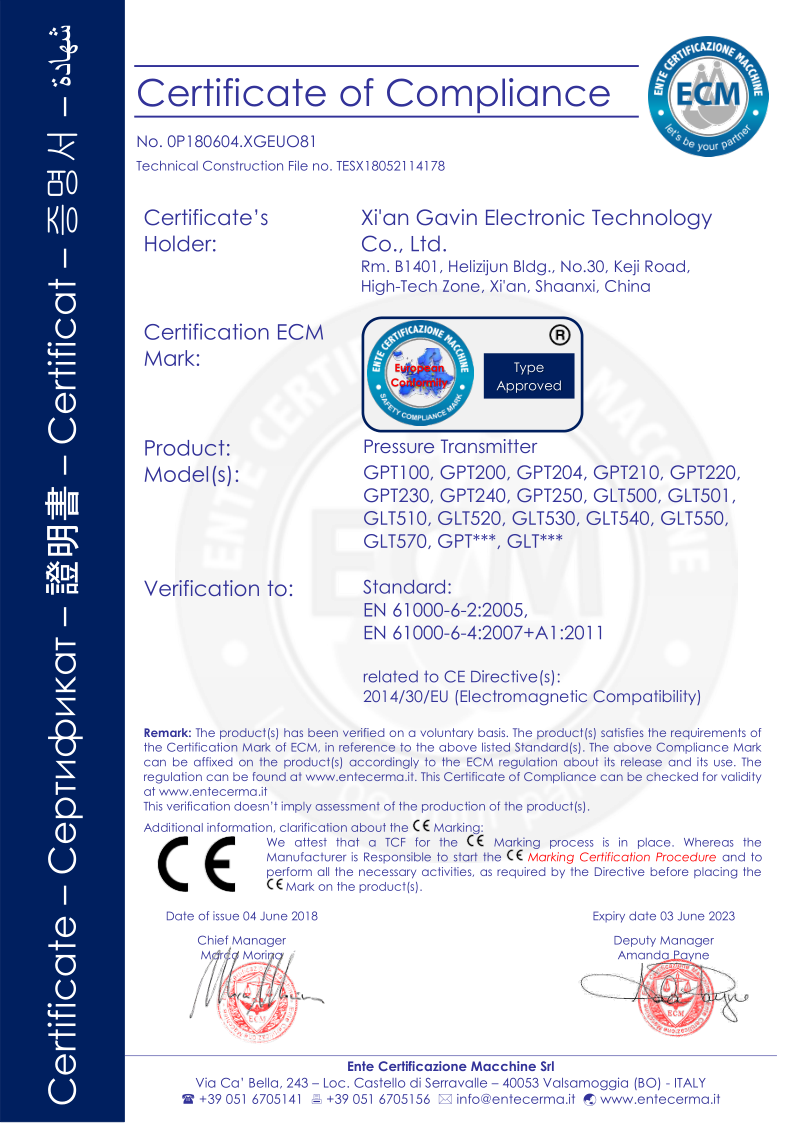
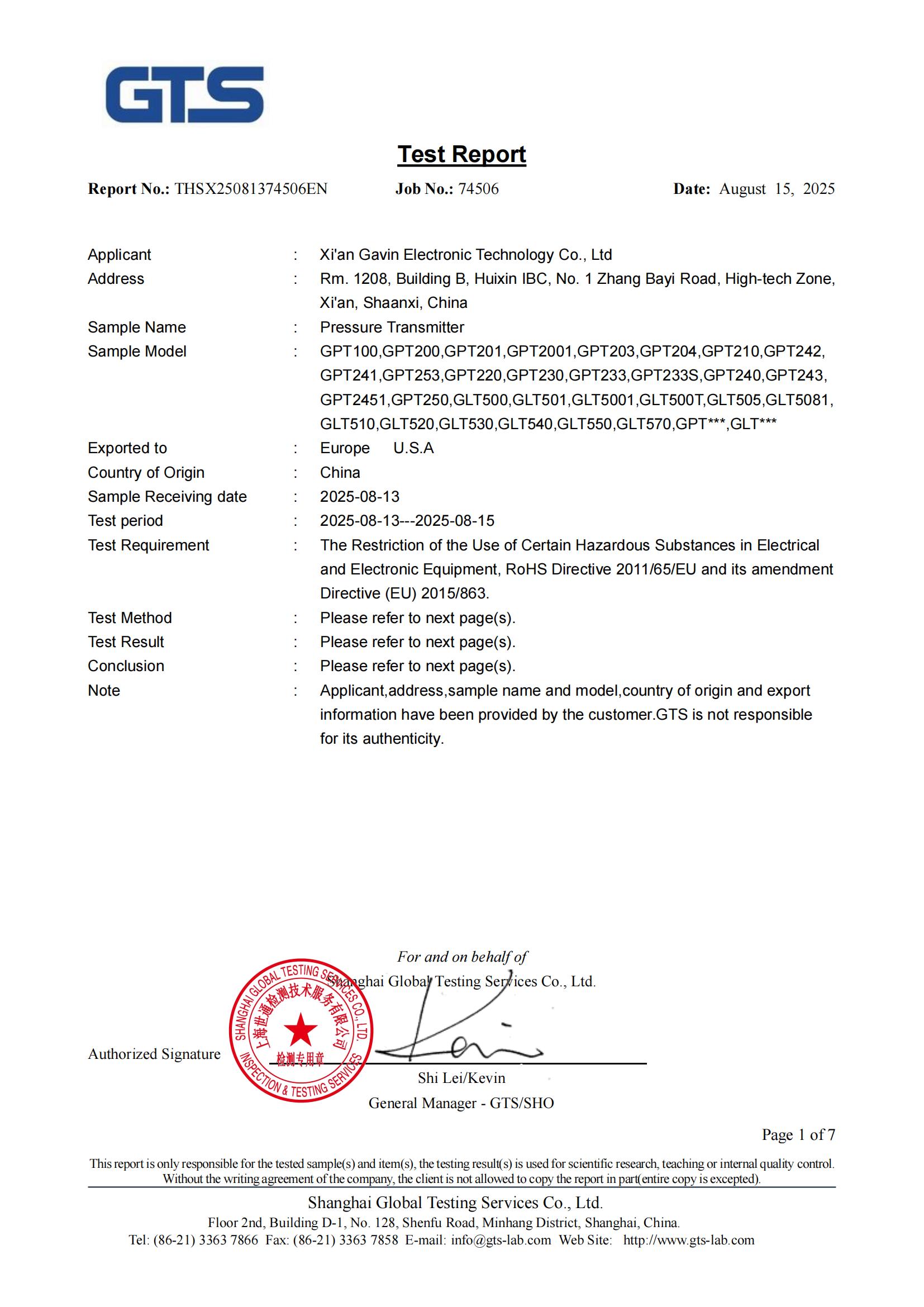
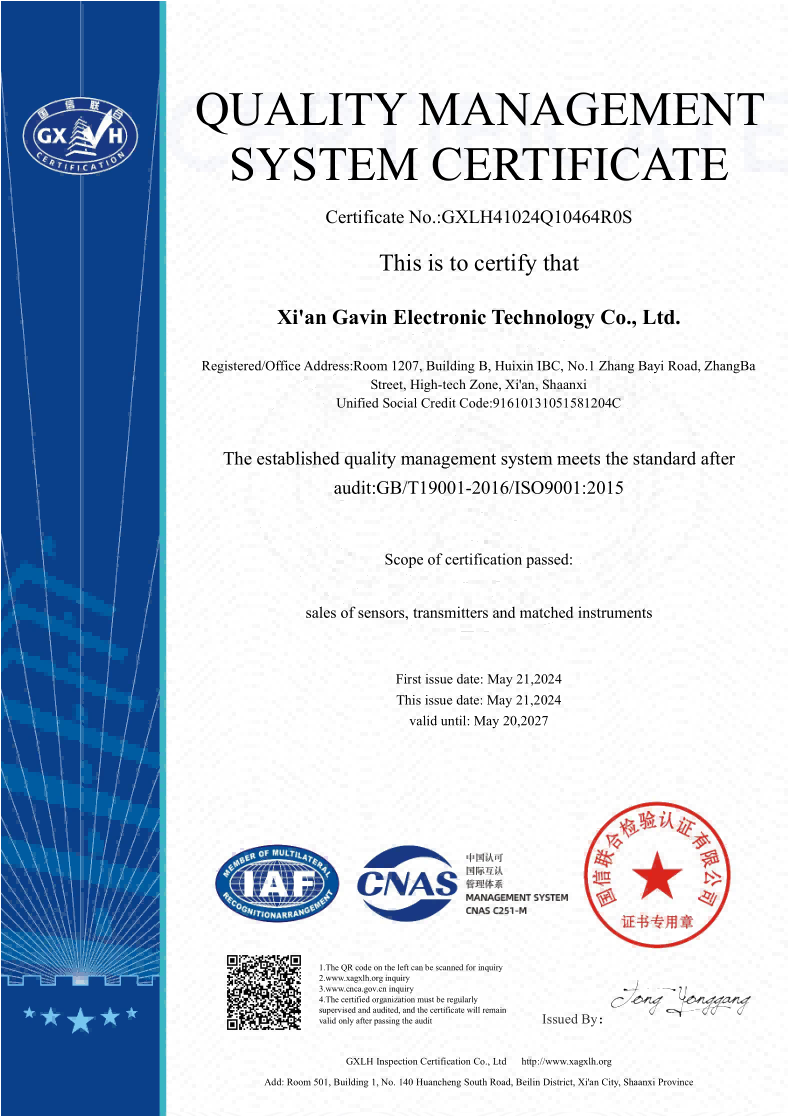
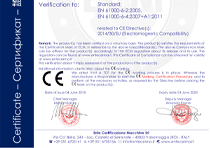
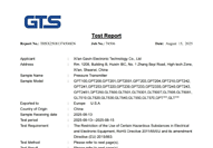
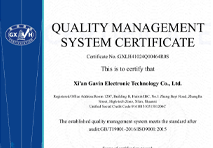
GAMICOS stands ready to support your liquid level and pressure measurement requirements with industry-leading products and comprehensive technical expertise. As an established submersible pressure sensor manufacturer serving customers across 100+ countries, we combine advanced sensing technologies with flexible customization capabilities to address your unique operational challenges. Our corrosion-resistant sensors featuring ceramic cores and PTFE housing deliver exceptional performance in the most demanding chemical environments, backed by rigorous quality control and international certifications.
Whether you're specifying sensors for new industrial automation projects, developing OEM measurement modules, or upgrading existing equipment, our engineering team provides application-specific guidance that optimizes performance while managing costs. We invite you to contact us at info@gamicos.com to discuss your measurement requirements and receive detailed technical recommendations. Download our comprehensive product datasheets to explore specifications, and request customized quotations tailored to your volume requirements and delivery schedule.
References
1. Johnson, R. M., & Anderson, K. L. (2021). Industrial Pressure Measurement: Technology Selection and Cost Analysis. Technical Instrumentation Publishers.
2. Schmidt, H., & Weber, T. (2020). Corrosion-Resistant Materials in Process Instrumentation. Chemical Engineering Press.
3. Thompson, D. A. (2022). Submersible Sensor Technologies for Liquid Level Measurement. Automation Systems Journal, 34(2), 156-178.
4. Martinez, C., & Liu, Y. (2021). Total Cost of Ownership in Industrial Sensor Procurement. Supply Chain Management Quarterly, 18(4), 203-225.
5. Bennett, P. J., & O'Connor, M. (2020). Advanced Ceramic Sensing Elements: Manufacturing and Performance Characteristics. Materials Science and Engineering Review, 45(3), 89-112.
6. Williams, S. R. (2022). IP Rating Standards and Sealing Technologies for Submersible Instrumentation. International Journal of Industrial Electronics, 29(1), 45-67.

Ivy
Ivy, product consultant, has focused on sensor consultation for ten years, is proficient in providing pressure and level measurement solutions for customers.
We're here to help — submit your request anytime!
Let us know how we can help solve your pressure level measurement challenge.
_1757930850792.jpg)
Recommended Blog
What output signals do submersible level sensors typically provide?

How to Choose a Well Level Sensor for Deep-Bore Applications?
How to Choose a Well Level Sensor for Deep-Bore Applications?