How to Test Your Oil Tank Level Sensor for Accuracy
Understanding Oil Tank Level Sensor Accuracy
- Understanding Oil Tank Level Sensor Accuracy
- Systematic Approach to Testing Oil Tank Level Sensor Accuracy
- Installation, Calibration, and Maintenance for Accuracy Assurance
- Advanced Technologies Enhancing Accuracy and Ease of Testing
- GAMICOS: Your Trusted Partner for Precision Level Measurement Solutions
- Conclusion
- Partner with GAMICOS for Reliable Oil Tank Level Sensor Solutions
- References
Testing an oil tank level sensor for accuracy involves verifying its measurement precision through systematic methods. Your sensor's accurate measurements help you avoid operational interruptions, fuel shortages, and inventory problems. Usually, the procedure involves manual verification with dipsticks or known volume measurements, calibration in accordance with product specifications, comparison of sensor outputs with real levels, and environmental inspections to remove interference sources. Frequent accuracy testing guarantees that your oil tank level sensor will continue to operate dependably, safeguard your investment, and assist in adhering to safety regulations in the chemical, industrial, and petroleum industries.
Understanding Oil Tank Level Sensor Accuracy
The foundation of efficient fuel inventory management and operational safety in industrial settings is accuracy. When we talk about sensor accuracy, we're talking about how well the sensor's measurement matches the tank's real liquid level. Procurement experts, engineering managers, and automation professionals may make well-informed choices that directly affect cost control and operational efficiency by having a solid understanding of this basic idea.
Defining Sensor Accuracy and Precision
There are significant differences between sensor accuracy and precision. While precision indicates the uniformity of repeated measurements, accuracy gauges how near readings are to the genuine value. Both characteristics are provided by a high-quality sensor: reliable readings that correspond to real tank levels. The accuracy of most industrial-grade sensors is expressed as a percentage of full-scale range or measurement span; depending on the technology and application requirements, this range usually ranges from ±0.25% to ±1%.
Sensor Technologies and Their Accuracy Characteristics
For certain applications, different measuring systems provide unique benefits. Better testing and selection techniques are made possible by an understanding of these distinctions. By transforming the pressure applied by the liquid column into an electrical signal, usually a 4–20 mA output, hydrostatic pressure sensors determine the oil level. Because pressure stays proportionate to liquid depth, this approach is very dependable and makes computations simple and precise.

By generating an electric field between two conducting plates, capacitive oil level sensors work. The capacitance is modified when the oil level fluctuates because it affects the dielectric material between these plates. The current level is ascertained by electrically measuring this change. These sensors meet the demands of point-level detection and continuous monitoring in a variety of industrial applications because of their exceptional accuracy, durability, and dependability.
While radar and ultrasonic technologies employ wave reflection to determine distance to the liquid surface, float-type sensors use mechanical movement to monitor changes in level. Every technique displays distinct accuracy profiles that are impacted by variables including tank shape, temperature variations, liquid characteristics, and installation circumstances. You must carefully evaluate your unique operating environment and accuracy needs while choosing the right technology.
Environmental and Operational Factors Affecting Accuracy
The performance of sensors is greatly impacted by environmental factors. Thermal expansion of liquids and sensor components brought on by temperature changes may result in measurement inaccuracies. To combat these effects and preserve accuracy across a broad temperature range, high-quality sensors use automated temperature adjustment. Potential measurement errors that testing processes must take into consideration include vibration from adjacent machinery, electromagnetic interference from industrial equipment, and pressure changes.
Accuracy levels are directly influenced by calibration state. Because of component aging, exposure to the environment, and operating stress, even high-end sensors wander with time. Sensor longevity is increased and accuracy is restored by routine calibration against established criteria. Calibration history documentation offers traceability, which is crucial for quality management systems and regulatory compliance in sectors including food processing, medicines, and petroleum.
Systematic Approach to Testing Oil Tank Level Sensor Accuracy
Implementing a methodical testing workflow enables quick identification of inaccuracies and their root causes. This systematic approach minimizes downtime, reduces troubleshooting costs, and ensures measurement reliability for critical inventory management decisions. We recommend establishing routine testing schedules aligned with your operational risk profile and regulatory requirements, especially for oil tank level sensors.
Identifying Symptoms and Defining the Problem
The first step in testing is to identify any possible accuracy problems. Inconsistent readings that vary suddenly, alarms that go off for no apparent reason, differences between sensor readings and physical measures, or readings that stay the same even when level changes are known are common symptoms. Recording these symptoms helps in focusing the diagnosis process and directs further tests.
Comprehending common reasons speeds up issue solving. Component deterioration, calibration drift, and physical damage from collision or corrosion are examples of sensor flaws. Sources of environmental interference include temperature extremes that exceed sensor specifications and electrical noise that interferes with signal transmission. Errors in data transfer may result from controller failures, mismatched communication protocols, or wiring problems. Targeted testing that methodically eliminates probable causes finds the real issue effectively.
Manual Verification Methods
A baseline accuracy rating is provided via manual verification. The simplest way is still the dipstick method, which involves carefully measuring the actual liquid depth and comparing it to sensor data. Accessible tanks with external measuring points or safe entrance are ideal for this method. Make sure there are no filling or draining activities that might cause transient level fluctuations while taking measurements.
Another method of validation is provided by known volume checks. Sensor readings should fluctuate in proportion to the addition or removal of precisely measured liquid amounts. Determine the anticipated level change based on the shape of the tank and the additional capacity, then confirm that the sensor reacts correctly. This technique is very useful for evaluating the linearity and responsiveness of the sensor over the measurement range.
Diagnostic Tools and Modern Testing Equipment
The accuracy and efficiency of testing are improved by sophisticated diagnostic equipment. By simulating sensor outputs, handheld calibrators enable independent evaluation of signal processing and display accuracy without relying on the sensing device. Data recorders record sensor outputs over long stretches of time, exposing sporadic problems that human spot checks could overlook. Patterns pertaining to temperature cycles, operational events, or time-based drift may be found by analyzing documented data.
Electrical properties including reaction time, signal stability, and loop current accuracy are measured using specialized test equipment. These techniques aid in distinguishing between faults with auxiliary systems and sensor elements. Diagnostic equipment determines if remedial action necessitates sensor replacement, recalibration, or system-level modifications to cabling, power supply, or controllers when testing finds inconsistencies.
Best Practices for Regular Testing Schedules
Setting the right testing frequency strikes a compromise between resource investment and accuracy assurance. Monthly or quarterly testing is necessary for critical applications in chemical plants, pharmaceutical production, and petroleum terminals. Intervals may be extended to semi-annual or yearly periods for less important applications. The ideal frequency is determined by environmental factors and past performance data; sensors that exhibit prior drift patterns or operate in challenging environments need to be verified more often.
Maintaining accurate records turns testing from isolated incidents into useful performance information. By recording test dates, procedures, outcomes, and remedial measures, historical baselines are established for trend analysis. Predictive maintenance plans are supported by this data, which also shows compliance in audits and reveals persistent problems that need long-term fixes. Engineering teams, maintenance staff, and management stakeholders can access data thanks to digital record systems, which also make analysis and reporting easier.
Installation, Calibration, and Maintenance for Accuracy Assurance
Optimal sensor accuracy begins with proper installation of the oil tank level sensor and continues through the operational lifecycle with systematic calibration and maintenance. These interconnected activities establish the foundation for reliable measurements that support critical business decisions regarding inventory management, safety compliance, and operational planning.
Installation Positioning and Environmental Protection
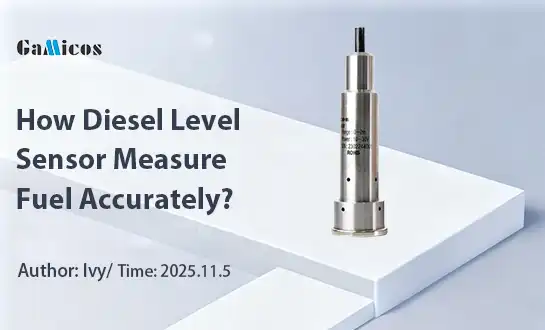
Many accuracy issues are avoided before they arise thanks to proper sensor placement. Avoid turbulent areas close to fill pipes or outlets where liquid flow contributes measurement noise when installing pressure-based sensors. Extreme temperatures, mechanical vibration, and direct sunlight should all be avoided at mounting positions since these factors hasten component deterioration. With its completely welded construction and IP68 protection grade, GAMICOS's GLT5001 liquid diesel level sensor offers remarkable resilience to the severe environmental conditions often seen in industrial tank applications.
Decisions on sensor placement are influenced by tank shape. Multiple sensors may provide redundancy and verification capabilities for big storage tanks. Hydrostatic sensor range calculations are impacted by installation height; precise recording of mounting measurements guarantees proper level interpretation. To reduce electromagnetic interference, electrical installations need to be properly grounded and shielded. This is especially crucial for capacitive sensors and analog signal transmission systems.
Step-by-Step Calibration Procedures
The connection between sensor output and actual liquid level is established by calibration. Start by making sure the tank is steady and hasn't been filled or drained. Because thermal factors might affect calibration accuracy, keep track of the surrounding temperature. Contemporary sensors, such as the GLT5001, provide programmable digital circuit rectification and automated temperature compensation, which improve accuracy across a range of operating situations and streamline calibration.
Zero and span points are usually established as part of the calibration procedure. Adjust the zero point to reflect the real situation when the tank is empty or at a known low level. Set the span to match this reference point when the tank is filled to its recognized high level or full capacity. Modern sensors enable multi-point calibration over the measurement range, enhancing accuracy and linearity. Since calibration techniques differ depending on the kind and brand of sensor, always adhere to the manufacturer's instructions.
Regulatory restrictions and the criticality of the application determine the frequency of calibration. Quarterly or semi-annual calibration may be required in industries subject to custody transfer requirements or safety-critical activities. Annual calibration regimens are often used in general industrial applications. To guarantee stability, the GLT5001 is put through a thorough factory testing process that includes pressure cycling, aging, and environmental simulation; this might result in longer field calibration intervals than with ordinary sensors.
Maintenance Activities Supporting Long-Term Accuracy
Throughout the sensor's operating life, regular maintenance maintains its functioning and measurement accuracy. Cleaning sensor components eliminates deposits that may interfere with measuring principles; this is especially crucial for capacitive sensors because coating accumulation modifies dielectric characteristics. Before they result in measurement failures, physical deterioration, corrosion, or connection degradation are found via inspection during maintenance.
Early troubleshooting identifies emerging issues while remedial measures are still easy and affordable. Proactive intervention is made possible by monitoring for progressive drift, increasing noise in output signals, or changes in response characteristics. Through improved signal processing methods, firmware upgrades for digital sensors may improve functionality, fix known problems, or increase accuracy. Keeping the firmware up to date guarantees that sensors work at their best using the most recent advancements in technology.
By extending sensor service life and minimizing unscheduled downtime, these coordinated maintenance efforts directly lower total cost of ownership. In the event of early failures, comprehensive maintenance plans provide paperwork to support warranty claims and show due attention for compliance considerations. Strong interference resistance and anti-vibration characteristics in the integrated design of GAMICOS sensors minimize maintenance needs while preserving outstanding dependability in tough industrial settings.
Advanced Technologies Enhancing Accuracy and Ease of Testing
Emerging technologies transform traditional level measurement into intelligent monitoring systems that simplify accuracy verification while improving operational visibility. These innovations particularly benefit distributed facilities, hazardous locations, and applications requiring frequent monitoring, such as those using oil tank level sensors, where manual testing presents logistical challenges or safety concerns.
Wireless Sensors and Remote Monitoring Capabilities
Wireless technology eliminates cabling costs and installation constraints while enabling remote access to measurement data. Modern wireless sensors transmit readings via LoRa, GPRS, NB-IoT, or 4G networks to cloud platforms or local control systems. This connectivity supports real-time monitoring from any location with internet access, dramatically simplifying accuracy verification for geographically distributed tank farms or mobile storage applications.
The magnetic suction base model of the GLT5001 sensor exemplifies innovation for mobile tank monitoring. This design allows quick installation on metal tank surfaces without permanent mounting modifications, ideal for rental equipment, temporary storage, or fleet applications where traditional fixed installations prove impractical. Remote diagnostic capabilities enable technical teams to assess sensor performance without site visits, reducing verification costs and accelerating problem identification.
Integrated Alarm Systems and Proactive Monitoring
Advanced sensors incorporate configurable alarm functions that alert operators to abnormal conditions. High and low level alarms prevent overfill incidents and supply interruptions. Rate-of-change alarms detect unusual consumption patterns or potential leaks. Sensor diagnostic alarms identify internal faults or accuracy degradation before measurement reliability becomes compromised. These proactive capabilities transform sensors from passive measurement devices into active safety and operational management tools.
Alarm integration with facility management systems enables coordinated responses. Automated notifications via email, SMS, or system messages ensure appropriate personnel receive timely information regardless of location. Historical alarm logs provide valuable data for troubleshooting recurring issues and optimizing operational procedures. This intelligence supports continuous improvement initiatives that enhance both safety performance and operational efficiency.
Data Interpretation and Software-Based Validation
Sophisticated software platforms aggregate sensor data with analytical tools that enhance accuracy assessment. Trend analysis reveals gradual drift patterns invisible in single-point measurements. Comparison algorithms automatically flag discrepancies between redundant sensors or expected versus actual values based on historical patterns. Statistical process control techniques identify when measurements exceed acceptable variation limits, triggering investigation before accuracy degradation impacts operations.
The GLT5001's multiple output options—including standard analog and digital signals—ensure compatibility with diverse control systems and software platforms. This flexibility enables integration with existing infrastructure while supporting future system upgrades. Comprehensive data access empowers technical teams to confidently validate sensor performance, generate compliance reports, and make evidence-based decisions regarding calibration schedules and sensor replacement timing.
GAMICOS: Your Trusted Partner for Precision Level Measurement Solutions
GAMICOS combines extensive industry expertise with innovative sensor technologies specifically designed for demanding industrial applications across petroleum, chemical, pharmaceutical, food and beverage, and energy sectors. Our commitment to quality, customization capability, and comprehensive customer support positions us as an ideal partner for organizations seeking reliable measurement solutions that deliver long-term value.
Advanced Product Portfolio and Customization Capabilities
Our versatile product range addresses diverse operational requirements across multiple industries. The GLT5001 liquid diesel level sensor exemplifies our engineering excellence—developed through careful market research and customer feedback to meet real-world application challenges. This sensor utilizes a highly reliable silicon piezoresistive pressure sensor core enhanced with automatic temperature compensation, programmable digital circuit correction, and advanced signal conditioning that outputs standard analog or digital signals compatible with virtually any control system.
Customization capabilities distinguish GAMICOS in competitive global markets. We offer professional OEM and ODM services with complete flexibility regarding models, parameters, packaging, and documentation to match your specific requirements and branding preferences. Our engineering team collaborates closely with clients to optimize sensor configurations for unique applications, whether that involves specialized materials for chemical compatibility, custom mounting solutions, or communication protocol adaptations. This customer-oriented approach ensures solutions precisely aligned with your operational needs rather than forcing compromise with standard products.
Quality Assurance and Technical Excellence
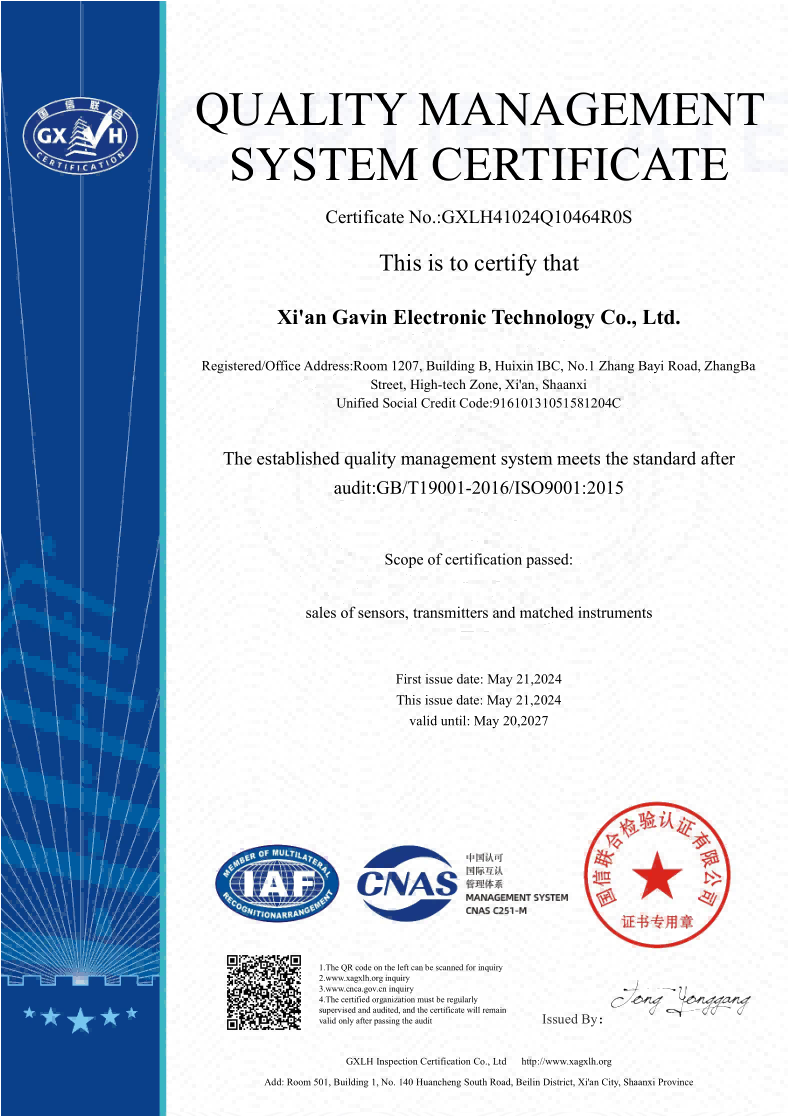
Quality represents the foundation of measurement reliability. Every GAMICOS sensor undergoes rigorous testing including pressure cycling, accelerated aging, and environmental simulation to verify stability and reliability before shipment. Our strict quality control systems and certifications from recognized metrology institutions provide assurance that products consistently meet specifications and perform reliably throughout demanding operational lifecycles. Multiple patents and ongoing collaboration with research institutes demonstrate our commitment to technological advancement and continuous improvement.
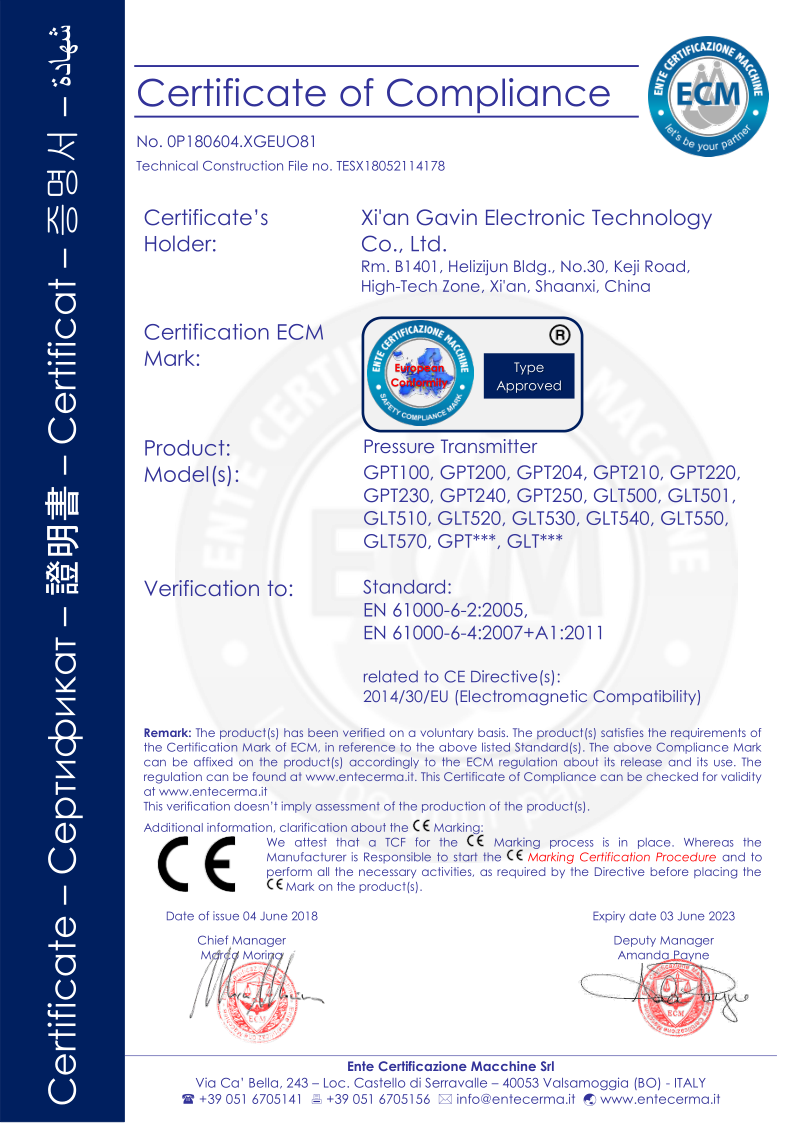
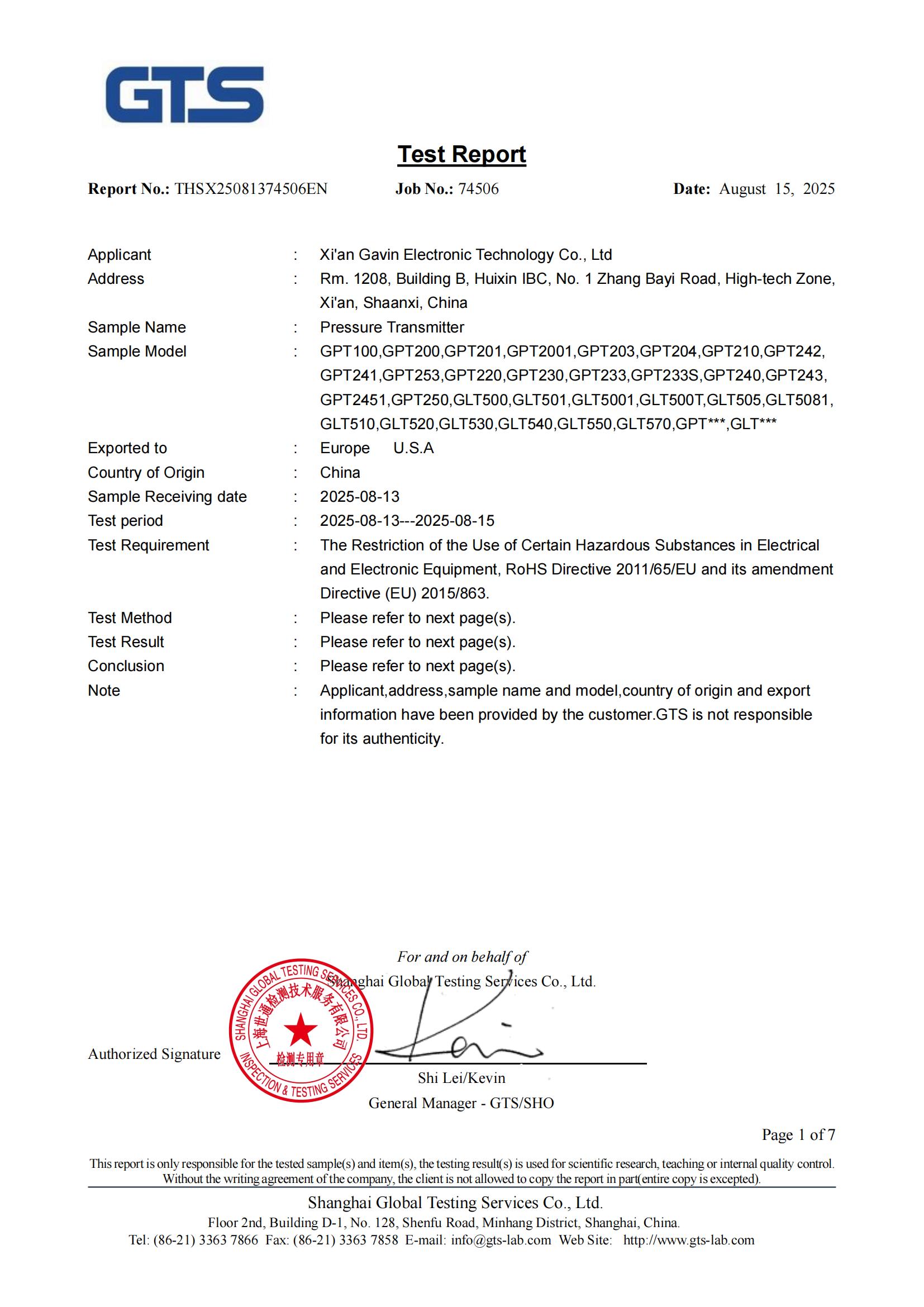
The GLT5001 showcases features directly supporting accuracy and operational reliability. Its fully welded structure eliminates potential leak paths and mechanical weak points. Strong interference resistance maintains measurement accuracy despite electrical noise from nearby industrial equipment. Multiple output options accommodate diverse system requirements. The magnetic suction base variant with anti-vibration design enables reliable mobile tank monitoring under harsh transportation and operational conditions. Compliance with ATEX explosion-proof, CE, and RoHS standards facilitates deployment across global markets with varying regulatory requirements.
Conclusion
Testing oil tank level sensors for accuracy remains essential for operational safety, inventory management, and regulatory compliance across industrial applications. Systematic testing approaches combining manual verification with modern diagnostic tools enable confident accuracy assessment and problem identification. Proper installation, regular calibration, and preventive maintenance sustain measurement precision throughout sensor lifecycles.
Advanced technologies including wireless connectivity and integrated alarm systems simplify testing while enhancing operational visibility. Selecting appropriate sensor technology and establishing partnerships with reliable suppliers like GAMICOS ensures access to quality products, customization capabilities, and comprehensive support that deliver long-term value for your critical measurement applications.
Partner with GAMICOS for Reliable Oil Tank Level Sensor Solutions
Achieving measurement excellence requires more than quality sensors—it demands partnership with suppliers committed to your success. GAMICOS brings decades of specialized experience in liquid level and pressure measurement, serving thousands of customers annually across more than 100 countries. Our customer-oriented approach focuses on understanding your specific application challenges and delivering personalized solutions that address your unique operational requirements. Whether you need standard products for immediate deployment or customized sensors optimized for specialized conditions, our engineering expertise and flexible manufacturing capabilities ensure solutions aligned precisely with your needs.
As a trusted oil tank level sensor manufacturer, we provide comprehensive support extending far beyond product delivery. Our technical team assists with sensor selection, installation planning, calibration procedures, and ongoing maintenance to maximize performance and accuracy throughout sensor lifecycles. Rapid response to inquiries, accessible technical expertise, and commitment to long-term relationships distinguish GAMICOS in competitive global markets. We invite procurement managers, engineering professionals, and technical teams to contact us at info@gamicos.com for complimentary consultations on accuracy testing protocols, customized sensor solutions, or bulk supply requirements that support your operational excellence and business objectives.
References
1. Bentley, J. P. (2005). Principles of Measurement Systems (4th ed.). Pearson Education.
2. Doebelin, E. O., & Manik, D. N. (2011). Measurement Systems: Application and Design (6th ed.). McGraw-Hill.
3. Fraden, J. (2016). Handbook of Modern Sensors: Physics, Designs, and Applications (5th ed.). Springer.
4. Lipták, B. G. (2003). Instrument Engineers’ Handbook, Volume I: Process Measurement and Analysis (4th ed.). CRC Press.
5. Figliola, R. S., & Beasley, D. E. (2015). Theory and Design for Mechanical Measurements (6th ed.). Wiley.

Peter
Peter, Senior Sensor Technology Consultant, has 15-year industrial sensor R&D experience. He specializes in the end-to-end development of high-accuracy pressure and level sensors and he firmly believe, precision isn’t just a spec—it’s a promise.
We're here to help — submit your request anytime!
Let us know how we can help solve your pressure level measurement challenge.
_1757930850792.jpg)
Recommended Blog