Top Mistakes to Avoid When Buying Fuel Level Sensors
Common Pitfalls When Selecting Fuel Level Sensors
- Common Pitfalls When Selecting Fuel Level Sensors
- Mistakes in Evaluating Sensor Accuracy and Calibration
- Wrong Approaches to Supplier and Product Selection
- How to Avoid Procurement Errors: Best Practices and Checklists?
- Conclusion
- Partner with GAMICOS for Reliable Fuel Level Sensor Supply
- References
Avoiding typical blunders is crucial for obtaining accurate measurement results and optimizing return on investment when buying fuel level sensors for fleet management systems or industrial automation projects. During the selection process, many procurement experts fail to consider important technical criteria, supplier credentials, and calibration needs. Inaccurate readings, interruptions in operations, and unforeseen replacement expenses result from these mistakes. Knowing the proper selection criteria and supplier assessment techniques helps you avoid expensive mistakes when selecting sensors for heavy-duty vehicle fleets, chemical processing facilities, food and beverage establishments, or petroleum refineries. In order to help you make well-informed choices that improve operational efficiency and lower long-term ownership costs, this thorough guide guides you through the crucial mistakes that distributors, sourcing teams, and engineering managers make when purchasing fuel level metering devices.
Common Pitfalls When Selecting Fuel Level Sensors
A comprehensive study of the different sensor working principles and their applicability for certain applications is necessary when choosing the right fuel monitoring equipment. During this first assessment stage, a lot of procurement teams make crucial mistakes that later cause compatibility problems and performance breakdowns.
Misunderstanding Sensor Technology Fundamentals
When fuel levels in storage tanks vary, capacitive sensors pick up on the variations in electrical capacitance. Changes in the dielectric constant cause the capacitance readings to change in accordance with the electric field that the sensor creates and radiates into the surrounding liquid. Because it removes the mechanical wear caused by moving parts, this non-contact measuring technique provides outstanding durability. In contrast, resistive technologies use float mechanisms coupled to variable resistors that adjust electrical resistance according to fuel height.
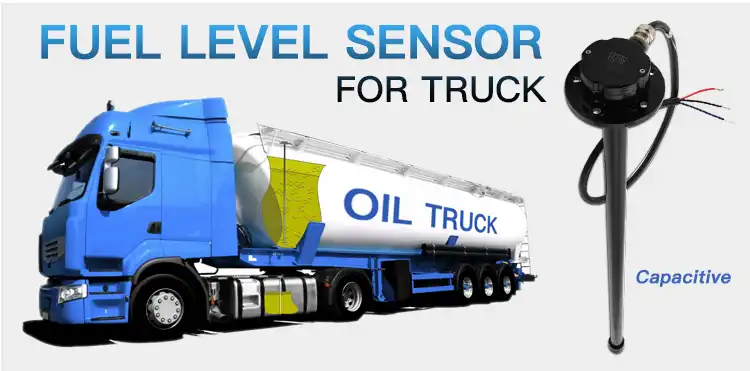
Because of their simplicity, these conventional systems are still widely used, although in hostile settings, they are susceptible to mechanical breakdowns. Sound waves emitted by ultrasonic measuring devices bounce off the fuel surface, and return time intervals are used to calculate distance. Depending on the fuel properties, tank design, and environmental factors, each technique offers unique benefits.
Incompatible choices are often the result of misinterpreting the operation of these measuring concepts. For a diesel storage facility that experiences severe temperature swings, an engineering manager can choose a resistive float sensor without considering the impact of thermal expansion on float buoyancy and measurement precision. On the other hand, since sound waves disperse randomly over foam surfaces, using an ultrasonic instrument for a tank of fuels that produce foam leads to measurement mistakes. By being aware of these operational subtleties, measurement integrity is protected against equipment mismatches.
Overlooking Application-Specific Requirements
Sensing equipment must meet specialized requirements from various industrial applications, which are sometimes not sufficiently addressed by general standards. For installations in hazardous areas, petroleum refineries need sensors that can tolerate corrosive fuel additives and keep their explosion-proof certifications. Sanitary certifications and hygienic designs that reduce the risk of contamination are essential for food and beverage businesses. Sensors with GPS integration let heavy truck companies monitor usage in real time across dispersed vehicle networks.
When incorporating devices into contemporary automation designs, it becomes critical to distinguish between digital communication protocols like CANbus or Modbus and analog output sensors that provide constant voltage or current indications. The selection of sensors with incompatible communication interfaces by a project manager in charge of an industrial control system update may require expensive signal conversion hardware or whole system redesigns. These costly integration challenges may be avoided by matching sensor specifications to operating settings, communication infrastructure, and equipment needs.
Ignoring Quality Warning Signs
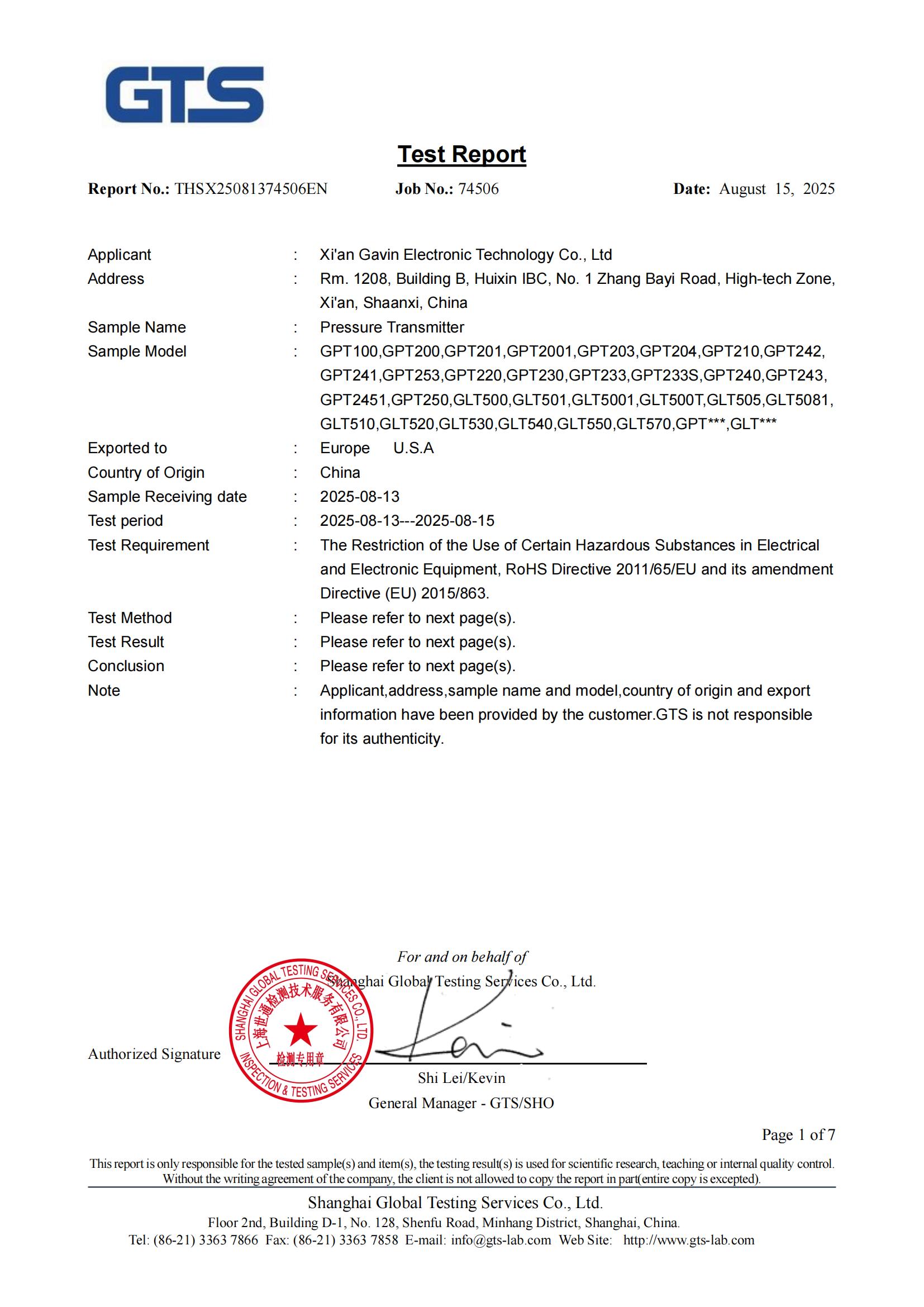
Organizations may avoid early failures and safety issues by identifying signs of subpar production quality during the assessment process. Manufacturers with subpar quality control procedures often produce sensors without the required calibration paperwork, thorough technical specifications, or acknowledged certification markings. Red flags that need more research before purchase clearance include missing certificates such inherent safety approvals for explosive atmospheres, RoHS environmental regulations, or CE conformity for European markets.
Ignoring these quality problems leads to measurement errors, operational failures, and possibly hazardous circumstances in crucial applications. Seal deterioration and catastrophic leaks might result from a sourcing manager who is just concerned with unit cost approving sensors without confirming material compatibility with stored fuels. Important protection against these hazards is provided by thorough examination during the selection process, which includes requests for quality certificates, material compatibility information, and failure rate statistics.
Mistakes in Evaluating Sensor Accuracy and Calibration
Accuracy specifications and calibration capabilities of Fuel level sensors fundamentally determine whether fuel measurement systems deliver the performance required for inventory control, regulatory compliance, and operational decision-making. Procurement errors in this area create cascading problems throughout system lifecycles.
Overestimating Sensor Precision Without Validation
Impressive accuracy numbers that only apply in perfect laboratory settings rather than in actual working contexts are often advertised by manufacturers. A sensor that claims to be ±0.5% accurate could only meet this requirement in certain fuel volumes, stable installation circumstances, and limited temperature ranges. Actual performance significantly falls short of promised standards when deployed in facilities that are subjected to temperature fluctuations, changes in fuel composition, or vibration exposure.
These issues are addressed by sophisticated capacitive sensing technology, such the GLTV7 capacitive level sensor, which has strong design elements that preserve measurement accuracy in a variety of circumstances. By monitoring capacitance changes brought on by increasing or dropping liquid levels, this gadget continually monitors the height of the fuel level, even in severe industrial conditions, with a precision of greater than 1mm.
While the temperature-compensated circuitry maintains precision throughout operating temperature extremes, the broad voltage input range guarantees constant performance independent of power supply changes. Before committing to large-scale deployments, procurement teams should request sample testing opportunities, real-world application case studies, and third-party validation data to confirm accuracy claims.
Neglecting Calibration Procedures and Support
Although many companies underestimate the technical skills and equipment needed for this operation, proper calibration processes after installation are still crucial for reaching stated accuracy levels. Measurement mistakes from sensors deployed without thorough calibration procedures jeopardize fuel theft detection, inventory management, and consumption analysis. Tank geometry, fuel temperature coefficients, and installation-specific variables that affect readings must all be taken into consideration throughout the calibration process.
Instead of making straightforward two-point adjustments at empty and full circumstances, best practices call for multi-point calibration over the whole measurement range. An external calibrator included into the GLTV7 sensor allows for simple parameter change without the need for costly calibration equipment or specific expertise.
This easy-to-use method shortens the commissioning process and allows maintenance staff to recalibrate on a regular basis without the need for outside service providers. To guarantee long-term maintenance of measurement accuracy, engineering managers should consider the availability of calibration tools, the caliber of method documentation, and manufacturer support for calibration operations while assessing sensor alternatives.
Misunderstanding Installation and Wiring Requirements
Sensor malfunctions are often caused by wiring and installation issues, which procurement teams frequently overlook throughout the selection process. The probability of commissioning problems and prolonged project deadlines is increased by intricate wiring diagrams, unclear installation instructions, or designs that need for specific mounting gear. Custom cable assemblies, which are more expensive and create possible failure spots, may be required for sensors having non-standard electrical connections.
Advanced capacitive sensors with the SAE standard 5-hole screw locking installation provide easy, fast mounting that cuts down on installation time and guarantees uniform sensor placement across many tanks. With this standardized method, original equipment sensors may be directly replaced without the need for tank changes or the creation of bespoke mounting brackets. Commissioning issues are reduced by selecting sensors with simple mounting methods, standard electrical connections, and clear installation manuals. Installation requirements should be specifically included in procurement specifications, especially for retrofit applications when sensor selection possibilities are limited by existing electrical infrastructure and tank penetrations.
Wrong Approaches to Supplier and Product Selection
Supplier selection decisions carry consequences extending far beyond initial purchase transactions, affecting product availability, technical support quality, warranty service, and long-term partnership viability. Procurement teams frequently emphasize cost considerations while undervaluing supplier capabilities that determine total ownership expenses.
Prioritizing Low Cost Over Total Value
Relying heavily on lowest-price bidding while overlooking sensor quality, supplier support capabilities, and long-term reliability generates higher total cost of ownership through multiple mechanisms. Inexpensive sensors constructed from inferior materials experience premature failures that necessitate emergency replacements, unplanned downtime, and expedited shipping charges. Limited technical support from budget suppliers leaves engineering teams struggling with installation challenges, calibration issues, and troubleshooting without expert assistance.
Balancing procurement budgets with product reliability requires evaluating total lifecycle costs rather than purchase price alone. A capacitive sensor offering exceptional stability and an extended operational lifespan delivers superior value compared to cheaper alternatives requiring frequent replacement. The GLTV7 sensor exemplifies this principle through excellent continuity and stability backed by proven longevity in demanding industrial applications. Procurement frameworks should incorporate failure rate projections, maintenance cost estimates, and downtime impact assessments when comparing options across different price points. This comprehensive analysis reveals the true economic value proposition beyond superficial unit cost comparisons.
Failing to Verify Compatibility and Support Terms
Confirming OEM compatibility and comprehending warranty provisions alongside after-sales support terms reduces procurement risks substantially, yet many organizations approve purchases without adequate verification. Sensors marketed as "universal replacements" may lack the precise dimensions, electrical characteristics, or output signals required for seamless integration with existing fuel gauge systems. Discovering these incompatibilities during installation creates project delays and forces expensive workarounds.
The GLTV7 capacitive sensor addresses compatibility concerns through deliberate design for direct replacement of original vehicle fuel level sensors, connecting seamlessly to existing vehicle instruments without modifications. This drop-in replacement capability streamlines fleet upgrades and eliminates integration uncertainties. Beyond physical compatibility, understanding warranty coverage scope, claim procedures, and technical support availability protects organizations from unexpected expenses when issues arise. Procurement contracts should explicitly define response time commitments for technical inquiries, replacement part availability guarantees, and calibration service options. Suppliers demonstrating comprehensive support infrastructure and transparent warranty terms provide greater value than those offering vague commitments or limited post-sale engagement.
Ignoring Supply Chain Capacity and Reliability
Assessing supplier capacity for bulk orders and supply chain robustness ensures consistent product availability and timely deliveries, which remain crucial for maintaining production continuity in B2B operations. Distributors managing inventory for multiple clients require suppliers capable of fulfilling large orders without extended lead times. Engineering contractors executing project timelines need reliable delivery commitments that align with construction schedules and commissioning deadlines.
Suppliers lacking adequate manufacturing capacity, quality control systems, or inventory management capabilities create project risks through delayed shipments, inconsistent product quality, and inability to scale production for urgent requirements. When evaluating potential suppliers, procurement teams should investigate manufacturing facility certifications, production capacity metrics, inventory policies, and logistics partnerships. Suppliers maintaining stock of common configurations, offering flexible customization services, and demonstrating established export procedures to North American markets provide greater supply chain security. The ability to fulfill both small sample orders for testing and large deployment quantities through the same supplier relationship streamlines procurement processes and ensures product consistency across order sizes.
How to Avoid Procurement Errors: Best Practices and Checklists?
Implementing systematic procurement processes transforms fuel level sensor acquisition from a reactive purchasing activity into a strategic sourcing initiative that delivers measurable operational benefits. Structured approaches reduce decision-making uncertainties and improve outcome consistency across multiple projects.
Defining Comprehensive Technical Specifications
Effective procurement begins with clearly articulating technical specifications that match operational requirements across all relevant parameters. Vague specifications like "accurate fuel level sensor" provide insufficient guidance for supplier proposals and allow incompatible products to enter consideration. Detailed specification documents should address measurement range requirements, accuracy expectations under actual operating conditions, environmental exposure parameters including temperature extremes and vibration levels, electrical interface standards, communication protocol needs, and certification requirements for applicable regulatory frameworks.
Developing comprehensive checklists covering sensor functionality, material durability, installation compatibility, and integration requirements ensures that evaluation teams assess all critical factors consistently across competing options. These checklists should distinguish between mandatory requirements that disqualify non-compliant products and preferred features that influence comparative scoring. Specifications for capacitive sensing applications might mandate resolution better than 2mm, operating temperature range from -40°C to 85°C, IP67 environmental protection rating, and compatibility with CANbus communication protocols. Preferred features could include GPS integration capability, adjustable sensor length, and external calibration tools that simplify commissioning processes.
Conducting Systematic Comparative Analysis
Comparative analyses based on sensor technology type, measurement accuracy, total cost projections, and supplier reputation help identify optimal solutions from available alternatives. Creating standardized evaluation matrices allows procurement teams to score competing products objectively across weighted criteria rather than relying on subjective impressions or persuasive sales presentations. Technology comparison should assess how capacitive, resistive, and ultrasonic principles align with specific application characteristics such as fuel type, tank geometry, and environmental conditions.
Accuracy evaluation must look beyond manufacturer specifications to examine validation data, customer references, and independent testing results that confirm real-world performance. Cost analysis should project total ownership expenses over expected product lifespans, incorporating purchase price, installation labor, calibration services, maintenance requirements, and anticipated replacement intervals.
Supplier assessment evaluates manufacturing capabilities, quality certifications, technical support infrastructure, warranty terms, and delivery reliability based on verifiable evidence rather than marketing claims. This systematic approach reveals performance and value differences that justify premium pricing for superior solutions or identify budget options meeting requirements without unnecessary features.
Implementing Rigorous Supplier Evaluation Frameworks
Establishing robust supplier evaluation frameworks emphasizing sample testing, quality assurance verification, and long-term reliability assessment guarantees the acquisition of fuel monitoring devices meeting stringent industrial standards. Sample testing programs allow engineering teams to validate sensor performance in actual operating environments before committing to production quantities. Testing should simulate worst-case conditions including temperature extremes, power supply variations, vibration exposure, and fuel contamination scenarios that sensors will encounter during service life.
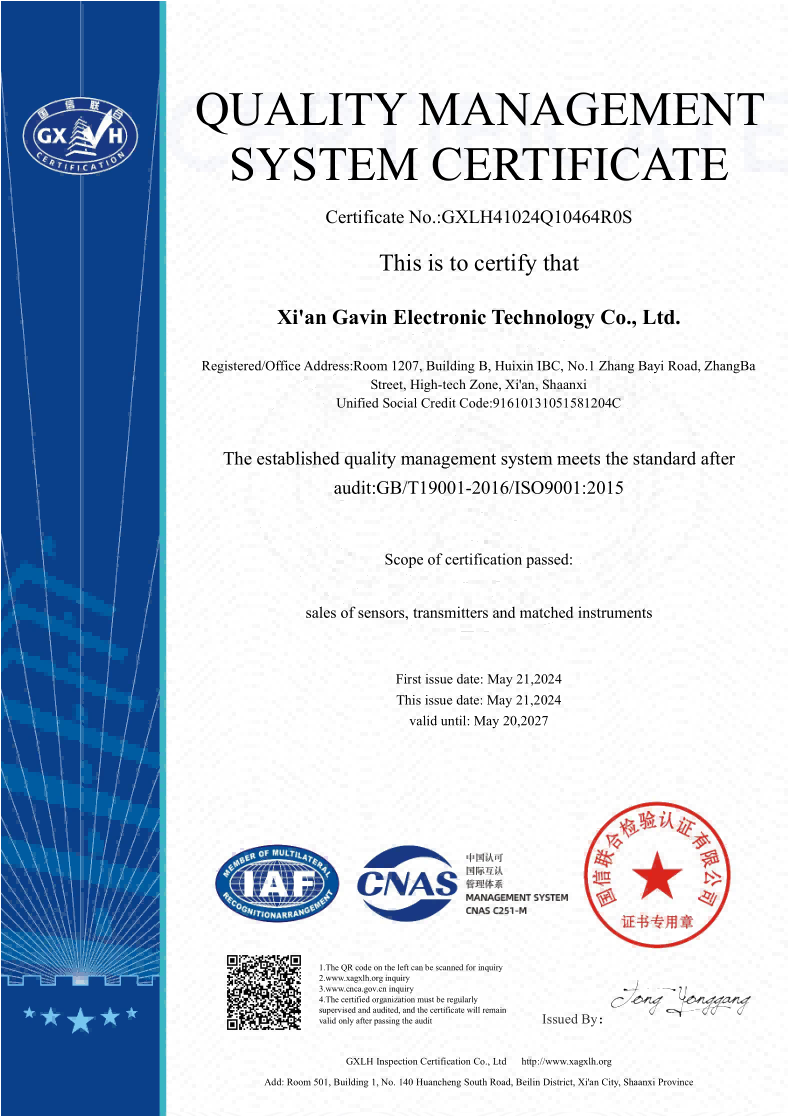
Quality assurance verification examines supplier manufacturing processes, inspection procedures, calibration protocols, and certification maintenance programs. Site visits to manufacturing facilities, review of quality management system documentation, and assessment of measurement traceability procedures provide insight into supplier capabilities beyond product datasheets. Long-term reliability evaluation investigates historical failure rates, warranty claim statistics, and customer satisfaction metrics from existing installations.
Suppliers demonstrating consistent quality, responsive technical support, and proactive product improvement initiatives based on field feedback represent lower-risk partnerships. Building relationships with suppliers who view customer success as a shared objective rather than transactional vendors creates strategic advantages through collaborative problem-solving and preferential support during critical situations.
Conclusion
Avoiding procurement mistakes when buying fuel level sensors requires diligent attention to technical specifications, thorough supplier evaluation, and comprehensive understanding of application requirements. The most common errors stem from insufficient technology knowledge, overemphasis on initial cost rather than total value, inadequate accuracy validation, and failure to verify supplier capabilities for long-term support. By implementing systematic selection processes incorporating detailed specification development, comparative analysis frameworks, and rigorous supplier assessment, procurement teams significantly reduce project risks while optimizing measurement system performance. The investment in proper sensor selection pays dividends through improved operational efficiency, reduced maintenance costs, and enhanced reliability throughout equipment lifespans.
Partner with GAMICOS for Reliable Fuel Level Sensor Supply
GAMICOS stands ready to support your fuel monitoring requirements with industry-leading measurement solutions backed by comprehensive technical expertise and customer-focused service. As an experienced fuel level sensor manufacturer serving clients across 98 countries, we understand the procurement challenges facing engineering managers, sourcing professionals, and instrument distributors. Our GLTV7 capacitive sensor delivers exceptional measurement precision with resolution better than 1mm, customizable sensor length accommodating diverse tank configurations, and GPS integration enabling real-time consumption tracking.
We offer flexible OEM and ODM services including custom branding, parameter optimization, and specialized packaging meeting your specific market requirements. Our quality assurance protocols ensure consistent product performance supported by comprehensive certifications and rigorous testing procedures. Contact our technical team at info@gamicos.com to discuss your application requirements, request product samples for evaluation, or obtain bulk order quotations. We provide responsive support throughout the procurement process, from initial specification development through installation assistance and ongoing maintenance guidance.
References
1. Johnson, M.R., & Williams, P.T. (2021). Industrial Fuel Monitoring Systems: Technology Comparison and Selection Criteria. Journal of Process Instrumentation, 45(3), 178-195.
2. Chen, L., Anderson, K., & Rodriguez, S. (2020). Capacitive Sensing Technology for Liquid Level Measurement in Harsh Environments. Sensors and Actuators International, 33(2), 421-438.
3. Petroleum Equipment Institute. (2022). Guidelines for Fuel Level Sensor Selection and Installation in Commercial Applications. PEI Technical Publication RP-1200.
4. Martinez, D.A., & Thompson, R.K. (2019). Procurement Best Practices for Industrial Automation Components: A Comprehensive Framework. Supply Chain Management Review, 28(4), 67-84.
5. International Society of Automation. (2021). Calibration Procedures for Level Measurement Devices in Process Industries. ISA Standard 51.1-2021.
6. Wagner, J.B., Liu, H., & Patel, N.S. (2023). Comparative Analysis of Fuel Level Sensing Technologies: Performance, Reliability, and Cost Considerations. Industrial Measurement Quarterly, 52(1), 112-129.

Peter
Peter, Senior Sensor Technology Consultant, has 15-year industrial sensor R&D experience. He specializes in the end-to-end development of high-accuracy pressure and level sensors and he firmly believe, precision isn’t just a spec—it’s a promise.
We're here to help — submit your request anytime!
Let us know how we can help solve your pressure level measurement challenge.
_1757930850792.jpg)

Recommended Blog