Sanitary Pressure Transmitter Export Trends in Asia & Europe
Overview of Sanitary Pressure Transmitters and Market Trends
- Overview of Sanitary Pressure Transmitters and Market Trends
- Critical Export Market Insights Through the Paradigm Evolution Approach
- Comparative Insights for B2B Procurement – Rational Choice Approach
- Export and Installation Best Practices for B2B Clients
- Future Outlook: How Export Demand and Technology Are Changing?
- Conclusion
- FAQ
- Contact GAMICOS for Your Sanitary Pressure Transmitter Needs
- References
Due to strict hygiene rules in the biotechnology, food and beverage, and pharmaceutical sectors, the worldwide sanitary pressure transmitter market is expanding rapidly in both Asia and Europe. Since 2022, export demand in these areas has increased by around 12% yearly, and sustaining product quality and regulatory compliance in clean industrial settings requires specialist sanitary equipment.
Overview of Sanitary Pressure Transmitters and Market Trends
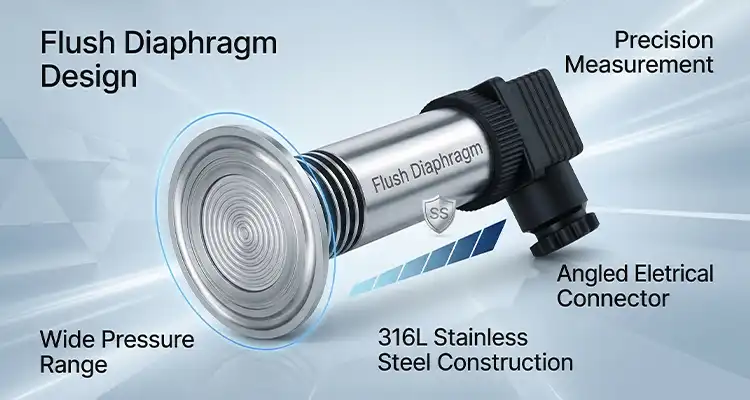
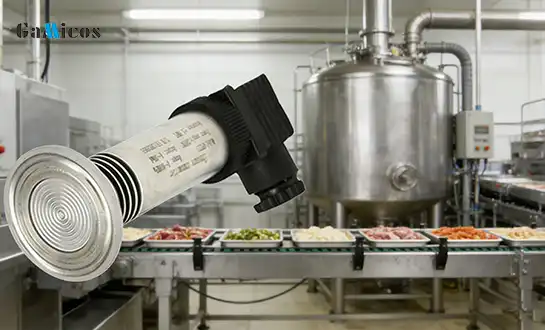
A specialized kind of equipment made especially for hygienic process settings where contamination control is crucial are sanitary pressure transmitters. These devices' flush-mount diaphragm structure, specific materials, and attention to strict sanitary design requirements set them apart from conventional industrial pressure sensors.
Working Principles and Key Specifications
Advanced sensor technologies are used by contemporary sanitary pressure transmitters to provide accurate readings while preserving hygienic integrity. This technique is shown by the GPT210 Sanitary Flat Diaphragm Pressure Transmitter, which uses a flat diaphragm design to directly detect pressure signals via a diffused silicon pressure core. Standardized silicon oil or olive oil is used in this design as the pressure transmission medium, guaranteeing dependable signal transfer free from contamination hazards.
The flush diaphragm of the measuring interface is made of 316L stainless steel that has undergone specialist welding treatment, giving it remarkable resistance to bacterial adhesion and corrosion. Hygienic anti-scaling qualities, superior sealing capabilities for long-term stable operation, and thorough protection against short circuits and reverse polarity are important performance attributes. Numerous signal output choices, including RS485, IIC, 0-5V, 0-10V, and 4-20 mA, may be used to meet a range of system integration needs.
Current Export Landscape Analysis
China, Japan, and South Korea are now key manufacturing centers in the sanitary pressure instrumentation business, which has grown dramatically in Asia. Demand in Europe is still high, especially in countries like Germany, Switzerland, and the Netherlands where the food manufacturing and pharmaceutical sectors maintain high standards of quality. According to market research, the combined export value of Asia and Europe was over $2.8 billion in 2023, which accounted for a sizeable amount of the worldwide market for sanitary instruments.
Growing biotechnology industries, expanded pharmaceutical production capacity, and growing consumer demand for processed foods that need strict cleanliness standards are some of the growth factors. Adoption has been further encouraged by the trend toward digitization, as manufacturers are looking for smart sensors with wireless connectivity and remote monitoring features.
Critical Export Market Insights Through the Paradigm Evolution Approach
Fundamental changes in industrial goals and regulatory requirements are reflected in the transition from traditional pressure monitoring to specialized sanitary equipment. The strict hygienic requirements needed in contemporary culinary, pharmaceutical, and biotechnology applications are often not met by conventional pressure transmitters, making the adoption of a sanitary pressure transmitter essential for compliance and performance.
Addressing Industry-Specific Challenges
Surface imperfections, material compatibility problems, and cleaning obstacles make conventional equipment very problematic in hygienic situations. Typical sensors include surface irregularities and threaded connections, which allow germs to grow and reduce cleaning efficiency. These restrictions are addressed by the paradigm shift toward sanitary design, which uses flush-mount layouts, smooth surface finishes, and materials that have been specially certified for contact with food and medications.
The basis for appropriate sanitary design concepts has been developed by the 3-A Sanitary Standards and the European Hygienic Engineering and Design Group (EHEDG) standards. Conventional sensors are unable to meet the precise surface roughness, drainage, and cleanability requirements set out by these standards. The need for intelligent sensors with wireless communication and diagnostic capabilities has increased as a result of Industry 4.0's rise.
Strategic Market Positioning
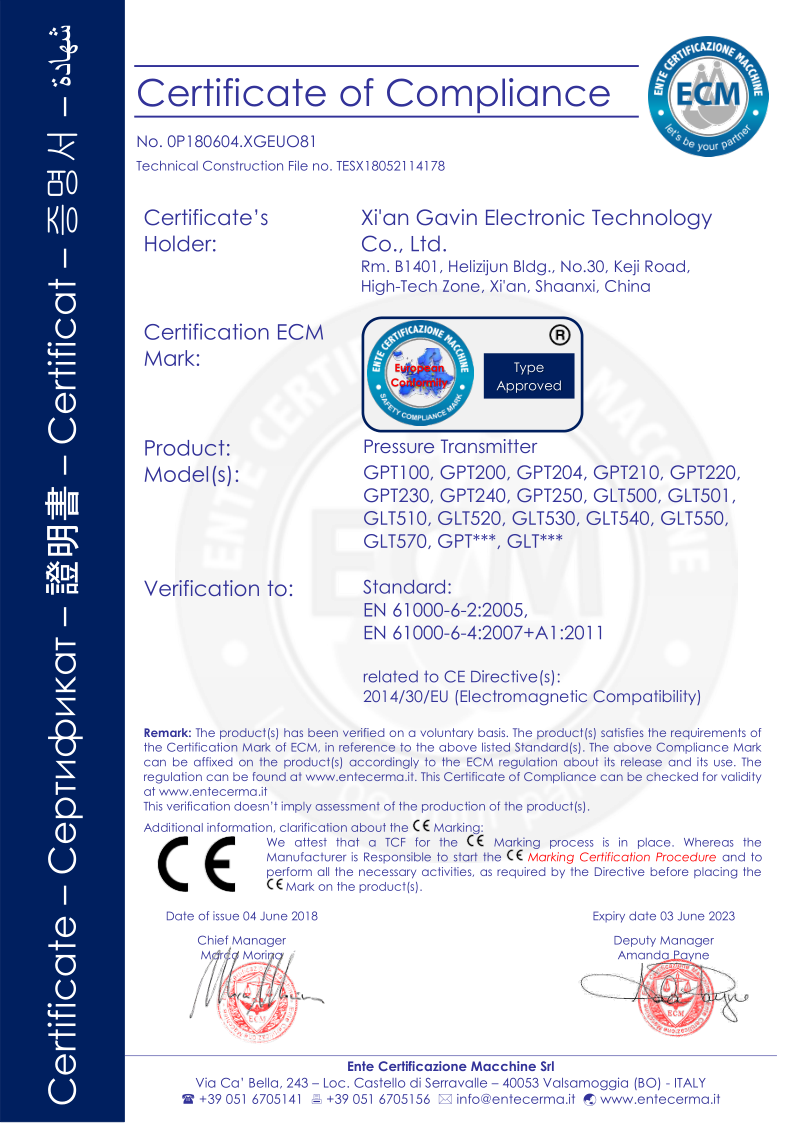
Understanding local certification criteria and consumer preferences is essential for export success in Asia and Europe. CE labeling, ATEX certification for hazardous regions, and adherence to EU material laws are given priority in European markets. Similar certificates are becoming more and more in demand in Asian markets, which place a premium on affordability and customizability.
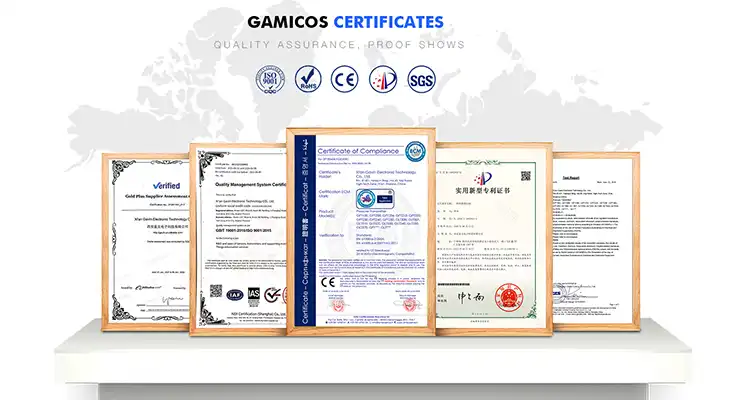
Successful exporters usually make investments in robust technical support infrastructure, sophisticated testing capabilities, and extensive quality control systems. Maintaining competitive standing in these demanding markets now requires the capacity to offer regional technical assistance, documentation in local languages, and quick response times.
Comparative Insights for B2B Procurement – Rational Choice Approach
When assessing sanitary pressure transmitters, procurement experts need to take into account more than just measurement accuracy. Hygienic design elements, material compatibility, certification compliance, and long-term dependability under rigorous cleaning schedules are all compared throughout the selection process.
Performance Differentiation Analysis
Specialized design elements that avoid contamination and make cleaning easier set sanitary pressure transmitters apart from conventional types. While specific surface treatments lessen the adherence of product residues, the flush diaphragm architecture removes dead spots where germs may grow. 316L stainless steel or higher grades that are resistant to corrosion from strong cleaning agents are usually used when choosing materials.
Prominent producers in the European and Asian markets have created unique sanitary design strategies. Whereas Yokogawa concentrates on improved diagnostics and digital integration, Honeywell prioritizes sturdy construction and extensive certifications. Siemens offers broad automation system integration capabilities, while Endress+Hauser offers robust technical support and a wide range of customisation choices. WIKA and ABB provide specialist solutions for certain market areas, completing the competitive environment.
Technology Evolution and Selection Criteria
The ability to assess sanitary pressure has changed as a result of the switch from analog to digital transmission. Predictive maintenance plans are made possible by digital transmitters' increased communication protocols, improved diagnostic capabilities, and higher accuracy. Operational efficiency may be greatly increased by using the real-time health monitoring, calibration verification, and process optimization data that these devices can give.
Sanitary transmitters are more expensive than regular types, but the overall cost of ownership often favors customized designs, according to cost research. Over the course of the equipment lifespan, significant operational savings are produced via lower maintenance needs, enhanced process dependability, and reduced contamination hazards. According to procurement managers, increased operational effectiveness and fewer quality problems usually result in a recovery of the original investment premium in 18 to 24 months.
Export and Installation Best Practices for B2B Clients
The installation, calibration, and maintenance processes for sanitary pressure transmitters must be carefully followed in order to be successful. To preserve their hygienic integrity and guarantee peak performance throughout the course of their operating lives, these specialty instruments need certain handling protocols.
Installation Framework and Guidelines
Verifying the compatibility of the process connections and thoroughly preparing the mounting surfaces are the first steps in a proper installation. Specific torque requirements are necessary for sanitary installations in order to guarantee adequate sealing and prevent harm to sensitive sensing components. To preserve the smooth, cleanable surface necessary for hygienic applications, the flush-mount design requires exact alignment and surface preparation.
Shipping circumstances and possible drift during transit must be taken into consideration in calibration processes for exported equipment. According to established procedures, field verification should be done within 30 days after installation, and any necessary calibration modifications should be documented. Pre-calibration certifications, which are offered by many manufacturers, shorten commissioning times while guaranteeing traceability to global standards, especially for critical devices like the sanitary pressure transmitter.
Service and Support Considerations
Because sanitary applications are so specialized, aftermarket support becomes especially important for exported equipment. Annual calibration verification, cleaning method validation, and performance trending analysis are often included in recommended service packages. Because of their well-established distribution networks, European markets often provide quicker response times for technical assistance and service parts.
To guarantee correct handling and documentation, logistics coordination for large purchases requires meticulous preparation. The proper material certifications and compliance paperwork must be part of the customs clearance process. In order to shorten delivery periods and enable quick replacement for essential applications, many prosperous exporters have regional inventory locations.
Future Outlook: How Export Demand and Technology Are Changing?
The trajectory for sanitary pressure transmitter exports reflects broader trends in industrial automation, regulatory evolution, and technological advancement. Market analysts project continued growth driven by expanding applications in emerging economies and increasing sophistication in established markets.
Growth Trends and Regional Dynamics
As regional pharmaceutical and food processing industries flourish, emerging markets in Southeast Asia and Eastern Europe offer substantial growth prospects. There is a growing need for certified sanitary equipment in these areas as they embrace worldwide quality standards. The growth of the biotechnology industry, especially in the areas of cell therapy and customized medicine, increases the need for specialized pressure monitoring tools.
With tighter enforcement of current standards and the creation of new regulations addressing emerging pollutants and process hazards, regulatory pressures are still growing in both areas. Global standards are influenced by the European Union's continuous regulatory development, which opens doors for providers who can prove they meet the strictest criteria.
Technological Innovation and Partnership Development
An important advancement in technology is the incorporation of machine learning and artificial intelligence into sanitary pressure transmitters. Applications for quality assurance, process optimization, and predictive maintenance are made possible by these cutting-edge capabilities, which provide significant benefits to end users. Modern industrial processes depend on remote monitoring capabilities made possible by wireless communication technologies like GPRS, NB-IoT, and Lora.
As system integrators look for whole solutions rather than individual parts, OEM collaborations have grown in significance. In order to build integrated measuring systems that meet particular application needs, successful exporters collaborate with engineering contractors, automation businesses, and end-user organizations.
Conclusion
As enterprises place a higher priority on contamination prevention and regulatory compliance, the market for sanitary pressure transmitter exports from Asia and Europe keeps growing. Globalization, legislative change, and technological advancements provide long-term development prospects for suppliers and manufacturers that can satisfy strict hygiene standards. Maintaining robust quality management systems, offering thorough technical assistance, and comprehending regional certification criteria are all necessary for success. The prognosis for the future is still promising, as new biotechnology applications and growing markets in developing nations provide more room for specialist sanitary instruments to thrive.
FAQ
Q1: What are the critical selection factors for sanitary pressure transmitters in pharmaceutical applications?
A: Pharmaceutical applications require transmitters meeting FDA and EU GMP requirements, with 316L stainless steel construction minimum and surface finishes suitable for CIP/SIP procedures. The devices must maintain accuracy throughout repeated sterilization cycles and provide comprehensive material traceability documentation.
Q2: How do European export regulations affect Asian imports of sanitary instrumentation?
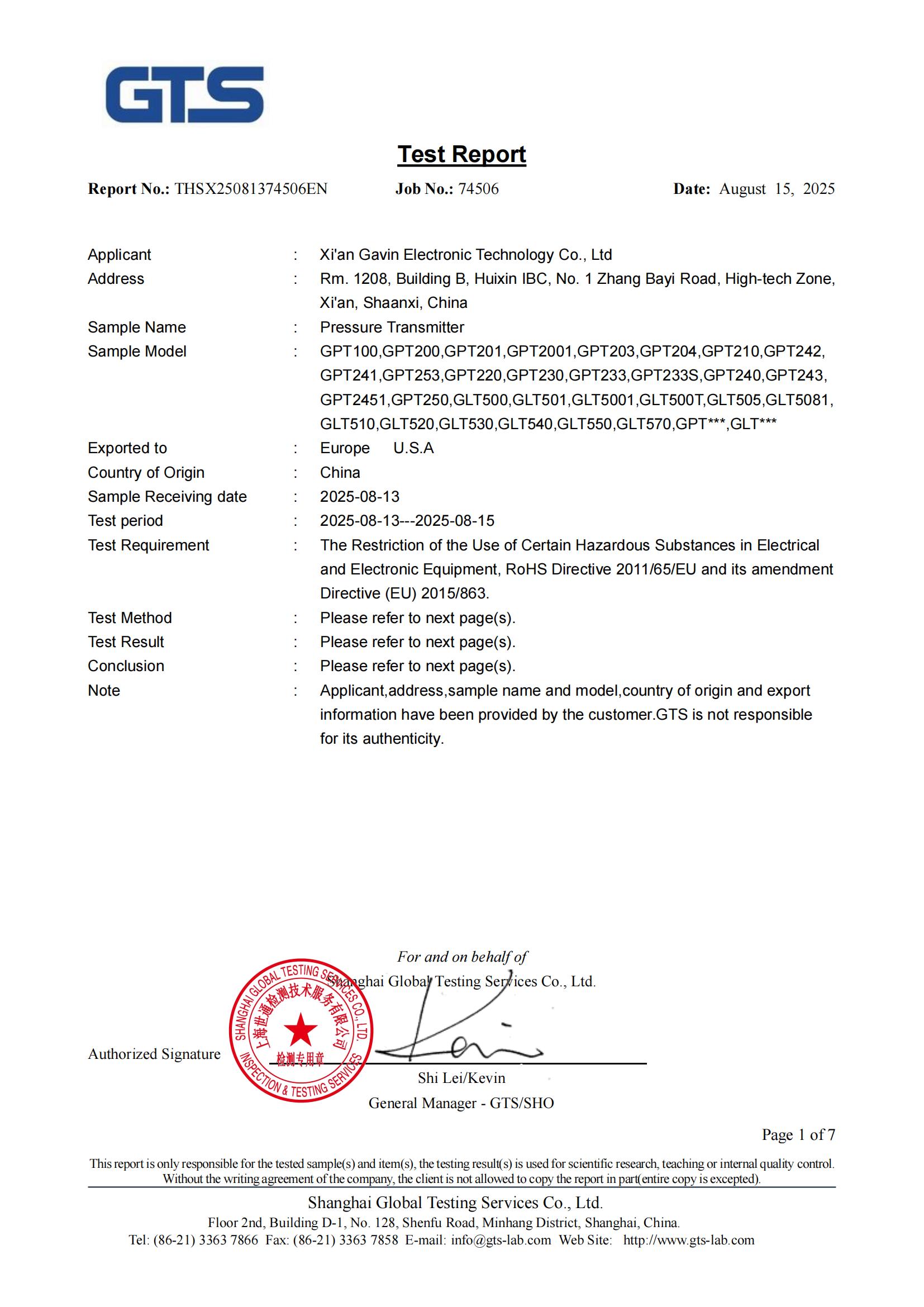
A: European regulations require CE marking, RoHS compliance, and REACH substance registration for imported instrumentation. Asian manufacturers must maintain comprehensive quality management systems and provide detailed material composition documentation to ensure regulatory compliance.
Q3: What maintenance practices are essential for preserving sensor accuracy in sanitary applications?
A: Regular calibration verification, proper cleaning procedure implementation, and preventive maintenance scheduling are essential. The flush diaphragm design requires specific cleaning protocols to prevent damage while ensuring complete sanitization between production runs.
Q4: How do wireless communication options enhance sanitary pressure transmitter functionality?
A: Wireless capabilities enable remote monitoring, reducing personnel exposure in hazardous environments while providing real-time data access for process optimization. These features support predictive maintenance strategies and facilitate compliance documentation requirements.
Q5: What customization options are typically available for OEM applications?
A: Customization options include specialized process connections, modified pressure ranges, custom housing configurations, and private labeling. Many manufacturers offer application-specific calibration and specialized output signal configurations to meet unique system requirements.
Contact GAMICOS for Your Sanitary Pressure Transmitter Needs
GAMICOS stands as your trusted sanitary pressure transmitter supplier, offering comprehensive solutions for pharmaceutical, food and beverage, and biotechnology applications across global markets. Our GPT210 Sanitary Flat Diaphragm Pressure Transmitter combines advanced diffused silicon technology with 316L stainless steel construction, delivering exceptional reliability for demanding hygienic environments. We provide extensive OEM and ODM customization services, multiple communication protocols, and comprehensive technical support to ensure optimal performance. Contact our experienced team at info@gamicos.com to discuss your specific requirements and discover how our innovative measurement solutions can enhance your process reliability and regulatory compliance.
References
1. International Society of Automation. "Sanitary Design Guidelines for Pressure Measurement Instrumentation in Food and Pharmaceutical Applications." ISA Technical Report TR88.00.02, 2023.
2. European Hygienic Engineering and Design Group. "Hygienic Equipment Design Criteria for Pressure Transmitters." EHEDG Document 8, Third Edition, 2023.
3. Asia-Pacific Industrial Automation Market Research. "Export Trends Analysis: Sanitary Instrumentation Trade Flows 2020-2024." APIMAR Quarterly Report, Vol. 15, No. 3, 2024.
4. Johnson, M.R., Chen, L., and Schmidt, K. "Regulatory Impact Assessment: Sanitary Pressure Measurement Standards in Global Trade." Journal of Industrial Hygiene Technology, Vol. 42, pp. 156-174, 2023.
5. European Commission Directorate-General for Trade. "Medical Device and Food Processing Equipment Import Statistics: Asia-Europe Trade Analysis 2022-2023." EC Trade Report Series, Document TR-2024-07, 2024.
6. Williams, P.D., and Zhang, Y. "Technology Evolution in Sanitary Process Instrumentation: Market Drivers and Future Outlook." International Conference on Process Automation and Control, Proceedings Volume 18, pp. 234-251, 2024.

Eva
Eva specializes in bridging the gap between cutting-edge sensor technology and market needs. With 8 years of experience in industrial product marketing, she has successfully launched multiple sensor product lines—from pressure transmitters to fuel level sensor—into global markets.
We're here to help — submit your request anytime!
Let us know how we can help solve your pressure level measurement challenge.
_1757930850792.jpg)

Recommended Blog

Top Sanitary Pressure Transmitter Suppliers in Europe & America

Best Sanitary Pressure Transmitter for Pharmaceutical Applications
Top Sanitary Pressure Transmitter Suppliers in Europe & America
Best Sanitary Pressure Transmitter for Pharmaceutical Applications
Top Sanitary Pressure Transmitter Suppliers in Europe & America
Best Sanitary Pressure Transmitter for Pharmaceutical Applications
Top Sanitary Pressure Transmitter Suppliers in Europe & America
Best Sanitary Pressure Transmitter for Pharmaceutical Applications
Hygienic Tank Level Sensors for Food and Beverage Processing

Top Sanitary Pressure Transmitters for Asia Food & Beverage Plants
Hygienic Tank Level Sensors for Food and Beverage Processing