Top Sanitary Pressure Transmitters for Asia Food & Beverage Plants
Comprehending Sanitary Pressure Transmitters in Food & Beverage Applications
- Comprehending Sanitary Pressure Transmitters in Food & Beverage Applications
- Top Sanitary Pressure Transmitters for Asia Food & Beverage Plants
- How to Choose the Right Sanitary Pressure Transmitter for Your Food & Beverage Plant
- Installation, Calibration, and Maintenance Best Practices for Sanitary Pressure Transmitters
- Comparing Sanitary and Industrial Pressure Transmitters — What Procurement Managers Need to Know
- Conclusion
- FAQ
- Partner with GAMICOS for Superior Sanitary Pressure Measurement Solutions
- References
The food and drink industry in Asia depends on high-precision pressure measuring tools that meet the strictest cleanliness standards. For this area, the best sanitary pressure transmitters are high-tech ones like the GPT210 with flush diaphragm technology, the Rosemount 2090F line, and the Endress+Hauser Cerabar solutions. These specialized tools are made of 316L stainless steel, can be used with clean rooms, and have high accuracy rates that are needed for handling dairy, making drinks, and making medicines in Asian markets.
Comprehending Sanitary Pressure Transmitters in Food & Beverage Applications
There is a special type of measuring equipment called sanitary pressure transmitters that is designed to work in clean working settings. Unlike most industrial pressure sensors, these ones have smooth, non-porous surfaces and are made of materials that don't rust. This stops bugs from growing and makes cleaning easier.
Pharmaceutical, dairy, and beverage industries have very strict cleanliness standards. Even tiny amounts of contamination can ruin whole production runs. Sanitary pressure sensors solve these problems with flat diaphragm styles that get rid of empty places where germs could grow. The design of 316L stainless steel makes it very resistant to cleaning agents and heat cycling that happens during sterilization processes.
Key Features of Modern Sanitary Pressure Technology
There are a few important design differences between normal industrial pressure measurement solutions and advanced clean pressure measurement solutions. The flush diaphragm structure keeps impurities from building up and makes cleaning routines work well. Diffused silicon pressure cores are used as sense elements in many models. These provide very high accuracy and long-term consistency even in harsh processing conditions.
Clean-in-Place compatibility is another important benefit that lets these sensors handle harsh cleaning cycles without losing their ability to measure accurately. The smooth connection with automatic cleaning systems cuts down on the work that needs to be done by hand and makes sure that cleanliness standards are met throughout the production process.
Applications Across Asian Food and Beverage Manufacturing
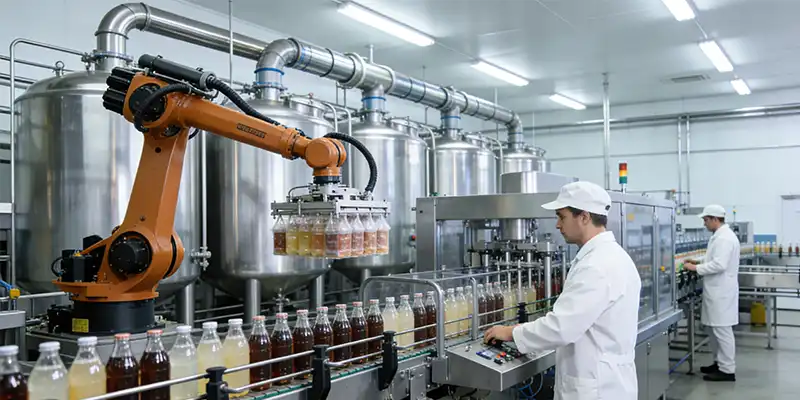
Asian food and drink factories use sanitary pressure transmitters for many tasks, such as keeping an eye on fermentation, controlling pasteurization, and keeping an eye on filter systems. These tools are used by dairy processing plants to precisely control the pressure during the blending and separation processes. Accurate pressure tracking helps breweries make sure their products are safe and of good quality during the fermentation and packing processes.
Top Sanitary Pressure Transmitters for Asia Food & Beverage Plants
To choose the best pressure measurement solutions, you need to carefully look at the requirements for accuracy, compliance with hygiene standards, and the ability to provide help in your area. For critical hygiene-sensitive applications, selecting a reliable sanitary pressure transmitter is a key part of this evaluation. Leading makers offer a wide range of products that are specifically designed to meet the needs of the Asian market. These products combine cutting-edge technology with affordable prices.
GAMICOS GPT210 Sanitary Flat Diaphragm Pressure Transmitter
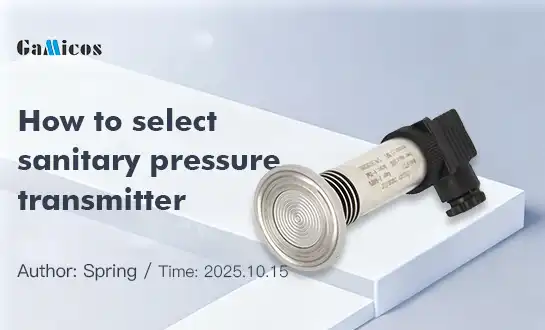
The GPT210 is the latest in sanitary pressure measurement technology. It has a flat diaphragm design that picks up pressure signals straight through a silicon pressure core that has been spread. Standardized silicon oil or olive oil is used as the pressure transmission medium in this new method, which guarantees high accuracy and dependability in tough food preparation settings.
The measure end has a flush diaphragm that has been specially treated during welding. It is made from high-quality 316L stainless steel that is resistant to corrosion and meets cleanliness standards. The clean design keeps scales and bacteria from building up, which makes it perfect for use in Asia in cheese processing, beverage production, and pharmaceutical uses.
One of the best things about the GPT210 is that it can close very well, which means it will work reliably for a long time even in tough circumstances. The device has many safety features, such as short-circuit and reverse polarity security, to keep it safe from electrical problems that could stop important production processes. There are many signal output choices, such as 4-20 mA, RS485/IIC, 0-5V, and 0-10V, which make it easy to connect to current automation systems.
Rosemount 2090F Series for Pharmaceutical Applications
In biotechnology, where strict safety and quality rules call for top-notch performance, the Rosemount 2090F Sanitary Pressure transmitter really shines. This transmitter meets 3-A Sanitary Standards and USDA acceptance standards, which makes it perfect for factories in Asia that make pharmaceuticals and biopharmaceuticals.
The precise pressure control features of cell culture bioreactors protect the delicate mammalian cells used in the production of monoclonal antibodies from damage caused by shear stress. To keep the best conditions for bacteria that make beneficial proteins, vaccines, and enzymes, fermentation processes need to keep an eye on the pressure all the time.
To get an accuracy of 0.20 percent, the single-filled liquid sensor system works perfectly and stays reliable through many CIP and SIP rounds. The ability to go through thermal cycles up to 284°F makes sure that the device works the same way during sterilization processes without affecting measurement accuracy or raising the risk of contamination.
Endress+Hauser Cerabar Solutions
Endress+Hauser has a wide range of clean pressure measurement options that use clay sensor technology, which is very resistant to chemicals and stable over time. These transmitters work great in places where harsh cleaning chemicals are used and temperatures change a lot, like Asian food processing plants.
How to Choose the Right Sanitary Pressure Transmitter for Your Food & Beverage Plant
To choose the right sanitary pressure measuring tools, you need to carefully look at a lot of scientific and practical factors. Professionals in procurement have to find a balance between performance needs and budget limits, all while making sure that regional cleanliness standards and legal requirements are met.
Technical Specifications and Performance Criteria
When choosing sanitary pressure transmitters for food and beverage uses, measurement accuracy is the most important thing to think about. To make sure accurate process control and consistent product quality, most uses need accuracy within 0.1 to 0.25% of full scale. When there are big changes in temperature during pasteurization or sterilization stages, the ability to compensate for those changes becomes very important.
It is important to choose a pressure range that covers both normal working conditions and possible pressure spikes that might happen during cleaning cycles or when the equipment is first turned on. Overpressure safety stops damage to sensors when pressure changes unexpectedly, which could happen during repair or when the system stops working right.
Material Compatibility and Hygiene Compliance
Choosing the right wetted materials has a direct effect on how well sensors work and how well they follow the rules in food handling settings. For instance, selecting corrosion-resistant alloys for a sanitary pressure transmitter is critical for both performance and compliance. Most food items and cleaning agents don't corrode 316L stainless steel very well. However, special coatings may be needed for uses that are very acidic or alkaline.
The requirements for surface finish rely on the application and the rules that apply. Ra values below 0.8 μm usually meet the needs of most food processing applications. However, even smoother finishes may be needed in pharmaceutical applications to keep germs from sticking and make cleaning easier.
Integration and Communication Requirements
Modern food preparation plants depend on automated control systems that need to work well with the infrastructure that is already there. Communication protocol compatibility makes sure that pressure transmitters and central control systems can share data quickly and easily. 4-20mA analog signals, the HART system for digital contact, and Ethernet-based protocols for advanced networking are all standard choices.
Mounting arrangements need to work with the way pipes are already laid out and make repair and tuning tasks easy to do. Tri-clamp connections make it easy to put something in place and take it out again for cleaning or repair, while threaded connections might be better for long-term installs.
Installation, Calibration, and Maintenance Best Practices for Sanitary Pressure Transmitters
The right way to place sensors ensures they work at their best and meets the cleanliness standards needed for making food and drinks. Calibration standards need to take into account the specific needs of clean areas, like working with cleaning methods and maintaining a sterile environment.
Installation Guidelines for Hygienic Environments
The placement of the transmitter has a big effect on the accuracy of measurements and the efficiency of cleaning in safe settings. Mounting places should have as few empty spaces as possible so that product leftovers don't build up. They should also make sure that there is enough drainage during cleaning processes. Vertical mounting positions usually allow for the best ventilation, which lowers the chance of germs growing in leftover wetness.
It's important to make sure that connections are solid to stop pollution paths that could put product safety at risk. All joints and connections must be able to reliably seal under both working pressure and vacuum situations that come up during cleaning. When choosing a gasket, you should think about how well it works with cleaning agents and how often it needs to be changed.
Calibration Procedures Under Sterile Conditions
To keep handling equipment from getting dirty, calibration methods for sanitary pressure transmitters must keep the area clean throughout the process. Accurate testing can be done with portable calibration equipment made for clean rooms that doesn't compromise cleanliness standards.
Calibration times should take into account the tough working conditions found in food processing areas, such as frequent cleaning processes and changes in temperature. Calibration plans that happen every three months are good for most applications, but important processes may need to be checked every month to make sure they stay accurate and follow the rules.
Maintenance Strategies for Extended Service Life
Preventive repair programs make sanitary pressure transmitters last a lot longer and reduce the amount of unplanned downtime that could mess up production plans. Checking the mounting gear and connections on a regular basis keeps small problems from turning into expensive fails that need emergency fixes.
Cleaning compatibility testing makes sure that sensors keep up with cleanliness standards for as long as they are used. Recording the steps for cleaning and checking for accuracy is important for quality assurance programs and audits of legal compliance.
Comparing Sanitary and Industrial Pressure Transmitters — What Procurement Managers Need to Know
By knowing the main differences between clean and industrial pressure measuring tools, you can make smart purchases that improve both performance and cost-effectiveness. Initial prices may favor industrial versions, but total cost of ownership figures often show that sanitary designs are more cost-effective.
Design Differences and Performance Implications
In a number of important ways, sanitary pressure transmitters are different from their industrial cousins because of how they are built. Surface finish standards keep germs from sticking to smooth, non-porous materials, which makes them easier to clean thoroughly. Seal designs have to be able to handle harsh cleaning chemicals and changing temperatures many times without breaking down or making ways for contamination to get in.
The way something drains is very important for keeping cleanliness standards high between production runs. Sanitary transmitters have designs that drain themselves, so there is no standing water where bacteria can grow. On the other hand, industrial designs often have pockets or cracks that can hold contaminants.
Cost Analysis and Value Proposition
Due to the specialized materials and production processes needed for hygienic compliance, sanitary pressure transmitter initial purchase prices typically exceed industrial options. But when you figure out the total cost of ownership, you have to include the costs of cleaning work, downtime, and the product that could be lost because of contamination.
Regulatory compliance costs are another important thing to think about when doing economic analyses. Sanitary transmitters made for food handling usually come with the licenses and paperwork needed for regulatory checks. This lowers the costs of compliance and the possible fines for not complying.
Conclusion
When choosing the right sanitary pressure transmitters for food and drink businesses in Asia, it's important to think about the technical specs, the cleanliness standards, and the help options available in the area. Modern options like the GAMICOS GPT210 show how new ways of designing can produce great results while still meeting strict cleanliness standards. These instruments are perfect for harsh working settings because they are made of 316L stainless steel, have flush diaphragm technology, and have a lot of safety features.
For the application to work, it needs to be set up correctly, calibrated regularly, and maintained in a way that keeps both measurement accuracy and cleanliness standards. Buying good safe pressure measuring equipment is worth it because it helps with process control, lowers the risk of contamination, and makes it easier to follow the rules in many food preparation situations.
FAQ
What certifications are essential for sanitary pressure transmitters in food processing?
Some important qualifications are FDA food contact material certifications, EHEDG approval for European markets, and 3-A Sanitary Standards compliance for dairy uses. These standards make sure that transmitters meet strict hygiene standards and keep food preparation areas from getting dirty.
Can industrial pressure transmitters be retrofitted for sanitary applications?
Changing industrial transmitters to be used in a bathroom is usually not a good idea because the surface finishes, seal materials, and draining features are not the same. Buying specially designed sanitary transmitters is a better long-term investment because they help people follow cleanliness rules better and lower the risk of contamination.
How do CIP processes affect transmitter selection and performance?
For transmitters to be CIP compatible, they must be able to handle harsh cleaning agents, high temperatures, and changing pressures without compromising the integrity of the seal or the accuracy of the measurements. Sanitary transmitters made for CIP settings are made of materials that are resistant to chemicals and have temperature compensation to keep working even after cleaning processes.
Partner with GAMICOS for Superior Sanitary Pressure Measurement Solutions
GAMICOS offers state-of-the-art sanitary pressure transmitter technology that was specially designed for the tough food and beverage handling settings in Asia. Our GPT210 Sanitary Flat Diaphragm Pressure Transmitter is made of 316L stainless steel and has an innovative flat diaphragm design. This makes it very clean and accurate for measuring pressure. We know the specific problems Asian food makers face because we can make OEM/ODM customizations for a wide range of products and have worked with clients in 98 countries. Get in touch with our professional engineers at info@gamicos.com to talk about your needs and find out how our sanitary pressure transmitter solutions can help you make more things while still following the strictest safety rules.
References
1. International Association for Food Protection. "Sanitary Design Principles for Food Processing Equipment." Journal of Food Protection Standards, 2023.
2. Asian Food Safety Institute. "Pressure Measurement Best Practices in Food and Beverage Manufacturing." Food Safety Technology Quarterly, 2023.
3. European Hygienic Engineering & Design Group. "Guidelines for Hygienic Equipment Design in Food Processing." EHEDG Technical Guidelines, 2022.
4. Food and Drug Administration. "Current Good Manufacturing Practice in Manufacturing, Packing, or Holding Human Food." Federal Register Guidelines, 2023.
5. Asia-Pacific Food Industry Association. "Automation and Process Control in Regional Food Manufacturing." Industrial Processing Review, 2023.
6. International Society of Automation. "Sanitary Instrumentation Standards for Pharmaceutical and Food Applications." ISA Technical Standards Publication, 2022.

Halen
With over 12 years of experience in fluid sensing technology, Halen specializes in helping clients select and optimize oil level sensors for a wide range of industries—including automotive, marine, heavy machinery, and energy.
We're here to help — submit your request anytime!
Let us know how we can help solve your pressure level measurement challenge.
_1757930850792.jpg)
Recommended Blog
How do I choose the right sanitary pressure transmitter for my application?