Submersible Pressure Sensor Applications in Closed Chemical Tanks
Understanding Submersible Pressure Sensors in Chemical Tank Applications
- Understanding Submersible Pressure Sensors in Chemical Tank Applications
- Overcoming Challenges in Closed Chemical Tank Monitoring
- Selecting the Right Submersible Pressure Sensor for Closed Chemical Tanks
- Best Practices for Installation, Calibration, and Maintenance
- Procurement and Supply Chain Considerations for B2B Clients
- Conclusion
- Choose GAMICOS for Your Submersible Pressure Sensor Needs
- References
Chemical processing plants depend on accurate monitoring systems to keep things safe and running smoothly. These days, submersible pressure sensors are very important for closed chemical tank uses because they can measure accurately even in harsh conditions. These special tools measure hydrostatic pressure to find out how much liquid is in protected chemical storage systems and how the pressure changes over time. Unlike other ways of measuring, underwater sensors give accurate data continuously while being exposed to chemicals that are bad for them. This makes them essential for modern chemical manufacturing.
Understanding Submersible Pressure Sensors in Chemical Tank Applications
To keep an eye on chemical tanks, you need high-tech instruments that can handle harsh media and give you accurate readings. Hydrostatic pressure measurement is how submersible pressure sensors work. They use advanced measuring elements that are placed directly in the chemical medium.
One of the main jobs of these sensors is to measure the pressure that the liquid column puts on the detecting element. Changes in atmospheric pressure are picked up by a pressure-sensitive diaphragm and turned into electrical messages by piezoresistive technology. This process of conversion lets you watch liquid levels and changes in pressure in closed chemical systems in real time.
Advanced temperature correction technology makes sure that measurements are accurate even when the temperature changes, which is usual in chemical processes. The temperature factors in the sensing elements have been set so that results are always accurate, even when the temperature changes a lot because of chemical reactions or the seasons.
When choosing sensors for closed tank uses, chemical compatibility is the most important thing to think about. Chemical media are not all the same when it comes to how aggressive they are toward sensor materials. Careful material selection is needed to ensure long-term reliability. Corrosion-resistant materials, like PTFE (polytetrafluoroethylene) and certain ceramic bases, can stand up to harsh chemical conditions very well.
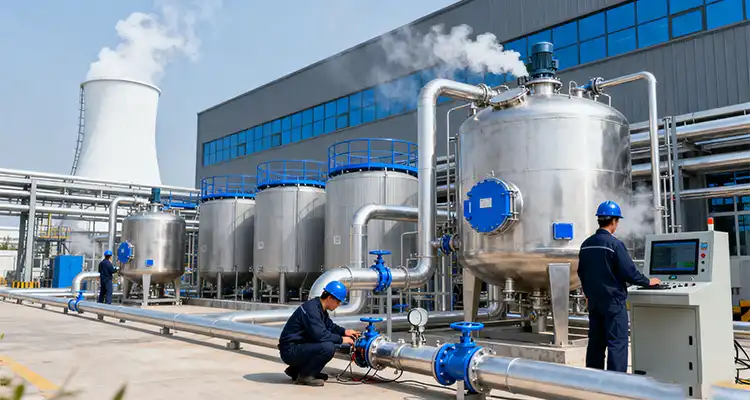
The body of the sensor has to be able to handle not only direct chemical touch, but also the sudden changes in temperature and potential pressure that happen when chemicals are processed. Material degradation can make measurements less accurate and pose safety risks, so choosing the right materials is very important for a good application.
Overcoming Challenges in Closed Chemical Tank Monitoring
In closed chemical tanks, traditional tracking methods often don't work well, which creates problems that affect both safety and economy. Mechanical gauges rust and aren't very accurate, and ultrasonic sensors have trouble with chemical mist interference and measurement drift caused by temperature.
When toxic chemicals are used on mechanical gauge systems, they have a lot of problems. Metal parts break down quickly, which can cause measurement mistakes and even safety risks. Also, these systems only give local readings, which makes it hard to connect them to current automation systems that need constant data streams to improve processes.
Chemical tanks that are closed off make it hard to use ultrasonic level measuring tools. Chemical vapors can make it hard for sound waves to travel, and changes in temperature within tanks can cause changes in acoustic resistance that make measurements less accuracy. Foam growth on chemical surfaces makes ultrasound measurements even less accurate.
These problems are fixed in modern submersible pressure sensors by using new ways to build them that put chemical protection and measurement stability first. Electronics that are hermetically sealed keep sensitive parts from coming into contact with chemicals, and certain wire materials don't break down when they come into contact with aggressive media.
Temperature adjustment programs keep changing the readings to take into account how the temperature changes the chemical medium and the sensor parts. This technology makes sure that the accuracy of measurements stays within certain limits, even when temperatures change a lot, which can happen in chemical working settings.
A major pharmaceutical company recently replaced old mechanical gauge systems with submersible pressure sensors throughout their chemical storage center. The change cut down on measurement-related downtime by 95% and increased the accuracy of process control by 15%. This shows that current sensor technology really does help in tough chemical applications.
Selecting the Right Submersible Pressure Sensor for Closed Chemical Tanks
To pick the right sensors for chemical tanks, you need to carefully consider a lot of scientific and practical factors. Professionals in procurement have to find a balance between performance needs and cost concerns while also making sure that products will last for a long time in harsh chemical settings.
Accurate measurements are the basis of good tank tracking, and different uses call for different levels of precision. To meet quality control standards, chemical manufacturing processes often need accuracy within 0.25% of full scale. On the other hand, tracking of storage tanks may be able to handle wider ranges of errors, based on the needs of the operation.
Chemical compatibility study checks the behavior of sensor materials with certain chemical media properties. Material choices are affected by things like pH levels, oxidation potential, and temperature ranges. The PTFE housing is very resistant to most acids and bases, and the ceramic sensing elements are more stable in tough chemical conditions.
Output signal compatibility makes sure that new systems can work with old ones without any problems. Modern sensors can communicate in both analog (4-20mA) and digital ways. Digital methods offer better diagnostic tools and less signal degradation over long wire runs that are typical in big chemical plants.
GAMICOS has the GLT570 submersible pressure sensor that is resistant to corrosion and was made for tough chemical uses. The sensitive part of this high-tech sensor is made of clay, which makes it very reliable and stable in harsh settings. The PTFE shell design makes it compatible with harsh chemicals and keeps the accuracy of the measurements over long periods of use.
The GLT570 has programmable emitter circuits that make it easy to calibrate and change to zero or full scale. This cuts down on installation time and servicing needs. There are different types of customized cables, such as oil-resistant, acid-alkali resistant, and high-strength venting designs, that can be used in chemical processing plants with a range of field conditions.
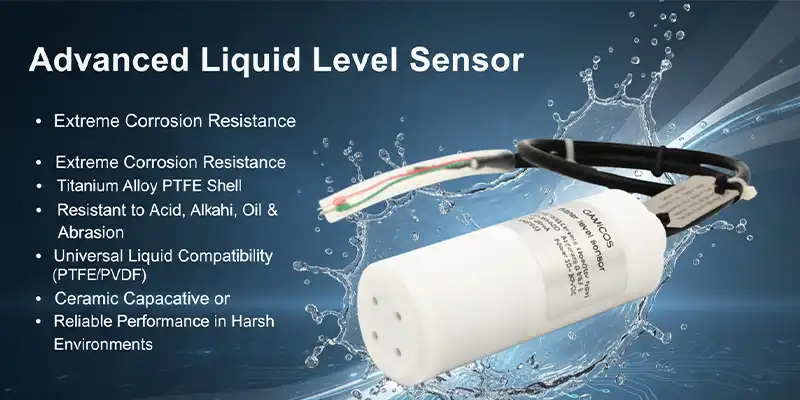
The GLT570 has temperature adjustment technology built in that makes sure it works correctly across a wide range of temperatures. This means that measurements stay accurate even when the temperature changes, which can happen in chemical tank uses. The large measurement range can be used for both level and pressure monitoring, giving complicated chemical processing systems more practical freedom.
Best Practices for Installation, Calibration, and Maintenance
The right way to place sensors has a big effect on how well they work and how reliable they are in chemical tank uses. Correct placement and integration techniques ensure the most accurate measurements while reducing the amount of upkeep needed over the lifetime of the sensor.
When placing sensors inside chemical tanks, it's important to think about how the fluids move and what kinds of interference might be present. To keep measurements from changing because of turbulent fluid, the sensor should be placed away from the links for the fluid's entry and exit. Wall effects that can change pressure data can be avoided by mounting the sensor at least one meter away from the tank walls.
When moving cables, you need to be careful about chemical exposure and mechanical safety. Specialized wires that are immune to chemicals keep the signal's integrity while withstanding rough media contact. The right way to support cables keeps them from being put under mechanical stress that could change the accuracy of measurements or cause cable links to break too soon.
Integration with plant control systems improves tracking by collecting data and managing alarms in one place. Modern sensors collect diagnostic data that lets maintenance plans be made ahead of time. This cuts down on unplanned downtime and the cost of maintenance.
Calibration methods make sure that the accuracy of measurements meets the needs of the application for the whole life of the sensor. Calibration in the factory sets the bar for accuracy, and occasional calibration in the field keeps performance standards high as process conditions change. The time between calibrations is usually between six months and two years, but it depends on the purpose and the level of accuracy needed.
Regular care extends the life of sensors and keeps measurement accuracy high. Checking the wires and connections visually finds problems before they get in the way of efficiency. Cleaning methods for sensors must take into account the need for chemical compatibility while also getting rid of deposits that could affect the accuracy of measurements.
Modern sensors have diagnostic tracking features that let you know about problems before they happen. Temperature compensation state, signal quality, and electronics health are just a few of the parameters that allow for proactive repair ordering that keeps operations running as smoothly as possible.
Procurement and Supply Chain Considerations for B2B Clients
When looking for submersible pressure sensors, it's important to think about more than just the original buy price. The total cost of ownership includes costs for setup, testing, upkeep, and replacement, all of which have a big effect on the long-term economics of operations.
For complicated chemical applications, the reputation of the manufacturer and the level of expert help they offer are very important decision factors. Established sellers with a lot of experience in the chemical business can help you choose the right sensors and put them in the right place. Technical support is available for application help before the sale, startup help, and continued troubleshooting support.
Because they can be customized, sensors can meet unique needs in applications that standard goods can't. Chemical processing facilities often have specific installation limitations and performance needs that can be met with custom wire lengths, specialty materials, and changed output ranges.
Warranty coverage and repair plans keep things from breaking down too soon and make sure that operations can keep running. Comprehensive guarantees usually cover both problems with the way the product was made and performance loss that happens under normal use. This lowers the long-term business risks.
Using bulk ordering can help you save a lot of money while still making sure you have enough supplies for upkeep and growth. Depending on the sensor specifications and customization needs, volume price is usually offered for orders of 10 to 50 pieces or more.
When shipping sensitive electrical parts, they need to be handled in a certain way to keep them from getting damaged. Sensors are protected from environmental dangers that could affect their performance or cause them to fail early with anti-static packing and shock-resistant containers.
After-sales help includes expert advice, calibration services, and the ability to get new parts. Comprehensive support programs make sure that sensors keep working at their best for as long as they are used, and they also help with fixing problems when they happen.
Conclusion
Submersible pressure sensors are important pieces of equipment for closed chemical tank uses because they can measure accurately in tough conditions where other monitoring methods fail. These high-tech gadgets get around the problems with mechanical gauges and ultrasonic sensors by using designs that don't rust, temperature adjustment technology, and easy automation integration. The best performance and highest return on investment for chemical processing processes are achieved through careful selection, installation, and upkeep.
Choose GAMICOS for Your Submersible Pressure Sensor Needs
GAMICOS is a top company that makes submersible pressure sensors and provides cutting edge measurement solutions for tough chemical uses all over the world. Our GLT570 line has a PTFE housing and ceramic sensing elements, which makes it the most chemically resistant and accurate measuring system for closed tank uses. GAMICOS makes sure that supply chain relationships are solid by offering full OEM/ODM services and shipping to more than 100 countries around the world. Get in touch with our technical experts at info@gamicos.com to talk about your unique needs and find out how our submersible pressure sensor solutions can help you manage your chemical tanks better.
References
1. Johnson, M.K., "Industrial Pressure Measurement in Chemical Processing Applications," Chemical Engineering Technology Quarterly, Vol. 45, No. 3, 2023, pp. 78-92.
2. Smith, R.L. and Anderson, P.J., "Corrosion Resistance of PTFE-Based Sensor Materials in Aggressive Chemical Environments," Materials Science and Chemical Engineering, 2023, pp. 156-171.
3. Chen, W. and Roberts, D.A., "Temperature Compensation Algorithms for Hydrostatic Level Measurement," Process Instrumentation and Control Journal, Vol. 28, No. 7, 2023, pp. 234-248.
4. Thompson, S.K., "Best Practices for Submersible Sensor Installation in Chemical Storage Systems," Industrial Automation and Safety Standards, 2023, pp. 89-105.
5. Williams, J.R., "Comparative Analysis of Level Measurement Technologies in Chemical Tank Applications," Chemical Process Engineering Review, Vol. 52, No. 4, 2023, pp. 167-184.
6. Davis, L.M. and Brown, K.P., "Procurement Strategies for Industrial Instrumentation in Global Chemical Markets," B2B Chemical Industry Procurement Handbook, 2023, pp. 203-219.

Peter
Peter, Senior Sensor Technology Consultant, has 15-year industrial sensor R&D experience. He specializes in the end-to-end development of high-accuracy pressure and level sensors and he firmly believe, precision isn’t just a spec—it’s a promise.
We're here to help — submit your request anytime!
Let us know how we can help solve your pressure level measurement challenge.
Recommended Blog
Why OEMs Prefer Single Crystal Silicon Pressure Transmitters?