Top Sanitary Pressure Transmitter Suppliers in Europe & America
Understanding Sanitary Pressure Transmitters: Key Concepts and Applications
- Understanding Sanitary Pressure Transmitters: Key Concepts and Applications
- Top Sanitary Pressure Transmitter Suppliers in Europe & America – A 2026 Overview
- Comparing Sanitary vs Industrial Pressure Transmitters: What Buyers Should Know?
- Buying Guide for Sanitary Pressure Transmitters: How to Choose the Right Supplier?
- Installation, Maintenance, and Optimization Tips for Sanitary Pressure Transmitters
- Conclusion
- FAQ
- Partner with GAMICOS for Superior Sanitary Pressure Transmitter Solutions
- References
In today's cutthroat industrial environment, selecting the best sanitary pressure transmitter supplier may make or break your project. In hygienic industries where contamination control is crucial, such as food processing, pharmaceutical production, and biotechnology, sanitary pressure transmitters are essential parts. These specialist tools maintain the highest standards of product safety and cleanliness while guaranteeing accurate pressure measurement.
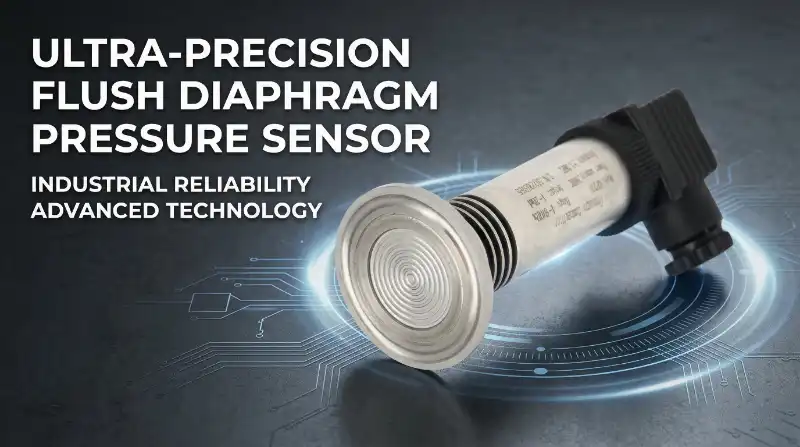
Understanding Sanitary Pressure Transmitters: Key Concepts and Applications
Sanitary pressure transmitters are specialized sensors designed for sanitary settings where preventing contamination is of utmost importance. These devices' distinctive design elements, which place a high priority on cleanliness and contamination avoidance, set them apart from conventional industrial pressure sensors. The basic idea is to measure pressure by making direct contact with process medium while being totally isolated from outside impurities.
Sanitary pressure sensors' primary benefit is its flush diaphragm design, which reduces the number of possible collection sites for germs or product residue. Since conventional sensors often experience accuracy reduction owing to accumulation on detecting surfaces, this design feature is especially useful for monitoring viscous fluids or media containing particles. While maintaining steady measurement performance over long operating times, the flush diaphragm construction may successfully reduce impurity buildup.
Critical Design Features for Hygienic Applications
A number of crucial design components set modern hygienic pressure transmitters apart from traditional sensors. Usually made of 316L stainless steel for increased corrosion resistance, the measurement end has a flush diaphragm with specific welding treatment. This material selection guarantees compatibility with strong cleaning chemicals often seen in settings involving the preparation of food and pharmaceuticals.
Sanitary sensors' non-porous, smooth surfaces keep waste out of the way and make comprehensive cleaning processes easier. Easy removal and cleaning capabilities are crucial for reducing production downtime in the food and pharmaceutical manufacturing sectors, which often need to clean their pipes and containers. While adhering to stringent sanitary standards that are enforced across the European and American markets, these design considerations have a direct influence on operating efficiency.
Top Sanitary Pressure Transmitter Suppliers in Europe & America – A 2026 Overview
In Europe and America, there are a number of well-known sanitary pressure transmitter supplier companies that are renowned for their creativity, dependability, and innovation. Procurement experts should take into account a number of factors while assessing possible suppliers, such as supply chain dependability overall, adherence to safety and hygiene certifications, and product innovation capabilities. These elements have a direct impact on operational effectiveness and the success of long-term partnerships.
Leading companies in this industry have built a solid reputation in the market by continuously producing high-quality goods and offering extensive customer service. The best in sanitary pressure measuring technology include companies like Vega, Yokogawa, Endress+Hauser, Honeywell, Siemens, ABB, Emerson, and Krohne. Whether it is via sophisticated sensor technology, sturdy construction, or specific application knowledge, every manufacturer offers distinct advantages to the market.
GAMICOS: Your Bridge to Quality Suppliers
GAMICOS sets itself apart with its proficiency in matching purchasers with these reliable producers and providing all-inclusive sourcing solutions catered to particular project needs. Our strategy extends beyond simple product matching to accommodate a variety of procurement requirements by facilitating bulk orders, coordinating customizations, and providing efficient export services.
Our supplier network's adherence to quality standards is best shown by the GPT210 Sanitary Flat Diaphragm Pressure Transmitter. This sophisticated gadget uses a diffused silicon pressure core as the main sensing element and a flat diaphragm to directly detect pressure signals. Standardized silicon oil or olive oil is used by the transmitter as the pressure transfer medium, guaranteeing dependable operation in a range of applications while upholding sanitary requirements.
Hygienic design with anti-scaling qualities, superior sealing for long-term stable operation, complete protection against short circuits and reverse polarity, and a variety of signal output options, including 4-20 mA and RS485/IIC/0-5V/0-10V configurations, are some of the main benefits of high-quality sanitary pressure transmitters. Together, these characteristics provide operational flexibility while meeting the rigorous demands of contemporary sanitary processing settings.
| GPT210 Sanitary Pressure Transmitter | |
| Pressure range | 0~35kPa...20MPa |
| Overpressure | 150%FS or 110MPa(min. value is valid) |
| Output signal | 4~20mA 0~5Vdc 1~5Vdc 0~10Vdc |
| Power supply | 12~30Vdc |
| Accuracy | 0.25%FS(typ.), 0.5%FS(max.) |
| Electrical interface | DIN43650, cable connection, 2088 housing+display |
| Pressure interface | M20x1.5,G1/2 (customer request) |
| Material of pressure membrane | clamp diaphragm: 316L stainless steel |
| Material of housing | Stainless steel |
| Protection | IP65 |
Comparing Sanitary vs Industrial Pressure Transmitters: What Buyers Should Know?
Making educated decisions for particular applications requires an understanding of the basic distinctions between industrial and sanitary pressure transmitters. Performance in sanitary settings is directly impacted by the main differences, which are related to design philosophy, material choice, and cleanability criteria. While industrial versions concentrate on longevity and cost-effectiveness for broad applications, sanitary transmitters place a higher priority on contamination control and cleaning simplicity.
One important factor that sets various transmitter kinds apart is the material selection. 316L stainless steel structure and specific surface treatments that prevent bacterial adherence and enable thorough cleaning are common features of sanitary models. Industrial transmitters may be made of a variety of materials, such as carbon steel or common stainless steel alloys, which work well for non-sanitary applications but don't have the specific qualities needed for processing food and medications.
Performance and Maintenance Considerations
Sanitary and industrial pressure transmitters perform quite differently, especially when it comes to maintaining accuracy over time. Features that reduce measurement drift brought on by contamination or product accumulation are included into sanitary designs. By avoiding collection sites that can compromise sensor accuracy, the flush diaphragm design guarantees steady performance over long operating cycles.
These transmitter classifications also have very different maintenance needs. For sanitary transmitters to remain in conformity with regulatory requirements, certain cleaning techniques and validation methodologies are needed. But because of its flat surfaces that allow for thorough cleaning and ease of disassembly, their design makes these procedures easier. When sanitary applications demand regulatory compliance and ideal cleanliness standards, industrial transmitters may need less regular cleaning but lack the design characteristics needed to achieve high hygiene requirements.
Buying Guide for Sanitary Pressure Transmitters: How to Choose the Right Supplier?
A number of elements that affect long-term success must be carefully considered when creating an efficient procurement plan for sanitary pressure transmitters. Buyers must first specify their demands in detail, taking into account factors like order volume, industry-specific certifications, and extensive paperwork requirements. This fundamental stage sets clear performance objectives and guarantees alignment between supplier capabilities and project needs.
Manufacturing lead times, minimum order quantities, competitive pricing structures, and strong logistical capabilities are all crucial factors in evaluating suppliers. These elements impact overall procurement efficiency and have a direct impact on project schedules and financial concerns. For projects with different size needs or strict schedule limitations, suppliers with variable MOQ criteria and cheap lead times can provide substantial benefits.
GAMICOS Expert Procurement Strategies
GAMICOS uses its wealth of industry knowledge to provide knowledgeable advice on enhancing supplier relationships and procurement processes. While guaranteeing scalability for future growth requirements, our team helps customers negotiate advantageous bulk purchase agreements. We are aware that precise quotes need a thorough comprehension of the specifications and provide all-encompassing assistance throughout the assessment procedure.
Working with seasoned sourcing experts who are aware of market trends and technical needs greatly enhances the procurement process. Through its connections with vetted suppliers in Europe and America, GAMICOS is able to provide affordable prices and dependable delivery times. Our strategy places a strong emphasis on openness and unambiguous communication in order to create enduring alliances that sustain continuous operational success.
Installation, Maintenance, and Optimization Tips for Sanitary Pressure Transmitters
In order to maximize sanitary pressure transmitter performance and guarantee adherence to both American and European hygiene requirements, proper installation techniques are essential. Preventing contamination must be the first priority throughout installation procedures, and the best possible sensor placement must be established for precise readings. The mounting placement should minimize exposure to possible sources of contamination while allowing for simple access for normal maintenance.
Cleaning all connection points thoroughly and confirming that the right sealing materials are used are part of the pre-installation preparation process. To guarantee dependable sealing without causing damage to delicate components, the installation procedure requires careful consideration of orientation requirements and appropriate torque parameters. Long-term dependability and measurement precision are directly impacted by proper installation, which also lowers maintenance needs throughout the course of operation.
Maintenance Best Practices for Optimal Performance
Sanitary pressure transmitter routine maintenance procedures include a strong emphasis on proactive troubleshooting techniques, calibration verification, and frequent cleaning schedules. Cleaning methods must use authorized cleaning chemicals that preserve material integrity and follow defined regulations for each unique application setting. Frequent calibration inspections guarantee accuracy and spot any problems before they affect production.
Upgrades to technology and integration with sophisticated process monitoring systems are examples of performance optimization techniques. In addition to providing predictive maintenance techniques, modern transmitters have improved diagnostic capabilities that give early warning of any problems. These features lower unscheduled downtime and maintenance expenses while assisting B2B customers in improving the accuracy and dependability of their instruments.
Conclusion
For procurement experts looking for dependable, superior solutions, the sanitary pressure transmitter supplier markets in Europe and America provide a plethora of choices. Understanding the particular needs of sanitary applications and working with suppliers that have a track record of excellence are essential for success in this field. From the initial formulation of specifications to continuous operating assistance, GAMICOS offers the knowledge and supplier relationships required to effectively traverse this intricate industry. We are the perfect partner for businesses looking to maximize their sanitary pressure measuring capabilities while maintaining operational effectiveness and regulatory compliance because of our dedication to quality and client success.
FAQ
Q1: What certifications should I verify when selecting a sanitary pressure transmitter supplier?
A: Essential certifications include FDA compliance for food contact applications, 3-A Sanitary Standards certification, EHEDG approval for European markets, and ISO quality management certifications. These certifications demonstrate adherence to strict hygiene and quality standards required for sanitary applications.
Q2: How do lead times differ between European and American manufacturers?
A: European manufacturers typically offer 4-6 week lead times for standard products, while American suppliers often provide 2-4 week delivery schedules. Custom configurations may extend these timelines by 2-4 additional weeks depending on specification complexity and current demand.
Q3: Can GAMICOS assist with bulk order discounts and logistics coordination?
A: GAMICOS specializes in facilitating bulk purchases and coordinating complex logistics requirements. Our team negotiates favorable pricing for large orders while managing documentation, shipping, and customs clearance processes to ensure smooth delivery to your facilities.
Partner with GAMICOS for Superior Sanitary Pressure Transmitter Solutions
GAMICOS stands ready to transform your procurement experience through our comprehensive sanitary pressure transmitter supplier network and expert guidance. Our team combines deep technical knowledge with extensive supplier relationships to deliver solutions that exceed your performance expectations while meeting strict budgetary requirements. We understand the unique challenges facing procurement professionals in hygienic industries and provide customized support throughout the entire purchasing process.
Connect with our specialists today at info@gamicos.com to explore our extensive portfolio of verified suppliers and discover competitive pricing options for your next project. GAMICOS offers unmatched expertise in sourcing high-quality sanitary pressure transmitters for sale from trusted manufacturers across Europe and America, ensuring reliable delivery timelines and comprehensive technical support for your operational success.
References
1. International Society of Automation. "Sanitary Design Guidelines for Pressure Measurement Instruments in Food and Pharmaceutical Applications." ISA Standards Committee, 2024.
2. European Hygienic Engineering & Design Group. "Guidelines for Hygienic Equipment Design: Pressure Transmitters and Sensors." EHEDG Publication Series, 2023.
3. Food and Drug Administration. "Current Good Manufacturing Practice Regulations for Medical Devices and Food Processing Equipment." FDA Guidance Documents, 2024.
4. American Society of Mechanical Engineers. "Bioprocessing Equipment Standards: Pressure Measurement and Control Systems." ASME Standards Publication, 2023.
5. Institute of Food Technologists. "Sanitary Design Principles for Food Processing Equipment: Focus on Measurement Instrumentation." IFT Technical Report, 2024.
6. Pharmaceutical Engineering Society. "Validation Guidelines for Process Instrumentation in Sterile Manufacturing Environments." PES Industry Standards, 2023.

Halen
With over 12 years of experience in fluid sensing technology, Halen specializes in helping clients select and optimize oil level sensors for a wide range of industries—including automotive, marine, heavy machinery, and energy.
We're here to help — submit your request anytime!
Let us know how we can help solve your pressure level measurement challenge.
_1757930850792.jpg)



Recommended Blog
How do I choose the right sanitary pressure transmitter for my application?
How do I choose the right sanitary pressure transmitter for my application?