Import Guide: Sanitary Pressure Transmitters for Europe & Americas
Comprehending Sanitary Pressure Transmitters: Principles and Applications
- Comprehending Sanitary Pressure Transmitters: Principles and Applications
- Choosing the Right Sanitary Pressure Transmitter: A Decision Support Guide
- Leading Sanitary Pressure Transmitter Brands and Models in Europe & Americas
- Procurement Tips for Sanitary Pressure Transmitters in Europe & Americas
- Maintenance, Calibration, and Longevity of Sanitary Pressure Transmitters
- Conclusion
- FAQ
- Partner with GAMICOS for Your Sanitary Pressure Measurement Needs
- References
Understanding technical requirements, sourcing tactics, and regulatory compliance are essential for navigating the complicated world of sanitary pressure transmitter procurement in Europe and the Americas. These specialized tools are essential for applications in biotechnology, food processing, and pharmaceuticals where preserving sterile conditions has a direct influence on the quality and safety of the final product. This thorough handbook covers the procurement issues that project managers, engineering managers, and sourcing specialists encounter while looking for dependable sanitary pressure measuring devices that satisfy strict international requirements and guarantee operational excellence.

Comprehending Sanitary Pressure Transmitters: Principles and Applications
A particular kind of measuring equipment designed for hygienic settings where contamination control is crucial is represented by sanitary pressure transmitters. These devices' careful commitment to sanitary design principles and regulatory compliance requirements sets them apart from traditional industrial pressure sensors.
Core Operating Principles and Technology
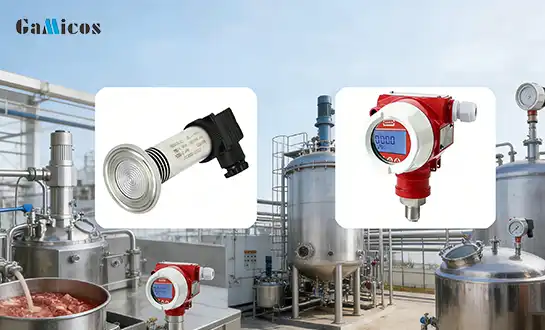
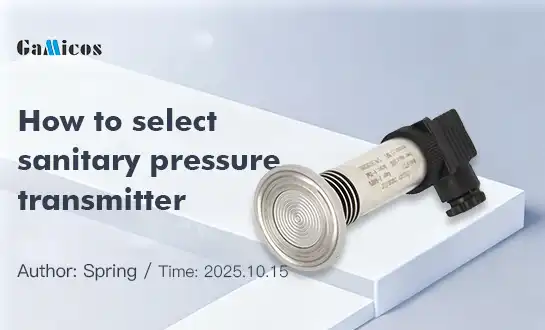
Precision sensing components and sophisticated diaphragm technology are essential to the basic functioning of sanitary pressure sensors. The flush-mounted diaphragm designs used in modern sanitary transmitters remove any dead spots where pollutants or germs might build up. This strategy is shown by the GPT210 Sanitary Flat Diaphragm Pressure Transmitter, which uses a flat diaphragm design to contact directly with process medium while preserving total sterility.
Diffused silicon pressure cores, which provide remarkable precision and stability, are often utilized as the main sensing element in sensing mechanisms. To transmit pressure signals from the diaphragm to the sensor element, these transmitters use food-grade transmission mediums such as silicon oil or olive oil. The flush diaphragm of the measuring end is made of 316L stainless steel, which satisfies FDA standards for surfaces in contact with food and provides exceptional corrosion resistance.
Critical Applications Across Industries
Sanitary pressure monitoring is essential for clean-in-place operations, sterile filtering procedures, and bioreactor control in pharmaceutical production plants. Instruments that can endure many sterilizing cycles and retain measurement accuracy within ±0.1% of full scale are required for these applications. Continuous pressure monitoring is especially helpful for biotech operations during cell culture procedures, when exact environmental control avoids contamination that might ruin whole production batches.
Processing food and beverages has special difficulties that need for transmitters that can withstand severe cleaning agents, temperature changes, and viscous media. These devices are used by dairy processing plants to monitor pasteurization systems, where product safety and shelf life are closely correlated with pressure accuracy. Between production cycles, complete cleaning and sanitization are made possible by the sanitary design elements, such as smooth surface finishes and crevice-free construction.
Choosing the Right Sanitary Pressure Transmitter: A Decision Support Guide
Assessing a variety of technical and regulatory aspects that affect both short-term performance and long-term operational success is necessary when choosing the right sanitary pressure measuring equipment. Procurement teams have to strike a compromise between application-specific compliance needs, connection alternatives, environmental circumstances, and accuracy standards, particularly when selecting a sanitary pressure transmitter that meets all these criteria.

Accuracy and Performance Specifications
In sterile settings, accurate measurement is still the cornerstone of efficient process management. Depending on the sensor technology used, high-performance sanitary transmitters usually provide accuracy criteria between 0.075% and 0.25% of full scale. Stability features become just as crucial, with high-end devices retaining calibration accuracy over time even after being exposed to temperature cycling and cleaning agents.
Whether monitoring high-pressure homogenization equipment or low-pressure filtering systems, the pressure range capabilities must match particular process needs. Modern interfaces like RS485 for interaction with dispersed control systems, digital communication protocols like HART or Foundation Fieldbus, and 4–20 mA analog signals are only a few of the output possibilities offered by advanced transmitters.
Regulatory Compliance and Certification Requirements
While American facilities must adhere to FDA rules for food contact surfaces, European markets demand adherence to EHEDG norms and CE marking criteria. These certifications guarantee that design elements, surface finish quality, and material choices adhere to sanitary processing guidelines. Additional guidelines for dairy and food processing applications in North American markets are provided by the 3-A Sanitary Standards.
Procurement teams can choose the right equipment for certain applications by knowing the differences between sanitary, hygienic, and aseptic classes. While aseptic applications need extra elements supporting sterilization and sterile operation maintenance, sanitary designs concentrate on cleanability and contamination avoidance.
Customization Options for Specialized Applications
Customized pressure measurement systems that are suited to particular process conditions or integration needs are often needed to meet the demands of modern production. Prominent manufacturers provide a wide variety of modification choices, such as application-specific mounting arrangements, changed electrical connections, bespoke pressure ranges, and specialty sensor materials.
High-temperature models enable applications requiring steam sterilization or hot processing conditions, while explosion-proof versions satisfy safety regulations for installations in hazardous areas. Customization of communication protocols, which accommodate protocols from sophisticated digital networks to conventional analog outputs, allows for smooth interaction with current automation systems.
Leading Sanitary Pressure Transmitter Brands and Models in Europe & Americas
Numerous well-known manufacturers with extensive product portfolios tailored for regulated sectors can be found in the worldwide market for sanitary pressure monitoring equipment. These businesses have maintained robust support networks across the European and American markets while gaining substantial experience in sanitary design concepts.
Established Market Leaders and Their Technologies
With its Cerabar and PMC series transmitters, which include ceramic sensing elements that provide remarkable chemical resistance and long-term stability, Endress+Hauser continues to hold a leading position. Their sanitary pressure transmitter models are equipped with advanced diagnostic features that allow for predictive maintenance plans, minimizing unscheduled downtime in crucial production settings.
With its silicon resonant sensor technology, which offers exceptional precision and stability, Yokogawa's EJX series offers reliable performance in demanding sanitary applications. For locations where conventional wiring is difficult or expensive, these transmitters provide wireless solutions in addition to a wide range of communication possibilities.
Specialized sanitary versions of ABB's flagship transmitter platforms with flush-diaphragm designs and hygienic process connections are part of their pressure measuring offering. Comprehensive asset management systems that provide maintenance optimization and regulatory compliance paperwork are supported by their equipment.
Emerging Technologies and Innovation Trends
The industry is still moving toward intelligent instrumentation with better integration with digital plant systems, wireless communication possibilities, and increased diagnostic capabilities. Condition monitoring tools that identify possible problems before they affect process performance or product quality are becoming more and more common in modern sanitary transmitters.
With the GPT210 Sanitary Flat Diaphragm Pressure Transmitter, which blends cutting-edge sensing technology with sanitary design principles, GAMICOS has become a formidable competitor in this market niche. Numerous signal output choices, including as 4–20 mA, RS485, IIC, and voltage outputs, are available on this device, offering versatility for a range of integration needs while preserving superior sealing performance for stable, long-term operation.
Procurement Tips for Sanitary Pressure Transmitters in Europe & Americas
Hygienic pressure measuring equipment procurement success requires strategic methods that strike a compromise between technical specifications, cost concerns, regulatory compliance, and long-term maintenance requirements. The initial purchase price is just a small portion of the overall ownership expenses throughout the course of the instrument lifespan, as seasoned procurement specialists understand.
Sourcing Strategies and Vendor Evaluation
Building connections with reliable manufacturers and distributors guarantees access to authentic goods, warranty assistance, and technical know-how all the way through the purchasing process. Authorized distribution networks provide useful services including configuration support, application engineering, and local inventory availability, which shortens lead times for urgent needs.
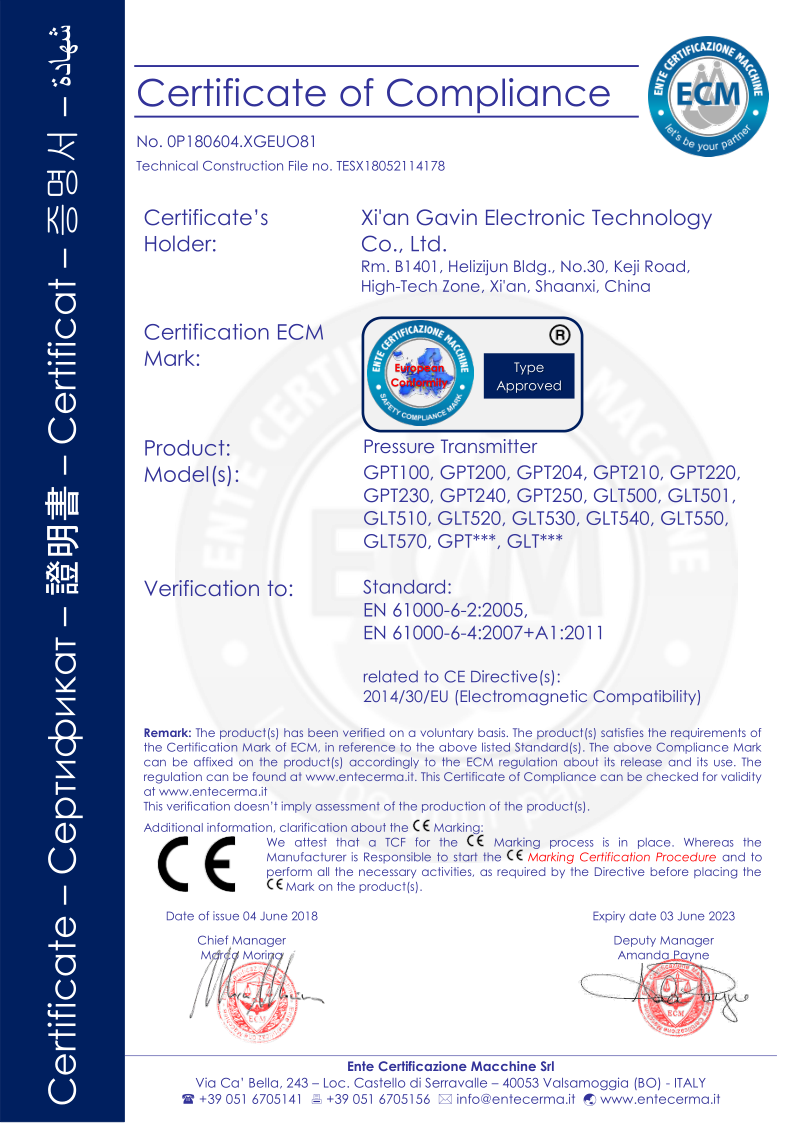
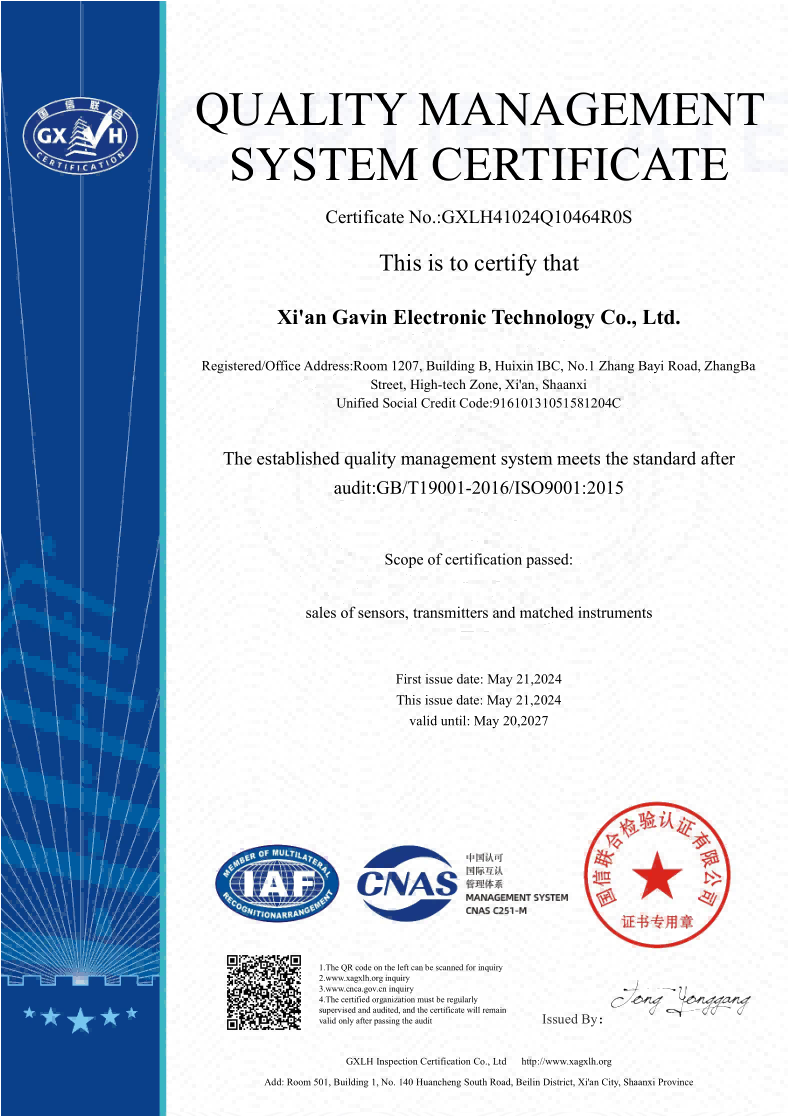
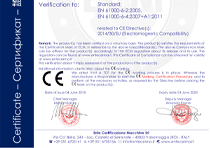
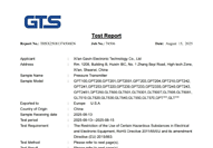
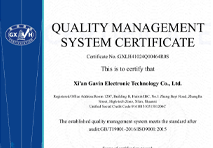
Assessing prospective suppliers include looking at their quality management systems, regulatory compliance documents, and performance history in related applications. Vendors have to exhibit a thorough comprehension of pertinent industry standards and provide complete certification records to back up their claims of regulatory compliance for their goods.
Cost Optimization and Value Analysis
By taking into account elements like the original purchase price, installation costs, calibration needs, maintenance costs, and possible downtime costs, total cost of ownership analysis shows the full economic effect of pressure measurement expenditures. Higher initial expenses are often justified by premium devices' increased diagnostic capabilities, longer calibration intervals, and greater dependability.
For businesses with many locations or continuous instrumentation needs, volume purchase agreements may provide substantial cost savings. For large purchases, several manufacturers offer enticing price levels along with extra services like personalized paperwork, quicker delivery, or better warranty coverage, especially when ordering specialized equipment like the sanitary pressure transmitter.
Import Considerations and Documentation Requirements
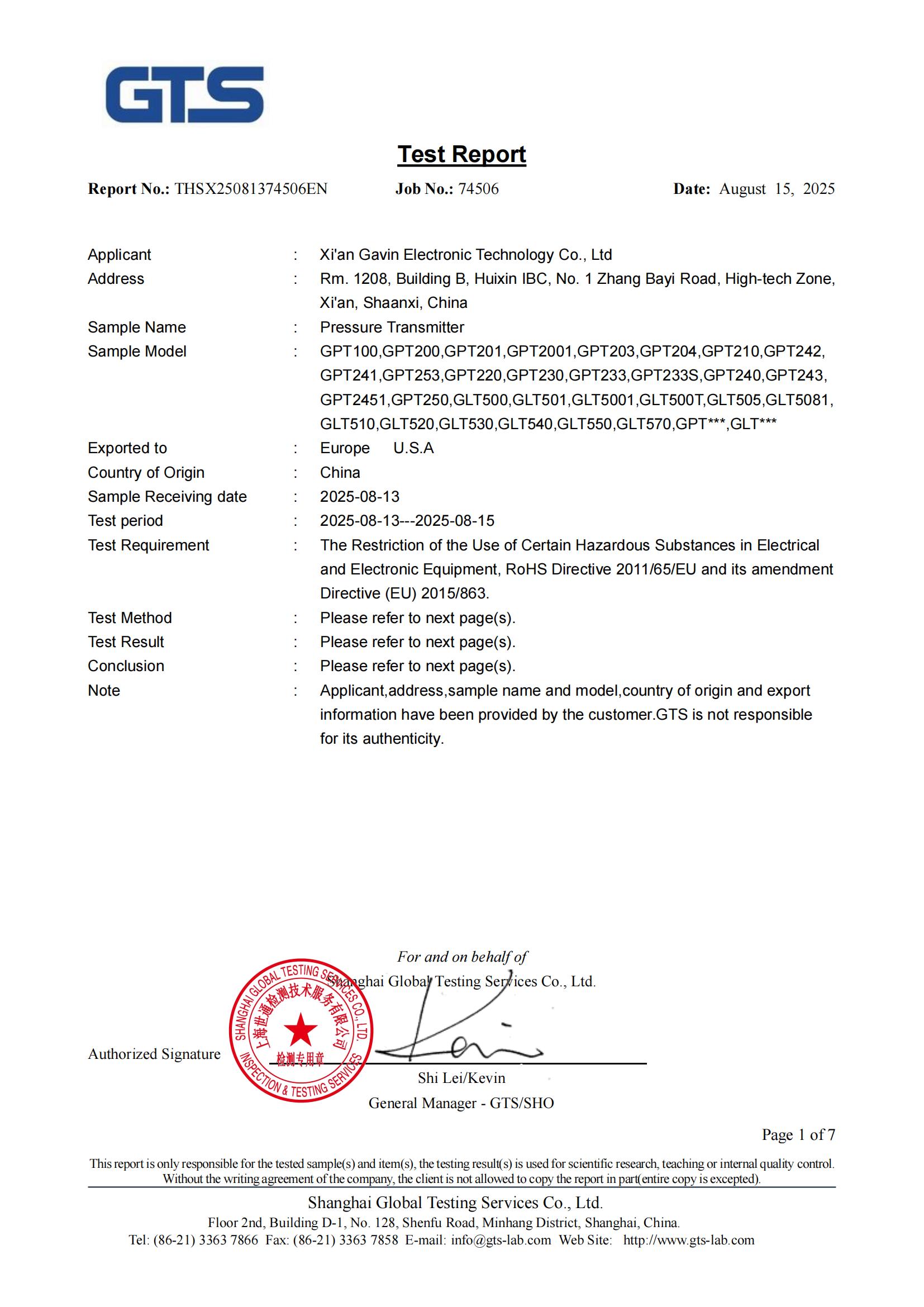
Customs clearance, regulatory compliance checks, and import paperwork requirements add complexity to international procurement. While American imports must adhere to relevant FDA standards for food contact applications, products entering European markets must have the appropriate CE marking and declaration of conformity documents.
Working with knowledgeable customs brokers or freight forwarders makes it easier to handle complex import processes and guarantees that shipments are accompanied by the appropriate paperwork. Certain manufacturers provide full support for foreign transactions, including help with regulatory documentation and technical support cooperation with local personnel.
Maintenance, Calibration, and Longevity of Sanitary Pressure Transmitters
Systematic maintenance techniques, routine calibration processes, and proactive device condition monitoring are necessary to maximize the operational lifetime and performance dependability of sanitary pressure measuring equipment. These procedures guarantee ongoing precision while averting unanticipated malfunctions that can interrupt vital manufacturing procedures.
Preventive Maintenance Best Practices
In order to detect any problems before they affect measurement accuracy, routine maintenance programs should include visual inspections, cleaning verification, and performance tests. The smooth surfaces and crevice-free construction of high-quality sanitary transmitters prevent contamination accumulation, and their hygienic design characteristics make cleaning and inspection simple.
Cleaning processes must take into account the unique materials and design elements of each transmitter while adhering to standard sanitization procedures. The GPT210 can survive harsh cleaning agents and high-pressure wash-down techniques often used in food processing settings because to its anti-scaling qualities and superior sealing characteristics.
Calibration Procedures and Accuracy Verification
Frequent calibration using traceable pressure standards and documented processes that meet regulatory audit criteria are necessary to maintain measurement accuracy. Depending on the criticality of the application, the environment, and past performance data, calibration periods usually vary from six months to two years.
Self-diagnostic features that track sensor performance and notify operators of any calibration drift or component deterioration are often seen in advanced transmitters. These characteristics make it possible to implement condition-based maintenance plans that maximize calibration scheduling and guarantee measurement accuracy throughout the course of the service period.
Using laboratory-grade equipment traceable to national standards, professional calibration services provide verified accuracy verification, producing the documentation needed for quality system maintenance and regulatory compliance. Numerous firms build connections with certified calibration labs that are aware of the particular needs of applications involving sanitary processing.
Conclusion
Technical standards, legal requirements, and long-term operating demands must all be carefully considered in order to successfully acquire sanitary pressure transmitters for the American and European markets. While maintaining adherence to relevant industry standards, the selection procedure must strike a compromise between immediate cost concerns and overall ownership expenditures. High-quality devices like the GPT210 show how cutting-edge technology may satisfy exacting hygiene standards while offering dependable operation and adaptable integration possibilities. Building trusting connections with knowledgeable suppliers and upholding appropriate calibration practices guarantee that these vital instruments will continue to provide precise measurements for the duration of their useful lives, supporting goals for both product quality and regulatory compliance.
FAQ
Q1: What certifications are required for sanitary pressure transmitters in pharmaceutical applications?
A: Pharmaceutical applications typically require FDA approval for food contact surfaces, cGMP compliance documentation, and materials certification for 316L stainless steel construction. European facilities additionally need CE marking and EHEDG compliance verification. The transmitter must demonstrate biocompatibility and resistance to standard sanitization chemicals used in pharmaceutical manufacturing.
Q2: How often should sanitary pressure transmitters be calibrated?
A: Calibration frequency depends on application criticality and regulatory requirements, typically ranging from 6 to 24 months. Critical pharmaceutical processes may require quarterly verification, while food processing applications often follow annual schedules. Advanced transmitters with diagnostic capabilities can extend intervals through continuous performance monitoring and drift detection algorithms.
Q3: What are the key differences between sanitary and standard industrial pressure transmitters?
A: Sanitary transmitters feature flush-diaphragm designs eliminating dead spaces, use FDA-approved materials like 316L stainless steel, and meet strict surface finish requirements. They withstand repeated sterilization cycles and aggressive cleaning chemicals while maintaining accuracy. Standard industrial transmitters lack these hygienic design features and appropriate material certifications for food or pharmaceutical contact.
Partner with GAMICOS for Your Sanitary Pressure Measurement Needs
GAMICOS stands ready to support your hygienic pressure measurement requirements with our advanced GPT210 Sanitary Flat Diaphragm Pressure Transmitter and comprehensive technical expertise. Our device offers superior performance through diffused silicon sensing technology, multiple communication options, and robust 316L stainless steel construction that meets stringent sanitary standards. As an experienced sanitary pressure transmitter manufacturer, we provide customized solutions, extensive technical support, and reliable global delivery to over 100 countries. Contact our engineering team at info@gamicos.com to discuss your specific application requirements and discover how our innovative pressure measurement solutions can enhance your process control and regulatory compliance objectives.
References
1. International Society of Automation. "Sanitary Design Guidelines for Pressure Measurement Instrumentation in Pharmaceutical Manufacturing." ISA Technical Report, 2023.
2 European Hygienic Engineering and Design Group. "Hygienic Equipment Design Criteria for Pressure Sensors and Transmitters." EHEDG Document 13, 2022.
3. Food and Drug Administration. "Guidance for Industry: Equipment Design and Installation for Food Processing Facilities." FDA Center for Food Safety and Applied Nutrition, 2023.
4. American Society of Mechanical Engineers. "Bioprocessing Equipment Standards for Pressure Measurement Devices." ASME BPE Standard, 2022.
5. Institute of Food Technologists. "Pressure Measurement and Control in Food Processing Operations: A Technical Review." Journal of Food Science Technology, 2023.
6. Pharmaceutical Engineering Society. "Validation Protocols for Sanitary Pressure Transmitters in Biopharmaceutical Manufacturing." ISPE Good Practice Guide, 2022.

Halen
With over 12 years of experience in fluid sensing technology, Halen specializes in helping clients select and optimize oil level sensors for a wide range of industries—including automotive, marine, heavy machinery, and energy.
We're here to help — submit your request anytime!
Let us know how we can help solve your pressure level measurement challenge.
_1757930850792.jpg)
Recommended Blog
Sanitary vs Industrial Pressure Transmitters: Key Differences Explained
Sanitary vs Industrial Pressure Transmitters: Key Differences Explained
How do I choose the right sanitary pressure transmitter for my application?
How do I choose the right sanitary pressure transmitter for my application?
How do I choose the right sanitary pressure transmitter for my application?
How do I choose the right sanitary pressure transmitter for my application?
How do I choose the right sanitary pressure transmitter for my application?