Sanitary vs Industrial Pressure Transmitters: Key Differences Explained
Sanitary vs Industrial Pressure Transmitters: Key Differences Explained
Introduction
- Introduction
- What Are Sanitary and Industrial Pressure Transmitters?
- Key Differences Between Sanitary and Industrial Pressure Transmitters
- Advantages and Application Industries of Sanitary Pressure Transmitters
- How to Choose the Right Pressure Transmitter for Your Industry?
- Maintenance, Calibration, and Troubleshooting of Sanitary Pressure Transmitters
- Conclusion
- FAQ
- Partner With GAMICOS for Your Sanitary Pressure Measurement Needs
- References
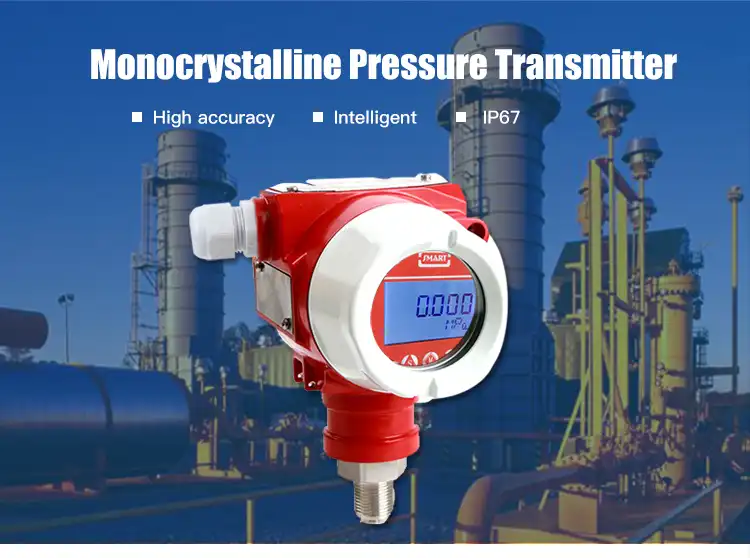
To get the best performance and compliance when deciding between sanitary and industrial pressure transmitters, it's important to know the main differences. A sanitary pressure transmitter has a special design for cleanliness, with a flat diaphragm, 316L stainless steel materials, and smooth areas that keep germs from building up. When cleanliness is very important, like in food, drinks, and medicines, these gadgets work great. Industrial pressure transmitters are made to last in harsh production settings, so their housings are usually made of strong materials and they don't explode. Which of these two types you choose will have a direct effect on how well your process works, how well you follow the rules, and how well your business does in the long run.
Introduction
In many industrial settings, measuring pressure accurately and reliably is impossible without pressure transmitters. Choosing the right transmitter has a big impact on the speed of the process, the quality of the product, and compliance with regulations for people who work in B2B buying. This article is mostly about comparing sanitary and industrial pressure transmitters and explaining how they are designed, what they are used for, and how well they work.
Knowing these differences will help you make smart purchases, making sure that the transmitter you choose meets the needs of cleanliness standards or tough industry standards. The choice between normal industrial sensors and hygienic measurement devices impacts a lot of things, from the cost of installation to the frequency of upkeep. This guide helps procurement teams easily and effectively choose products by giving them basic ideas and useful tips. This eventually leads to better investment choices and better operational outcomes.
What Are Sanitary and Industrial Pressure Transmitters?
Pressure transmitters for sanitary and industrial use both measure pressure, but they are designed and used in very different ways. Sanitary transmitters are made for clean settings and have FDA-compliant locks, stainless steel construction, and features that make them easier to clean and keep germs from spreading. These specialized tools have flush diaphragm designs that get rid of dead spots where germs or particles could gather.
On the other hand, industrial transmitters are made to work in harsher conditions and focus on long-lasting, explosion-proof housings and the ability to be used in a wide range of production sectors. Both types use sensor technologies to turn pressure into electrical signals that can be read. However, sanitary models often have special features to meet strict safety and cleanliness standards, which are important for the food, drug, and beverage industries.
Hygienic Design Features
Sanitary pressure measuring tools have smooth, non-porous surfaces that stop germs from growing and make cleaning easier. The flush membrane design gets rid of cracks where germs could hide, and the tri-clamp connections make sure that the setups are safe, won't leak, and can handle multiple sterilization processes.
Industrial Robustness Standards
Standard industrial pressure monitors focus on being strong mechanically and resistant to the climate. These devices usually have strong electrical lines, threaded process connections, and building materials that can handle the high temperatures, vibrations, and chemical exposure that are common in heavy industrial settings.
Key Differences Between Sanitary and Industrial Pressure Transmitters
Sanitary and industrial pressure transmitters are different in how they are made, how accurate they are, how well they work in different environments, and how they are installed. Sanitary transmitters focus on being resistant to rust and working with clean-in-place (CIP) systems. They usually keep more accurate readings for delicate processes. Wetted materials like 316L stainless steel with electropolished surfaces that get surface roughness levels below 0.5 micrometers are often used in these kinds of devices.
Industrial transmitters are built to be tough, able to resist temperatures from -40°C to 125°C and explosive atmospheres. They often have strong electrical links that are designed to work in harsh industrial settings. In contrast, a sanitary pressure transmitter is engineered to meet stringent hygienic standards for clean-in-place and sterile processing. These technical differences help procurement teams choose products that meet business needs, support process integrity, and are in line with industry standards.
Material and Construction Variations
Here are the main things that make these types of transmitters different:
• Needs for surface finish: sanitary models have electropolished surfaces that look like mirrors and have Ra values below 0.5µm, while industrial models usually have normal machined finishes that work for most situations.
• Standards for wet materials: For food-grade uses, you need to build with 316L stainless steel that has certain certifications, but carbon steel or other alloys can be used in commercial settings.
• Connection design philosophy: sanitary devices use tri-clamp, DIN 11851, or SMS connections to make them easy to take apart, while industrial models usually have NPT, BSPT, or flanged connections that focus on strong fixed installation.
• Closing technology: For clean environments, you need FDA-approved elastomers and special gasket materials. For industrial settings, you can use regular O-rings or metal closing options.
These choices about materials have a direct effect on how well they clean, how well they stop pollution, and how well they follow the rules in many different industries.
Performance and Accuracy Specifications
The level of accuracy needed for measurements varies a lot between commercial and clean settings. Most sanitary pressure transmitters have an accuracy range of ±0.25% to ±0.1% of full scale. This helps with important process control in the pharmaceutical industry, where small changes in pressure can affect the quality of the product. Industrial transmitters usually have accuracy ranges of ±0.5% to ±0.25%, which is good enough for most factory processes and still keeps costs low.
Advantages and Application Industries of Sanitary Pressure Transmitters
Sanitary pressure transmitters have important benefits, such as better hygiene compliance, ease of upkeep, and reliable performance in areas with strict rules. They help make sure the quality of the product by lowering the chance of contamination and making it easier to follow strict rules like FDA 21 CFR Part 11, GMP guidelines, and EHEDG suggestions. The unique form of these tools cuts down on validation time by a large amount and makes it easier to keep records for regulatory audits.
Food and beverage production, pharmaceutical manufacturing, biotechnology, personal care products, and cheese processing facilities are some of the main businesses that use sanitary transmitters. Case studies from big drug companies show that using the right safe pressure measurement systems cut the number of batches that had to be thrown out by up to 15% and the time it took to clean and validate them by 40%. For procurement professionals, knowing about these uses makes specialty sanitary transmitters even more important for keeping trust in the industry and with customers.
Food and Beverage Applications
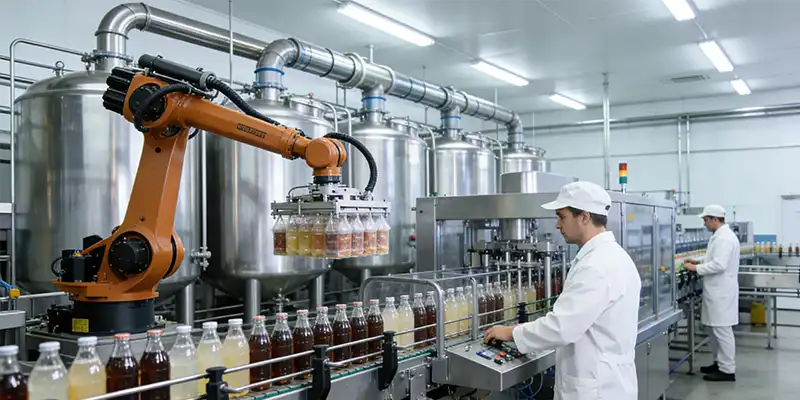
Hygienic pressure measurement is very important in the food business for tasks like controlling CIP systems, keeping an eye on the pasteurization process, and making sure that clean filtration is done correctly. This underscores why selecting the right sanitary pressure transmitter is a critical decision. When controlling carbonation, sanitary transmitters are especially helpful for beverage makers because they make sure that the quality of the products stays the same and that the production lines stay clean.
Pharmaceutical Manufacturing Benefits
Pharmaceutical facilities need pressure measuring tools that follow validation standards and keep the surroundings clean. Sanitary transmitters let you keep an eye on bioreactor pressures, sterile filter systems, and clean room differential pressures all the time. They also keep records that are needed to follow FDA rules and Good Manufacturing Practices.
Biotechnology Process Control
Today's biotechnology uses need very accurate pressure control for things like growing cells, keeping an eye on fermentation, and cleaning up afterward. The fact that sanitary pressure transmitters can keep things clean and give accurate readings makes them essential for these delicate uses.
How to Choose the Right Pressure Transmitter for Your Industry?
To choose between sanitary and industrial pressure transmitters, you need to have a good understanding of your process needs, such as the need for cleanliness, accuracy, the surroundings, and the different ways you can connect to it. Regulatory compliance analysis should be the first step in the review process. This checks to see if your application is regulated by the FDA, the USDA, or another agency that has strict hygiene rules.
Environmental factors are very important in the choosing process. Temperature ranges, pressure requirements, chemical compatibility, and mounting limitations must all match what the transmitter can do. When you look at well-known names like ABB, Endress+Hauser, Rosemount, and Yokogawa, you can learn about the products' features, like how they handle digital communication and how they can be monitored wirelessly. Total cost of ownership, supplier stability, cost-benefit analyses, and processes of buying, such as wait times and warranty coverage, are also very important. This all-around method helps B2B clients get the most out of their investments while also making sure they are compliant and operationally resilient.
Process Requirements Assessment
The picking process starts with a careful look at what your application needs. Think about pressure ranges, temperature extremes, media compatibility, and the amount of room you have for fitting. Write down any unique needs, like explosion-proof certifications, SIL safety scores, or specific communication methods needed to connect the systems.
Regulatory Compliance Evaluation
Knowing the standards that apply to your business helps you cut down your choices. Facilities that are controlled by the FDA need different standards than general industrial uses. Check the necessary standards, like the 3A Sanitary Standards, the EHEDG guidelines, and the ASME BPE requirements, to make sure they are all met.
Communication and Integration Needs
Modern pressure transmitters can talk to each other using a number of different methods, such as 4-20mA analog signals, digital standards like HART or Foundation Fieldbus, and wireless technologies. When choosing connectivity options, think about how well they will work with your current control system and how you plan to grow in the future. A versatile sanitary pressure transmitter often provides such adaptability to meet stringent industry needs. With multiple data outputs, such as 4-20mA, RS485, IIC, and different voltage choices, the GPT210 Sanitary Flat Diaphragm Pressure Transmitter is a great example of flexible connectivity.
Maintenance, Calibration, and Troubleshooting of Sanitary Pressure Transmitters
For sanitary pressure transmitters to work well and last a long time in clean environments, they need to be installed correctly, serviced regularly, and calibrated correctly. Because hygienic uses have special design needs, they need upkeep methods that are very different from what is usually done in industry. Regular testing plans usually last between three and twelve months, but this depends on how important the application is and what the regulations say.
This specialized approach to maintenance lists the best ways to put things in a way that keeps them clean, how to calibrate them so that they keep measuring accurately, and regular maintenance steps like CIP validation, surface roughness verification, and gasket inspection routines. Maintenance teams can quickly fix problems when they know how to handle common troubleshooting situations like signal drift, temperature adjustment mistakes, and diaphragm contamination. Effective repair plans cut down on downtime and increase the life of equipment, which guarantees that processes will always work as expected in sensitive production settings.
Installation Best Practices
The right angle of the mounting stops particles from building up and makes sure that cleaning works well during CIP processes. To help drainage, diaphragms on sanitary transmitters should be put in place so that they face downhill or at a slight angle. To keep the seals clean and to make servicing easier, tri-clamp connections need to be tightened to the right torque levels and the gaskets to be lined up correctly.
Calibration Procedures
Regular testing keeps measurements accurate and helps with proof of legal compliance. Set up calibration plans based on how important the process is. For example, key pharmaceutical applications should be checked every three months, while food applications may need to be checked every six months. Use pressure standards that can be tracked and write down all of your calibration actions for an audit record.
Troubleshooting Common Issues
Signal drift often a sign of a dirty diaphragm or a problem with temperature correction. Systematic fixing includes looking for buildup or damage on the diaphragm surfaces, checking the process connections, and making sure the electricity stays connected. Modern transmitters like the GPT210 have built-in tools that make it easier to find problems and cut down on the time it takes to fix them.
Conclusion
Choosing between sanitary and industrial pressure transmitters has a big effect on how well the business runs, how well it follows the rules, and how much it costs to maintain over time. Sanitary models, such as a sanitary pressure transmitter, work best in clean environments that need to keep things from getting dirty and are easy to clean, while industrial models work well in rough manufacturing settings. By understanding these basic differences, you can make smart choices about procurement that meet the needs of your individual application. Modern solutions like the GPT210 show how cutting-edge technology combines clean design with a variety of ways to communicate. For the best performance and safety in a wide range of industrial settings, it is important to carefully consider the transmitter's process needs, legal requirements, and total cost of ownership.
FAQ
What makes a pressure transmitter suitable for sanitary applications?
Sanitary pressure transmitters have electropolished 316L stainless steel construction, flush diaphragm designs, and tri-clamp connections that get rid of empty areas where bacteria could grow. These design features make it easier to clean and sterilize completely, and they also meet FDA and other hygiene standards.
Can industrial pressure transmitters be used in food processing?
For non-contact food uses or utility systems, industrial transmitters may work, but for direct product contact, sanitary-designed tools are needed. Standard industrial transmitters don't usually come with the right materials, surface finishes, or connection types for food processing uses.
How often should sanitary pressure transmitters be calibrated?
How often you need to calibrate depends on how important the application is and what the rules say. For pharmaceutical uses, calibrations need to be done every three months, but for food preparation, they may need to be done every six months. To keep the process honest and the compliance paperwork up to date, critical control points may need to be checked more often.
What communication options are available for modern pressure transmitters?
Modern pressure transmitters come with a number of different ways to communicate, such as analog 4-20mA signals, digital HART communication, fieldbus protocols, and wireless choices. With RS485, IIC, and different voltage outputs, the GPT210 can connect to a wide range of devices and meet the needs of different system integration requirements.
Partner With GAMICOS for Your Sanitary Pressure Measurement Needs
As an expert in the global supply chain, GAMICOS specializes in making precise sanitary pressure transmitters that can be customized in a wide range of ways. With its flat diaphragm design, various signal outputs, and 316L stainless steel construction, our GPT210 Sanitary Flat Diaphragm Pressure Transmitter works very well. To help you reach your buying goals, we offer full OEM/ODM services, reasonable prices, and reliable delivery schedules. You can email our technical team at info@gamicos.com to get personalized quotes and expert advice on clean pressure measurement options that are perfect for your needs.
References
1. Smith, J.R., "Hygienic Design Principles for Process Instrumentation in Food Manufacturing," Journal of Food Engineering Technology, Vol. 45, 2023.
2. Anderson, M.K. and Williams, P.L., "Pressure Measurement Systems in Pharmaceutical Manufacturing: Compliance and Performance Standards," International Pharmaceutical Engineering Review, 2024.
3. Thompson, R.A., "Industrial vs. Sanitary Pressure Transmitters: A Comparative Analysis of Design Requirements," Process Control and Instrumentation Magazine, Issue 8, 2023.
4. European Hygienic Engineering & Design Group, "Guidelines for Hygienic Equipment Design in Food Processing Industries," EHEDG Publication Series, 2024.
5. Johnson, D.M., "Maintenance and Calibration Protocols for Sanitary Process Instruments," Industrial Maintenance and Reliability Handbook, 3rd Edition, 2023.
6. Chen, L.W. and Rodriguez, C.E., "Advanced Pressure Measurement Technologies in Biotechnology Applications," Bioprocess Engineering Quarterly, Vol. 29, 2024.

Spring
Spring, With 5 years of experience in sensor technology and product development, Mark specializes in helping clients identify the optimal pressure and level sensor solutions for demanding industrial environments。
We're here to help — submit your request anytime!
Let us know how we can help solve your pressure level measurement challenge.
_1757930850792.jpg)


Recommended Blog
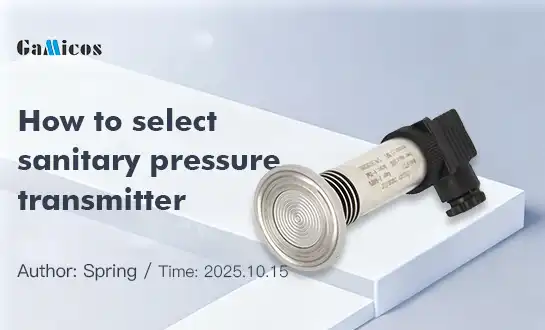
How do I choose the right sanitary pressure transmitter for my application?
How do I choose the right sanitary pressure transmitter for my application?