Top Wireless Pressure Sensors for Pipeline Monitoring in Europe
Understanding Wireless Pressure Sensors for Pipeline Monitoring
- Understanding Wireless Pressure Sensors for Pipeline Monitoring
- Top Wireless Pressure Sensors in Europe for Pipeline Monitoring
- How to Choose the Best Wireless Pressure Sensor for Pipeline Monitoring?
- Installation, Calibration, and Troubleshooting of Wireless Pressure Sensors
- Future Trends and Innovations in Wireless Pressure Sensors for Pipelines
- Conclusion
- FAQ
- Partner with GAMICOS for Advanced Wireless Pressure Monitoring Solutions
- References
More and more, the European industrial sector relies on wireless pressure sensors to keep an eye on important pipelines. System success is determined by how well the sensors send and receive data in real time and how reliably they work. These high-tech tracking devices get rid of the problems that come with standard wiring and give accurate readings of pressure across large pipeline networks. Modern wireless pressure transmitters use advanced sensor technology and reliable transmission methods to work with industrial control systems that are already in place. The move toward digital tracking solutions shows that the business world wants technologies that are easy to expand and maintain and that improve safety standards while lowering long-term costs.
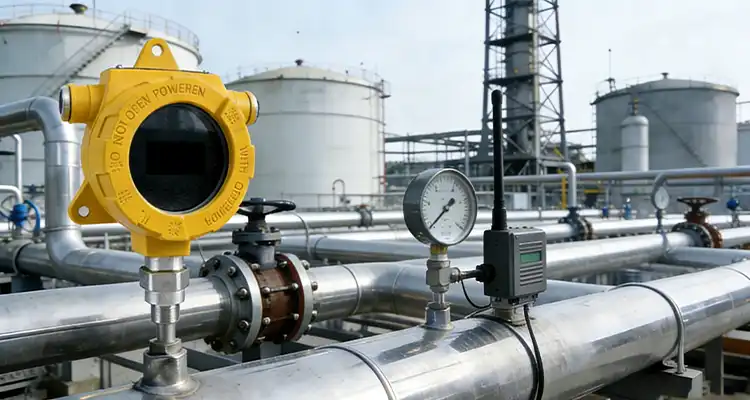
Understanding Wireless Pressure Sensors for Pipeline Monitoring
Wireless pressure tracking technology uses different sensor types, such as MEMS (Micro-Electro-Mechanical Systems), inductive, and piezoelectric technologies, to turn mechanical force into electrical data. Each technology has its own benefits that depend on the needs of the product and the conditions of the surroundings.
Core Technology Components
MEMS-based wireless pressure emitters use silicon diaphragms that bend when they are under pressure, which causes electrical changes that can be measured. These gadgets work great in situations where high awareness and small size are needed. Capacitive sensors are very stable and accurate over a wide temperature range. They measure changes in capacitance caused by pressure between parallel plates. When mechanical force is put on piezoelectric sensors, they produce electrical charges. This means that they can respond quickly and are good for tracking dynamic pressure.
Most of the time, industrial-grade communication methods are used by the wireless broadcast part. These methods are essential for devices such as the wireless pressure sensor. For 868 MHz frequency bands for LoRa (Long Range) communications, European uses often use them. These bands work well in industrial settings and use little power anyway. For wide-area coverage, GPRS/4G networks are an alternative protocol, while for localized tracking systems, private mesh networks are an alternative.
Advantages for Pipeline Networks
Pipeline owners get a lot out of being able to deploy wirelessly, especially in dangerous or remote areas where standard wiring is hard to set up or costs a lot. When something is driven by batteries, it doesn't need any external power infrastructure. This makes installation easier and cheaper. Modern power control systems make it possible for operations to last longer than three years with little upkeep.
With real-time data transfer, any changes in pressure can be found right away, so safety worries can be dealt with quickly. As more tracking points are added, wireless networks can support scalable designs that don't require major changes to the infrastructure. This ability to grow is very important for growing pipeline networks or putting in place more tracking stations in key areas.
Top Wireless Pressure Sensors in Europe for Pipeline Monitoring
There are a number of well-known companies in the European industrial markets that offer specialized wireless pressure tracking options for pipeline uses. Learning about the pros and cons of popular goods helps purchasing managers make smart choices based on the needs of their operations.
Leading Market Solutions
Honeywell's industrial wireless pressure sensors have advanced signal processing methods and housings that are tough enough to withstand the harsh weather in Europe. These devices work with a number of different wireless systems and have longer battery lives because they schedule transmissions more efficiently. Siemens' wireless pressure sensors can automatically adjust for changes in temperature and run troubleshooting tests. They collect a lot of data that can be used for predictive maintenance programs.
GAMICOS GPT2451 wireless pressure receivers are a new type of technology that combines sensors that are very stable with ways to adjust for changes in temperature. This gadget measures pressure in liquids, gases, and steam, and it can do so wirelessly in three different ways: the SWSN efficient protocol, the LoRa spread spectrum, and a 4G network connection. The design is flexible enough to work in a wide range of placement situations while still meeting performance standards.
Performance Characteristics
Modern wireless pressure sensors can measure with an accuracy of within ±0.25% of full scale, which meets the strict needs of industry. Communication ranges are very different depending on the technology used. In ideal conditions, LoRa applications can reach up to 5 kilometers away. The battery life relies on the transfer frequency and the environment. The best devices can go for years without needing to be serviced.
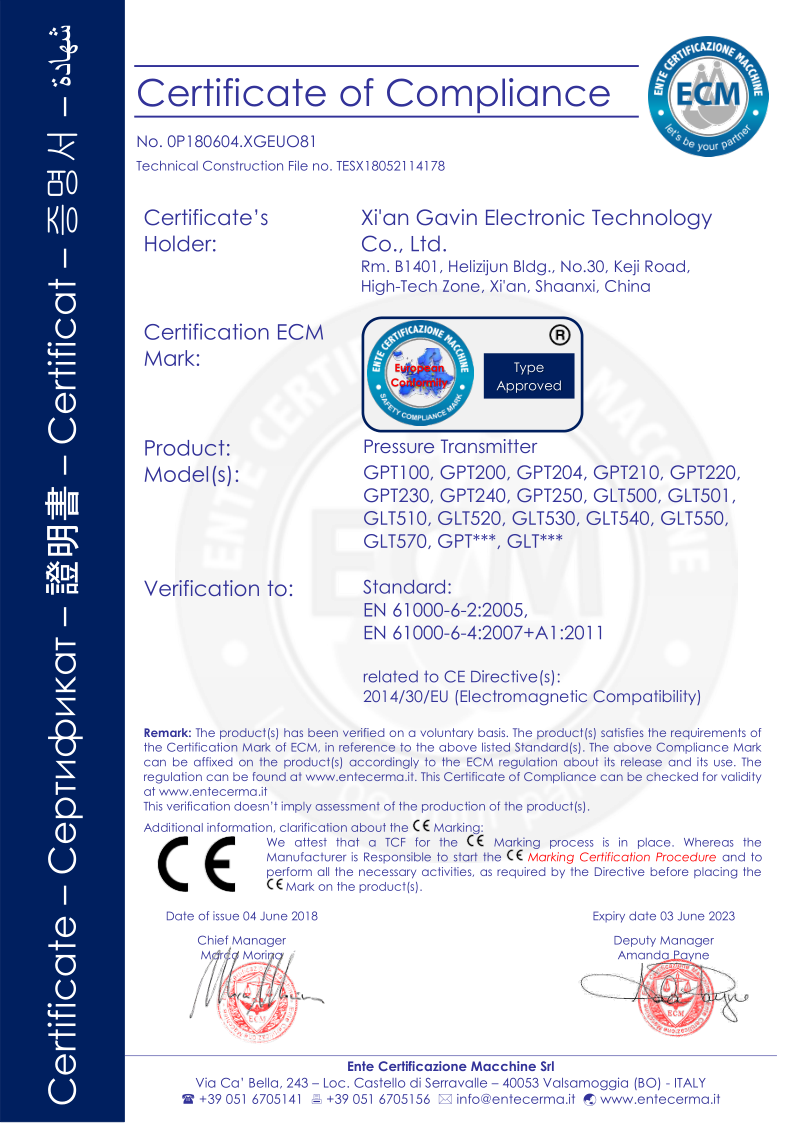
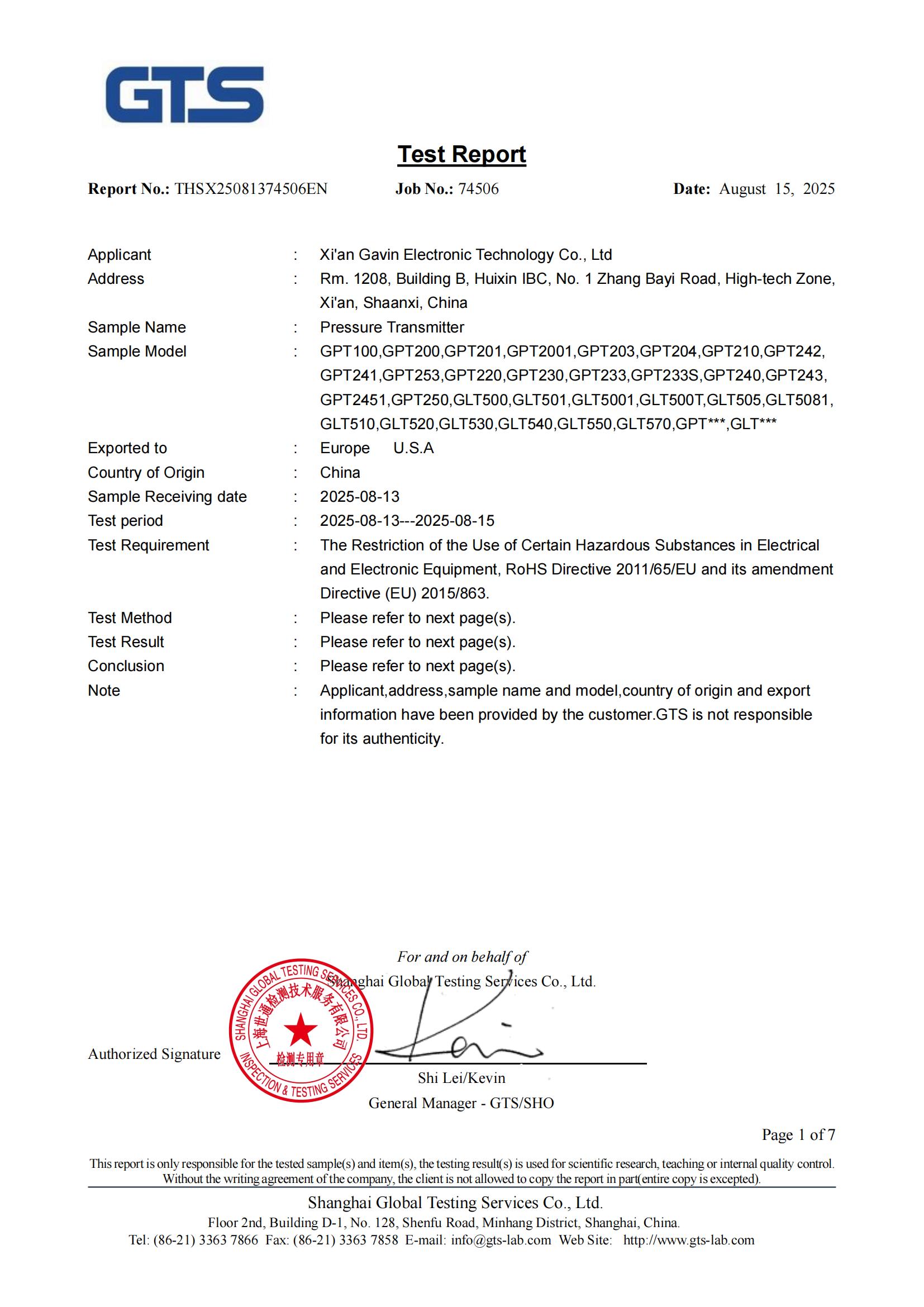
Environmental approvals make sure that the system will work reliably in all of Europe's weather situations. Critical monitoring points are typically equipped with a wireless pressure sensor, whose reliability is reinforced by IP66/IP67 ratings protecting against dust and short-term immersion in water, and explosion-proof standards let them be used in dangerous places that are popular in petrochemical plants.
How to Choose the Best Wireless Pressure Sensor for Pipeline Monitoring?
To choose the right wireless pressure tracking device, you need to carefully consider the working factors, the surroundings, and the interaction needs. It is up to procurement managers to find the best mix between scientific performance and total cost of ownership, while also making sure that new systems can work with old ones.
Technical Assessment Criteria
Specifications for the pressure range must take into account both normal working conditions and possible changes in pressure when the system is upset. Wide-range capability cuts down on the need for different types of sensors while still allowing for practical freedom in case of changing pipeline conditions. The level of accuracy needed depends on how important the application is. For example, safety systems usually need better accuracy than general tracking applications.
The wireless standard you choose has a big effect on how well your system works and how hard it is to integrate. LoRa networks are great for uses that need to communicate over long distances while using little power. This makes them perfect for pipeline parts that are far away. GPRS/4G connection covers more areas, but it usually uses more power and may cost more in the long run. Proprietary standards provide better performance for certain uses, but they might make it harder for vendors to be flexible.
Procurement Strategy Considerations
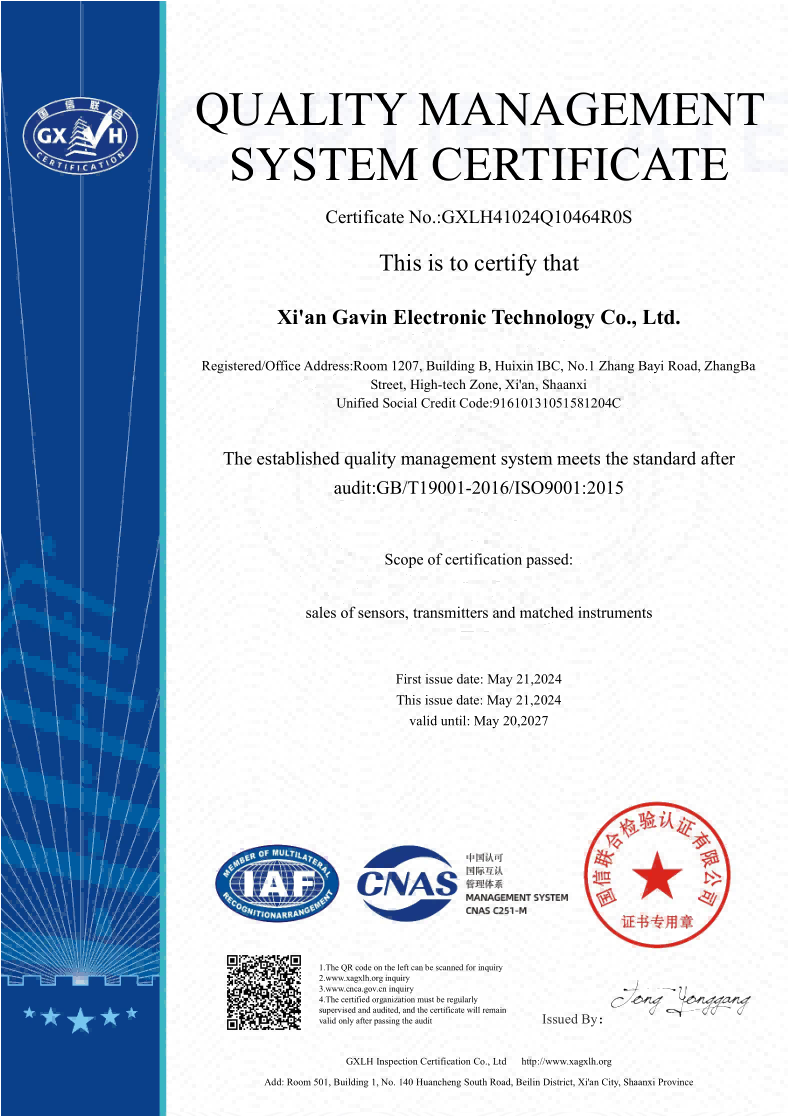
When evaluating a supplier, you should look at their technical skills, quality control methods for manufacturing, and long-term assistance promises. Well-known brands usually come with a lot of information, calibration certificates, and expert support tools that are necessary for a smooth rollout. OEM/ODM features let you change the specs of the sensor, the materials used for the housing, and the transmission interfaces to fit the needs of a specific application.
Bulk purchasing deals often save a lot of money and make sure that all of the products used in a big installation meet the same standards. Making a volume promise can also help you get special support services and faster delivery schedules, which are very important for staying on track with a project.
Installation, Calibration, and Troubleshooting of Wireless Pressure Sensors
Pay close attention to the installation steps, network setup, and regular upkeep routines for a successful wireless pressure sensor deployment. When implemented correctly, the sensor will send and receive data reliably and accurately for its entire useful life.
Installation Best Practices
Before starting to prepare a site, signal strength surveys are used to find the best places to put things so that measurements are accurate and contact is reliable. For wireless pressure sensors to work, they need to be able to see network points or for signals to be able to get through industrial structures. The mounting gear has to be able to handle heat expansion and vibration while keeping the sensor in place.
Setting up a network means choosing the right contact settings, data transfer times, and alarm levels for each monitoring spot, which often includes deploying a wireless pressure sensor at key locations. A lot of new systems can be updated over-the-air, which lets you change settings without having to go to the site. During initial setup, transmission range tests and baseline pressure readings from the wireless pressure sensor are often done to make sure everything is working right.
Calibration and Maintenance Protocols
The accuracy of measurements is kept up throughout the sensor's useful life by regularly calibrating it. Depending on how important the product is and the surroundings, industry standards usually say that calibration should happen every 12 to 24 months. Portable pressure calibrators let you check things in the field without taking sensors out of service, which keeps operations running as smoothly as possible.
Battery monitoring tools let you know before the power goes out, so you can plan maintenance before you lose contact. Many modern devices can send information about their battery levels wirelessly, which lets one person keep an eye on the power levels of many sensors at once. Monitoring the environment helps find things that might affect the performance of sensors, like high temperatures or too much shaking.
Future Trends and Innovations in Wireless Pressure Sensors for Pipelines
Wireless pressure tracking technology is always getting better, with better sensors, better transmission, and better system integration. New technologies claim to improve usefulness while lowering costs and the need for maintenance.
Emerging Communication Technologies
Low Power Wide Area Network (LPWAN) technologies make it possible for wireless service to reach large areas while using very little power. NB-IoT (Narrowband Internet of Things) networks give national coverage through current phone networks and offer cellular connectivity that is optimized for sensor apps. These technologies make it possible to put a lot of sensors while lowering the amount of network hardware that is needed.
Edge computing lets you process and analyze data locally, which lowers the amount of traffic needed and lets you respond right away to alarm circumstances. Patterns in pressure data can be found by artificial intelligence programs that show problems are starting to happen. This lets maintenance plans be more proactive and prevents breakdowns before they happen.
Integration with Industry 4.0 Systems
These days, wireless pressure sensors work more and more with Industrial Internet of Things (IIoT) tools that combine data from many sources to make operations easier to see. Cloud-based analytics systems use pressure data along with measures of temperature, flow, and vibration to give full reports on the health of pipelines.
Digital twin technologies make virtual copies of pipeline systems that include real-time pressure data so that they can be simulated and improved. These tools allow for planning different scenarios and improving performance, and they also help with the paperwork needed for regulatory compliance.
Conclusion
Wireless pressure sensors are an important piece of technology for current industrial markets in Europe that need to watch pipelines. Advanced sensor technology, reliable wireless connections, and smart data processing make it possible for all-encompassing tracking systems that raise safety standards while lowering costs. The GAMICOS GPT2451 wireless pressure transmitters are a great example of the technology progress that is driving this industry. They offer a range of connection options and a long battery life that makes them ideal for demanding pipeline applications. To make sure the system works well for as long as it's used, it's important to carefully consider technical needs, supplier skills, and long-term assistance resources during development.
FAQ
What wireless frequency bands are commonly used for pressure sensors in Europe?
For LoRa communications, European wireless pressure sensors usually use the 868 MHz frequency bands, which makes them very good for industry penetration. You could also use 2.4 GHz ISM bands for uses with a shorter range, or you could use cellular frequencies for GPRS/4G connection. For most pipeline tracking tasks, the 868 MHz band strikes the best mix between range and power use.
How often should wireless pressure sensors that are used to check pipelines be set up?
Depending on how important the application is and the surroundings, calibration times are usually between 12 and 24 months. Applications that are more important for safety may need to be checked more often, but general tracking systems can usually go longer between checks. Calibration of the sensor on a regular basis makes sure that measurements are accurate and that it meets industry standards for as long as it is used.
Can wireless pressure sensors integrate with existing SCADA systems?
Modern wireless pressure sensors can talk to and store data in a number of different types that are all compatible with well-known SCADA systems. Setting up wireless network ports that turn sensor data into standard industrial protocols like Modbus or OPC is a common way to integrate. Many companies make interface units that are already set up and ready to use, which makes connecting to common SCADA systems easier.
Partner with GAMICOS for Advanced Wireless Pressure Monitoring Solutions
GAMICOS is an expert at making wireless pressure sensors that are at the cutting edge and meet the strict needs of European pipeline tracking uses. Our GPT2451 wireless pressure transmitter blends high-stability sensor technology with a range of communication choices to provide dependable performance in a wide range of industrial settings. We understand the unique problems that procurement managers face when they are looking for reliable wireless pressure sensor sources because we work with companies in over 100 countries and offer a wide range of OEM and ODM services.
Our full-service expert support team helps you choose the right products, make changes to them, and integrate them with your current systems so they work best. Get in touch with info@gamicos.com to talk about your unique needs and find out how our wireless pressure monitoring options can help your pipeline work better while lowering your long-term costs.
References
1. European Industrial Automation Association. "Wireless Sensor Networks in Pipeline Monitoring: Technical Standards and Implementation Guidelines." Industrial Automation Quarterly, 2024.
2. Peterson, M. and Schmidt, K. "Advanced Wireless Communication Protocols for Industrial Process Monitoring." Journal of Industrial Instrumentation, Vol. 45, No. 3, 2024.
3. International Society for Measurement and Control. "Best Practices for Wireless Pressure Sensor Calibration in Pipeline Applications." ISA Technical Report TR-2024-01.
4. European Pipeline Research Group. "Comparative Analysis of Wireless vs. Wired Pressure Monitoring Systems in Natural Gas Distribution Networks." Energy Infrastructure Review, 2024.
5. Williams, R. et al. "Long-term Reliability Assessment of Battery-Powered Wireless Pressure Transmitters in Harsh Industrial Environments." Sensors and Actuators International, 2024.
6. European Commission Directorate-General for Energy. "Digital Transformation in Pipeline Infrastructure: Technology Adoption and Safety Impact Assessment." EU Energy Policy Review, 2024.

Ivy
Ivy, product consultant, has focused on sensor consultation for ten years, is proficient in providing pressure and level measurement solutions for customers.
We're here to help — submit your request anytime!
Let us know how we can help solve your pressure level measurement challenge.
_1757930850792.jpg)

Recommended Blog

Troubleshooting Wireless Level Transmitters Connectivity Issues
Troubleshooting Wireless Level Transmitters Connectivity Issues
Troubleshooting Wireless Level Transmitters Connectivity Issues
Troubleshooting Wireless Level Transmitters Connectivity Issues
Troubleshooting Wireless Level Transmitters Connectivity Issues
Troubleshooting Wireless Level Transmitters Connectivity Issues