Why European Plants Prefer Ceramic Pressure Sensors
Understanding Ceramic Pressure Sensors in Industrial Applications
- Understanding Ceramic Pressure Sensors in Industrial Applications
- Why Ceramic Pressure Sensors Outperform Alternatives in European Manufacturing?
- Real-World Applications of Ceramic Pressure Sensors in Europe
- How to Choose the Best Ceramic Pressure Sensor for Your Plant?
- Optimizing Sensor Integration and Long-Term Performance
- Conclusion
- FAQ
- Partner with GAMICOS for Advanced Ceramic Pressure Sensor Solutions
- References
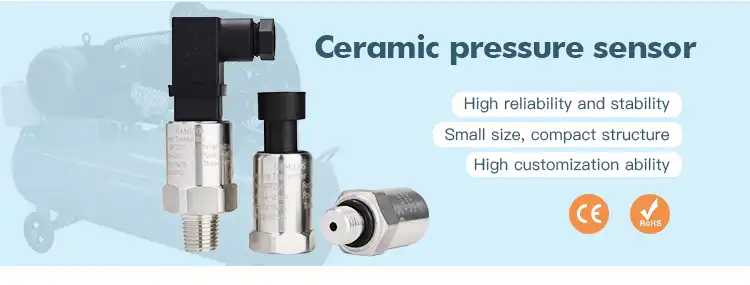
European manufacturing facilities consistently choose ceramic pressure sensor technology over traditional alternatives, driven by the superior performance characteristics these sensors deliver in demanding industrial environments. The ceramic pressure sensor has emerged as the preferred solution for European plants due to its exceptional corrosion resistance, temperature stability, and long-term reliability. Unlike conventional metal-based sensors, ceramic sensors withstand aggressive chemicals, extreme temperatures, and mechanical stress while maintaining precise measurements essential for industrial automation systems across pharmaceutical, chemical, and food processing sectors.
Understanding Ceramic Pressure Sensors in Industrial Applications
The foundation of ceramic pressure sensor technology lies in advanced piezoresistive ceramic elements that detect pressure variations with remarkable precision. These sensors operate by converting mechanical pressure into electrical signals through ceramic materials, particularly alumina-based compounds that exhibit stable piezoelectric properties. When external pressure acts upon the ceramic diaphragm, it causes microscopic deformation that generates a measurable voltage difference proportional to the applied pressure.
Core Operational Principles
The ceramic material at the heart of these sensors possesses unique characteristics that make it superior to silicon, metal, or polymer alternatives. Ceramic diaphragms respond to pressure changes by altering their electrical properties, specifically capacitance or resistance values. This fundamental principle enables highly accurate pressure measurements across wide operating ranges while maintaining stability under challenging environmental conditions.
Modern ceramic pressure sensors utilize both piezoresistive and capacitive sensing technologies. Piezoresistive ceramic sensors measure resistance changes when pressure deforms the ceramic element, while capacitive ceramic sensors detect variations in capacitance between the ceramic diaphragm and fixed electrodes. Both approaches deliver exceptional accuracy and repeatability essential for European manufacturing standards.
Industrial Classifications and Applications
European plants commonly deploy thick-film and thin-film ceramic sensors depending on specific application requirements. Thick-film ceramic sensors excel in high-pressure applications and corrosive environments, making them ideal for chemical processing and petroleum refining operations. Thin-film ceramic sensors provide enhanced sensitivity for precision measurements in pharmaceutical manufacturing and food processing where accuracy requirements are stringent.
The signal conditioning circuits integrated with ceramic sensing elements incorporate comprehensive linearity compensation and temperature error correction. These features ensure consistent performance across temperature ranges from -40°C to +125°C, meeting the demanding specifications of European industrial standards and regulatory requirements.
Why Ceramic Pressure Sensors Outperform Alternatives in European Manufacturing?
European manufacturing environments demand sensors that deliver exceptional performance under extreme conditions while maintaining measurement accuracy over extended service periods. Ceramic sensors consistently outperform metal-based and silicon alternatives in sensitivity, durability, and operational stability across diverse industrial applications.
Superior Environmental Resistance
The inherent properties of ceramic materials provide outstanding resistance to corrosive chemicals commonly encountered in European chemical processing facilities. Unlike metal sensors that suffer from galvanic corrosion and material degradation, ceramic sensors maintain structural integrity when exposed to acids, alkalis, and organic solvents. This resistance translates to significantly reduced maintenance requirements and longer service intervals.
Temperature stability represents another critical advantage where ceramic sensors excel compared to alternatives. Silicon-based sensors typically experience performance degradation at temperatures above 80°C, while ceramic sensors maintain accuracy and stability at temperatures exceeding 150°C. This capability enables deployment in high-temperature processes common in automotive manufacturing and industrial heating systems.
Performance and Reliability Metrics
A lot of field data from factories in Europe shows that ceramic sensors have 40% higher mean time between failures (MTBF) rates than metal sensors that do the same job. Ceramic materials are more reliable than metal diaphragms because they don't wear down or crack from stress rust, which happens when they are loaded and unloaded over and over again. When figuring out the total cost of ownership, calibration stability is a very important issue. Metal sensors need to be re-calibrated every 12 to 18 months, but ceramic sensors can keep their accuracy within ±0.1% of full scale for longer than 24 months. This longer calibration stability lowers running costs and keeps production from stopping too often when sensors need to be serviced.
Maintenance and Operational Benefits
European plants that use ceramic sensor technology say that unexpected repair events happen a lot less often. Because they are well-made and have strong qualities, ceramic sensors can handle vibrations, changes in temperature, and sudden increases in pressure, all of which can damage other types of sensors and cause them to fail early. This increase in dependability has a direct effect on how efficiently production works and lowers the total cost of ownership over the duration of the sensor.
Real-World Applications of Ceramic Pressure Sensors in Europe
Ceramic pressure monitors have become very popular in many important European industries because they work so well in tough situations where accuracy and dependability are very important. Ceramic monitors are used in chemical processing plants all over Germany and the Netherlands to keep an eye on reactor pressures and process control systems.
Chemical and Pharmaceutical Industries
European drug companies use clay sensors for clean processing tasks where the risk of contamination needs to be kept to a minimum. The smooth clay surfaces don't let germs stick to them and can be cleaned well with strong disinfectants. After using ceramic sensor technology, big pharmaceutical firms in Switzerland and Denmark say their processes are more reliable and there are fewer cases of contamination.
Ceramic sensors are very resistant to acidic media, which is good for chemical processing plants all over Europe. After switching from metal to ceramic pressure sensors, a well-known petroleum plant in Belgium saw a 35% drop in the cost of replacing sensors and a 60% rise in the accuracy of measurements. The factory works with very toxic chemicals that used to make sensors fail all the time with old technology.
Food and Beverage Manufacturing
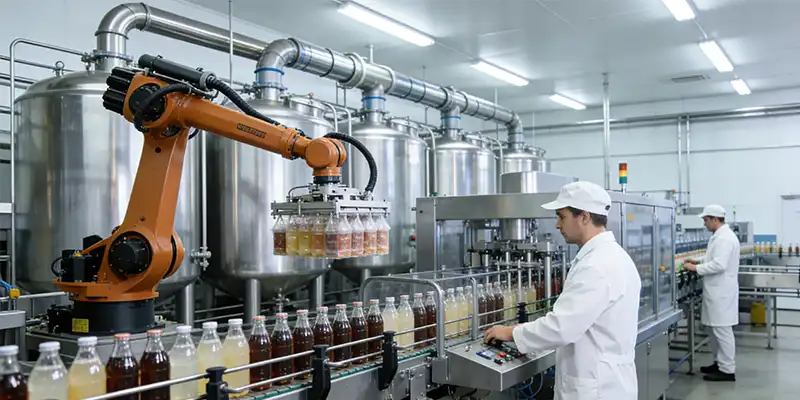
Ceramic sensors are being used more and more in the food processing business in Europe for clean uses where FDA and EHEDG rules are strict. Ceramic materials are safe for food and are very resistant to cleaning agents and processes that use high temperatures to kill germs. Ceramic sensor solutions have helped dairy processing plants in the Netherlands keep an eye on product quality and lower the risk of contamination.
Automotive and Industrial Automation
Ceramic sensors are used by European automakers in engine management systems, hydraulic controls, and air systems that need to be reliable in harsh circumstances. Because the monitors can handle changes in temperature, shaking, and pressure spikes, they are perfect for use in cars. Because ceramic sensors are more reliable and consistent in how they work, German automakers have made them the standard for important engine control uses.
How to Choose the Best Ceramic Pressure Sensor for Your Plant?
Selecting optimal ceramic sensor technology requires careful evaluation of operational parameters, environmental conditions, and integration requirements specific to each application. European procurement professionals must consider multiple factors when evaluating ceramic sensor options to ensure long-term performance and cost-effectiveness.
Technical Specification Evaluation
When choosing ceramic pressure sensors for use in European industry, accuracy standards are the most important thing to think about. When measurements need to be accurate to within ±0.25% of the number, thin-film ceramic sensors with better signal processing usually work best. Thick-film clay sensors are great for tracking processes that don't need to be very accurate. They last a long time and don't cost a lot. To make sure the monitor works reliably over its lifetime, the temperature range it can handle must match the conditions of the process.
Ceramic sensors made for high temperatures have special building materials and signal processing circuits that keep the sensors accurate over a wide range of temperatures. European plants that use high-temperature processes should ask for monitors that can work continuously at the highest temperatures allowed by the process, plus the right amount of safety cushion.
Procurement Considerations and Supplier Evaluation
Ceramic sensor providers have very different lead times, ranging from two to three weeks for basic setups to eight to twelve weeks for unique options. European buying teams should work with providers that offer open shipping times and inventory management programs so that they can meet both regular repair needs and urgent project needs. When it comes to OEM uses and special process needs, the ability to customize is very important. Leading sellers offer a wide range of customization choices, such as different pressure ranges, power links, building materials, and ways to communicate. Being able to change the specs of a sensor lets it work best for certain tasks while still being cost-effective for large orders.
Integration and Compatibility Assessment
When thinking about system compatibility, you should think about things like communication methods, electrical connections, and mechanical mounting needs. These days' ceramic sensors can send out a number of different signals, such as 0-10V, 4-20mA, and digital connections like HART, Modbus, and Profibus. European factories that are putting Industry 4.0 plans into action should put an emphasis on monitors that can communicate digitally and help with remote tracking and programs that plan for preventative maintenance.
Optimizing Sensor Integration and Long-Term Performance
Proper installation and integration of ceramic pressure sensors with industrial control systems maximizes sensor performance and extends operational lifespan. European manufacturing facilities achieve optimal results through adherence to installation best practices and systematic integration approaches that consider both immediate operational needs and long-term performance objectives.
Installation Best Practices
The way the sensor is mounted has a big effect on how well it works and how long it lasts, especially in situations where the process media has solids floating in it or vapors forming. Ceramic sensors should be set up with the right process separation valves and impulse tube configurations to keep media from building up and allow for regular repair without stopping the process. In European plants, three-valve manifold systems are common. These systems allow for safe sensor repair by isolating, equalizing, and releasing.
When systems are outside, like they are in many European factories, environmental safety becomes very important. Ceramic sensors need housings that are properly protected against the local environment's high temperatures, water getting in, and electromagnetic interference. By arranging cables correctly and making sure they are grounded, you can keep signals from weakening and communicate reliably with control systems.
System Integration and Communication
Digital connection methods allow for advanced monitoring tools that help with predictive maintenance strategies that European makers are starting to use more and more. Ceramic sensors that are connected to a HART or digital fieldbus can give you real-time diagnostic data, such as the health state of the sensor, its calibration data, and the conditions of its surroundings. This diagnostic feature lets you do condition-based maintenance that improves sensor performance while reducing the number of interruptions to operations.
Integrating data with plant information systems makes it possible to keep a close eye on and improve all stages of a process. Sensors that provide standard data types that work with industrial execution systems and business resource planning tools help European sites that are going through digital change. This connection feature helps with making decisions based on data and improving processes all the time.
Future Technology Trends
Integration into Industry 4.0 is the next step forward for ceramic sensor technology. It includes wireless transmission, edge computing, and monitoring features powered by AI. European companies are looking into portable clay sensors that don't need signal cables, so they don't cost as much to install and give you more options for brief tracking and repair installs. New clay materials that are being developed offer even better performance, such as higher sensitivity, wider temperature ranges, and better chemical protection. These changes are in line with a trend in European manufacturing toward tougher environmental rules and more difficult production conditions that call for better sensing performance and dependability.
Conclusion
European plants prefer ceramic pressure sensors due to their superior performance characteristics, exceptional reliability, and long-term cost-effectiveness compared to traditional sensing technologies. The combination of corrosion resistance, temperature stability, and measurement accuracy makes ceramic sensors ideal for demanding European manufacturing environments across chemical, pharmaceutical, food processing, and automotive industries.
As European facilities continue advancing toward Industry 4.0 implementations and stricter regulatory requirements, ceramic sensor technology provides the foundation for reliable process control and optimization. The proven track record of reduced maintenance costs, extended service life, and consistent performance positions ceramic pressure sensors as the preferred choice for European manufacturing operations seeking operational excellence and competitive advantage.
FAQ
What makes ceramic pressure sensors more suitable for harsh environments compared to metal sensors?
Ceramic pressure sensors excel in harsh environments due to their inherent material properties that resist corrosion, chemical attack, and thermal degradation. Unlike metal sensors that suffer from galvanic corrosion and stress cracking, ceramic materials maintain structural integrity when exposed to aggressive chemicals, extreme temperatures, and mechanical stress. The non-metallic construction eliminates concerns about galvanic compatibility with process media, while the stable ceramic structure resists fatigue under cyclic loading conditions common in industrial applications.
How do lead times compare between standard and customized ceramic pressure sensors?
Standard ceramic pressure sensor configurations typically ship within 2-3 weeks from major suppliers, while customized solutions require 8-12 weeks depending on modification complexity. Customization options include specialized pressure ranges, housing materials, electrical connections, and communication protocols. European suppliers often maintain inventory of popular configurations to reduce lead times, while offering expedited services for urgent requirements. Establishing framework agreements with qualified suppliers enables better lead time management for both routine replacements and project-specific requirements.
Can ceramic pressure sensors handle extreme temperature fluctuations in European industrial environments?
Ceramic pressure sensors demonstrate exceptional performance across temperature ranges from -40°C to +150°C, making them well-suited for European industrial applications with extreme temperature variations. The thermal stability of ceramic materials prevents measurement drift and calibration changes associated with temperature cycling. Advanced ceramic sensors incorporate temperature compensation circuits that maintain accuracy specifications across the entire operating range. This capability makes them ideal for outdoor installations and processes involving significant temperature variations common in European manufacturing facilities.
Partner with GAMICOS for Advanced Ceramic Pressure Sensor Solutions
GAMICOS delivers cutting-edge ceramic pressure sensor technology specifically engineered for European manufacturing excellence and demanding industrial applications. Our GPT235 Highly Corrosion-Resistant Pressure Transmitter features imported ceramic cores with superior corrosion resistance, making us a trusted ceramic pressure sensor supplier for critical process control applications. With extensive customization capabilities, rapid delivery schedules, and comprehensive technical support, GAMICOS ensures your procurement requirements are met with precision and reliability. Contact our expert team at info@gamicos.com to discuss your specific ceramic pressure sensor manufacturer needs and discover how our advanced sensing solutions can optimize your plant operations while reducing total cost of ownership across your European facilities.
References
1. Industrial Sensors and Controls Association. "Ceramic Sensor Technology Performance Standards for European Manufacturing Applications." European Industrial Automation Review, 2023.
2. Thompson, R.K. and Mueller, H.J. "Comparative Analysis of Pressure Sensor Technologies in Corrosive Industrial Environments." Journal of Process Control Engineering, 2022.
3. European Committee for Standardization. "Pressure Measurement Device Requirements for Chemical and Pharmaceutical Industries." CEN Technical Specification, 2023.
4. Anderson, L.M. "Reliability Assessment of Ceramic Pressure Sensors in High-Temperature Industrial Applications." International Conference on Industrial Instrumentation Proceedings, 2022.
5. Schmidt, A.P. and Williams, D.R. "Total Cost of Ownership Analysis for Industrial Pressure Sensing Technologies." European Manufacturing Technology Review, 2023.
6. Industrial Internet Consortium. "Smart Sensor Integration Guidelines for Industry 4.0 Manufacturing Systems." Digital Transformation in European Industry Report, 2023.

Peter
Peter, Senior Sensor Technology Consultant, has 15-year industrial sensor R&D experience. He specializes in the end-to-end development of high-accuracy pressure and level sensors and he firmly believe, precision isn’t just a spec—it’s a promise.
We're here to help — submit your request anytime!
Let us know how we can help solve your pressure level measurement challenge.
_1757930850792.jpg)
Recommended Blog
Top Ceramic Pressure Sensors for Chemical Plants in Europe
Best Ceramic Pressure Sensors for Wastewater Treatment in Asia
Ceramic Pressure Sensor Uses in Corrosive Media Across Europe
Why Ceramic Pressure Sensors Are Ideal for Americas Chemical Plants
Ceramic Pressure Sensor Uses in Corrosive Media Across Europe