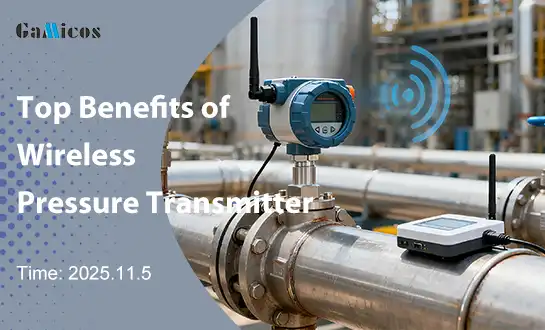
Import Guide: Wireless Pressure Sensors for European Markets
Introducing Wireless Pressure Sensors in European Industries
- Introducing Wireless Pressure Sensors in European Industries
- Comparing Wireless Pressure Sensors: Making the Right Choice
- Procurement Considerations for Wireless Pressure Sensors in Europe
- Best Practices for Installation, Calibration, and Maintenance
- Trusted Brands and Solutions Overview for European B2B Clients
- Conclusion
- FAQ
- Partner with GAMICOS for Premium Wireless Pressure Monitoring Solutions
- References
Navigating the European market for wireless pressure sensor technology requires understanding both regulatory compliance and advanced technical specifications. These sophisticated devices have revolutionized industrial monitoring by eliminating traditional wiring constraints while delivering precise measurements across diverse applications. European industries particularly value sensors that combine long-range connectivity with exceptional battery life, meeting stringent CE certification standards and delivering reliable performance in harsh environmental conditions.

Introducing Wireless Pressure Sensors in European Industries
The European industrial landscape has embraced wireless pressure monitoring as an essential technology for modern automation systems. These devices fundamentally differ from traditional wired alternatives by incorporating radio frequency communication protocols that transmit measurement data without physical connections.
Working Principles and Core Technologies
To get exact readings, wireless pressure emitters use advanced sensing elements and strong connection units. The technology works with high-stability pressure monitors that can adjust for changes in temperature. This makes sure that the technology works the same way in all kinds of environments. These sensors pick up changes in the pressure of liquids, gases, or steam and turn them into electrical signs that are digitally processed before being sent wirelessly. Modern gadgets use more than one transmission channel to get the best results for each task.
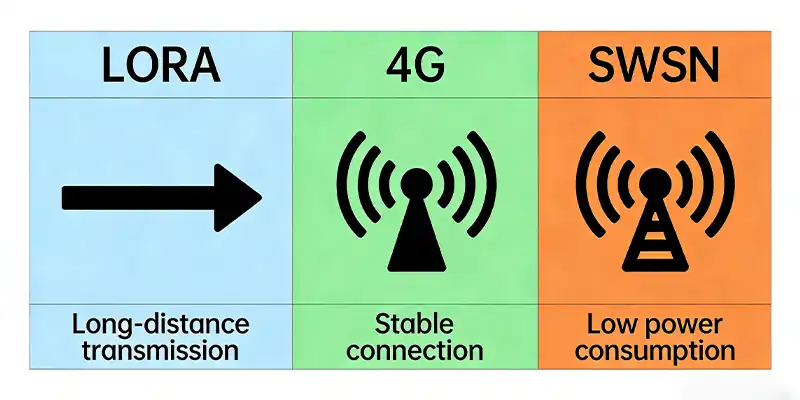
LORA spread spectrum technology lets you send data over long distances, up to 5 kilometers away. This makes it perfect for tracking systems that are far away. Also, 4G network connection makes communication stable in places with current cellular infrastructure, and efficient custom methods like SWSN use very little power, so batteries last longer.
Benefits Specific to European Applications
Wireless pressure tracking is very helpful for European businesses because it makes installation easier and improves safety rules. By getting rid of complicated wires, these systems take about 60% less time to install than standard ones, and they also pose fewer safety risks in dangerous places like chemical and oil processing plants. Battery-powered operation allows for constant tracking even when the power goes out, which is a key benefit for keeping operations going in European industrial settings. With one-second measurement intervals, modern devices can last longer than three years, which greatly reduces the need for upkeep and the costs that come with it.
Compliance with European Standards
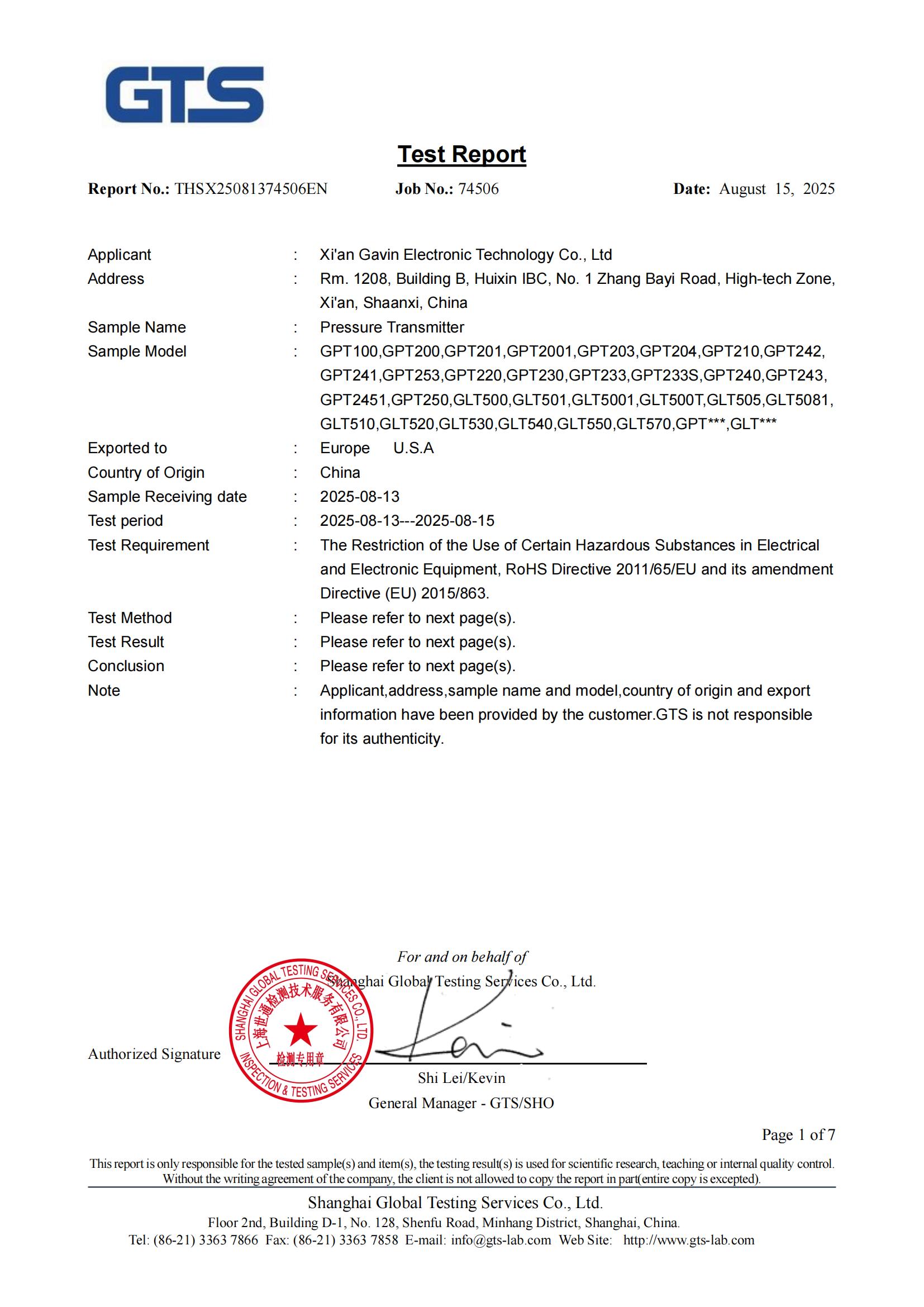
European markets require strict obedience to approval requirements such as ISO norms, CE marks, and RoHS compliance. These rules protect the environment, make sure that electromagnetic fields work well together, and make sure that operations are safe in a wide range of commercial settings. Quality portable pressure sensors have IP66 waterproof ratings and strong building materials that are made to survive the hard weather in Europe while keeping measuring accuracy within 0.1% of full scale.
Comparing Wireless Pressure Sensors: Making the Right Choice
Selecting appropriate wireless pressure monitoring equipment requires careful evaluation of performance characteristics, communication capabilities, and long-term operational costs. The comparison between wireless and traditional wired systems reveals significant advantages in deployment flexibility and maintenance efficiency.
Performance Metrics Analysis
When it comes to installation options, wireless pressure sensors are better than wired ones, especially when the equipment is moving or the site is far away. The lower voltage levels (usually below 10VDC) that these devices work at help the batteries last longer and use less power. Advanced signal processing techniques in high-quality wireless devices make them more resistant to electromagnetic interference while keeping measurement accuracy at the same level as wired systems.
Range of communication is an important performance factor, and LORA-enabled devices can send data more than 5 kilometers away in open areas. This feature is very helpful for keeping an eye on systems that are spread out, like pipeline networks or big factories, where standard wires would be too expensive or too hard to set up.
Top-Rated Solutions for 2026
Leading wireless pressure devices that can be sold in Europe mix advanced sensing technology with strong connection features. The GAMICOS GPT2451 portable pressure sensor is an example of cutting-edge design. It can record pressures from 29 PSI to 5,000 PSI and has high-stability pressure monitoring that adjusts for weather. This gadget gives you three choices for sending data wirelessly: the SWSN efficient protocol uses very little power, the LORA spread spectrum lets you talk over long distances, and the 4G network connection ensures safe data transfer.
Key features include ultra-low power consumption that lets it work for three years with one-second measurement intervals, long broadcast lengths of up to five kilometers in LORA mode, and full mobile application integration that lets you receive alarms remotely and sync data in real time. The device's IP66 waterproof grade means it will work reliably in harsh European industrial settings.
Industry-Specific Selection Criteria
Different businesses in Europe need different sensor specs because they face different operations difficulties. For pharmaceutical and food industry uses, clean designs with clean links and FDA-approved materials are needed. Chemical processing plants need approvals that say they can't explode and better rust protection. Automotive manufacturing, on the other hand, puts a high priority on high-speed data transfer and integrating with existing automation systems.
Environmental factors have a big impact on choosing sensors, especially when it comes to temperature ranges, humidity tolerance, and chemical compatibility. Certain material approvals are needed for uses that come into contact with food in Europe. On the other hand, long-term stability and calibration retention are important in the energy industry.
Procurement Considerations for Wireless Pressure Sensors in Europe
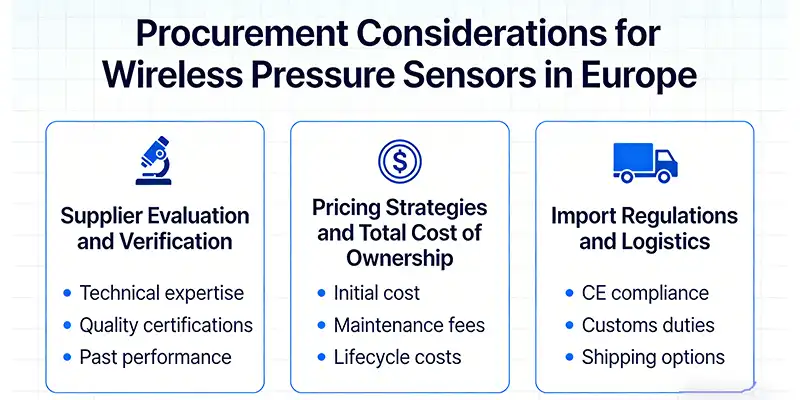
Successful procurement strategies for wireless pressure monitoring equipment depend on establishing partnerships with reliable suppliers who demonstrate consistent quality delivery and comprehensive technical support. European buyers must navigate complex regulatory requirements while ensuring long-term supply chain stability.
Supplier Evaluation and Verification
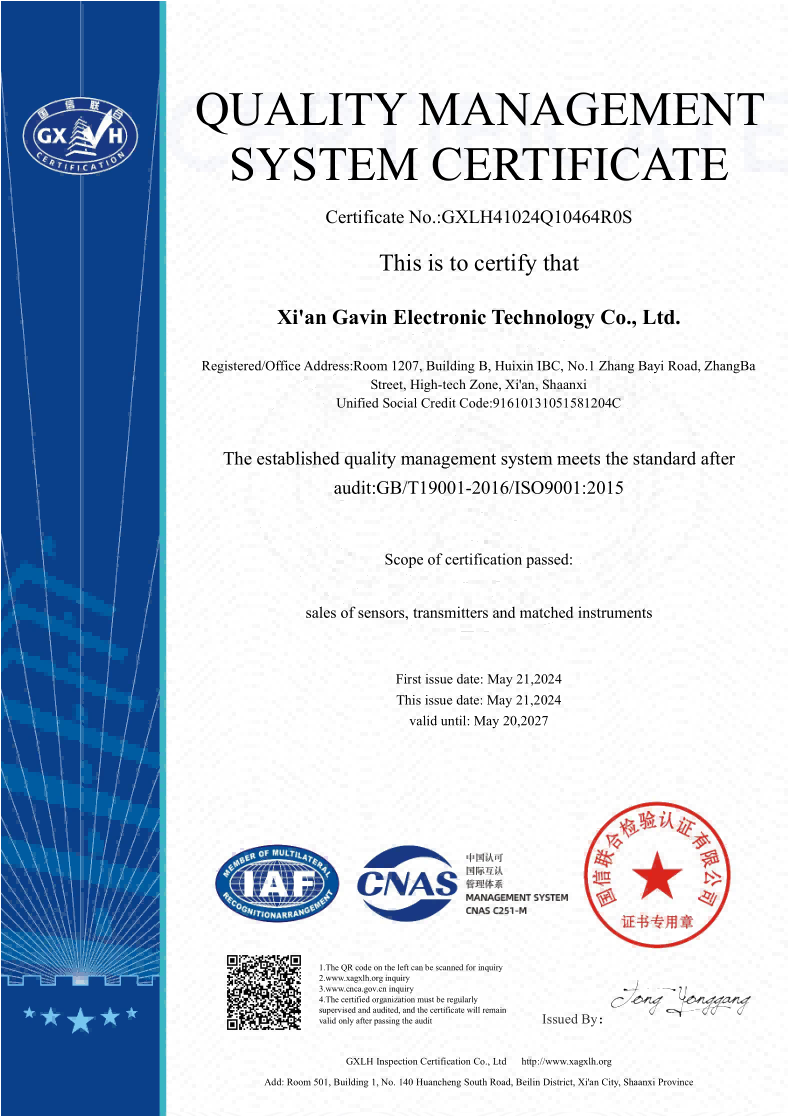
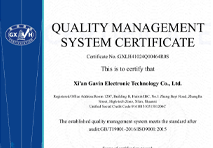
To find reliable providers, you need to carefully look at their producing skills, quality control systems, and certification compliance. Established names like Honeywell, Siemens, and Emerson have a strong foothold in Europe and offer local expert support. On the other hand, new companies like GAMICOS offer competitive benefits through their unique wireless technology and ability to customize their products. Checking a supplier should include checking their ISO 9001 quality control systems, making sure their testing labs are licensed, and making sure they follow European rules and regulations. Suppliers must also show that they can handle big orders and stick to shipping dates in order to support large industry projects.
Pricing Strategies and Total Cost of Ownership
The price of a wireless pressure monitor depends on how complicated the technology is, how well it can communicate, and what certifications are needed. Initial costs may be 20–30% higher for wireless sensors than for traditional wired sensors, but overall ownership costs usually favor wireless options because they are easier to set up and require less upkeep. Buying in bulk can save you a lot of money, especially if the seller offers deals for buying in bulk and customization services. Long-term partnerships let you arrange prices that cover ongoing technical support and testing services that are needed to keep measurements accurate over long periods of time.
Import Regulations and Logistics
In order to go through European customs, you need a lot of paperwork, like CE certificates, material compliance statements, and technical specs. When goods are properly classified using unified system numbers, duties are calculated correctly and customs inspection goes more quickly. In order to follow European packaging trash guidelines, packing standards must also protect fragile electrical parts during foreign shipping. When planning logistics, temperature-controlled transport should be taken into account to keep devices calibrated and protect them from damage caused by high temperatures. Reliable sellers offer tracking systems and protection to make sure that products are delivered on time and are still in good condition during the import process.
Best Practices for Installation, Calibration, and Maintenance
Optimizing wireless pressure sensor performance requires adherence to established installation procedures, regular calibration schedules, and proactive maintenance strategies designed to maximize operational lifespan and measurement reliability.
Installation Guidelines and Environmental Considerations
The first step in a proper installation is a careful site study to find the best places to put the sensors so that they can communicate wirelessly and give accurate pressure readings. Even though good sensors have strong environmental protection, mounting places should keep devices from being directly exposed to vibrations and bad weather. A lot of things in the surroundings, like building materials, electromagnetic interference sources, and the shape of the land, can affect the range of a wireless signal. Site studies using temporary setups can check the reliability of communication before putting something permanently. This keeps you from having to pay for expensive moves and makes sure that data transfer is always reliable.
Calibration Procedures and EU Compliance
European standards for calibration require that measurements be able to be traced back to national standards and that calibration methods be written down. To keep measurement accuracy within certain limits, wireless pressure monitors need to be checked on a regular basis using approved reference standards. Depending on how important the application is and the surroundings, calibration times are usually between 6 and 24 months. Modern wireless devices often have self-diagnostic features that check how well sensors are working and let users know if there is any possible calibration shift. These features allow condition-based maintenance plans that make the best use of schedule for testing while always meeting European measuring standards.
Maintenance Strategies for Extended Reliability
Battery management, communication system testing, and environmental protection maintenance are all important parts of maintenance plans that work. Battery tracking tools let you know before the power runs out, so you can change the batteries before they stop working. With the right conditions, high-quality lithium cells can last longer than five years. Testing communication systems on a regular basis makes sure that data transfer works well and finds sources of interference that might be happening. Maintenance plans should include checking the antennas, making sure the transmission range is correct, and making sure the data is correct so that the sensor can be monitored continuously for its entire life.
Trusted Brands and Solutions Overview for European B2B Clients
The European wireless pressure sensor market features established international brands alongside innovative specialized manufacturers, each offering unique advantages for different application requirements and budget considerations.
Established International Manufacturers
Leaders in the field, like Honeywell, Siemens, and Emerson, offer complete wireless sensor systems with large support networks across Europe. These companies have been in business for decades and have built a reputation for dependability. They also have local technical support teams that can handle even the most difficult merging problems. Honeywell's portable pressure sensors are perfect for large-scale industry updates because they can do advanced troubleshooting and work with existing control systems. Siemens offers a wide range of technology integration options, while Emerson focuses on usage in the process industry and has higher safety standards.
Innovative Specialized Suppliers
GAMICOS is part of a new group of specialized wireless sensor companies that offer cutting-edge technology at reasonable prices. The GPT2451 wireless pressure emitter from the company has a unique design that combines multiple transmission methods, a longer battery life, and full mobile application integration. The device's three wireless communication choices give European users a level of freedom that has never been seen before. The SWSN efficient protocol uses very little power and is good for remote tracking. The LORA spread spectrum lets devices communicate over long distances of up to 5 kilometers. Also, 4G network connection makes sure that data transfer is stable in places where cellular equipment is already in place.
Quality Assurance and European Certification
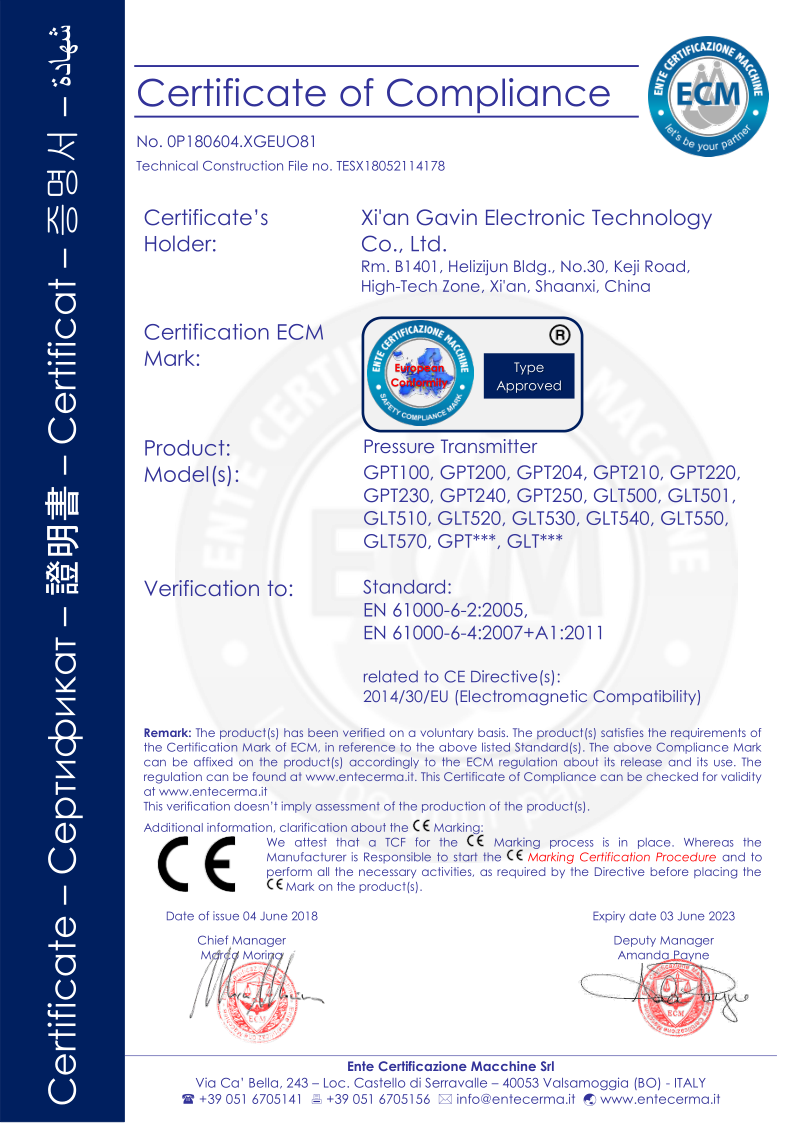
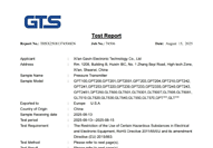
Leading makers have strict quality control systems that include detailed testing plans and checks to make sure they follow certification requirements. To make sure that GAMICOS goods work well in tough European industrial settings, they go through a lot of quality control steps, such as temperature cycling, shaking testing, and long-term stability checks. European approval standards, such as CE marking, RoHS compliance, and electromagnetic compatibility testing, make sure that products can be used in a wide range of workplace settings. Manufacturers who provide full certification paperwork and ongoing compliance tracking show that they are dedicated to meeting European legal standards and making sure customers are happy.
Conclusion
Wireless pressure sensor technology offers compelling advantages for European industrial applications through enhanced installation flexibility, reduced maintenance requirements, and comprehensive remote monitoring capabilities. Modern devices like the GAMICOS GPT2451 demonstrate advanced functionality combining multiple communication protocols with extended battery life and robust environmental protection. Successful procurement requires careful supplier evaluation, comprehensive understanding of European regulatory requirements, and strategic planning for long-term operational support. The technology's continued evolution promises even greater capabilities while maintaining the reliability and accuracy standards demanded by European industrial applications.
FAQ
How do wireless pressure sensors maintain data accuracy compared to wired alternatives?
Modern wireless pressure transmitters achieve measurement accuracy comparable to wired systems through advanced signal processing algorithms and temperature compensation technology. High-quality devices maintain accuracy within ±0.1% of full scale while incorporating self-diagnostic capabilities that monitor sensor performance and detect potential calibration drift.
What are the critical selection criteria for automotive industry applications?
Automotive applications require sensors with high-speed data transmission capabilities, vibration resistance, and integration compatibility with existing control systems. Environmental factors including temperature cycling, electromagnetic interference tolerance, and chemical resistance to automotive fluids represent essential selection criteria for reliable operation.
What regulatory requirements apply to wireless pressure sensors in the EU?
European markets mandate CE certification, RoHS compliance for material restrictions, and electromagnetic compatibility testing. Additionally, specific applications may require ATEX certification for explosive atmospheres, FDA approval for food contact, or other industry-specific certifications depending on the intended use environment.
How long do wireless pressure sensor batteries typically last?
Battery life depends on measurement intervals, communication frequency, and environmental conditions. High-quality devices like the GAMICOS GPT2451 can achieve operational lifespans exceeding three years with one-second measurement intervals using advanced power management technology and high-capacity lithium batteries.
Partner with GAMICOS for Premium Wireless Pressure Monitoring Solutions
GAMICOS delivers cutting-edge wireless pressure sensor technology specifically designed for demanding European industrial applications. Our GPT2451 wireless pressure transmitter combines exceptional measurement accuracy with industry-leading battery life and flexible communication options. As a trusted wireless pressure sensor manufacturer, we provide comprehensive technical support, competitive bulk pricing, and customization services to meet your specific requirements. Contact our team at info@gamicos.com to discuss your project needs and receive detailed technical specifications tailored to your application.
References
1. European Committee for Standardization. "Pressure Equipment Directive 2014/68/EU: Compliance Guidelines for Industrial Pressure Monitoring Systems." CEN Publications, 2023.
2. Industrial Automation Research Institute. "Wireless Sensor Networks in European Manufacturing: Performance Analysis and Implementation Guidelines." IARI Technical Report, 2024.
3. Schmidt, Hans and Mueller, Klaus. "Battery-Powered Wireless Instrumentation for Process Industries: European Market Analysis and Technology Trends." Journal of Industrial Automation Technology, Vol. 47, 2023.
4. European Union Agency for Cybersecurity. "IoT Security Framework for Industrial Wireless Devices: Implementation Guide for EU Markets." ENISA Publications, 2024.
5. Thompson, Sarah et al. "Comparative Study of Wireless vs. Wired Pressure Measurement Systems in European Chemical Processing." Process Engineering International, Issue 3, 2023.
6. Nordic Industrial Technology Council. "Calibration Standards and Maintenance Protocols for Wireless Pressure Transmitters in Cold Climate Applications." NITC Technical Standards, 2024.

Ivy
Ivy, product consultant, has focused on sensor consultation for ten years, is proficient in providing pressure and level measurement solutions for customers.
We're here to help — submit your request anytime!
Let us know how we can help solve your pressure level measurement challenge.
_1757930850792.jpg)
Recommended Blog