Where to Buy OEM Differential Pressure Sensors in the Americas
Understanding OEM Differential Pressure Sensors: Key Concepts and Advantages
- Understanding OEM Differential Pressure Sensors: Key Concepts and Advantages
- Criteria for Selecting the Right OEM Differential Pressure Transmitter
- Where to Buy OEM Differential Pressure Sensors in the Americas?
- Installation, Calibration, and Troubleshooting of OEM Differential Pressure Sensors
- Future Trends and Innovations in OEM Differential Pressure Sensors
- Conclusion
- FAQ
- Contact GAMICOS for Premium OEM Differential Pressure Transmitter Solutions
- References
Finding reliable sources for OEM differential pressure sensors in the Americas requires understanding established distribution networks and verified suppliers. The Americas market offers numerous specialized manufacturers and authorized distributors across the United States, Canada, and Mexico, providing comprehensive solutions for industrial automation, process control, and measurement applications. OEM differential pressure transmitter suppliers in this region emphasize quality certifications, technical support, and customization capabilities to meet diverse B2B requirements.
Understanding OEM Differential Pressure Sensors: Key Concepts and Advantages
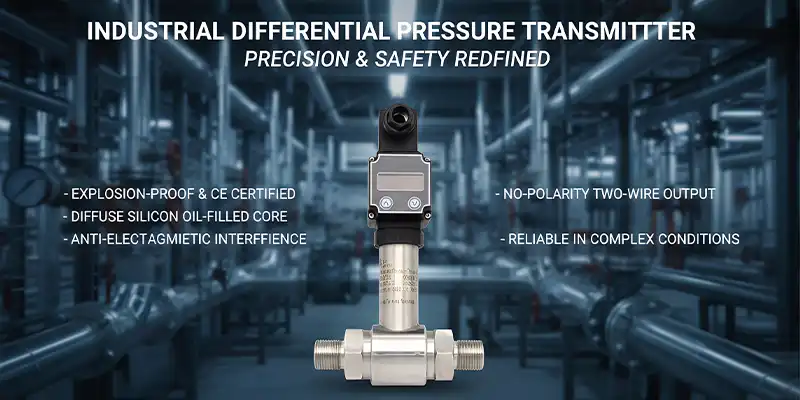
OEM differential pressure transmitters represent sophisticated measurement instruments designed to detect pressure variations between two distinct points within industrial systems. These sensors operate on fundamental principles where the pressure medium directly impacts a sensing diaphragm, creating micro-displacements proportional to pressure changes. The deformation triggers resistance variations that electronic circuits convert into standardized output signals.
Core Operating Principles and Sensor Technologies
At two measurement points, special diaphragms are put in contact with fluid pressure to start the detecting process. Piezoresistive technology is used in modern OEM differential pressure sensors. This technology uses silicon-based sensing elements that change electrical resistance when they are mechanically deformed. Signal amplification, filtering, and digital processing are all parts of this conversion process that make sure readings are accurate even when operating conditions change.
The OEM market is mostly made up of capacitive and piezoresistive sensor types because they are reliable and accurate. Piezoresistive sensors are very good at working with high pressure because they are very stable and can adjust to different temperatures. Capacitive versions are better at measuring low pressures, which makes them perfect for HVAC and process control tasks that need accurate tracking of difference pressure.
Advantages of OEM Differential Pressure Solutions
OEM differential pressure sensors work better than regular measuring tools because they are made with special techniques and follow strict tuning rules. These benefits show up in a number of important areas that have a direct effect on how factories work and how accurate measurements are. One of the best things about OEM instruments is that they improve manufacturing accuracy. Dedicated production lines make sure that quality control is always the same, that testing methods are followed, and that tuning steps are changed to fit the needs of each application.
Compared to general options, this way of making things has higher accuracy standards, longer working lifespans, and lower upkeep needs. OEM options are different from standard goods because they can be customized. Sensor specs, transmission methods, housing materials, and output signals can all be changed by manufacturers to meet the needs of any application. This adaptability is very important in specific manufacturing settings that need certain pressure levels, resistance to rust, or the ability to work with current control systems.
Criteria for Selecting the Right OEM Differential Pressure Transmitter
Selecting optimal OEM differential pressure transmitters demands comprehensive evaluation of technical specifications, operational requirements, and long-term performance expectations. Successful procurement requires balancing accuracy demands, environmental conditions, and budget considerations while ensuring compliance with industry standards and regulatory requirements.
Technical Specifications and Performance Metrics
Criteria for choosing sensors are based on how accurate they need to be. Accuracy levels in industrial settings usually need to be between ±0.1% and ±0.5% of full scale, based on how important the process is and how precise the measurements need to be. For high-precision tasks like making medicines or testing aircraft, the accuracy levels need to be higher, but normal accuracy levels may be fine for general industry tracking. Compatibility with a wide range of pressures makes sure that sensors work safely and provide good measurement accuracy.
OEM differential pressure sensors usually have ranges between 0 and 40 MPa, ranging from 0 to 10 Pa for low-pressure uses to 40 MPa or more for high-pressure industry uses. The GAMICOS GPT250 series is a great example of this because it can handle system static pressures of up to 40 MPa and is made of strong 316L stainless steel with Hastelloy C276 diaphragms that avoid corrosion from media.
| GPT250 Differential Pressure Transmitter | |
| Pressure range | 0~10 kPa...2.5 MPa |
| Overpressure | 150%FS |
| Output signal | 4~20mA 0~5Vdc 1~5Vdc 0~10Vdc |
| Power supply | 10~36Vdc 8~36Vdc 12~30Vdc |
| Accuracy | 0.25%FS(min.), 0.5%FS(typ.) |
| Operating temperature range | -40~+85 °C |
| Electrical interface | DIN43650,waterproof outlet |
| Pressure interface | M20x1.5, G1/4,G1/2,1/4NPT, 1/2NPT (customer request) |
| Material of pressure membrane | 316LSS |
| Material of housing | 1Cr18Ni9Ti stainless steel |
| Protection | IP65(for DIN43650), IP(for waterproof lead) |
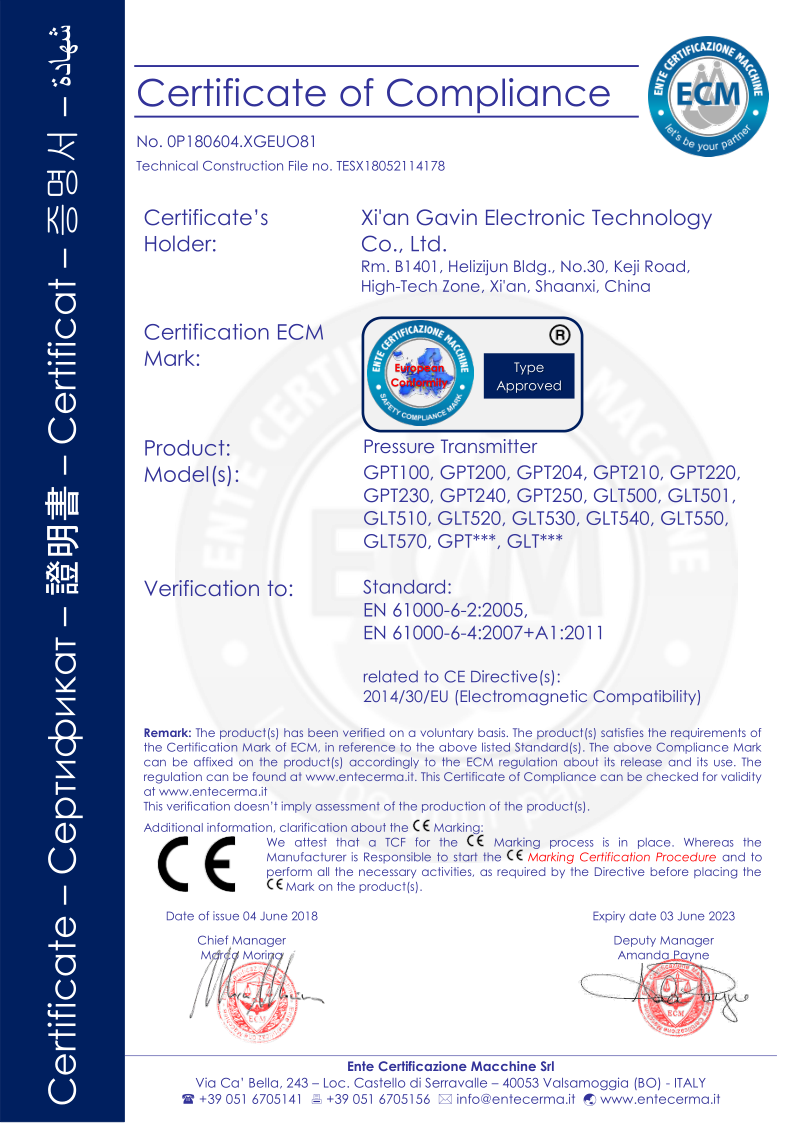
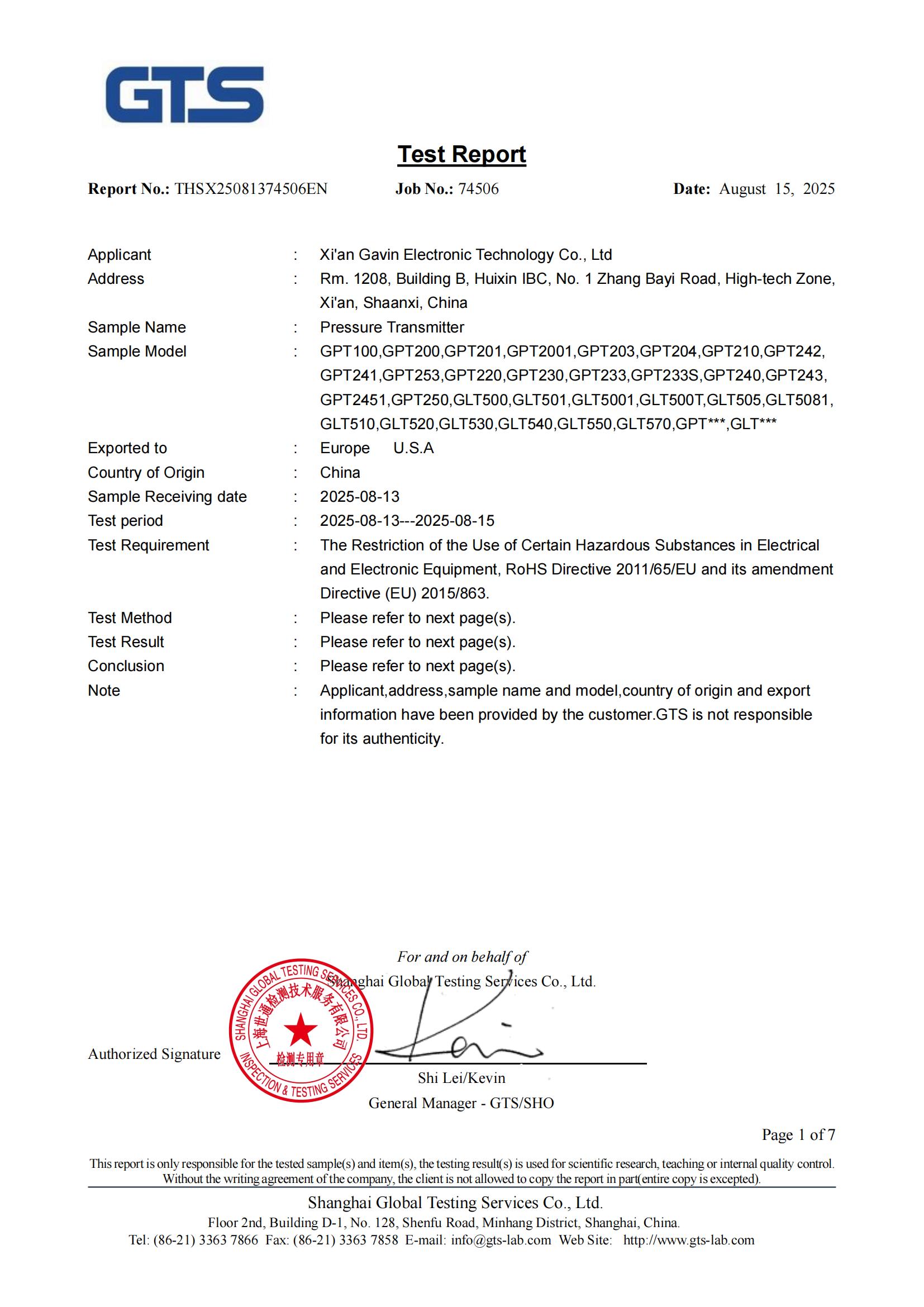
| Certification | CE |
Response time factors affect how well a system works in changing situations where quick recognition of pressure changes is needed. Response times for modern OEM receivers are less than 100 milliseconds, which lets real-time tracking and control work in industrial processes that change quickly. This feature is very important for safety systems, flow control, and automatic production settings where slow reactions could hurt the efficiency of operations.
Material Compatibility and Environmental Considerations
Process media compatibility decides how long a sensor lasts and how reliable its measurements are in harsh industrial settings. To keep sensors from breaking down and measurements from drifting over time, you need special materials and coats that protect them from corrosive chemicals, high temperatures, and strong fluids. These problems are solved by the GPT250 series' improved material engineering. Its 316L stainless steel body is very resistant to rust in a wide range of industrial settings, and its Hastelloy C276 diaphragm can handle harsh media with pH levels from 1 to 14.
This mix of materials makes sure that it will work well in oil, chemical, pharmaceutical, and food processing settings where interaction with media is a key selection factor. Extreme temperatures, vibrations, and electromagnetic interference are some of the environmental factors that can affect how well a sensor works and how it needs to be installed. OEM makers usually list working temperature ranges from -40°C to +125°C, and there are special versions for harsh circumstances. EMC compliance and vibration resistance make sure stable operation in factories with big machinery and electrical equipment.
Where to Buy OEM Differential Pressure Sensors in the Americas?
The Americas market offers diverse procurement channels for OEM differential pressure sensors, ranging from direct manufacturer relationships to authorized distributor networks. Understanding these options enables procurement professionals to optimize purchasing decisions based on project requirements, budget constraints, and support needs.
Established Manufacturers and Direct Sourcing
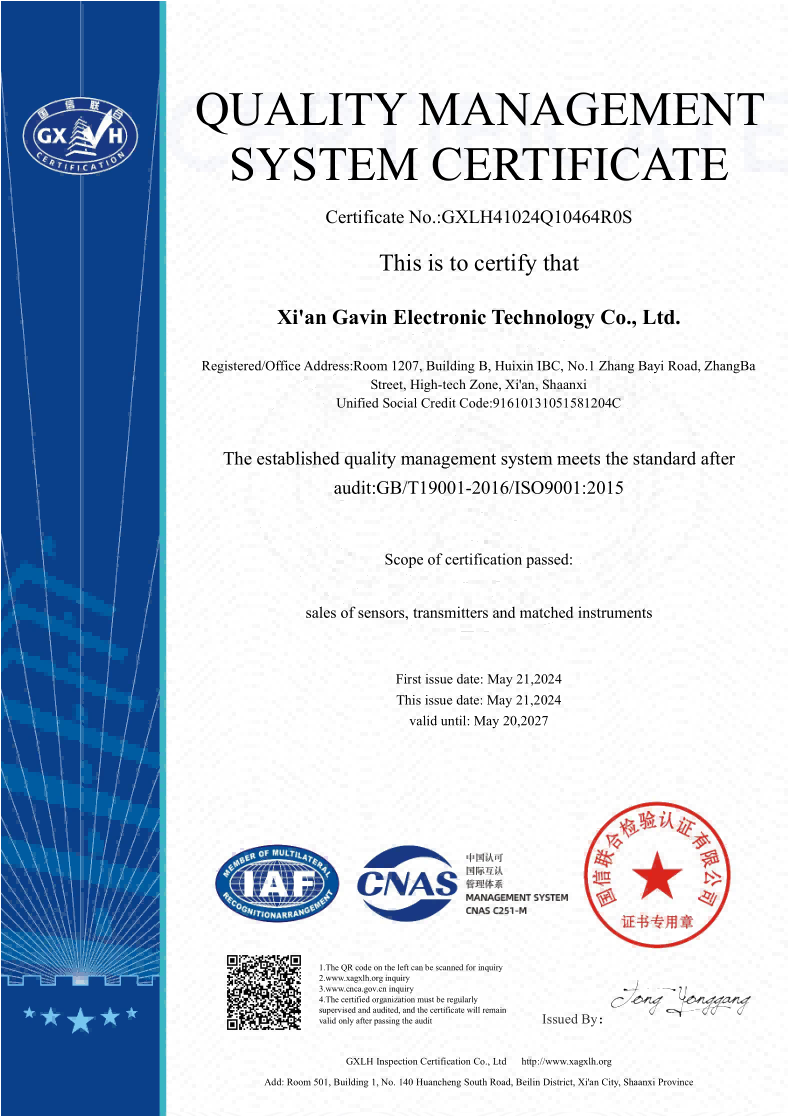
Direct links with manufacturers give you the best access to customization options, expert help, and low prices for large orders. Leading OEM differential pressure sensor makers in the Americas keep regional offices and technical centers open to help local customers with application planning, installation, and service after the sale. GAMICOS is a good example of this direct buying method because they provide full OEM and ODM services that let you change all the specs, packing, and paperwork. They do business in more than 100 countries around the world, and they have created marketing networks all over North America that help customers in their own language while still getting direct producer benefits.
This mix makes sure that technical experts are easy to reach and makes operations easier for American customers. Regional production skills in the Americas offer benefits such as shorter lead times, easier transportation, and higher supply chain dependability. When it comes to pressing orders, prototype development, and custom changes, domestic production sites are more flexible. They also support local economic development efforts, which are becoming more and more important to corporate buying strategies.
Authorized Distributor Networks and Regional Partners
Authorized wholesalers are very important middlemen because they offer local supplies, professional support, and help with installation in many different areas of the world. These relationships make it possible for manufacturers to reach a larger market while still upholding quality standards and giving end users guarantee security. Checking to see if a dealer is an approved one stops fake goods and makes sure that the guarantee is fully covered.
Real wholesalers keep their manufacturer certifications up to date, provide the right paperwork, and offer expert help backed by training programs from the maker. This verification process keeps purchase investments safe and makes sure that users can get original OEM goods with full maker support. Regional wholesalers often become experts in certain types of businesses, learning how to use things like HVAC systems, process control, and flight uses. Customers with specific needs can benefit from this specialty because it allows for more targeted technical help, application-specific suggestions, and product management that is focused on the industry.
Installation, Calibration, and Troubleshooting of OEM Differential Pressure Sensors
Proper installation, calibration, and maintenance procedures maximize OEM differential pressure transmitter performance while ensuring measurement accuracy throughout operational lifecycles. These procedures require systematic approaches combining manufacturer guidelines with site-specific considerations to achieve optimal results.
Installation Best Practices and System Integration
The installation process starts with preparing the spot carefully. This includes planning the route of the pressure lines, making the electricity connections, and taking steps to protect the environment. Careful attention to fixing direction, vibration isolation, and weather protection during installation avoids measurement mistakes, lowers the need for upkeep, and increases the working life of the sensor. The assembly method for the GPT250 series shows how to properly use OEM sensors. It has two screw pressure ports that can be used for either direct pipeline fitting or external link, so it can be used in a variety of installation situations.
The strong stainless steel body makes it last a long time and keeps the accuracy of the measurements even in harsh environments. Setting up communication methods, output signs, and control system interfaces for system integration helps sensors work better with current automation systems. Modern OEM emitters have many output choices, such as 4-20mA analog signals and digital standards like Modbus. This makes it easy to connect them to a wide range of control systems and data collection platforms.
Calibration Procedures and Maintenance Requirements
Calibration makes sure that measurements are accurate and can be tracked, which is important for efficient business processes. OEM differential pressure sensors need to be calibrated the first time they are installed and then checked on a regular basis to make sure the measurements stay accurate for as long as they are used. During calibration, approved reference standards are used for zero adjustment, span proof, and repeatability checks. Professional testing services make sure that measurements are accurate and can be traced back to national standards.
To make it easier to follow quality control systems and government rules, many OEM makers offer calibration documents, on-site testing services, and expert help. Maintenance plans are based on how hard the application is, the surroundings, and the need for accuracy. Visual checks, checking of electrical connections, and performance tracking are all part of routine maintenance that looks for problems before they affect operations. Preventive maintenance programs keep measurements accurate, extend the life of sensors, and cut down on breakdowns that happen out of the blue.
Future Trends and Innovations in OEM Differential Pressure Sensors
The differential pressure sensing industry continues evolving through technological advances, digital transformation, and Industry 4.0 integration. These developments reshape procurement strategies, operational capabilities, and supplier relationships while creating new opportunities for enhanced measurement performance and operational efficiency.
Digital Transformation and IoT Integration
OEM differential pressure transmitters integrate microprocessors, digital transmission, and advanced monitoring features, making them far more capable than simple pressure measurement devices. These smart sensor technologies enable enhanced diagnostics, real-time data analysis, and improved system control. Some of these features are self-calibration, maintenance alerts based on what the machine is likely to need, and distant tracking through wireless protocols.
Differential pressure sensors that are connected to the internet of things (IoT) allow for remote data collection, cloud-based analytics, and predictive maintenance programs that lower costs and make the system more reliable. LoRa, GPRS, NB-IoT, and 4G are all types of wireless communication that can be used in difficult situations where standard wires would not work or would be too expensive.
Data analytics turns basic pressure readings into useful information that can be used to improve energy efficiency, plan preventative maintenance, and make processes run more smoothly. Advanced algorithms find patterns in measurements, spot outliers, and guess when things might go wrong before they do. This lets repair plans be proactive, which cuts down on downtime and increases equipment life.
Emerging Technologies and Market Developments
New discoveries in material science keep making sensors last longer, work better, and be compatible with harsh industrial settings. New diaphragm materials, protection coats, and housing designs make it possible for more functions to be performed while lowering the cost of repair and upkeep. Miniaturization trends make it possible to use sensors in places where room is limited while still getting accurate and reliable measurements. Small designs make installation easier, lower the cost of materials, and open up new uses in handheld devices and integrated systems.
As OEM makers react to changing customer needs and global market conditions, customization services, expert support, and supply chain flexibility are expected to continue to grow. These trends are good for procurement workers because they give them more choices, lower prices, and better ties with suppliers.
Conclusion
Sourcing OEM differential pressure sensors in the Americas requires careful evaluation of manufacturer capabilities, distributor networks, and technical specifications to ensure optimal procurement decisions. The region offers diverse options ranging from direct manufacturer relationships to specialized distributor partnerships, each providing unique advantages for different procurement scenarios. Success depends on understanding application requirements, verifying supplier credentials, and establishing relationships with reliable partners who provide comprehensive technical support. The evolving market landscape presents opportunities for enhanced customization, digital integration, and improved supply chain flexibility that benefit procurement professionals seeking advanced measurement solutions for challenging industrial applications.
FAQ
What distinguishes OEM differential pressure transmitters from standard models?
OEM differential pressure transmitters feature specialized manufacturing processes, custom calibration procedures, and enhanced quality control compared to standard models. These devices offer superior accuracy, extended operational life, and customization options including modified specifications, communication protocols, and housing materials. OEM manufacturers provide dedicated technical support, application engineering assistance, and comprehensive documentation to ensure optimal performance in specific industrial applications.
How can I verify authorized OEM distributors in the Americas?
Authorized distributor verification involves checking manufacturer websites for official distributor lists, requesting current authorization certificates, and confirming technical support capabilities. Legitimate distributors maintain manufacturer training certifications, provide proper documentation, and offer warranty protection backed by manufacturer support programs. Direct contact with manufacturers can confirm distributor authorization status and ensure access to genuine products with full technical support.
What calibration considerations are essential for maintaining sensor accuracy?
Calibration requirements depend on application accuracy needs, environmental conditions, and regulatory compliance standards. Initial calibration during installation establishes baseline accuracy, while periodic verification maintains measurement precision throughout operational lifecycles. Professional calibration services using certified reference standards ensure traceability and compliance with quality management systems. Calibration intervals typically range from 6 months to 2 years based on application severity and accuracy requirements.
Contact GAMICOS for Premium OEM Differential Pressure Transmitter Solutions
GAMICOS delivers exceptional OEM differential pressure transmitter manufacturing expertise with comprehensive customization capabilities and global distribution networks. Our GPT250 series represents cutting-edge technology combining silicon piezoresistive sensors, corrosion-resistant materials, and multiple communication protocols to meet diverse industrial requirements. With proven experience serving customers across 100+ countries and specialized OEM/ODM services, we provide tailored solutions for your specific measurement challenges. Contact our technical team at info@gamicos.com to discuss your requirements and discover how our advanced differential pressure sensors can enhance your operational efficiency and measurement accuracy.
References
1. Industrial Automation Society. "Differential Pressure Measurement Standards and Best Practices." Process Control Engineering Journal, 2024.
2. American Society of Mechanical Engineers. "ASME PTC 19.2-2010: Pressure Measurement Guidelines for Industrial Applications." ASME Press, 2023.
3. National Institute of Standards and Technology. "Calibration and Measurement Capabilities for Pressure Standards." NIST Technical Publication, 2024.
4. International Society of Automation. "ISA-5.1-2022: Instrumentation Symbols and Identification Standards." ISA Standards Development, 2023.
5. Process Industry Association. "Market Analysis: OEM Sensor Technologies in North American Manufacturing." Industrial Technology Review, 2024.
6. Institute of Electrical and Electronics Engineers. "IEEE 1451.4-2004: Smart Transducer Interface Standards for Industrial Sensors." IEEE Standards Association, 2023.

Spring
Spring, With 5 years of experience in sensor technology and product development, Mark specializes in helping clients identify the optimal pressure and level sensor solutions for demanding industrial environments。
We're here to help — submit your request anytime!
Let us know how we can help solve your pressure level measurement challenge.
_1757930850792.jpg)
Recommended Blog