How to Read a Pressure Sensor Calibration Certificate
Understanding the Basics of a Pressure Sensor Calibration Certificate
- Understanding the Basics of a Pressure Sensor Calibration Certificate
- Step-by-Step Guide to Reading a Pressure Sensor Calibration Certificate
- Comparing Pressure Sensor Calibration Methods and Their Impact on Certificate Content
- Common Challenges and Best Practices When Interpreting Calibration Certificates
- How to Use Calibration Certificates in Procurement and Quality Control Decisions
- Conclusion
- FAQ
- Partner with GAMICOS for Certified Pressure Sensor Solutions
- References
Being able to read a pressure sensor calibration document properly can make or break your ability to trust your buying choices. There is important information on every certificate that proves the correctness of the measurements, shows that they meet international standards, and builds trust between you and your seller. Understanding the pressure sensor calibration paperwork is important when buying pressure sensors for industrial automation projects, pharmaceutical production lines, or energy infrastructure.
It keeps your business from making expensive measurement mistakes and not following the rules. This guide explains every important part of calibration certificates so that engineering managers, buying pros, and R&D teams can make choices based on accurate data. Learning how to read certificates improves quality control, lowers practical risks, and creates trustworthy supply chain relationships that help a business succeed in the long run.
Understanding the Basics of a Pressure Sensor Calibration Certificate
A pressure sensor calibration certificate is an official quality assurance document that shows a measuring tool has been tested carefully against well-known standards. This certificate is official proof that your sensor gives correct data within certain acceptable ranges.
What Information Does a Calibration Certificate Contain
A real certificate has basic information about the sensor, like the maker, the model name, the serial number, and the date it was calibrated. These details make it possible to track each gadget throughout its entire operating lifecycle. The certificate also shows the methods used for calibration, the reference equipment that was used, and the temperature and humidity levels in the room during the tests.
Traceability to Accredited Standards
Measurement data can be linked to national or foreign standards through a continuous chain of comparisons in calibration tracking. A good testing lab has ISO/IEC 17025 approval, which shows that they are technically competent and follow standard quality management procedures. Standards from groups like the state Institute of Standards and Technology (NIST) or similar state measurement institutes should be used on certificates. This makes sure that the performance of the sensors meets widely recognized accuracy standards, not just what the maker says they can do.
Technical Terms and Standards You Should Know
Knowing terms like "measurement uncertainty," "deviation," and "accuracy class" is necessary to properly evaluate a certificate. Measurement error is the amount of question that there is about a number. It is shown as a range where the real value is likely to fall.
Deviation shows the difference between the sensor's output and a normal number at certain test points. ASTM International and other professional groups set the performance levels that are considered reasonable for different types of applications. If you understand these ideas, you'll be able to compare documents accurately and choose sensors that meet your needs for accuracy.
Step-by-Step Guide to Reading a Pressure Sensor Calibration Certificate
By breaking certificate analysis down into organized steps, you can avoid misunderstanding and make sure you record all the important information that affects choices about purchase quality.
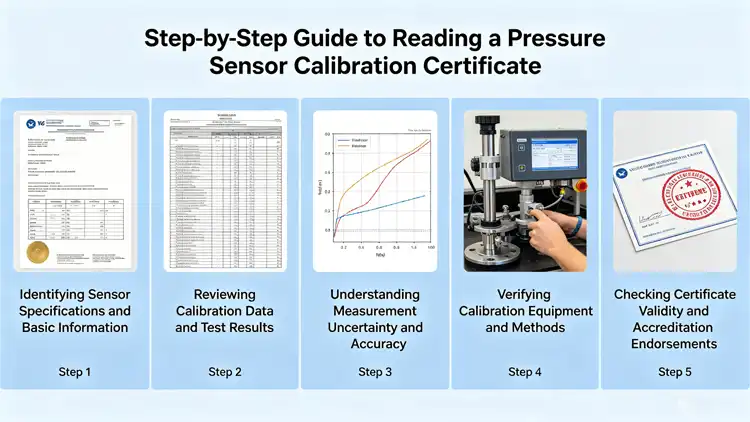
Identifying Sensor Specifications and Basic Information
First, make sure that the information in the part for identifying the gadget fits what was written in the buy order. To keep your records from getting mixed up, check the maker name, model number, and serial number against your records. Write down the date of calibration and use your working plan to figure out when it needs to be done again. Make sure that the sensor's accuracy class, rated pressure range, and output signal type all fit the needs of your application. This first check stops mistakes that cost a lot of money because the equipment specs don't match.
Reviewing Calibration Data and Test Results
The calibration data part shows real test results from a number of pressure places within the sensor's working range. Look at the table or graph that shows the applied standard pressures and the sensor outputs that go with them. Figure out or look over the deviation numbers that show how closely the sensor readings met the set standards. Smaller difference numbers show that the product was made with more clarity and quality. Pay attention to the precision features that show whether the sensor is accurate across the whole measurement range or has bigger errors at certain areas.
Understanding Measurement Uncertainty and Accuracy
The measurement error shows the range of values that are likely to be correct for each reading. It is usually given as a percentage of the full scale or in actual pressure units. Lower error numbers mean that the test is more accurate and the calibration is better. Tell the difference between accuracy standards, which list the highest errors that are allowed, and the measured performance that is written down in the certificate. Even if a sensor meets the requirements for its accuracy class, there may still be some room for error within the tolerance bands. Professionals in procurement should check to see if recorded unknown levels meet their goals for quality management or process control.
Verifying Calibration Equipment and Methods
The reference standards and measuring tools that were used during tests are listed on certificates that you can trust. Look for references to deadweight tests, pressure sensor calibration, pressure comparators, or automatic calibration tools that come with their own rules for error and calibration tracking. Best practices in metrology say that the reference tools should be at least three to four times more accurate than the sensor being measured. Knowing the method of calibration used—whether it's a human comparison or automatic digital testing—helps figure out how reliable and repeatable the results are.
Checking Certificate Validity and Accreditation Endorsements
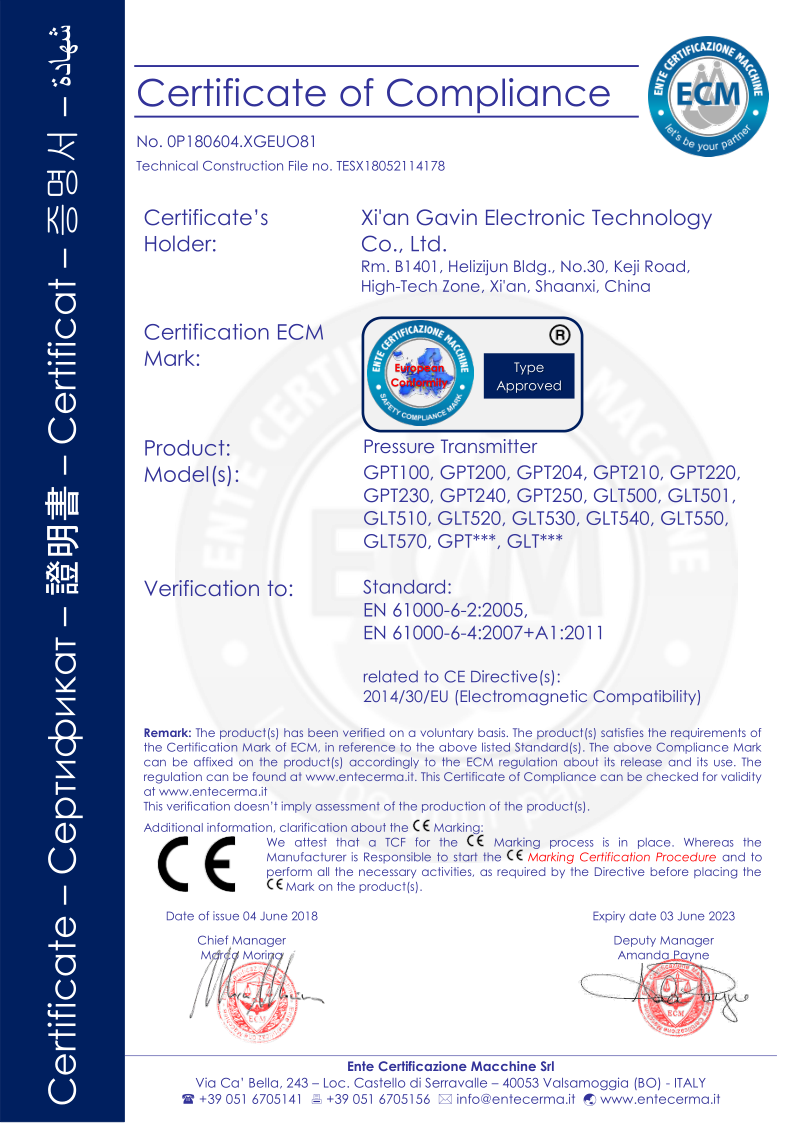
Check that the certificate clearly shows how long it is good for and how often it should be recalibrated based on the seriousness of the application and the surroundings. Check the document for marks of licensing bodies, certificate numbers, and information on approved signers to make sure it was given by a recognized testing laboratory.
Real certificates have information on how to get in touch with the lab that issued them, so that they can be checked if there are any questions. If there aren't any proper approval signs or clear permission information on the certificate, you should be worried about its trustworthiness and the accuracy of the measurements it gives.
Comparing Pressure Sensor Calibration Methods and Their Impact on Certificate Content
Manual Versus Automatic Calibration Processes
Technicians use reference levels and record sensor outputs by looking at them and entering the data by hand for manual calibration. This method works well, but it leaves room for human mistake and only samples a small number of data points. Automatic calibration systems use computers to create pressure and collect digital data, which lets them record more test points more consistently. Certificates from automatic processes usually have more detailed data tables and statistical analysis, which give buying teams a better understanding of how sensors work. Figuring out what method was used helps you figure out how confident you can be in the results that were recorded.
Digital Versus Analog Calibration Documentation
These days, digital calibration systems make documents with more information, like statistics metrics like standard deviation, measures of repetition, and hysteresis analysis. A lot of the time, these systems make graphs that show how straight and off-line the sensors are across the data range. If you use traditional analog testing, you might only get simple pass/fail results with not much data detail. Digital paperwork is more clear, which lets engineering teams do more in-depth research when comparing different providers or fixing problems with performance in the field.
Impact of Sensor Technology on Calibration Reporting
Different types of sensors, like capacitive, piezoresistive, or sprayed thin-film technologies, react differently to tuning steps. Most capacitive pressure sensors are very stable over long periods of time and don't change much in temperature. These qualities should be written down in detailed calibration papers.
The way the sensors are calibrated needs to take into account the unique properties of each technology, and the certificates should show the testing methods that are right for each type of sensor. Procurement professionals can make more accurate comparisons between different goods if they know how sensor technology affects how calibration data is presented.
Role of Calibration Software in Certificate Quality
Advanced calibration software makes sure that all reporting types are the same, does math automatically, and creates uniform paperwork for all sensors. This makes it easier to compare certificates and add them to tools for quality control. Software-driven testing cuts down on writing mistakes and makes sure that uncertainty calculations are done correctly. When looking at different providers, you should check to see if their calibration papers are based on new software-based processes that make them more reliable and look more professional, or on older manual paperwork methods that might have mistakes.
Common Challenges and Best Practices When Interpreting Calibration Certificates
Even buying workers with a lot of experience have trouble reading complicated pressure sensor calibration documents when they are rushed or when they don't understand the language.
Typical Pitfalls and How to Avoid Them
A common mistake that leads to wrong estimates of sensor fit is misinterpreting measurement uncertainty values. Some professionals make the mistake of seeing doubt as a flaw when, in reality, it is a normal part of all measuring processes. Another common mistake is not paying attention to the details of a lab's approval and taking certificates from unfit facilities that can't be tracked. If you rush through reviewing the certificate without comparing the test point coverage across the full range of the sensor, it can hide problems with how it works at key working pressures. These expensive mistakes can be avoided by taking the time to carefully look over each part of the certificate.
Verifying Laboratory Accreditation and Credentials
Always make sure that the testing lab is currently accredited by a well-known group like A2LA, NVLAP, or an international group that is similar. Make sure that the scope of the certificate covers pressure measurements in the accuracy levels and ranges that are important for your application. If you ask, reputable labs will gladly give you their approval certificates and scope papers. This step of checking makes sure that the testing paperwork is correct and not fake, which could hurt quality control programs and legal compliance.
Cross-Referencing Against Industry Standards
Check the information on the license against the standards that apply to your business, whether it's pharmaceuticals, petrochemicals, food preparation, or energy production. In different fields, accuracy standards and recommended testing intervals are different. Reference papers from groups like the International Society of Automation (ISA) or sector-specific regulatory bodies can be used to see if the performance of sensors meets practical needs. This practice of cross-referencing makes sure that choices about buying are in line with both technical needs and legal requirements.
Establishing Recalibration Schedules Based on Usage
Instead of being based on random time frames, calibration intervals should be based on real working conditions. Sensors that are in tough environments, high or low temperatures, or acidic media need to be re-calibrated more often than sensors that are kept in a safe lab environment. The certificate information should help you plan your maintenance by showing you how the performance stays stable and changes over time. Using the initial certificate data as a starting point, procurement professionals can set up risk-based testing plans that balance the accuracy of measurements with the cost of running the business.
How to Use Calibration Certificates in Procurement and Quality Control Decisions
In addition to just verifying devices, calibration papers are very useful tools that help with strategic purchasing and overall quality management.
Supplier Evaluation and Comparison
When looking at quotes from more than one provider, pressure sensor calibration certificates make it possible to compare performance objectively, not just based on price. Check to see if rival sensors have similar levels of measurement error and accuracy, or if big changes in performance are needed to support price differences.
Suppliers who offer thorough, well-designed certificates from recognized labs show that they care about quality, which is often linked to better customer service and reliable products. Instead of just looking at the cost of the original buy, this way of evaluating partners helps find ones that can support long-term supply chain relationships.
Integration into Quality Audit Processes
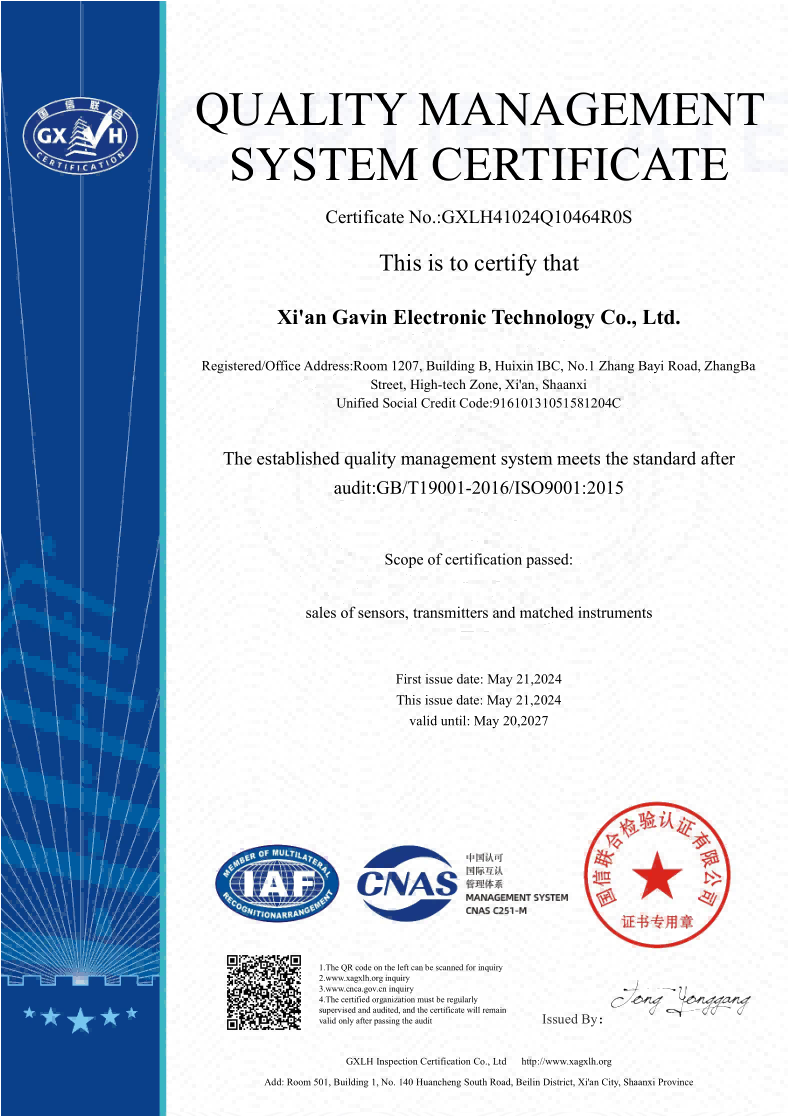
Reviewing the calibration certificate should be a part of both the initial checking process and the source audit process. Check that the sensors you received match the requirements of the license and that the paperwork you got meets the requirements of your quality management system. This combination shows internal stakeholders and external inspectors that proper care was taken, and it finds problems before sensors are used in production settings. Calibration certificates create documentation trails that help with meeting ISO 9001 and industry-specific quality standards. This makes quality assurance work better overall.
Cost-Quality Balance Considerations
By comparing the price of a sensor to its quality of calibration, you can find out what its real value is. If you buy cheap sensors with unclear calibration paperwork, they might cost you more in the long run because of mistakes in measurements, production complaints, or not following the rules set by regulators. On the other hand, high-end sensors with great calibration records might save money through longer periods of time between recalibration, higher stability, and fewer upkeep needs. When you look at certificates along with total cost of ownership figures, you can make smart purchasing choices that balance short-term budget concerns with long-term working efficiency.
Supporting In-House Calibration Programs
Companies that have their own calibration labs can compare their methods to the market calibration papers that come with sensors they buy. To find ways to make things better, compare measurement error, test point coverage, and writing standards. Knowing the details of certificates from well-known makers and calibration labs can help you decide if buying reference standards and calibration tools is a good idea. This sharing of knowledge improves the company's own skills and helps with making smart choices about which testing tasks to do in-house and which to send to specialized facilities.
Conclusion
Learning how to read a pressure sensor calibration certificate gives procurement workers the confidence to make choices based on facts that protect business purity and legal compliance. This guide lays out a step-by-step process for turning technical documents into strategic buying information. The steps include checking basic sensor specs, analyzing calibration methods, and using certificate data to evaluate suppliers.
When you know about measuring error, the importance of accreditation, and how the quality of testing varies between providers, you can effectively balance cost concerns with performance needs. These skills lower the risks of buying things, improve quality control, and help build relationships in the supply chain based on scientific knowledge rather than just marketing claims.
FAQ
How Often Should Pressure Sensors Be Recalibrated
Instead of having a set plan for all calibrations, the regularity relies on the seriousness of the application, the surroundings, and government rules. Sensors that work in safe lab settings might stay accurate for 24 months or longer. On the other hand, devices that are exposed to high temperatures, vibrations, or toxic materials may need to be re-calibrated every 6 to 12 months.
What Does Measurement Uncertainty Mean in Practical Terms
The confidence range around any sensor number is set by measurement uncertainty, which takes into account the fact that no measurement is perfect. A sensor that measures a 100-psi range and has a full-scale error of ±0.5% could be off by up to 0.5 psi from the real pressure. Less error means that the measurement is more accurate and the accuracy is better. Understanding uncertainty helps buying teams choose the right sensors for each job.
Why Must Calibration Certificates Come from Accredited Laboratories
Accredited labs are carefully checked to make sure that they meet international standards like ISO/IEC 17025 for scientific skill, measurement tracking, and quality management systems. This certification makes sure that testing data can be used anywhere in the world, are legal, and can be linked to national measurement standards. Facilities that aren't certified might not have the right reference equipment, trained staff, or controlled weather conditions, which could lead to testing data that isn't reliable and is rejected by quality inspectors or regulatory agencies.
Partner with GAMICOS for Certified Pressure Sensor Solutions
If you buy pressure sensors from companies that put a high value on accurate testing, you can be sure that your projects will start off with accurate sensors that will last for a long time. GAMICOS provides accurate pressure sensors with full calibration records that can be tracked back to international standards. This helps you meet your quality assurance needs from the time you buy the sensors until they are put to use. Our wide range of products, including sprayed thin-film sensors and wireless IoT-enabled pressure emitters, is used in energy, pharmaceutical manufacturing, industrial automation, and petroleum processes in North America and around the world.
As a well-known company that provides pressure sensor calibration certificates, we know the problems that engineering managers and buying workers face when they need to buy things. Through OEM and ODM services, GAMICOS can completely customize the sensor specs, transmission methods, and testing needs to fit your unique application needs.
Our expert support team helps you understand certificates, choose sensors, and figure out how to integrate them. This way, you can get the best measurement performance throughout the duration of your product. Get in touch with our experts at info@gamicos.com to talk about your pressure measurement needs and get full calibration documents that will help your quality control and source review.
References
1. International Organization for Standardization. (2017). ISO/IEC 17025: General Requirements for the Competence of Testing and Calibration Laboratories. Geneva: ISO Press.
2. National Institute of Standards and Technology. (2019). Guidelines for Pressure Measurement and Calibration. NIST Technical Publication Series.
3. ASTM International. (2020). ASTM E2624: Standard Practice for Torque Calibration of Testing Machines and Instruments. West Conshohocken: ASTM Standards.
4. Morris, A.S. & Langari, R. (2016). Measurement and Instrumentation: Theory and Application (2nd ed.). Oxford: Academic Press.
5. Liptak, B.G. (2018). Instrument Engineers' Handbook: Process Measurement and Analysis (5th ed.). Boca Raton: CRC Press.
6. International Society of Automation. (2021). ISA-51.1: Process Instrumentation Terminology. Research Triangle Park: ISA Publications.

Eva
Eva specializes in bridging the gap between cutting-edge sensor technology and market needs. With 8 years of experience in industrial product marketing, she has successfully launched multiple sensor product lines—from pressure transmitters to fuel level sensor—into global markets.
We're here to help — submit your request anytime!
Let us know how we can help solve your pressure level measurement challenge.
_1757930850792.jpg)
Recommended Blog
Guide to Intrinsically Safe & Explosion-Proof Pressure Transmitters
Advantages of Using Pressure Sensors in Industrial Automation
Pressure Transmitter Calibration: Field vs Bench Procedures
Overpressure & Burst Pressure Ratings for Pressure Sensors
Mitigating Pulsation, Water Hammer & Overpressure in Pumps
Guide to Intrinsically Safe & Explosion-Proof Pressure Transmitters
Advantages of Using Pressure Sensors in Industrial Automation
Pressure Transmitter Calibration: Field vs Bench Procedures
Overpressure & Burst Pressure Ratings for Pressure Sensors
Mitigating Pulsation, Water Hammer & Overpressure in Pumps