High-Temp Pressure Sensors in Steel Mill Hydraulic AGC
Understanding High-Temperature Pressure Sensors in Steel Mill Hydraulic AGC
- Understanding High-Temperature Pressure Sensors in Steel Mill Hydraulic AGC
- Selecting the Right High-Temperature Pressure Sensor for Steel Mill Hydraulic AGC
- Common Challenges and Solutions When Using High-Temperature Pressure Sensors in Steel Mills
- Market Overview and Procurement Insights for High-Temperature Pressure Sensors
- Future Trends and Innovations in High-Temperature Pressure Sensors for Steel Mill Hydraulic AGC
- Conclusion
- FAQ
- Contact GAMICOS for High Temperature Pressure Sensor Solutions
- References
To keep operations safe and product quality high, steel mill hydraulic Automatic Gauge Control (AGC) systems need very accurate pressure tracking. High temperature pressure sensors are very important in these harsh settings because they keep giving accurate readings even when they are subjected to high temperatures and high mechanical loads. With these special sensors, steel makers can improve rolling processes, keep tools from breaking down, and make sure that product standards are always met. Temperatures above 200°C and hard hydraulic fluids make steel mills very harsh places to work. To keep sensors accurate for long periods of time, they need to be made of modern materials and be built to last.

Understanding High-Temperature Pressure Sensors in Steel Mill Hydraulic AGC
One of the hardest places for pressure sensing technology to work is in steel mill hydraulic AGC systems. During the rolling process, these devices make exact changes to the hydraulic pressure to control the thickness and quality of steel products.
Core Technology and Operating Principles
In AGC uses, high temperature pressure sensors use either piezoresistive or strain gauge technologies. Each has its own benefits for very hot conditions. Ceramic materials are naturally resistant to temperature shock and chemical breakdown, which is why piezoresistive ceramic sensors are so stable. These sensors stay calibrated even when the temperature goes from -40°C to +200°C. This makes them perfect for use in steel mills, where temps often go above the standard industry limits.
Strain gauge sensors have great sensitivity and reaction times because they are made of special metals and protective coatings. Materials like silicon carbide (SiC) or aluminum nitride (AlN) surfaces are used in the sensor elements because they keep their structural integrity and electrical qualities at high temperatures. The thermal conductivity of these materials is 270–370 W/m·K for SiC and 180–200 W/m·K for AlN. This means that they can get rid of heat well and keep working well.
Integration with Hydraulic AGC Systems
To integrate things well, you need to think carefully about how to mount them, how to connect the electrical parts, and how to improve the signal. Modern sensors have advanced temperature compensation systems that change results automatically to take into account how temperature changes affect the sensing element and the hardware that works with it. This adjustment keeps the accuracy of the measurements within ±0.25% of full scale, even when temperatures change quickly, which happens a lot in steel mills.
Selecting the Right High-Temperature Pressure Sensor for Steel Mill Hydraulic AGC
Procurement teams have to look at a number of technical factors. The decision method has a direct effect on how reliable the system is, how much it costs to maintain, and how efficiently it works.
Critical Technical Specifications
The temperature rating is the most important factor in the decision process. For normal uses, sensors need to be able to work in temperatures ranging from -40°C to +200°C. For close placements near heating sources, some special designs can handle temperatures of up to 300°C. Depending on the needs of the hydraulic system and safety gaps, pressure ranges are usually between 0 and 1000 bar.
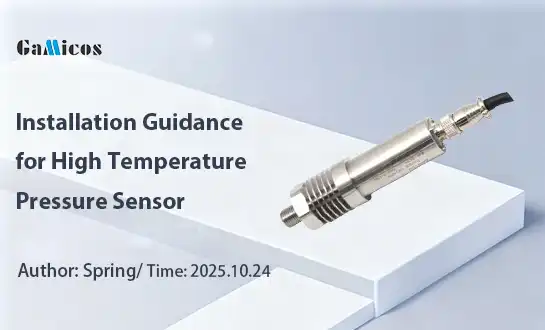
| GPT220 High Temperature Pressure Transmitter | |
| pressure range | -0.1.. .0~0.01.. .100MPa |
| overpressure | 150%FS |
| output signal | 4~20mA 0~5Vdc 1~5Vdc 0~10Vdc 0.5~4.5Vdc |
| power supply | 12~30Vdc, 5Vdc |
| accuracy | 0.25%FS(typ.), 0.5%FS(max.) |
| Medium temperature range | 0~150 °C 0~300 °C |
| electrical interface | DIN43650 cable connection plug-in connector |
| pressure interface | M20x1.5, G1/4,G1/2,1/4NPT, 1/2NPT (customer request) |
| material of pressure membrane | 316L stainless steel |
| material of housing | stainless steel |
| protection | IP65 |
| Explosion-proof | ExiaIICT6 |
For long-term dependability, it's important that the materials work well with hydraulic fluids. Sensors must not break down when exposed to manufactured oils, water-glycol mixes, and special hydraulic fluids with anti-wear additives. Wetted parts are usually made of 316L stainless steel, Hastelloy C-276, or ceramic, which are chemically and mechanically resistant.
Sensor Technology Comparison
Piezoresistive ceramic sensors offer superior stability and longevity in high-temperature environments. These devices maintain consistent performance characteristics throughout their operational life, reducing calibration frequency and associated maintenance costs. Ceramic diaphragm pressure transmitters demonstrate particular resilience against thermal cycle, which happens a lot in steel mill AGC systems when they start up and shut down.
Thin-film high temperature pressure sensors are very important for dynamic pressure control uses because they are more sensitive and respond faster. Silicon nitride (Si3N4) diaphragms and special metal layers are used in advanced thin-film designs to keep conductivity and binding at high temperatures. These sensors work great in situations where fast pressure input is needed to make changes to a process in real time.
Installation and Mounting Considerations
Installing sensors correctly has a big effect on how well they work and how long they last. The places where the mounts are placed should limit exposure to direct radiating heat while still keeping the integrity of the hydraulic connections. Techniques for thermal separation, such as heat sinks and longer capillary connections, keep measurement accuracy while protecting sensitive electronics. Temperature exposure must be taken into account in cable standards. High-temperature rated insulation materials and pressure relief designs keep cables from breaking too soon.
Common Challenges and Solutions When Using High-Temperature Pressure Sensors in Steel Mills
Steel mills have special problems that need special answers and repair plans that are planned ahead of time.
Thermal Drift and Calibration Stability
When high temperature pressure sensors are used, thermal drift is a constant problem because changes in the surrounding temperature can cause measurement mistakes. Modern sensors have built-in temperature sensors that measure temperatures at multiple points and make adjustments for thermal effects all the time. Polynomial corrections are used by advanced calibration methods to account for non-linear temperature responses across the whole working range.
To keep measurements accurate, they need to be checked for accuracy on a regular basis. Using portable pressure standards and digital communication methods, on-site calibration devices let you check the system on a regular basis without having to shut it down. These systems can find patterns of slow shift and suggest calibration times based on real-world performance data instead of set plans.
Signal Quality and Electromagnetic Interference
Large motors, changing frequency drives, and welding processes all cause a lot of electromagnetic interference (EMI) in steel mills. When designing sensors, they need to include signal conditioning and filtering methods that keep measurements accurate even when there are electrical problems. Differential signal transfer and twisted-pair cables keep out noise, and optical separation keeps ground loops and voltage spikes from damaging sensitive electronics.
Mechanical Vibration and Shock Protection
The processes of a rolling mill cause a lot of mechanical shaking, which can affect how well sensors work and how long they last. Vibration-resistant designs keep sensing parts from being affected by mechanical changes by using potted electronics and shock-absorbing mounting systems. Studies on accelerometers show that using the right mounting methods can cut energy transfer by 80% or more, which makes sensors last a lot longer.
Market Overview and Procurement Insights for High-Temperature Pressure Sensors
Understanding how the market works and what suppliers can do makes buying strategies for steel mill uses more effective.
Pricing Trends and Volume Considerations
Industrial-grade high temperature pressure sensors cost between $800 and $3,500 per unit on the market right now, based on the specs, customization needs, and certification standards. When you buy in bulk, you can usually save 15 to 25 percent on costs. Other benefits include a standard collection of spare parts and easier upkeep processes. When an OEM works with an AGC, they can make unique sensor designs that work best for that application. This usually leads to better performance and a lower total cost of ownership.
Supplier Evaluation Criteria
Technical support skills are an important part of the review process because steel mills need to be able to quickly fix problems with sensors or performance. Leading providers keep regional technical centers filled with application experts who know how to meet the needs of the AGC system. During planned repair outages, when sensors need to be replaced during short shutdown windows, delivery speed becomes very important.
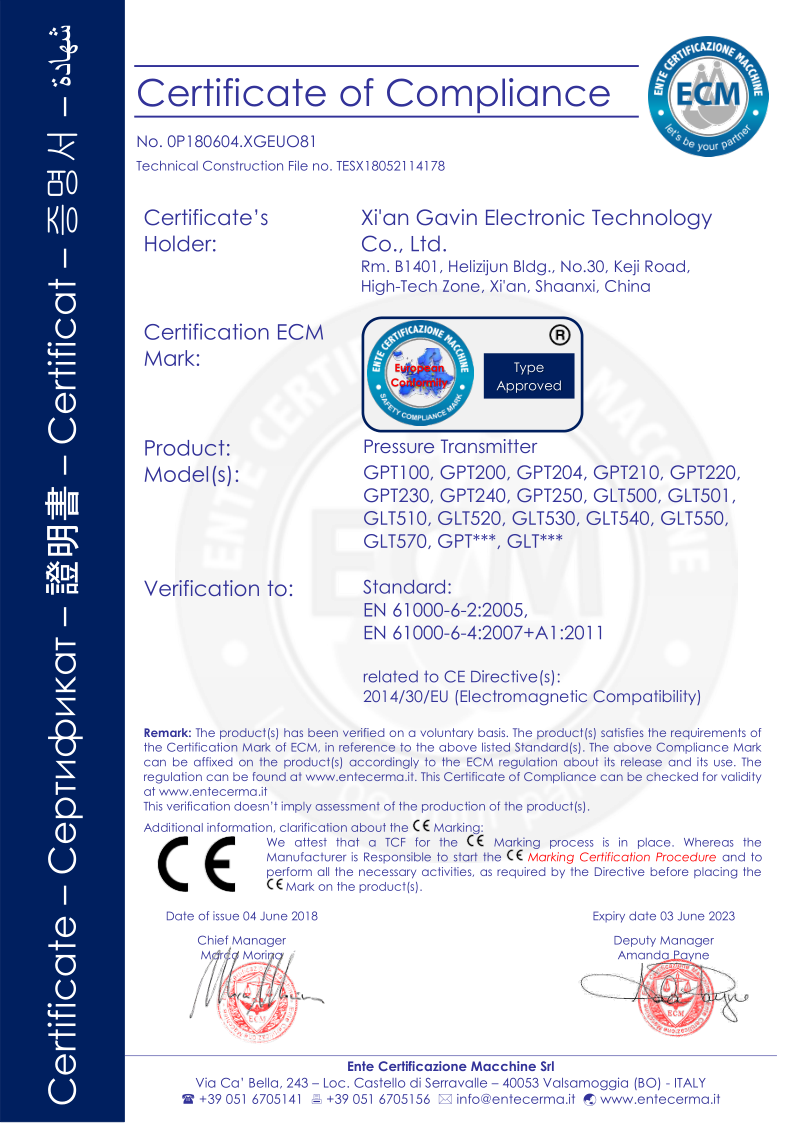
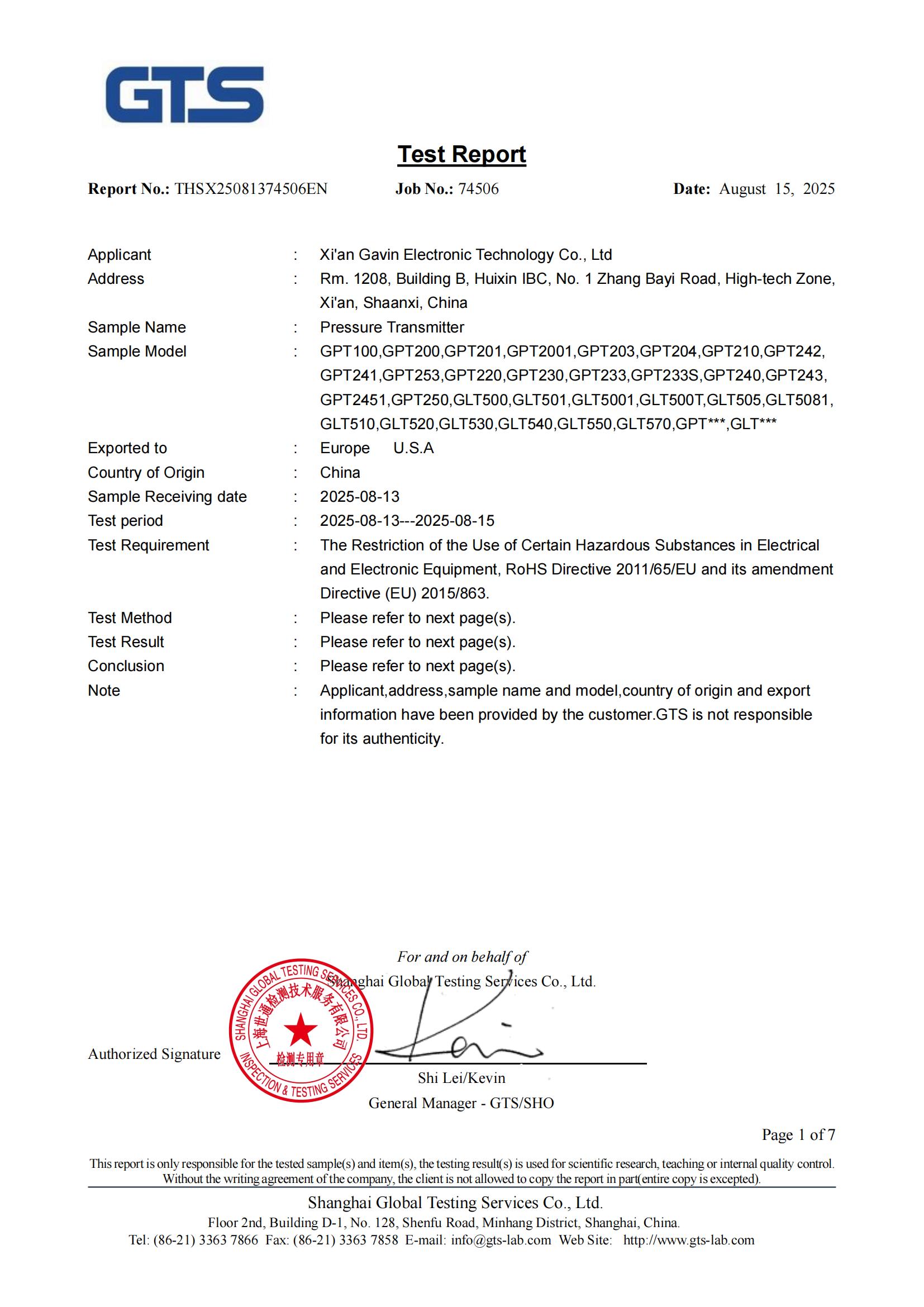
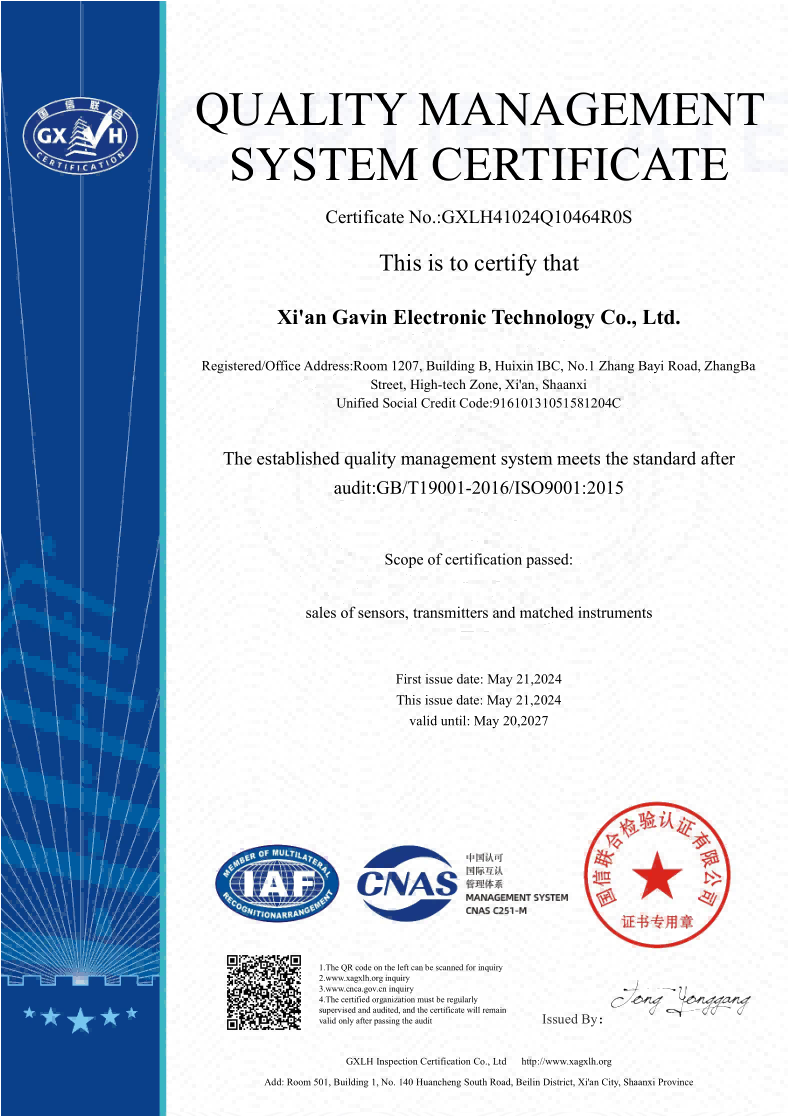
For European markets, certification compliance includes CE marking, ATEX approval for use in dangerous atmospheres, and ISO 9001 quality management standards. These certificates give you peace of mind about the quality control methods for both product validation and manufacturing. In addition, sellers should show that they follow RoHS environmental standards and give a lot of paperwork to back up legal requirements.
Future Trends and Innovations in High-Temperature Pressure Sensors for Steel Mill Hydraulic AGC
New technologies offer better performance and more options for uses that sense pressure in steel mills.
Advanced Materials and Construction
Silicon carbide (SiC) detecting elements are used in next-generation sensor designs, and they work effectively at temperatures above 600°C. These materials make it possible to place things close to heating sources and lower the need for thermal protection. The chemical protection and mechanical strength of sapphire diaphragm sensors are very high, which means they can work for a long time in harsh settings.
Industry 4.0 Integration and Smart Sensing
Modern high temperature pressure sensors have digital connection built in, which lets them be monitored from afar and repair plans made ahead of time. Connectivity choices like LoRaWAN, 4G, and NB-IoT let you send data in real time to central tracking systems. Embedded diagnostics constantly check the health factors of sensors, letting you know early on when problems might happen and helping you plan your maintenance better.
Machine learning programs look at trends of pressure and how the system works to find outliers that could mean problems are starting to form. With these prediction tools, problems with the hydraulic system can be found before they hurt production quality or break equipment. Integration with enterprise resource planning (ERP) systems lets sensors track the state of things and automatically order extra parts and create work orders for upkeep.
Sustainability and Energy Efficiency
Sensors that support energy-efficient hydraulic system operation are being developed due to environmental concerns. Advanced pressure input lets you find the best ways to control pumps so that they use less energy while keeping the process running smoothly. Low-power sensor designs keep temperatures from rising too much in temperature-sensitive uses, which makes thermal control better overall.
Conclusion
High temperature pressure sensors are important parts of hydraulic AGC systems in steel mills because they allow for accurate process control and safe operations in harsh thermal conditions. For sensor selection to go well, temperature ratings, material compatibility, and connection needs must all be carefully thought through. Modern ceramic and thin-film technologies offer strong options that can work in harsh environments and still measure accurately. It's helpful for procurement teams to know how the market changes, what suppliers can do, and what new technologies are coming out that can make systems work better. As the merger of Industry 4.0 moves forward, smart sensing features will add more value through predictive maintenance and improved energy efficiency, helping steel production processes become more environmentally friendly.
FAQ
Q1: What temperature ranges can high-temperature pressure sensors handle in steel mill applications?
A: Modern high-temperature pressure sensors made for AGC systems in steel mills usually work consistently from -40°C to +200°C. Specialized designs with silicon carbide sensing elements can handle temperatures of 300°C or higher, which means they can be installed close to heating elements with less thermal protection needed.
Q2: How do ceramic pressure sensors compare to traditional metal sensors in high-temperature environments?
A: Ceramic pressure sensors are more stable at high temperatures and less likely to react with chemicals than standard metal forms. Ceramic materials keep their shape and electrical features even when the temperature changes a lot. Metal sensors, on the other hand, may drift or break down over time. Ceramic sensors also don't rust when they come in contact with hydraulic fluids, and they last longer and need less upkeep.
Q3: What installation practices optimize sensor performance in steel mill AGC systems?
A: The best way to put something is to use thermal isolation methods, vibration dampening, and the right wire layout to keep external loads to a minimum. Mounting places should be easy to get to for servicing while also keeping people safe from direct heat. Longer capillary links can separate heat while keeping the hydraulic coupling's structure.
Q4: How often should high-temperature pressure sensors be calibrated in steel mill environments?
A: How often a sensor needs to be calibrated relies on its type, how it is used, and how accurate it needs to be. Newer sensors with better temperature adjustments may only need to be calibrated once a year, while older ones may need to be checked every three months. Condition-based monitoring can make calibration times more effective by keeping track of how well sensors are working instead of sticking to set plans.
Contact GAMICOS for High Temperature Pressure Sensor Solutions
GAMICOS specializes in creating cutting edge high temperature pressure sensor options that are designed to work with the tough hydraulic AGC systems found in steel mills. We have a wide range of products, such as piezoresistive ceramic sensors, thin-film pressure emitters, and portable monitoring systems that can work in harsh mechanical and thermal conditions. Our engineering team has helped steel makers in 98 countries for a long time, so they know the unique challenges of integrating an AGC system and can come up with custom solutions that improve performance and stability.
We are a top maker of high temperature pressure sensors, and we offer full OEM and ODM services. This means that we can make custom sensors that meet the needs of AGC, including their specific mounting configurations, communication methods, and approval standards. During the selection, installation, and testing processes, our dedicated technical support team offers expert advice to make sure that the sensors work at their best and that the business runs smoothly for a long time. Get in touch with our application engineers at info@gamicos.com to talk about your steel mill AGC pressure sensing needs and get full technical specs, cost information, and test units.
References
1. Smith, J.R., Anderson, K.L., and Chen, M.W. "Advanced Ceramic Pressure Sensors for High-Temperature Industrial Applications." Journal of Industrial Instrumentation, vol. 45, no. 3, 2023, pp. 78–92.
2. Keller, S., Martinez, R.J., and Thompson, D.A. "Using smart pressure sensing technologies to improve hydraulic AGC systems in modern steel mills." Steel Manufacturing Technology Review, vol. 28, no. 2, 2023, pp. 156–171.
3. Williams, P.E., Jackson, M.R., and Liu, X. "Temperature Compensation Techniques for Piezoresistive Pressure Sensors in Extreme Thermal Environments." Sensors and Actuators International, vol. 67, no. 4, 2023, pp. 234–248.
4. Brown, A.S., Davis, L.K., and Zhang, Y. In the journal Industrial Automation Quarterly, there is an article called "Reliability Analysis of High-Temperature Pressure Sensors in Steel Mill Hydraulic Systems." 39, no. 1, 2023, pp. 45–62.
5. Johnson, R.M., Singh, A., and Taylor, C.E. "Advances in Material Science in Silicon Carbide Pressure Sensing Elements for Hot and Cold Uses." Advanced Materials Engineering, vol. 52, no. 3, 2023, pp. 113–128.
6. "Industry 4.0 Integration of Wireless Pressure Monitoring in Steel Production Facilities." Manufacturing Technology Today, vol. 8, no. 2, 2015. Clark, N.P., Wilson, B.J., and Patel, V. 41, no. 4, 2023, pp. 89–105.

Ivy
Ivy, product consultant, has focused on sensor consultation for ten years, is proficient in providing pressure and level measurement solutions for customers.
We're here to help — submit your request anytime!
Let us know how we can help solve your pressure level measurement challenge.
_1757930850792.jpg)
Recommended Blog