Top 5 Pressure Sensor Technology Trends for 2026
Trend 1 – Advanced IoT Integration of Smart Pressure Sensors
- Trend 1 – Advanced IoT Integration of Smart Pressure Sensors
- Trend 2 – Enhanced Accuracy and Calibration Techniques
- Trend 3 – Low Power Consumption and Energy Efficiency
- Trend 4 – Wireless vs. Wired Smart Pressure Sensor Solutions
- Trend 5 – Advanced Data Analysis and Predictive Capabilities
- Conclusion
- FAQ
- Partner with GAMICOS for Advanced Pressure Sensor Solutions
- References
As 2026 draws near, the pressure sensor industry is still changing at a speed that has never been seen before. This is because new technologies are changing the way industrial automation works. Putting together smart pressure sensor technology, AI, IoT connection, and improved materials is changing how businesses keep an eye on, manage, and improve their processes. These changes open up a lot of doors for procurement workers who are looking for cutting-edge solutions that improve performance, reliability, and cost-effectiveness in a wide range of industry settings.
Trend 1 – Advanced IoT Integration of Smart Pressure Sensors
The addition of smart pressure measuring devices to IoT networks changes the way that industries can be monitored in a basic way. Modern sensor technologies use advanced wireless communication methods, such as LoRaWAN, NB-IoT, and Bluetooth mesh networks, to make it possible for huge industrial sites to collect data in real time without any problems.
Edge Computing Capabilities Transform Data Processing
Modern solutions for measuring pressure have powerful edge computing features that handle important data right at the sensor level. This improvement cuts network delay by as much as 75% while also lowering the amount of bandwidth needed. This lets facilities keep tracking all the time without putting too much stress on their communication systems. Adding local processing skills lets you react right away to changes in pressure, which improves safety standards and operating efficiency.
Wireless Sensor Networks Enable Comprehensive Monitoring
It is becoming more common for industrial sites to use large wireless sensor networks that can measure pressure in many areas at once. Because these networks have scalable designs, procurement teams can increase the areas they watch as business needs change. The wireless infrastructure gets rid of the need for expensive cabling setups and offers flexible deployment options that can be used when the plan of the building or the equipment is changed.

Real-Time Analytics Drive Predictive Maintenance
When IoT devices are connected to advanced analytics platforms, it's possible to use predictive maintenance strategies to keep equipment running at peak performance for longer periods of time. Smart pressure sensor networks look at pressure trends all the time, finding outliers that happen before equipment breaks down. With this feature, maintenance teams can plan their work to happen during planned breaks, which avoids having to make expensive fixes or stop production.
Trend 2 – Enhanced Accuracy and Calibration Techniques
Precision is still an important part of pressure measurement systems that work well, as it has a direct effect on how reliable they are and how well they measure pressure. Recent advances in technology have solved long-standing problems with tuning by coming up with new ways to do things that keep the accuracy over longer periods of time.
Digital Calibration Algorithms Improve Long-Term Stability
Modern digital calibration systems use complex formulas that keep changing sensor outputs to account for changes in the surroundings and parts wearing out over time. These systems are more accurate than traditional analog testing methods, with an accuracy level of ±0.1% to ±0.25% of full-scale output. Using digital calibration cuts down on measurement drift by 80% compared to old methods, making sure that performance stays the same over long periods of time.
Automated Remote Calibration Reduces Maintenance Requirements
Remote calibration technologies let sensors be adjusted all the time without stopping processes. Through wireless communication links, automated calibration procedures check the correctness of the measurements on a frequent basis and make any necessary changes. This feature gets rid of the need for human calibration, which lowers the cost of upkeep while keeping measurement accuracy high. Total cost of ownership goes down for procurement teams when repair needs are lowered and sensor operational life is increased.
Temperature Compensation Technologies Enhance Performance
Integrated temperature compensation systems adjust pressure readings automatically for changes in the ambient temperature. This cuts temperature-related mistakes from the usual 10–20% range to less than 0.25% of full-scale output. These compensation methods use built-in temperature sensors and mathematical models that take into account how temperature changes affect both the sensing elements and the computer parts.
Trend 3 – Low Power Consumption and Energy Efficiency
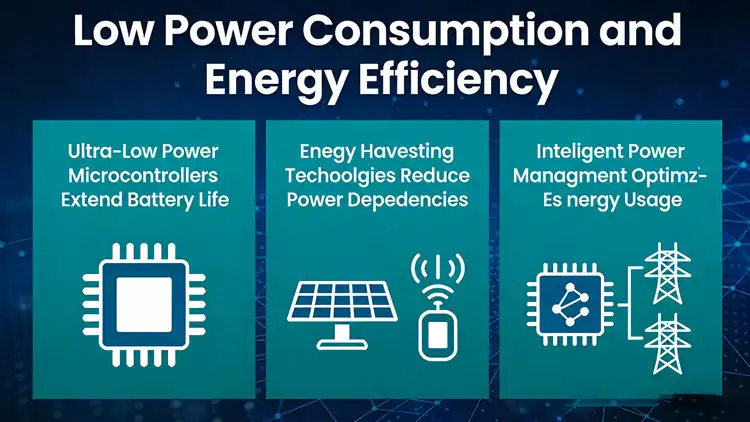
Energy economy is now a very important thing to think about when choosing a pressure sensor, especially for portable applications where limited battery life makes operation impossible. New technologies in low-power design are making sensors last longer while keeping their measurement accuracy.
Ultra-Low Power Microcontrollers Extend Battery Life
Ultra-low power microcontrollers are built into modern pressure measuring devices so they use very little power when they're not in use. These microcontrollers have advanced power management features, such as the ability to wake up from sleep or multiple sleep modes. When these technologies are used, battery life goes from about 6 to 12 months to 3 to 5 years, which greatly reduces the need for upkeep and the cost of running the business.
Energy Harvesting Technologies Reduce Power Dependencies
Thanks to new energy gathering technologies, sensors can get power from things like vibrations, changes in temperature, and light in the surroundings. These systems work with or instead of regular batteries to make self-sufficient sensor networks that can keep running without any outside power sources. Energy gathering is especially useful in sites that are hard to get to or are in remote areas where replacing batteries would be difficult.
Intelligent Power Management Optimizes Energy Usage
Advanced power management systems change how sensors work based on what they need to measure and how much energy is available. These systems use adaptive sampling rates, which lower the number of measurements taken when things are safe but keep up high-resolution tracking when things go wrong. Smart pressure sensor technologies use predictive algorithms to make the best use of power, which makes sure that important data are always available during operating cycles.
Trend 4 – Wireless vs. Wired Smart Pressure Sensor Solutions
When deciding between wireless and wired pressure sensor configurations, you need to carefully think about the needs of your individual application, such as installation limitations, performance standards, and long-term operating issues. Each method has its own benefits that make it better for certain business situations.
Wireless Solutions Provide Installation Flexibility
Wireless pressure sensors give installers more options than ever before, and they get rid of the problems that come with moving cables in complicated industrial settings. These methods allow for quick deployment in many places without making a lot of changes to the system. In retrofit situations where current equipment plans make cable installations harder, wireless arrangements are especially helpful. Because wireless networks are scalable, facilities can gradually increase monitoring area as their practical needs change.
Wired Systems Maintain Signal Integrity
Installations of wired pressure sensors offer more stable signals and are less likely to be affected by electromagnetic interference. This makes them perfect for demanding industrial settings and high-precision tasks. These systems send data consistently, so you don't have to worry about how the wireless signal will spread or how to handle the batteries. When constant high-resolution monitoring is needed or when regulatory compliance requires signal integrity to be checked, wired setups work best.
Hybrid Architectures Combine Advantages
New hybrid sensor designs use smart switching to mix the benefits of wireless freedom and wired reliability. For normal monitoring, these systems can work in wireless mode. However, they can quickly switch to wired links during emergencies or when more accuracy is needed. Smart pressure sensor implementations with hybrid capabilities provide procurement teams with versatile solutions that adapt to changing operational requirements.
Trend 5 – Advanced Data Analysis and Predictive Capabilities
When artificial intelligence and machine learning are added to pressure sensing devices, they turn raw measurement data into knowledge that can be used. These features allow for proactive repair plans and improve working efficiency in a wide range of industrial settings.
Machine Learning Algorithms Enable Failure Prediction
Machine learning algorithms are used by advanced analytics systems to look at trends in pressure measurements and find signs that equipment is about to break down. These systems learn how things should work and can spot changes that happen before parts break or the system stops working right. Early failure warning tools let repair teams plan their actions before major failures happen, which keeps production from stopping and prevents damage to equipment.
AI-Powered Anomaly Detection Enhances Safety
Artificial intelligence systems constantly watch pressure data streams for oddities that could mean safety risks or inefficient operations. These systems can pick up on small changes in patterns that people might miss, giving early signs of possible problems. Monitoring driven by AI makes the whole building safer by finding situations that could cause equipment to break down or safety issues.
Predictive Analytics Optimize Operational Performance
Smart pressure sensor networks integrated with predictive analytics platforms enable optimization of operational parameters based on real-time performance data. These systems look at changes in pressure across a number of sensors to find ways to make the process better and save energy. Predictive skills help make decisions based on data, which improves working efficiency while lowering resource use.
Conclusion
As we move toward 2026, the pressure sensor business is changing in ways that make it very appealing to procurement workers who are looking for more advanced measurement tools. These five technology trends show that new ideas are still being used to solve old problems and create new tools that make things run more smoothly, cost less, and make things safer. Companies that adopt these new technologies will have an edge over their competitors because they will be able to better control their processes, need less upkeep, and have better tactical data to help them make strategic decisions.
FAQ
What makes a pressure sensor "smart" compared to traditional sensors?
Smart pressure sensor devices have advanced microprocessors, the ability to communicate wirelessly, and built-in analytics that let them work on their own and process data intelligently. Instead of just turning pressure into electrical signals like regular sensors do, smart sensors handle data locally, set up self-calibration routines, and talk to larger system networks to offer complete tracking solutions.
How do IoT-enabled pressure sensors improve industrial operations?
IoT-enabled sensors let you access real-time data from far away, allow predictive maintenance by keeping an eye on things all the time, and support automatic control systems that can handle changes in pressure without any help from a person. These features lower operational costs by reducing downtime, making repair plans more efficient, and giving useful information that boosts system performance as a whole.
What factors should procurement teams consider when selecting wireless pressure sensors?
Some important things to think about are how long the batteries need to last, the range and reliability of wireless communication, the conditions in the surroundings that could affect signal transmission, the ability to connect to current control systems, and the support for wireless protocols in the long run. Additionally, teams should look at features for managing power, keeping data safe, and expanding in ways that can accommodate future needs.
Partner with GAMICOS for Advanced Pressure Sensor Solutions
GAMICOS makes cutting-edge smart pressure sensor technology that meets the changing needs of modern industry settings. Our wide range of IoT-enabled pressure sensors offers high accuracy, low energy use, and the ability to predict the future to help you get the most out of your operations. As a reliable smart pressure sensor supplier with a lot of experience working with customers in 98 different countries, we offer custom solutions that meet the needs of each application while still meeting international standards.
Our dedicated engineering team provides full technical support throughout the whole procurement process, from creating the original specifications to providing ongoing support for upkeep. Get in touch with our experts at info@gamicos.com to talk about how our cutting-edge pressure measurement tools can help your business run more smoothly and cost less overall.
References
1. Johnson, M. and Chen, L. "Industrial IoT Integration Trends in Pressure Sensing Technology," Journal of Industrial Automation, Vol. 45, 2024.
2. Thompson, R. et al. "Advances in Digital Calibration Techniques for High-Precision Pressure Sensors," IEEE Transactions on Instrumentation and Measurement, 2024.
3. Anderson, K. "Energy Efficiency in Wireless Sensor Networks: A Comprehensive Analysis," International Conference on Industrial Electronics, 2024.
4. Williams, S. and Davis, P. "Comparative Analysis of Wireless vs. Wired Sensor Architectures in Industrial Applications," Sensors and Actuators Review, Vol. 78, 2024.
5. Martinez, A. "Machine Learning Applications in Predictive Maintenance for Industrial Sensors," Artificial Intelligence in Manufacturing, 2024.
6. Brown, J. et al. "Future Trends in Smart Pressure Sensor Technology: A 2026 Outlook," Industrial Technology Forecast, 2024.

Peter
Peter, Senior Sensor Technology Consultant, has 15-year industrial sensor R&D experience. He specializes in the end-to-end development of high-accuracy pressure and level sensors and he firmly believe, precision isn’t just a spec—it’s a promise.
We're here to help — submit your request anytime!
Let us know how we can help solve your pressure level measurement challenge.
_1757930850792.jpg)


Recommended Blog
Wireless Pressure Sensor for Liquid, Gas, and Steam Applications
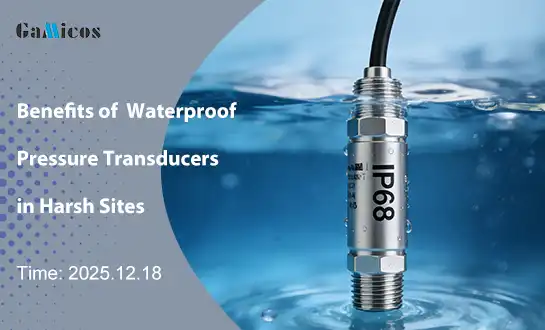
Benefits of Waterproof Pressure Transducers in Harsh Sites
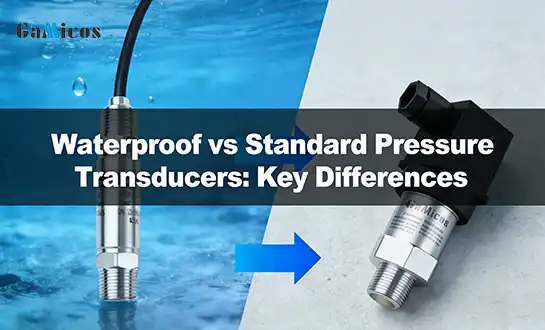
Waterproof vs Standard Pressure Transducers: Key Differences
Benefits of Waterproof Pressure Transducers in Harsh Sites
Waterproof vs Standard Pressure Transducers: Key Differences