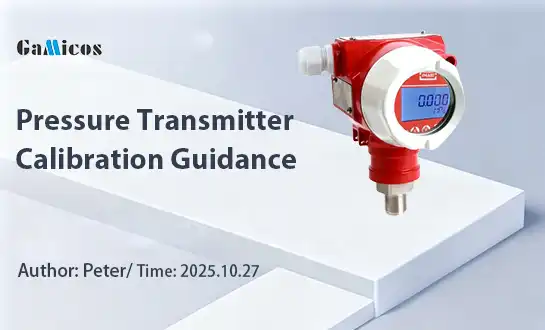
Pressure Sensor Installation: 10 Rules to Avoid Errors
Understanding Pressure Sensor Installation: Foundations and Common Pitfalls
- Understanding Pressure Sensor Installation: Foundations and Common Pitfalls
- 10 Essential Rules for Error-Free Pressure Sensor Installation
- Comparing Installation Methods and Solutions for Different Industries
- Tips for Procurement Managers: Choosing the Right Pressure Sensor Installation Partner
- Conclusion
- FAQ
- Partner with GAMICOS for Expert Pressure Sensor Installation Solutions
- References
Successful pressure sensor installation requires meticulous attention to detail and adherence to proven methodologies that prevent costly operational failures. Whether you're managing industrial automation projects or upgrading measurement systems, proper installation techniques directly impact measurement accuracy, system reliability, and long-term performance. Common installation challenges include improper mounting procedures, incorrect wiring configurations, and inadequate environmental protection, all of which can lead to measurement drift, premature component failure, and unexpected downtime that affects your bottom line.
Understanding Pressure Sensor Installation: Foundations and Common Pitfalls
To keep track of how much force is being put on different parts of an industrial system, measuring tools are added. This is called pressure sensor installation. With these high-tech tools, changes in pressure are turned into electrical messages. Because of this, they can be used for real-time tracking in many places, from car companies to chemical plants.
Fundamental Sensor Technologies in Industrial Applications
Today, there are three main types of sensors used to measure pressure. Each one is good for a different job. Strain gauge sensors use mechanical deformation to find out how much an object's size changes when the pressure changes. When there is a lot of pressure, like when chemicals and oils are being processed, these tools work great. When the pressure changes, ceramic diaphragms in capacitive sensors change the amount of capacitance between the electrodes.
Because of this, the sensors are very exact and can be used to process food and drugs. When pressure is put on piezoelectric sensors, they make electrical charges that are tied to the pressure. So, they are great for measuring how pressure changes in places where cars are being tested. Procurement managers can choose the best sensors for their operations and make sure they work with existing control systems if they know about these technologies.
Critical Installation Errors That Compromise Performance
People often mess up the installation process because they aren't ready or are moving too quickly through the steps. The sensor being put in the wrong way is one of the most common mistakes. This is especially true when sensors need to be placed in a certain way in relation to pressure sources. Voids during installation can hurt delicate parts inside, and if the seals aren't tight enough, electrical connections can corrode.
When you mess up the wiring, you can get signal confusion and measurement errors that might not show up right away but hurt the system's performance over time. It gets worse because of baseline drift if you don't do the original calibration steps. This affects all future readings. These issues show how important it is to follow the maker's directions and set up things in a neat way.
10 Essential Rules for Error-Free Pressure Sensor Installation
Structured installation instructions make sure that sensors work at their best for their whole useful lives and greatly reduce the number of mistakes that happen. From the beginning of planning to the end of testing the system, these general rules cover a lot of important ground. Proper pressure sensor installation is a key part of this process, ensuring that the sensors perform accurately and reliably over time.
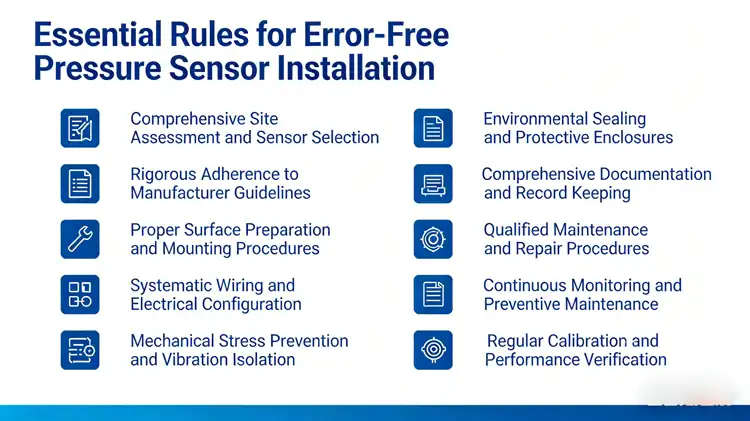
Rule 1: Comprehensive Site Assessment and Sensor Selection
You should take a close look at the area before starting any installation work. Check the installation sites' temperature ranges, the risk of chemical exposure, and the amount of vibration. Check that the sensor's specs exactly match the job. Pay attention to the pressure ranges, the accuracy limits, and how well the output signal works with the control systems that are already in place. Write down information about the surroundings and the sensors' abilities so you know how they should work.
Rule 2: Rigorous Adherence to Manufacturer Guidelines
There are important installation factors in manufacturer specs that have been honed through a lot of testing and confirmation. Carefully read all the instructions before you start installing. Pay special attention to the torque needs, electricity needs, and environmental limits. When these rules are broken, the promise is often thrown out, and performance drops that aren't clear at first but are after some use.
Rule 3: Proper Surface Preparation and Mounting Procedures
Before installation can happen, the area has to be clean, level, and free of any junk that could create stress points or uneven pressure distribution. Use the gaskets and other closing materials that the manufacturer suggests to stop leaks and keep the screws from being too tight, which can damage the sensor housings. Make sure that the corrosion that will be in the work area won't hurt the mounting parts.
Rule 4: Systematic Wiring and Electrical Configuration
It is very important to keep the data cables away from the power lines and pay close attention to shielding and grounding when making electrical connections. Make sure you use the cords that the manufacturer suggests and stay as far away from sources of electromagnetic interference as you can. Do not let the wires break while the system is being used or while it is being kept. Instead, use the right strain relief.
Rule 5: Mechanical Stress Prevention and Vibration Isolation
If you install sensors the right way, you can lower the mechanical stress that comes from tools or pipes that are connected to them. Pressure sensors should be put in places that don't shake or change temperature a lot. Flexibly connect things when you need to so that heat can rise without putting stress on sensor parts.
Rule 6: Environmental Sealing and Protective Enclosures
Proper environmental sealing is essential to protect equipment from moisture, dust, and corrosive chemicals. Select enclosure types that match the installation environment and ensure gaskets are correctly fitted and intact. Regularly inspect seals for wear or damage. Effective sealing helps maintain performance stability and extends the service life of the system.
Rule 7: Certified Calibration and Baseline Verification
After installation, calibration must be performed using certified reference standards to ensure measurement accuracy. Establish a reliable baseline by following approved calibration procedures and documenting all results. Verification should confirm that readings meet required tolerances. Accurate calibration ensures dependable operation and supports long-term system reliability.
Rule 8: Comprehensive Documentation and Record Keeping
Maintain detailed records of installation dates, configuration settings, calibration data, and testing results. Documentation should be organized and easily accessible for future reference. Accurate records support troubleshooting, audits, and system upgrades. Consistent record keeping also ensures traceability and improves overall maintenance efficiency.
Rule 9: Qualified Maintenance and Repair Procedures
Repairs and adjustments must be carried out by properly trained personnel who understand correct procedures and safety requirements. Staff training should be updated regularly to reflect current standards and equipment specifications. Using approved repair methods prevents further damage and ensures the system continues to operate safely and effectively.
Rule 10: Continuous Monitoring and Preventive Maintenance
System performance should be monitored through scheduled inspections and routine maintenance checks. Identify early signs of wear, drift, or malfunction before they affect operations. Preventive maintenance reduces downtime and unexpected failures. Consistent performance monitoring ensures stable operation and supports long-term reliability.
These cutting-edge factors guarantee long-term dependability and the best return on investment for pressure sensor installation jobs in a variety of industry settings.
Comparing Installation Methods and Solutions for Different Industries
There are issues in industrial areas that change how sensors are put in place and which ones are chosen. If procurement managers know about these differences, they can make sure that installation plans are made in a way that works best for each workplace.
Industrial Automation Versus Process Manufacturing Requirements
Sensors that can withstand high pressure, extreme temperatures, and toxic atmospheres are required in harsh industrial settings like oil refinery and chemical handling. Sensors typically require special coats, certificates stating that they cannot explode, and two sets of safety systems in order to be used for these purposes. When installing things, they have to follow strict safety rules and take into account that the area is dangerous.
In places like food processing and medicine manufacturing, clean design and easy-to-clean ways are important. In these cases, sensors have clean parts, links, and surfaces that don't let germs grow. The goal of installation methods is to keep things germ-free and make them easy to clean and fix.
Professional Installation Services Versus In-House Capabilities
Companies have to make important decisions about how to put things based on how much they know about the subject, how hard the job is, and what tools they have available. Repair services have the right tools, know-how, and a lot of experience with many different types of jobs. When there are a lot of sensors, complicated setups, or important safety systems in a project that is hard to understand, these services really come in handy.
You have more freedom with your schedule and save money by installing things yourself, but you need to know a lot about technology and have the right tools. When a business goes this way, they have to spend money on training their employees, tools for calibration, and record-keeping systems to make sure the installation meets professional standards.
Tips for Procurement Managers: Choosing the Right Pressure Sensor Installation Partner
How well things work and how long they last depend a lot on the choices that were made about what to buy. When looking at possible partners, you should carefully consider their expert know-how, support systems, and ways of making sure the quality of their work. For example, their experience in pressure sensor installation can be a strong indicator of their ability to deliver reliable, long-lasting solutions.
Supplier Evaluation Criteria for Installation Success
How good the technical paperwork is is one of the best ways to tell how skilled and committed the seller is to making sure the installation goes smoothly. Full directions with specifics and easy-to-follow steps for installation show that the method is professional and lower the risks of implementation. As the project goes on, find out how quickly the seller answers technical questions and how easy it is to get help from application engineers.
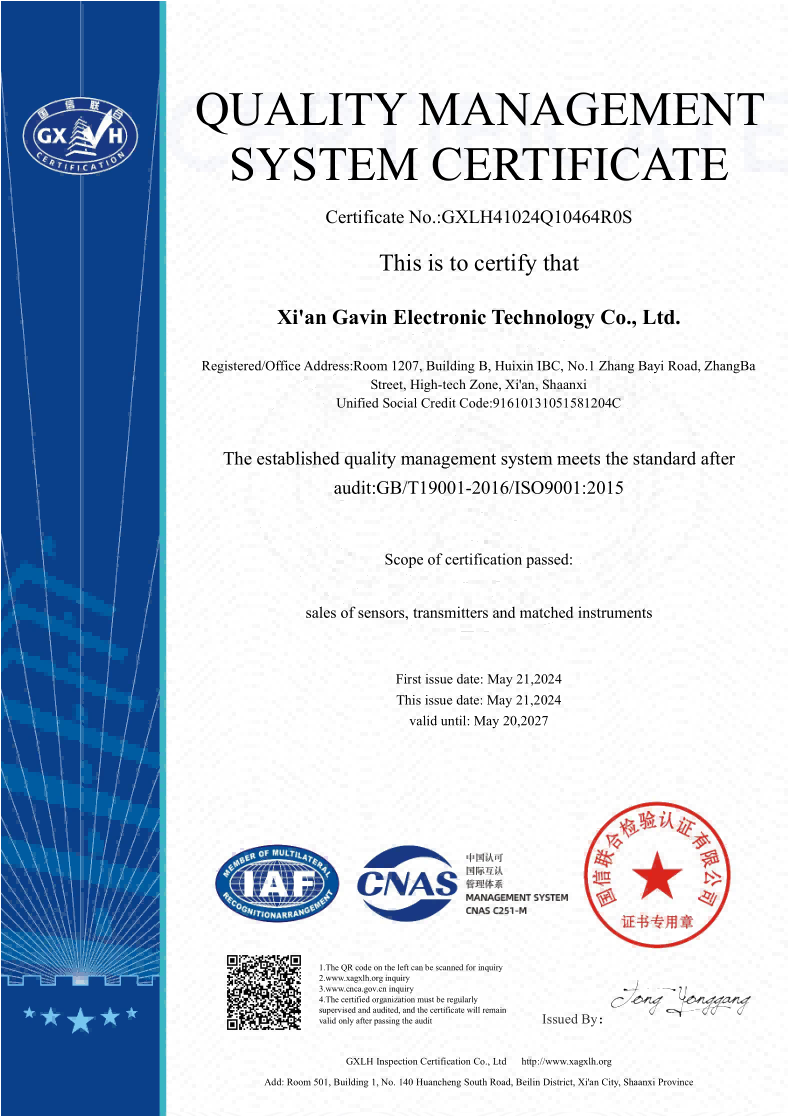
An organization's manufacturing licenses and quality control systems show how trustworthy they are and how consistent the goods they make are. Look for ISO 9001 certification, approvals that are relevant to the business, and proof that they are working to get better all the time. These references show that the quality control is done in a planned way, which means that the goods are reliable and the installations go well.
Financial Considerations and Value Optimization
Pressure sensor installation fees besides the price of the sensor itself that come with installing it. They also include services for installation, tools for testing, and ongoing support needs. The projected service life, maintenance needs, and calibration intervals should all be part of the total cost of ownership. Most of the time, the best value comes from providers who offer full packages with sensors, maintenance services, and long-term support.
People who are negotiating should not only focus on lowering prices. They should also stress performance guarantees, longer warranties, and quick technical help. Set clear performance goals and ways for sellers to be held accountable to make sure they keep their word and the business does well.
Conclusion
Technical needs, environmental conditions, and long-term performance goals must all be carefully thought through in order for pressure sensor installation to go easily. This guide tells you ten important rules to follow during installation so that you don't make common mistakes that will make your readings less accurate and your system less reliable. For the installation to go well, you need to pick the sensors carefully, get the area ready carefully, and follow the manufacturer's instructions all the way through.
For procurement managers, it's helpful to know what each industry needs and to pick installation partners based on their expertise rather than price alone. When the job is difficult, hiring a professional installation service is a great idea. On the other hand, you have more freedom when you do regular installations yourself. No matter what method is used, it is important to keep detailed records, train staff, and keep an eye on their performance to make sure that things keep running smoothly and that money spent on measurement tools is well spent.
FAQ
Q1: How can I verify correct pressure sensor installation?
A: To be sure, you have to do things in a planned way, using written directions and calibrated standards. First, check the electrical links, mounting tools, and seals that keep the outside world out. You should compare the sensor's output to known numbers across the whole measurement range to make sure it works. Record all test results and calibration sheets so that they can be found.
Q2: What are the most common wiring mistakes during installation?
A: People often make mistakes with wires by not shielding them enough, which lets electromagnetic interference happen, not grounding them properly, which causes signal noise, and not strain relieving them enough, which breaks connections over time. Signal cables and power cables can interfere with each other, and if the end connections are made wrong, they can damage sensitive equipment. Always use the cable that meets the approved specs and follow the maker's wiring diagrams.
Q3: How often should pressure sensors be recalibrated after installation?
A: How important the app is, how it's being used, and any rules or laws that apply will determine how often you need to adjust. A lot of industrial uses only need to be adjusted once a year. However, every three to six months, important safety systems may need to be checked. To keep up with accuracy standards, calibration needs to be done more often in harsh environments with high or low temperatures, vibration, or near chemicals.
Partner with GAMICOS for Expert Pressure Sensor Installation Solutions
GAMICOS has 20 years of experience as an expert and a history of success in industrial markets all over the world. They offer full pressure sensor installation services. Our support team is here to help you pick out the right goods, plan your installation, and set up your system so that it works the way it should right away. We can make solutions that are great for your needs because we can make goods for more than 100 countries and offer a lot of OEM customization options.
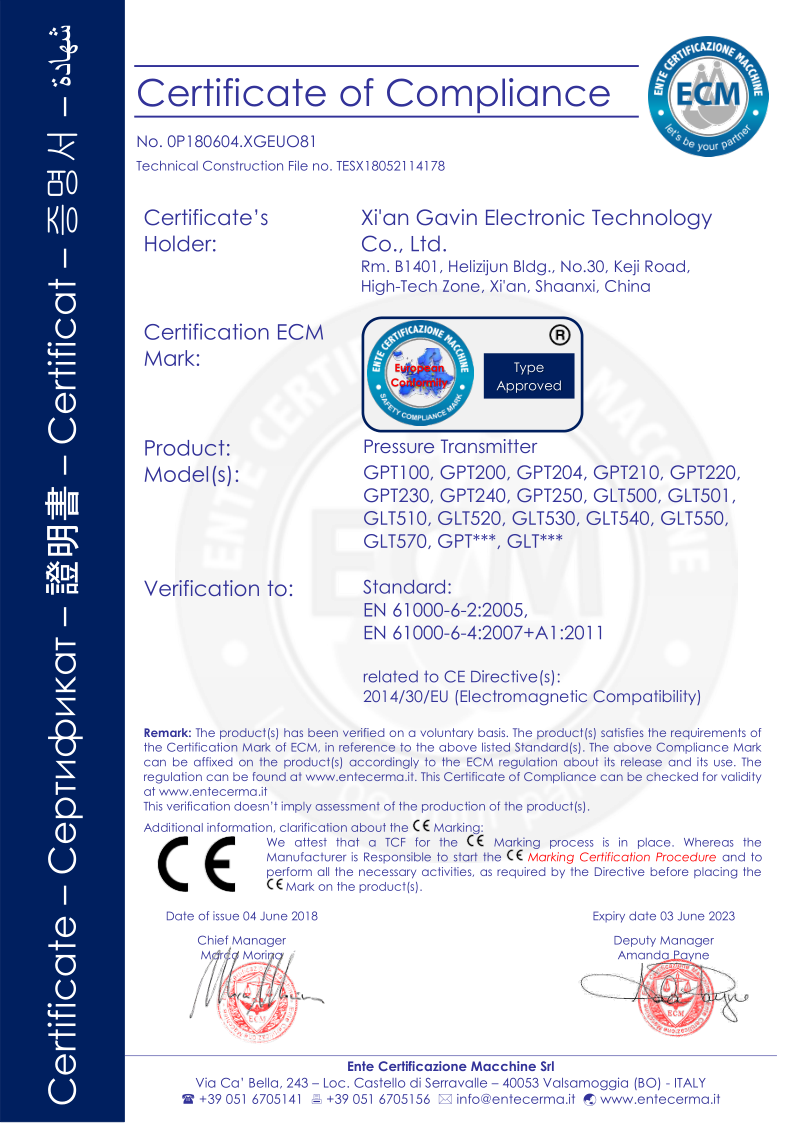
We make sure that our goods meet all foreign standards and work well with other control systems by having certified installation partners and clear documentation. Contact our engineering team at info@gamicos.com to talk about how you want to measure pressure and how our installation skills can help your system work better and last longer.
References
1. Industrial Automation Society. "Pressure Measurement Standards and Installation Guidelines for Process Industries." Technical Publication Series, 2023.
2. Martinez, Carlos E., and Jennifer Liu. "Best Practices in Pressure Sensor Installation: A Comprehensive Analysis of Common Errors and Prevention Strategies." Journal of Industrial Instrumentation, 2023.
3. Thompson, Robert K. "Advanced Pressure Measurement Systems: Installation Techniques for High-Performance Applications." Manufacturing Engineering Quarterly, 2024.
4. International Standards Organization. "Pressure Transmitter Installation and Maintenance Protocols: ISO 14001 Implementation Guide." Technical Standards Division, 2023.
5. Anderson, Sarah M., et al. "Comparative Study of Pressure Sensor Installation Methods Across Industrial Sectors." Process Control Engineering Review, 2024.
6. Williams, David J. "Quality Assurance in Pressure Measurement Systems: Installation Best Practices for Long-Term Reliability." Industrial Maintenance Technology, 2023.

Ivy
Ivy, product consultant, has focused on sensor consultation for ten years, is proficient in providing pressure and level measurement solutions for customers.
We're here to help — submit your request anytime!
Let us know how we can help solve your pressure level measurement challenge.
_1757930850792.jpg)
Recommended Blog

_1761290377465.webp)