Advantages of Using Pressure Sensors in Industrial Automation
Comprehending Industrial Pressure Sensors in Automation
- Comprehending Industrial Pressure Sensors in Automation
- Key Advantages of Using Pressure Sensors in Industrial Automation
- Choosing the Right Industrial Pressure Sensor for Your Automation Needs
- Best Practices for Installation, Calibration, and Maintenance
- Conclusion
- FAQ
- Contact GAMICOS for Premium Industrial Pressure Sensor Solutions
- References
Industrial automation has revolutionized manufacturing processes worldwide, with industrial pressure sensors serving as critical components that transform how businesses monitor and control their operations. These sophisticated devices enable precise measurement and real-time monitoring of pressure variations across diverse industrial applications, from petrochemical plants to food processing facilities. The integration of pressure measurement technology into automation systems delivers substantial advantages including enhanced operational efficiency, improved safety protocols, and significant cost reductions through predictive maintenance capabilities. Modern facilities that implement advanced pressure sensing solutions experience measurable improvements in production reliability, energy consumption optimization, and overall system performance, making these sensors indispensable tools for competitive manufacturing environments.
Comprehending Industrial Pressure Sensors in Automation
Core Technologies and Operating Principles
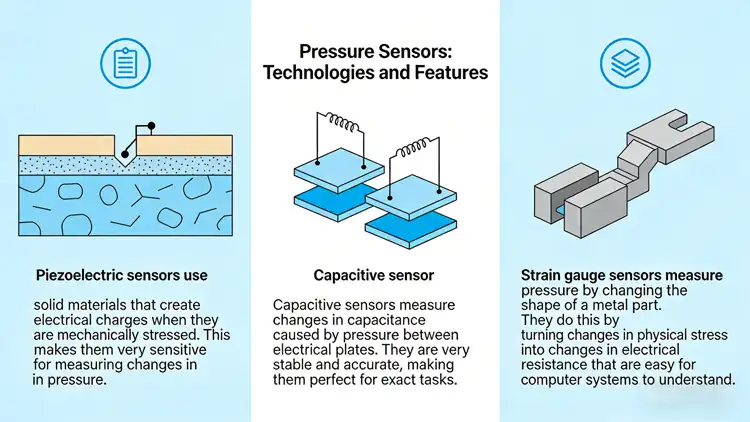
Pressure sensors use different kinds of technology to find changes in pressure and turn them into electrical signs that can be measured. Piezoelectric sensors use solid materials that create electrical charges when they are mechanically stressed. This makes them very sensitive for measuring changes in pressure. Capacitive sensors measure changes in capacitance caused by pressure between electrical plates. They are very stable and accurate, making them perfect for exact tasks. Strain gauge sensors measure pressure by changing the shape of a metal part. They do this by turning changes in physical stress into changes in electrical resistance that are easy for computer systems to understand.
Types and Classification Systems
Different types of sensor configurations are needed in industrial settings to meet unique working needs. Gauge pressure sensors are great for keeping an eye on tank levels and cable pressures because they measure pressure in relation to the air pressure. Differential pressure sensors compare the pressure between two points, which lets you figure out the flow rate and keep an eye on filters. Absolute pressure sensors detect pressure in relation to a perfect vacuum, which is important for processes that need to be sensitive to altitude and vacuum processing. It is possible for each type to work with current control systems while still meeting specific automation needs.
Environmental Adaptability and Durability Features
Manufacturing settings are tough, so sensor designs need to be strong enough to survive high temperatures, chemical exposure, and mechanical vibration. Corrosive chemicals are often found in industrial and pharmaceutical settings. Ruggedized sensor housings protect delicate parts from these chemicals. Different types that can handle high temperatures work consistently in furnace tracking and heat treatment processes where regular sensors would not.
For example, an industrial pressure sensor designed for extreme conditions ensures accurate pressure measurements even in harsh environments. Models that are waterproof and explosion-proof make sure that they can be used safely in dangerous places while still measuring accurately. These changes to the surroundings make sensors last longer and cost a lot less to repair.
Key Advantages of Using Pressure Sensors in Industrial Automation
Enhanced Operational Efficiency Through Real-Time Monitoring
Using pressure sensing technology changes how efficiently operations work by giving constant, real-time data streams that let process changes be made right away. When manufacturing facilities install complete pressure tracking systems, their production output and quality stability go up by a lot. Within milliseconds, these systems can pick up changes in pressure, which lets automated control systems make quick fixes that stop product flaws and keep working conditions at their best.
Here are the main ways that pressure sensors improve efficiency in automatic settings:
• Continuous Process Optimization: Real-time pressure data lets you change flow rates, mixing ratios, and other processing factors on the fly. This keeps the quality of the product uniform and boosts throughput across production lines.
• Automated Quality Control: When pressure tracking systems find changes from the set limits, they immediately take corrective steps or send out alerts that stop defective products from advancing through manufacturing processes.
• Energy Consumption Reduction: Accurately controlling pressure gets rid of the energy waste that comes from over-pressurization, makes pump and compressor operations more efficient, and lowers the amount of power used for all building operations that aren't needed.
• Production Line Synchronization: Integrated pressure monitoring makes sure that processes that are linked work together smoothly, preventing bottlenecks and keeping the flow of materials steady in complicated manufacturing systems.
For manufacturing companies that use complete pressure monitoring systems, these efficiency gains directly translate into real cost saves and a competitive edge.
Predictive Maintenance Capabilities and Downtime Reduction
Advanced predictive maintenance plans that greatly reduce unplanned downtime and increase equipment lifespan are made possible by industrial pressure sensors. Continuous tracking of pressure shows patterns of slow decline, wear on seals, and component fatigue before major failures happen. With this proactive method, maintenance teams can plan fixes for planned downtime, so there aren't any expensive emergency shutdowns or lost production.
Advanced analytics platforms look at trends in pressure data to make amazingly accurate predictions about how likely it is that something will fail. Machine learning systems look at past patterns of pressure to find small changes that mean equipment problems are about to happen. When pressure signatures go outside of normal working ranges, automated alerts let maintenance staff know so they can take specific actions that stop big failures. This data-driven method to maintenance cuts down on costs while making tools more reliable and increasing safety on the job.
Safety Enhancement and Risk Mitigation
Pressure sensors are very important for safety in industrial automation systems because they constantly check for dangerous pressure situations that could put people or machines at risk. When pressure levels go above what is safe for operation, these sensors shut down the system right away. This stops fires, damage to equipment, and possible injuries. Pressure sensor inputs are used by emergency response systems to start safety processes, such as the working of pressure release valves and automatic isolation procedures.
In order to meet workplace safety standards, all manufacturing sites must have full pressure monitoring. Regulatory agencies require chemical processing, pharmaceutical manufacturing, and energy production sites to have pressure tracking devices in order to protect workers and the environment. Modern pressure sensors keep written records of their readings that show they are following the rules and help with safety checks and inspections.
Choosing the Right Industrial Pressure Sensor for Your Automation Needs
Critical Selection Parameters for Optimal Performance
When choosing pressure sensors for automation tasks, procurement managers and engineering teams have to look at a lot of different technical specs. Different industrial processes have very different measurement accuracy needs. For example, making drugs and semiconductors requires very high precision, while moving large amounts of material may be able to handle wider margins. Pressure range compatibility makes sure that sensors work in the best measurement ranges for them, so they don't get damaged by too much pressure and stay accurate at low pressure levels.
Response time requirements have a direct effect on how well a system works, especially in dynamic processes where quick changes in pressure need to be detected and dealt with right away. The working temperature range, chemical compatibility, and shaking resistance of a sensor all affect how long it lasts and how reliable it is in certain situations. For example, an industrial pressure sensor must be chosen carefully to ensure it meets these requirements for optimal performance. Communication methods and electrical interaction needs must match the current automation infrastructure to make sure that the new system can be added without having to make expensive changes to the old one.
Comparative Analysis of Leading Sensor Technologies
Depending on the needs of the product and the conditions of operation, modern pressure sensor methods offer clear benefits. For general-purpose uses, piezoresistive sensors are very accurate and stable, and they're still cost-effective for large-scale operations. Capacitive sensors work better in places with high temperatures and acidic atmospheres than other technologies that might break down quickly. Optical pressure sensors are very stable over time and don't cause electromagnetic interference in places that are sensitive to electricity.
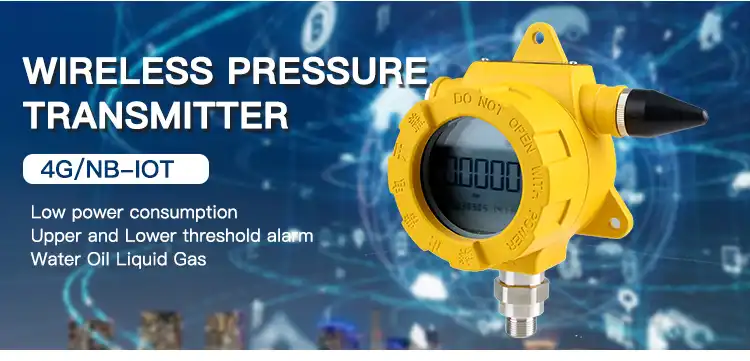
Wireless sensor technologies have changed the way tracking can be done in remote areas and in retrofit situations where wire installation is hard. Wireless sensors that are driven by batteries can be used to check the pressure in rotating equipment, mobile machinery, and temporary installations. Solar-powered versions allow for long-term tracking in outdoor settings without the need for external power, which lowers the cost of installation and makes upkeep easier.
Best Practices for Installation, Calibration, and Maintenance
Strategic Installation Techniques for Maximum Accuracy
Installing a sensor correctly is the first step to getting accurate pressure readings for as long as the sensor works. When choosing where to mount something, you need to think carefully about how the process works, how temperature affects it, and how easy it is to get to for upkeep. If sensors are put too close to pumps or valves, they might get measurement mistakes from vibrations. Also, places where temperatures change quickly can cause drift and early failure. Process link integrity stops leaks and contamination and makes sure that the measured medium sends accurate pressure to the sensor.
Installation teams need to avoid making common mistakes that hurt the accuracy of measurements and shorten the life of sensors. If you tighten process links too much, you could damage sensor housings or create stress concentrations that mess up the calibration. If the electrical grounding isn't good enough, noise and interference can get in and hurt the signal quality. Process isolation valves let you take out sensors for repair without having to shut down the system. However, if you don't choose the right valve, pressure pockets can form that make data inaccurate.
Calibration Procedures and Maintenance Protocols
During the sensor's working life, regular calibration keeps measurements accurate. The length of time between calibrations depends on how important the application is and the running conditions. In harsh settings, calibration checks may need to be done every three months, but in safe conditions, they can be done once a year or every other year. To make sure that measurements can be traced back to national standards, calibration processes use precise pressure standards and automated calibration tools.
Maintenance plans focus on preventative steps that make sensors last longer while keeping the accuracy of measurements. Visual checks find damage to the structure, rust, or weakening of connections before they break. Electrical testing makes sure that signals are correct and that transmission works. Cleaning process connections gets rid of buildups that might affect how accurately pressure is transmitted. These planned repair methods keep unexpected breakdowns to a minimum while improving sensor performance in tough industrial settings.
Documentation needs help with quality management and legal compliance by giving records of calibration, upkeep, and data on performance trends. Digital maintenance management systems keep track of testing plans, let staff know when they need to be done, and keep detailed records that can be used for audits. This methodical technique makes sure that sensors always work well and helps with efforts to keep getting better.
Conclusion
When strategically used in industrial automation, pressure sensors have transformative effects that go far beyond their basic ability to measure pressure. These high-tech gadgets allow for process improvement in real time, predictive maintenance programs, and stricter safety rules that improve operations in a wide range of industrial settings. When you combine industrial pressure sensors with modern automation systems, you get smart production ecosystems that can make decisions on their own, keep getting better, and adapt to new operating conditions. Manufacturers are embracing digital transformation programs, and pressure sensing technology is changing to meet the needs of more complex automation while still meeting the needs for dependability and accuracy in industrial uses.
FAQ
Q1: What distinguishes pressure sensors from pressure transmitters in automation applications?
A: Pressure sensors pick up changes in pressure and send out raw electrical signals that are proportional to the amounts of pressure they measure. In pressure transmitters, there is extra signal processing hardware that takes raw sensor outputs and turns them into standard signals like 4-20mA or digital communication protocols. Because they are more accurate, don't pick up noise, and work with industrial control systems, transmitters are the best choice for important automatic tasks.
Q2: How frequently should industrial pressure sensors undergo calibration?
A: How often you need to calibrate depends on how important the application is, how bad the working environment is, and what the rules say. For critical safety applications, the calibration may need to be checked every three months, while for stable process tracking applications, the calibration plan is usually once a year. In harsh settings with high or low temperatures, vibration, or chemical contact, calibration checks need to be done more often to keep measurements accurate and make sure the machine works reliably.
Q3: Can modern pressure sensors integrate seamlessly with existing automation infrastructure?
A: Modern pressure sensors can talk to a lot of different platforms, like HART, Profibus, Foundation Fieldbus, and Ethernet-based networks. This means they can work with a lot of different automation systems. An increasing number of sensors have auto-configuration features that make merging easier while still working with older systems. Wireless versions don't need wires, so sensors can be put in places that weren't possible before without having to change the infrastructure.
Contact GAMICOS for Premium Industrial Pressure Sensor Solutions
GAMICOS is a reliable company that makes industrial pressure sensors and offers cutting-edge measurement solutions designed for harsh automation settings all over the world. Precision pressure sensors, wireless tracking systems, and custom measurement solutions made just for your specific business needs are all part of our wide range of products. We have years of experience working with clients in the energy, chemical, pharmaceutical, and oil and gas industries. We offer unbeatable technical help and quick reaction times to make sure your automation systems work at their best. Get in touch with our engineering team at info@gamicos.com to talk about your unique pressure measurement problems and find out how our advanced sensor technologies can change your industrial processes while making them more efficient and cutting costs.
References
1. Smith, J.A. & Chen, M.L. "Advanced Pressure Sensing Technologies in Modern Industrial Automation Systems." Journal of Industrial Engineering and Automation, Vol. 34, No. 2, 2023, pp. 145-162.
2. Rodriguez, P.K. "Predictive Maintenance Implementation Using Industrial Pressure Sensors: A Comprehensive Analysis." International Conference on Manufacturing Technologies, Industrial Press, 2022.
3. Thompson, R.W., et al. "Safety Enhancement Through Integrated Pressure Monitoring in Chemical Processing Facilities." Process Safety and Environmental Protection, Vol. 178, 2023, pp. 89-104.
4. Lee, H.S. "Wireless Pressure Sensor Networks for Industrial IoT Applications: Design and Performance Evaluation." IEEE Transactions on Industrial Informatics, Vol. 19, No. 8, 2023, pp. 2341-2355.
5. Anderson, K.M. & Williams, D.J. "Cost-Benefit Analysis of Pressure Sensor Integration in Manufacturing Automation Systems." Automation and Control Engineering Quarterly, Vol. 45, No. 3, 2023, pp. 78-95.
6. Garcia, L.F. "Calibration and Maintenance Best Practices for Industrial Pressure Measurement Systems." Instrumentation and Measurement Technology Conference Proceedings, 2023, pp. 234-248.

Spring
Spring, With 5 years of experience in sensor technology and product development, Mark specializes in helping clients identify the optimal pressure and level sensor solutions for demanding industrial environments。
We're here to help — submit your request anytime!
Let us know how we can help solve your pressure level measurement challenge.

_1757930850792.jpg)






Recommended Blog

What industries are pressure transmitters commonly used in?
Pressure Sensor VS Pressure Transmitter: Are They the Same Thing?
What industries are pressure transmitters commonly used in?
Pressure Sensor VS Pressure Transmitter: Are They the Same Thing?
What industries are pressure transmitters commonly used in?
