Mitigating Pulsation, Water Hammer & Overpressure in Pumps
Understanding Pump Pulsation, Water Hammer & Overpressure
- Understanding Pump Pulsation, Water Hammer & Overpressure
- Advanced Techniques for Mitigation and Control
- Choosing and Comparing Pump Pressure Sensors for Industrial Applications
- Practical Applications and Case Studies in Pulsation and Overpressure Mitigation
- Procurement and Implementation Guidance for B2B Clients
- Conclusion
- FAQ
- Contact GAMICOS for Advanced Pump Pressure Sensor Solutions
- References
Pulsation, water hammer, and overpressure represent critical challenges in pump system operation, frequently leading to equipment damage, process disruptions, and safety hazards. These hydraulic phenomena can cause catastrophic failures in industrial environments, resulting in costly downtime and potential safety risks. Effective mitigation requires sophisticated monitoring capabilities that can detect pressure fluctuations in real-time. A pump pressure sensor serves as the cornerstone of modern mitigation strategies, providing precise measurements that enable control systems to respond instantly to dangerous pressure variations. Advanced sensor technologies allow manufacturers and engineers to optimize pump performance while reducing operational risks and maintenance costs.
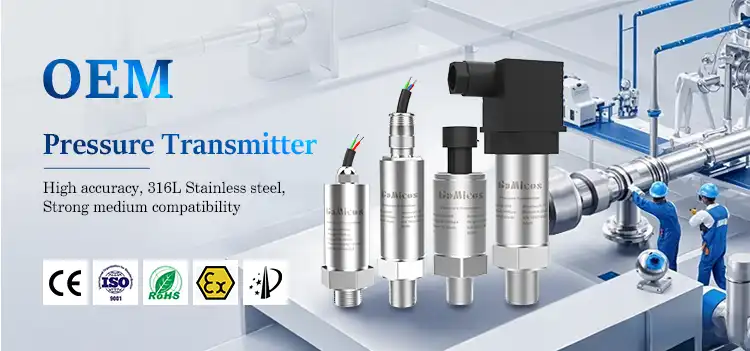
Understanding Pump Pulsation, Water Hammer & Overpressure
Pump pulsation, water hammer, and overpressure are all different but related hydraulic problems that can seriously damage the structure of a pump system. Industrial professionals can use effective prevention tactics and keep operational excellence if they understand these problems.
The Nature of Pump Pulsation
When pressure changes in a system in cycles, this is called pump pulsation. It is usually caused by rotary pumps or positive displacement pumps. These changes in pressure cause vibrations that spread through the pipe system. These vibrations could damage sensitive equipment and make operations less efficient. If the phenomenon happens, it shows up as regular changes in pressure that can be small or big enough to go beyond what was intended.
Pulsation is a problem in uses that need precise control because modern hydraulic systems depend on constant pressure delivery. Chemical processing plants, drug factories, and food factories can't handle changes in pressure that could affect the quality of their products or safety standards. Pulsation puts a lot of mechanical stress on pump parts, seals, and pipe connections, which speeds up wear and tear and makes upkeep more necessary.
Water Hammer Mechanics and Impact
Water hammer is one of the most damaging hydraulic effects on pump systems. It happens when the flow of fluid suddenly changes direction because of valve closes or pump shutdowns. When a moving fluid stops moving quickly, it sends out pressure waves that move through the system at the speed of sound. These waves create huge forces that can break pipes and damage equipment.
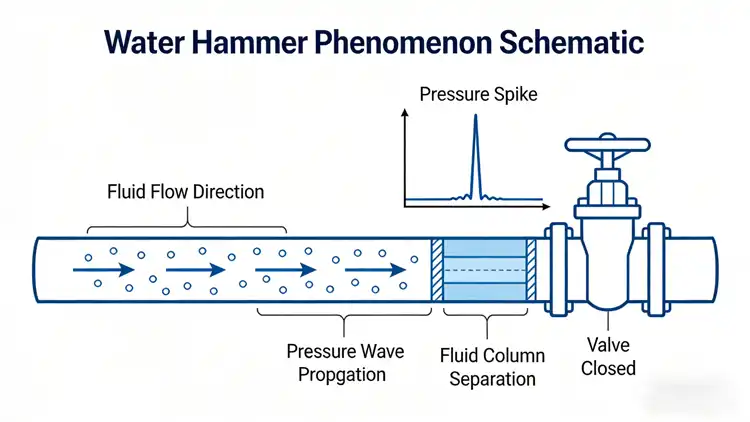
How bad water hammer is varies on a number of things, such as the speed of the fluid, the length of the pipe, the material of the pipe, and how quickly the flow is interrupted. Water hammer damage is most likely to happen in high-speed systems with long pipe runs. Inadequate protection against water hammer has caused catastrophic failures in industrial sites, causing pipes to burst, equipment to be destroyed, and major safety incidents.
Overpressure Conditions and Consequences
Overpressure happens when the pressure in a system goes above the safe design limits. This can cause mechanical failure and safety issues. This can happen for a number of reasons, such as a pump that is too big, thermal growth, clogged discharge lines, or a problem with the control system. Overpressure events are very dangerous for both the safety of the people using the equipment and the health of the equipment itself. They need to be looked at right away and fixed.
Industrial uses that work with high pressure must keep a close eye on the pressure to avoid overpressure situations. Overpressure can lead to broken seals, burst pipes, damaged equipment, and even injuries to people working in the area. To meet safety standards and insurance requirements, facilities must install enough overpressure protection in order to follow the rules.
Advanced Techniques for Mitigation and Control
Traditional ways of reducing damage, like using dampeners, accumulators, and control valves, work well for basic protection, but they aren't always enough in complicated industrial settings because they need to be maintained and can't be changed easily. These days, more advanced monitoring and control technologies are used to get better safety and performance.
Sensor-Based Monitoring Systems
Modern strategies for reducing risks depend a lot on high-tech sensors that can watch things in real time. Pressure sensors with high-speed response can pick up changes in pressure within milliseconds, letting you fix the problem right away. Changes in mechanical pressure are turned into electrical messages that control systems can understand and act on automatically by these sensors.
The addition of pump pressure sensor technology to mitigation systems is a big step forward in protecting hydraulics. These gadgets are very accurate and reliable, and they keep an eye on system conditions all the time. Electronics that modify signals take data from sensors and turn it into standard outputs that can be used with modern control systems. This makes sure that the new system works with the old one without any problems.
Automated Control and Response
Advanced control systems use data from sensors to automatically react to pressure situations that could be harmful. Programmable logic controls can run complicated programs that look at patterns of pressure and take the right safety measures. Variable frequency drives change the speed of the pump based on feedback from the pressure. This keeps the working conditions at their best and stops harmful pressure changes.
For automatic systems to work well, they need to be properly calibrated and set up to meet the needs of each application. For the system to work at its best, the control parameters must take into account things like pipe volumes, fluid properties, and reaction times. Automated protection systems stay accurate and reliable as long as they get regular repair and calibration.
Integration with Predictive Maintenance
These days, mitigation strategies include more than just instant protection. They also include the ability to plan ahead for maintenance needs. Maintenance teams look at past data from pressure monitoring systems to find trends and guess when things might break. This method lets you plan maintenance in a way that stops problems before they happen, which cuts down on downtime and maintenance costs.
Data analytics tools look through a lot of sensor data to find patterns that show problems are starting to happen. Machine learning algorithms can pick up on small changes in how pressure behaves that could mean that a part is about to fail or the system is getting worse. With this information, maintenance teams can fix problems during planned shutdowns instead of having to deal with them when something goes wrong suddenly.
Choosing and Comparing Pump Pressure Sensors for Industrial Applications
To choose the best pressure sensing option, you need to carefully look at the technical requirements, the environmental needs, and the needs of the application. Industrial settings have their own problems that need strong and dependable sensor technologies, like a pump pressure sensor, that can give accurate readings in tough circumstances.
Technical Specifications and Performance Criteria
The most important thing about industrial pressure sensors is that they measure accurately. Depending on the application, the accuracy needs to be between 0.1% and 0.5% of full scale. Response time is very important in situations where pressure changes need to be detected quickly. High-performance sensors can respond in microseconds. Temperature stability makes sure that measures are correct across the wide range of temperatures that are common in industrial settings.
Pressure range compatibility must match the needs of the system and include enough safety gaps to keep sensors from getting damaged during overpressure events. The compatibility of the output signal with existing control systems decides how easy it is to integrate. Output signal types include analog voltage, current loop, and digital communication protocols. Environmental protection ratings make sure that things will work reliably in harsh industrial circumstances, like when they are exposed to chemicals, water, and changes in temperature.
Sensor Technology Comparison
For different uses, different sensor systems have clear benefits. When used in many business settings, strain gauge sensors are a cost-effective way to get accurate and stable results. Capacitive sensors work best in situations where accuracy and steadiness are important, but they may need more complex signal conditioning. The construction of piezoresistive sensors is strong, so they can be used in harsh settings, and they still work accurately.
Wireless sensor choices give you more control over how they are installed, lower the cost of wiring, and let you monitor them from afar. To send data to central monitoring systems, these systems use different types of connection protocols, such as LoRa, NB-IoT, and 4G technologies. Wireless sensors that are powered by batteries don't need power wires and can work for years without any upkeep.
Industrial Application Considerations
When choosing sensors for process businesses that deal with harsh chemicals on a regular basis, chemical compatibility becomes very important. To be reliable in the long run, materials that have been wet must be able to resist corrosion and degradation. For use in the food and drug industries, where cleanliness is important, sensors must be made to meet strict hygiene standards and cleaning procedures.
For installations in dangerous areas, sensors must be approved for use in explosive environments and have the right intrinsic safety or explosion-proof ratings. For high-temperature applications, sensors must be able to consistently work at high temperatures without losing accuracy or performance. Vibration resistance makes sure that the system works reliably in places where moving equipment causes a lot of mechanical vibration.
Practical Applications and Case Studies in Pulsation and Overpressure Mitigation
Modern pressure sensor technologies are useful for protecting industrial pump systems in many different fields, as shown by real-life examples. These case studies show the real benefits that can be gained from using advanced tracking and control systems correctly.
Water Treatment and Municipal Applications
Maintaining consistent pressure supply while protecting infrastructure from hydraulic transients is hard for municipal water treatment plants in their own way. A big city water treatment plant used pump pressure sensor technology to keep an eye on all of the pressure so that pressure spikes wouldn't damage its high-pressure membrane systems. Putting in rapid-response pressure sensors all over the distribution network made it possible to watch in real time and set off the automatic protection system.
The tracking system found changes in pressure that regular mechanical protection devices missed. This stopped damage to the membrane that could have cost hundreds of thousands of dollars to fix. Automated valve control based on sensor input kept the pressure at the right level and stopped the water hammer events that used to damage pipes and equipment. The facility said that maintenance costs had gone down by 60% and that there had been no failures of equipment due to pressure since the system was put in place.
Oil and Gas Industry Applications
Offshore oil platforms are some of the toughest places for pump systems to work. If something goes wrong, the results can be very bad. A production platform in the North Sea had ongoing issues with high-pressure injection pumps that were damaged by pressure spikes and water hammer events. When high-speed response sensors were added to improved pressure tracking systems, harmful pressure conditions could be found and fixed in real time.
In its first year of use, the new monitoring system stopped three possible equipment failures. This saved about $2 million in equipment repair costs and production downtime. Because it could do predictive maintenance, the platform was able to improve safety performance, make maintenance plans more efficient, and cut down on the number of times maintenance staff had to visit.
Chemical Processing and Manufacturing
Because many of the processes and materials used in chemical handling are dangerous, the facilities that handle them need to be very reliable and safe. A specialty chemical company that was having issues with pump cavitation and unstable pressure put in place full pressure tracking for all of its process systems. The tracking system let people know early on when problems were starting to happen and also helped the pump work at its best.
By connecting to the plant's distributed control system, operators could check on the pump's performance from afar, and automatic safety systems kept the equipment from breaking down when things went wrong. The facility cut upkeep costs for pumps by 40% and stopped having to shut down without warning when pumps failed. The quality of the product got better because the process conditions stayed more stable because the pressure was better controlled.
Procurement and Implementation Guidance for B2B Clients
Industrial procurement experts have to deal with complicated technical requirements while keeping costs and relationships with suppliers in mind. To successfully install sensors, you need to plan ahead and pay attention to both the technical and financial parts of the buying process. For example, when selecting a pump pressure sensor, it's important to balance the sensor's performance with the overall budget and supplier capabilities to ensure both reliability and cost-effectiveness.
Vendor Evaluation and Selection Criteria
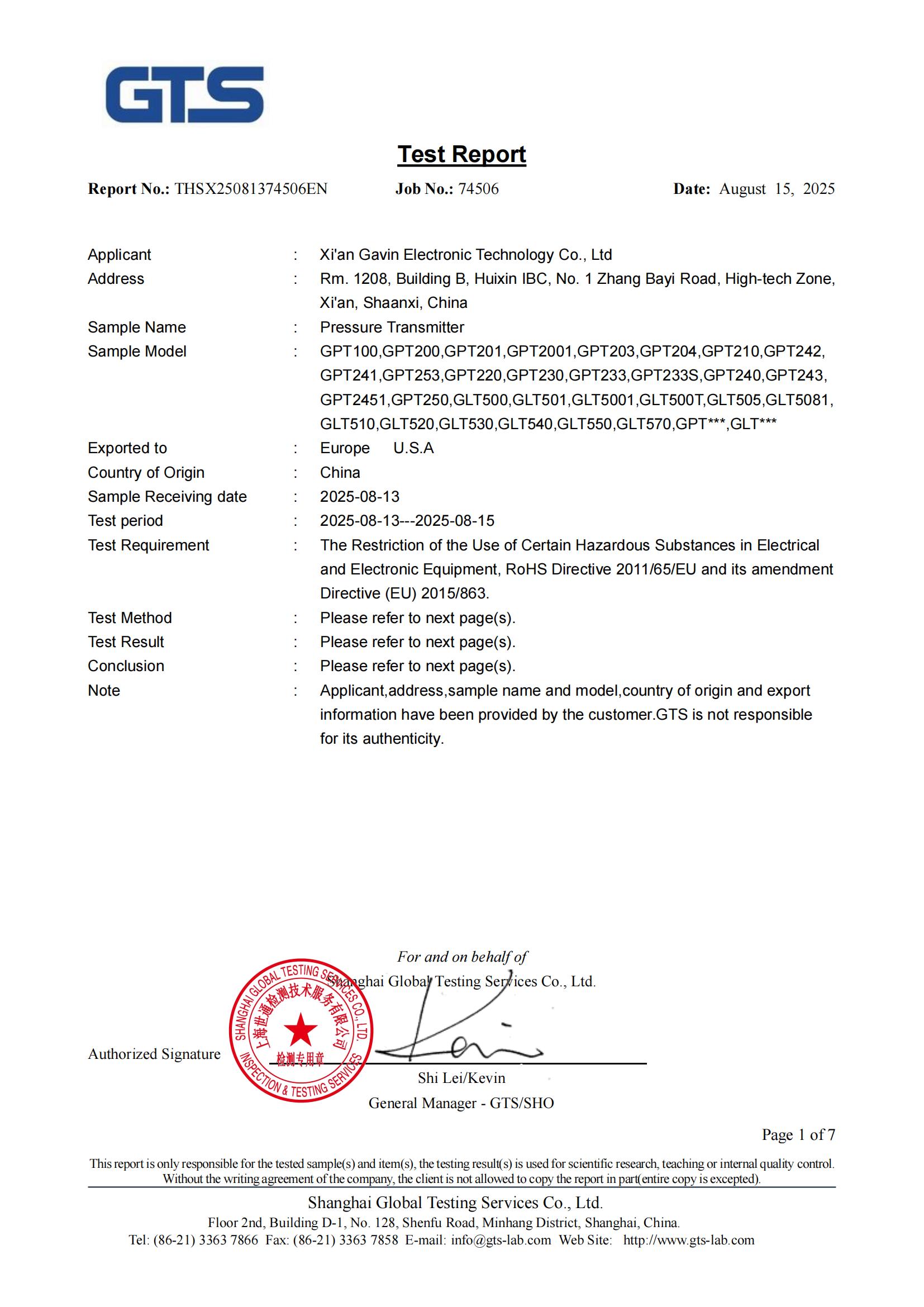
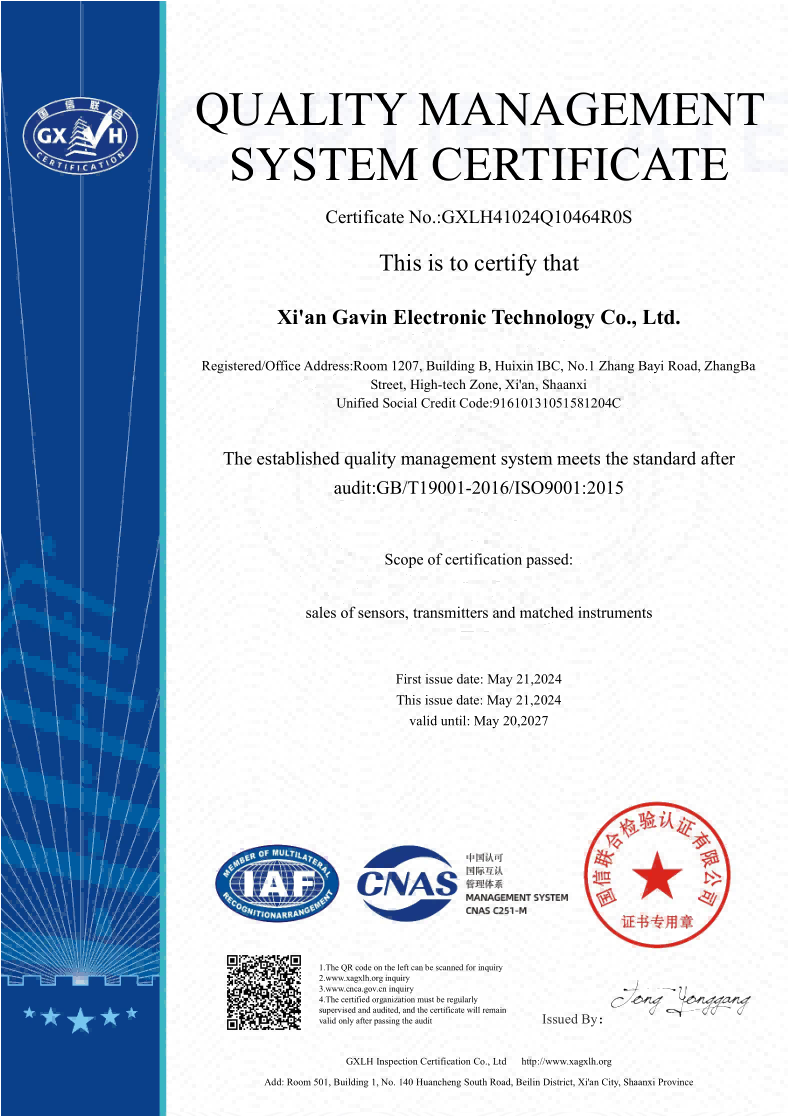
When evaluating a supplier, you should look at their technical skills, quality certifications, and their ability to provide long-term assistance. ISO 9001 recognition shows that quality management systems have been in place for a while, while industry-specific certifications show that a company has the right experience and knowledge. During implementation and ongoing operation, technical help is very important. This means that suppliers need to have knowledgeable application engineers and service organizations that can respond quickly.
A manufacturing capability review makes sure that suppliers can always meet quality and delivery standards. Companies that can do both research and development at the same time can offer more customizable solutions and keep up with changes in technology. Having an international presence and being able to provide help locally makes communication and service delivery easier for global operations.
Customization and OEM Solutions
Customized sensor solutions are needed for many industrial uses that can't be met by standard products. OEM partnerships make it possible to make sensors that are specifically designed for certain uses and circumstances. Customization choices include electrical interfaces, communication protocols, mechanical configurations, and environmental protection features that can be changed to fit specific needs.
GAMICOS specializes in offering full OEM and ODM services that can be fully customized, including model specs, parameters, packaging, and documentation. The skilled engineers at the company work closely with clients to create the best solutions that meet their exact needs while still meeting high quality standards. This collaborative method guarantees a smooth implementation and long-term job satisfaction.
Implementation Best Practices
For sensor execution to go well, the application must be carefully studied and the right sensor must be chosen based on how it will be used. To get the best performance and durability from your installation, you should follow the manufacturer's instructions and the best practices in your business. Protocols for calibration set a standard for performance and allow for ongoing accuracy checks throughout the sensor's useful life.
Training programs for operations and repair staff make sure that systems are used and maintained correctly. Documentation packages should have instructions on how to install things, how to calibrate them, how to fix problems, and schedules for preventative upkeep. Over time, the accuracy and dependability of the system are kept up by regularly checking its performance and tuning.
Conclusion
To get rid of pulsation, water hammer, and overpressure in pump systems, you need a complete plan that includes the right use of modern sensor technologies and regular maintenance. Modern pressure monitoring systems give you the real-time data and automated control you need to keep your expensive equipment safe and improve the efficiency of your operations. Industrial facilities can get better protection than with traditional mechanical methods by using advanced pump pressure sensor technologies. These technologies also lower upkeep costs and make the system more reliable.
FAQ
Q1: How do pump pressure sensors specifically mitigate water hammer effects?
A: Pressure sensors can pick up on the sudden changes in pressure that happen during water hammer events within milliseconds of them happening. When sensors detect pressure surges that are higher than certain limits, they set off automatic safety reactions like opening the pressure relief valve or slowing down the pump. Due to their fast reaction times, modern sensors allow for action to be taken before damaging pressure waves can spread through the system.
Q2: What calibration factors are critical for ensuring sensor accuracy and longevity?
A: Zero-point accuracy, span calibration across the full measurement range, and temperature compensation to keep accuracy even when working temperatures change are some of the most important factors in calibration. Regular checks of the sensor's calibration using pressure standards that can be tracked ensures that it stays accurate for as long as it is used. Things in the environment, like vibration, electromagnetic interference, and chemical exposure, can change the security of the calibration, so they should be checked for during regular maintenance.
Q3: How can sensors be integrated into existing pump control architectures?
A: Modern pressure sensors can talk to other devices in a number of ways, such as through analog outputs, digital protocols, and wireless connections. This makes it easier to connect them to control systems that are already in place. To match sensor outputs with control system input needs, signal conditioning tools might be needed. By making changes to the programming in current controllers, sensor data can be used for better monitoring and automated protection functions without having to replace the whole system.
Contact GAMICOS for Advanced Pump Pressure Sensor Solutions
GAMICOS stands ready to provide cutting-edge pressure monitoring solutions tailored specifically for your pump system protection needs. As a leading pump pressure sensor manufacturer with over a decade of experience serving industrial clients worldwide, we understand the critical importance of reliable pressure monitoring in maintaining operational safety and efficiency. Our comprehensive product portfolio includes customized sensor solutions, wireless monitoring systems, and complete integration services designed to meet the most demanding industrial applications.
Whether you require standard sensor goods or fully customized OEM solutions, our experienced engineering team is here to help you with all the technical aspects of your project from start to finish. Contact us at info@gamicos.com right away to talk about your unique needs and find out how our cutting-edge pressure sensing technologies can improve the performance of your pump system while lowering operational risks and maintenance costs.
References
1. Anderson, J.M., "Hydraulic Transient Control in Industrial Pump Systems," Journal of Fluid Engineering, Vol. 142, No. 8, 2020.
2. Thompson, R.K. and Williams, S.L., "Pressure Sensor Technologies for Industrial Automation Applications," IEEE Transactions on Industrial Electronics, Vol. 67, No. 11, 2021.
3. Chen, L.H., "Water Hammer Analysis and Mitigation Strategies in Process Plant Design," Chemical Engineering Progress, Vol. 118, No. 3, 2022.
4. Martinez, C.A., "Advanced Pressure Monitoring Systems for Pump Protection," Pumps & Systems Magazine, Vol. 29, No. 7, 2023.
5. Johnson, D.R., "Industrial Sensor Selection and Implementation Guide," Control Engineering International, Vol. 45, No. 12, 2023.
6. Kumar, S. and Patel, N.M., "Predictive Maintenance Applications Using Pressure Sensor Data Analytics," Maintenance Technology, Vol. 36, No. 4, 2024.

Ivy
Ivy, product consultant, has focused on sensor consultation for ten years, is proficient in providing pressure and level measurement solutions for customers.
We're here to help — submit your request anytime!
Let us know how we can help solve your pressure level measurement challenge.
_1757930850792.jpg)
Recommended Blog
Waterproof Pressure Sensor vs Regular Pressure Sensor: How to Choose?
Waterproof Pressure Sensor vs Regular Pressure Sensor: How to Choose?
Waterproof Pressure Sensor vs Regular Pressure Sensor: How to Choose?
Waterproof Pressure Sensor vs Regular Pressure Sensor: How to Choose?

Why High Stability Pressure Transmitters Are Key to Accurate Monitoring?