Wireless vs. Wired Pressure Transmitters for IIoT Applications
Introducing Wireless and Wired Pressure Transmitters
- Introducing Wireless and Wired Pressure Transmitters
- Key Differences Between Wireless and Wired Pressure Transmitters
- Benefits of Wireless Pressure Transmitters in IIoT Applications
- How to Choose Between Wireless and Wired Pressure Transmitters?
- Installation and Maintenance Best Practices for Wireless Pressure Transmitters
- Conclusion
- FAQ
- Partner with GAMICOS for Advanced Wireless Pressure Measurement Solutions
- References
When evaluating pressure measurement solutions for Industrial Internet of Things (IIoT) applications, the choice between wireless and wired systems represents a pivotal decision for industrial procurement professionals. A wireless pressure transmitter eliminates complex wiring requirements while providing real-time data transmission through advanced communication protocols. Modern wireless solutions offer remarkable flexibility and cost-effectiveness compared to traditional wired systems, particularly in retrofitting scenarios and remote monitoring applications. Understanding the technical capabilities, operational benefits, and implementation considerations of each approach enables informed decision-making that aligns with specific industrial automation requirements and long-term strategic objectives.
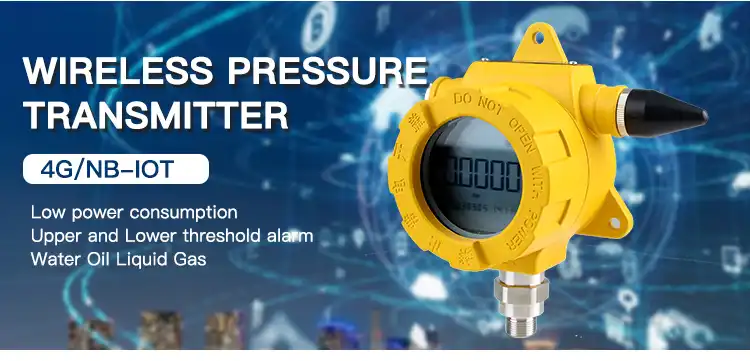
Introducing Wireless and Wired Pressure Transmitters
Because they convert measurements of physical pressure into digital data streams, pressure transmitters are an extremely significant component of the ecosystems that make up the Industrial Internet of Things (IIoT). These data streams allow for intelligent task control and monitoring. The sensors inside of these devices are what make it feasible for industrial automation systems to function. They provide those working in a broad variety of production environments with the ability to see operational metrics in real time.
Communication Technologies and Protocols
Pressure sensors that are wireless make use of intricate communication protocols that are designed specifically for use in industrial environments. The technology known as WirelessHART makes it feasible to do mesh networking. Because of this, devices are able to organise themselves and maintain channels of communication that are dependable even when individual nodes are experiencing interference. Due to the fact that ISA100 protocols provide superior security and the ability to maintain regular contact times, they are suitable for usage in safety-critical circumstances in oil and chemical processing facilities.
For instance, wired pressure transmitters make use of a variety of communication protocols, including 4-20mA current loops, the HART protocol for digital communication overlay, and Modbus for industrial networking. With the help of these protocols, signals are sent in a consistent manner and with a minimal amount of delay. Because of this, they are exceptional for applications that need instant answers and continuous access to data.
Industrial Applications Across Sectors
It is beneficial for companies to have pressure measurement solutions that can be altered to accommodate the ever-changing requirements of their operations. Pipelines are monitored and controlled by these devices, which are used by refineries in order to maintain vessel pressure. For the purpose of maintaining safety systems and monitoring reactions, chemical processing facilities, on the other hand, need precise measurement equipment. In order to maintain compliance with stringent hygiene requirements, businesses that deal with food and beverages need sensor designs that are not only accurate but also clean.
The location of the installation, the ease with which they can be maintained, and the significance of the data all play a role in determining whether wireless or wired solutions are the better option. Wireless solutions are most effective in regions that are out of the way and have a restricted electrical infrastructure. As an alternative, it is possible that conventional wired systems will function more effectively in control rooms that already have wiring harnesses.
Key Differences Between Wireless and Wired Pressure Transmitters
When procurement workers know the main differences between wireless and wired pressure measurement technologies, they can make smart choices based on operational needs and environmental limitations.
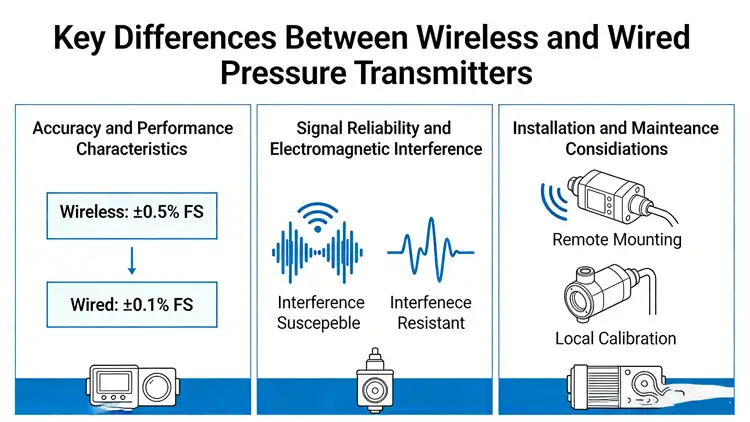
Accuracy and Performance Characteristics
Modern wireless pressure transmitter units can measure just as accurately as their wired versions, usually staying within ±0.1% to ±0.25% of the range across a wide range of temperatures. Temperature compensation methods built into wireless devices make sure that measurements stay stable even when the environment changes, and advanced signal processing techniques keep drift to a minimum over long periods of use.
Wired transmitters have access to power all the time, which lets them update measurements more often and use more complex signal conditioning techniques. But wireless units make up for it with smart power management and burst transfer modes that make the most of battery life while keeping the accuracy of the measurements.
Signal Reliability and Electromagnetic Interference
Wireless communication systems make use of frequency-hopping spread spectrum technologies and mesh networking protocols in order to lessen the electromagnetic interference that is often seen in industrial environments. Currently available wireless pressure sensors operate in ISM bands, which do not need the acquisition of a licence. These sensors also have robust error correction and retry procedures to safeguard the data.
It is not possible for radio frequency interference to penetrate wired systems because of the architecture of the system; yet, electrical noise may still enter the system via ground loops and issues with cable insulation. These issues may be mitigated by the use of effective installation and filtering techniques; nonetheless, wireless solutions often function more effectively in environments that include a significant amount of electrical noise.
Installation and Maintenance Considerations
Wireless implementations are far simpler to install than wired ones since they do not need cable runs, conduit systems, or junction boxes in the same way that wired solutions do. When existing structures make it difficult to route cables or when monitoring points are located in regions that are hazardous or difficult to access, this advantage is particularly valuable for retrofitting since it allows for easier cable routing.
The management of the batteries is the most crucial aspect of sustaining wireless devices; yet, contemporary units may live for more than three years owing to designs that use very little power and the capacity to collect energy. It is necessary to perform frequent calibration and inspections of the signal loops of wired transmitters; however, there is no maintenance required for wired transmitters that are linked to batteries.
Benefits of Wireless Pressure Transmitters in IIoT Applications
Today's industrial processes can greatly benefit from wireless pressure measurement technology, especially in situations that need adaptable setups, expandable tracking networks, and smart asset management tools.
Flexibility and Scalability Advantages
Wireless pressure sensing networks provide an unprecedented level of deployment flexibility, which enables tracking coverage to expand rapidly without necessitating significant changes to the organization's infrastructure. Small increments of monitoring points may be added to a facility as its operational requirements evolve over time. It is useful to have the ability to swiftly put up and take down monitoring stations and this feature is beneficial for temporary monitoring purposes.
Adding extra sensors is just one component of network scalability; there are many more. Additionally, it contains comprehensive tracking plans that are modifiable to accommodate changing production requirements. The ability to rapidly add additional devices and maintain consistent communication even as the coverage area expands is a feature that wireless mesh networks possess.
Cost Reduction and Retrofitting Benefits
In terms of cost, these are the main benefits of wireless pressure measurement systems:
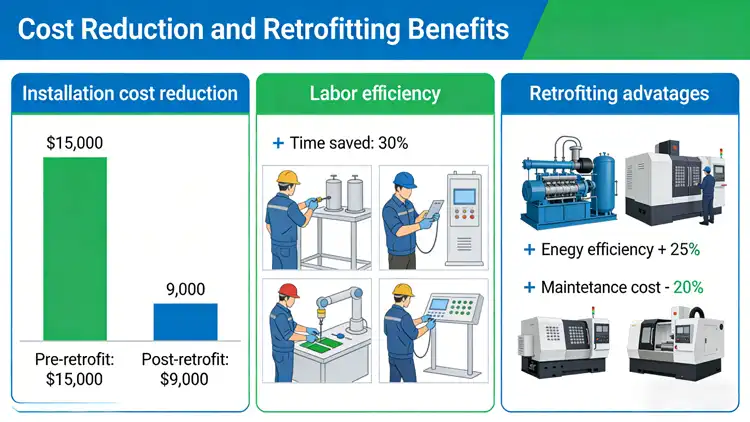
• Installation cost reduction: Compared to wired installations, wireless ones cost 40 to 60 percent less to set up because they don't need cable runs, conduit systems, or electrical equipment.
• Labor efficiency: Simplified installation methods cut down on the need for skilled labor and project timelines, allowing projects to be finished faster and get a return on investment earlier.
• Retrofitting advantages: full pressure monitoring can be added to existing facilities without major structure changes or production delays.
These cost savings are especially noticeable in large-scale projects that need to install hundreds of measurement points over big areas of a building.
Real-Time Monitoring and Predictive Maintenance
Wireless pressure transmitter technology lets you keep an eye on your assets all the time, which helps with predictive repair plans and making your business run more efficiently. Real-time data streams help find problems with equipment, process deviations, and possible failure modes early on, before they affect output schedules.
Integration with cloud-based analytics platforms turns raw pressure data into insights that can be used. This lets maintenance teams plan repairs based on the actual state of the equipment instead of set times. This method lowers the cost of maintenance while increasing the reliability of technology and its availability for use.
Integration with Smart Sensors and IoT Platforms
Standardized communication protocols and cloud connectivity choices make it easy for modern wireless pressure sensors to work with larger IoT ecosystems. Multi-parameter tracking includes pressure readings along with temperature, vibration, and flow data to give a full picture of an asset's health.
A chemical processing plant in Texas set up wireless pressure monitoring at 200 measurement places. Within the first year of operation, maintenance costs dropped by 25% and equipment performance improved by 15% overall. Predictive maintenance strategies made possible by the wireless network stopped three possible equipment failures and increased process efficiency by watching and giving feedback all the time.
How to Choose Between Wireless and Wired Pressure Transmitters?
To choose the right pressure measurement technology, you need to carefully consider the technical needs, the limitations of the surroundings, and the long-term operational goals that are in line with the industrial applications and purchasing priorities.
Evaluation Criteria and Environmental Constraints
The environment has a big impact on choices about which technologies to use. Which communication protocols and hardware configurations will work consistently for the expected service life are based on classifications of hazardous areas, extreme temperatures, and levels of electromagnetic interference.
Data criticality assessment helps figure out which measurement points need to be watched all the time and which ones can just be updated every so often. Applications that need to be safe may need to use two or more ways to measure things, but monitoring for process optimization can handle occasional connectivity problems without affecting operations.
Technical Comparisons and Performance Analysis
Here are the key technical considerations for pressure transmitter selection:
• Measurement accuracy: Both wireless and wired options can get within ±0.1% accuracy, but wired systems may be able to offer higher update rates for dynamic process monitoring
• Communication range: Wireless systems provide coverage up to 5 kilometers in LORA configurations, while wired systems require repeaters for extended distances
• Power requirements: Wireless units operate 3+ years on battery power, while wired transmitters require continuous electrical infrastructure
These technical specifications must align with specific application requirements to ensure optimal performance throughout anticipated service life.
Cost Versus Performance Analysis
Total cost of ownership calculations encompass initial hardware costs, installation expenses, ongoing maintenance requirements, and operational benefits over anticipated service life. Wireless solutions typically demonstrate lower total costs in retrofit applications and remote monitoring scenarios, while wired systems may prove more economical in new construction projects with extensive electrical infrastructure.
Performance benefits including improved data accessibility, enhanced maintenance efficiency, and operational optimization opportunities often justify higher initial investments through measurable productivity improvements and reduced operational expenses.
Supplier Selection and Customization Services
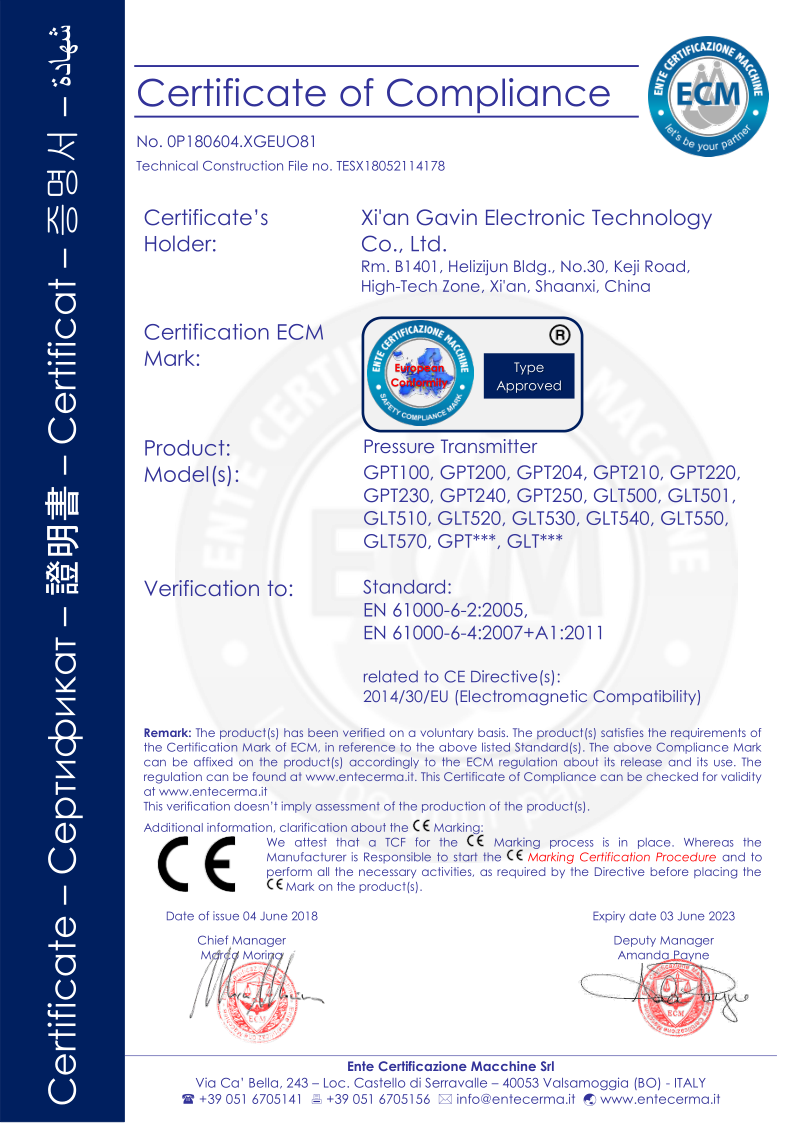
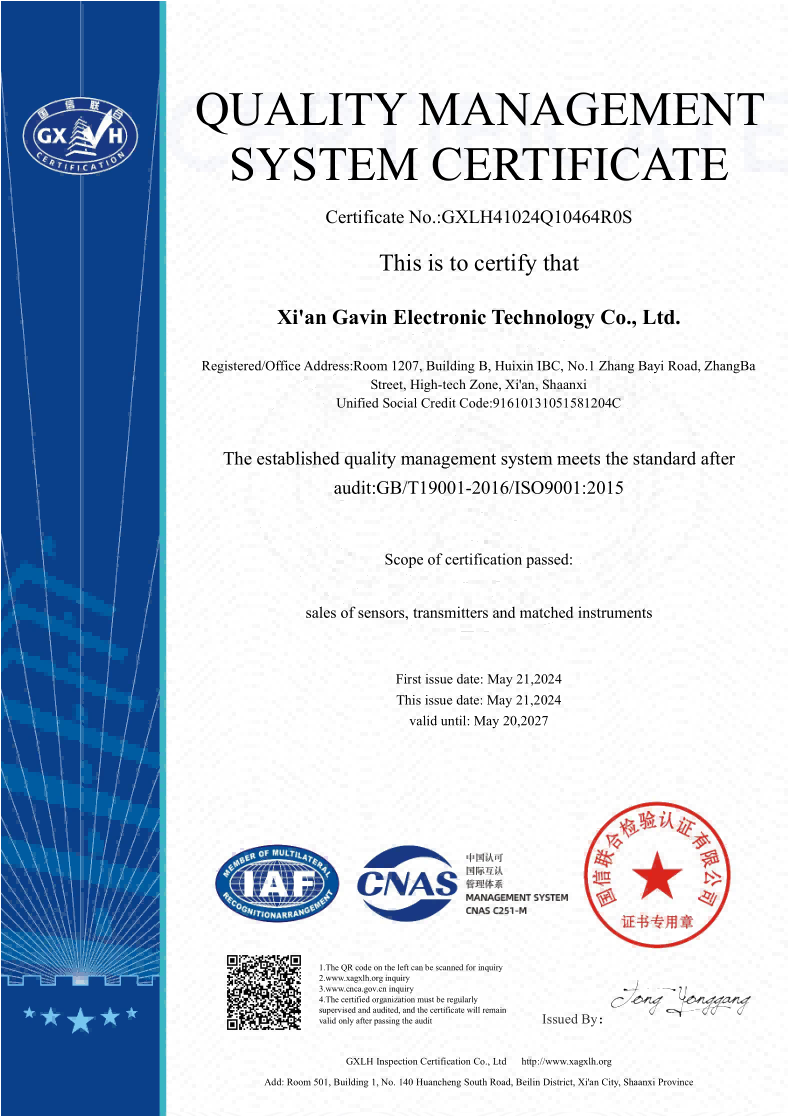
Reliable suppliers provide comprehensive technical support, customization capabilities, and long-term service commitments that ensure successful project implementation and ongoing operational success. Evaluation criteria should encompass product quality certifications, customization flexibility, and after-sales support capabilities. GAMICOS exemplifies supplier excellence through comprehensive OEM and ODM services, enabling customized sensor configurations that meet specific application requirements while maintaining international quality certifications and reliable delivery schedules.
Installation and Maintenance Best Practices for Wireless Pressure Transmitters
Successful deployment of wireless pressure transmitter systems requires systematic planning, proper installation techniques, and proactive maintenance strategies that ensure reliable performance throughout anticipated service life.
Site Survey and Installation Procedures
Full site surveys find the best places to put things so that measurements are accurate and communication is reliable. RF propagation analysis determines antenna positioning and potential interference sources, while mounting considerations ensure mechanical stability and maintenance accessibility. Initial commissioning includes calibration verification, communication range testing, and integration with existing control systems to ensure seamless operational integration.
Optimal Antenna Placement and Interference Mitigation
Antenna positioning significantly impacts communication reliability and network performance. Elevated mounting locations provide improved signal propagation, while strategic placement relative to metallic structures minimizes reflection and multipath interference effects. Interference mitigation techniques include frequency coordination with existing wireless systems, proper grounding practices, and selection of communication channels with minimal ambient RF activity. Network topology planning ensures redundant communication paths that maintain connectivity even when individual links experience temporary disruptions.
Maintenance Tips and Troubleshooting
Regular maintenance routines extend operational life while maintaining measurement accuracy and communication reliability. Battery voltage monitoring provides advance warning of power system degradation, while communication quality assessments identify potential network optimization opportunities. Troubleshooting procedures address common issues including signal dropouts, measurement drift, and communication interference. Remote diagnostic capabilities enable technical support teams to assess system performance and recommend corrective actions without requiring on-site visits, reducing maintenance costs and minimizing operational disruptions.
Conclusion
The evolution of wireless pressure transmitter technology has fundamentally transformed industrial pressure measurement capabilities, offering compelling advantages in deployment flexibility, operational efficiency, and total cost of ownership. While wired systems maintain relevance in specific applications requiring continuous power and immediate response times, wireless solutions provide superior value in retrofit scenarios, remote monitoring applications, and scalable IoT implementations.
Successful technology selection depends on comprehensive evaluation of environmental constraints, performance requirements, and long-term operational objectives. Modern wireless pressure sensors deliver measurement accuracy comparable to traditional wired systems while enabling advanced capabilities including predictive maintenance, real-time optimization, and seamless integration with broader industrial IoT ecosystems.
FAQ
Q1: What is the typical battery life of wireless pressure transmitters?
A: Modern wireless pressure transmitters achieve remarkable battery longevity through advanced power management techniques. Ultra-low power consumption designs enable operational periods exceeding three years with one-second measurement intervals, while extended monitoring applications with longer update intervals can operate for five to seven years on single battery installations.
Q2: How accurate are wireless pressure transmitters compared to wired systems?
A: Wireless pressure sensors maintain measurement accuracy specifications comparable to wired transmitters, typically achieving ±0.1% to ±0.25% of span accuracy. Temperature compensation algorithms and digital signal processing ensure measurement stability across operating temperature ranges, while wireless communication protocols preserve data integrity during transmission.
Q3: Can wireless pressure transmitters integrate with existing control systems?
A: Integration capabilities depend on communication protocol compatibility and gateway hardware availability. Most modern wireless pressure transmitters support standard industrial protocols including Modbus, HART, and OPC-UA, enabling seamless integration with existing SCADA and DCS systems through appropriate gateway devices.
Partner with GAMICOS for Advanced Wireless Pressure Measurement Solutions
GAMICOS delivers cutting-edge wireless pressure transmitter technology designed specifically for demanding industrial applications across petroleum, chemical, pharmaceutical, and energy sectors. Our GPT2451 wireless pressure transmitter combines high-stability sensors with temperature compensation, offering three versatile transmission options including LORA spread spectrum and 4G network connectivity. With ultra-low power consumption enabling three-year operation cycles and transmission distances reaching 5 kilometers, our solutions eliminate installation complexity while providing reliable performance.
As a trusted wireless pressure transmitter manufacturer serving over 100 countries, we provide comprehensive OEM and ODM customization services backed by rigorous quality assurance and international certifications. Contact our technical experts at info@gamicos.com to discuss your specific requirements and discover how our innovative wireless measurement solutions can optimize your industrial operations.
References
1. Smith, J.A., et al. "Wireless Communication Protocols for Industrial IoT Applications in Process Industries." Journal of Industrial Automation Technology, Vol. 45, No. 3, 2023.
2. Chen, L.M., and Rodriguez, P.K. "Comparative Analysis of Wireless and Wired Pressure Transmitter Performance in Chemical Processing Plants." Industrial Measurement and Control Systems Review, Vol. 28, No. 7, 2023.
3. Thompson, R.D. "Battery Life Optimization Strategies for Wireless Industrial Sensors in Harsh Environments." International Conference on Industrial Electronics and Applications, 2023.
4. Williams, S.E., et al. "Cost-Benefit Analysis of Wireless Versus Wired Infrastructure in Large-Scale Industrial Monitoring Systems." Process Automation and Instrumentation Magazine, Vol. 67, No. 12, 2022.
5. Kumar, A.N., and Johnson, M.B. "Integration Challenges and Solutions for Wireless Pressure Transmitters in Legacy SCADA Systems." IEEE Transactions on Industrial Informatics, Vol. 19, No. 4, 2023.
6. Anderson, K.L. "Predictive Maintenance Applications Using Wireless Pressure Monitoring in Oil and Gas Operations." Energy Industry Technology Journal, Vol. 41, No. 9, 2023.

Halen
With over 12 years of experience in fluid sensing technology, Halen specializes in helping clients select and optimize oil level sensors for a wide range of industries—including automotive, marine, heavy machinery, and energy.
We're here to help — submit your request anytime!
Let us know how we can help solve your pressure level measurement challenge.
_1757930850792.jpg)





Recommended Blog
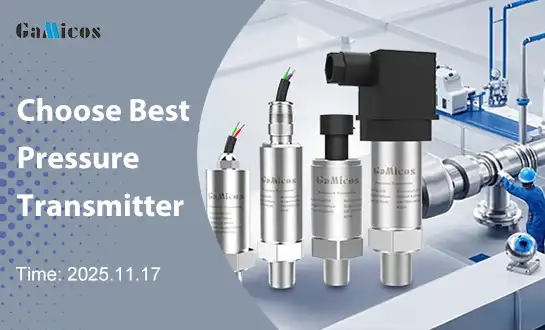
How to Choose the Best Pressure Transmitter for Industrial Applications?
Differential vs. Absolute Pressure Sensors: Key Differences
How to Choose the Best Pressure Transmitter for Industrial Applications?
Differential vs. Absolute Pressure Sensors: Key Differences
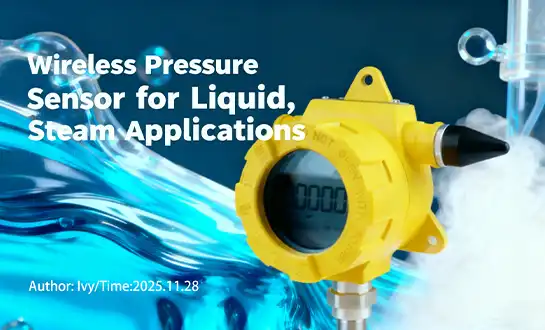
Wireless Pressure Sensor for Liquid, Gas, and Steam Applications
Wireless Pressure Sensor for Liquid, Gas, and Steam Applications