Digital Pressure Sensors: I2C vs SPI vs Modbus
Understanding Digital Pressure Sensors and Their Communication Protocols
- Understanding Digital Pressure Sensors and Their Communication Protocols
- Detailed Comparison: I2C vs SPI vs Modbus for Digital Pressure Sensors
- How to Choose the Right Digital Pressure Sensor Communication Interface for Your Industrial Application?
- Practical Troubleshooting and Calibration Best Practices for Digital Pressure Sensors
- Procurement Insights: Ordering, Pricing, and Customization of Digital Pressure Sensors
- Conclusion
- FAQ
- Partner with GAMICOS for Advanced Digital Pressure Sensor Solutions
- References
When selecting the optimal communication protocol for digital pressure sensor applications, understanding the fundamental differences between I2C, SPI, and Modbus becomes paramount for engineering professionals. Each protocol offers distinct advantages that significantly impact system performance, integration complexity, and operational reliability in industrial automation environments. A digital pressure sensor converts measured pressure values into discrete digital signals, enabling precise data transmission through these communication interfaces. The choice between these protocols determines factors such as data transfer speed, network scalability, power consumption, and resistance to electromagnetic interference, making protocol selection a critical decision point for procurement managers and system designers working across diverse industrial sectors.
Understanding Digital Pressure Sensors and Their Communication Protocols
Modern technology for measuring pressure depends on highly advanced sensing parts that turn changes in real pressure into accurate electrical signs. digital pressure sensors use advanced microprocessors and analog-to-digital converters to make measurements more accurate and provide strong connection capabilities that are necessary for industrial automation systems.
Core Technologies Behind Digital Pressure Measurement
There are a few basic sensing concepts that make digital pressure sensing technology work so well in a wide range of commercial settings. Piezoresistive sensors use semiconductors that change their electrical resistance based on how much pressure is applied. This makes them very sensitive and stable. Capacitive pressure sensors use ceramic diaphragms that change shape when they are under pressure. This changes the capacitance between the set electrodes and the moving parts, which gives very accurate pressure readings that can be used in tough situations.
Digital pressure receivers have complex signal conditioning circuits inside that boost weak sensor readings and get rid of unwanted noise. Temperature compensation methods actively fix thermal drift effects, which makes sure that measurements are accurate over a wide range of temperatures that are typical in industry settings. These advanced features set digital pressure sensor technology apart from older analog options.
Communication Protocol Fundamentals
There are three main digital transmission protocols used for industrial pressure sensors. Each one is built to meet different practical needs and system limitations. The I2C protocol uses a two-wire serial interface so that multiple devices can talk to each other using the same data and clock lines. This makes it perfect for small sensor networks that only need to send small amounts of data.
The four-wire design of SPI (Serial Peripheral Interface) allows for high-speed, full-duplex communication between master and slave devices. This makes it ideal for applications that need to get data quickly and with little delay. The Modbus protocol works over several physical layers, such as RS485 and Ethernet. It provides reliable network connection that is ideal for complex industrial control systems that need to communicate over long distances and connect multiple devices.
Detailed Comparison: I2C vs SPI vs Modbus for Digital Pressure Sensors
When it comes to a wide range of industrial uses, the choice of communication protocols has a big impact on system architecture, speed, and how hard it is to integrate. It is important to carefully weigh the pros and cons of each procedure against the specific needs of the operation.
Performance Characteristics and Speed Considerations
Communication speed is one of the main differences between these methods; it has a direct effect on how quickly systems respond and how much data they can collect. I2C usually works at normal speeds between 100 kHz and 400 kHz, but there are high-speed versions that can go up to 3.4 MHz. This means that it can be used in situations where modest data rates are enough. This technique works great in small sensor networks and systems that run on batteries, where saving power is more important than speed.

SPI offers much faster data transfer rates, usually running at frequencies between 1 MHz and 50 MHz or higher, based on the design of the system and the specs of the components. Because it can go faster, SPI is the best choice for high-performance digital pressure sensor systems that need to sample data quickly and communicate with little delay. The higher rate of SPI is very helpful for real-time control systems and precise measurement apps.
Modbus works at different speeds based on the physical layer underneath. For example, RS485 implementations usually range from 9.6 kbps to 115.2 kbps. Modbus TCP over Ethernet, on the other hand, can reach much higher data rates. The protocol's strong error detection and recovery features make sure that data is sent reliably even in harsh industrial settings where electromagnetic interference and noise are constant problems.
Environmental Robustness and Signal Integrity
Communication systems in industrial settings have to deal with rough conditions like changing temperatures, electromagnetic interference, shaking, and moisture. Because of this, protocol stability is an important factor in choosing a system. The two-wire design of I2C makes connections simpler, but it also means that transmission can only happen over short distances—usually less than three meters without signal processing.
Modbus RTU over RS485 uses differential signaling, which blocks noise very well and lets devices talk over lengths of more than 1200 meters. This makes it perfect for distributed sensor networks and large-scale industrial setups. This resistance to electromagnetic interference makes sure that digital pressure sensor data transfer works well in places like factories where there is a lot of electrical noise.
For short-distance uses, SPI's dedicated signal lines provide good signal integrity. However, they need careful PCB design and shielding in places with weak electrical conditions. The protocol's full-duplex operation lets data be sent and received at the same time, which makes the system more efficient in situations where sensors need to be monitored all the time.
How to Choose the Right Digital Pressure Sensor Communication Interface for Your Industrial Application?
By carefully looking at the needs of each application, we can choose the best protocol for the system while keeping the costs and complexity of interaction to a minimum. The F-1 criteria screening approach gives you a structured way to compare different protocol options based on your unique business needs.
Application Requirements Analysis
A thorough analysis of all the needs is necessary to choose the right protocol. This analysis should include all the practical factors that have a direct effect on the design of the communication system. To make sure the system will work well in the long term, the temperature ranges, humidity levels, shaking exposure, and electromagnetic interference possibilities must all be carefully studied.
When planning a system design, you need to think about things like the number of sensors, the topology of the network, the required communication distance, and how easy it is to connect to current automation infrastructure. Limits on power use are especially important in applications that use a lot of energy or are driven by batteries. This is because protocol efficiency has a big effect on prices and maintenance needs.
Different industrial applications have very different needs when it comes to data gathering speed. For example, environmental tracking systems can handle update rates measured in seconds, while high-speed process control applications need response times measured in milliseconds. Digital pressure sensor applications in hydraulic systems usually need faster communication than applications that check the level of a tank.
F-1 Criteria Screening Methodology
The F-1 criteria screening method checks each protocol option against weighted performance measures that show what the operational objectives and limits are. Technical criteria include the amount of data that can be sent, how scalable the network is, how well it works in harsh environments, how much power it uses, and how hard it is to integrate.
Costs of implementation, ongoing upkeep, and total cost of ownership estimates that take into account system lifecycle costs are all economic factors to think about. Standardization of protocols and the availability of provider support affect how long a system will last and how it can be upgraded.
Different protocols have very different levels of difficulty when it comes to implementation. For example, I2C is easy to integrate for simple applications, while Modbus needs more complex network setup but can handle larger installs. SPI is in the middle, offering high speed with modest implementation complexity, making it a good choice for demanding digital pressure sensor applications.
Practical Troubleshooting and Calibration Best Practices for Digital Pressure Sensors
In order to effectively set up digital pressure sensing systems, you need to know how to solve common operating problems and keep the systems running smoothly while ensuring accurate measurements throughout their entire operational lives.
Common Communication Issues and Solutions
One problem that comes up a lot with industrial digital pressure sensor installations is signal interference. This is especially true in places with a lot of electrical noise, like places with variable frequency drives, welding equipment, or high-power switching circuits. I2C systems may have trouble communicating because of capacitive loading on shared bus lines. This means that you need to be very careful about how you route and terminate cables.
Signal integrity problems can happen in SPI applications if there isn't enough grounding, the cables are too long, or the impedance matching between system parts isn't right. When working frequencies get higher, the quality of the clock signal is even more important because signal edge degradation can lead to communication mistakes and data corruption.
Modbus networks can have problems with incorrect termination, ground loops, or addressing clashes between devices on the network. The built-in error detection in the protocol helps find communication problems, but organized troubleshooting methods speed up the settlement of problems and limit the impact on operations.
Calibration Procedures and Maintenance Protocols
Regular testing keeps measurements accurate and makes sure they meet quality standards, which are necessary for many important business processes. Digital pressure emitters usually have self-diagnostic features that check the health of the sensors and find any possible calibration shift before it affects process control.
Calibration methods change depending on the type of sensor used and the needs of the application. Primary standards give the most accurate readings for important measures, while secondary standards are better for everyday maintenance tasks. Because of how temperature affects sensor accuracy, they need to be calibrated across the whole temperature range to make sure they work reliably in a variety of environments.
Keeping track of calibration results and maintenance tasks allows for trend analysis, which predicts when calibration will be needed again and finds possible reliability problems before they affect how the system works. In industries like pharmaceutical, food processing, and chemical manufacturing, these techniques help meet legal requirements.
Procurement Insights: Ordering, Pricing, and Customization of Digital Pressure Sensors
In order to strategically buy digital pressure measuring solutions, you need to know a lot about how the market works, what suppliers can do, and how you can customize the products so that they meet your needs perfectly.
Supplier Evaluation and Selection Criteria
Reputable suppliers show their knowledge by offering a wide range of products, offering professional help, and having a history of success in the industrial automation market. Honeywell, Bosch Sensortec, and TE Connectivity are well-known companies that make a wide range of digital pressure sensor products that can communicate using a number of different methods and can be customized in a lot of different ways.
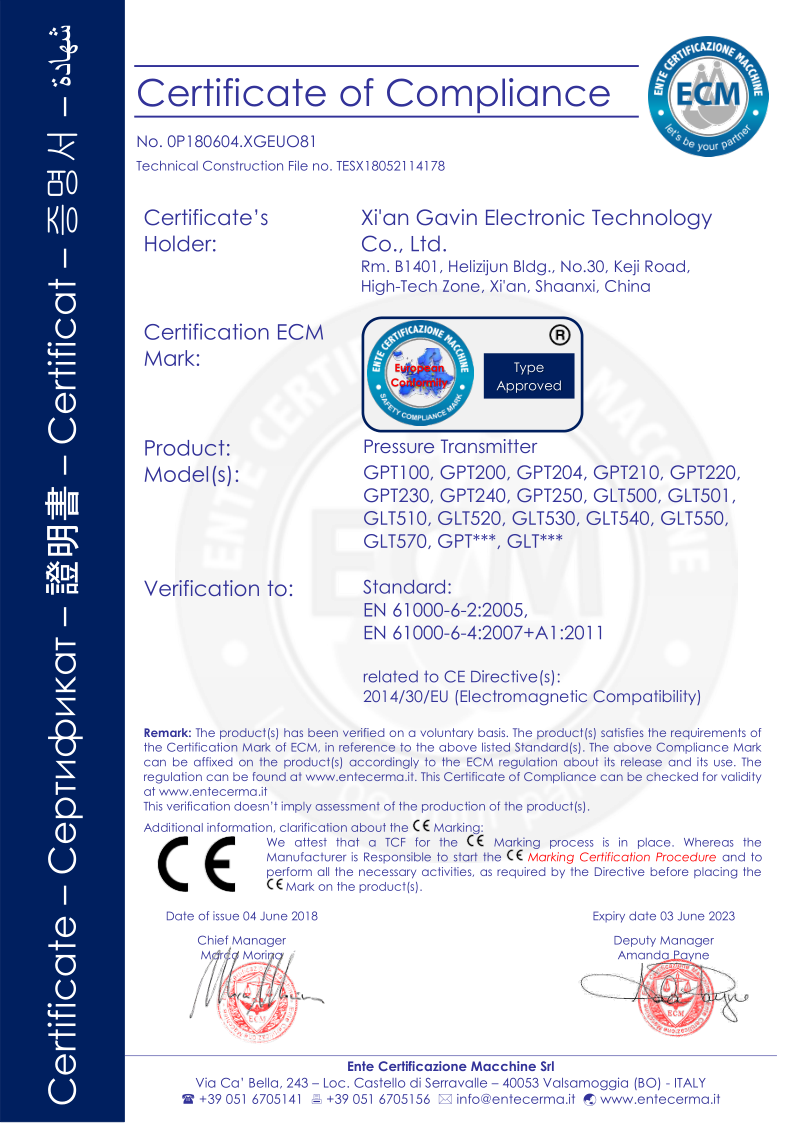
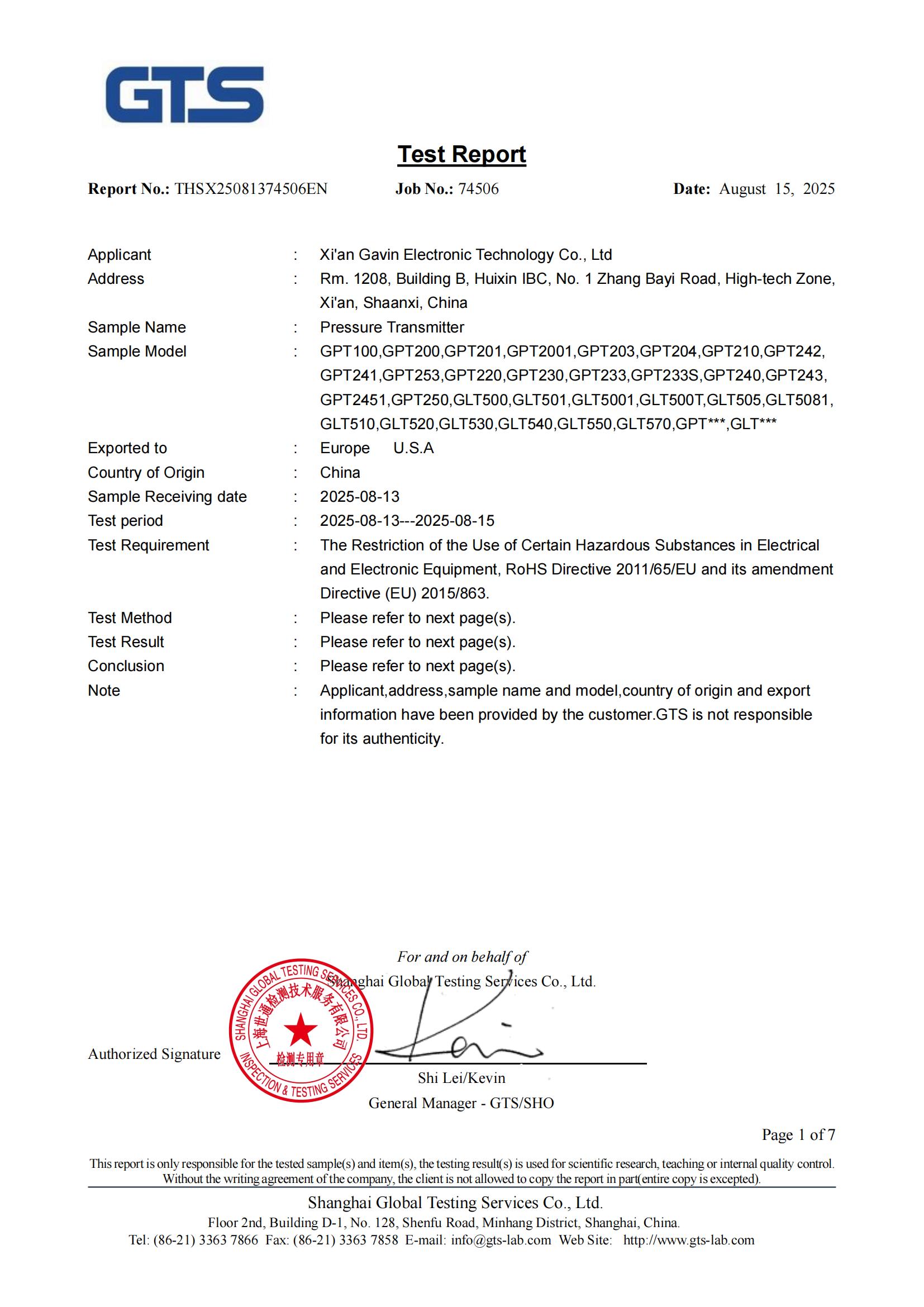
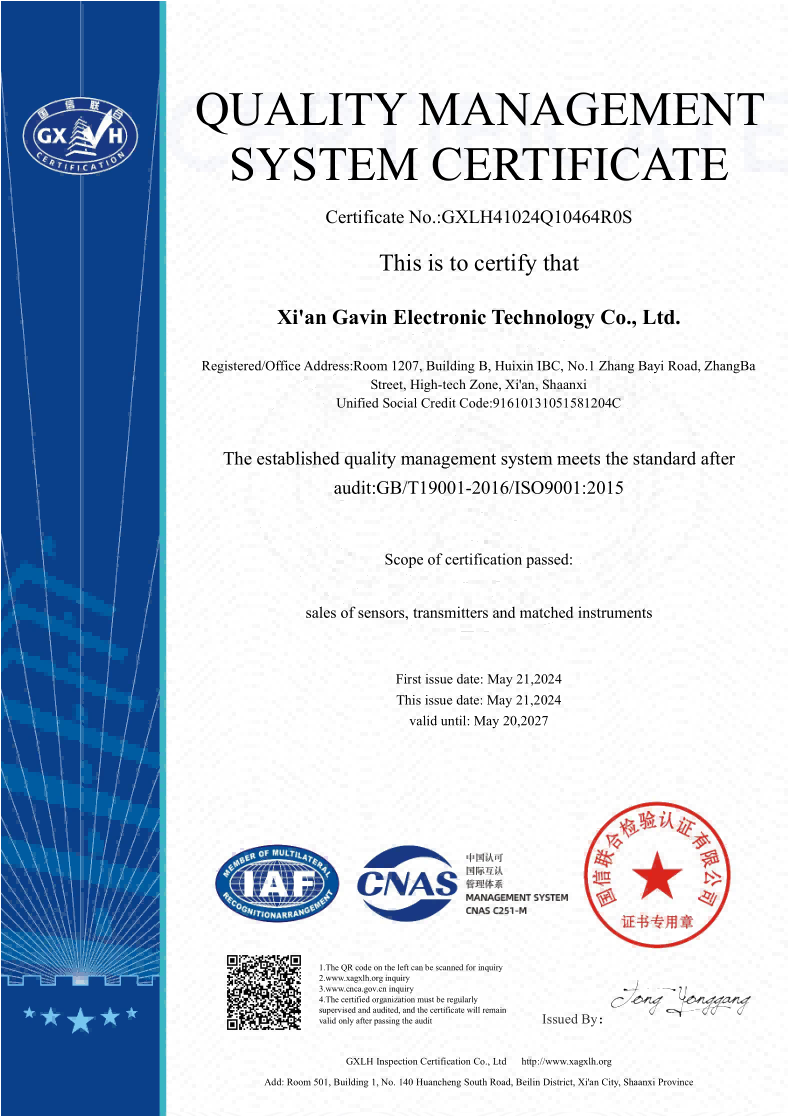
Quality certifications, such as ISO 9001, ISO 14001, and standards specific to the business, give customers faith in the producing process and the dependability of the product. Suppliers with strong research and development departments can make unique solutions that meet the needs of specific applications while keeping prices low for large orders.
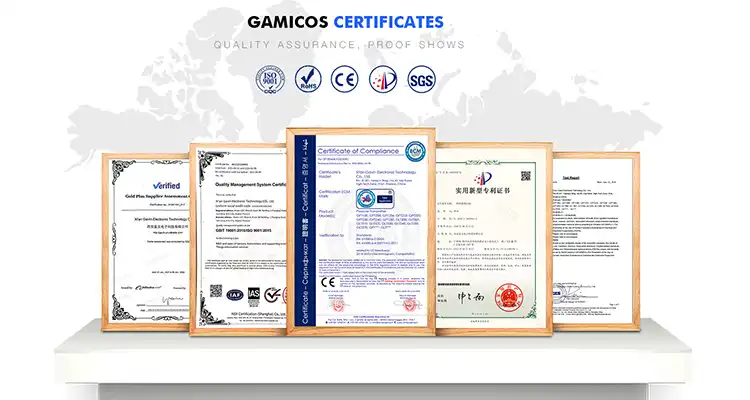
The level of service and reaction times for professional help, calibration services, and warranty support are affected by where the business is located and how well it can serve local customers. Multinational buying strategies can benefit from working with suppliers who already have established transportation networks and technical support teams in key markets.
Cost Optimization and Customization Options
To figure out the total cost of ownership, you have to add up the initial purchase price, the cost of installation, the cost of calibration, and the cost of ongoing upkeep over the product's operating lifetime. When you buy more, you get a better deal with volume pricing, and long-term supply agreements can keep prices stable and give buyers first choice when supplies are low.
Customization lets you perfectly match product specs to application needs. This could lower the overall cost of the system by getting rid of features that aren't needed or adding improvements that are specific to the application. Customization requests that improve the speed of system integration often include changes to communication protocols, output signals, and mechanical packing.
OEM and ODM services let you make your own brands and develop specialized products that set your finished goods apart in a market full of competitors. These services are especially useful for companies that make tools and want to get the most out of integrating digital pressure sensor while keeping their own system designs secret.
Conclusion
The selection between I2C, SPI, and Modbus communication protocols for digital pressure sensor applications requires careful evaluation of operational requirements, environmental conditions, and system architecture constraints. Each protocol offers distinct advantages that align with specific application needs, from I2C's simplicity for basic sensor networks to SPI's high-speed capabilities for demanding applications and Modbus's robust networking for complex industrial installations. Successful implementation depends on thorough requirements analysis, proper system design, and ongoing maintenance practices that ensure long-term reliability and measurement accuracy across diverse industrial environments.
FAQ
Q1: Which communication protocol provides the best performance for high-speed pressure monitoring applications?
A: SPI protocol delivers superior performance for high-speed pressure monitoring due to its dedicated signal lines and full-duplex operation capabilities. Operating frequencies reaching 50 MHz or higher enable rapid data acquisition essential for real-time control systems and precision measurement applications where response time critically impacts system performance.
Q2: How do environmental factors influence communication protocol selection for industrial pressure sensors?
A: Environmental considerations significantly impact protocol suitability, with electromagnetic interference, temperature extremes, and communication distance requirements influencing optimal choices. Modbus RTU over RS485 provides exceptional noise immunity and long-distance capability for harsh industrial environments, while I2C suits controlled environments with shorter communication distances and moderate interference levels.
Q3: What customization options are available for digital pressure sensor communication interfaces?
A: Leading suppliers offer extensive customization including protocol modifications, output signal adaptations, mechanical packaging changes, and firmware modifications tailored to specific applications. OEM services enable private labeling and specialized product development while maintaining compatibility with standard communication protocols and industrial automation systems.
Q4: How often should digital pressure sensors be calibrated to maintain accuracy?
A: Calibration frequency depends on application criticality, environmental conditions, and regulatory requirements, typically ranging from quarterly intervals for critical process control applications to annual calibration for general monitoring systems. Sensors operating in harsh environments or critical safety applications may require more frequent calibration to ensure continued accuracy and compliance.
Q5: Can multiple communication protocols be supported on a single pressure sensor platform?
A: Advanced digital pressure sensor designs can support multiple communication protocols through configurable firmware or hardware switches, enabling flexibility during system integration and future upgrade pathways. This capability reduces inventory requirements while providing adaptation options for evolving system architectures and communication standards.
Partner with GAMICOS for Advanced Digital Pressure Sensor Solutions
GAMICOS offers state-of-the-art digital pressure sensor technology with comprehensive communication protocol support including I2C, SPI, and Modbus interfaces tailored to demanding industrial applications. Our experienced engineering team provides expert consultation on protocol selection, system integration, and customization services that optimize performance while reducing total cost of ownership. With over 100 countries served and extensive OEM/ODM capabilities, GAMICOS stands as your trusted digital pressure sensor supplier for mission-critical applications requiring exceptional accuracy and reliability. Contact our technical specialists at info@gamicos.com to discuss your specific requirements and access detailed product documentation that accelerates your procurement process.
References
1. Smith, J.A., "Digital Communication Protocols in Industrial Sensor Networks: A Comprehensive Analysis," Industrial Automation Technology Journal, Vol. 45, 2023.
2. Chen, L.K., "Comparative Performance Analysis of I2C, SPI, and Modbus Protocols for Pressure Sensing Applications," Sensors and Measurement Systems International, 2022.
3. Rodriguez, M.C., "Advanced Calibration Techniques for Digital Pressure Transmitters in Industrial Environments," Process Control Engineering Quarterly, Vol. 28, 2023.
4. Williams, D.R., "Environmental Robustness and Signal Integrity in Industrial Communication Systems," Automation Technology Review, Vol. 15, 2022.
5. Thompson, K.L., "Procurement Strategies for Digital Sensor Technologies: Market Analysis and Cost Optimization," Industrial Equipment Procurement Guide, 2023.
6. Anderson, P.J., "Troubleshooting Digital Communication Interfaces in Harsh Industrial Environments," Maintenance and Reliability Engineering, Vol. 33, 2022.

Peter
Peter, Senior Sensor Technology Consultant, has 15-year industrial sensor R&D experience. He specializes in the end-to-end development of high-accuracy pressure and level sensors and he firmly believe, precision isn’t just a spec—it’s a promise.
We're here to help — submit your request anytime!
Let us know how we can help solve your pressure level measurement challenge.
_1757930850792.jpg)
Recommended Blog
Why 4-20mA Output Is the Gold Standard for Pressure Transmitters
-vs.-Analog-Output-Pressure-Sensors-Analysis_1773906684295.webp)
Digital (I2C, SPI) vs. Analog Output Pressure Sensors Analysis

Understanding Pressure Sensor Accuracy: Interpreting ±0.5% FS
_1774248392435.webp)
Pressure Sensor Range & Full Scale (FS): Complete Guide
Why 4-20mA Output Is the Gold Standard for Pressure Transmitters
Digital (I2C, SPI) vs. Analog Output Pressure Sensors Analysis
Understanding Pressure Sensor Accuracy: Interpreting ±0.5% FS
Pressure Sensor Range & Full Scale (FS): Complete Guide
Why 4-20mA Output Is the Gold Standard for Pressure Transmitters
Digital (I2C, SPI) vs. Analog Output Pressure Sensors Analysis
Understanding Pressure Sensor Accuracy: Interpreting ±0.5% FS
Pressure Sensor Range & Full Scale (FS): Complete Guide
Why 4-20mA Output Is the Gold Standard for Pressure Transmitters
Digital (I2C, SPI) vs. Analog Output Pressure Sensors Analysis
Understanding Pressure Sensor Accuracy: Interpreting ±0.5% FS
Pressure Sensor Range & Full Scale (FS): Complete Guide