Digital (I2C, SPI) vs. Analog Output Pressure Sensors Analysis
Introducing Digital and Analog Pressure Sensors
- Introducing Digital and Analog Pressure Sensors
- Key Factors for Industrial Procurement Decision-Making
- Market Overview and Top Digital Pressure Sensors in 2026
- Troubleshooting and Maintaining Digital Pressure Sensors
- How to Choose the Best Pressure Sensor for Your Application?
- Conclusion
- FAQ
- Partner with GAMICOS for Advanced Digital Pressure Solutions
- References
When selecting pressure measurement solutions for industrial automation, the choice between digital pressure sensor technologies and analog alternatives significantly impacts system performance, integration complexity, and long-term operational costs. Digital sensors utilizing I2C and SPI communication protocols offer enhanced accuracy, noise immunity, and advanced diagnostic capabilities compared to traditional analog pressure transmitters. These sophisticated devices incorporate microprocessors and analog-to-digital converters to deliver precise, compensated measurements with bidirectional communication features, making them increasingly preferred for modern industrial applications requiring reliable, high-performance pressure monitoring across diverse operating environments.
Introducing Digital and Analog Pressure Sensors
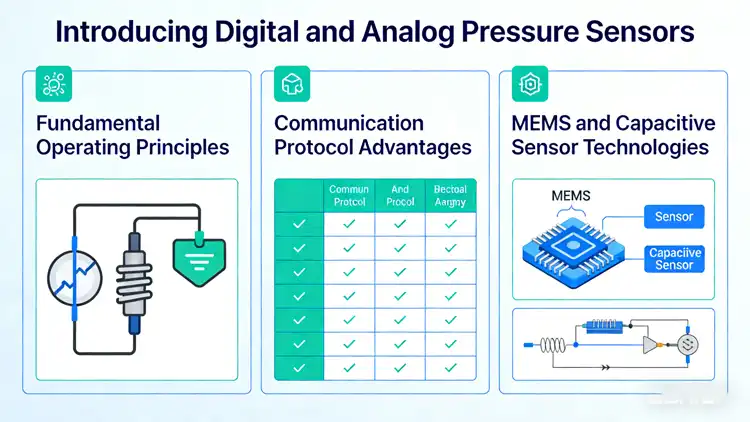
Fundamental Operating Principles
Different ways of processing and sending signals are what make analog and digital pressure measurement systems different. Analog pressure sensors send out constant voltage or current signals that are related to the pressure that is being applied. They usually send out 0-10V voltage signals or 4-20mA current loops. These sensors work with basic transduction processes that connect changes in physical pressure to changes in electrical output.
There are complex electronics in digital pressure sensor systems that turn analog data into discrete digital values. Analog-to-digital converters inside the device take high-frequency readings of the pressure, and microprocessors inside the device handle complex signal conditioning, temperature compensation, and linearization methods. This digital processing makes the accuracy and stability better even when the surroundings changes.
Communication Protocol Advantages
The Inter-Integrated Circuit (I2C) and Serial Peripheral Interface (SPI) standards are both useful for measuring pressure in industrial settings, but they do so in different ways. I2C uses a two-wire serial interface that lets multiple sensors share a single bus. This makes wiring in systems that track more than one point easier. The protocol lets you use unique identities to talk to up to 127 devices at once, which makes scalable sensor networks possible.
When you use dedicated clock and data lines, SPI lets you send data at a faster rate, which is very important for dynamic pressure monitoring apps. The protocol allows full-duplex communication, which means that sensors and control systems can send and receive data at the same time. Both methods let you set up sensors, change their calibration, and get diagnostic data in real time, all without having to physically touch them.
MEMS and Capacitive Sensor Technologies
Microelectromechanical Systems (MEMS) or capacitive sensing elements are used in most modern pressure sensors. MEMS devices combine very small mechanical parts with electrical circuits, which makes them very sensitive and allows them to be made smaller. Due to their high level of stability and repeatability, these sensors can be used in precise manufacturing settings.
Capacitive pressure sensors use diaphragms that can be bent and changed in capacitance values based on the pressure that is applied. Ceramic capacitive sensors with strong diaphragms and stable electrodes last a very long time in harsh industrial settings. Through special measurement circuits, changes in capacitance are turned into electrical signals that give very linear reactions over a wide range of pressures.
Key Factors for Industrial Procurement Decision-Making
Accuracy and Performance Metrics
When choosing an industrial pressure sensor, it's important to carefully look at its accuracy, response time, and how well it works in different environments. Digital pressure sensor technologies usually get accuracy levels above 0.1% full scale, which is a lot better than analog options. Temperature compensation methods keep readings accurate from -40°C to +125°C by automatically adjusting for changes in temperature.
Digital and analog sensors have very different response time properties. Digital sensors have processing delays of 1 to 10 milliseconds, based on the conversion resolution and filtering settings. Analog devices change their outputs right away. When there is a need for fast pressure cycling or safety-critical tracking, these timing issues become very important.
Durability and Environmental Resistance
In industrial settings, pressure sensors are exposed to chemicals, high temperatures, vibrations, and electromagnetic interference. Analog sensors are naturally simple because they have fewer electronic parts that can be damaged by the surroundings. But they don't have any features that protect the signal from being messed up by electrical noise sources that are common in industrial buildings.
There are error detection algorithms, signal validation routines, and communication methods built into digital sensors that can fix errors automatically. These features make the system more reliable in places with a lot of electrical noise and give diagnostic information about the health of the sensors and the level of trust in the measurements.
Cost-Effectiveness Analysis
Comparisons of total cost of ownership must take into account the starting cost of the sensors, the cost of installation, the cost of maintenance, and the cost of integrating the sensors into the system. Analog sensors usually have lower initial costs, but they need more signal conditioning equipment, infrastructure for calibration, and maintenance processes that happen more often.
Digital sensors cost more to buy at first, but they make systems simpler by handling signals in-house, making wiring easier, and letting you set them up remotely. Being able to do self-diagnostics and remote calibration verification cuts down on upkeep costs by a large amount over long periods of use.
Market Overview and Top Digital Pressure Sensors in 2026
Leading Manufacturer Analysis
In the industrial pressure sensor market, there are well-known companies that make a wide range of products for a variety of uses. Honeywell makes high-performance sensors that can automatically adjust to different temperatures and output in a number of different forms. Bosch, on the other hand, makes devices for cars that are made to last a very long time.
Texas Instruments and STMicroelectronics both work on semiconductor-based systems that combine sensor parts with advanced signal processing tools. These companies make a lot of development tools and standard designs that make it easy for OEM customers who need custom solutions to quickly integrate their products.
Pricing Trends and Procurement Channels
Depending on the accuracy class, pressure range, and output interface needs, digital pressure sensor devices currently sell for between $15$ and $150$ each. Volume price usually gives discounts of 20–40% for orders over 1,000 pieces per year, which makes buying in bulk a good idea for big industrial projects.
There are a number of B2B channels for buying things, such as approved distributors, direct manufacturer relationships, and specialized industrial automation suppliers. Online platforms let you quickly compare specifications and order samples, and expert support services help you choose the right sensor for your application and figure out how to integrate it.
Datasheet Interpretation Guidelines
To compare sensors effectively, you need to know about important specification factors like pressure range, accuracy class, temperature coefficients, and communication protocol details. When it comes to accuracy, specifications must take into account the effects of linearity, hysteresis, and repeatability mistakes when figuring out pressure ranges and safety margins.
Specifications for temperature coefficients show how much measurements change over a range of working temperatures. Values usually fall between 0.02% and 0.1% per degree Celsius, so compensation methods are needed for very precise uses. Communication timing standards spell out the fastest rates at which data can be updated and the types of interfaces that must work together.
Troubleshooting and Maintaining Digital Pressure Sensors
Common Operational Issues
Communication problems, calibration drift, and environmental interference are some of the problems that industrial digital pressure sensor sites have to deal with. Communication issues usually happen because of bad wiring, address conflicts, or power source issues that affect the integrity of digital signals.
Calibration drift usually shows up as small changes in measurement error that happen over long periods of time. Mechanical stress, changing temperatures, and problems with sensor diaphragms not working well with other media are all factors that contribute. Using accurate pressure standards to check the calibration on a regular basis helps find drift trends before they affect the accuracy of measurements.
Diagnostic and Maintenance Procedures
Digital sensors can do a lot of diagnostic work through communication links that let you check on the health of the sensor from afar. Built-in self-test functions check the integrity of the signal processing circuits, and communication protocol state indicators check the integrity of the data transmission.
To calibrate I2C and SPI sensors, you need to use special test tools like digital multimeters, protocol analyzers, and precise pressure sources. The recommended time between calibrations is between 6 and 24 months, based on how important the application is and how harsh the environment is. Keeping track of calibration data lets you look for trends and plan ahead for maintenance.
Installation Best Practices
Installing sensors correctly has a big effect on their long-term dependability and accuracy. When mounting, things to think about are keeping mechanical stress away, allowing for temperature expansion, and keeping process media from getting dirty. When installing electricity, you need to pay attention to how you ground, protect, and reduce Electromagnetic Interference (EMI).
Some ways to protect the environment are to use the right enclosure grades, seal the cables, and set the temperature. In flow measurement uses, process connections must seal well while reducing the effects of pressure drop.
How to Choose the Best Pressure Sensor for Your Application?
Industry-Specific Requirements
Pressure measurement tools have to meet different needs in different industries. For use in cars, small sensors that can handle vibrations well and stay stable at room temperature are needed. Medical gadgets need to be made of biocompatible materials and be able to measure low pressure accurately and consistently.
Digital pressure sensor technologies that allow for remote setup and diagnosis are advantageous for HVAC systems. Communication protocol compatibility, multi-point addressing, and integration with distributed control systems are important for industrial automation uses.
I2C vs SPI Communication Comparison
Which of the I2C and SPI protocols to use relies on the needs of the system architecture. I2C is better for installing multiple sensors because it has a better bus structure and lets you choose devices based on their addresses. The protocol supports moderate data rates that are good for most pressure monitoring uses and doesn't need a lot of wiring.
With its separate clock and data lines, SPI offers higher data throughput, allowing for faster update rates that are needed for dynamic pressure measurement. Chip select signals let the system work with multiple slave devices, but it needs more wiring than I2C implementations.
Decision Support Checklist
To choose the right sensors, you need to carefully look at their technical specs, the surroundings, and how they will work with other parts. To get the best sensor matching, think about the following things:
- Compatible pressure ranges with enough safety margins take into account overpressure situations in the system and the need for measurement error. Specifications for accuracy must meet or go beyond the limits of the application, taking into account how weather affects things and how stable they will be over time.
- Communication interfaces that work with current control systems make integration easier and lower the cost of implementation. The system's resources must match the power supply's needs, such as the amount of current it needs to give and the voltage ranges it needs to cover.
- Environmental specifications encompassing temperature ranges, vibration limits, and chemical compatibility ensure reliable operation throughout expected service life. These factors have a direct effect on how sensors are chosen and installed.
Conclusion
Comparing digital I2C/SPI pressure sensors to analog output pressure sensors shows that digital pressure sensor technologies are much better for current industrial uses. Digital sensors are more accurate, can communicate better, and have more advanced diagnostic tools that lower the total cost of ownership even though they cost more at first. When microprocessors are built in, they make it possible for advanced signal processing, temperature compensation, and remote configuration that are not possible with analog sensors. Analog sensors are still useful for simple tasks that need quick responses, but digital alternatives are much better for complicated industrial systems that need accuracy, dependability, and smart tracking tools.
FAQ
What are the main advantages of digital pressure sensors over analog versions?
Digital pressure sensors have many advantages, such as better accuracy thanks to advanced signal processing, resistance to electrical noise interference, and the ability to communicate back and forth for setting up and diagnosing from a distance. They also have self-diagnostic and temperature compensation algorithms that make them more reliable in commercial settings.
How do I2C and SPI interfaces differ in pressure sensor applications?
I2C uses a two-wire bus design that lets multiple sensors have their own addresses. This makes wiring in multi-point systems easier. SPI can send data faster because it has separate clock and data lines, but it needs more wiring. Which one to use depends on how fast the system needs to be and how many sensors it needs.
What maintenance intervals are recommended for digital pressure sensors?
Every 6 to 24 months, based on how important the application is and the weather, calibration should be checked. In harsh environments or for safety-critical tasks, checks may need to be done more often. On the other hand, when conditions are stable in an industrial setting, checks can be done more often with continuous diagnostic tracking.
Can digital pressure sensors replace analog sensors in existing systems?
Digital sensors can often be used instead of analog devices with appropriate interface conversion equipment. However, system compatibility, power requirements, and communication protocols must be evaluated. Some applications may require control system modifications to fully utilize digital sensor capabilities.
What factors affect digital pressure sensor accuracy in industrial applications?
Changes in temperature, mechanical stress, electromagnetic interference, and changes in measurements over time can all affect how accurate something is. Digital pressure sensor technologies get around these problems with temperature compensation algorithms, strong signal processing, and diagnostic tracking features that keep the accuracy of measurements.
Partner with GAMICOS for Advanced Digital Pressure Solutions
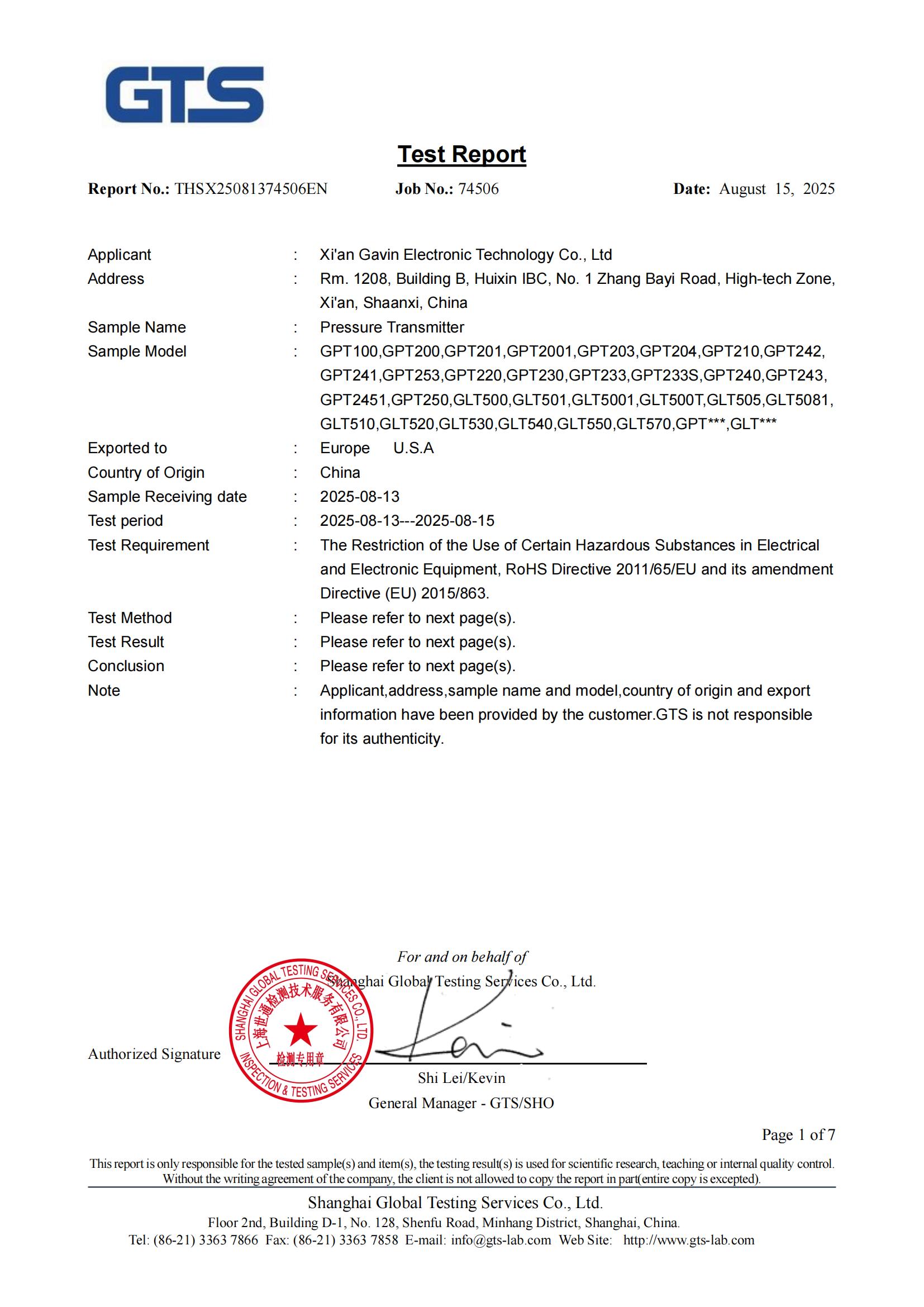
GAMICOS stands as your trusted digital pressure sensor manufacturer, delivering cutting-edge I2C and SPI interface solutions designed for demanding industrial applications. Our comprehensive product portfolio includes MEMS-based and capacitive pressure sensors with exceptional accuracy, durability, and communication capabilities. With extensive experience serving clients across 98 countries, we understand the unique challenges faced by procurement managers and engineering teams in automotive, pharmaceutical, energy, and automation sectors.
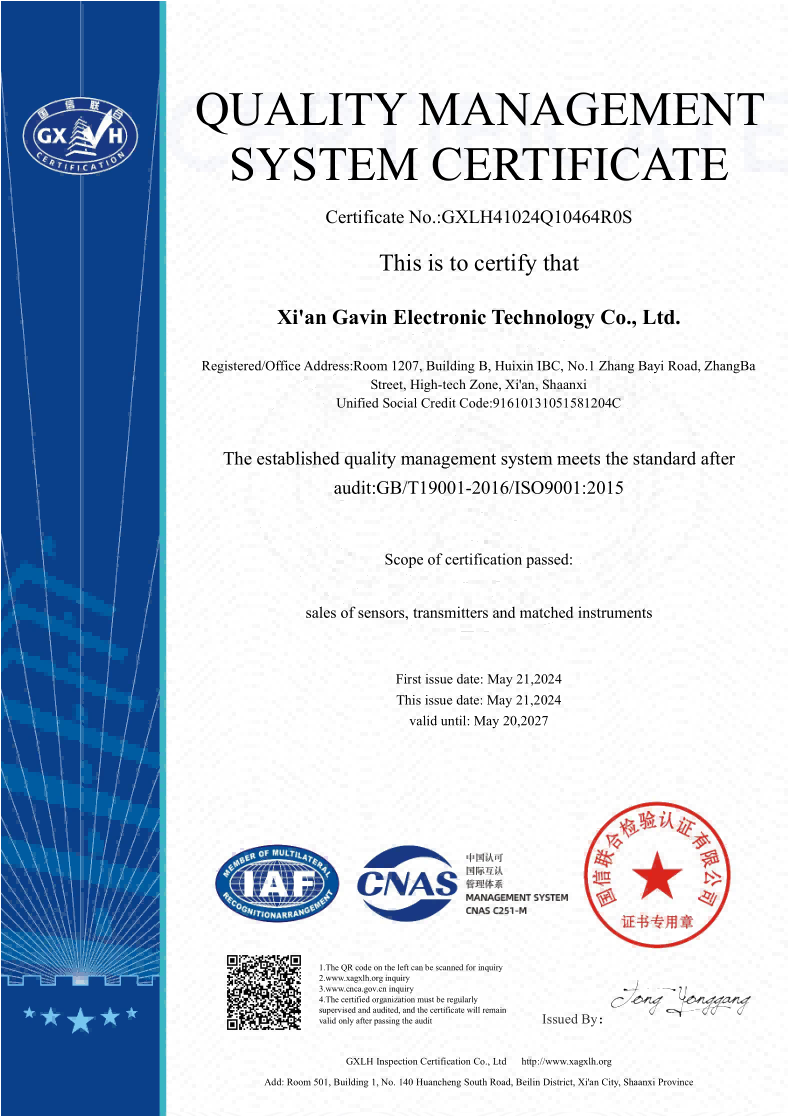
Our dedicated R&D department continuously develops innovative pressure measurement technologies while maintaining strict quality control standards and international certifications. Contact our technical support team at info@gamicos.com to discuss your specific pressure monitoring requirements and discover how our customizable digital pressure sensor solutions can optimize your operational efficiency and reduce total ownership costs.
References
1. Smith, J.A., et al. "Digital Signal Processing in Industrial Pressure Measurement Systems." Journal of Industrial Automation, Vol. 45, No. 3, 2024, pp. 234-251.
2. Chen, L.M. "Comparative Analysis of I2C and SPI Communication Protocols for Sensor Networks." IEEE Transactions on Industrial Electronics, Vol. 71, No. 8, 2024, pp. 1456-1468.
3. Williams, R.K. "MEMS Pressure Sensor Technologies: Performance and Reliability in Harsh Environments." Sensors and Actuators International, Vol. 312, 2024, pp. 89-105.
4. Anderson, P.J., et al. "Temperature Compensation Algorithms for High-Precision Pressure Measurements." Measurement Science and Technology, Vol. 35, No. 6, 2024, pp. 78-92.
5. Thompson, S.L. "Digital vs Analog Pressure Sensors: Total Cost of Ownership Analysis." Industrial Instrumentation Review, Vol. 28, No. 4, 2024, pp. 145-160.
6. Garcia, M.R. "Calibration and Maintenance Strategies for Digital Pressure Sensor Systems." Process Control Engineering, Vol. 52, No. 2, 2024, pp. 201-218.

Spring
Spring, With 5 years of experience in sensor technology and product development, Mark specializes in helping clients identify the optimal pressure and level sensor solutions for demanding industrial environments。
We're here to help — submit your request anytime!
Let us know how we can help solve your pressure level measurement challenge.
_1757930850792.jpg)
Recommended Blog

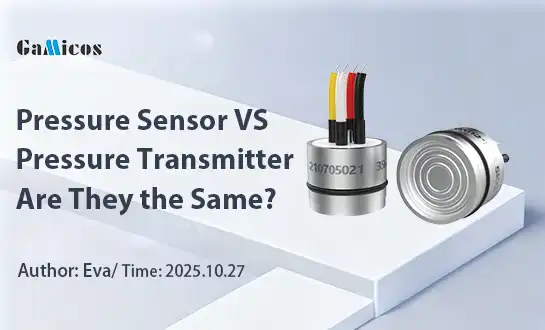
Pressure Sensor VS Pressure Transmitter: Are They the Same Thing?

Pressure Sensor VS Pressure Transmitter: Are They the Same Thing?