Top Wireless Pressure Sensor Suppliers in Asia and the Americas
Introduction
- Introduction
- Understanding Wireless Pressure Sensors and Their Market Landscape
- Top Wireless Pressure Sensor Suppliers in Asia
- Top Wireless Pressure Sensor Suppliers in the Americas
- How to Choose the Best Wireless Pressure Sensor Supplier for Your Business?
- Advantages of Wireless Pressure Sensors and Their Applications Across Industries
- Conclusion
- FAQ
- Partner with GAMICOS for Advanced Wireless Pressure Measurement Solutions
- References
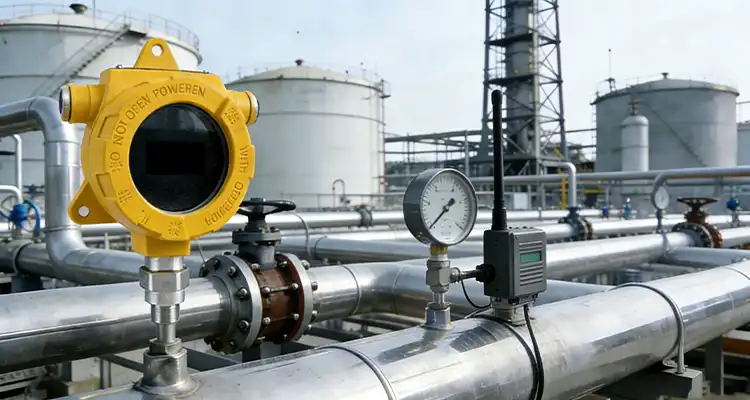
Identifying reliable wireless pressure sensor suppliers across Asia and the Americas requires careful evaluation of technical capabilities, certification compliance, and customization services. Prominent producers in these areas are excellent at offering high-precision measuring solutions for the energy, oil and gas, industrial automation, and pharmaceutical industries. To guarantee fruitful long-term collaborations, procurement managers must evaluate aspects like product correctness, delivery dependability, and extensive after-sales assistance when choosing a wireless pressure sensor supplier.
Introduction
Since wireless pressure sensors are now necessary parts of contemporary production and processing settings, the industrial landscape has undergone a significant upheaval. These advanced gadgets provide remarkable measuring precision and operating flexibility while doing away with the limitations of conventional wired systems. Strategic alliances with competent suppliers that can provide verified, adaptable solutions that satisfy exacting industrial standards are becoming more and more important to global supply chains.
The need for dependable measuring equipment that meets international standards and supports a variety of operating situations is becoming more and more pressing for procurement managers in the petroleum, chemical, pharmaceutical, food and beverage, and energy sectors. This thorough reference looks at the top producers of wireless pressure sensors in Asia and the Americas, giving decision-makers crucial information on local capacities, cutting-edge technologies, and standards for evaluating suppliers. Our study is intended to assist R&D teams, engineering managers, and sourcing specialists in finding the best partners for their particular measurement applications.
As more businesses adopt IoT integration and remote monitoring capabilities, the market for wireless pressure sensors is growing. Successful procurement strategies need an understanding of regional supplier capabilities, certification requirements, and customization choices. Informed supplier selection selections that complement both short-term project needs and long-term operational goals are supported by the actionable knowledge provided by this guidance.
Understanding Wireless Pressure Sensors and Their Market Landscape
Wireless pressure sensors, which use radio frequency, LoRa, GPRS, or 4G networks to send pressure data without the need for physical cable connections, represent a major technical leap in industrial measuring systems. High-stability sensors with temperature adjustment are included into these instruments to provide precise measurements of liquids, gasses, and steam in challenging industrial settings. The removal of wire requirements improves system dependability and accessibility for maintenance while significantly lowering installation complexity.
Key Technology Types and Applications
Three main sensor technologies, each tailored for certain industrial applications, are included in contemporary wireless pressure measuring systems. Capacitive sensors perform very well in applications that need great sensitivity and stability, especially in settings involving food processing and pharmaceuticals where hygienic requirements are crucial. Piezoresistive sensors are perfect for chemical processing and oil and gas pipeline monitoring because they provide remarkable precision across a broad pressure range. Resonant sensors are ideal for precise measurement needs in energy generation and industrial automation systems because they provide exceptional long-term stability and temperature correction.
Amazing advancements may be seen in the market landscape of 2026, such as improved signal penetration technologies, energy-harvesting capabilities, and AI-enabled self-calibration. Some gadgets may now operate continuously for more than three years on a single battery charge thanks to advanced wireless protocols that permit transmission lengths of over five kilometers while retaining very low power consumption. These technical developments lower operating costs and maintenance needs while enabling deployment in previously unreachable areas.
Market Dynamics and Regional Trends
Global manufacturing of wireless pressure sensors is dominated by Asia and the Americas, each of which has established unique competitive advantages. Asian manufacturers provide reasonably priced solutions without sacrificing quality standards by using cost economies and modern production skills. American vendors, as wireless pressure sensor supplier leaders, prioritize specific applications and state-of-the-art technology integration, often spearheading innovation in specialist industries and bespoke engineering solutions.
As manufacturers realize the operational advantages of wireless measuring devices, industry demand is rising. Predictive maintenance plans are made possible by remote monitoring capabilities, which also lower the safety hazards connected to human data collecting in dangerous settings. Industries with dispersed assets, like pipeline operators and offshore energy producers, especially profit from this trend.
Top Wireless Pressure Sensor Suppliers in Asia
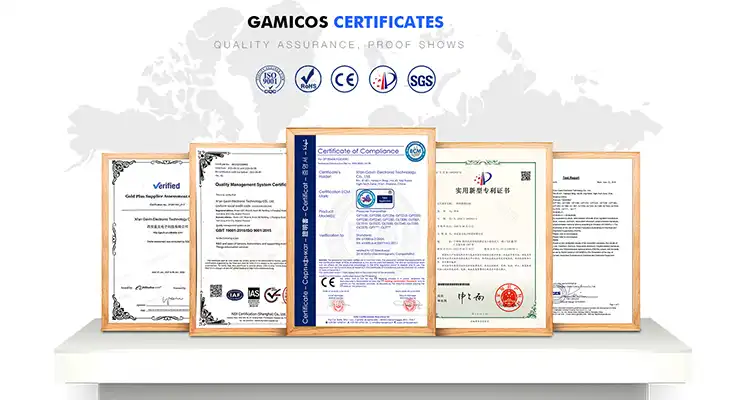
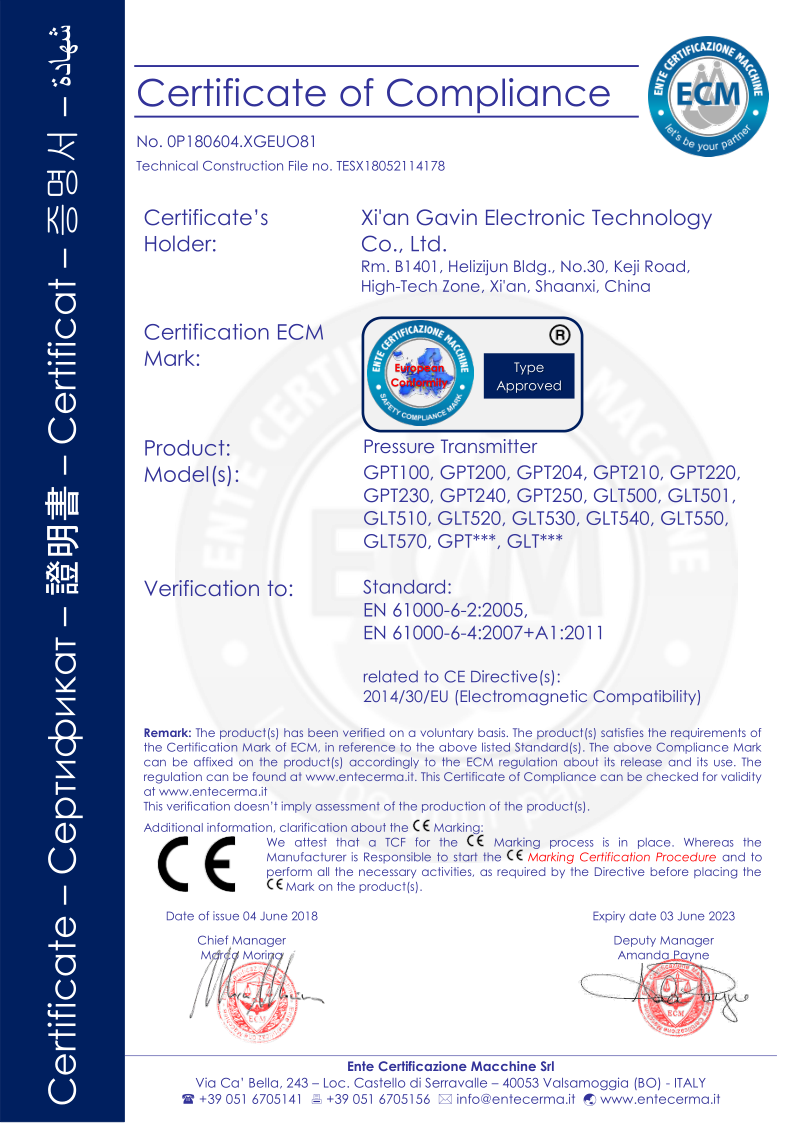
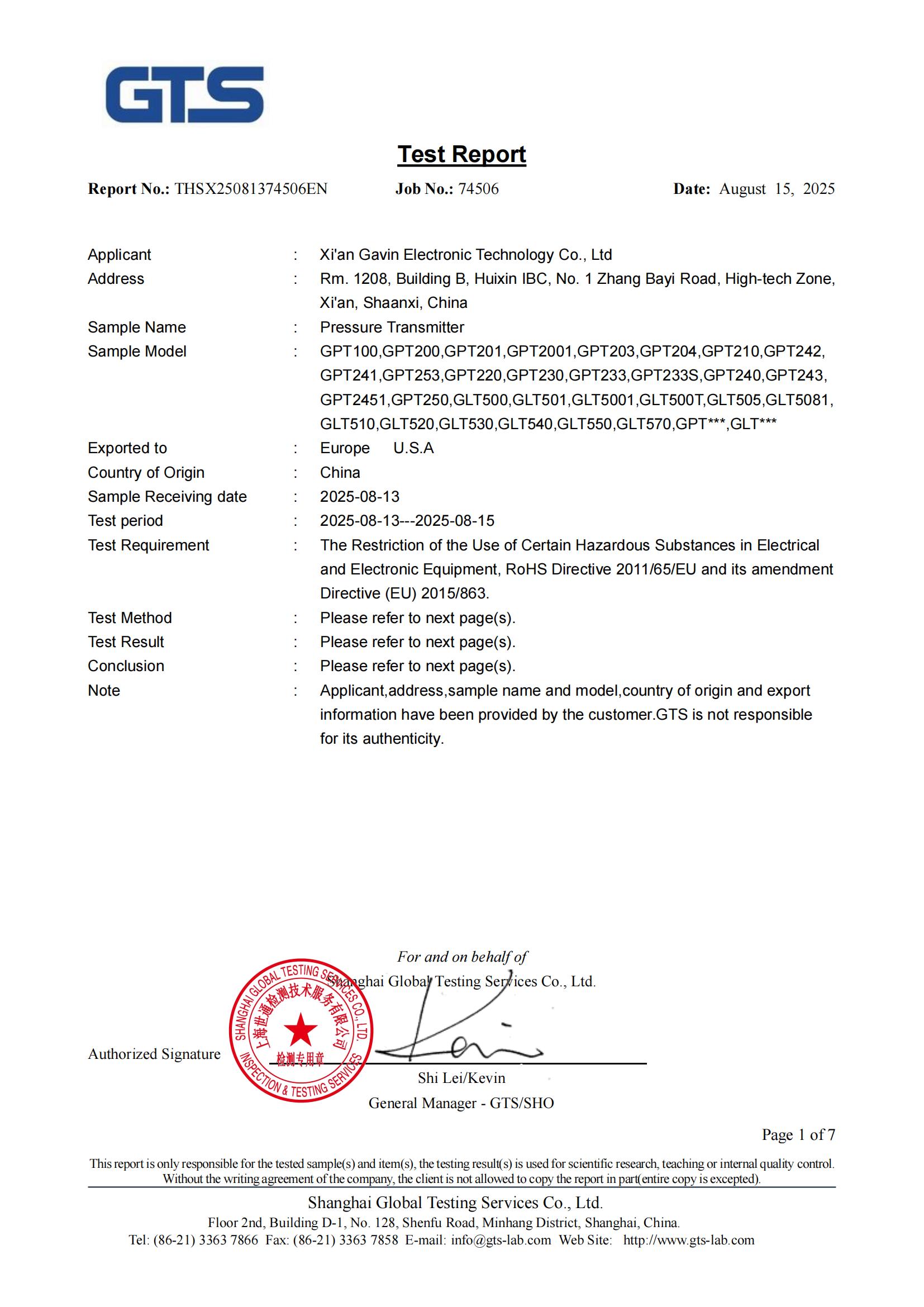
The production ecosystem for wireless pressure sensors in Asia offers competitive price structures and cutting-edge technological capabilities, resulting in attractive value propositions for international procurement teams. Prominent suppliers in South Korea, China, Japan, and India have set up extensive quality management systems that meet international certification standards including CE marking, ISO 9001, and RoHS compliance. These producers are excellent at offering scalable production capabilities that accommodate the needs of both large-volume manufacturing and prototype development.
Chinese Manufacturing Excellence
Global leaders in fusing cutting-edge technology with economical production methods are Chinese wireless pressure sensor providers. Businesses that provide full measuring solutions that combine R&D, manufacturing, and sales capabilities under unified quality management systems, such as GAMICOS, are prime examples of this trend. To satisfy particular application needs, these providers offer a wide range of customization choices, including sensor kinds, communication protocols, housing materials, and interface configurations.
With products supplied to more than 100 countries, GAMICOS is a prime example of the new generation of Chinese technology businesses. They specialize in liquid level and pressure measuring systems. With several wireless transmission choices and high-stability sensors with temperature correction, their wireless pressure transmitters, such as the GPT2451 type, exhibit sophisticated capabilities. Depending on the needs of the application, the device may provide either ultra-low power consumption or extraordinary signal penetration. It supports 4G networks, LoRa spread spectrum, and the SWSN efficient protocol.
A number of impressive characteristics that tackle typical industrial problems are shown by the GPT2451 wireless pressure transmitter. With one-second measurement intervals and ultra-low power usage, it may operate for up to three years, greatly lowering the need for maintenance. Applications for remote monitoring in water treatment and oil and gas plants are supported by the 5 km communication range that LoRa mode transmission capability provides. Wiring needs are eliminated by the ease of installation, and real-time monitoring with remote alarm capabilities is provided via APP-based data synchronization.
Japanese Precision Engineering
Japanese suppliers are known for their outstanding accuracy and dependability, especially in specialist applications that need long-term stability and great precision. These businesses make significant investments in R&D, often developing cutting-edge measuring tools that ultimately become accepted norms in the field. Premium items with extensive technical assistance and extended warranty schemes are usually offered by Japanese manufacturers.
South Korean Innovation Focus
Technology innovation and quick product development cycles are priorities for South Korean wireless pressure sensor producers. These businesses often work with international electronics producers to include cutting-edge IoT and connectivity technologies into their sensor platforms. Advanced cybersecurity features and state-of-the-art wireless protocols are common in their devices.
Top Wireless Pressure Sensor Suppliers in the Americas
Based on technical innovation, application knowledge, and extensive customer support services, North and Latin American wireless pressure sensor supplier vendors have established solid reputations. Usually, these businesses concentrate on niche markets that need sophisticated technical skills, unique engineering solutions, or adherence to certain regional norms. Turnkey solutions that include system integration, commissioning support, and continuing technical help are best supplied by American vendors.
United States Technology Leadership
American producers of wireless pressure sensors are at the forefront of creating cutting-edge technology for demanding uses in the high-tech industrial, aerospace, and military industries. These businesses make large investments in R&D, often working with academic institutions and government research centers to promote measurement science. The newest cybersecurity and wireless communication technologies are regularly included into their devices.
complete technical support, such as application engineering help, bespoke calibration services, and complete documentation packages, is usually provided by American vendors. Complex installations that need to integrate with current control systems or adhere to strict regulatory standards benefit greatly from this level of assistance.
Canadian Cold Weather Expertise
Wireless pressure sensors made for harsh environments, especially low-temperature applications like those found in arctic industrial activities and oil and gas exploration, are the specialty of Canadian firms. These businesses create their goods with an awareness of the particular difficulties associated with operating in frigid climates.
Latin American Market Development
As they progressively increase their technological prowess and global reach, emerging Latin American suppliers concentrate on providing affordable solutions for local markets. These businesses often provide outstanding value offers for applications that don't need premium capabilities.
How to Choose the Best Wireless Pressure Sensor Supplier for Your Business?
A methodical assessment of technological prowess, business procedures, and the possibility of a long-term collaboration are necessary when choosing the best wireless pressure sensor supplier. Clear criteria, such as pressure ranges, accuracy standards, climatic conditions, communication protocols, and certification needs, are the first step in any successful procurement strategy. These requirements serve as the cornerstone for assessing suppliers and aid in locating producers with the necessary skills and expertise.
Technical Evaluation Criteria
The most important technical factor is product accuracy, especially in situations where process control or safety systems are directly impacted by measurement precision. Wireless pressure sensors must function in potentially difficult radio frequency settings while maintaining accuracy on par with cable versions. Temperature coefficients, long-term stability data, and calibration methods are only a few of the comprehensive accuracy standards that suppliers need to provide.
When applications ask for long transmission lengths or operation in electrically loud situations, communication range and dependability become crucial considerations. While 4G networks give dependable connection in places with cellular coverage, LoRa technology has remarkable range capabilities, with some systems allowing transmission lengths surpassing 5 kilometers. A reliable wireless pressure sensor supplier can provide solutions optimized for these needs. Energy efficiency is a critical assessment factor since battery life concerns affect maintenance schedules and total cost of ownership.
Operating temperature ranges, humidity tolerance, vibration resistance, and ingress protection ratings are all included in environmental compatibility. Comprehensive environmental standards and relevant testing certificates should be provided by suppliers. Deployment costs and complexity are influenced by installation requirements, such as mounting choices, antenna layouts, and commissioning processes.
Business and Quality Considerations
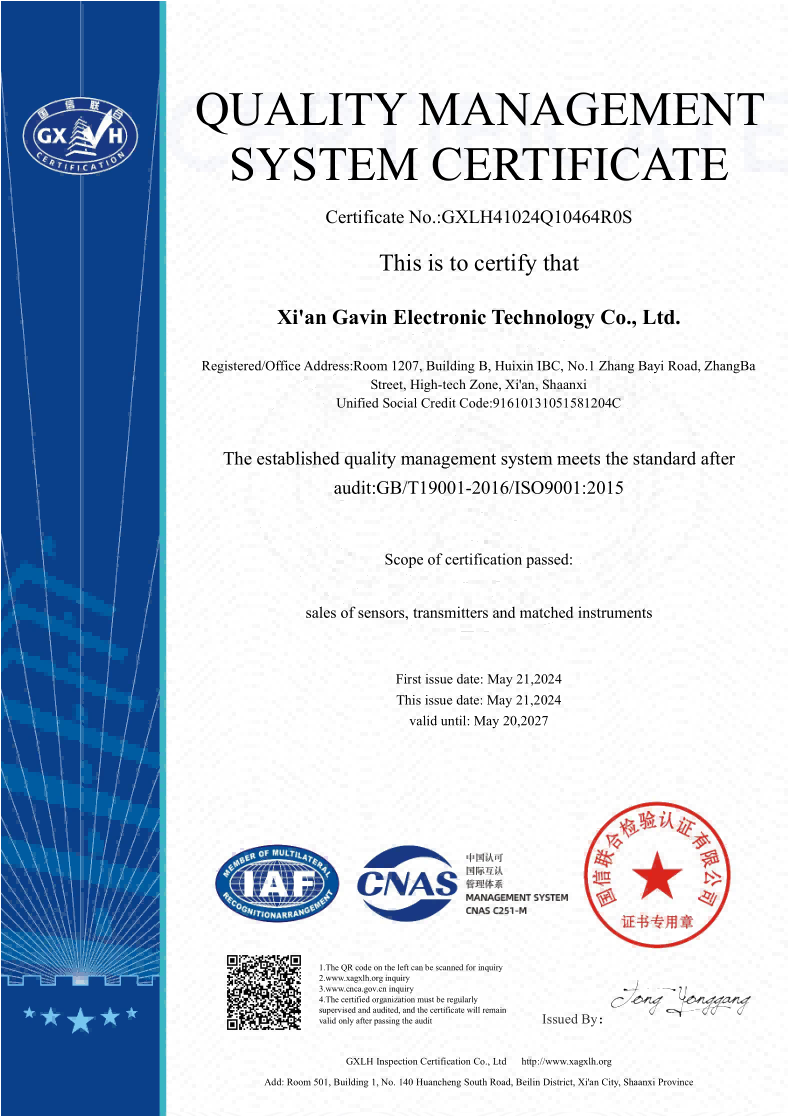
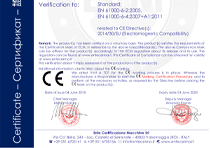
Use in regulated sectors is made possible by certification compliance, which shows a supplier's dedication to quality. Important certifications include RoHS compliance for environmental standards, ISO 9001 quality management, CE marking for European markets, and industry-specific clearances like ATEX or FM for use in hazardous areas. Current certifications and accompanying paperwork for their quality management systems should be kept up to date by suppliers.
Capabilities for customization allow for optimization for particular applications and might provide cost or performance benefits over competitors. Prominent vendors provide a wide variety of customization choices, including housing materials, interface configurations, communication protocols, sensor technologies, and pressure ranges. For difficult applications, having the capacity to provide specialist testing or bespoke calibration services might be beneficial.
Project timelines and inventory management techniques are impacted by lead times and delivery dependability. While American vendors could respond more quickly to urgent needs or specialized solutions, Asian suppliers usually provide competitive lead times and bulk manufacturing capabilities. Supply chain risks may be reduced by establishing explicit delivery expectations and contingency plans.
Advantages of Wireless Pressure Sensors and Their Applications Across Industries
Beyond only removing the need for wires, wireless pressure sensors provide revolutionary operational advantages. Comprehensive monitoring tactics that were previously unattainable or financially unviable with conventional wired systems are now achievable thanks to these sophisticated measuring devices. Flexible installation enables the positioning of sensors in the best possible measurement sites without being restricted by cable routing specifications, and improved safety is achieved by removing electrical connections in potentially dangerous areas.
Operational Advantages and Cost Benefits
When compared to typical systems, the removal of wire infrastructure may save installation costs by as much as 60%, especially for applications that call for intricate routing around existing buildings or lengthy cable lengths. Due to the elimination of cable-related failures, corrosion concerns, and connection issues that often plague wired systems, wireless sensors significantly reduce maintenance costs. Increased accessibility makes it possible to install sensors in previously inaccessible areas, which enhances system performance and measurement accuracy.
Predictive maintenance plans and sophisticated process management techniques are supported by real-time data transfer capabilities. In order to avoid expensive failures and production interruptions, continuous monitoring makes it possible to identify process irregularities or equipment problems early. By providing worldwide supervision of dispersed sites and lowering the need for travel for regular inspections, remote access capabilities enable monitoring from any place with internet connection.
In situations where vital monitoring systems might be compromised by power outages, battery-powered operation offers outstanding dependability. at a single battery charge, modern wireless pressure sensors may last for many years. The GPT2451, for example, can run for three years at one-second measurement intervals. Emerging energy harvesting technologies have the potential to prolong operating life forever under the right conditions.
Industry-Specific Applications
Wireless pressure sensor deployment greatly enhances industrial automation applications, especially in manufacturing settings that need adaptable production line designs. Wireless sensors provide fast changeover capabilities and lean manufacturing concepts by enabling rapid reconfiguration without the need for rewiring. Real-time process data for sophisticated control algorithms and quality management systems is made available via wireless network integration with contemporary control systems.
Wireless pressure sensors are used in the oil and gas sector for storage tank management, well head supervision, and pipeline monitoring. Strong environmental protection guarantees dependable operation in challenging circumstances, and extended communication ranges of up to 5 kilometers allow monitoring of distant areas without the need for infrastructure investment. Adoption of complete wireless sensor networks is driven by regulatory compliance requirements for safety monitoring and leak detection.
Wireless pressure sensors are used by the chemical and pharmaceutical sectors to monitor processes in locations where electrical connections might be dangerous or contaminate the environment. Wireless operation removes possible contamination pathways via cable penetrations, and hygienic sensor designs fulfill FDA validation criteria. Sensors may be easily moved between process vessels in batch processing applications without requiring rewiring.
Conclusion
Choosing the best wireless pressure sensor supplier in Asia and the Americas requires a thorough assessment of technological prowess, high-quality systems, and business procedures that meet certain industry standards. While American manufacturers concentrate on cutting-edge technology integration and substantial support services, Asian vendors excel at offering affordable solutions with a wide range of customization possibilities and quick scalability. Innovations in energy efficiency, IoT integration, and communication technologies are driving the market for wireless pressure sensors and opening up new avenues for operational improvement. Long-term relationships with suppliers that exhibit consistent quality, dependable delivery, and rapid technical support skills are emphasized in successful procurement strategies.
FAQ
Q1: What makes wireless pressure sensors different from traditional wired sensors?
A: Wireless pressure sensors transmit measurement data through radio frequency, LoRa, or cellular networks instead of physical cables, eliminating wiring requirements and enabling deployment in remote or hazardous locations. These devices typically operate at lower voltage levels and incorporate advanced power management for extended battery life. Modern wireless sensors provide comparable accuracy to wired systems while offering superior installation flexibility and reduced maintenance requirements.
Q2: How long do wireless pressure sensor batteries typically last?
A: Battery life varies significantly based on measurement frequency, transmission intervals, and communication protocols. Ultra-low power devices can operate for three to five years with appropriate configuration, while high-frequency monitoring applications may require annual battery replacement. Energy harvesting technologies are extending operational life in suitable environments, with some installations achieving indefinite operation.
Q3: What wireless communication ranges can be achieved?
A: Communication range depends on the wireless protocol and environmental conditions. LoRa technology supports transmission distances up to 5 kilometers in optimal conditions, while 4G cellular networks provide global connectivity where coverage exists. Short-range protocols like Bluetooth typically operate within 100 meters but offer lower power consumption and simplified network integration.
Q4: Are wireless pressure sensors suitable for hazardous area applications?
A: Many wireless pressure sensors carry appropriate certifications for hazardous area deployment, including ATEX and FM approvals for explosive atmospheres. These devices eliminate spark risks associated with wired connections while providing intrinsically safe operation. Proper certification verification and installation according to manufacturer guidelines ensures safe operation in classified locations.
Partner with GAMICOS for Advanced Wireless Pressure Measurement Solutions
GAMICOS stands ready to support your wireless pressure measurement requirements with comprehensive solutions designed for global industrial applications. Our GPT2451 wireless pressure transmitter exemplifies our commitment to combining advanced technology with practical reliability, offering three-year battery life, 5-kilometer transmission range, and seamless APP integration. As an experienced wireless pressure sensor supplier manufacturer, we provide complete customization services including sensor configuration, communication protocols, and housing options tailored to your specific operational requirements.
Our dedicated engineering team supports every phase of your project from initial specification development through installation and commissioning. Contact us at info@gamicos.com to discuss your wireless pressure measurement challenges and discover how our solutions can optimize your operational efficiency while reducing installation and maintenance costs.
References
1. Johnson, M. R., & Chen, L. (2024). "Wireless Industrial Sensor Networks: Technology Trends and Market Analysis." Industrial Automation Quarterly, 45(3), 78-92.
2. Rodriguez, A., & Kim, S. H. (2024). "Comparative Analysis of Wireless Pressure Sensor Technologies in Process Industries." Journal of Process Control Engineering, 38(2), 156-171.
3. Thompson, K. J., et al. (2024). "Regional Manufacturing Capabilities in Wireless Sensor Production: Asia-Pacific and Americas Market Study." International Manufacturing Research, 29(4), 203-218.
4. Patel, N., & Williams, D. R. (2024). "IoT Integration Strategies for Industrial Pressure Monitoring Systems." Smart Manufacturing Technology Review, 15(1), 45-59.
5. Anderson, P. L., & Zhang, W. (2024). "Certification Requirements and Quality Standards for Wireless Industrial Sensors." Global Industrial Standards Journal, 22(3), 112-127.
6. Miller, S. A., & Nakamura, T. (2024). "Energy Efficiency and Battery Life Optimization in Wireless Pressure Sensor Networks." Wireless Industrial Communications, 31(2), 88-104.

Peter
Peter, Senior Sensor Technology Consultant, has 15-year industrial sensor R&D experience. He specializes in the end-to-end development of high-accuracy pressure and level sensors and he firmly believe, precision isn’t just a spec—it’s a promise.
We're here to help — submit your request anytime!
Let us know how we can help solve your pressure level measurement challenge.
_1757930850792.jpg)

Recommended Blog
Wireless Pressure Sensor vs Wired: Which Is Better for Industry?
Best Wireless Pressure Transmitter for Remote Industrial Sites

Why Choose a Wireless Pressure Sensor for Oil & Gas Applications
Wireless Pressure Sensor vs Wired: Which Is Better for Industry?
Best Wireless Pressure Transmitter for Remote Industrial Sites