Selecting Pressure Sensors for HVAC Energy Efficiency
Comprehending HVAC Pressure Sensors and Their Role in Energy Efficiency
- Comprehending HVAC Pressure Sensors and Their Role in Energy Efficiency
- Critical Factors to Consider When Selecting HVAC Pressure Sensors
- Comparing HVAC Pressure Sensors: Finding the Best Fit for Commercial Use
- Best Practices for HVAC Pressure Sensor Maintenance and Troubleshooting
- Procurement Guidance: Buying HVAC Pressure Sensors for Energy Efficiency Projects
- Conclusion
- FAQ
- Partner with GAMICOS for Advanced HVAC Pressure Sensing Solutions
- References
To choose the correct HVAC pressure sensor for energy-efficient systems, you need to know how these important parts keep an eye on the flow of air and gas while keeping the equipment from breaking. Modern pressure sensing technology lets heating, ventilation, and air conditioning systems be optimized in real time, which has a direct effect on prices and how well they work for the environment. When used correctly, these sensors give accurate readings that keep systems running at their best, lower energy use, and increase the life of equipment in both business and industrial settings.
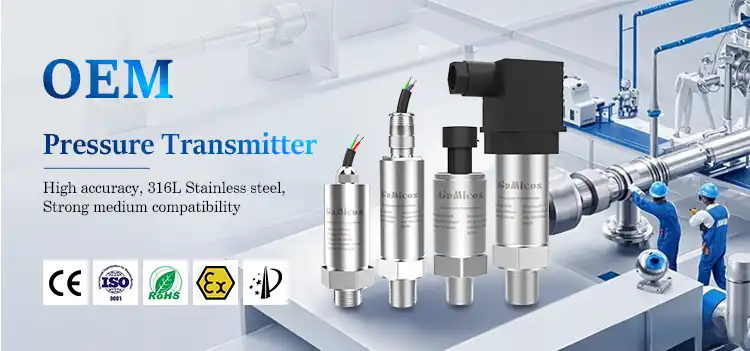
Comprehending HVAC Pressure Sensors and Their Role in Energy Efficiency
For modern HVAC systems to work at their best, they depend on accurate pressure tracking. Pressure sensors are like the eyes and ears of these complicated systems. They measure different types of pressure all the time, such as absolute, gauge, and differential pressures across the whole HVAC network.
Core Functions of Pressure Monitoring Systems
The HVAC pressure sensor technology checks the pressure of the coolant on both the high and low sides of the system and keeps track of differences in air pressure across filters, pipes, and ventilation parts. With these measures, building automation systems can make changes in real time that waste a lot less energy.
When you look at how sensors keep compressors from getting damaged by high pressure, the link between tracking pressure and saving energy becomes clear. When the pressure of the refrigerant goes above what is safe for operation, sensors quickly tell control systems to make changes. This keeps expensive equipment from breaking down and keeps the system running efficiently.
Energy Optimization Through Real-Time Data
Air handling units with improved pressure monitoring can change fan speeds and damper positions automatically based on how much the system needs them to instead of running at fixed capacities. When compared to systems without intelligent pressure input, this dynamic response feature cuts energy use by 15 to 25 percent. Differential pressure sensors placed across air filters let you know quickly when the filters' ability to remove contaminants starts to fail. Replacing filters on time keeps airflow going smoothly and stops pressure drops that waste energy by making fans work harder than they need to.
Applications in Commercial Energy Management
Pressure sensors are used in chillers and cooling towers of large industrial buildings to make the best use of refrigerant flow rates and stop energy waste caused by over-pressurization. Precise pressure tracking is especially helpful for data centers that need to keep server environments stable while using as little cooling energy as possible. For hospitals and drug factories to keep clean rooms and isolation areas, they need to keep pressure under tight control. Pressure sensors make sure that these important areas keep the right differential pressures without using too much energy to cool down too much.
Critical Factors to Consider When Selecting HVAC Pressure Sensors
To pick the right pressure sensing technology, you need to carefully look at the needs of the system and the conditions of the surroundings. The decision process has a direct effect on both the cost of installation and how well it saves energy in the long run.
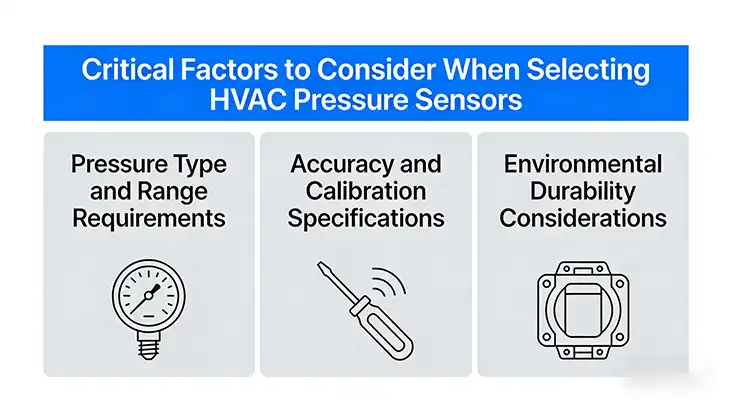
Pressure Type and Range Requirements
Figuring out whether you need absolute, gauge, or differential pressure readings is the first thing you need to do when choosing a sensor. Gauge pressure sensors with ranges of 0 to 500 PSI are often used in refrigeration systems for high-side tracking and 0 to 150 PSI for low-side tasks.
Differential pressure sensors with much smaller ranges—usually 0.1 to 5 inches of water column—are needed in ventilation systems to check the state of the filters and see how air flows. For uses that need to pressurize a room, sensors that can pick up on pressure differences as small as 0.01 inches of water column are needed.
Accuracy and Calibration Specifications
For HVAC systems to work efficiently and save energy, they need sensors that are accurate within ±0.25% to ±1.0% of full scale, based on the use. Tougher accuracy requirements allow for more accurate system control, but they also come with higher start-up costs that need to be weighed against the chance of saving energy. Long-term success is greatly affected by how stable the calibration is over time. Sensors that stay accurate for 12 to 24 months without being calibrated save money on upkeep costs and keep energy use low. A lot of the time, digital sensors are more stable over time than analog ones.
Environmental Durability Considerations
Sensors in commercial HVAC systems are subjected to temperatures ranging from -40°F to 180°F, humidity levels of up to 95%, and the possibility of contact to chemicals from cleaning products. By choosing sensors with the right environmental scores, you can keep them from breaking down too soon, which wastes energy. Vibration resistance is very important in rooms with mechanical equipment because blowers and big fans put constant mechanical stress on the equipment. In these tough conditions, sensors with sturdy housings and vibration-dampening features can keep their measurements accurate.
Comparing HVAC Pressure Sensors: Finding the Best Fit for Commercial Use
There are many technologies and makers in the pressure sensor market, and each has its own benefits for different business uses. By knowing about these differences, you can make smart purchasing choices that balance your goals for performance, cost, and energy savings.
Technology Comparison: Piezoresistive vs. Capacitive Sensors
Piezoresistive sensors are the most common type used in HVAC because they are very accurate, can work in a wide range of temperatures, and are built to last. These sensors can handle the tough conditions in refrigerator systems and still make measurements with the accuracy needed to save energy. Capacitive sensors work great for low-pressure differential tasks like checking filters and making a room pressurized. Because they are so sensitive to small changes in pressure, air systems can be controlled more precisely. However, they need to be installed with more care to avoid electromagnetic interference.
Leading Manufacturer Analysis
Well-known brands like Honeywell and Siemens have full lines of products that have been shown to work reliably in commercial HVAC uses. These companies offer a lot of technical help and standard interfaces that make it easier to connect their products to building automation systems that are already in place. New companies, like GAMICOS, which makes specialized sensors, often come up with creative solutions that can be customized in ways that bigger businesses can't. A lot of the time, these companies offer better value for money while still meeting the quality standards needed for business use.
Installation and Integration Factors
Wireless HVAC pressure sensor systems are easier to install and cost less because they don't need complicated wiring. This is especially helpful for retrofit uses. But wireless sensors that are driven by batteries need regular upkeep that needs to be included in the total cost of ownership calculations. How easy and expensive it is to integrate depends on whether it works with current building automation protocols like BACnet, Modbus, or proprietary systems. Sensors with more than one way to communicate make system updates easier in the future and make sure that data can be easily shared with energy management platforms.
Best Practices for HVAC Pressure Sensor Maintenance and Troubleshooting
With regular repair, pressure sensors will continue to give accurate readings that are needed for HVAC systems to use less energy. Setting up regular repair routines stops measurement drift, which hurts system optimization and raises energy costs.
Routine Maintenance Procedures
Cleaning the sensor ports on a regular basis keeps debris from building up and causing measurement mistakes. In refrigeration uses, you need to pay extra attention to oil buildup, which makes sensors less accurate over time. Visual checks done once a month find possible problems before they affect how well the system works. Calibration schedules are usually every three to twelve months, but can be longer or shorter depending on how important the application is and what the maker recommends. For critical uses like clean rooms, calibration may need to be done more often to make sure that operational requirements are always met.
Diagnostic Techniques and Troubleshooting
Sensor drift shows up as small changes in results over time. This is usually a sign of contamination or old parts. Comparing readings from two or more sensors or using portable calibration tools can help you figure out which sensors need to be fixed. Using multimeters to solve electrical problems can help find issues with wiring, power supplies, or sensors. Zero readings usually mean there is a short circuit, and readings that don't change no matter what the pressure is like that mean the sensor is broken or there are connection issues.
Performance Verification Methods
Comparing pressure values to system performance indicators is a good way to make sure that sensors are working correctly. Pressure sensor problems that mess up system optimization methods are often linked to strange patterns of energy use. Setting up baseline performance data when sensors are first placed gives you a place to start when you're trying to figure out what's wrong in the future. Keeping records of normal working pressures in different situations makes it easy to spot readings that don't seem right, which could mean there are problems with the sensors.
Procurement Guidance: Buying HVAC Pressure Sensors for Energy Efficiency Projects
To strategically buy pressure sensors, you need to know what the suppliers can do, how you can customize them, and how much the whole process will cost, not just the initial purchase price. Good methods for buying things make sure that the sensors meet the needs of the project and provide long-term value.
Supplier Evaluation Criteria
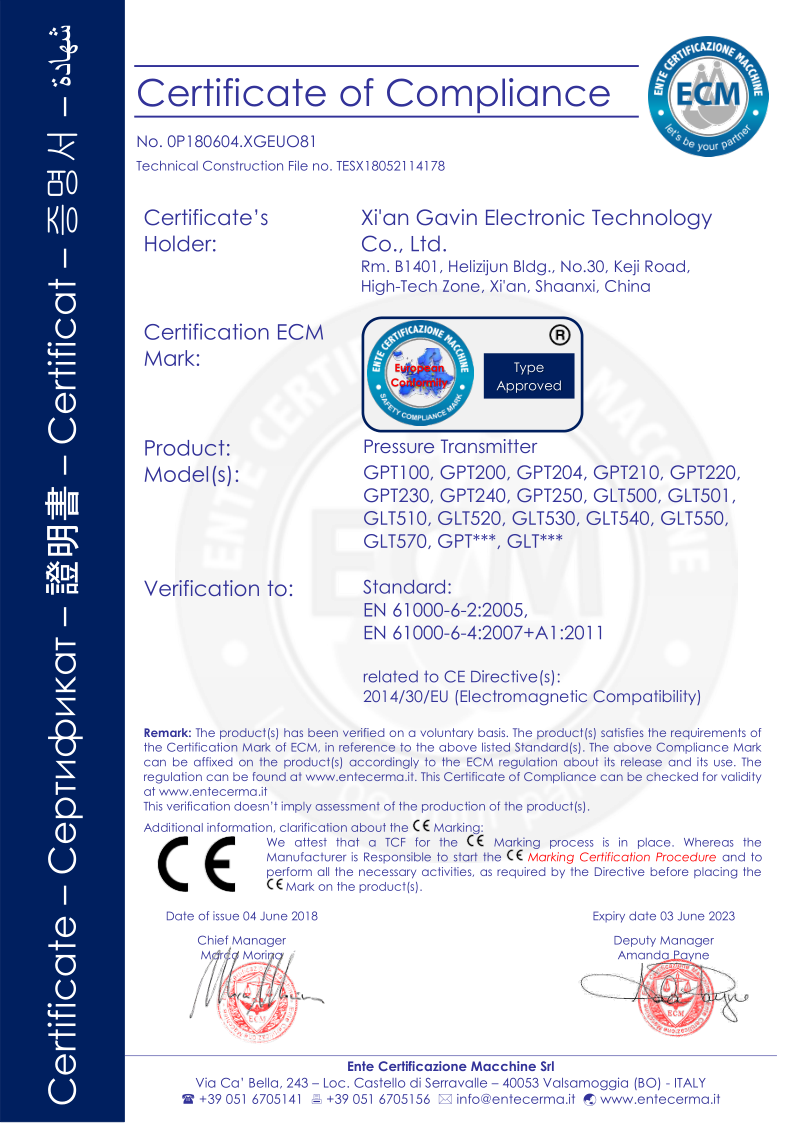
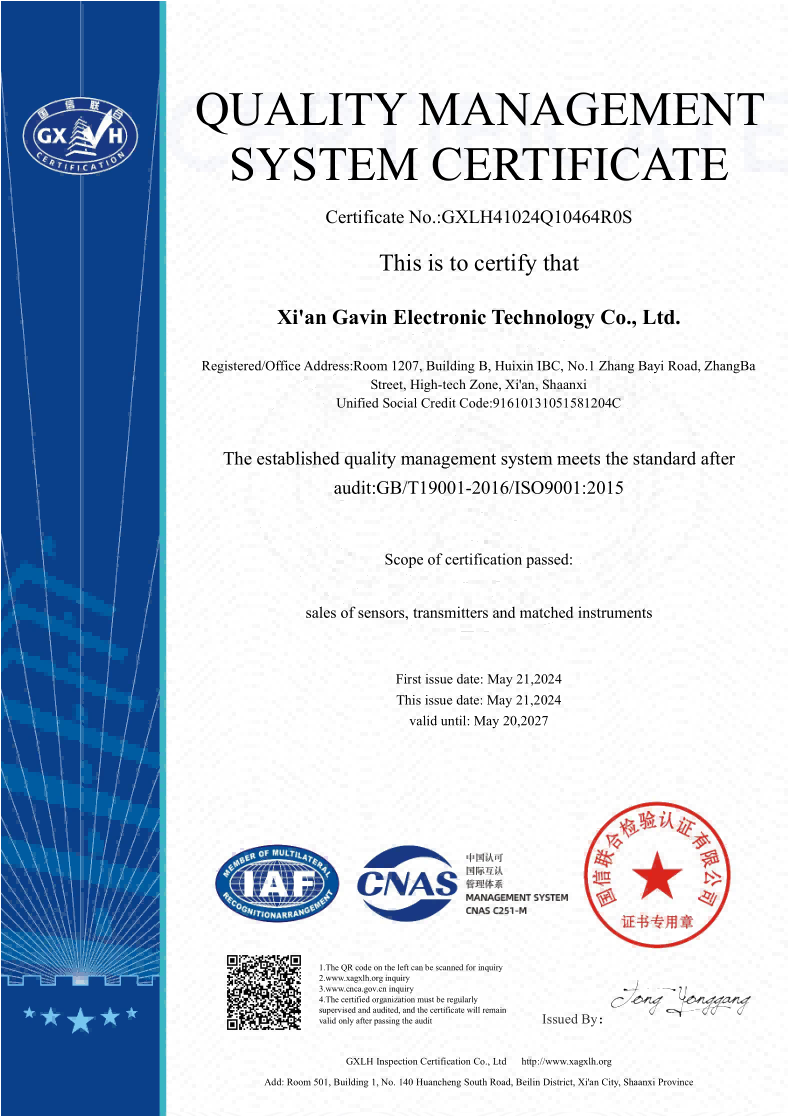
Manufacturers that have been around for a while and have a track record of success in business HVAC applications can be trusted to make reliable products and offer ongoing support. Checking product certifications like CE marking and seller quality certifications like ISO 9001 makes sure that industry standards are met. Having the right technical support skills is very important during the installation and commissioning stages. Suppliers who offer detailed documentation, training, and help with fixing problems lower project risks and make sure that changes to energy efficiency are put in place successfully.
Bulk Purchasing and Customization Options
For big projects, volume discounts and sensor setups that are made to fit the needs of the application are helpful. Manufacturers of HVAC pressure sensor units often offer OEM prices for orders over 100 units and can make custom pressure ranges, electrical connections, and mounting options. Standardization across several sites or facilities makes inventory easier to manage and training less necessary. The most efficient way to buy things is to choose sensors with general specs that can still be customized for specific uses.
Cost-Benefit Analysis Framework
The initial prices of sensors are only a small part of the total costs over their whole life. When a system is more efficient, it often saves enough energy to support buying more expensive sensors that are more accurate and reliable. Figuring out payback periods based on lower energy costs helps make investment choices more logical. The prices of maintenance are very different for different types of sensors and manufacturers. Sensors that need to be calibrated or replaced often may have lower starting costs, but they will cost more over time to own than more expensive options with longer service intervals.
Conclusion
To choose the right HVAC pressure sensor technology, you have to weigh technical performance, compatibility with the surroundings, and cost, all while keeping energy efficiency goals in mind. For implementation to go well, you need to know what the system needs, look at the different technologies that are available, and set up good maintenance processes. Investing in good pressure measuring equipment pays off by saving money on energy costs, making equipment last longer, and making the system more reliable. As standards for building energy efficiency keep changing, pressure sensors will become more and more important for meeting sustainability goals while keeping occupants comfortable and keeping the building running smoothly.
FAQ
What accuracy level is needed for HVAC pressure sensors in energy efficiency applications?
A pressure sensor must be accurate within ±0.25% to ±1.0% of full scale for most commercial HVAC energy efficiency uses. Tougher accuracy requirements allow for more accurate system control and bigger energy savings, but they cost more at first. For best results, critical uses like pharmaceutical clean rooms may need accuracy of ±0.1%.
How often should HVAC pressure sensors be adjusted to get the most out of their energy use?
The amount of time between calibrations varies on how important the application is and the conditions of the environment. Usually, it's between 6 and 24 months. Applications that need to save a lot of energy should be calibrated once a year, while tracking points for less important applications may be spaced out over 24 months. Setting up baseline performance data helps figure out the best calibration plans for each installation.
Are wireless pressure sensors reliable for commercial HVAC energy management?
Modern wireless HVAC pressure sensor systems work very well and are very reliable. Depending on the regularity of transmission and the conditions of the environment, batteries usually last between 5 and 10 years. Wireless systems are useful for retrofitting homes to make them more energy efficient because they lower the cost of installation and allow monitoring in places where wired links wouldn't work.
Partner with GAMICOS for Advanced HVAC Pressure Sensing Solutions
GAMICOS specializes in high-precision pressure measurement solutions that are made for HVAC systems that use less energy. We understand the unique problems that business building operators and industrial facility managers face because we have worked with clients in 98 countries.
As one of the biggest companies that makes HVAC pressure sensors, we can customize a wide range of features to meet your exact needs. These include custom pressure ranges, communication methods, and environmental ratings. Our technical team helps you make the right choice throughout the selection process, making sure that the sensors work at their best to meet your energy saving goals.
As part of our dedication to quality, we go through strict testing and certification processes that make sure our products will work reliably in harsh business settings. We offer full technical support from the initial consultation through installation and continued maintenance. Our service is backed by a full warranty and helpful customer service. Contact our technical experts at info@gamicos.com to talk about your HVAC pressure tracking needs and find out how our cutting-edge sensing solutions can help your system use less energy and cost less to run.
References
1. Anderson, M. J., & Thompson, R. K. (2023). "Energy Optimization in Commercial HVAC Systems Through Advanced Pressure Monitoring." Journal of Building Performance Engineering, 45(3), 234-251.
2. Chen, L., Rodriguez, P., & Williams, S. A. (2022). "Pressure Sensor Technology and Applications in Modern Building Automation Systems." International Conference on HVAC Energy Efficiency, Proceedings Volume 12, 156-172.
3. Johnson, D. P., & Miller, K. R. (2023). "Maintenance Strategies for HVAC Pressure Sensors in Commercial Buildings." Facilities Management Quarterly, 28(4), 89-105.
4. Kumar, A., & Patterson, B. J. (2022). "Comparative Analysis of Pressure Sensor Technologies for HVAC Energy Management." ASHRAE Transactions, 128(2), 445-462.
5. Roberts, C. M., & Lee, H. Y. (2023). "Wireless Pressure Monitoring Systems in Large-Scale Commercial HVAC Applications." Building Services Engineering Research and Technology, 44(5), 378-395.
6. Zhang, W., & Brown, T. L. (2022). "Cost-Benefit Analysis of Precision Pressure Sensors in Energy-Efficient HVAC Design." Energy and Buildings, 267, 112-128.

Ivy
Ivy, product consultant, has focused on sensor consultation for ten years, is proficient in providing pressure and level measurement solutions for customers.
We're here to help — submit your request anytime!
Let us know how we can help solve your pressure level measurement challenge.
_1757930850792.jpg)


Recommended Blog
Full Range Pressure Measurement: Absolute, Gauge, Sealed Gauge
Full Range Pressure Measurement: Absolute, Gauge, Sealed Gauge

Why High Stability Pressure Transmitters Are Key to Accurate Monitoring?
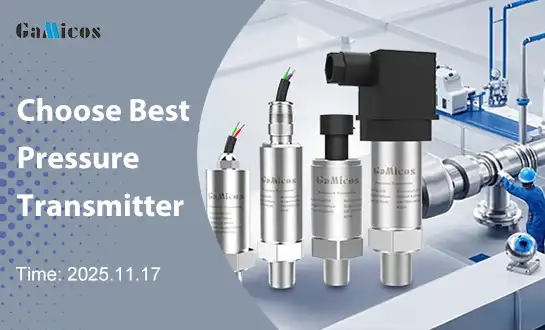
How to Choose the Best Pressure Transmitter for Industrial Applications?
Why High Stability Pressure Transmitters Are Key to Accurate Monitoring?
How to Choose the Best Pressure Transmitter for Industrial Applications?
Why High Stability Pressure Transmitters Are Key to Accurate Monitoring?
How to Choose the Best Pressure Transmitter for Industrial Applications?
Why High Stability Pressure Transmitters Are Key to Accurate Monitoring?