Which pressure sensor output suits a sewage treatment plant?
Best Pressure Sensor Outputs for Sewage Systems
GAMICOS, a leading manufacturer of pressure and level sensors, specializes in providing cutting-edge measurement solutions for wastewater treatment facilities. Our extensive range includes pressure sensors, liquid level sensors, and wireless measuring instruments designed to meet the unique challenges of sewage treatment plants. With a customer-oriented approach and comprehensive after-sales support, GAMICOS delivers reliable, customizable products that ensure process stability and optimal performance in wastewater management.
Best Pressure Sensor Outputs for Sewage Systems
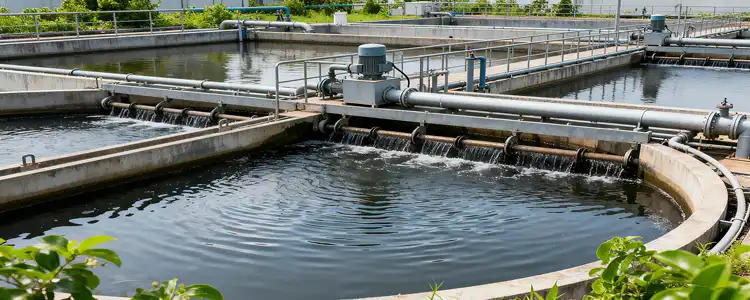
Selecting the appropriate pressure sensor output for a sewage treatment plant is crucial for efficient operation and accurate monitoring. The most common and suitable outputs for these applications include:
4-20 mA Current Output
The 4-20 mA current output is widely used in sewage treatment plants due to its reliability and resistance to electromagnetic interference. This analog signal is particularly advantageous for long-distance transmission, making it ideal for large-scale facilities. The pressure sensor with 4-20 mA output provides a consistent signal across various distances, ensuring accurate pressure measurements throughout the sewage system.
0-10V Voltage Output
Voltage outputs, such as 0-10V, are another popular choice for pressure sensors in wastewater treatment. These outputs offer good resolution and are compatible with many control systems. However, voltage drops over long distances can affect accuracy, so they are best suited for shorter cable runs. A pressure sensor with 0-10V output is often used in smaller sewage treatment plants or in areas where the sensor is located close to the control room.
Digital Outputs (Modbus, HART, etc.)
Digital outputs are gaining popularity in modern sewage treatment plants due to their ability to transmit more detailed information. Protocols like Modbus and HART allow pressure sensors to communicate not only pressure readings but also diagnostic data and calibration information. This additional data can be invaluable for predictive maintenance and troubleshooting. A pressure sensor with digital output offers enhanced functionality and integration with advanced control systems.
Key Factors When Selecting a Pressure Sensor
When choosing a pressure sensor for a sewage treatment plant, several factors must be considered to ensure optimal performance and longevity:
Chemical Compatibility
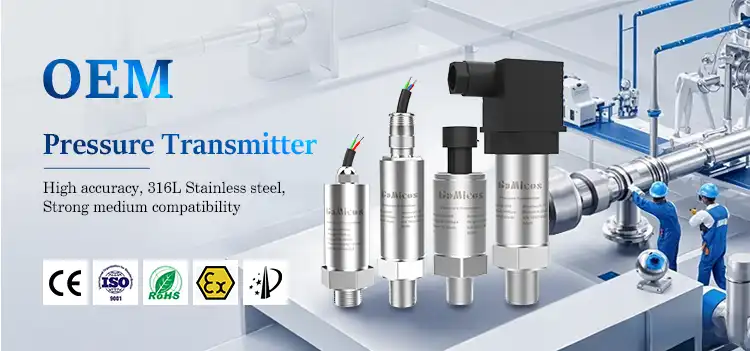
Sewage contains a variety of corrosive substances that can damage sensors. It's essential to select a pressure sensor with materials that can withstand these harsh conditions. Stainless steel, particularly 316L grade, is often used for its excellent corrosion resistance. GAMICOS pressure sensors feature 316L stainless steel isolation diaphragms, ensuring durability in aggressive environments.
Accuracy and Stability
Accurate and precise measurements are vital for the efficient operation of sewage treatment systems. Selecting a pressure sensor with both high accuracy and long-term stability is essential to minimize measurement drift and reduce the need for frequent recalibrations, saving time and maintenance costs. The GAMICOS GPT200 pressure transmitter is an excellent example, featuring strong anti-interference capabilities and exceptionally low drift, which together ensure consistent, reliable, and long-term performance in demanding sewage treatment environments.
Environmental Protection
Sewage treatment plants often have high humidity and may be subject to occasional flooding. Choose a pressure sensor with an appropriate IP rating to protect against moisture ingress. Additionally, consider sensors with built-in lightning protection for outdoor installations. GAMICOS pressure sensors undergo rigorous environmental simulation testing to ensure they can withstand challenging conditions.
Common Pressure Sensor Issues in Sewage Plants
Despite careful selection, pressure sensors in sewage treatment plants can encounter various challenges. Understanding these issues can help in implementing preventive measures and troubleshooting:
Fouling and Clogging
Sewage contains solid particles that can accumulate on the pressure sensor's diaphragm, affecting its accuracy. Regular cleaning and maintenance are essential to prevent this issue. Some advanced pressure sensors feature self-cleaning mechanisms or flush diaphragms to minimize fouling. GAMICOS offers customized solutions, such as pressure sensors with extended diaphragms, to reduce the risk of clogging in particularly challenging environments.
Signal Interference
Electrical noise from pumps and other equipment can interfere with pressure sensor readings, especially with voltage outputs. Proper shielding and grounding of cables can mitigate this issue. Alternatively, consider using a pressure sensor with a 4-20 mA output or digital communication, which are less susceptible to interference. GAMICOS pressure sensors are designed with strong anti-interference capabilities to ensure reliable measurements even in noisy environments.
Temperature Effects
Variations in sewage temperature can impact pressure measurements. To ensure reliable readings, select pressure sensors equipped with integrated temperature compensation, which maintains accuracy across a broad temperature range. The GAMICOS GPT200 pressure transmitter features advanced temperature compensation technology, providing consistent and stable readings even under fluctuating conditions. Its design minimizes the effects of thermal changes, making it ideal for applications where both pressure stability and temperature resilience are critical, ensuring dependable performance in demanding environments.
Conclusion
In conclusion, selecting the right pressure sensor output for a sewage treatment plant requires careful consideration of the specific application requirements, environmental conditions, and potential challenges. By understanding the advantages of different output types and key selection factors, plant operators can make informed decisions to optimize their processes.
GAMICOS: Your Trusted Partner for Sewage Treatment Plant Pressure Sensors
GAMICOS is a leading manufacturer and supplier of high-quality pressure sensors tailored for sewage treatment applications. Our GPT200 general pressure transmitter utilizes advanced diffused silicon technology and robust 316L stainless steel construction, making it ideal for the harsh environments found in wastewater facilities. With options for various outputs, including 4-20 mA, 0-10V, and digital protocols, we offer flexible solutions to meet your specific needs. Our sensors undergo rigorous testing and quality control processes, ensuring reliability and longevity in challenging conditions.
Whether you require standard models or custom designs, GAMICOS has the expertise and experience to provide optimal pressure measurement solutions for your sewage treatment plant. Contact us at info@gamicos.com to discuss your pressure sensor requirements and discover how our products can enhance your wastewater management processes.
References
1. Johnson, A. R. (2021). Advanced Pressure Sensor Technologies for Wastewater Treatment. Water Engineering Journal, 45(3), 78-92.
2. Smith, B. C., & Brown, D. E. (2020). Optimizing Sensor Selection in Sewage Treatment Facilities. Environmental Technology Review, 18(2), 205-219.
3. Zhang, L., et al. (2022). Comparative Analysis of Pressure Sensor Outputs in Municipal Wastewater Systems. Journal of Water Process Engineering, 56, 102-114.
4. Martinez, R. F. (2019). Challenges and Solutions in Pressure Measurement for Sewage Treatment. Water Science and Technology, 79(11), 2145-2157.
5. Patel, S. K., & Lee, J. H. (2023). Advancements in Pressure Sensing Technology for Smart Wastewater Management. Sensors and Actuators B: Chemical, 378, 132956.

Ivy
Ivy, product consultant, has focused on sensor consultation for ten years, is proficient in providing pressure and level measurement solutions for customers.
We're here to help — submit your request anytime!
Let us know how we can help solve your pressure level measurement challenge.
_1757930850792.jpg)

Recommended Blog
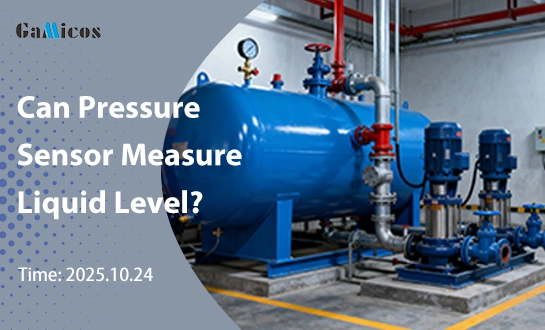
Can a pressure transducer measure liquid level in firefighting tanks?
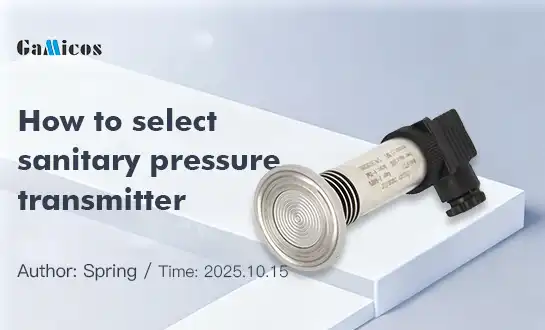
How do I choose the right sanitary pressure transmitter for my application?

How to Choose a Well Level Sensor for Deep-Bore Applications?
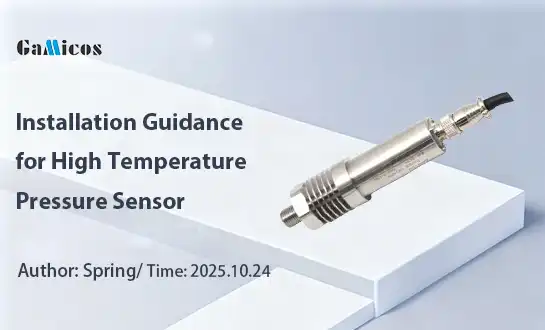
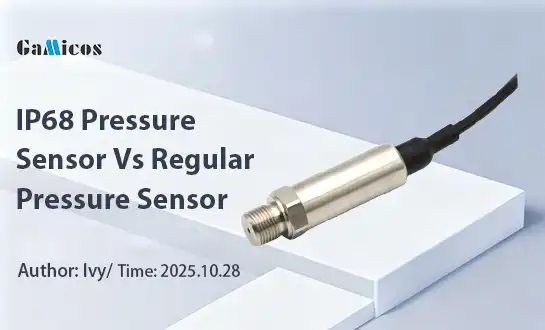
Waterproof Pressure Sensor vs Regular Pressure Sensor: How to Choose?
Full Range Pressure Measurement: Absolute, Gauge, Sealed Gauge