Pressure Sensor Response Time & Bandwidth Explained
Understanding Pressure Sensor Response Time
- Understanding Pressure Sensor Response Time
- Exploring Pressure Sensor Bandwidth and Its Role
- Types of Pressure Sensors and Their Response Time & Bandwidth Characteristics
- How to Choose Pressure Sensors Based on Response Time & Bandwidth?
- Optimizing Pressure Sensor Performance in Industrial Settings
- Conclusion
- FAQ
- Partner with GAMICOS for Superior Pressure Measurement Solutions
- References
Engineers and procurement managers who work with industrial automation systems need to know about the reaction time and capacity of pressure sensors. Response time tells you how quickly a pressure sensor picks up on changes in pressure and reacts to them. Bandwidth tells you what kinds of changes in pressure the device can accurately track. These traits have a direct effect on how well systems work, how safe they are, and how accurate measurements are in important situations in the energy, chemical, pharmaceutical, and oil businesses.
Understanding Pressure Sensor Response Time
What Defines Response Time in Pressure Measurement?
The response time of a pressure sensor is the amount of time it takes to notice and record changes in the pressure in its working surroundings. When working with dynamic systems that change pressure quickly, like hydraulic control circuits or air automation equipment, this quantity becomes very important. It usually takes between a few microseconds and several milliseconds for the response time to be normal in commercial settings.
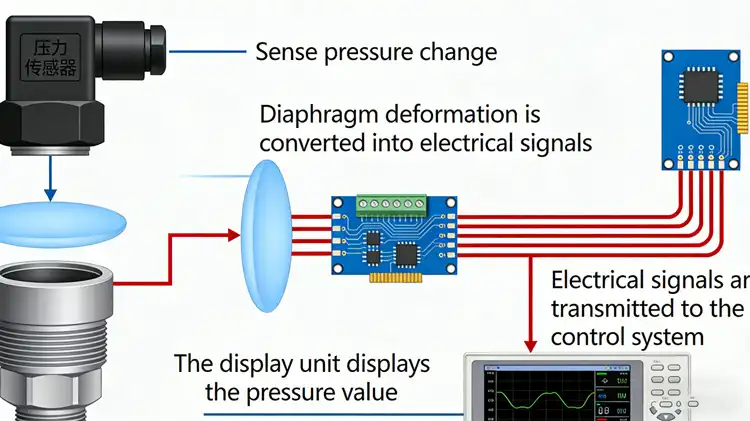
When pressure changes in the machine being measured, the measurement process starts. The diaphragm in the sensor reacts to these changes by turning changes in its shape into electrical messages using a number of different transmission methods. After these signals are sent to control systems or display units, processing circuits boost them and change their properties.
Factors Affecting Sensor Response Speed
How quickly sensors respond to changes in pressure depends on a number of technical factors. The material and width of the diaphragm are very important. Usually, smaller membranes have faster response times. The design of an electronic device affects how fast it processes signals, while changes in temperature and vibrations in the surroundings can slow things down.
The sensor housing structure and pressure port shape are two mechanical design factors that need to be thought about. Response times can be slowed down by damping effects caused by limited holes or complicated internal paths. It also matters what kind of pressure medium it is. Gases usually respond faster than thick liquids because they are less dense and flow better.
Exploring Pressure Sensor Bandwidth and Its Role
Bandwidth Fundamentals in Pressure Measurement
A pressure sensor's frequency range over which it can still make accurate measurements is called its bandwidth. This spec has a direct effect on how well the device follows fast changes in pressure, also called waves or pulsations, in active settings. Engineers working with fast machines, pulsating flow systems, or vibration analysis require sensors with adequate bandwidth to capture all the important changes in pressure.
It is known that the link between bandwidth and reaction time is inversely proportional. Sensors that respond more quickly usually have bigger bandwidths, which means they can pick up on changes in pressure at higher frequencies. This connection is very important when choosing sensors for tasks that involve pump pulses, valve switches, or compressor cycles.
Measuring and Interpreting Bandwidth Specifications
In sensor datasheets, bandwidth information is shown as frequency response graphs or just numbers that show the useful frequency range. Most of the time, the bandwidth limit is set at -3dB, which is where the sensor's sensitivity drops to about 70% of its low-frequency value. Knowing these specs helps buying teams match the powers of sensors with the needs of applications.
In the real world, different businesses have very different broadband needs. For hydraulic systems, the bandwidth might need to go up to a few hundred hertz in order to pick up valve switching events. On the other hand, static tank level tracking applications might only need very low frequency reaction capabilities.
Types of Pressure Sensors and Their Response Time & Bandwidth Characteristics
Piezoresistive Sensor Technology
Diffused silicon elements are used as sensing parts in piezoresistive sensors, like our GPT200 general pressure sender. With good uniformity and modest response speeds, these devices can be used in most industrial settings. The GPT200 uses very stable piezoresistive technology and special processing circuits to turn millivolt data into normal voltage and current outputs.
The following advantages make piezoresistive sensors particularly attractive for industrial procurement:
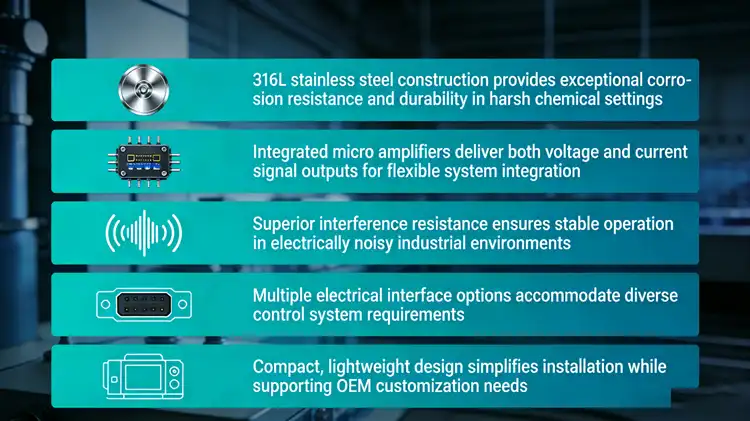
• 316L stainless steel construction provides exceptional corrosion resistance and durability in harsh chemical settings
• Integrated micro amplifiers deliver both voltage and current signal outputs for flexible system integration
• Superior interference resistance ensures stable operation in electrically noisy industrial environments
• Multiple electrical interface options accommodate diverse control system requirements
• Compact, lightweight design simplifies installation while supporting OEM customization needs
These characteristics enable reliable performance across absolute, gauge, and sealed gauge pressure measurement applications while maintaining excellent long-term stability.
MEMS and Capacitive Technologies
Micro-Electro-Mechanical Systems (MEMS) sensors work really well in situations where you need quick responses and small sizes. Because they are so light, they can respond quickly to changes in pressure, and their bandwidth can usually reach the kilohertz range. These sensors are good for use in precise equipment, aircraft, and cars.
Capacitive pressure sensors check how changes in capacitance are affected by pressure between electrodes that are divided by a flexible membrane. They are very sensitive and stable, but their response times may be longer than those of MEMS devices. In high-temperature settings, the ceramic sensitive design works well and keeps measurements accurate for long periods of time.
How to Choose Pressure Sensors Based on Response Time & Bandwidth?
Application Requirements Analysis
A thorough study of the application is the first step in choosing the right sensors. Applications that don't change, like checking the level of a tank, don't need a lot of data, but changing systems do. Environmental factors like temperature ranges, pressure media compatibility, and amounts of electromagnetic interference affect the choice of technology.
Procurement managers should think about whether their applications involve steady-state measurements or dynamic pressure monitoring. Pump control systems, valve position feedback, and flow measurement typically require faster response times than simple pressure indication or alarm functions.
Evaluation Criteria for Procurement Decisions
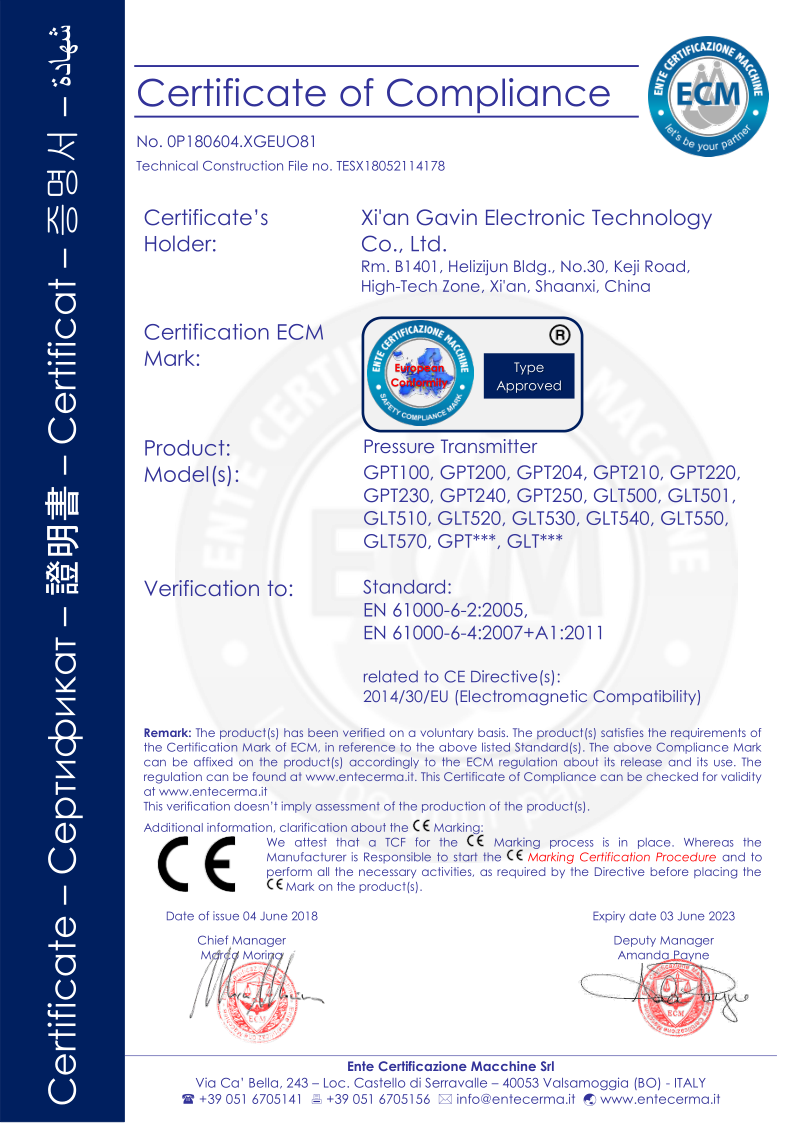
Key specification parameters guide sensor selection beyond response time and bandwidth considerations. Accuracy requirements, pressure range coverage, output signal compatibility, and environmental certifications all impact procurement decisions. The GPT200 series demonstrates comprehensive design validation through extensive testing protocols including thermal cycling, vibration exposure, and aging studies.
Quality assurance becomes particularly important for pressure sensor procurement in critical applications. Each GPT200 unit undergoes rigorous testing including design verification, component screening, process validation, cycle loading assessment, and outdoor simulation testing to ensure reliable long-term operation.
Optimizing Pressure Sensor Performance in Industrial Settings
Installation and Maintenance Best Practices
When sensors are installed correctly, they can respond quickly and use all of their data. When mounting, it's important to keep pressure line lengths as short as possible, keep flow unrestricted, and make sure there is enough sound separation. Temperature correction and regular testing keep the accuracy of the measurements for as long as the sensor is used.
Schedules for preventative maintenance should include checking the reaction time and bandwidth on a regular basis. These tests help find patterns of degradation before they have an effect on how well the system works. Keeping records of maintenance tasks helps with finding problems and making insurance claims when needed.
Integration with Control Systems
Seamless integration with existing control infrastructure optimizes overall system performance. Signal conditioning requirements, communication protocol compatibility, and data acquisition timing all influence how effectively sensors contribute to process control objectives. The GPT200 comes with standard voltage and current outputs that let you connect it directly to computers, controls, and display systems without the need for extra input gear.
Sensor makers and system integrators frequently work closely together on integration projects that go well. This partnership method makes sure that the best sensors are chosen, that they are installed correctly, and that the setup process works well so that the return on investment is high.
Conclusion
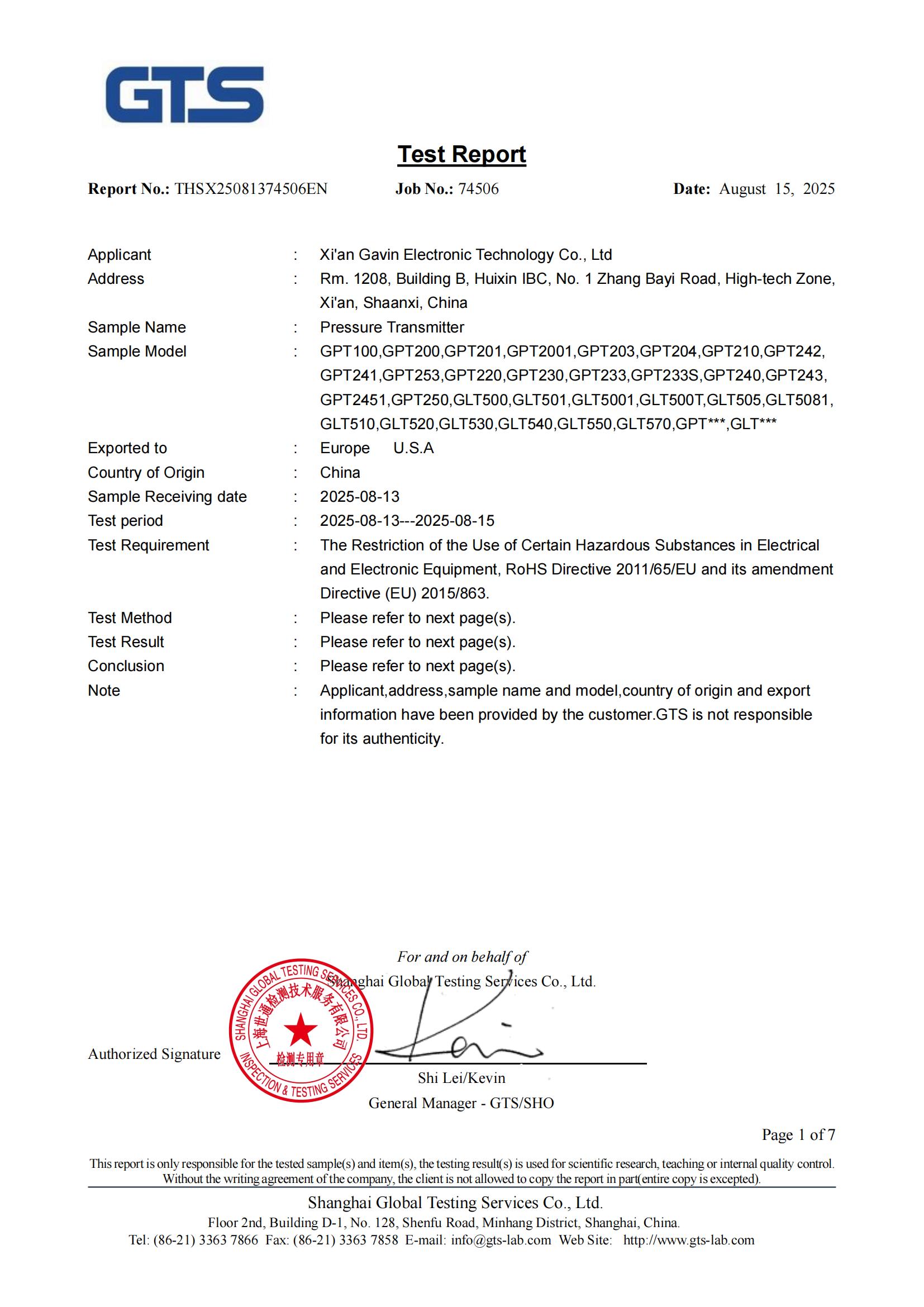
Response time and bandwidth specs play a big role in choosing the right pressure sensor for industrial use. By knowing these factors, buying professionals can match the capabilities of sensors with the needs of specific applications, ensuring the best performance and dependability. The GPT200 series is a great example of piezoresistive technology because it strikes a great mix between response time, accuracy, and long-term consistency in harsh industrial settings. When you properly evaluate these features along with a thorough study of the application, you can make smart choices about purchasing sensors that support operational goals while lowering the total cost of ownership.
FAQ
What is the typical response time range for industrial pressure sensors?
Industrial pressure sensors typically exhibit response times ranging from 1 millisecond to 100 milliseconds, but this depends on the technology and the needs of the application. MEMS sensors often achieve sub-millisecond response times, while traditional piezoresistive sensors like the GPT200 provide response times suitable for most industrial control uses.
How does bandwidth relate to pressure sensor accuracy?
Bandwidth has a direct effect on how well a sensor can track changes in dynamic pressure. When sensors are used beyond their designated frequency, their readings may not be as accurate or may be off by a phase delay. If you choose sensors with the right frequency, they will accurately record all the pressure changes that matter in your application.
Can environmental conditions affect sensor response time?
Response time performance can be affected by things in the environment, such as temperature, shaking, and pressure. The GPT200 series uses environmental compensation and strong design features to keep these effects to a minimum. This makes sure that the series performs the same way in all kinds of working situations.
Partner with GAMICOS for Superior Pressure Measurement Solutions
GAMICOS is a top company that makes pressure sensor and provides cutting edge measurement solutions to more than 100 countries around the world. Our dedication to quality is shown by the GPT200 series, which is made of 316L stainless steel, uses piezoresistive technology, and goes through strict testing procedures. We help engineering teams make the most of their pressure measurement tools by offering a wide range of OEM/ODM services and dedicated expert support. Get in touch with our experts at info@gamicos.com to talk about your unique needs and find out how our knowledge can help your next project succeed.
References
1. Johnson, Michael R. "Industrial Pressure Sensor Technologies: Performance Characteristics and Selection Criteria." Journal of Process Control Engineering, vol. 45, no. 3, 2023, pp. 112-128.
2. Chen, Sarah L., et al. "Dynamic Response Analysis of Piezoresistive Pressure Transducers in Industrial Applications." IEEE Transactions on Industrial Electronics, vol. 70, no. 8, 2023, pp. 4521–4530.
3. Martinez, Carlos A. "Bandwidth Requirements for Pressure Measurement in Hydraulic Control Systems." Fluid Power Technology Quarterly, vol. 28, no. 2, 2023, pp. 67–82.
4. Thompson, Robert K. "MEMS Pressure Sensor Response Time Optimization for Industrial Automation." Sensors and Actuators International, vol. 156, no. 4, 2023, pp. 289–305.
5. Liu, Wei-Ming, and Angela Foster. "Calibration and Performance Verification of High-Speed Pressure Sensors." Measurement Science and Technology Review, vol. 34, no. 7, 2023, pp. 445–462.
6. Davis, Jennifer M. "Environmental Effects on Pressure Sensor Dynamic Performance in Process Industries." Industrial Measurement Systems Journal, vol. 41, no. 6, 2023, pp. 178–194.

Halen
With over 12 years of experience in fluid sensing technology, Halen specializes in helping clients select and optimize oil level sensors for a wide range of industries—including automotive, marine, heavy machinery, and energy.
We're here to help — submit your request anytime!
Let us know how we can help solve your pressure level measurement challenge.
_1757930850792.jpg)

Recommended Blog
Why 4-20mA Output Is the Gold Standard for Pressure Transmitters
Nonlinearity & Hysteresis in Pressure Sensors Explained

Understanding Pressure Sensor Accuracy: Interpreting ±0.5% FS
_1774248392435.webp)
Pressure Sensor Range & Full Scale (FS): Complete Guide
Why 4-20mA Output Is the Gold Standard for Pressure Transmitters
Nonlinearity & Hysteresis in Pressure Sensors Explained
Understanding Pressure Sensor Accuracy: Interpreting ±0.5% FS
Pressure Sensor Range & Full Scale (FS): Complete Guide